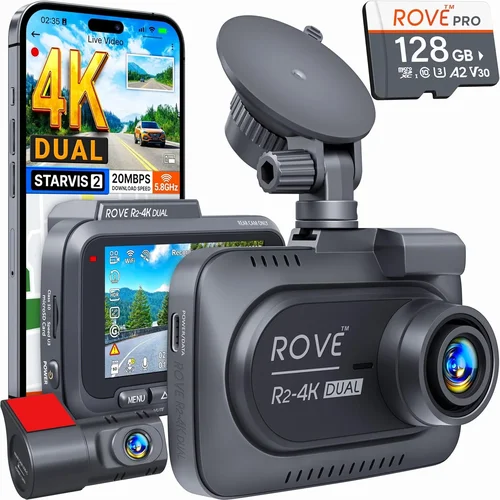
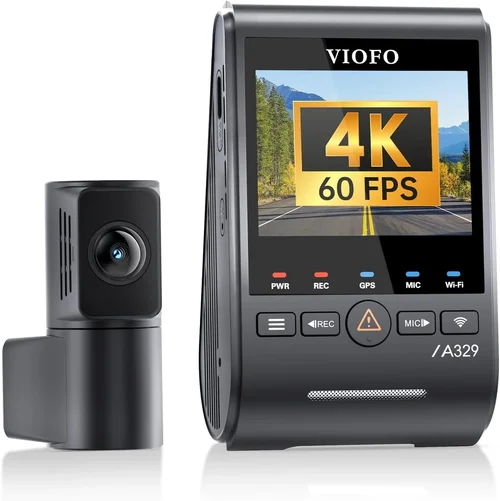
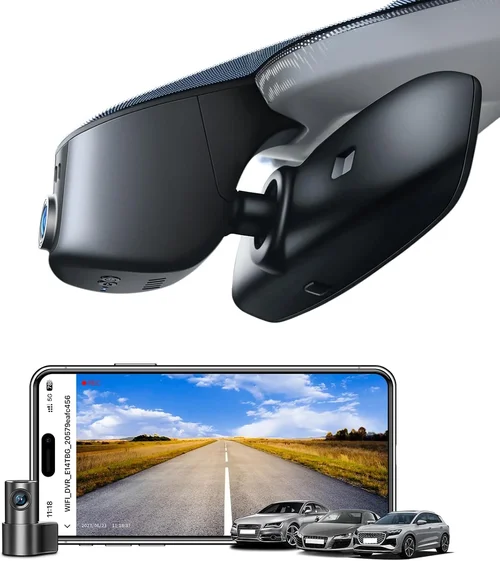
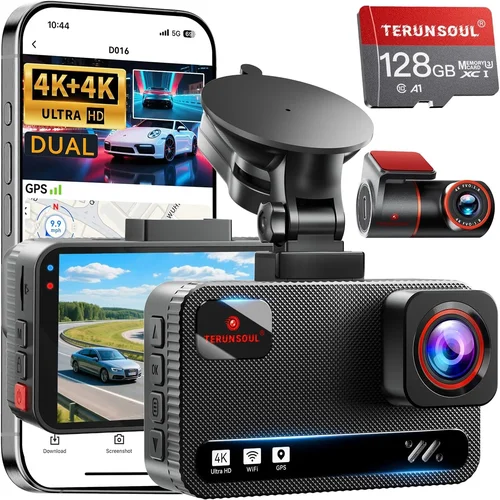
Best Rear Dash Cam Buying Guide
As a responsible vehicle owner, protecting yourself and your investment goes beyond regular maintenance. One of the most effective ways to safeguard against accidents, disputes, or insurance claims is by installing a high-quality dash cam system. While front-facing cameras are essential, the rear dash cam often gets overlooked despite playing a crucial role in capturing what happens behind your vehicle. This comprehensive buying guide will walk you through everything you need to know about selecting the best rear dash cam for your specific needs, ensuring you make an informed decision that provides peace of mind on every journey.
Whether you’re dealing with tight parking maneuvers, following too closely behind other vehicles, or simply want complete coverage for legal protection, understanding the key features and capabilities of rear dash cams is essential. In this detailed guide, we’ll examine the critical factors that differentiate entry-level models from premium options, compare different types available in the market, highlight common purchasing mistakes to avoid, and provide expert recommendations based on real-world usage scenarios. By the end of this article, you’ll have all the knowledge needed to choose a rear dash cam that delivers reliable performance, captures crystal-clear footage, and integrates seamlessly with your existing setup.
The market for rear dash cams has expanded dramatically in recent years, offering everything from basic single-lens systems to advanced dual-channel setups with parking monitoring capabilities. With so many options available across various price points, it can be challenging to determine which model offers the best balance of features, reliability, and value. We’ll break down complex technical specifications into understandable terms, explain why certain features matter more than others depending on your driving situation, and help you navigate the overwhelming array of choices without getting lost in marketing jargon.

What to Look for When Buying Dash Cams
1. Resolution and Video Quality
The foundation of any good dash cam lies in its ability to capture clear, detailed footage under various lighting conditions. For rear dash cams specifically, video resolution directly impacts how well you can identify license plates, facial expressions, and road signs when reviewing incidents. Most reputable manufacturers now offer 1080p Full HD as the baseline standard, but higher resolutions like 2K (2560×1440) and even 4K (3840×2160) are becoming increasingly common in premium models.
When evaluating resolution, consider not just the megapixel count but also the frame rate—typically measured in frames per second (fps). Higher frame rates (like 60fps or 120fps) result in smoother motion capture, which is particularly valuable for documenting rapid events such as sudden braking or collisions. Look for cameras with HDR (High Dynamic Range) capability, as this technology helps maintain detail in both bright sunlight and shadowed areas, eliminating washed-out images during sunrise/sunset drives.
2. Field of View (FOV)
The field of view determines how much area your rear dash cam can capture at any given moment. A wider FOV means more coverage but may introduce some distortion at the edges—a phenomenon known as “fisheye effect.” The ideal rear dash cam should offer between 120° to 170° horizontal viewing angle, striking a balance between comprehensive coverage and acceptable image quality.
For city driving where you need to monitor multiple lanes behind you, a slightly narrower FOV around 140° might be preferable to avoid excessive distortion while still catching important details. Highway drivers may benefit from wider angles up to 170° to account for longer stopping distances and potential blind spots created by large trucks.
3. Night Vision Capabilities
Driving at night presents unique challenges for dash cam performance due to limited ambient light and increased glare from headlights. Advanced night vision features include infrared LEDs, wide dynamic range processing, and specialized low-light sensors that enhance visibility without compromising color accuracy.
Some top-tier rear dash cams incorporate starlight-level sensors capable of recording usable footage in near-total darkness, making them invaluable for overnight parking surveillance. Additionally, look for models with automatic exposure control that adjusts brightness settings based on current lighting conditions rather than relying solely on fixed parameters.
4. Storage Capacity and Loop Recording
Dash cams rely heavily on loop recording functionality—continuously overwriting the oldest footage when storage fills up—to ensure uninterrupted operation. Most modern rear dash cams use microSD cards ranging from 32GB to 1TB capacities, though internal storage is becoming less common due to space limitations.
Choose a card compatible with your camera’s maximum supported capacity and prioritize Class 10 or UHS-I/UHS-II ratings for optimal write speeds. Consider whether your device supports automatic file management (dividing recordings into 1-5 minute segments) and seamless switching between multiple cards if you plan frequent travel or extended recording sessions.
5. Parking Mode Functionality
Parking mode allows your rear dash cam to remain active even when your vehicle is turned off, providing continuous surveillance against hit-and-runs, theft attempts, or vandalism. This feature typically requires hardwiring your camera into your car’s electrical system using an optional power cable kit.
Advanced parking modes include motion detection, impact sensitivity adjustments, and battery-saving sleep timers that minimize power consumption during extended periods away from home. Some premium models even offer cloud connectivity for remote alerts and live streaming capabilities, though these often come at additional monthly subscription costs.
6. Build Quality and Durability
A sturdy housing protects your rear dash cam from extreme temperatures, moisture intrusion, and physical impacts encountered during daily commutes or off-road adventures. Look for devices constructed from high-grade materials like polycarbonate shells with IPX rating certifications indicating resistance to dust and water ingress.
Consider mounting options too—some cameras feature magnetic bases allowing quick attachment/detachment from different surfaces, while others require adhesive mounts designed to withstand prolonged sun exposure without losing adhesion. Always verify compatibility with your vehicle’s window thickness and glass type before installation.
7. Ease of Installation and Use
Even the most advanced rear dash cam becomes frustrating if difficult to install or operate. Opt for models with intuitive interfaces, clearly labeled buttons, and straightforward menu navigation accessible via touchscreen displays or simple button combinations.
Wireless connectivity features like Wi-Fi pairing with smartphone apps streamline firmware updates, playback review, and configuration changes without needing direct USB connections. Voice commands, gesture controls, and customizable shortcut keys further enhance usability during busy driving conditions.
8. Brand Reputation and Customer Support
Purchasing from established brands with proven track records offers greater assurance regarding product reliability, software stability, and responsive customer service. Research user forums, professional reviews, and third-party testing results to gauge long-term satisfaction levels among actual owners.
Check warranty terms carefully—most reputable manufacturers provide at least one year of coverage against defects, with some extending protection up to three years or offering lifetime replacements for hardware failures unrelated to misuse. Reliable support channels including email assistance, phone hotlines, and detailed online documentation significantly improve post-purchase experience.
Different Types of Dash Cams

Common Buying Mistakes to Avoid
❌ Mistake: Prioritizing Price Over Performance
Why it’s bad: Choosing the cheapest rear dash cam available often leads to poor video quality, unreliable operation, and frequent malfunctions that render the device useless during critical moments. Low-cost models frequently compromise on essential components like image sensors, storage reliability, and build materials, resulting in footage that fails to meet evidentiary standards or lacks clarity needed for insurance claims.
What to do instead: Set a realistic budget based on your priorities—whether it’s maximum video quality, robust parking mode functionality, or seamless integration with existing dash cam systems. Research thoroughly before committing, focusing on verified reviews and independent test results rather than marketing hype alone.
❌ Mistake: Ignoring Compatibility Requirements
Why it’s bad: Assuming universal compatibility between dash cams and vehicles can cause installation nightmares, power supply issues, or complete system failure. Factors like window thickness, glass tint darkness, power outlet accessibility, and existing wiring configurations vary significantly across makes and models, requiring careful consideration upfront.
What to do instead: Verify compatibility with your specific vehicle year/make/model before purchasing. Check manufacturer specifications regarding mounting requirements, power consumption rates, and necessary accessories. If unsure, consult professional installers or reach out to customer support with detailed vehicle information.
❌ Mistake: Underestimating Storage Needs
Why it’s bad: Insufficient storage capacity forces constant manual deletion of old files or results in automatic overwriting of recent footage before you’ve had time to review important events. This defeats the primary purpose of owning a dash cam—having access to critical evidence when needed most.
What to do instead: Calculate required storage based on typical recording duration (usually 1-5 minutes per file), desired retention period (3-7 days recommended), and available microSD slots. Factor in higher bitrates for improved quality, as they consume storage faster than lower-resolution alternatives.
❌ Mistake: Overlooking Weather Resistance
Why it’s bad: Failing to account for extreme temperature fluctuations, heavy rain, snow accumulation, or direct sunlight exposure can damage internal electronics and degrade image quality over time. Many inexpensive models lack proper sealing against moisture intrusion or thermal shock, leading to premature failure.
What to do instead: Select rear dash cams rated for automotive environments with IPX certification levels indicating resistance to water and dust ingress. Consider seasonal variations in your region and opt for models tested under similar climate conditions to ensure reliable year-round performance.
❌ Mistake: Neglecting User Interface Design
Why it’s bad: Complex menus, confusing button layouts, and unintuitive controls distract drivers during operation, increasing cognitive load and potentially contributing to secondary accidents. Poor interface design also complicates post-drive review processes, making it harder to locate specific clips quickly.
What to do instead: Prioritize simplicity and logical organization when evaluating interface options. Look for touchscreens with large icons, voice command support, and customizable shortcuts. Test physical buttons if applicable—they should respond predictably without requiring excessive force or precise alignment.
❌ Mistake: Skipping Warranty Coverage
Why it’s bad: Purchasing without adequate warranty protection leaves you vulnerable to unexpected repair costs or replacement fees if hardware fails unexpectedly. Short or vague warranty terms may exclude common failure modes like accidental drops or normal wear and tear, leaving consumers responsible for full repair expenses.
What to do instead: Review warranty length, covered components, claim procedures, and regional availability before finalizing purchase decisions. Extended warranties offered by third parties sometimes provide additional peace of mind beyond manufacturer guarantees, especially for high-value investments.
Budget Guidelines: How Much Should You Spend?
Entry-Level ($30 – $80): Basic Protection for Casual Drivers
This category includes affordable single-lens rear dash cams ideal for occasional drivers or those seeking supplementary rear coverage without breaking the bank. Expect basic Full HD resolution, modest fields of view around 120°, and minimal extra features beyond core recording functionality. While sufficient for everyday commuting and short trips, these models may struggle in challenging lighting conditions or offer limited customization options compared to higher-end alternatives.
Mid-Range ($80 – $200): Sweet Spot for Most Buyers
The sweet spot encompasses dual-channel systems combining front and rear recording capabilities with enhanced specs like 2K resolution, superior night vision, and integrated parking modes. These devices strike an excellent balance between cost and performance, delivering reliable evidence capture across diverse driving scenarios while maintaining user-friendly operation and robust build quality. Many mid-range units also include useful extras like GPS logging, impact detection, and mobile app connectivity.
Premium ($200 – $400): For Enthusiasts and Professionals
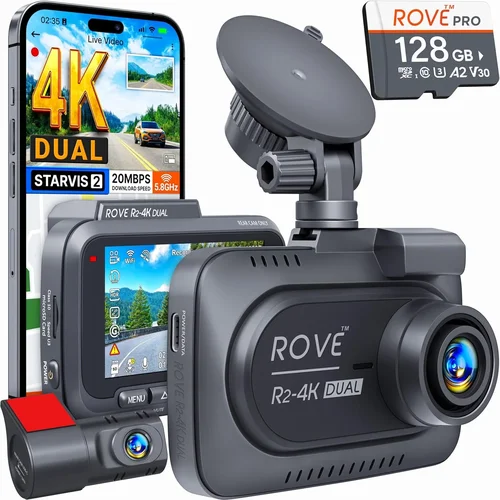
Top-tier rear dash cams in this bracket offer cutting-edge technologies including 4K recording, advanced driver assistance systems (ADAS), and sophisticated cloud integration features. They typically boast larger sensors for better low-light performance, wider dynamic ranges, and superior audio capture alongside customizable settings tailored to specific use cases like fleet management or long-distance touring. Professional-grade durability and enterprise-level security protocols justify the elevated price points for serious users.
Luxury ($400+): Top-Tier Features and Unmatched Performance
Ultra-premium rear dash cams represent the pinnacle of automotive surveillance technology, featuring multi-sensor arrays, AI-powered analytics, and unparalleled video fidelity. These systems often serve as central hubs within comprehensive vehicle security ecosystems, integrating with telematics platforms, emergency response networks, and insurance claim processing workflows. While primarily targeting commercial fleets and high-net-worth individuals, luxury models demonstrate what’s technically possible in consumer dash cam engineering today.
Expert Tips for Getting the Best Deal
Seasonal demand patterns influence pricing dynamics throughout the year—expect deeper discounts during winter months when new model releases push older inventory out of stores. Compare prices across multiple authorized dealers rather than settling for the first listing you find online, as authorized sellers often match or beat competitor pricing while maintaining warranty validity.
Consider refurbished or open-box options from reputable sources like manufacturer-certified outlets, as they undergo rigorous inspection and testing before resale. These items typically carry shortened but still substantial warranties and come with original packaging plus accessories, offering significant savings over brand-new equivalents.
Always factor in installation costs when calculating total ownership expense—some retailers bundle free professional installation with dash cam purchases, while others charge separately based on complexity. DIY installations save money but require patience, basic tools, and willingness to follow detailed instructions carefully.
Verify return policies before committing to any purchase, particularly if ordering remotely without hands-on testing firsthand. Most trustworthy vendors allow returns within 30 days for unopened items or defective products, though restocking fees may apply depending on condition upon return.
Test drive potential candidates whenever possible by visiting local auto accessory shops or attending trade shows featuring dash cam demonstrations. Physical interaction helps assess build quality, interface responsiveness, and overall ergonomics more accurately than digital product photos alone.

Frequently Asked Questions
Q: Do I really need a separate rear dash cam if I already have a front-facing unit?
A: Absolutely—rear dash cams serve distinct purposes that complement front-facing systems rather than duplicate their functionality. While front cameras document traffic ahead during normal driving, rear units capture what occurs behind your vehicle including following distances, lane changes, parking incidents, and potential tailgating situations. Having both provides complete situational awareness regardless of direction of travel.
Q: What’s the difference between loop recording and G-sensor triggered saving?
A: Loop recording continuously overwrites the oldest files when storage fills up, ensuring uninterrupted operation without manual intervention. G-sensor (impact detection) saves selected clips automatically when sudden deceleration, collision, or vibration exceeds preset thresholds, preserving critical evidence that might otherwise be overwritten during routine loop cycles.
Q: Can I use any microSD card with my rear dash cam?
A: Not necessarily—check your device’s maximum supported capacity and minimum speed class requirements before purchasing. Class 10 cards are generally safe bets, but newer UHS-I/UHS-II standards deliver faster write speeds essential for high-bitrate recordings without dropped frames or corrupted files.
Q: How long does it take to install a hardwired dash cam?
A: Professional installation typically takes 30-60 minutes depending on vehicle complexity and routing path selection. DIY enthusiasts familiar with automotive wiring may accomplish the task faster, though improper connections risk damaging electrical systems or voiding manufacturer warranties.
Q: Will my dash cam work during cold weather conditions?
A: Most modern dash cams operate reliably between -4°F (-20°C) and 140°F (60°C), covering typical winter extremes encountered in North America and Europe. However, prolonged exposure below freezing temperatures can affect battery life and startup times, so consider parking indoors whenever feasible during severe cold snaps.
Q: Are dash cam recordings admissible as evidence in court?
A: In many jurisdictions, properly recorded dash cam footage meets evidentiary standards for personal injury claims, property damage assessments, and liability determinations. Always ensure recordings aren’t edited or manipulated after creation, and store original files securely to maintain chain-of-custody integrity if presented legally.
Q: Can I watch dash cam videos on my smartphone?
A: Yes—many contemporary rear dash cams include Wi-Fi connectivity enabling wireless transfer of clips to paired mobile devices via dedicated apps. Some models even offer cloud storage subscriptions allowing remote access from anywhere with internet connectivity, though data usage charges may apply.
Q: How often should I clean my dash cam lens?
A: Regular cleaning prevents smudges, fingerprints, and debris buildup that degrade image clarity over time. Wipe lenses gently with microfiber cloths weekly or after heavy rain/snowfall, avoiding harsh chemicals that could damage protective coatings or discolor plastic housings.
Q: What happens if my dash cam runs out of battery during parking mode?
A: Without hardwiring into your vehicle’s electrical system, portable dash cams rely on internal batteries that eventually deplete during extended parking surveillance. Hardwired installations bypass this limitation entirely, drawing power directly from the car’s ignition circuit and preventing unexpected shutdowns.
Q: Should I mount my rear dash cam inside or outside the vehicle?
A: Interior mounting provides optimal protection against weather extremes, theft attempts, and accidental damage while maximizing visibility toward the roadway behind you. Exterior mounts expose devices to harsher environmental conditions and increase vulnerability to tampering, though they eliminate interior obstructions like headrests or seatbacks.
Our Final Recommendations
Best for Budget-Conscious Buyers: Viofo A119 Mini V3
This compact rear dash cam delivers impressive 1080p Full HD recording with a sharp 140° field of view at an unbeatable price point. Its sleek design fits discreetly behind rearview mirrors without obstructing driver visibility, while loop recording and G-sensor functionality ensure critical clips aren’t accidentally overwritten. Despite its affordability, the A119 V3 maintains respectable performance in low-light conditions thanks to its Sony STARVIS sensor technology.
Best Overall Value: Thinkware U1000 Dual Channel Dash Cam
Combining 2K front and 1080p rear recording capabilities, the U1000 sets the gold standard for mid-range dash cam systems. Its advanced HDR processing eliminates blown-out highlights and dark shadows alike, producing courtroom-ready footage even during challenging lighting transitions. Additional perks like built-in GPS logging, WiFi connectivity, and impact detection make this versatile performer suitable for virtually any driving scenario.
Best Premium Option: Garmin Dash Cam X50
Garmin’s flagship rear dash cam leverages its aviation-grade imaging expertise to deliver stunning 4K Ultra HD resolution with exceptional color accuracy and detail retention. Integrated voice commands, incident detection, and cloud backup services round out a feature-rich package ideal for tech-savvy drivers demanding top-tier performance without compromises. The included suction cup mount ensures secure placement while remaining easily removable for storage convenience.
Best for Beginners: Nextbase 422GW Rear Camera Kit
Newcomers to dash cam technology will appreciate the intuitive interface and straightforward setup process offered by Nextbase’s 422GW system. Paired with their popular front-facing dash cam, this rear addition provides reliable 1080p recording with adaptive brightness controls that automatically adjust to changing light conditions. Mobile app integration simplifies clip sharing and playback review, helping beginners get comfortable with their new safety companion quickly.
Best for Advanced Users: BlackVue DR970X-2CH Cloud Dash Cam
For experienced dash cam enthusiasts seeking maximum flexibility and remote monitoring capabilities, BlackVue’s DR970X-2CH represents the ultimate choice. Its dual-lens configuration captures ultra-high-definition footage from both directions simultaneously, while cloud connectivity enables real-time alerts, live streaming, and automatic uploads to secure servers. Enterprise-grade encryption and customizable event triggers cater perfectly to demanding users who prioritize privacy and control above all else.
Conclusion: Making the Right Choice
Selecting the best rear dash cam ultimately comes down to matching your specific needs, budget constraints, and preferred level of technological sophistication. Whether you’re looking for basic protection against minor incidents or seeking professional-grade surveillance capabilities, taking time to evaluate each option against your priorities ensures maximum satisfaction and value retention over the long term.
Remember that no single device offers perfect solutions for every situation—trade-offs between resolution, field of view, storage requirements, and additional features mean careful consideration is warranted before committing to any particular model. By prioritizing factors most relevant to your driving habits and vehicle type, you’ll find a rear dash cam that enhances safety, provides peace of mind, and serves as a reliable ally on every journey ahead.