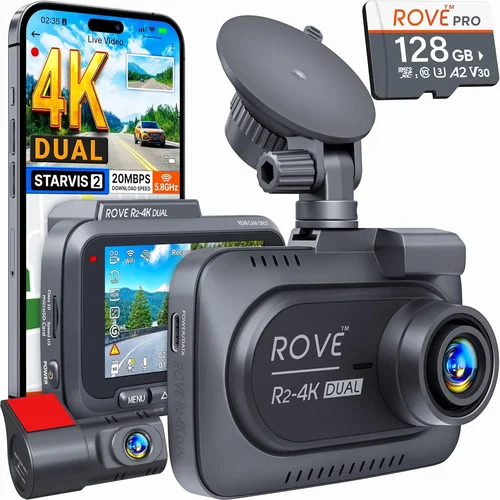
Best Dash Cam for Big Trucks Buying Guide
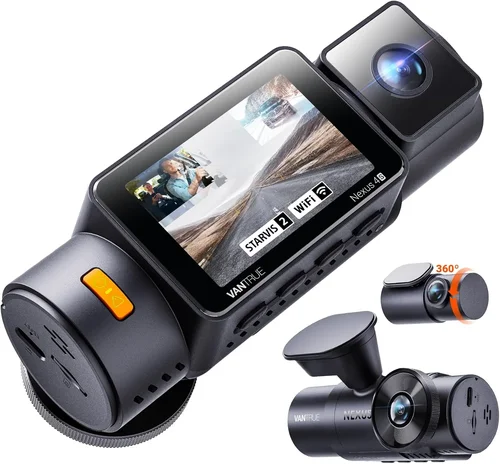
For professional truck drivers and fleet operators, a reliable dash cam isn’t just a convenience—it’s an essential safety tool, legal protection device, and operational asset. The unique challenges of operating large commercial vehicles demand dash cams specifically engineered to withstand harsh conditions while providing crystal-clear evidence when it matters most. Unlike passenger vehicles, big trucks face greater vibration, operate in extreme temperatures, require wider field-of-view coverage, and often need specialized mounting solutions.
This comprehensive buying guide will walk you through everything you need to know about selecting the best dash cam for your big truck. You’ll learn about critical technical specifications like resolution capabilities, recording quality, and storage options that directly impact evidence reliability. We’ll explore how factors like build quality, weather resistance, and mounting flexibility affect long-term performance in demanding trucking environments. Whether you’re managing a single vehicle or overseeing an entire fleet, understanding these key considerations will help you make informed decisions that protect your business, crew, and cargo.
The commercial dash cam market has evolved significantly, offering sophisticated features once reserved for high-end security systems. Modern trucking dash cams now include GPS tracking, collision detection, parking surveillance, and even AI-powered driver behavior monitoring. However, with dozens of models available from various manufacturers, choosing the right one requires careful evaluation against your specific operational needs. This guide cuts through the marketing noise to provide practical advice based on real-world trucking requirements and expert insights.

What to Look for When Buying Dash Cams
1. Performance Specifications
Performance specifications form the foundation of any quality dash cam’s effectiveness. For big trucks, where evidence needs to capture detailed license plates, road signs, and potential incidents clearly, resolution becomes paramount. Most professional-grade dash cams offer 1080p Full HD recording, but many premium models now deliver 2K or even 4K Ultra HD resolution. Higher resolutions provide sharper details, which is crucial when reviewing footage months later or during legal proceedings.
Frame rate represents another critical performance metric. Standard 30fps (frames per second) provides adequate clarity for general driving scenarios, but 60fps or higher frame rates are recommended for big trucks. Faster frame rates capture smoother motion during emergency braking, sudden lane changes, or complex highway maneuvers common in commercial trucking. This enhanced temporal detail can be the difference between identifying a cause versus creating reasonable doubt in accident investigations.
Field of view (FOV) determines how much of the road ahead and surrounding environment gets recorded. Narrow FOVs (around 70 degrees) focus intensely on the immediate road surface but may miss critical context like approaching vehicles or roadside hazards. Wide-angle lenses (150-170 degrees) provide broader scene coverage but can introduce distortion at the edges. For trucks, a balanced approach around 130-150 degrees typically offers optimal coverage without excessive fish-eye distortion.
2. Build Quality & Durability
Big trucks operate under some of the harshest conditions imaginable—extreme temperature swings, constant vibrations from heavy engines and rough roads, exposure to dust, moisture, and sometimes direct sunlight. A dash cam that fails after three months in your sleeper cab simply isn’t worth the investment. Professional-grade dash cams designed for commercial use feature ruggedized housings made from high-impact polycarbonate or aluminum alloys that resist cracking, warping, or discoloration over time.
Temperature tolerance varies significantly between consumer and commercial models. While typical dash cams might handle -4°F to 140°F (-20°C to 60°C), commercial-grade units often exceed these ranges, functioning reliably in Arctic conditions or desert heat extremes. This expanded operating temperature range ensures continuous operation regardless of seasonal changes or geographic location.
Vibration resistance is equally important given the constant engine rumble and road-induced shaking in truck cabins. Look for models with shock-absorbing mounts, reinforced internal components, and secure cable management that prevents connector damage during rough operations. Some manufacturers specifically test their products against military-grade vibration standards to ensure reliability during extended highway journeys.
3. Features & Functionality
Modern commercial dash cams offer numerous advanced features beyond basic video recording. GPS functionality provides automatic timestamping and location data that enhances accident reconstruction and fleet management capabilities. This feature proves invaluable when proving you were traveling at appropriate speeds or demonstrating route adherence during disputes or insurance claims.
G-sensor technology automatically detects collisions and locks relevant footage, preventing accidental deletion during normal operation. This “event-triggered” recording ensures critical incident footage remains protected even if the storage card reaches capacity. Advanced g-sensors can differentiate between minor bumps and significant impacts, reducing false triggers while ensuring serious events get preserved.
Parking surveillance modes offer peace of mind when vehicles sit unattended for extended periods. Time-lapse recording conserves storage space while still capturing movement, while motion-activated recording only engages when suspicious activity occurs. Some systems even integrate with battery backup modules that maintain power during brief outages or extended parking sessions.
4. Storage Solutions & Data Management
Storage capacity and management directly impact how much footage you can retain and how easily you access it later. Most dash cams use microSD cards ranging from 32GB to 256GB or more. For fleet operations, consider models that support dual storage—internal memory plus expandable microSD card—providing redundancy against single-point failures.
Circular recording ensures continuous operation by automatically overwriting oldest footage when storage fills up. However, this feature must work intelligently alongside event recording. Premium models implement smart circular recording that preserves recent event footage while efficiently managing older non-event content. This balance maximizes storage utilization without sacrificing critical evidence.
Cloud connectivity transforms dash cams from passive recorders into active fleet management tools. Remote viewing capabilities allow supervisors to monitor vehicle status and review footage from anywhere using mobile apps. Automatic upload to cloud servers provides additional security against physical theft or destruction of local storage devices.
5. Brand Reputation & Support
In the demanding world of commercial trucking, brand reputation often correlates with actual product reliability. Established manufacturers with decades of experience in automotive electronics tend to offer better quality control, more consistent firmware updates, and responsive customer service. Research user forums, industry reviews, and fleet operator testimonials before making your selection.
Warranty terms reveal much about a manufacturer’s confidence in their product quality. Commercial-grade dash cams typically come with 1-3 year warranties, often extending to 5 years for certain components. Look for comprehensive coverage that includes not just hardware failure but also software issues and accidental damage in some cases.
Technical support availability proves crucial when troubleshooting issues or integrating multiple units across a fleet. Manufacturers with dedicated commercial support teams, online knowledge bases, and responsive email/phone support significantly reduce downtime compared to brands relying solely on community forums or generic customer service channels.
6. Installation & Mounting Flexibility
Installation complexity varies dramatically between models. Some dash cams require professional installation with hardwiring kits that integrate with vehicle electrical systems, while others offer simple adhesive mounts for temporary setups. For fleet operators managing dozens of vehicles, standardized installation processes and compatible mounting solutions become critical for maintaining consistency and reducing labor costs.
Power source options determine where and how you can mount your dash cam. Hardwired systems draw power directly from the vehicle’s electrical system, eliminating battery concerns but requiring more complex installation. Battery-powered models offer flexible placement but require periodic recharging or replacement. Hybrid systems that switch seamlessly between sources provide maximum versatility.
Mounting position affects both recording quality and driver visibility. Front-facing cameras typically mount on the windshield near the rearview mirror, while some models incorporate side camera options for blind spot monitoring. Consider how your chosen model integrates with existing cabin layouts and doesn’t obstruct driver views or interfere with airbag deployment zones.
7. Legal Compliance & Evidence Standards
Legal admissibility requirements vary by jurisdiction but generally demand specific technical standards for video evidence. High-resolution footage with accurate timestamps, clear audio (where permitted), and unaltered metadata meets most court requirements. Some regions mandate specific compression formats or file structures that only certain professional-grade dash cams support.
Audio recording capability presents both opportunities and complications. While having witness statements from inside your cab can strengthen your position in disputes, privacy laws in many states prohibit recording conversations without all parties’ consent. Choose models with adjustable audio settings that let you disable microphone input when needed while maintaining video-only recording elsewhere.
Metadata preservation ensures footage integrity throughout its lifecycle. Look for dash cams that embed comprehensive metadata including precise timestamps, GPS coordinates, vehicle speed, and recording mode—all crucial elements for credible evidence presentation during legal proceedings or insurance claims.
8. User Experience & Interface Design
Intuitive interfaces reduce driver distraction during setup and operation. Touchscreen controls should respond reliably through gloves or wet fingers common in trucking environments. Physical buttons provide tactile feedback when screens prove difficult to read in bright sunlight or nighttime driving conditions.
Menu navigation deserves particular attention since drivers shouldn’t need to consult manuals during operation. Well-designed hierarchies with logical grouping and clear labeling minimize cognitive load while allowing quick access to essential functions like switching between cameras or checking recording status.
Display quality affects usability across different lighting conditions. Anti-glare coatings and adjustable brightness levels help maintain visibility during sunrise/sunset transitions when glare becomes problematic. Color accuracy ensures that traffic signals, vehicle colors, and other important visual details remain distinguishable throughout daily operation.
9. Fleet Integration Capabilities
For fleet operators managing multiple vehicles, integration capabilities transform individual dash cams into powerful management systems. Centralized monitoring platforms allow simultaneous viewing of multiple vehicle feeds, creating situational awareness across entire operations. Real-time alerts for speeding, harsh braking, or unusual stops enable proactive coaching rather than reactive corrections.
Scalability represents another critical consideration. As your fleet grows from five to fifty vehicles, your dash cam solution should accommodate expansion without requiring complete system overhauls. Modular architectures that support incremental upgrades and standardized hardware simplify long-term maintenance and reduce total cost of ownership.
Reporting and analytics features provide valuable insights into driver behavior patterns, fuel efficiency correlations, and safety trends over time. Customizable dashboards that highlight KPIs relevant to your specific operation help identify areas for improvement and demonstrate compliance during audits or regulatory inspections.
Different Types of Dash Cams

Common Buying Mistakes to Avoid
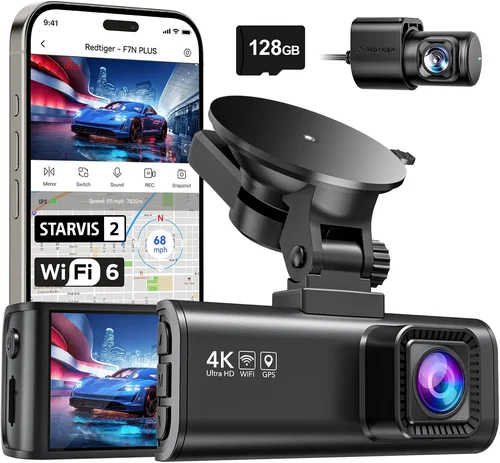
❌ Mistake: Prioritizing Price Over Quality
Why it’s bad: Choosing the cheapest dash cam available often leads to poor performance in real-world trucking conditions. Cheap units frequently fail within months due to inadequate temperature tolerance, weak vibration resistance, or subpar image sensors that produce blurry, unusable footage during critical moments.
What to do instead: Allocate sufficient budget for proven commercial-grade models. Remember that a dash cam serves as your primary defense in legal disputes and accident investigations—investing 2-3x more upfront can save thousands in potential liability costs later.
❌ Mistake: Ignoring Field of View Requirements
Why it’s bad: Many buyers select dash cams based solely on resolution while overlooking field of view needs. In highway scenarios where trucks cover 60+ miles per day, narrow FOVs miss crucial context like merging vehicles, construction zones, or emergency situations developing outside your immediate forward path.
What to do instead: Calculate your required coverage based on average speed and typical driving environments. For interstate trucking, aim for at least 130-degree horizontal FOV to capture adequate peripheral awareness without excessive distortion.
❌ Mistake: Neglecting Storage Management Planning
Why it’s bad: Assuming “bigger storage is always better” leads to overspending on unnecessary capacity or failing to plan for efficient data management. Excessive storage creates administrative burdens with thousands of hours of footage while inadequate storage loses critical evidence during extended trips.
What to do instead: Determine your retention requirements based on trip frequency and legal needs. Implement smart circular recording with intelligent event preservation rather than simply maximizing raw storage capacity.
❌ Mistake: Overlooking Installation Complexity
Why it’s bad: Underestimating installation requirements causes delays, additional costs, and inconsistent setups across fleets. Complex wiring projects may require professional installers, while improper mounting compromises recording quality or creates safety hazards.
What to do instead: Evaluate installation needs before purchase. Choose models with clear mounting instructions, compatible power options, and standardized connectors that simplify fleet-wide deployment.
❌ Mistake: Disregarding Legal Compliance Features
Why it’s bad: Selecting dash cams without considering regional legal requirements risks evidence inadmissibility during disputes. Missing timestamps, poor audio quality, or altered metadata can undermine credibility when courts scrutinize video evidence.
What to do instead: Research local regulations regarding dash cam usage and evidence standards. Ensure your selected model meets minimum requirements for timestamp accuracy, file format compatibility, and metadata preservation.
❌ Mistake: Focusing Solely on Newer Technology
Why it’s bad: Pursuing the latest features without evaluating actual utility wastes resources on unnecessary capabilities. Advanced AI detection or cloud connectivity may offer limited value if core recording performance suffers or if infrastructure limitations prevent effective use.
What to do instead: Balance innovation with practicality. Focus first on fundamental performance metrics before adding secondary features that align with your specific operational needs.
❌ Mistake: Skipping Real-World Testing
Why it’s bad: Relying solely on specifications and marketing claims ignores real-world performance variations. Laboratory-tested capabilities rarely translate directly to challenging trucking environments with extreme temperatures, constant vibrations, and variable lighting conditions.
What to do instead: Whenever possible, test candidate models under similar operating conditions. Request loaner units from manufacturers or participate in beta testing programs that provide hands-on experience before committing to large purchases.
Budget Guidelines: How Much Should You Spend?
Entry-Level ($50 – $120): Basic Protection for Budget-Conscious Operators
This price range delivers functional dash cams suitable for occasional use or supplemental protection alongside more robust systems. Models in this tier typically offer 1080p recording, 128GB storage capacity, and basic g-sensor functionality. While adequate for light-duty operations, these units often lack the durability and advanced features required for intensive trucking schedules.
Key limitations include narrow fields of view (usually under 120 degrees), limited temperature tolerance, and minimal build quality. Installation tends toward simple adhesive mounts rather than secure hardwiring solutions. Cloud connectivity and fleet management features are virtually nonexistent in this category.
Best suited for independent owner-operators running infrequent routes or supplementing existing safety measures rather than serving as primary evidence devices. Always verify warranty terms carefully—many entry-level models offer only 90-day to 1-year coverage.
Mid-Range ($150 – $300): Optimal Value for Professional Drivers
The sweet spot for most trucking professionals, this range balances capability, durability, and affordability. Dual-lens systems dominate this category, providing front and rear coverage ideal for highway operations. Resolution typically reaches 2K or high-quality 1080p, while fields of view expand to 130-150 degrees.
Build quality improves significantly with shock-resistant housing, wider temperature operating ranges (-22°F to 158°F), and more reliable mounting solutions. GPS functionality becomes standard, enabling automatic timestamping and location data that strengthens legal defensibility. Smart circular recording manages storage efficiently while preserving critical event footage.
Fleet operators appreciate the balance of features and cost here. These units often include 2-year warranties and responsive customer support, reducing long-term ownership concerns. Consider models with optional side camera accessories for complete 360-degree coverage within this budget.
Premium ($300 – $600): Enhanced Performance for Demanding Operations
Professional fleets and high-mileage operators find excellent value in premium-tier dash cams. This range introduces multi-sensor systems capable of capturing front, rear, and sometimes side perspectives simultaneously. Resolution often reaches 4K Ultra HD with exceptional low-light performance crucial for overnight driving.
Enhanced durability features include military-grade vibration resistance, superior heat dissipation designs, and waterproof housings rated for harsh weather conditions. Advanced parking surveillance modes with time-lapse recording conserve storage while maintaining security during extended stops.
Integration capabilities expand with cloud connectivity, mobile app controls, and compatibility with fleet management platforms. Some models incorporate AI-powered driver assistance features like lane departure warnings or fatigue detection. Expect 3-5 year warranty coverage and dedicated technical support teams in this category.
Luxury ($600+): Maximum Protection for Critical Operations
Top-tier dash cams target operations where evidence integrity and system reliability cannot compromise. Luxury models often feature redundant recording systems, enterprise-grade encryption for data security, and industrial-grade components built for 24/7 operation.
These systems frequently include thermal imaging capabilities, radar-based speed detection, and sophisticated analytics that generate detailed driver behavior reports. Complete 360-degree coverage with overlapping sensor arrays provides comprehensive situational awareness impossible with traditional single or dual-lens setups.
While exceeding most individual truck budgets, luxury solutions make sense for high-value cargo transport, regulated industries, or fleets operating in high-risk environments. Total cost of ownership decreases through reduced insurance premiums, fewer accidents, and stronger legal positions during disputes.
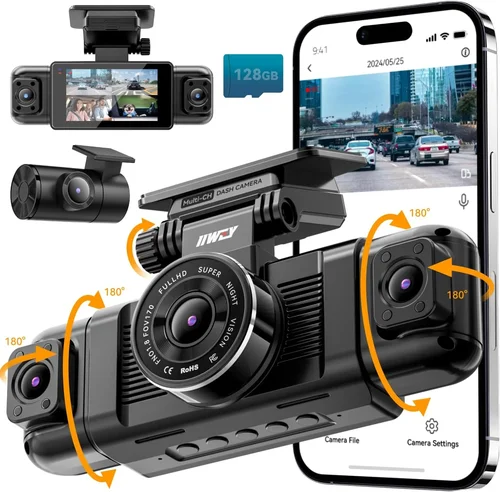
Expert Tips for Getting the Best Deal
Research manufacturer rebate programs and fleet discounts before finalizing your decision. Many reputable brands offer substantial volume incentives for businesses purchasing ten or more units simultaneously. These bulk pricing structures can reduce per-unit costs by 15-30% compared to individual retail pricing.
Evaluate total cost of ownership rather than focusing exclusively on initial purchase price. Factor in installation costs, ongoing storage expenses, software subscriptions, and potential downtime during repairs. A slightly more expensive model with superior reliability might actually cost less over five years of operation.
Test return policies thoroughly before committing to large purchases. Reputable manufacturers typically offer 30-60 day money-back guarantees that let you evaluate real-world performance under actual driving conditions. This testing period proves invaluable for verifying claims about build quality, image clarity, and feature functionality.
Negotiate installation services as part of your purchase package. Some retailers bundle professional installation with dash cam sales, reducing labor costs while ensuring proper mounting and wiring that maintains warranty validity. Consistent installations also simplify future maintenance and troubleshooting.
Consider refurbished or certified pre-owned options from authorized dealers. These units undergo rigorous inspection and testing, often come with extended warranties, and typically carry 20-40% lower prices than new models. Just verify refurbishment standards and remaining component lifespans before purchasing.
Join industry associations or trucking groups that share equipment recommendations and bulk purchasing opportunities. Organizations like the Owner-Operator Independent Drivers Association (OOIDA) or National Private Truck Council (NPTC) sometimes negotiate group discounts with vendors for members.
Monitor emerging technologies cautiously rather than immediately adopting unproven innovations. While AI-powered features sound impressive, their accuracy and reliability in real-world conditions often lag behind basic recording capabilities. Prioritize proven performance over speculative advancements until maturity demonstrates consistent value.

Frequently Asked Questions
Q: What resolution should I choose for my big truck dash cam?
A: For professional trucking operations, prioritize 1080p Full HD as your baseline requirement. However, if your budget allows, upgrade to 2K or 4K resolution for significantly improved detail capture. Higher resolutions prove especially valuable when reviewing footage months later or examining small details like license plates during legal proceedings. Remember that resolution alone doesn’t guarantee quality—sensor size, lens optics, and image processing algorithms equally impact final output.
Q: How much storage do I really need for daily trucking operations?
A: Calculate based on your driving patterns and evidence retention requirements. A typical 8-hour drive generates 2-4GB of footage at 1080p resolution. For daily use with 30-day retention, allocate 96-192GB minimum. Implement smart circular recording that preserves recent event footage while managing older content efficiently. Cloud backup solutions add redundancy but require internet connectivity and ongoing subscription costs. Consider dual-storage configurations for critical operations where local and remote backups provide maximum data protection.
Q: Can I install a dash cam myself, or do I need professional installation?
A: Many modern dash cams feature simplified installation processes suitable for DIY setups, especially for basic adhesive-mounted models. However, hardwired systems that integrate with vehicle electrical systems benefit from professional installation to ensure proper connections, fuse protection, and warranty compliance. Assess your technical skills honestly—improper wiring can cause electrical issues or void manufacturer warranties. For fleet operations, professional installation ensures consistency across vehicles and reduces long-term maintenance complexity.
Q: Do dash cams drain my truck’s battery when parked?
A: Yes, continuous parking surveillance modes consume power even when the engine isn’t running. Most commercial dash cams include intelligent power management that automatically shuts down or enters ultra-low power modes during extended idle periods. Some systems integrate with battery backup modules that maintain functionality during brief outages while preventing deep discharge that could damage vehicle batteries. Always verify standby current consumption specifications and consider professional installation that includes proper fuse protection and voltage regulation.
Q: Are dash cam recordings admissible in court?
A: Admissibility depends on multiple factors including resolution quality, timestamp accuracy, metadata preservation, and chain-of-custody documentation. Courts generally accept high-quality dash cam footage when it meets evidentiary standards for authenticity, completeness, and reliability. Maintain organized digital archives with proper file naming conventions and backup procedures. Consult legal counsel familiar with transportation law in your jurisdiction regarding specific requirements for evidence presentation during disputes or insurance claims.
Q: How should I organize and manage large volumes of dash cam footage?
A: Implement systematic organization protocols from day one. Use consistent folder structures based on date, vehicle ID, and trip purpose. Automated tagging systems that categorize footage by event type (accident, near-miss, routine driving) simplify retrieval later. Cloud storage solutions offer scalable archives but require bandwidth planning for regular uploads. Consider dedicated fleet management software that centralizes footage access, enables remote playback, and generates compliance reports tailored to your specific operational needs.
Q: What happens if my dash cam records over an accident?
A: Properly configured dash cams with g-sensor technology automatically detect impact forces and lock relevant footage, preventing accidental deletion during normal circular recording cycles. This event-triggered preservation ensures critical evidence remains accessible even after storage capacity limits are reached. Review locked footage promptly using your preferred viewing platform and document its location and integrity for potential legal use. Immediate preservation of evidence strengthens your position during insurance claims or legal proceedings.
Q: Can multiple dash cams work together on one truck?
A: Yes, multi-camera systems provide comprehensive coverage ideal for trucking operations. Front cameras capture the roadway ahead, rear units monitor following distances and backing scenarios, while optional side cameras address blind spots common in large vehicles. Synchronization ensures seamless playback across all perspectives during incident review. Integration with fleet management platforms allows centralized control and monitoring of multiple sensors from a single interface, streamlining operations for both individual drivers and fleet managers.
Our Final Recommendations
Best for Budget-Conscious Buyers: Viofo A119 V3
The Viofo A119 V3 delivers exceptional value for truckers seeking reliable performance without premium pricing. This dual-lens system provides front and rear coverage with 2K resolution that captures crisp details essential for evidence quality. Its compact design fits neatly in most truck cabins while offering robust build quality tested against harsh operating conditions. The integrated GPS module ensures accurate timestamping and location data, strengthening legal defensibility during disputes. With smart circular recording and efficient storage management, this model handles daily trucking demands while maintaining 2-year warranty protection. While lacking advanced AI features found in higher-end models, the A119 V3 excels at core recording tasks that matter most for professional drivers.
Best Overall Value: Garmin Dashcam Pro Series
Garmin’s Dashcam Pro Series sets the benchmark for integrated dash cam and GPS functionality specifically engineered for commercial applications. These units combine military-grade durability with intuitive interface design that minimizes driver distraction during operation. Advanced safety features like collision avoidance alerts and lane departure warnings provide active assistance beyond passive recording. The comprehensive ecosystem includes cloud connectivity, mobile app controls, and compatibility with existing Garmin navigation systems, creating a unified fleet management solution. While priced above entry-level options, the Pro Series delivers superior integration, reliability, and long-term value for operators who appreciate Garmin’s established reputation in automotive electronics.
Best Premium Option: Nextbase 522GW
The Nextbase 522GW represents the pinnacle of consumer dash cam technology with features previously reserved for professional security systems. This 4K recording powerhouse captures stunning detail with HDR capabilities that maintain clarity in challenging lighting conditions. Intelligent voice control allows hands-free operation during driving, while Alexa integration enables smartphone-free functionality through voice commands. The impressive 150-degree field of view provides extensive peripheral awareness without excessive distortion. Advanced parking surveillance modes with time-lapse recording conserve storage while maintaining security during extended stops. Fleet operators appreciate the comprehensive app ecosystem that facilitates remote monitoring and management across multiple vehicles.
Best for Beginners: Thinkware U1000
Thinkware’s U1000 strikes an ideal balance between sophistication and ease of use, making it perfect for new dash cam users transitioning from basic recording to advanced features. The intuitive touchscreen interface responds reliably through gloves or wet fingers common in trucking environments. Starvis CMOS sensor technology ensures outstanding low-light performance crucial for nighttime driving, while WDR processing maintains visibility in bright sunlight or tunnel transitions. The built-in Wi-Fi enables straightforward file transfers and system updates without removing storage cards. With comprehensive safety features like lane departure warnings and forward collision alerts, beginners gain valuable assistance while building confidence with advanced dash cam capabilities.
Best for Advanced Users: BlackVue DR970X-2CH Cloud
BlackVue’s DR970X-2CH Cloud exemplifies professional-grade dash cam engineering with enterprise-level features designed for demanding operations. This dual-channel system captures pristine 4K footage from both front and rear perspectives with exceptional dynamic range handling. The built-in Wi-Fi hotspot creates a personal cellular connection for cloud uploading without relying on public networks—a game-changer for remote fleet management. Advanced parking mode options include time-lapse, motion detection, and impact-triggered recording, ensuring comprehensive surveillance during unattended periods. The robust build quality withstands extreme temperatures and vibrations while the comprehensive app ecosystem provides real-time monitoring, instant notifications, and detailed analytics that transform raw footage into actionable insights.
Conclusion: Making the Right Choice
Selecting the best dash cam for your big truck involves balancing multiple competing priorities—performance requirements, budget constraints, installation complexity, and long-term reliability concerns. Rather than chasing the latest technological trends or focusing exclusively on lowest-cost options, successful operators prioritize solutions that deliver consistent, credible evidence when it matters most. Remember that your dash cam serves as both safety equipment and legal protection device, potentially influencing outcomes during accidents, disputes, or insurance claims.
Begin by honestly assessing your specific operational needs rather than defaulting to assumptions about what “everyone else uses.” Consider trip frequency, typical driving environments, fleet size, and existing safety protocols when evaluating feature requirements. Don’t hesitate to test multiple models under real driving conditions before committing to large purchases—the investment in proper evaluation pays dividends through reduced returns and increased confidence in your selection.
Finally, remember that dash cam technology continues evolving rapidly. Even well-chosen systems become outdated within 2-3 years as new features emerge and standards shift. Plan for periodic upgrades that incrementally enhance your capabilities rather than waiting for complete system overhauls. By taking a strategic, needs-based approach to dash cam selection, you’ll maximize both immediate protection and long-term value from your investment in truck safety and security.