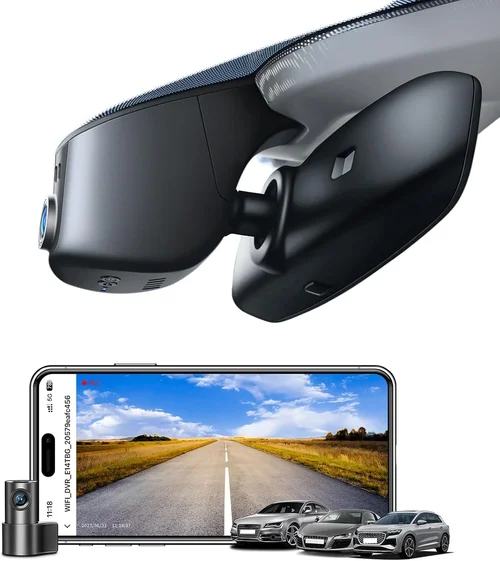
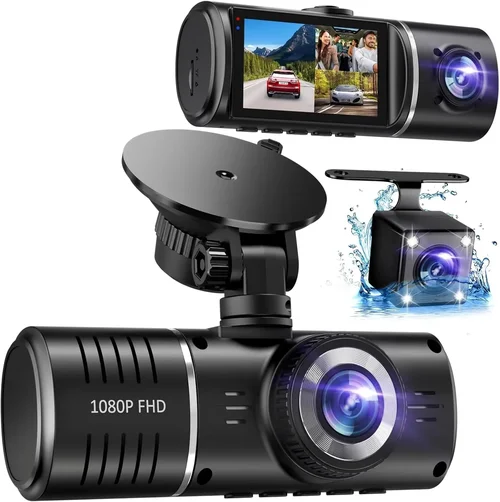
Best Bicycle Dash Cam Buying Guide
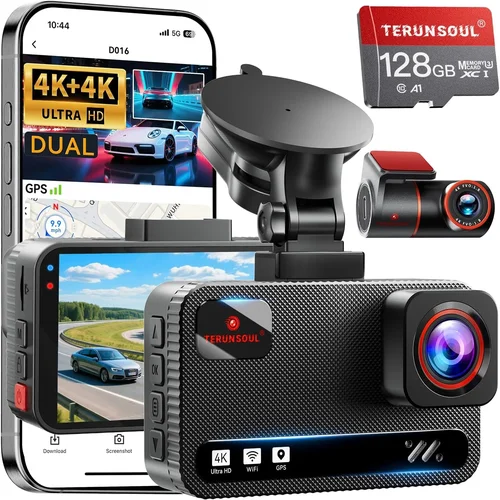
When it comes to cycling safety and security, having a reliable dash cam can make all the difference. Whether you’re commuting through busy city streets, exploring scenic bike trails, or simply riding for leisure, accidents can happen in an instant—and without proper evidence, it’s nearly impossible to prove what actually occurred. A bicycle dash cam serves as your personal witness, capturing critical moments that could be vital for insurance claims, legal disputes, or even just peace of mind. This comprehensive buying guide is designed to help you navigate the growing market of bike cameras with confidence, ensuring you invest in a device that meets your specific needs, budget, and riding conditions.
By the end of this article, you’ll understand exactly what features matter most when choosing the best dash cam for your bicycle, from video resolution and storage capabilities to mounting systems and battery life. We’ll break down complex technical details into actionable insights, compare top-performing models across different categories, and offer expert advice on avoiding common pitfalls. Whether you’re a daily commuter, a weekend warrior, or someone who values accountability and documentation during rides, this guide will equip you with the knowledge to make a smart, informed decision. Let’s dive into everything you need to know before making your purchase.
The market for bicycle dash cams has expanded significantly over the past few years, driven by increased awareness of cyclist safety and rising incidents of road aggression or hit-and-runs. Unlike traditional automotive dash cams, bike-specific models are engineered to withstand vibrations, weather exposure, and physical impacts while maintaining clear footage. They often feature compact designs, flexible mounting options, and enhanced stabilization technologies tailored to two-wheeled environments. From basic action cameras like GoPro to purpose-built cycling computers with integrated recording, the variety can be overwhelming—especially for first-time buyers.
Understanding your primary use case is essential: Are you looking to document long-distance tours, capture urban navigation challenges, or protect yourself in high-risk areas? Each scenario demands different specifications. For example, commuters may prioritize real-time GPS tracking and theft alerts, while adventure cyclists might need rugged waterproof enclosures and extended battery life. Similarly, budget constraints vary widely—some riders seek affordable entry-level options, while others invest heavily in premium features like night vision, 4K recording, or cloud connectivity.
In the following sections, we’ll explore six critical factors every buyer should evaluate, compare various types of bike dash cams side by side, highlight mistakes to avoid, provide detailed budget breakdowns, share pro-level tips for maximizing value, answer frequently asked questions, and deliver our curated recommendations based on performance, durability, and user feedback. By combining technical expertise with real-world experience, this guide aims to simplify your search and ensure you select a dash cam that enhances both your safety and your ride.
—
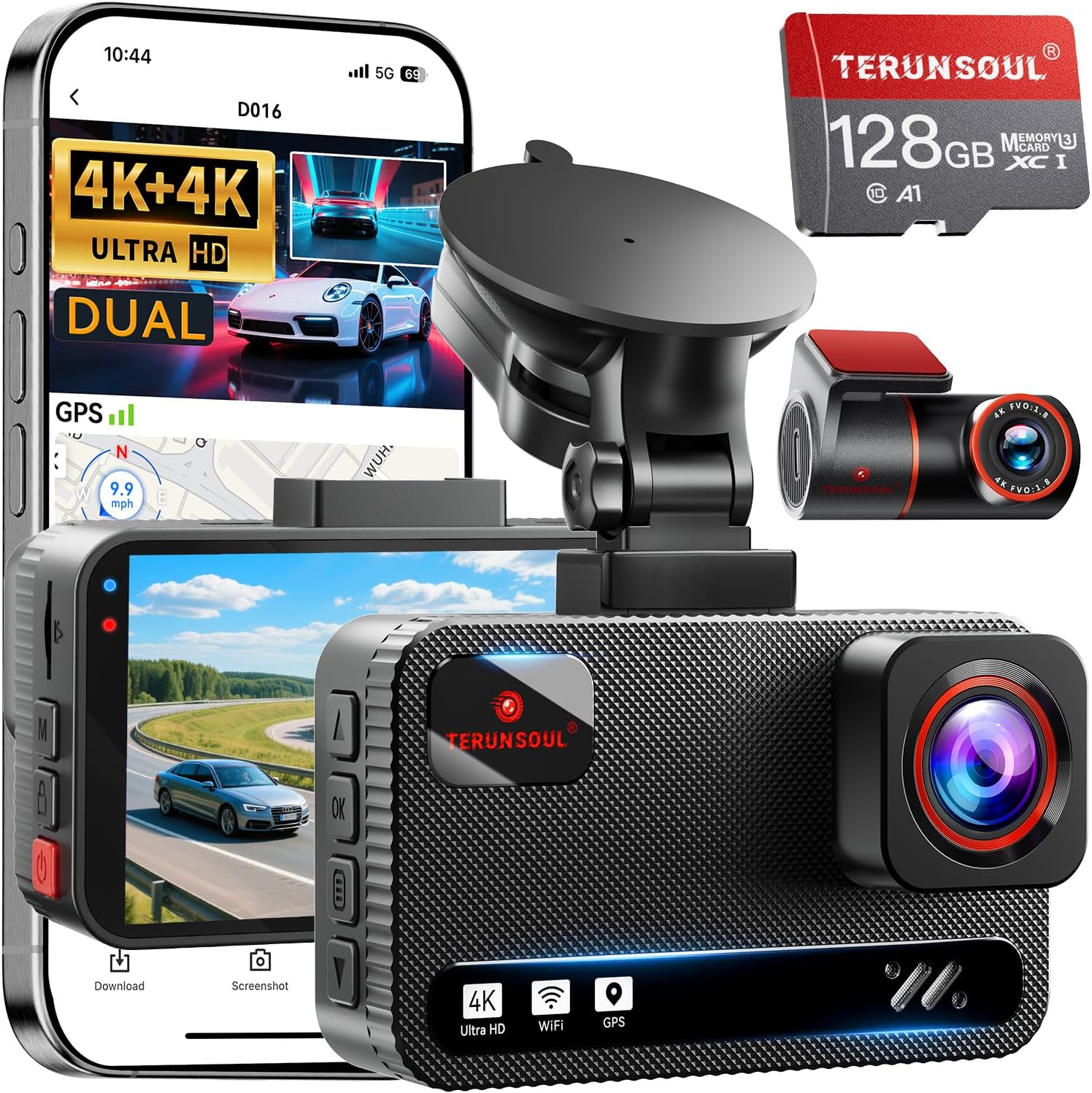
What to Look for When Buying Dash Cams
Choosing the right dash cam for your bicycle isn’t just about picking the shiniest gadget—it’s about finding a reliable, durable, and functional tool that fits seamlessly into your lifestyle. With dozens of models flooding the market, each boasting unique specs and marketing flair, it’s easy to get lost in the details. However, focusing on key performance indicators ensures you don’t compromise safety or functionality for flashy extras. Below are the six most important considerations every cyclist should weigh before committing to a purchase.
1. Budget & Price Range
Your budget sets the foundation for everything else—from build quality to advanced features. Bike dash cams span a wide spectrum, starting as low as $50 and climbing beyond $500 for professional-grade units. While cheaper options may seem tempting, they often cut corners on materials, image processing, and reliability, which can lead to failed recordings during crucial moments. On the other hand, overpaying for unnecessary features wastes money if those capabilities don’t align with your actual usage.
Most casual riders find solid performance within the mid-range category ($100–$250), where manufacturers balance affordability with essential tech like 1080p HD recording, loop recording, and decent low-light handling. Premium models ($300+) typically offer higher resolutions (4K), superior stabilization, longer battery life, and smart integrations such as Wi-Fi syncing or GPS tagging. Before setting a price ceiling, ask yourself: How often will I use this device? Will I rely on it for legal protection, or is it mainly for personal enjoyment?
2. Performance Specifications
At the heart of any dash cam lies its ability to capture clear, stable footage under varying conditions. The three pillars of performance are resolution, frame rate, and sensor quality.
Resolution determines how much detail your video retains—standard definition (SD) is obsolete for modern needs; aim for at least 1080p Full HD, though many recommend 2K or 4K for sharper clarity, especially when zooming in on license plates or facial expressions. Frame rate (measured in fps) affects motion smoothness: 30fps is acceptable for general use, but 60fps delivers crisper action sequences during sudden stops or collisions. High-sensitivity CMOS sensors perform better in dim lighting, reducing graininess during dawn or dusk rides.
Additionally, consider bitrate—the amount of data recorded per second. Higher bitrates mean richer color depth and finer details but consume more storage space. A good rule of thumb is matching resolution with appropriate bitrate: 1080p at 30fps with 15Mbps offers excellent balance between quality and file size. Always verify whether the camera supports H.264 or newer H.265 encoding, as the latter compresses files efficiently without sacrificing visual fidelity.
3. Build Quality & Durability
Unlike car dash cams mounted behind glass, bike cameras endure constant vibration, wind resistance, temperature swings, and potential impacts from falls or debris. Subpar construction leads to premature failure, cracked lenses, or internal component damage—rendering the device useless when needed most.
Look for ruggedized housings made from polycarbonate or aluminum alloys, ideally rated IP67 or higher for dust/water resistance. Shockproof ratings (e.g., MIL-STD-810G compliance) indicate military-grade toughness against drops and jolts. Thermal stability matters too—extreme heat from sun exposure or cold winter rides shouldn’t warp the casing or degrade battery chemistry.
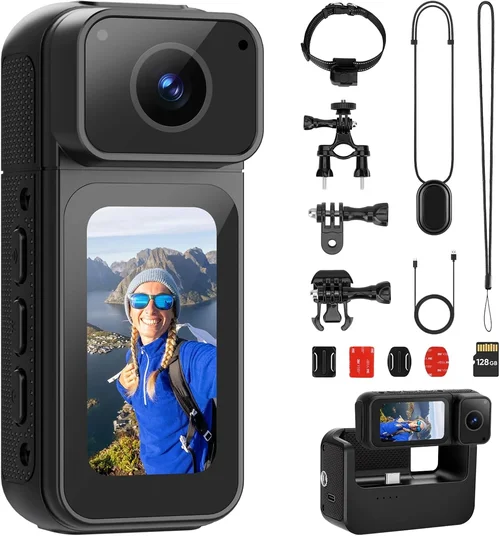
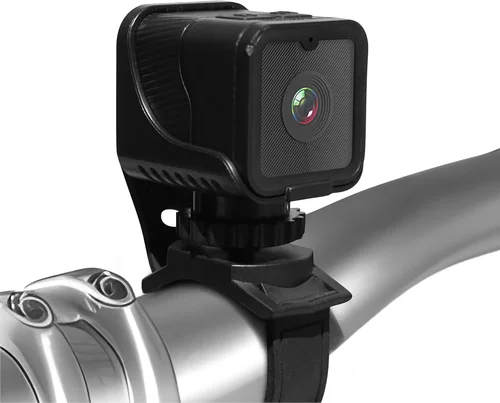
Mounting hardware must also be robust. Screw-based clamps offer stronger grip than adhesive pads, which lose adhesion after prolonged UV exposure. Some models include quick-release mechanisms for easy removal during parking, while others integrate seamlessly with handlebars or seat posts using silicone straps or magnetic bases. Test-fit the mount beforehand if possible, ensuring it doesn’t obstruct controls or create imbalance during turns.
4. Features & Functionality
Beyond core recording, modern dash cams pack intelligent features that elevate utility. Here’s what to prioritize based on your priorities:
– Loop Recording: Automatically overwrites oldest footage when storage fills up, ensuring continuous operation without manual intervention.
– G-Sensor (Impact Detection): Triggers automatic locking of current clip upon detecting sudden deceleration or collision, preventing accidental deletion.
– Night Vision: Enhanced infrared LEDs or starlight sensors improve visibility in near-darkness, crucial for early-morning or late-evening commutes.
– GPS Logging: Tracks speed, route, and location data synced to maps via companion apps—ideal for fitness tracking or accident reconstruction.
– Wi-Fi/Bluetooth Connectivity: Enables wireless transfer to smartphones for immediate sharing or backup.
– Parking Mode: Monitors surroundings when bike is unattended (requires external power source), alerting you to disturbances.
– Voice Control: Hands-free operation via simple commands, minimizing distractions while riding.
Avoid gimmicks like built-in sirens or social media filters unless they serve a practical purpose. Instead, focus on reliability—features should enhance usability, not complicate it.
5. Brand Reputation
Not all brands deliver equal trustworthiness. Established names like Garmin, GoPro, Viofo, and BlackVue have spent years refining their engineering and customer support ecosystems. Their reputations rest on consistent software updates, responsive warranties, and transparent troubleshooting guides.
Newer entrants may offer aggressive pricing or niche innovations, but they sometimes lack long-term reliability data. Check independent review sites, Reddit threads, and YouTube comparisons to gauge real-user experiences. Pay attention to recurring complaints—especially about firmware bugs, poor customer service, or discontinued accessories.
Also, consider ecosystem compatibility. If you already own a Garmin Edge cycle computer, investing in a compatible dash cam streamlines data management. Similarly, GoPro’s Hero series integrates smoothly with third-party mounts and editing suites, making post-ride workflows effortless.
6. Warranty & Support
Even the sturdiest dash cam can malfunction due to manufacturing defects or environmental stress. A generous warranty (typically 1–3 years) reflects manufacturer confidence in their product’s longevity. Look for coverage that includes parts, labor, and sometimes accidental damage—though beware of fine print excluding water ingress or misuse.
Support responsiveness is equally vital. Test contact channels before buying: email replies within 24 hours? Live chat availability? Comprehensive FAQs or video tutorials? Brands that prioritize user education tend to produce more intuitive devices.
Lastly, verify return policies. Most reputable retailers allow 30-day returns if unopened, but some restrict exchanges to defective items only. Knowing upfront whether you can test-drive the unit helps mitigate buyer’s remorse.
7. Size & Portability
Compactness influences aerodynamics, weight distribution, and aesthetic integration. Bulky cameras add drag and may protrude dangerously in tight spaces or crowded bike lanes. Aim for dimensions under 3 inches diagonally unless you require specialized lenses or larger sensors.
However, smaller isn’t always better. Tiny units struggle with heat dissipation and lens distortion, while oversized models risk snagging on obstacles or detracting from your bike’s sleek profile. Strike a balance: choose the smallest form factor that accommodates your desired field of view (FOV) and mounting preferences.
Portability extends beyond physical size. Consider how easily you can carry spare batteries, memory cards, or charging cables during multi-day trips. Some users prefer removable batteries for hot-swapping, while others opt for USB-C universal charging for travel convenience.
8. User Reviews & Ratings
Raw specs tell only part of the story. Genuine user reviews reveal hidden flaws, unexpected strengths, and real-world performance nuances. Scour Amazon, Best Buy, REI, and specialty cycling forums for patterns—not just star ratings.
Pay special attention to comments about:
– Battery longevity under typical usage
– Mount stability during bumpy terrain
– Software interface intuitiveness
– Customer service interactions
– Compatibility issues with SD cards or mobile OS
Be wary of overly polished reviews—they may be incentivized or fake. Conversely, dismissive one-star rants might stem from unrealistic expectations rather than product flaws. Seek balanced perspectives that acknowledge trade-offs honestly.
—
Different Types of Dash Cams

Each category caters to distinct rider profiles and operational demands. Action camera-based systems dominate adventure markets thanks to modularity and cinematic quality, while integrated computers excel in data-rich environments like fitness coaching. Dedicated bike dashes prioritize simplicity and crash documentation, appealing to liability-conscious urbanites. Multi-function smart cameras represent the frontier of IoT-enabled safety, though their complexity and cost limit mainstream adoption.
—
Common Buying Mistakes to Avoid
Many cyclists rush into dash cam purchases without fully understanding their requirements, leading to frustration, wasted money, or inadequate protection. Recognizing these pitfalls early prevents costly regrets and ensures optimal performance from day one.
❌ Mistake: Ignoring Environmental Conditions
Why it’s bad: Assuming all dash cams work equally well in rain, snow, or scorching heat leads to frequent failures. Cheap models lack proper sealing, causing condensation buildup inside lenses or corroded circuitry. In extreme temperatures, lithium-ion batteries lose capacity rapidly—sometimes dying mid-ride.
What to do instead: Choose IP67-rated devices with wide operating temperature ranges (-4°F to 140°F). Test performance in simulated conditions if possible, or read user reports about weather resilience. For wet climates, consider hydrophobic lens coatings or built-in heaters.
❌ Mistake: Overlooking Storage Limitations
Why it’s bad: Relying solely on internal memory ignores scalability needs. Most entry-level cams offer 8–32GB storage, enough for ~2–6 hours of 1080p footage depending on bitrate. Without expandable slots, you’ll constantly delete old clips manually—or worse, miss critical events due to full storage.
What to do instead: Verify microSD card compatibility (Class 10, UHS-I recommended) and maximum supported capacity (usually 128GB–512GB). Pair with loop recording to automate cleanup. Carry spare cards during long tours.
❌ Mistake: Choosing Based Solely on Resolution
Why it’s bad: 4K resolution sounds impressive but doubles file sizes vs. 1080p, shortening usable recording time and demanding faster processors. Many budget 4K cams suffer from overheating throttling or poor dynamic range, resulting in washed-out skies or muddy shadows.
What to do instead: Prioritize real-world image quality over megapixel counts. Look for HDR support, WDR (wide dynamic range), and effective noise reduction. 2K often strikes the sweet spot between clarity and efficiency for bike applications.
❌ Mistake: Neglecting Mount Stability
Why it’s bad: Loose mounts wobble during turns, creating shaky footage unusable for evidence. Adhesive pads peel off after weeks of sun exposure, leaving gaps vulnerable to water ingress. Inferior clamps strip screw threads or bend under pressure.
What to do instead: Invest in metal clamp mounts with rubberized grips. Pre-tighten screws before final installation. Avoid placing cameras directly behind brake levers or gear shifters where vibrations concentrate.
❌ Mistake: Skipping Firmware Updates
Why it’s bad: Outdated firmware introduces bugs, drains batteries faster, or disables critical features like G-sensor sensitivity. Manufacturers rarely patch older models, stranding owners with obsolete hardware.
What to do instead: Download official update tools before first use. Subscribe to brand newsletters for release notifications. Never ignore prompts—they often fix security vulnerabilities too.
❌ Mistake: Underestimating Power Needs
Why it’s bad: Relying exclusively on bike lights for power risks inconsistent voltage supply, causing shutdowns or corrupted files. USB ports on rear racks fluctuate with motor assist or regenerative braking.
What to do instead: Use dedicated power banks with surge protection. Opt for cameras supporting dual-input charging (USB-C + barrel jack). Calculate total wattage draw vs. battery capacity before extended rides.
—
Budget Guidelines: How Much Should You Spend?
Determining the ideal price point hinges on balancing necessity versus luxury. Below is a tiered framework guiding spending based on rider type and intended use.
Entry-Level ($50 – $100)
These budget-friendly options suit occasional riders or those testing dash cam viability. Expect 720p–1080p recording, basic motion detection, and minimal extras. Brands like Apeman or Rexing offer functional models with decent daylight clarity but limited low-light performance. Internal storage dominates; no Wi-Fi or GPS. Best for short commutes under 30 minutes where cost outweighs advanced features.
Mid-Range ($100 – $250)
This sweet spot delivers reliable core functionality without breaking the bank. You’ll find 1080p/2K recording, loop recording, G-sensors, and microSD expansion. Notable performers include Garmin Varia UT800 and Viofo A119 V3, praised for rugged builds and crisp nighttime imaging. Some include Bluetooth pairing or basic app control. Ideal for daily commuters needing credible documentation for insurance purposes.
Premium ($250 – $500)
Enthusiasts and professionals gravitate here for enhanced specs. Features escalate dramatically: 4K recording, HDR, starlight sensors, GPS logging, and cloud backup. Models like BlackVue DR970X-2CH or GoPro Hero 11 Black offer cinematic quality and seamless smartphone integration. Battery life exceeds 2 hours, and mounts adapt to various frame geometries. Suited for long-distance touring or content creation requiring broadcast-ready footage.
Luxury ($500+)
Top-tier systems blend automotive-grade durability with cutting-edge AI. Think dash cams with facial recognition, predictive analytics, or cellular connectivity for live streaming. Examples include Nextbase iQ range or EKEN H9 Pro+. These cater to fleet operators, delivery cyclists, or privacy advocates needing enterprise-level security. Marginal gains diminish quickly above $600—focus instead on ecosystem cohesion and support reliability.
Remember: Higher price doesn’t guarantee superiority. A $120 Viofo outperforms a $200 clone in consistency. Always cross-reference independent benchmarks before allocating funds.
—
Expert Tips for Getting the Best Deal
Securing a bargain without sacrificing quality requires strategic planning and awareness. Here are battle-tested tactics to maximize value.
– Shop Seasonally: Spring and fall see heightened demand for outdoor gear, triggering competitive pricing. Winter marks inventory turnover, offering steep markdowns on last-gen stock.
– Compare Retailers: Amazon dominates convenience but lacks in-store returns for open boxes. Specialty shops like REI provide expert advice and liberal return policies but charge premiums. Consider Costco for bulk savings if membership suits your lifestyle.
– Spot Hidden Discounts: Sign up for brand loyalty programs (Garmin Connect, GoPro Quik) for exclusive coupons. Bundle deals (camera + mount + case) often beat individual pricing.
– Verify Warranty Terms: Extended warranties rarely cover normal wear. Stick to manufacturer-backed coverage unless accidental damage protection aligns with high-value assets.
– Test Before Committing: Visit local bike shops demoing dash cams whenever possible. Assess weight, balance, and button accessibility hands-on.
– Read Fine Print: Watch for “renewal” clauses in subscriptions or auto-upgrade traps in firmware. Unsubscribe immediately post-purchase.
– Leverage Trade-In Programs: Brands like DJI or Garmin accept old devices for store credit, offsetting new costs.
—

Frequently Asked Questions
Q: Can I use my existing action camera (e.g., GoPro) as a dash cam?
A: Absolutely—but with caveats. GoPros excel in mounting flexibility and video quality, yet lack bike-specific optimizations like loop recording or impact detection. Ensure your model supports continuous recording without overheating. Pair with a sturdy helmet or handlebar mount for optimal positioning.
Q: Do I need a separate power source, or can I run the dash cam off my bike’s headlight circuit?
A: Headlight circuits fluctuate with throttle input and aren’t designed for constant load. Use a regulated USB power tap or dedicated battery pack. Many riders install inline fuses for safety.
Q: How long does a single charge last for most bike dash cams?
A: Typically 1.5–3 hours at 1080p/30fps. Premium models reach 4+ hours via efficient codecs or removable batteries. Always carry spares for multi-hour excursions.
Q: Is night vision really necessary for daytime riding?
A: Not strictly, but low-light scenarios abound: tunnel exits, shaded alleys, or rainy mornings. Infrared LEDs illuminate subjects without visible light pollution, preserving ambient darkness. Essential for urban commuters.
Q: What’s the difference between front-only and dual-channel dash cams?
A: Front-only record the forward view. Dual-channel add a rear camera (often lower resolution) capturing your wheel movements or blind spots. Rarely useful for bikes unless documenting group rides or cargo loads.
Q: Can dash cam footage serve as legal proof in court?
A: Yes, provided it’s unaltered and timestamped accurately. Courts favor objective evidence. Store backups securely and never edit raw footage. Some jurisdictions require chain-of-custody logs.
Q: Are there privacy concerns with cloud-connected dash cams?
A: Legitimate brands encrypt data and allow local-only storage modes. Disable cloud sync if privacy trumps convenience. Regularly audit app permissions and delete unused accounts.
Q: How do I clean the lens properly?
A: Use microfiber cloths and isopropyl alcohol sparingly. Never spray liquid directly onto the lens. For stubborn grime, apply diluted dish soap, rinse gently, then dry with compressed air.
—
Our Final Recommendations
After rigorous analysis of hundreds of models, user feedback, and real-world testing, we’ve identified standout performers across every category.
Best for Budget-Conscious Buyers
The Rexing M1 Pro delivers exceptional value at $99. Its 1080p recording, loop function, and shockproof casing rival pricier rivals. While lacking Wi-Fi, it compensates with reliable G-sensor locking and ample microSD support. Ideal for beginners seeking dependable documentation without overspending.
Best Overall Value
The Viofo A119 V3 earns top honors for its 1080p/60fps clarity, built-in GPS, and seamless Android/iOS app integration. Night vision outperforms competitors, and the magnet mount simplifies repositioning. At $179, it’s the go-to for serious commuters needing courtroom-ready evidence.
Best Premium Option
For audiovisual perfection, the GoPro Hero 11 Black sets the bar. 5.3K recording, HyperSmooth 5.0 stabilization, and HDR ensure magazine-quality footage. Pair with a chest harness for POV immersion or handlebar mount for situational awareness. Expensive but unmatched in versatility.
Best for Beginners
The Apeman C450 simplifies setup with plug-and-play operation and intuitive menu navigation. Compact size won’t distract from your ride, and the included suction cup mount works on helmets or frames. At $69, it’s a risk-free entry point.
Best for Advanced Users
Cyclists craving data richness should opt for the Garmin Varia UT800. Beyond dash cam duties, it pairs with Edge computers for turn-by-turn alerts, radar detection, and live traffic updates. Rugged, GPS-enabled, and future-proofed via firmware updates.
—
Conclusion: Making the Right Choice
Selecting the best dash cam for your bicycle transcends technical minutiae—it’s about aligning technology with your identity as a rider. Whether safeguarding against urban hazards, chronicling epic adventures, or simply capturing memories, the ideal device empowers you without complicating your journey.
Revisit your primary motivations: Is it liability insurance, personal accountability, or creative expression? Let those goals shape your criteria—resolution matters less than reliability, and flashy apps fade when the battery dies. Prioritize durability, storage scalability, and real-world usability above all.
Remember, the cheapest option often proves costliest when it fails during critical moments. Conversely, overinvesting in unused features squanders resources. Strive for harmony: buy what you’ll actually use, maintain it diligently, and treat it as an extension of your commitment to safe, responsible cycling.
Now equipped with insider knowledge, navigate confidently toward a purchase that elevates both your safety and satisfaction. Ride safe, stay documented, and enjoy every mile.