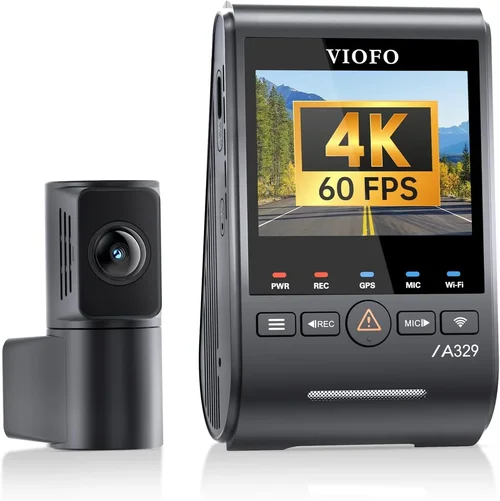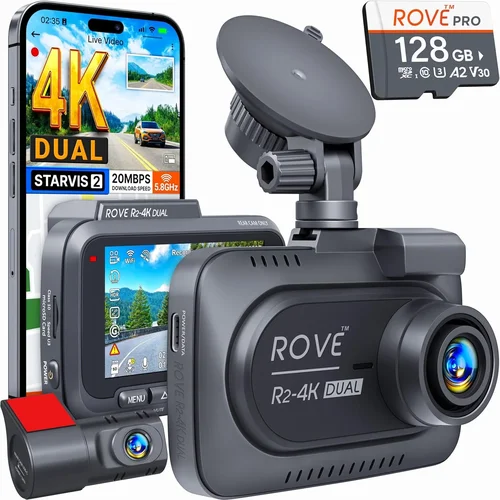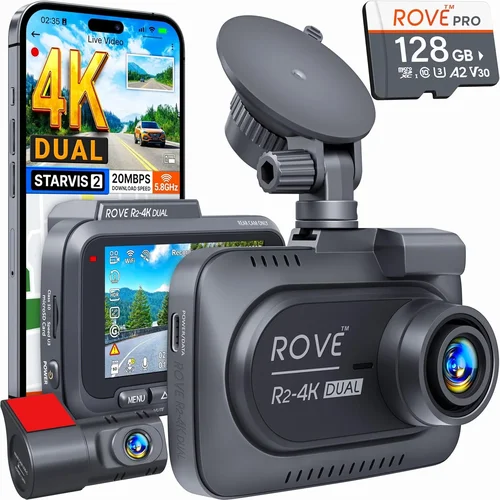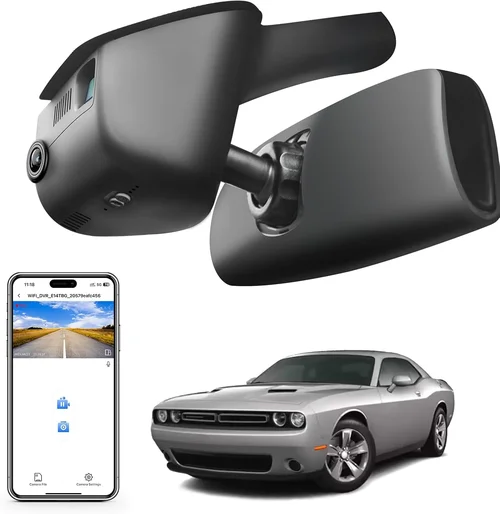
Best Dash Cam Selection Guide for Arizona
Arizona’s driving environment presents unique challenges that demand a dash cam designed specifically for the state’s harsh conditions. From blistering summer temperatures that can reach 120°F in Phoenix to sudden desert storms that reduce visibility, your dash cam must be built to withstand more than just typical road hazards. The intense sunlight reflecting off highways, dust accumulation on lenses, and frequent temperature fluctuations require specialized engineering. When you’re dealing with potential insurance claims or legal disputes, having crystal-clear footage from a reliable device installed properly is essential. This guide will help you navigate the complex world of dash cams and select the perfect model for Arizona’s demanding climate.
Whether you’re a daily commuter navigating the I-10 corridor or a weekend adventurer exploring the desert trails, understanding what makes a dash cam suitable for Arizona’s specific conditions will save you money and frustration. You’ll learn about heat-resistant components, lens protection against glare, storage solutions for extended recording, and features that work best in arid environments. We’ll examine how different brands handle thermal management, what resolution and field-of-view combinations perform reliably in bright Arizona sun, and which connectivity options function optimally in remote areas. By the end of this comprehensive guide, you’ll have the knowledge to make an informed decision that protects both your vehicle and your peace of mind.
The dash cam market has exploded in recent years, offering everything from basic single-lens cameras to sophisticated systems with dual recording, GPS tracking, and cloud connectivity. However, not all dash cams are created equal when it comes to handling Arizona’s extreme conditions. Some models fail spectacularly under high temperatures, while others struggle with lens clarity due to reflective surfaces common on Arizona roads. Understanding the key differences between budget models and premium options, learning how to evaluate build quality and thermal performance, and recognizing which features actually matter for your specific needs will help you avoid expensive mistakes.
## What to Look for When Buying Dash Cams
### Resolution and Video Quality
Video resolution remains one of the most critical factors when selecting a dash cam, especially for Arizona’s challenging lighting conditions. Most reputable dash cams now offer at least 1080p Full HD resolution, but true 4K Ultra HD provides exceptional detail for identifying license plates and vehicle details. Higher resolution means clearer evidence in court proceedings or insurance claims, particularly important given Arizona’s high accident rates. Consider that lower-resolution cameras might struggle to capture clear images during sunrise/sunset transitions when the intense Arizona sun creates dramatic lighting changes across highways.
Look for cameras that support H.264 or H.265 video compression, as these formats provide excellent quality-to-file-size ratios. The bitrate also matters significantly—higher bitrates mean better image quality but larger file sizes. For Arizona drivers who need to store longer recordings, a camera with variable bitrate encoding can automatically adjust quality based on motion detection, preserving storage space while maintaining critical footage quality. Additionally, check if the camera offers night vision capabilities, though Arizona’s generally clear skies often mean less need for enhanced low-light performance compared to other regions.
### Storage Capacity and Loop Recording
Storage capacity directly impacts how long your dash cam can record before overwriting older footage. Arizona drivers should consider at least 32GB of internal storage or the ability to use microSD cards up to 256GB. Larger capacities allow for longer recording sessions without constant file management, which is crucial for capturing multi-hour trips across the state. Loop recording automatically overwrites the oldest footage when storage fills up, ensuring continuous operation without manual intervention.
When evaluating storage options, consider both internal memory and expandable microSD card support. Some premium models include cloud storage integration, allowing automatic backup of critical events to secure servers. This feature proves invaluable if physical media becomes damaged due to Arizona’s extreme temperatures. Also, pay attention to file format compatibility—most dash cams use MP4 files, but ensure your phone, computer, and any insurance providers can easily access and review the footage. Some cameras offer intelligent storage management that only saves significant events, dramatically extending recording time while preserving essential evidence.
### Night Vision and Low-Light Performance
While Arizona’s generally clear skies provide excellent daytime visibility, night driving still requires capable low-light performance. Modern dash cams typically use wide dynamic range (WDR) technology to balance bright headlights with darker road surfaces. This feature proves crucial on Arizona highways where oncoming truck headlights can create blinding glare during evening hours. Look for cameras with specific night vision modes or enhanced infrared capabilities for truly dark conditions.
Some advanced models include starlight sensors or Sony STARVIS CMOS sensors specifically designed for superior low-light sensitivity. These sensors dramatically improve image quality in moonlight and minimal lighting conditions, which proves valuable during late-night travel or when driving through tunnel systems. Additionally, consider cameras with adjustable exposure settings that can compensate for sudden changes in lighting, such as entering or exiting shaded areas along desert mountain passes.
### Field of View (FOV) and Lens Quality
Field of view determines how much of the road and surroundings your dash cam captures, directly impacting its usefulness as evidence. A wider FOV (typically 120-170 degrees) captures more of the road ahead and surrounding vehicles, providing comprehensive coverage. However, extremely wide angles can introduce distortion at the edges of the frame, potentially affecting evidence credibility. Arizona drivers should aim for a balanced FOV that provides adequate coverage without compromising image quality.
Lens quality significantly affects overall performance, particularly in Arizona’s intense sunlight. Premium glass lenses provide sharper images and better light transmission compared to plastic alternatives. Look for cameras with multiple lens elements or aspherical lens designs that minimize chromatic aberration and maintain image clarity across the entire frame. The placement of the lens also matters—front-facing cameras should be positioned to avoid direct sunlight glare while still capturing clear license plate information.
### Heat Resistance and Thermal Management
Arizona’s extreme temperatures make heat resistance one of the most critical factors for dash cam selection. Devices operating in temperatures exceeding 120°F (49°C) can suffer permanent damage to internal components, battery life degradation, or complete failure. Look for dash cams specifically rated for high-temperature operation, ideally with active cooling systems or heat-dissipating materials.
Many premium dash cams include temperature monitoring systems that automatically shut down the device if internal temperatures exceed safe operating limits. This feature prevents permanent damage during Arizona’s hottest months while protecting the stored evidence. Additionally, consider cameras with conformal coating on circuit boards, which provides protection against dust and moisture—common concerns in Arizona’s arid environment.
### Build Quality and Durability
Robust construction ensures your dash cam survives Arizona’s rough roads and environmental challenges. Look for cameras with metal or reinforced plastic housings rather than flimsy plastic enclosures. Vibration resistance proves particularly important for Arizona’s pothole-ridden highways and mountain roads with sharp curves. The mounting system should securely attach to your windshield without obstructing your view while remaining stable through various driving conditions.
Water and dust resistance ratings (IP ratings) indicate how well the device protects against environmental elements. While Arizona is generally dry, occasional dust storms and rain showers require some level of protection. Cameras with IP65 or higher ratings provide adequate defense against dust ingress and water jets, ensuring reliable operation throughout the year.
### G-Sensor and Event Detection
G-sensors automatically detect collisions and save footage to protected event folders, preventing accidental deletion during loop recording cycles. This feature proves invaluable for capturing critical incident evidence while minimizing storage usage. Advanced models offer adjustable sensitivity settings to distinguish between minor bumps and actual accidents, reducing false positives while ensuring important events aren’t missed.
Some dash cams include additional event triggers like parking mode activation, impact detection, or even facial recognition for driver behavior analysis. For Arizona drivers who park frequently in hot conditions, parking mode with heat protection becomes essential. Look for cameras that enter parking mode intelligently, activating only when needed to conserve battery and prevent overheating.
### Connectivity and Smart Features
Modern dash cams increasingly include smartphone connectivity via Wi-Fi or Bluetooth, allowing convenient viewing and downloading of footage. This feature simplifies sharing evidence with insurance companies or law enforcement while enabling quick review of recorded events. Cloud connectivity provides automatic backup of critical footage, protecting against physical media damage from extreme temperatures or theft.
GPS tracking adds valuable context to your recordings by embedding location, speed, and direction data into each video file. This information proves crucial for reconstructing accident scenarios and verifying alibis. Some advanced systems include real-time traffic updates or emergency assistance features, though these may have limited functionality in remote Arizona areas with poor cellular coverage.
## Different Types of Dash Cams
Single-lens dash cams represent the most economical option, typically featuring a front-facing camera that records the road ahead with decent quality at affordable prices. These models work well for basic recording needs and budget-conscious drivers who want evidence protection without significant investment. However, they lack rear coverage and may struggle with advanced features like GPS tracking or cloud connectivity. Many entry-level models include essential features like loop recording, G-sensor activation, and parking mode, making them suitable for casual Arizona drivers.
Dual-lens systems provide comprehensive coverage by recording both the front and rear of your vehicle simultaneously. This configuration proves invaluable for capturing incidents involving following vehicles or situations where the rear of your car becomes relevant. For Arizona drivers who frequently encounter heavy traffic or complex highway interchanges, dual-lens cameras offer peace of mind by documenting both directions. These systems typically include independent power supplies for each camera, ensuring continuous recording regardless of which lens experiences issues.
360-degree camera systems represent the pinnacle of coverage, using multiple cameras strategically placed around the vehicle to eliminate blind spots completely. These advanced setups prove particularly valuable for parking security in urban Arizona areas where theft and vandalism occur regularly. The comprehensive monitoring capability allows for complete situational awareness, making them ideal for fleet operators, ride-sharing services, or drivers with expensive vehicles. Installation complexity and cost increase significantly with 360-degree systems, but the enhanced protection justifies the investment for many Arizona motorists.
Professional-grade dash cams designed for commercial use incorporate enterprise-level features like centralized fleet management, detailed reporting, and enhanced durability. These systems often include advanced connectivity options, redundant storage solutions, and specialized firmware for continuous operation. While primarily designed for commercial fleets, some models offer consumer-friendly interfaces that appeal to serious enthusiasts or drivers requiring maximum reliability. The robust construction and extensive feature sets justify the higher price points for drivers who depend on their vehicles for income or transportation reliability.
Smart dash cams integrate seamlessly with modern smartphone ecosystems, offering app-based control, cloud storage, and advanced analytics. These devices typically include Wi-Fi connectivity for easy file transfer and remote monitoring capabilities. For Arizona drivers who frequently share footage with insurance companies or law enforcement, smart dash cams streamline the process significantly. The integration with popular mobile platforms allows for convenient viewing and sharing of evidence while providing additional safety features like driver behavior monitoring and emergency alert systems.
## Common Buying Mistakes to Avoid
❌ Mistake: Choosing Based Solely on Price
Why it’s bad: Selecting the cheapest available dash cam often leads to disappointment when the device fails to perform under Arizona’s extreme conditions. Budget models frequently lack essential features like proper heat resistance, adequate storage, or reliable video quality, resulting in poor evidence quality or complete device failure during critical moments.
What to do instead: Evaluate dash cams based on comprehensive criteria including build quality, thermal performance, and feature set rather than focusing exclusively on price. Consider the total cost of ownership, including potential replacement costs and lost evidence quality, when making your decision.
❌ Mistake: Ignoring Arizona’s Specific Climate Challenges
Why it’s bad: Many dash cams designed for temperate climates perform poorly in Arizona’s extreme heat and intense sunlight. Devices not specifically engineered for high-temperature operation can suffer permanent damage, battery degradation, or complete failure during summer months when temperatures routinely exceed 120°F.
❌ Mistake: Overlooking Storage Requirements
Why it’s bad: Insufficient storage capacity leads to rapid overwriting of important footage, especially during long Arizona drives or when using higher resolution settings. Limited storage also forces frequent manual cleanup, increasing the risk of accidentally deleting critical evidence.
What to do instead: Calculate your storage needs based on average drive duration, video resolution, and desired retention period. Choose dash cams with expandable storage options and intelligent management systems that prioritize event recording over routine footage.
❌ Mistake: Neglecting Installation Quality
Why it’s bad: Improper installation can compromise both device functionality and driving safety. Poor cable management, inadequate mounting, or obstruction of the driver’s view can lead to legal issues, reduced recording quality, or even accidents caused by distractions.
What to do instead: Invest in professional installation services or carefully follow manufacturer guidelines for self-installation. Ensure cables don’t interfere with airbag deployment zones and that the device provides clear visibility without obstructing critical road information.
❌ Mistake: Assuming All Features Are Essential
Why it’s bad: Loading your dashboard with unnecessary features increases complexity, cost, and potential points of failure. Some advanced features may not function reliably in Arizona’s remote areas due to limited cellular coverage or may drain battery life excessively during parking mode.
What to do instead: Identify your primary use cases and prioritize features accordingly. Focus on core functionality like reliable recording, adequate storage, and heat resistance rather than gimmicky additions that don’t enhance your specific driving situation.
❌ Mistake: Failing to Consider Legal Requirements
Why it’s bad: Arizona has specific laws regarding dash cam usage, including requirements for consent when recording audio and restrictions on public recording. Using dash cams without understanding these regulations can result in legal complications or evidence being deemed inadmissible.
What to do instead: Familiarize yourself with Arizona Revised Statutes regarding recording devices and privacy laws. Choose dash cams with appropriate audio settings and ensure your usage complies with local regulations to protect both your rights and the validity of recorded evidence.
## Budget Guidelines: How Much Should You Spend?
Entry-Level ($50 – $150): Basic Protection for Casual Drivers
This price range includes essential dash cams that provide fundamental recording capabilities without advanced features. Models in this category typically offer 1080p resolution, basic loop recording, and simple G-sensor functionality. While adequate for occasional use and basic evidence collection, entry-level dash cams often lack robust heat resistance and may struggle with Arizona’s extreme conditions. These devices serve well for drivers who want basic protection without significant investment but should be monitored closely during summer months.
Key considerations for entry-level purchases include verifying temperature specifications, ensuring adequate storage capacity, and confirming reliable performance in bright sunlight. Many budget models use lower-quality components that degrade quickly under Arizona’s harsh conditions, so thorough research and careful selection are essential even at this price point.
Mid-Range ($150 – $350): Sweet Spot for Most Arizona Drivers
The mid-range category represents the optimal balance between features, reliability, and value for most Arizona motorists. These dash cams typically include enhanced heat resistance, better build quality, and additional functionality like GPS tracking, improved night vision, and cloud connectivity options. Models in this range often feature Sony STARVIS sensors for superior low-light performance and include active cooling systems to maintain operation during extreme temperatures.
This price bracket includes many dual-lens systems and smart dash cams that provide comprehensive protection without excessive complexity. For Arizona drivers who commute regularly or travel extensively, mid-range options offer the best combination of reliability, feature set, and long-term value. The investment pays dividends through improved evidence quality, reduced maintenance issues, and enhanced peace of mind.
Premium ($350 – $600): Enhanced Features for Serious Users
Premium dash cams deliver professional-grade performance with advanced features tailored for demanding Arizona driving conditions. These systems often include 4K recording capability, superior thermal management, enterprise-level build quality, and comprehensive connectivity options. High-end models may feature multi-camera setups, advanced AI-driven event detection, and sophisticated cloud integration for seamless evidence management.
The premium category suits drivers who require maximum reliability, encounter complex driving scenarios, or depend on their vehicles for income generation. These dash cams undergo rigorous testing for heat resistance and performance stability, making them ideal for Arizona’s extreme climate conditions. While the initial investment is substantial, the enhanced protection and advanced features justify the cost for serious users and commercial operators.
Luxury ($600+): Maximum Protection and Features
Luxury dash cams represent the pinnacle of technology and protection, incorporating cutting-edge features and military-grade construction standards. These systems often include redundant recording capabilities, advanced thermal regulation, and comprehensive vehicle integration with other safety systems. Luxury models may feature multiple camera angles, AI-powered threat detection, and sophisticated analytics for fleet management or personal safety enhancement.
The luxury category serves professional drivers, fleet operators, or enthusiasts seeking absolute reliability and maximum feature sets. These dash cams undergo extensive testing and certification processes, ensuring consistent performance under the most demanding conditions. While the cost barrier is significant, the comprehensive protection and advanced capabilities make these systems suitable for drivers who cannot afford any compromises in safety or evidence quality.
## Expert Tips for Getting the Best Deal
Research Before You Buy
Thorough research helps identify the best dash cam for Arizona’s specific conditions while avoiding overpriced or underperforming models. Start by reading professional reviews and user feedback from Arizona residents who have firsthand experience with local climate conditions. Pay particular attention to performance during summer months and reliability in extreme heat scenarios. Compare specifications across multiple models rather than focusing on isolated features, and verify that recommended features align with your actual driving patterns and needs.
Create a prioritized checklist based on your specific requirements, including essential features like heat resistance, storage capacity, and video quality. This approach prevents overspending on unnecessary capabilities while ensuring critical functionality meets Arizona’s demanding conditions. Consider joining online forums and communities focused on Arizona driving experiences to gather real-world insights from fellow motorists facing similar challenges.
Timing Your Purchase Strategically
Strategic timing can significantly impact your dash cam investment while taking advantage of seasonal trends and promotional opportunities. Late fall and winter months often feature better pricing as manufacturers prepare new models for spring release. Major shopping holidays like Black Friday and Cyber Monday typically offer substantial discounts on electronics, including dash cams. Additionally, consider purchasing during post-holiday sales periods when retailers seek to clear inventory for new product lines.
Avoid peak summer months when demand for heat-resistant electronics peaks and prices may inflate due to increased interest in vehicle protection. Instead, plan your purchase during shoulder seasons when supply meets demand more evenly, providing better value and availability. Subscribe to retailer newsletters and price tracking services to receive alerts about special promotions and limited-time offers that can substantially reduce your investment.
Compare Retailers and Online Options
Comparing different sales channels helps identify the best value while considering shipping costs, return policies, and warranty coverage. Online retailers typically offer broader selection and competitive pricing but may have longer delivery times. Physical stores provide immediate availability and hands-on evaluation but often carry higher overhead costs reflected in pricing. Consider specialty automotive electronics stores that understand local climate challenges and can offer expert advice tailored to Arizona conditions.
Evaluate return policies and warranty terms across different retailers, as these factors significantly impact your long-term satisfaction and protection. Local dealers may offer installation services and ongoing support that justify slightly higher prices for convenience and expertise. Online marketplaces often feature customer reviews and detailed specifications but may have stricter return policies for opened electronic equipment.
Look for Bundle Deals and Accessories
Bundle deals often provide substantial savings while enhancing your dash cam’s functionality and protection. Many retailers offer package deals that include essential accessories like high-quality microSD cards, protective cases, and professional installation services. These bundles typically cost less than purchasing items individually while ensuring compatibility and reliability across all components.
Consider investing in complementary accessories that address Arizona-specific challenges, such as heat-resistant mounting brackets, UV-protective lens covers, and extended warranty plans. Some manufacturers offer accessory kits specifically designed for extreme climate operation, providing comprehensive protection beyond the base dash cam unit. Evaluate the long-term value of bundled accessories against individual purchases, considering both immediate savings and enhanced performance benefits.
Verify Warranty and Support Coverage
Comprehensive warranty and support coverage provides essential protection against manufacturing defects and performance issues, particularly important for devices operating in extreme Arizona conditions. Look for warranties that cover both parts and labor, with clear terms regarding coverage limitations and exclusion clauses. Extended warranty options can significantly enhance your investment protection, especially for premium models with complex features.
Research manufacturer reputation for customer service and technical support responsiveness, as timely assistance proves invaluable when addressing performance issues or warranty claims. Verify that authorized service centers exist within reasonable distance for repairs or replacements, and confirm that warranty terms apply to devices used in extreme climate conditions. Some manufacturers offer specialized warranty programs for vehicles operating in harsh environments, providing enhanced coverage for Arizona-specific challenges.
Test Before Committing
Whenever possible, test dash cam performance before making a final purchase decision, particularly for features critical to Arizona driving conditions. Visit local electronics stores that display demo units, or request loaner devices from rental car companies to evaluate real-world performance. Test video quality in various lighting conditions, assess heat resistance during simulated operation, and verify ease of use with your specific vehicle dashboard layout.
Pay particular attention to installation requirements and compatibility with your vehicle’s electrical system, ensuring that mounting locations provide optimal coverage without obstructing critical driving views. Request demonstration videos showing performance in extreme conditions, and ask staff about real Arizona user experiences. This hands-on evaluation prevents buyer’s remorse and ensures the selected dash cam meets your specific needs and expectations.
Negotiate When Possible
Negotiation opportunities exist even for online purchases, particularly when buying multiple units or during slow sales periods. Contact customer service representatives to inquire about unadvertised discounts, bundle pricing, or promotional codes that could reduce your overall investment. Mention competing offers or lower prices found elsewhere to encourage retailers to match or beat those figures.
For professional or fleet purchases, substantial negotiation leverage exists due to bulk order potential and ongoing business relationships. Establish clear requirements and quantities upfront to demonstrate serious purchasing intent, and inquire about volume discounts or customized solutions. Even individual buyers can negotiate installation services, extended warranties, or accessory packages as part of the overall purchase agreement.
## Frequently Asked Questions
Q: What’s the best dash cam for Arizona’s extreme heat?
A: Look for dash cams specifically engineered for high-temperature operation with active cooling systems and heat-resistant components. Premium models from reputable brands like BlackVue, Garmin, and Nextbase typically include thermal management features that maintain performance during Arizona’s summer temperatures. These devices often feature temperature monitoring systems that automatically adjust operation to prevent damage while preserving essential recording functions.
Additionally, consider dash cams with conformal coating on circuit boards for protection against dust and moisture common in Arizona’s arid environment. Models with IP65 or higher ratings provide adequate defense against environmental elements while maintaining reliable operation throughout the year. Always verify manufacturer specifications for operating temperature ranges and consult user reviews specifically addressing performance in extreme heat conditions.
Q: How much storage do I need for Arizona driving?
A: Storage requirements depend on your driving patterns, video resolution, and desired retention period. For typical Arizona commuters, 32GB of internal storage or the ability to use 64GB microSD cards provides sufficient capacity for daily recording. Long-distance travelers or drivers making regular cross-state trips should consider 128GB or larger storage options to accommodate extended recording sessions without frequent file management.
Advanced storage management features like event-only recording and intelligent loop recording significantly extend usable capacity while preserving critical evidence. Cloud storage integration offers additional protection against physical media damage from extreme temperatures or theft, automatically backing up important footage to secure servers. Calculate your storage needs based on average drive duration, video resolution, and retention requirements to ensure adequate coverage without unnecessary expense.
Q: Can dash cams work reliably in Arizona’s intense sunlight?
A: Yes, modern dash cams with proper optical design and dynamic range capabilities perform well in Arizona’s intense sunlight. Look for cameras with wide dynamic range (WDR) technology that balances bright headlights with darker road surfaces, preventing overexposure during daytime driving. Premium models often include anti-reflective coatings and specialized lens designs that minimize glare from reflective surfaces common on Arizona highways.
Night vision capabilities remain important despite Arizona’s generally clear skies, as evening driving still involves challenging lighting conditions. Advanced sensors like Sony STARVIS CMOS provide superior low-light sensitivity for moonlit driving or tunnel passages. Consider cameras with adjustable exposure settings that can compensate for sudden lighting changes, such as entering shaded areas along desert mountain passes or transitioning between sun and shadow.
Q: Do I need a dual-lens dash cam for Arizona driving?
A: Dual-lens dash cams provide comprehensive coverage by recording both front and rear perspectives simultaneously, proving valuable for complex highway interchanges and situations where rear-end incidents occur frequently. While not strictly necessary for all Arizona drivers, dual-lens systems offer enhanced protection and evidence quality for regular highway commuters and drivers encountering heavy traffic conditions.
Single-lens dash cams suffice for basic recording needs and budget-conscious drivers who prioritize front-facing coverage. However, dual-lens systems become increasingly beneficial for drivers who frequently encounter complex driving scenarios, commercial operations, or situations where rear visibility significantly impacts safety decisions. The added coverage justifies the higher cost for many Arizona motorists who value comprehensive protection.
Q: How do I install a dash cam to handle Arizona’s extreme conditions?
A: Professional installation provides optimal results for Arizona’s demanding conditions, ensuring proper mounting, cable routing, and protection against environmental elements. Technicians can position cameras to avoid direct sunlight glare while maintaining clear visibility and unobstructed views. They also implement heat-resistant mounting hardware and cable management solutions that withstand Arizona’s temperature extremes.
If self-installing, carefully follow manufacturer guidelines for positioning cameras to avoid blocking critical driving views and ensure secure mounting that survives vibration and temperature fluctuations. Use high-quality mounting adhesives rated for extreme temperatures and route cables away from airbag deployment zones. Consider professional installation for complex setups or if you’re uncertain about proper techniques, as incorrect installation can compromise both functionality and safety.
Q: What features are essential for Arizona-specific dash cam needs?
A: Essential features for Arizona driving include robust heat resistance with active cooling systems, wide dynamic range for intense sunlight conditions, and adequate storage capacity for extended recording. Additional valuable features include GPS tracking for location verification, parking mode with heat protection, and cloud connectivity for automatic evidence backup. These capabilities ensure reliable operation throughout Arizona’s varied climate conditions while preserving critical evidence quality.
Consider your specific driving patterns when prioritizing features, focusing on capabilities that address Arizona’s unique challenges. For example, drivers who frequently park outdoors benefit from advanced parking mode with heat protection, while long-distance travelers value GPS tracking and cloud storage for comprehensive trip documentation. Balance essential functionality with practical considerations like ease of use and maintenance requirements.
Q: How often should I replace my dash cam in Arizona’s climate?
A: Replacement frequency depends on usage intensity, build quality, and environmental exposure. High-quality dash cams with robust construction typically last 3-5 years even under Arizona’s extreme conditions, provided they receive proper maintenance and storage. Signs that replacement is necessary include declining video quality, frequent error messages, or inability to maintain operation during summer months despite proper installation.
Regular maintenance helps extend device lifespan, including cleaning lenses with appropriate solutions, replacing aging microSD cards every 2-3 years, and storing devices properly during extended periods of non-use. Monitor performance indicators like battery health, storage efficiency, and thermal management capabilities to determine optimal replacement timing. Consider upgrading to newer models with improved heat resistance and enhanced features rather than simply replacing aging units.
Q: Are there any Arizona-specific regulations for dash cam usage?
A: Arizona Revised Statutes govern dash cam usage, including provisions regarding audio recording and privacy considerations. While dash cams recording video without audio generally face fewer restrictions, understanding local regulations ensures compliance and protects the admissibility of recorded evidence. Familiarize yourself with Arizona laws regarding recording devices and privacy protections to avoid legal complications.
Choose dash cams with appropriate audio settings that comply with local regulations, and ensure your usage practices respect privacy rights and legal requirements. Consult legal resources or professional guidance if uncertain about specific applications or limitations regarding dash cam operation in Arizona. Compliance with local laws enhances both the legality and effectiveness of your dash cam as evidence protection.
## Our Final Recommendations
For budget-conscious Arizona drivers seeking reliable protection without breaking the bank, the Viofo A119 v3 delivers exceptional value with its 2K HDR recording, robust heat resistance, and user-friendly interface. This single-lens dash cam includes essential features like loop recording, G-sensor activation, and parking mode while maintaining reliable performance through Arizona’s extreme temperatures. Its compact design and straightforward installation make it accessible for DIY enthusiasts, while the impressive video quality provides clear evidence for insurance claims and legal proceedings.
If you’re looking for the best overall value that combines advanced features with reliable performance in Arizona’s challenging climate, the Nextbase 522GW stands out as the top choice. This dual-lens system offers 1440p front recording, 1080p rear coverage, and built-in Alexa voice control alongside comprehensive heat management features. The cloud connectivity enables automatic backup of critical events, while the impressive build quality ensures consistent operation throughout the year. Its intuitive interface and professional-grade components justify the investment for Arizona drivers who demand reliable evidence protection.
For serious users and commercial operators requiring maximum reliability and advanced features, the BlackVue DR970X-2CH represents the premium option with its 4K Ultra HD recording, superior thermal management, and enterprise-level build quality. This dual-lens system includes advanced connectivity options, GPS tracking, and cloud integration while maintaining exceptional performance in extreme Arizona conditions. The robust construction and comprehensive feature set make it ideal for fleet operators, professional drivers, or anyone who cannot compromise on safety or evidence quality.
Beginners to dash cam technology should start with the Garmin Dash Cam 67W, which offers 1080p recording with GPS tracking, lane departure warnings, and collision avoidance features in an exceptionally user-friendly package. Its intuitive interface, reliable performance, and comprehensive safety features make it perfect for first-time users who want maximum protection without overwhelming complexity. The built-in GPS provides valuable location data, while the compact design integrates seamlessly with any vehicle dashboard.
Advanced users seeking cutting-edge technology and comprehensive vehicle monitoring should consider the Thinkware Q800PRO, which delivers exceptional 4K recording capabilities, advanced AI-driven event detection, and sophisticated thermal management systems. This professional-grade dash cam includes multiple camera inputs, cloud connectivity, and enterprise-level reporting features while maintaining reliable operation through Arizona’s extreme climate conditions. Its comprehensive feature set and robust construction justify the premium investment for serious users and commercial applications.
## Conclusion: Making the Right Choice
Selecting the best dash cam for Arizona requires careful consideration of the state’s unique environmental challenges and driving conditions. From extreme summer temperatures exceeding 120°F to intense sunlight reflecting off highways, your chosen device must withstand more than typical road hazards. By understanding the critical factors like heat resistance, storage capacity, video quality, and build durability, you can make an informed decision that protects both your vehicle and your peace of mind.
Remember that investing in a quality dash cam isn’t just about recording footage—it’s about ensuring reliable evidence preservation when you need it most. The right device will operate consistently throughout Arizona’s varied climate conditions, providing clear, comprehensive coverage for insurance claims, legal disputes, or simply documenting memorable journeys across the Grand Canyon State. Consider your specific driving patterns, prioritize essential features, and choose a model that offers the best balance of reliability, functionality, and value for your needs.
Ultimately, the best dash cam for Arizona combines robust construction with advanced technology specifically engineered for extreme conditions. Whether you opt for a budget-friendly option or invest in a premium system, the key is selecting a device that maintains reliable performance through the state’s challenging climate while providing the evidence quality necessary for effective protection. Take time to research thoroughly, consider professional installation, and prioritize features that address Arizona’s unique driving environment to ensure your dash cam serves you reliably for years to come.