Best Dash Cam Buying Guide for Truckers
For professional drivers who spend hundreds of hours behind the wheel, the right dash cam can make all the difference between a minor incident and a career-ending lawsuit. Truckers face unique challenges that standard consumer dash cams simply aren’t designed to handle. From extreme temperature fluctuations to constant vibrations on rough highways, from long-haul journeys requiring reliable storage to the need for crystal-clear evidence in legal disputes, truckers need equipment built specifically for their demanding lifestyle.
This comprehensive buying guide will walk you through everything you need to know about selecting the best dash cam for your trucking needs. We’ll explore the specific requirements that matter most to professional drivers, compare top-rated models across different price ranges, and provide expert advice on features, installation, and maintenance. Whether you’re a seasoned long-haul driver looking to upgrade your current setup or a new trucker wanting to invest in proper protection from day one, this guide will help you make an informed decision that protects both your livelihood and your peace of mind.
The market offers dozens of dash cam options, but not all are created equal when it comes to trucking applications. Many consumer models fail under the stress of continuous highway driving, while some commercial-grade units may be overkill for your needs. Our analysis considers real-world performance data, durability testing results, and feedback from actual truck drivers who depend on these devices every day. By the end of this guide, you’ll have the knowledge to identify which features truly matter for trucking and avoid costly mistakes that could leave you vulnerable in the event of an accident.

What to Look for When Buying Dash Cams
1. Budget & Price Range
Understanding your budget is the first step in finding the right dash cam for your trucking operation. Professional drivers often face tighter margins than consumers, making cost-effectiveness crucial. Entry-level dash cams typically range from $50-100 and offer basic recording capabilities with limited storage and fewer advanced features. Mid-range models ($100-250) provide significantly better build quality, enhanced video resolution, and more reliable performance under demanding conditions.
Premium trucker-specific dash cams ($250-500) include specialized features like GPS tracking, impact sensors, cloud connectivity, and superior low-light performance. While these higher-priced models represent a larger upfront investment, they often prove more economical over time by reducing insurance premiums, preventing costly disputes, and providing better evidence quality if legal issues arise.
Consider the total cost of ownership rather than just the initial purchase price. Factor in additional costs like memory cards, mounting hardware, power adapters, and potential replacement cycles. Some trucking companies actually subsidize dash cam purchases as part of their safety programs, so don’t forget to check what your employer might offer.
2. Performance Specifications
Video resolution remains one of the most critical specifications for any dash cam, especially for truckers who need clear evidence of accidents or incidents. Most modern dash cams offer at least 1080p Full HD resolution, but 2K and 4K models provide dramatically improved detail that can mean the difference between identifying a license plate clearly and having blurry, unusable footage.
Frame rate matters too—60fps recording captures smoother motion and provides better slow-motion playback during critical events. The bitrate determines how much data gets stored per second; higher bitrates preserve more detail but consume storage space faster. For truckers, we recommend aiming for at least 20Mbps bitrate to ensure high-quality footage without excessive file sizes.
Field of view (FOV) is equally important. A wider FOV captures more of the road ahead and surrounding areas, reducing blind spots. However, extremely wide angles can create fisheye distortion that makes objects appear closer or farther than they actually are. The sweet spot for truckers typically falls between 120-150 degrees horizontal FOV—wide enough to capture lane changes and intersections but narrow enough to maintain accurate perspective.
3. Build Quality & Durability
Truckers operate in environments where standard electronics simply don’t survive. Extreme temperatures, constant vibration from engine noise and road imperfections, exposure to dust and moisture—these conditions demand rugged construction that consumer-grade dash cams can’t provide. Look for models specifically marketed as “trucker-friendly” or “commercial grade” with reinforced housings and shock-resistant components.
Temperature tolerance is particularly crucial. Most consumer dash cams only function reliably between 32°F and 95°F, but professional drivers encounter sub-zero temperatures in winter and triple-digit heat in summer. Premium models often specify operation ranges from -4°F to 140°F or even wider, ensuring reliability year-round regardless of climate conditions.
Vibration resistance involves both hardware design and mounting solutions. Internal components should be secured with rubberized mounts or gel pads that absorb shocks. External connectors and cables need strain relief to prevent damage from constant movement. Consider dash cams with internal accelerometers that detect impacts and automatically save relevant footage—a feature that proves invaluable during sudden braking or collision events.
4. Features & Functionality
Modern dash cams offer numerous features beyond basic video recording. Loop recording allows continuous operation by automatically overwriting older footage when storage fills up, ensuring you always have recent recordings available. This feature prevents unexpected gaps in your coverage and eliminates the need for frequent manual intervention.
GPS tracking provides valuable metadata including speed, location, and route information that enhances your footage’s usefulness for insurance claims or legal proceedings. Some models also offer GLONASS compatibility for improved global positioning accuracy, which matters for international truckers crossing into different countries.
Parking surveillance modes use motion detection or impact sensors to record incidents when your vehicle is unattended. Time-lapse recording reduces file sizes while maintaining useful footage of parking situations. Emergency recording automatically saves critical moments before and after an event, ensuring you never lose potentially vital evidence.
5. Brand Reputation
Choosing a reputable brand significantly reduces the risk of purchasing a poorly performing device or facing customer service nightmares. Established manufacturers like BlackVue, Garmin, Viofo, and Thinkware have decades of experience building automotive electronics and understand the unique demands of professional drivers.
Research each brand’s track record for reliability, warranty support, and software updates. Brands that regularly release firmware improvements demonstrate commitment to product longevity and security. Check online forums and professional driver communities for real-world experiences—what works well in lab tests might perform differently on actual highways.
Beware of unknown brands offering ultra-low prices—they often cut corners on essential components that affect performance and durability. While some lesser-known manufacturers can produce decent products, their customer support and warranty service typically pale in comparison to industry leaders.
6. Warranty & Support
A solid warranty demonstrates manufacturer confidence in their product and provides crucial protection against defects. Most quality dash cams come with at least a one-year warranty, but premium models often offer two-year coverage or even lifetime warranties on certain components. For truckers, longer warranty periods provide greater peace of mind given the harsh operating conditions.
Customer support quality varies dramatically between brands. Phone support, email responsiveness, and technical expertise all factor into your decision. Look for manufacturers that offer multiple support channels and have knowledgeable staff who understand automotive electronics and trucking regulations.
Software update policies also matter—brands that regularly release improvements enhance functionality and security over time. Some manufacturers even offer extended warranty programs for additional fees, which can be worthwhile investments for professional drivers who rely heavily on their equipment.
7. Size & Portability
While most dash cams mount permanently to windshields, size considerations still apply. Larger units may obstruct your view or interfere with other mounted accessories like CB radios or navigation systems. Compact designs not only preserve visibility but also reduce wind resistance and improve aerodynamics—important considerations for fuel efficiency-conscious truckers.
Some models offer dual-camera configurations with smaller secondary units that can be mounted discreetly elsewhere in the cab or even externally. These setups provide comprehensive coverage without compromising primary camera placement or creating visual obstructions.
Mounting flexibility matters too. Adjustable arms and flexible cables allow precise positioning for optimal viewing angles while accommodating various truck windshield configurations. Universal mounting brackets that work with different vehicle types provide added versatility if you occasionally drive company vehicles or personal trucks.
8. User Reviews & Ratings
Real user experiences provide invaluable insights that technical specifications alone cannot reveal. Pay special attention to reviews from professional drivers and fleet operators—their feedback reflects real-world performance under identical conditions you’ll encounter on the road.
Look for patterns in positive and negative reviews rather than focusing solely on star ratings. Consistent praise for specific features like GPS accuracy or consistent performance during long drives indicates reliable products. Conversely, repeated complaints about battery life, connectivity issues, or poor customer service signal potential problems.
Professional driver forums and Facebook groups dedicated to trucking often contain detailed discussions about dash cam performance. These communities frequently share installation tips, troubleshooting advice, and recommendations based on years of collective experience—valuable resources that complement manufacturer specifications.
Different Types of Dash Cams

Common Buying Mistakes to Avoid
❌ Mistake: Ignoring Storage Requirements
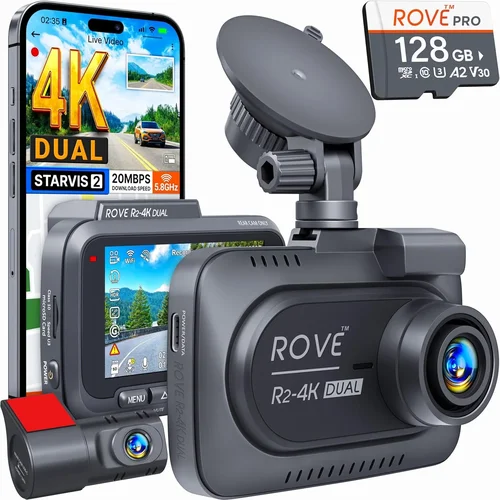
Why it’s bad: Many truckers underestimate how quickly dash cam files consume storage space. A 1080p dash cam recording at 20Mbps can fill a 64GB card in just 2-3 days of continuous operation. Without adequate storage planning, you risk losing critical footage when you need it most.
What to do instead: Calculate your storage needs based on recording quality, bitrate, and expected usage duration. For long-haul truckers, consider 128GB or 256GB cards and implement regular backup routines. Some models support dual SD cards for seamless switching, ensuring continuous recording without data loss.
❌ Mistake: Overlooking Temperature Tolerance
Why it’s bad: Consumer dash cams often fail in extreme temperatures common along trucking routes. Summer heat can cause lens fogging and component failure, while winter cold can lead to battery drain and display malfunctions. A dash cam that dies during a cross-country trip provides no protection whatsoever.
What to do instead: Verify operating temperature specifications before purchasing. Professional-grade models typically handle -4°F to 140°F or wider ranges. Consider heated lenses or anti-fog coatings for extreme climates. Always park in shaded areas when possible and use sunshades to reduce interior heat buildup.
❌ Mistake: Choosing Based Solely on Price
Why it’s bad: Ultra-cheap dash cams often skimp on critical components like image sensors, processors, and housing materials. These compromises result in poor video quality, unreliable performance, and frequent failures. The lowest-priced option rarely represents the best value for professional drivers.
What to do instead: Focus on features and reliability rather than absolute price. Mid-range models ($150-250) often deliver better performance than budget options while providing more advanced functionality. Read professional driver reviews and consider total cost of ownership including potential replacement costs and downtime.
❌ Mistake: Neglecting Installation Quality
Why it’s bad: Poor installation leads to poor performance. Improper mounting creates shaky footage, obstructs views, or fails to secure the unit against vibration damage. Incorrect wiring can cause electrical issues or void warranties. Many truckers underestimate how crucial proper installation really is.
What to do instead: Invest in professional installation or take time to learn proper techniques. Use high-quality mounting hardware designed for heavy-duty use. Route cables neatly away from moving parts and ensure power connections are secure. Test the setup thoroughly before relying on it for legal protection.
❌ Mistake: Forgetting About Legal Evidence Standards
Why it’s bad: Not all dash cam footage meets legal standards for evidence. Courts require clear, unaltered recordings with accurate timestamps and metadata. Many consumer models lack the necessary features or quality to satisfy evidentiary requirements, potentially weakening your position in disputes or lawsuits.
What to do instead: Research legal standards in your jurisdiction regarding dash cam evidence. Choose models with verified GPS accuracy, timestamp precision, and tamper-proof recording features. Maintain chain-of-custody procedures for footage and keep detailed logs of when and how evidence was collected and preserved.
❌ Mistake: Underestimating Power Consumption
Why it’s bad: Dash cams draw continuous power from your vehicle’s electrical system, which can drain batteries during extended stops or contribute to alternator strain during long drives. Some models consume surprisingly large amounts of power, affecting overall vehicle performance and fuel efficiency.
What to do instead: Check power consumption specifications and choose energy-efficient models when possible. Consider hardwiring options instead of cigarette lighter adapters for more reliable power delivery and reduced fire risk. Monitor battery levels during extended stops and use parking mode sparingly to conserve power.
❌ Mistake: Skipping Regular Maintenance
Why it’s bad: Dust accumulation, lens smudges, and memory card wear can gradually degrade performance without notice. Neglecting basic maintenance leads to poor video quality, storage issues, and unexpected failures. Many truckers assume dash cams are “set-and-forget” devices, but they actually require periodic attention.
What to do instead: Develop a maintenance schedule including weekly lens cleaning, monthly storage checks, and quarterly full system inspections. Keep spare memory cards and cleaning supplies in your toolkit. Document maintenance activities to track performance trends and anticipate potential issues before they become critical.
Budget Guidelines: How Much Should You Spend?
Entry-Level ($50-100): Basic Protection
This price range includes functional dash cams suitable for occasional drivers or those needing basic coverage without significant financial investment. Models in this category typically offer 1080p recording, 120-degree field of view, and loop recording capabilities. While they provide fundamental protection, expect limitations in low-light performance, build quality, and advanced features.
Recommended for: Solo truckers on tight budgets, short-haul drivers, or those testing dash cam benefits before upgrading. These models serve adequately for local deliveries or regional routes but may struggle with the demands of cross-country hauling or harsh weather conditions.
Key considerations: Prioritize reliability over features. Look for established brands even at lower price points, and verify warranty coverage. Be prepared to upgrade within 12-18 months as your understanding of your needs evolves.
Mid-Range ($100-250): Sweet Spot for Most Truckers
The mid-range category represents the optimal balance of performance, features, and value for professional drivers. These dash cams deliver 2K or better resolution, superior low-light sensitivity, robust build quality, and essential trucker-friendly features like GPS tracking, impact detection, and reliable parking mode.
Recommended for: Most long-haul truckers, fleet managers, and serious professionals seeking dependable protection without unnecessary complexity. This range includes many of the best-reviewed models specifically praised by experienced drivers for their reliability and performance.
Key considerations: Focus on models with proven track records in trucking applications. Pay attention to storage capacity, power consumption, and ease of use. Many mid-range units offer excellent value and can serve professional drivers for multiple years without major upgrades.
Premium ($250-500): Advanced Protection & Features
Premium dash cams represent the top tier of consumer technology, incorporating cutting-edge features and professional-grade components. These models often include 4K recording, superior sensor technology, cloud connectivity, advanced driver assistance features, and exceptional build quality designed to withstand extreme conditions.
Recommended for: High-mileage truckers, fleet operators managing multiple vehicles, or professionals who prioritize maximum protection and convenience. Premium units justify their higher cost through enhanced performance, reduced maintenance needs, and superior evidence quality.
Key considerations: Evaluate whether advanced features actually benefit your specific operations. Cloud connectivity requires reliable internet access, and extra processing power increases heat generation. Ensure your vehicle’s electrical system can support the additional load without causing other issues.
Luxury ($500+): Professional-Grade Solutions
The luxury segment includes specialized commercial dash cams designed for professional fleets, law enforcement, and extreme-duty applications. These units often incorporate military-grade construction, redundant systems, specialized mounting solutions, and integration capabilities with fleet management platforms.
Recommended for: Large fleet operators, specialized trucking companies, or drivers operating in particularly hazardous conditions. Luxury models provide maximum reliability and feature sets but may exceed individual trucker needs while representing substantial capital investment.
Key considerations: Assess return on investment carefully. Many luxury features duplicate existing capabilities or address scenarios unlikely to occur. Consider leasing options or manufacturer financing programs to spread the cost across multiple vehicles or years.
Expert Tips for Getting the Best Deal
Timing Your Purchase Strategically
Seasonal sales events can dramatically affect dash cam pricing throughout the year. Major shopping holidays like Black Friday, Cyber Monday, and Memorial Day weekend consistently feature steep discounts on automotive electronics. However, these deals often come with limited stock and may exclude the newest models or premium features.
Consider timing purchases around new model releases—manufacturers frequently discount previous-generation units to make room for updated versions. Quarterly earnings reports sometimes trigger price adjustments as retailers adjust inventory levels. Monitoring price history using browser extensions or dedicated apps helps identify genuine bargains versus temporary markdowns.
Comparing Retailer Options
Traditional automotive stores like AutoZone, Advance Auto Parts, and O’Reilly’s carry dash cam selections but typically focus on basic models with limited professional features. Their advantage lies in immediate availability and in-store support, while their disadvantage is restricted product choices and higher prices compared to online specialists.
Online retailers like Amazon, Best Buy, and specialized dash cam websites offer broader selections, competitive pricing, and customer reviews. Online shopping allows easy comparison of features, shipping options, and return policies. However, you’ll need to handle installation yourself unless opting for professional services at additional cost.
Direct manufacturer websites often provide exclusive bundles, extended warranties, and technical support unavailable through third-party sellers. Some brands also partner with trucking supply companies or fleet management providers for special pricing arrangements beneficial to professional drivers.
Identifying Authentic Deals vs. Bait-and-Switch
Be cautious of extremely low prices that seem too good to be true—they often indicate counterfeit products, refurbished units sold as new, or models with hidden flaws. Genuine discounts typically range 10-30% below MSRP rather than 50% or more unless clearing discontinued inventory.
Read fine print carefully regarding warranty terms, included accessories, and return conditions. Some “deals” exclude essential components like memory cards or mounting hardware, effectively increasing the true cost. Verify seller reputation through independent review sites and customer testimonials before committing to any purchase.
Warranty & Return Policy Considerations
A robust warranty demonstrates manufacturer confidence and provides crucial protection against defects. Look for minimum one-year coverage with clear terms regarding covered components and claim procedures. Extended warranty programs available at purchase time can add valuable coverage without significant cost increases.
Flexible return policies allow testing products in real-world conditions before finalizing decisions. Thirty-day return windows give reasonable time to evaluate performance, while restocking fee waivers simplify exchanges if issues arise. Some manufacturers offer “try-before-you-buy” programs or demo units for professional evaluation.
Testing Before Committing
Whenever possible, test dash cam models in your actual vehicle before purchasing. Real-world testing reveals issues invisible in product demonstrations—viewing angle obstructions, cable routing difficulties, power connection accessibility, and interface usability all require hands-on evaluation.
Many specialty automotive shops offer dash cam installation and demonstration services for a modest fee. This approach lets you see multiple models side-by-side while receiving professional advice tailored to your specific truck configuration and driving patterns. Some manufacturers provide loaner units for trial periods, allowing extended real-world testing.
Fleet Discounts & Business Programs
Trucking companies often receive volume discounts through manufacturer business programs or fleet management partnerships. These arrangements typically include bulk pricing, priority support, and customized features beneficial to multiple drivers. Even solo operators might qualify for business rates by registering purchases under company names or LLCs.
Industry associations and professional organizations sometimes negotiate group purchasing agreements that extend savings to members. Truck driver unions, safety advocacy groups, and logistics associations frequently partner with electronics manufacturers for member-exclusive deals on protective equipment.
Insurance & Safety Program Benefits
Many insurance providers offer premium discounts for vehicles equipped with dash cams or participating in safety programs. These incentives can offset initial costs within months rather than years. Some insurers even provide free or subsidized dash cam installations as part of their risk reduction initiatives.
Trucking companies with comprehensive safety programs often include dash cam requirements or recommendations in their operational guidelines. Compliance with these standards may affect hiring decisions, promotion opportunities, or contract eligibility, making participation strategically valuable beyond pure cost savings.
Software Updates & Long-Term Support
Manufacturers that regularly release firmware updates demonstrate commitment to product longevity and security. Check update frequency and changelog details before purchasing—frequent improvements suggest active development rather than abandoned products. Some brands provide lifetime updates for certain features or hardware generations.
Community support matters too. Active user forums, detailed documentation, and responsive customer service indicate manufacturers invested in ongoing customer relationships. Products with strong community backing often receive unofficial patches, tips, and troubleshooting advice unavailable from official sources.
Integration With Existing Systems
Consider how new dash cams integrate with your current trucking technology ecosystem. Compatibility with existing GPS systems, fleet management software, or communication devices reduces implementation complexity and training requirements. Some manufacturers offer APIs or integration tools for custom setups.
Power source compatibility ensures reliable operation without electrical modifications that could void warranties or create safety hazards. USB-C charging ports, hardwiring capabilities, and cigarette lighter adapters all present different trade-offs regarding convenience, reliability, and vehicle impact.

Frequently Asked Questions
Q: Do I really need a dash cam as a trucker, or will regular insurance suffice?
A: While comprehensive insurance provides financial protection, it doesn’t prevent accidents or disputes from damaging your reputation and career. Dash cams serve three critical functions: evidence collection for legal protection, behavioral monitoring for safer driving habits, and potential insurance premium reductions. In high-risk professions like trucking, where liability disputes are common, having objective video evidence can mean the difference between accepting blame or proving your innocence. Many insurance companies now actively encourage dash cam usage through discount programs, making them increasingly cost-effective investments.
Q: What’s the difference between parking mode and motion detection?
A: Parking mode refers to the dash cam’s ability to record when your vehicle is unattended, but the triggering mechanism differs significantly between technologies. Traditional motion detection activates recording when it senses movement near your vehicle—but this can lead to false positives from passing cars or wildlife. More advanced models use impact sensors that only record significant events like door openings, glass breaking, or vehicle tilting. Smart parking modes combine multiple triggers with time-lapse recording to conserve storage while maintaining useful coverage. For truckers, impact-based parking modes typically provide better protection with less wasted storage.
Q: Can I use a smartphone app instead of a dedicated dash cam?
A: While smartphone dash cam apps exist, they’re generally unsuitable for professional trucking applications. Smartphone cameras lack the specialized optics, stabilization systems, and durability needed for reliable roadside recording. Battery drain becomes critical during long stops, and cellular connectivity issues limit functionality in rural areas. Dedicated dash cams offer superior image quality, automatic operation, and legal evidence standards that smartphones cannot match. Some premium models do integrate with smartphones for viewing and management, but they remain supplementary rather than replacements for purpose-built hardware.
Q: How often should I clean my dash cam lens?
A: Lens cleaning frequency depends on environmental conditions and usage patterns. In dusty or dirty environments common along trucking routes, weekly cleaning may be necessary to maintain clear visibility. During dry seasons, monthly cleaning might suffice. Always use microfiber cloths specifically designed for optical surfaces—never paper towels or rough fabrics that scratch lenses. For persistent smudges, use diluted alcohol solutions or specialized lens cleaning sprays. Establish cleaning as part of your pre-trip inspection routine to develop consistent habits and prevent neglect.
Q: Will my dash cam footage hold up in court?
A: Court acceptance depends on meeting specific evidentiary standards including authenticity, completeness, and accuracy. High-quality dash cams with verified GPS timestamps, unaltered recordings, and clear metadata generally meet these requirements. However, courts may reject footage from consumer-grade models with questionable compression algorithms or inconsistent timestamps. To maximize legal effectiveness, choose models with certified accuracy specifications, maintain proper chain-of-custody procedures, and document all aspects of evidence collection. Consulting with legal professionals familiar with trucking regulations can provide jurisdiction-specific guidance.
Q: What happens if my dash cam runs out of storage?
A: Modern dash cams automatically handle storage management through loop recording, which overwrites the oldest footage when storage fills up. This ensures continuous operation without manual intervention. However, the overwrite process means you’ll lose older recordings unless you’ve implemented external backup solutions. Some models support dual SD cards for seamless switching, preventing data loss during card changes. Cloud-connected units automatically upload critical footage to remote servers, preserving important events even if local storage fills completely. Always monitor storage levels regularly and establish backup routines before critical situations arise.
Q: Can I install multiple dash cams on my truck?
A: Yes, many truckers install multiple cameras for comprehensive coverage, but proper planning is essential. Front-only cameras provide adequate protection for most situations, but adding rear cameras helps document backing maneuvers and incidents behind your vehicle. Side cameras assist with lane-change awareness and blind spot monitoring. However, multiple cameras increase power consumption, storage requirements, and potential obstruction risks. Professional dual-camera systems coordinate recording timing and file management seamlessly, while DIY setups require careful synchronization to avoid conflicting footage or missing critical events.
Q: How do I choose between wired and wireless dash cams?
A: Wired dash cams connect directly to your vehicle’s electrical system through hardwiring, providing stable power and reduced fire risk. They’re ideal for permanent installations where aesthetics and reliability matter most. Wireless models use battery power or cigarette lighter adapters, offering greater flexibility for temporary setups or vehicles where wiring modifications are impractical. However, wireless units face battery drain issues during extended stops and potential connectivity problems. For professional truckers, hardwired installations typically provide superior performance and peace of mind despite slightly more complex initial setup.
Q: Are there any legal restrictions on dash cam usage?
A: Regulations vary significantly by jurisdiction regarding audio recording, data privacy, and evidence handling. Many regions prohibit recording conversations without consent, though video-only recording typically faces fewer restrictions. Some areas require dash cams to be visible and unobstructed, while others mandate specific data retention periods. International truckers must comply with varying laws across different countries, particularly regarding personal data storage and transmission. Always research local regulations before purchasing and installing dash cams, and consult legal professionals when operating across multiple jurisdictions.
Q: How do I backup and store my dash cam footage securely?
A: Secure backup strategies depend on your risk level, storage capacity, and legal requirements. Simple solutions include transferring files to laptops or external hard drives during scheduled stops. Cloud storage services provide off-site protection but require reliable internet connectivity. Some models offer automatic cloud uploads triggered by impact events or scheduled times. For legal evidence preservation, maintain detailed logs documenting when footage was collected, how it was stored, and who accessed it. Encryption and password protection add security layers, while regular integrity checks ensure data remains uncorrupted and admissible if needed.
Our Final Recommendations
Best for Budget-Conscious Buyers
The Viofo A119 V3 represents exceptional value for truckers seeking reliable performance without breaking the bank. This compact unit delivers 2K resolution at 60fps, providing crisp video quality that outperforms many premium competitors. Its Sony Starvis sensor excels in low-light conditions common during dawn, dusk, and nighttime driving, while the built-in GPS accurately tracks speed and location data.
The A119 V3 includes essential trucker features like parking mode, impact detection, and loop recording, all housed in a durable, compact design that minimizes visual obstruction. With a street price typically under $150, it offers professional-grade functionality at entry-level costs. Users consistently praise its straightforward interface, reliable performance, and compatibility with various mounting solutions. For truckers needing dependable evidence collection without overspending, this model strikes the perfect balance between capability and affordability.
Best Overall Value
BlackVue DR970X-2CH stands as the gold standard for professional trucking applications, combining premium features with rock-solid reliability. This dual-channel system records both front and rear views simultaneously, eliminating blind spots during backing maneuvers and lane changes. The 4K front camera captures stunning detail while the 1080p rear camera provides clear documentation of incidents behind your vehicle.
BlackVue’s proprietary technology includes advanced parking mode with intelligent event detection, cloud connectivity for remote monitoring, and military-grade build quality designed for extreme conditions. The DR970X-2CH automatically backs up critical footage to the cloud when an impact occurs, ensuring evidence preservation even if your vehicle suffers severe damage. Fleet operators particularly appreciate the centralized management platform that allows monitoring multiple vehicles simultaneously. While priced at $450-500, its comprehensive feature set and proven track record justify the investment for serious professionals.
Best Premium Option
The Garmin Dashcam Pro represents the pinnacle of consumer dash cam technology, integrating professional-grade features with intuitive usability. This model incorporates advanced driver assistance features including forward collision warnings, lane departure alerts, and speed limit notifications—all valuable tools for defensive trucking practices. The 2K recording quality delivers sharp detail while maintaining manageable file sizes through efficient compression algorithms.
Garmin’s ecosystem integration allows seamless pairing with compatible Garmin GPS units and smartwatches, creating a unified driving experience. The built-in Wi-Fi enables quick file transfers and live streaming, while the robust build quality handles temperature extremes and vibration common in trucking environments. Additional premium features include voice commands, automatic screenshot capture during incidents, and extended warranty options. At $300-350, the Dashcam Pro offers exceptional value for truckers seeking cutting-edge technology without enterprise-level costs.
Best for Beginners
The Thinkware U1000 provides an ideal introduction to professional dash cam functionality without overwhelming complexity. This single-camera system delivers 2K recording with impressive low-light performance thanks to its Sony STARVIS CMOS sensor. The user-friendly interface includes customizable settings accessible through simple menus, while automatic features handle routine operations without constant manual intervention.
Thinkware’s commitment to reliability shines through in the U1000’s durable construction and consistent performance across varying conditions. The built-in GPS provides accurate location data, while parking mode with impact detection offers protection during extended stops. The included accessories kit simplifies installation, and the generous 2-year warranty demonstrates manufacturer confidence. Priced at $180-220, the U1000 serves as an excellent stepping stone for truckers transitioning from basic protection to more advanced features as their needs evolve.
Best for Advanced Users
The Nextbase 622GW represents the ultimate expression of dash cam technology, incorporating AI-powered features and professional-grade recording capabilities. This model uses artificial intelligence to distinguish between important events and background activity, automatically highlighting potentially relevant footage for easier review. The 4K recording quality captures unprecedented detail while maintaining smooth 60fps performance for accurate slow-motion analysis.
Advanced connectivity options include dual-band Wi-Fi, Bluetooth 5.0, and built-in cellular modem for cloud backup and remote access. The sophisticated parking mode combines impact detection, motion sensing, and time-lapse recording with intelligent storage management. Fleet operators will appreciate the extensive customization options and professional management software that scales to hundreds of vehicles. While priced at $400-450, the Nextbase 622GW justifies its cost through unmatched functionality, future-proof technology, and comprehensive feature sets designed for discerning professionals.
Conclusion: Making the Right Choice
Selecting the right dash cam ultimately comes down to understanding your specific needs and matching them to available technology rather than chasing the highest specs or lowest prices. Every trucker faces unique challenges—whether it’s navigating complex urban routes, enduring extreme weather conditions, or managing long stretches of isolated highways. Your dash cam should serve as a reliable partner that enhances your safety and peace of mind rather than becoming another source of stress or technical frustration.
Focus on the fundamentals that matter most for trucking applications: reliable video quality, robust build construction, essential safety features, and dependable operation across varying conditions. While advanced capabilities like cloud connectivity and AI enhancements sound appealing, ensure they genuinely address real-world scenarios you’ll encounter rather than representing unnecessary complexity. Remember that the best dash cam is the one you’ll actually use consistently and trust completely when it matters most.
Take time to research thoroughly, test options when possible, and seek input from fellow drivers who share your operational environment. Professional communities, online forums, and manufacturer support channels all provide valuable insights that can guide your decision-making process. Don’t hesitate to invest in quality—your career, reputation, and personal safety deserve protection that matches the demands of professional trucking.
Once you’ve made your selection, treat your dash cam as an essential piece of safety equipment rather than mere electronic gadgetry. Develop consistent maintenance routines, establish proper backup procedures, and integrate it into your overall safety practices. With thoughtful selection and responsible usage, your dash cam can become an invaluable ally on the road, providing documentation, enhancing awareness, and ultimately helping you arrive safely at your destination every time.