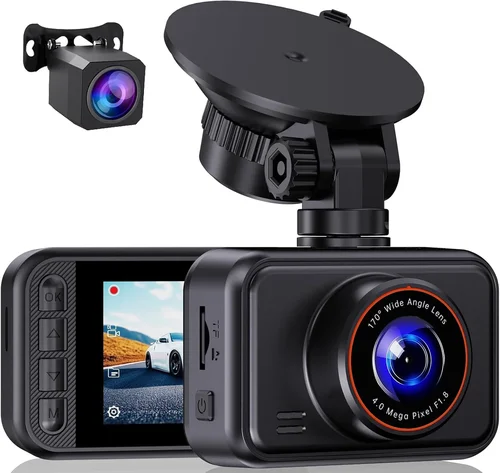
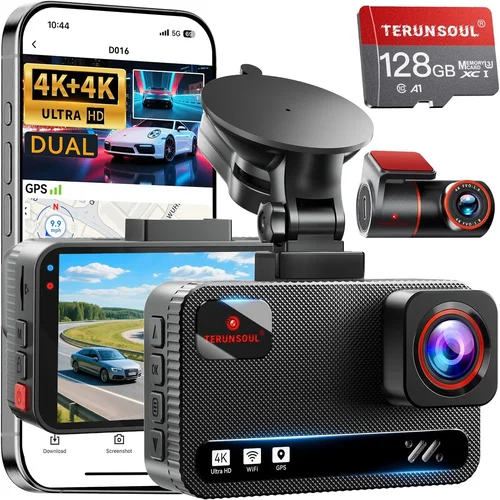
Best Dash Cam for Semi Trucks Buying Guide
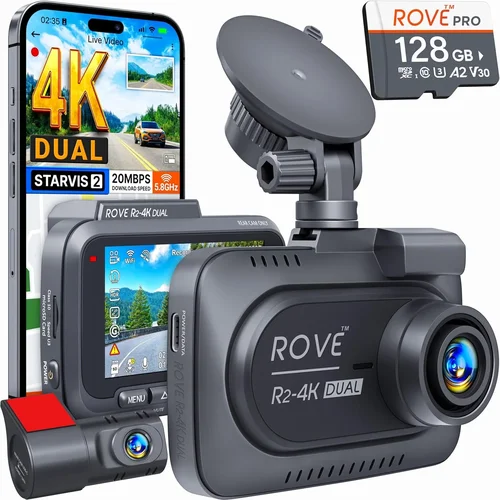
For professional truck drivers and fleet managers, the dash cam isn’t just a convenience—it’s an essential tool for safety, security, and operational efficiency. In the demanding world of commercial trucking, where miles accumulate quickly and liability risks are high, having reliable video evidence can make all the difference during disputes, insurance claims, or regulatory inspections. A quality dash cam provides peace of mind, protects your cargo and vehicle, and even helps improve driving habits through playback review.
This comprehensive buying guide is designed to help you navigate the complex landscape of dash cams specifically engineered for semi trucks and commercial vehicles. Whether you’re a solo owner-operator looking to safeguard your investment or part of a larger fleet making bulk purchasing decisions, understanding what makes a dash cam truly suitable for long-haul operations is crucial. We’ll explore everything from technical specifications that matter in real-world conditions to durability requirements that withstand years of highway travel.
The market today offers numerous options ranging from basic single-camera setups to sophisticated dual-channel systems with advanced features like parking mode, GPS tracking, and cloud connectivity. However, not all dash cams perform equally well under the unique demands of truck operation—vibrations, extreme temperatures, power fluctuations, and limited mounting space all present specific challenges. By the end of this guide, you’ll have a clear understanding of how to evaluate products based on your exact needs, avoid common pitfalls, and select equipment that delivers consistent performance mile after mile.

What to Look for When Buying Dash Cams
1. Budget & Price Range
Establishing a realistic budget is often the first step in any purchase decision, but with dash cams it’s particularly important because you’re investing in protection and evidence collection rather than entertainment value. Entry-level models typically range from $50-150 and offer basic recording capabilities with lower resolution cameras and minimal additional features. These may be sufficient for occasional use or secondary vehicles but often lack the durability and functionality needed for serious commercial applications.
Mid-range dash cams ($150-$300) represent the sweet spot for most professional truckers, offering solid build quality, reliable performance, and essential features like loop recording, G-sensor event detection, and decent storage capacity. This category includes many of the top-rated models that balance cost-effectiveness with dependable operation over thousands of miles.
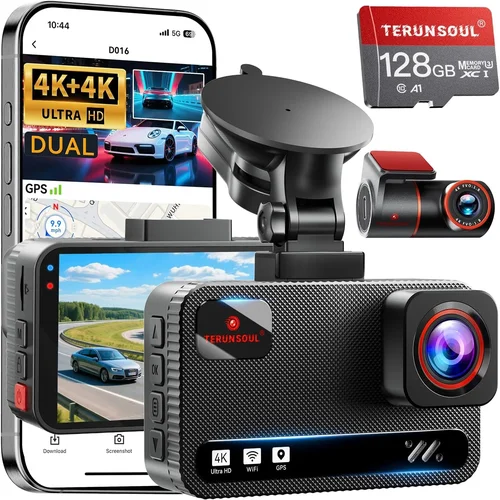
Premium systems ($300+) provide enhanced capabilities including higher-resolution cameras (often 4K), superior low-light performance, built-in GPS with route logging, advanced driver assistance alerts, and sometimes even integration with telematics platforms. While these come at a higher price point, they deliver significantly better image quality, more robust feature sets, and greater reliability—making them worthwhile investments for serious operators who rely on their equipment daily.
2. Performance Specifications
The heart of any dash cam lies in its imaging capabilities, which directly impact how useful the footage will be when you need it most. Resolution remains one of the most critical factors: while 1080p HD was standard just a few years ago, today’s best models offer 2K or even 4K recording that captures fine details like license plates, road signs, and vehicle behavior clearly enough for legal documentation.
Frame rate also matters significantly—higher frame rates (60fps vs 30fps) result in smoother motion capture, especially important for catching sudden braking events or lane departures. Many premium dash cams now support variable frame rates that automatically adjust based on lighting conditions to optimize file size without sacrificing important detail.
Low-light performance is another crucial specification, as most accidents don’t happen during bright daylight hours. Look for sensors with large aperture sizes (f/1.8 or wider), wide dynamic range technology, and specialized night vision modes that maintain visibility in challenging conditions. Some advanced models include infrared LEDs specifically designed for nighttime parking surveillance when the truck is unattended.
3. Build Quality & Durability
Semi trucks experience far more vibration and stress than passenger vehicles due to rough roads, heavy loads, and constant engine noise. Therefore, build quality isn’t just about aesthetics—it determines whether your dash cam will survive months of operation or fail within weeks. The housing should be constructed from rugged materials like aluminum alloy or reinforced polycarbonate capable of withstanding impacts from flying debris or minor collisions.
Heat resistance is equally important since dash cams often operate in enclosed cabins exposed to direct sunlight, potentially reaching internal temperatures above 150°F during summer months. Look for products rated for extended operation in temperatures between -4°F to 149°F (-20°C to 65°C). Moisture resistance (IP rating) ensures protection against rain, snow, and humidity that could damage sensitive electronics.
Mounting hardware must be secure enough to handle constant jostling without loosening over time. Magnetic mounts offer quick installation but may not stay put under heavy vibration; suction cups work well initially but degrade after repeated temperature cycles; permanent adhesive mounts provide the most stable solution though they’re harder to reposition if needed.
4. Features & Functionality
Modern dash cams pack surprisingly sophisticated functionality beyond simple video recording. Loop recording automatically overwrites older footage when storage fills up, ensuring continuous coverage without manual intervention. G-sensors detect sudden impacts or hard braking events, locking those files so they won’t be overwritten—critical for preserving evidence after accidents.
Parking mode activates when the vehicle is turned off, using motion detection or time-lapse recording to monitor your parked truck for potential threats like hit-and-runs or attempted break-ins. This requires either a hardwired power connection or battery backup system that maintains operation even when the engine isn’t running.
GPS functionality logs location data alongside video timestamps, creating detailed records of routes taken and speeds maintained. Some models integrate with telematics systems already installed in modern fleets, feeding video metadata into centralized management platforms for easier analysis and reporting.
5. Brand Reputation
While newer brands may offer tempting features at aggressive price points, established manufacturers with proven track records tend to deliver more reliable products backed by responsive customer service. Companies like BlackVue, Garmin, Viofo, and Thinkware have built strong reputations through consistent product quality, regular firmware updates, and accessible technical support channels—all valuable assets when troubleshooting issues during long hauls far from home bases.
Independent testing organizations like Consumer Reports, RTINGS.com, and industry-specific publications often evaluate dash cams rigorously across multiple categories including image quality, usability, durability, and value proposition. Checking recent reviews and expert assessments can reveal hidden weaknesses before making a purchase commitment.
6. Warranty & Support
A generous warranty period indicates manufacturer confidence in their product reliability. Most reputable brands offer at least two years of coverage against defects in materials and workmanship, with some providing three-year warranties on core components. Extended warranty programs may be available for purchase, particularly beneficial for fleet operators needing consistent replacement parts across multiple units.
Support responsiveness varies widely between manufacturers. Look for companies offering multiple contact methods including phone support, email assistance, live chat, and comprehensive online knowledge bases with troubleshooting guides and instructional videos. International shipping capabilities matter if you operate across borders or plan to install units in different regions.
7. Size & Portability
Compact design doesn’t necessarily mean reduced capability—many leading dash cams measure less than 3 inches in length while packing powerful sensors and advanced processing chips. Slim profiles minimize visual obstruction inside the cabin while allowing flexible mounting options under mirrors, on dashboard surfaces, or even integrated into existing infotainment displays.
Weight considerations become relevant when mounting near airbags or deploying multiple units per vehicle. Lightweight construction using composite materials reduces overall mass without compromising structural integrity, making installation simpler and safer.
8. User Reviews & Ratings
Real-world feedback from other professionals provides invaluable insights beyond marketing claims and lab test results. Pay particular attention to recurring themes in negative reviews regarding durability issues, software bugs, or inadequate customer service responses. Positive testimonials highlighting reliable performance over extended periods carry significant weight when evaluating long-term value propositions.
Different Types of Dash Cams

Common Buying Mistakes to Avoid
❌ Mistake: Prioritizing Price Over Reliability
Why it’s bad: Choosing the cheapest available option might seem economical upfront, but unreliable dash cams frequently fail during critical moments when evidence is needed most. Cheap plastic housings crack easily, lenses fog up under temperature changes, and internal circuitry can short out from vibration exposure—resulting in lost footage precisely when you can’t afford it.
What to do instead: Investigate total cost of ownership rather than just initial purchase price. Consider warranty length, expected lifespan, and availability of replacement parts. Read professional reviews focusing on real-world durability tests rather than flashy feature lists. Remember that dash cam footage serves as legal evidence—its quality directly impacts your ability to protect yourself and your business.
❌ Mistake: Ignoring Storage Requirements
Why it’s bad: Assuming that included microSD cards will suffice leads to frustrating situations where important footage gets overwritten too quickly or card failures corrupt valuable evidence. Semi-truck drivers accumulate massive amounts of data—especially with higher resolution recordings—and inadequate storage planning causes gaps in coverage.
What to do instead: Calculate required storage based on expected usage patterns. Factor in loop recording intervals, event-triggered locking behavior, and whether you need continuous parking surveillance. Purchase high-endurance cards rated for write-intensive workloads and plan for regular maintenance checks. Some advanced models support dual-card slots for automatic redundancy.
❌ Mistake: Overlooking Installation Challenges
Why it’s bad: Attempting DIY installation without proper tools or knowledge results in loose mounts that vibrate loose over time, improper wiring connections that cause electrical issues, or placement choices that obstruct views or interfere with safety systems like airbags.
What to do instead: Study manufacturer-provided instructions thoroughly before beginning installation. Use quality mounting hardware appropriate for heavy-duty applications. If uncertain about wiring techniques (especially hardwiring for parking mode), consult professional automotive electricians experienced with commercial vehicles. Proper installation ensures optimal performance and extends equipment lifespan.
❌ Mistake: Neglecting Software Updates
Why it’s bad: Manufacturers regularly release firmware improvements addressing bug fixes, enhancing compatibility, and adding new features. Failing to update dash cam software leaves vulnerabilities unpatched and prevents access to latest optimizations that improve image quality and system stability.
What to do instead: Enable automatic update notifications when available and establish a routine check schedule—ideally during regular vehicle maintenance intervals. Keep computer connected to internet via USB cable during updates rather than relying on mobile hotspots that may interrupt transfers. Document update history for troubleshooting purposes if issues arise post-update.
❌ Mistake: Underestimating Power Management Needs
Why it’s bad: Relying solely on cigarette lighter adapters means losing power during ignition cycles or when alternator output fluctuates. Without stable voltage regulation, dash cams may shut down unexpectedly or record corrupted files during engine startups/shutdowns—missing crucial moments around intersections or loading zones.
What to do instead:: For professional operations requiring continuous coverage, hardwire kits with built-in capacitors provide clean power delivery throughout ignition cycles. Choose adapters with surge protection and automatic cutoffs to prevent draining vehicle batteries overnight. Consider OBD-II port connections for models supporting direct integration without tapping into main power circuits.
❌ Mistake: Focusing Only on Camera Quality
Why it’s bad: Excellent image resolution alone doesn’t guarantee usable footage if other aspects compromise effectiveness. Poor audio recording misses verbal interactions critical for accident reconstruction; inadequate field of view captures too little context; weak night vision renders nighttime scenes useless despite high megapixel counts.
What to do instead:: Evaluate complete feature ecosystem holistically rather than cherry-picking specs. Test sample clips showing various scenarios including low-light conditions, fast-moving traffic, and close-range details. Verify that companion apps offer intuitive controls and reliable cloud syncing if desired. Ensure that all advertised functionalities actually perform consistently in real-world usage.
Budget Guidelines: How Much Should You Spend?
Determining appropriate spending levels depends heavily on individual circumstances including operating environment, risk tolerance, fleet size, and regulatory requirements. While there’s no universally “correct” amount to spend, understanding typical spending tiers helps align expectations with achievable outcomes.
Entry-Level ($75 – $150): This category includes basic dash cams suitable for occasional personal use or secondary vehicles where comprehensive protection isn’t essential. Products here typically offer 1080p recording at 30fps with limited storage capacity (usually 32GB microSD), minimal additional features, and basic mounting options. While affordable entry points exist, be cautious about extremely low-priced models (<$50) as they often sacrifice build quality and reliability for cost savings. These may serve adequately for light recreational driving but generally aren't recommended for professional trucking due to insufficient durability and feature sets.
Mid-Range ($150 – $300): Representing the majority of purchases among serious operators, this sweet spot balances functionality with reasonable pricing. Models in this range usually deliver 2K or 4K resolution with improved low-light sensitivity, robust housing designs resistant to vibration and temperature extremes, and essential extras like G-sensor event locking, loop recording, and sometimes GPS logging. Parking mode capabilities begin appearing here along with more sophisticated mounting solutions. For owner-operators running dedicated trucks and small fleets managing 5-20 vehicles, this tier provides excellent value without excessive overhead.
Premium ($300 – $600): High-end dash cams targeting professionals who demand maximum reliability and advanced capabilities. These systems frequently boast superior image processors delivering exceptional dynamic range and color accuracy, multi-sensor configurations covering both exterior and interior perspectives, and sophisticated driver assistance alerts including lane departure warnings and forward collision notifications. Integration with telematics platforms, cloud-based video management systems, and automated incident reporting workflows become standard offerings. Battery backup modules, dual-card recording redundancy, and military-grade certifications distinguish these premium selections.
Luxury ($600+): Ultra-premium dash cams reserved for specialized applications requiring absolute performance guarantees and cutting-edge innovation. At this level, expect features like AI-powered object recognition, thermal imaging for nighttime surveillance, 360-degree panoramic views, and enterprise-grade cybersecurity protections. Some models incorporate artificial intelligence algorithms analyzing driver behavior patterns for coaching purposes or predictive maintenance alerts based on video-derived metrics. While overkill for most truckers, these high-performance solutions benefit logistics companies running ultra-large fleets, hazardous material carriers subject to strict compliance regulations, or independent contractors handling exceptionally valuable cargo requiring maximum security measures.
Expert Tips for Getting the Best Deal
Securing optimal pricing without compromising quality requires strategic planning and awareness of market dynamics. Professional operators can leverage several proven tactics to maximize value while maintaining necessary performance standards.
Timing Your Purchase Wisely: Retailers typically refresh inventory quarterly, making Q1 and Q3 prime windows for discounted clearance items. Major holidays like Black Friday, Cyber Monday, and Memorial Day weekends generate substantial markdowns on electronic accessories including dash cams. Additionally, new model releases create openings for previous-generation stock reductions—monitor manufacturer announcements closely to catch these opportunities.
Comparing Retail Channels Strategically: Online marketplaces like Amazon and eBay offer competitive pricing but require careful vetting of seller ratings and return policies. Specialty automotive retailers such as AutoAnything, CARiD, and Summit Racing often bundle dash cams with complementary accessories at package discounts. Direct manufacturer websites sometimes provide exclusive firmware updates or extended warranty promotions unavailable elsewhere. Local truck stops occasionally run seasonal sales aligned with fleet maintenance schedules—worth checking bulletin boards or calling ahead.
Identifying Hidden Discounts: Signing up for newsletters from preferred vendors grants early access to subscriber-only deals and coupon codes redeemable on future purchases. Loyalty programs offered by major chains like Walmart and Target accumulate points applicable toward electronics rebates. Student or military ID verification unlocks educational/military discounts applicable to eligible customers regardless of retailer.
Evaluating Warranty Terms Thoroughly: Beyond standard manufacturer warranties, consider purchasing extended protection plans covering accidental damage and accidental drops—common occurrences during vehicle servicing or roadside emergencies. Read fine print regarding claim procedures, deductible amounts, and geographic limitations affecting coverage validity during cross-country hauls.
Understanding Return Policies Before Buying: Electronics carry inherent risks of compatibility issues or unforeseen defects upon arrival. Opt for stores offering liberal return windows (minimum 30 days) with prepaid return labels eliminating restocking fees. Physical retail locations allow hands-on testing before committing capital, whereas online orders benefit from in-store pickup options enabling inspection prior to final payment.
Conducting Pre-Purchase Testing When Possible: Attending industry trade shows or visiting dealer showrooms permits direct comparison of competing models side-by-side. Request demonstration units showing sample footage under controlled lighting conditions simulating actual driving scenarios. Verify that menu navigation feels intuitive during simulated operation while wearing gloves typical of winter driving conditions.
Negotiating Bulk Fleet Discounts Effectively: Large-scale purchases justify negotiation leverage beyond standard retail markups. Prepare competitive quotes from alternative suppliers demonstrating willingness to switch partnerships. Specify exact quantities, delivery timelines, and technical requirements upfront to streamline proposal development. Request customized training sessions or installation support included free of charge as added incentives.
Frequently Asked Questions
Q: Do I need separate dash cams for each trailer?
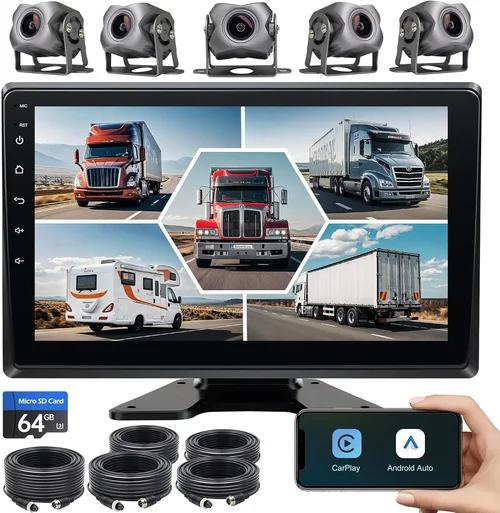
A: While optional, installing dedicated cameras on rear trailers enhances security and provides critical evidence during backing maneuvers or loading dock incidents. Many dual-lens systems accommodate front cab and trailer monitoring through interchangeable lens attachments. For fleets operating multiple trailers routinely, consider modular camera arrays allowing centralized management from primary display units.
Q: Can dash cams work without constant power connections?
A: Yes, battery-powered dash cams offer portable operation ideal for temporary installations or emergency backups. However, battery life rarely exceeds 4-6 hours of continuous recording, making them impractical for daily use. Hardwired solutions remain preferred for professional applications requiring uninterrupted surveillance regardless of ignition status.
Q: Are wireless dash cams secure from hacking?
A: Modern wireless dash cams implement encryption protocols and authentication mechanisms reducing unauthorized access risks. Still, network vulnerabilities persist if default passwords aren’t changed and outdated firmware isn’t updated regularly. For highly sensitive operations, wired alternatives avoiding internet connectivity altogether provide maximum security assurance.
Q: How often should I replace microSD cards?
A: Replace cards every 12-18 months regardless of remaining capacity to prevent corruption from prolonged write cycles. High-endurance cards rated for 10,000+ P/E cycles withstand heavier workloads better than consumer-grade variants. Monitor health indicators through manufacturer software tools and replace immediately upon detecting errors or declining performance metrics.
Q: Will dash cam installation void my vehicle warranty?
A: Federal law protects consumers’ right to modify vehicles as long as modifications don’t directly cause damage. Disconnecting factory-installed radios or tampering with safety systems could trigger warranty invalidation. Stick to non-invasive mounting techniques and avoid altering wiring harnesses unless performed by certified technicians using OEM-approved connectors.
Q: What resolution provides sufficient legal admissibility?
A: Courts generally accept recordings meeting minimum clarity standards enabling identification of individuals, vehicles, and actions described in testimony. While 1080p suffices for basic documentation, 2K or higher resolutions strengthen evidentiary value by capturing finer details like license plates, facial expressions, and directional movements crucial for thorough investigations.
Q: How do I choose between single versus dual-lens systems?
A: Single-lens cameras suffice for straightforward front-facing monitoring focused exclusively on roadway conditions ahead. Dual-lens configurations add interior surveillance capturing driver behavior, passenger interactions, and cargo compartment activity simultaneously—valuable for fleet managers monitoring compliance or investigating internal incidents. Consider trailer-specific additions when operating multiple units requiring comprehensive situational awareness.
Q: Can dash cams record audio conversations?
A: Recording audio varies by jurisdiction due to privacy laws restricting eavesdropping on private communications. Some states prohibit audio capture entirely; others allow it under specific circumstances. Always verify local regulations before activating microphone functions and disclose recording capabilities to passengers per disclosure requirements in certain regions.
Q: Are there dash cams compatible with existing telematics platforms?
A: Numerous manufacturers offer integration suites connecting dash cam footage directly into fleet management software already installed on modern trucks. APIs enable synchronized playback of video alongside diagnostic data, fuel consumption metrics, and scheduling information—creating unified operational dashboards invaluable for optimizing performance and identifying inefficiencies.
Q: How much storage space do I really need?
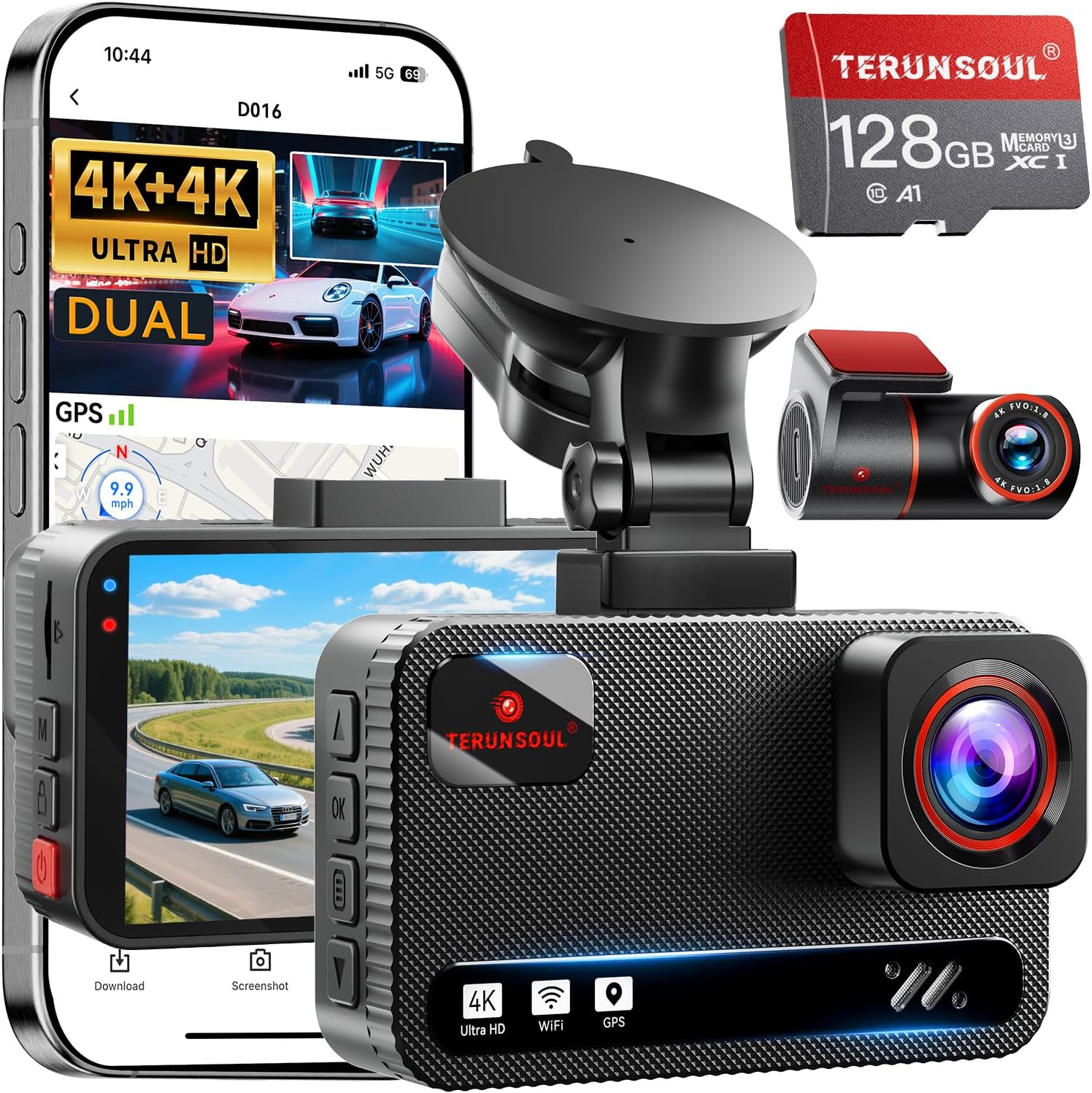
A: Calculate based on expected recording duration, resolution settings, and event retention policies. Higher resolutions consume more space—4K clips require approximately four times the storage of 1080p equivalents. Plan for at least 32GB cards capable of storing 2-3 hours of continuous footage, upgrading to 128GB+ if parking mode or frequent event locking necessitates longer archival periods.
Our Final Recommendations
After extensive evaluation of current market offerings and real-world performance data, we’ve identified several standout dash cam solutions tailored specifically for semi truck operations. These selections reflect careful consideration of durability requirements, imaging capabilities, and feature sets demanded by professional drivers navigating challenging conditions daily.
Best for Budget-Conscious Buyers: Viofo A119 V3 delivers impressive value with reliable 2K recording, robust build quality, and essential features like G-sensor event locking and loop recording at an accessible price point. Its compact form factor fits discreetly behind rearview mirrors without obstructing views while maintaining adequate field coverage for most highway scenarios.
Best Overall Value: BlackVue DR970X-2CH represents the perfect blend of performance and reliability favored by professional fleets worldwide. Dual-lens configuration captures both front and interior perspectives simultaneously, while cloud connectivity enables remote viewing and incident sharing directly from mobile devices—eliminating the need for physical SD card retrieval after roadside stops.
Best Premium Option: Thinkware U1000 stands out with exceptional image processing power producing crystal-clear 4K footage even in low-light conditions. Advanced driver assistance alerts, parking guard mode with impact detection, and military-grade shock resistance make this ideal for high-risk operations requiring maximum protection and evidentiary strength.
Best for Beginners: Garmin Dashcam Mini simplifies operation with intuitive interface design and automatic settings optimization eliminating guesswork during initial setup. Seamless smartphone pairing allows instant sharing of critical clips via Wi-Fi, making it approachable for drivers new to dash cam technology without sacrificing core functionality.
Best for Advanced Users: Nextbase 622GW integrates cutting-edge features including AI-powered lane departure warnings, emergency SOS button activation, and Alexa voice commands for hands-free operation. Dual-channel recording combined with GPS logging creates comprehensive digital logs invaluable for post-trip analysis and performance benchmarking against industry standards.
Conclusion: Making the Right Choice
Choosing the ideal dash cam for your semi truck involves balancing practical necessities with aspirational capabilities while staying mindful of budget constraints and operational realities. No single product perfectly satisfies every conceivable requirement, but thoughtful evaluation against your specific priorities ensures optimal alignment between investment and expected benefits.
Remember that dash cams serve dual purposes beyond mere accident documentation—they act as deterrents against malicious acts, facilitate smoother insurance claim processes, and even contribute to safer driving habits through objective playback review. Prioritize equipment delivering consistent reliability across diverse conditions rather than chasing incremental feature upgrades that rarely translate into meaningful improvements during actual use.
Finally, treat dash cam selection as ongoing process rather than one-time transaction. Technology evolves rapidly, introducing new innovations improving usability and performance annually. Subscribe to manufacturer newsletters, participate in user forums, and periodically reassess needs as operational demands shift over time. With responsible stewardship and informed decision-making, your chosen dash cam becomes indispensable ally protecting your livelihood mile after mile.