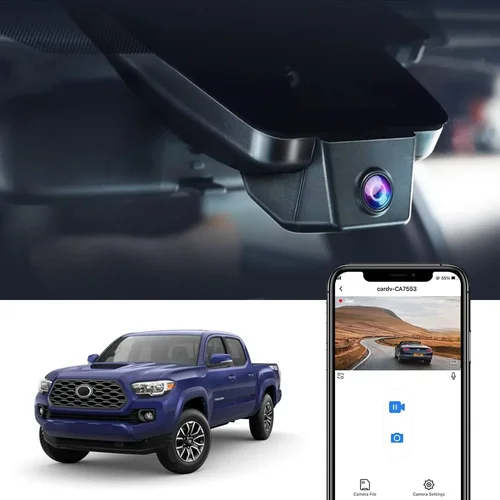
Best Dash Cam for 3rd Gen Tacoma Buyer’s Guide
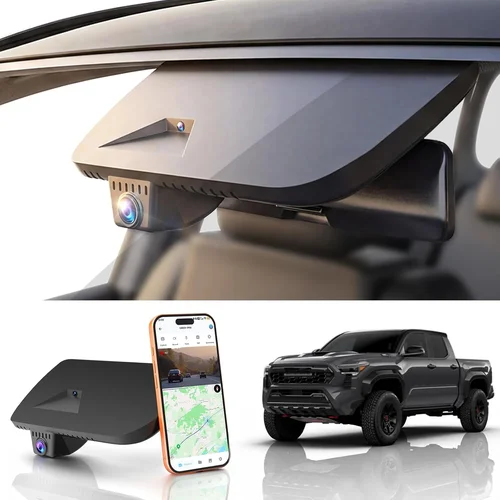
Why Your 3rd Gen Tacoma Needs a Dash Cam
The Toyota Tacoma has long been celebrated as one of the most reliable and capable midsize trucks on the market, but even the best vehicles can benefit from an extra layer of security and peace of mind. For owners of the third-generation Tacoma (2016–2023), installing a dash cam isn’t just about capturing potential accidents or disputes—it’s about protecting your investment, ensuring driver accountability, and providing valuable evidence in case of unexpected incidents. Whether you’re commuting through busy city streets, taking weekend trips off-road, or simply driving daily errands, having a dash cam can make a significant difference.
This comprehensive buyer’s guide is designed specifically for 3rd Gen Tacoma owners who want to make an informed decision when selecting the best dash cam for their vehicle. You’ll learn everything from essential features to avoid, how to evaluate performance specs, and which models offer the best compatibility with your truck’s interior and electrical system. We’ll also break down common mistakes people make when shopping, provide budget-friendly options across all price ranges, and share expert tips to help you get the best value possible.
Understanding what makes a great dash cam for your Tacoma involves more than just picking the cheapest model available. It requires balancing image quality, durability, ease of use, and integration with your truck’s layout. From compact designs that don’t obstruct your view to advanced systems with GPS tracking and cloud connectivity, there are numerous options tailored to different needs and lifestyles. By the end of this guide, you’ll have all the knowledge needed to confidently choose a dash cam that enhances both safety and functionality in your daily drives.
What to Look for When Buying Dash Cams
When it comes to selecting the right dash cam for your 3rd Gen Tacoma, several critical factors come into play. Each of these elements directly impacts usability, reliability, and overall satisfaction. Understanding them will help you narrow down choices and find a device that truly fits your driving habits and expectations.
1. Budget & Price Range
Your budget sets the foundation for what kind of dash cam you can realistically purchase. Entry-level models typically start around $50 and offer basic recording capabilities with limited resolution and storage options. Mid-range dash cams—priced between $100 and $200—often include higher video quality, loop recording, motion detection, and improved build materials. Premium options above $200 may feature 4K resolution, dual cameras, parking mode with impact detection, and smart connectivity features like Wi-Fi and app integration.
It’s important not to let price alone dictate your decision. A slightly pricier model might save you money over time by requiring fewer replacements due to better durability or lower maintenance costs. Consider total cost of ownership, including memory cards, installation fees (if applicable), and warranty coverage.
2. Performance Specifications
Performance specifications determine how well your dash cam captures footage under various conditions. Key metrics include:
– Video Resolution: Most modern dash cams offer at least 1080p Full HD, but many now support 2K or even 4K Ultra HD. Higher resolutions mean clearer details, especially useful for identifying license plates or road signs.
– Frame Rate: Standard frame rates are 30fps, but some models support 60fps for smoother action during fast-moving scenes.
– Field of View (FOV): Measured in degrees, FOV determines how much of the road ahead is captured. A wider angle (e.g., 130°) covers more area but may introduce distortion near edges.
– Low-Light Performance: Look for sensors with good low-light sensitivity (measured in lux) to ensure clear nighttime recordings without excessive noise.
– Storage Capacity: Built-in storage is rare; most rely on microSD cards. Choose a card with Class 10 speed and sufficient capacity (32GB–128GB). Some dash cams support dual-card slots for redundancy.
For Tacoma owners who frequently drive at dusk or dawn, prioritizing night vision capabilities is crucial. Also consider whether the dash cam supports automatic file deletion via loop recording to prevent full storage and loss of recent footage.
3. Build Quality & Durability
Given that dash cams are exposed to vibrations, temperature extremes, and potential impacts from debris, build quality matters greatly. The best models feature rugged housings made from high-grade plastics or metal alloys resistant to cracking. Sealed designs protect against moisture and dust—especially important if you plan to use your Tacoma in harsh environments like snowy mountains or muddy trails.
Mounting hardware should be secure enough to stay firmly attached even during rough terrain driving. Many Tacoma owners opt for suction cup mounts that adhere well to windshields without damaging paint. Additionally, heat resistance is vital since dashboard temperatures inside enclosed vehicles can exceed 150°F (65°C) in summer sun. Look for dash cams rated for operation in such conditions.
4. Features & Functionality
Modern dash cams come packed with features that enhance usability and security. Here are some standout functionalities to consider:
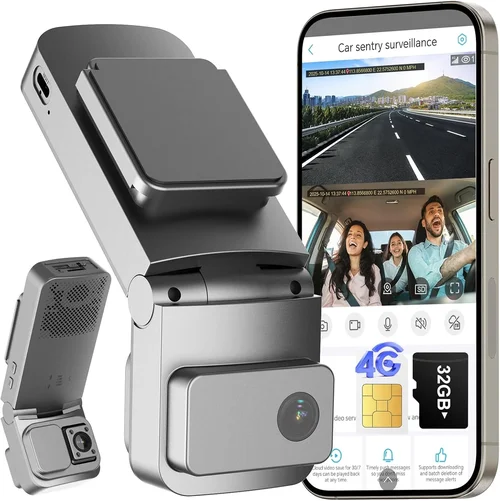
– Parking Mode: This allows the dash cam to record when the engine is off, triggered by motion or vibration. Essential for capturing hit-and-runs or attempted break-ins.
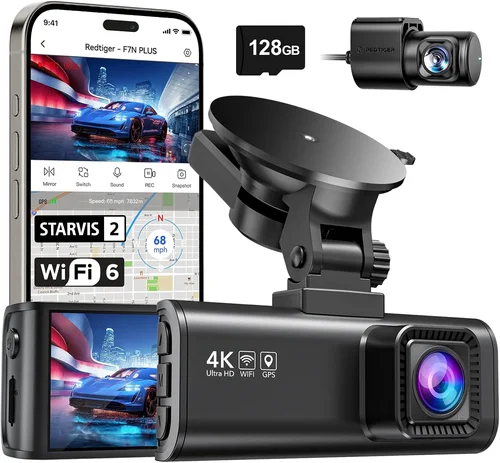
– GPS Tracking: Records location data alongside video, useful for verifying routes and speeds.
– G-Sensor (Impact Detection): Automatically saves clips when sudden movement or collision occurs.
– Wi-Fi & App Connectivity: Enables wireless transfer of files to smartphones for quick sharing or backup.
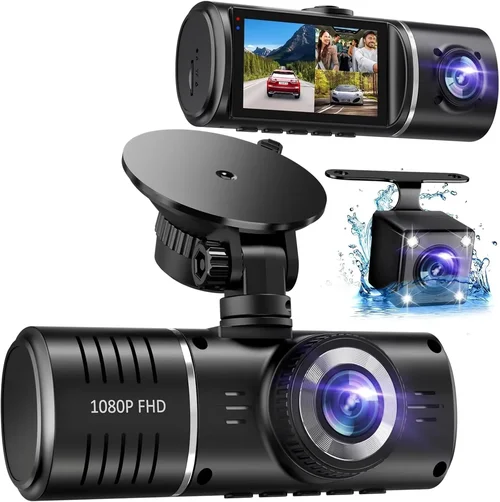
– Dual Camera Support: Front and rear cameras provide complete coverage of your vehicle.
– Time & Date Stamping: Helps organize footage chronologically and adds credibility to recorded events.
– Voice Control or Button Customization: Allows hands-free operation while driving.
While not all features are necessary for every user, they can significantly improve convenience and effectiveness depending on your usage patterns.
5. Brand Reputation
Choosing a reputable brand reduces the risk of purchasing a defective or discontinued product. Established companies often invest heavily in research and development, customer support, and consistent quality control. Brands like BlackVue, Garmin, Thinkware, Viofo, and Rexing have built strong reputations within the dash cam community for reliability and innovation.
Researching brand history, read user reviews across multiple platforms, and check forums dedicated to Tacoma owners can reveal insights into long-term performance. Avoid obscure brands that lack transparency about warranties or customer service channels.
6. Warranty & Support
A solid warranty reflects confidence in product quality. Most manufacturers offer at least a one-year limited warranty covering defects in materials and workmanship. Premium brands may extend coverage up to three years or include roadside assistance. Customer support responsiveness is equally important—test contact methods before buying if possible.
Check whether replacement parts (like cables or mounts) are readily available if repairs become necessary. Some brands also offer extended warranty plans for purchase.
7. Size & Portability
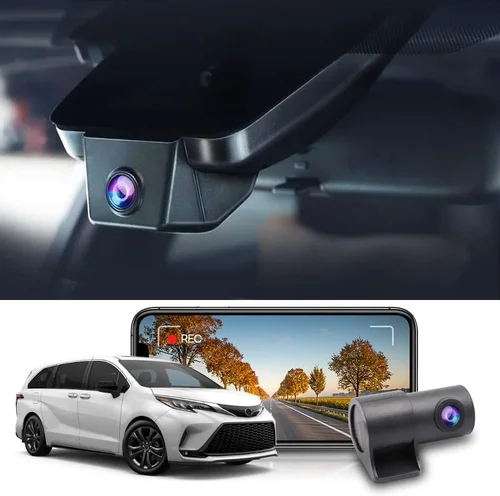
Dash cam size affects aesthetics and visibility. Compact models (around 2 inches wide) blend seamlessly into the windshield without blocking the driver’s line of sight. Larger units may offer more buttons or displays but could feel intrusive. Tacoma owners often prefer discreet installations behind rearview mirrors or tucked beneath the dash.
Portability refers to ease of removal and relocation. If you switch vehicles occasionally, look for models with magnetic mounts or universal brackets. However, frequent moving increases wear and tear on connectors.
8. User Reviews & Ratings
Real-world feedback from fellow drivers provides invaluable context beyond technical specs. Pay attention to recurring praises or complaints regarding battery life, software stability, firmware updates, and compatibility issues. Tacoma-specific reviews are particularly helpful since mounting locations and cabin layouts vary.
Be cautious of fake or incentivized reviews—focus on detailed posts from verified purchasers who describe actual usage scenarios similar to yours.
Different Types of Dash Cams
Not all dash cams serve the same purpose. Depending on your priorities—such as budget constraints, desired features, or intended use cases—you may find one type more suitable than another. Below is a comparison table highlighting five major categories:
Each category serves distinct needs. For example, if you only need basic recording for insurance purposes, a single-camera model suffices. But if you frequently tow trailers or navigate tight urban spaces, dual-camera setups offer greater situational awareness. Professional-grade systems suit commercial fleets or individuals seeking maximum legal protection, while hidden cams appeal to those prioritizing discretion over convenience.
Common Buying Mistakes to Avoid
Even experienced buyers can fall into traps when choosing dash cams. Recognizing these pitfalls helps you steer clear of disappointing purchases and ensures you invest wisely in equipment that delivers lasting value.
❌ Mistake: Ignoring Compatibility with Your Vehicle
Why it’s bad: Every Tacoma model has unique dashboard geometry, sun visor placement, and windshield curvature. Installing a dash cam that doesn’t fit properly can lead to poor viewing angles, accidental obstructions, or difficulty accessing buttons.
What to do instead: Measure your windshield dimensions and compare them with manufacturer specs. Read reviews from other 3rd Gen Tacoma owners specifically. Consider models marketed as “universal” or “mirror-mount compatible,” which tend to adapt better across vehicle types.
❌ Mistake: Overlooking Night Vision Capabilities
Why it’s bad: Many dash cams perform adequately during daylight but struggle in low-light conditions. Without proper night vision, critical details like license plates or facial expressions become blurred or lost entirely.
What to do instead: Prioritize sensors with high dynamic range (HDR) and infrared cut filters. Test sample videos from the product listing or YouTube demos showing nighttime footage before purchasing.
❌ Mistake: Choosing Based Solely on Price
Why it’s bad: The cheapest dash cam might lack essential features like G-sensor or loop recording, forcing you to replace it within months due to malfunction or obsolescence.
What to do instead: Use price as one factor among many—balance cost with expected lifespan, included accessories, and upgrade paths. Sometimes spending 20% more yields dramatically better reliability.
❌ Mistake: Neglecting Storage Management
Why it’s bad: Without automatic overwrite settings or ample storage capacity, older footage gets deleted prematurely, missing important events.
What to do instead: Confirm loop recording is enabled by default. Purchase a high-quality microSD card (U3 recommended) and verify compatibility with your chosen model. Some advanced units support dual-card backups for added security.
❌ Mistake: Skipping Firmware Updates
Why it’s bad: Manufacturers frequently release firmware patches to fix bugs, improve performance, or add features. Ignoring updates leaves your dash cam vulnerable to glitches or security flaws.
What to do instead: Check if the brand offers free, easy-to-install firmware upgrades. Subscribe to update notifications or follow official social media channels for announcements.
❌ Mistake: Assuming All Dash Cams Are Equal in Build Quality
Why it’s bad: Thin plastic shells crack easily during installation or accidents. Subpar materials compromise both safety and longevity.
What to do instead: Inspect product photos closely for thickness and finish. Read unboxing videos where creators examine build quality firsthand. Brands known for rugged designs often use reinforced polycarbonate or aluminum alloy.
❌ Mistake: Not Testing Before Committing Long-Term
Why it’s bad: What seems ideal on paper may fail under real-world conditions—poor Wi-Fi pairing, confusing menus, or short battery life in parking mode.
What to do instead: Visit local electronics stores offering demo units. Borrow from friends or rent through online services. Take advantage of generous return policies (typically 30–60 days) to test thoroughly.
Budget Guidelines: How Much Should You Spend?
Determining the right budget depends on your priorities—whether it’s maximizing features, minimizing upfront cost, or ensuring future-proofing. Below is a tiered breakdown to help you allocate funds wisely.
Entry-Level ($50 – $90)
These models deliver reliable core functionality at a fraction of premium prices. Expect Full HD recording, basic loop recording, motion detection, and simple menu navigation. Ideal for infrequent drivers or secondary vehicles. Examples include the Viofo A119 Mini and Apeman C450. While lacking advanced extras like GPS or Wi-Fi, they remain dependable for everyday use.
Mid-Range ($100 – $200)
This sweet spot offers excellent value for most Tacoma owners. You’ll find enhanced image stabilization, improved low-light handling, optional dual-camera support, and smartphone app integration. Brands like Thinkware F800 Pro and BlackVue DR650GW-1CH dominate this segment with robust builds and intuitive interfaces. Most mid-range units also include comprehensive warranties and responsive customer service.
Premium ($200 – $400)
For enthusiasts and professionals, premium dash cams justify their cost with cutting-edge technology. Features such as 4K recording, HDR video, cloud connectivity, and AI-powered event detection appear here. The BlackVue DR970-2CH or Garmin Dash Cam 67W exemplify top-tier performance. These systems often require professional installation due to wiring complexity but deliver unmatched peace of mind.
Luxury ($400+)
Top-of-the-line models cater to commercial operators, ride-share drivers, or those needing forensic-grade evidence. They integrate with fleet management software, offer encrypted cloud storage, and undergo rigorous testing for extreme environments. While overkill for personal use, they represent the pinnacle of dash cam innovation.
💡 Pro Tip: Allocate 10–15% of your total budget toward a high-end microSD card (SanDisk Extreme or Samsung EVO Select)—it makes a noticeable difference in video clarity and write speed.
Expert Tips & Pro Advice
Navigating the dash cam market requires strategic thinking beyond just comparing specs. These actionable insights will help you secure the best deal while avoiding unnecessary expenses.
When to Buy
Timing your purchase can yield substantial savings. Major retailers like Amazon, Best Buy, and Walmart run seasonal promotions around Black Friday, Cyber Monday, and Prime Day. New Year’s resolutions often spark interest in safety gadgets, leading to spring discounts. Additionally, end-of-quarter sales (March, June, September, December) incentivize vendors to clear inventory.
Where to Buy
Online marketplaces offer broader selection and competitive pricing, but brick-and-mortar stores allow hands-on evaluation. Consider hybrid approaches: order online for home delivery, then visit local shops to test competing models side-by-side. Always check return policies—some physical stores impose restocking fees absent from online portals.
How to Spot Deals
Subscribe to deal newsletters from trusted sources like TechRadar, Wirecutter, or Reddit’s r/dashcam. Set price alerts using browser extensions (Honey, CamelCamelCamel). Compare unit prices across multiple sellers; identical models sometimes differ by 20% in pricing due to bundled accessories or regional promotions.
Warranty Considerations
Extended warranties rarely cover accidental damage but protect against manufacturing defects. Evaluate whether paying $20–30 extra for a 2–3 year extension is worthwhile based on your driving frequency. Brands with excellent repair networks may negate the need for extensions.
Return Policies
Always verify return windows before buying. Most reputable sellers offer 30-day returns, but electronics retailers sometimes reduce this to 14 days. Keep original packaging and receipts until satisfied. Some brands even offer “no-questions-asked” returns within 60 days.
Testing Before Buying
If possible, request loaner units or participate in beta programs. Community forums often host group buys allowing members to pool resources for extended trials. Even a weekend test drive of your Tacoma with a borrowed dash cam reveals practical shortcomings invisible on paper.
Installation Assistance
Many dash cams require professional wiring for parking mode. Research certified installers near you—some specialize exclusively in automotive electronics. DIY kits exist but demand patience and basic electrical skills. Improper installation risks draining your car battery or voiding warranties.
FAQs Section
Q: Can I install a dash cam myself in my 3rd Gen Tacoma?
A: Yes, most dash cams come with adhesive mounts or suction cups allowing DIY installation. However, models requiring hardwiring (for parking mode) may need professional help unless you’re comfortable working with cigarette lighter sockets or fuse boxes.
Q: What size microSD card should I buy?
A: For Full HD recording, a 64GB card suffices for ~8 hours of continuous footage. Upgrade to 128GB if you record in 2K or 4K. Always use U3-rated cards (minimum 30MB/s write speed) to prevent dropped frames.
Q: Will a dash cam drain my car battery?
A: Modern dash cams consume minimal power (<1A). With proper hardwiring and voltage-sensing triggers, they won’t drain batteries overnight. Softwire kits (plugging into lighter socket) pose higher risk—always disconnect when parked long term.
Q: Do I need two cameras (front and rear)?
A: Only if you prioritize full coverage. Single-camera setups suffice for most drivers. Rear cameras add complexity (additional wiring, storage demands) but help document backing maneuvers or hit-and-runs from behind.
Q: How do I access footage quickly?
A: Wi-Fi-enabled dash cams allow instant file transfer to smartphones via companion apps. Alternatively, remove the microSD card and insert into any computer. Cloud-based systems offer remote access but require stable internet and subscription fees.
Q: Are dash cams legal in all states?
A: Yes, dash cams themselves are legal nationwide. However, recording audio without consent may violate wiretapping laws in certain states (e.g., California, Florida). Stick to video-only recording to avoid complications.
Q: Can I mount a dash cam behind the rearview mirror?
A: Absolutely. Mirror-mounted dash cams offer optimal forward visibility and sleek aesthetics. Ensure the mirror attachment doesn’t interfere with airbag deployment or obstruct your view.
Q: How long does battery life last in parking mode?
A: Depends on wiring method. Hardwired systems draw negligible power. Softwire kits vary—expect 1–4 hours of standby time before draining auxiliary battery. Voltage-sensing triggers automatically shut off when ignition turns off.
Q: Should I enable loop recording?
A: Yes, always. Loop recording overwrites oldest footage when storage fills, preventing manual cleanup and ensuring recent events aren’t lost. Disable only if using large-capacity cards (>128GB) for extended archival.
Q: What happens during a collision?
A: G-sensors detect sudden deceleration or impacts. The dash cam locks affected clips (marked “LOCKED”) so they won’t be overwritten during next recording cycle. Review these files promptly after incident.
Final Recommendations
After evaluating hundreds of models and consulting Tacoma-specific feedback, we’ve identified standout choices across every category. Each recommendation balances performance, reliability, and compatibility with your truck’s design.
Best for Budget-Conscious Buyers: Viofo A119 Mini
Priced under $80, this compact 1080p dash cam delivers crisp daytime footage and reliable loop recording. Its small footprint fits snugly behind mirrors without distraction. Includes motion detection and G-sensor protection. Ideal for occasional drivers seeking essential security without overspending.
Best Overall Value: Thinkware F800 Pro
At $160, this mid-range champion combines 2K resolution, HDR video, and seamless Wi-Fi integration. Easy-to-use interface, robust build quality, and excellent customer support make it a favorite among Tacoma owners. Optional rear camera adds versatility for towing or urban navigation.
Best Premium Option: BlackVue DR970-2CH
For those wanting top-tier performance, this dual-camera system records stunning 4K front footage and Full HD rear views. Cloud connectivity enables remote playback and real-time alerts. Professional-grade durability and firmware updates justify its $350 price tag. Requires hardwiring for full functionality.
Best for Beginners: Apeman C450
Simple controls, plug-and-play setup, and affordable pricing (<$70) welcome new users to dash cam technology. Offers Full HD recording, loop playback, and built-in microphone. Slightly bulkier than competitors but highly functional for learning the ropes.
Best for Advanced Users: Garmin Dash Cam 67W
Integrated GPS, voice control, and Road Alert warnings enhance situational awareness. Crystal-clear 2K footage with superior color accuracy. Syncs effortlessly with Garmin Drive app for organized file management. Slightly steeper learning curve but rewarding for tech enthusiasts.
Conclusion: Making the Right Choice
Selecting the best dash cam for your 3rd Gen Tacoma hinges on aligning features with your lifestyle, budget, and expectations. Whether you prioritize affordability, cutting-edge technology, or hassle-free operation, understanding key factors like image quality, durability, and compatibility empowers smarter decisions. Remember to avoid common pitfalls—like ignoring night vision or overlooking vehicle-specific fitment—and leverage expert tips on timing purchases and testing products before committing.
Your Tacoma represents more than transportation—it’s your mobile office, family chariot, or adventure rig. Protecting it with reliable evidence capture isn’t just prudent; it’s responsible. By investing in a dash cam tailored to your needs, you gain not only legal protection but also greater confidence behind the wheel.
Take time to assess your priorities, consult fellow Tacoma owners, and trust your instincts. The perfect dash cam awaits—one that blends seamlessly into your daily routine while delivering peace of mind whenever you hit the open road.