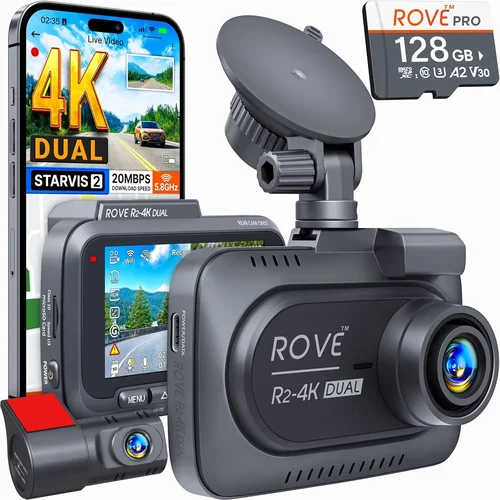
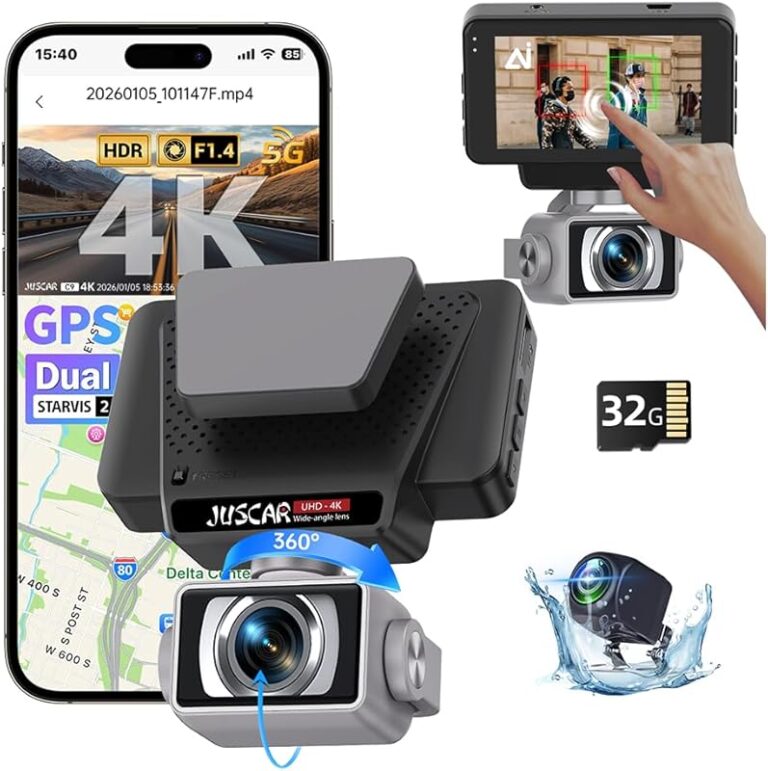
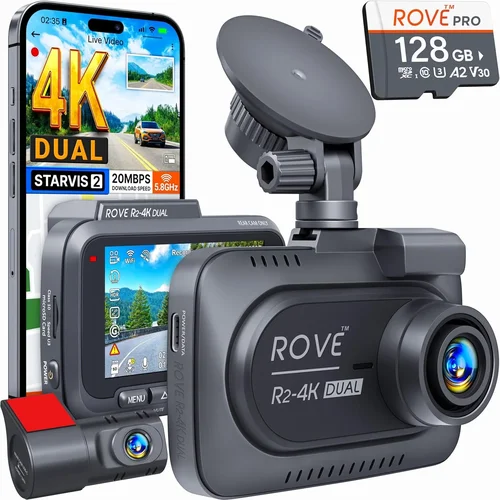
Best Dash Cam Cameras Buyer’s Guide
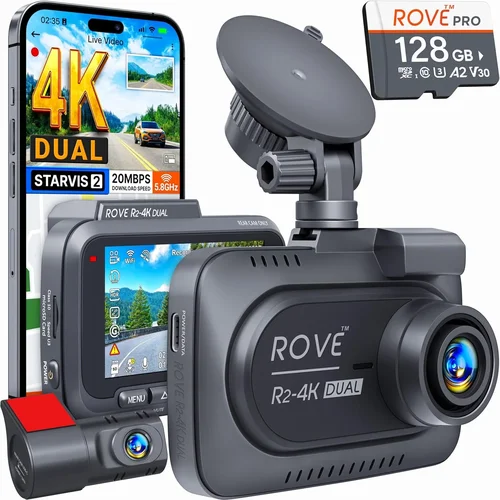
Why this guide matters
Choosing the right dash cam can make all the difference when you need to prove your innocence in a traffic accident or simply want peace of mind while driving. With dozens of models available from various manufacturers, it’s easy to feel overwhelmed by technical specifications and marketing claims. This comprehensive buyer’s guide cuts through the noise to help you understand what really matters in a dash cam and how to match those features to your specific needs.
What readers will learn
By the end of this article, you’ll understand the critical factors that determine dash cam performance, know which features are worth paying extra for, and be able to compare different models effectively. We’ll cover everything from video quality and storage options to installation methods and warranty considerations, giving you the knowledge needed to make an informed decision.
Brief overview of the market
The dash cam market has evolved significantly over the past decade, moving far beyond simple “black box” recordings. Today’s models offer advanced features like GPS tracking, emergency event detection, parking mode monitoring, and even integration with smartphone apps. Whether you’re looking for basic protection or a sophisticated surveillance system, understanding the current market landscape will help you select the perfect device for your vehicle and lifestyle.

What to Look for When Buying Dash Cams
Budget & Price Range
Your budget should align with both your needs and the value you expect from the device. Entry-level dash cams typically start around $50-$70, offering basic 1080p recording capabilities. Mid-range models ($80-$150) often include improved video quality, better low-light performance, and additional features like loop recording and motion detection. Premium dash cams ($150-$300+) provide superior image sensors, enhanced stabilization, GPS logging, and sometimes dual-camera setups. Consider how long you plan to keep the car and whether the additional cost justifies the added features for your situation.
Performance Specifications
Video resolution remains one of the most important performance metrics. Most reliable dash cams offer at least 1080p Full HD recording, though 2K and 4K models are becoming more common. Higher resolution provides clearer details but requires more storage space and processing power. Frame rate also affects video quality—60fps is standard for smooth motion capture, while 30fps works well for most driving scenarios. The sensor type (CMOS vs. Sony Starvis) significantly impacts low-light performance, which is crucial since most accidents occur during daylight hours but many incidents happen at dawn, dusk, or night.
Build Quality & Durability
A dash cam should withstand extreme temperatures inside a parked car—from scorching summer heat to freezing winter cold. Look for devices with wide operating temperature ranges (typically -4°F to 149°F/-20°C to 65°C). Water resistance ratings indicate how well the camera can handle moisture exposure. The mounting system must securely attach to your windshield without obstructing your view, and the housing should resist UV degradation from prolonged sun exposure. Cheaper plastic casings may warp or crack over time, compromising both functionality and aesthetics.
Features & Functionality
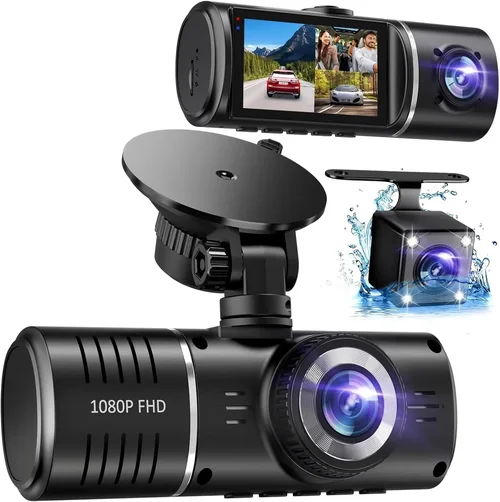
Modern dash cams offer numerous intelligent features beyond basic recording. Emergency event detection automatically saves footage when sudden deceleration or impact occurs. Loop recording continuously overwrites old files to prevent storage overflow. Parking mode uses motion detection to record activity while your car is turned off, though this often requires a hardwiring kit to avoid draining your battery. Some models include built-in Wi-Fi for easy file transfer to smartphones, while others feature voice control or cloud backup services. Dual-channel cameras capture both front and rear views, providing complete coverage.
Brand Reputation
Established brands like BlackVue, Garmin, Nextbase, and Viofo have built strong reputations through consistent product quality and reliable customer support. Newer entrants sometimes offer innovative features at lower prices but may lack long-term reliability data. Research user reviews across multiple platforms, check professional tech blogs, and consider how quickly the manufacturer responds to firmware updates and customer inquiries. A reputable brand typically offers better warranty terms and more trustworthy after-sales service.
Warranty & Support
Most quality dash cams come with at least a one-year warranty covering defects in materials and workmanship. Premium models may offer two or three years, sometimes including international coverage. Check what’s included—some warranties only cover hardware failures, while others extend to accidental damage. Reliable customer support channels (phone, email, live chat) are essential for troubleshooting issues quickly. Firmware updates can add new features or fix bugs, so choose a brand known for regular software improvements.
Size & Portability
Compact dash cams (under 2 inches tall) sit flush against your windshield without distracting drivers. Larger models may offer better cooling and larger buttons but can obstruct peripheral vision. Consider how discreet you want your recording device to appear—some users prefer completely hidden installations while others don’t mind visible units. If you frequently switch vehicles, smaller portability becomes important. Mounting flexibility matters too; some cameras allow rotation for optimal angle adjustment without repositioning the entire unit.
User Reviews & Ratings
Real-world feedback from other drivers provides invaluable insights beyond manufacturer claims. Pay attention to recurring complaints about poor low-light performance, unreliable parking mode, or short battery life during extended recording. Positive reviews highlighting ease of use, clear audio quality, and responsive customer service indicate a dependable product. Be cautious of overly generic praise or suspiciously high ratings—authentic reviews usually mention both strengths and weaknesses. Check review sources for authenticity and look for verified purchase badges when possible.
Different Types of Dash Cams
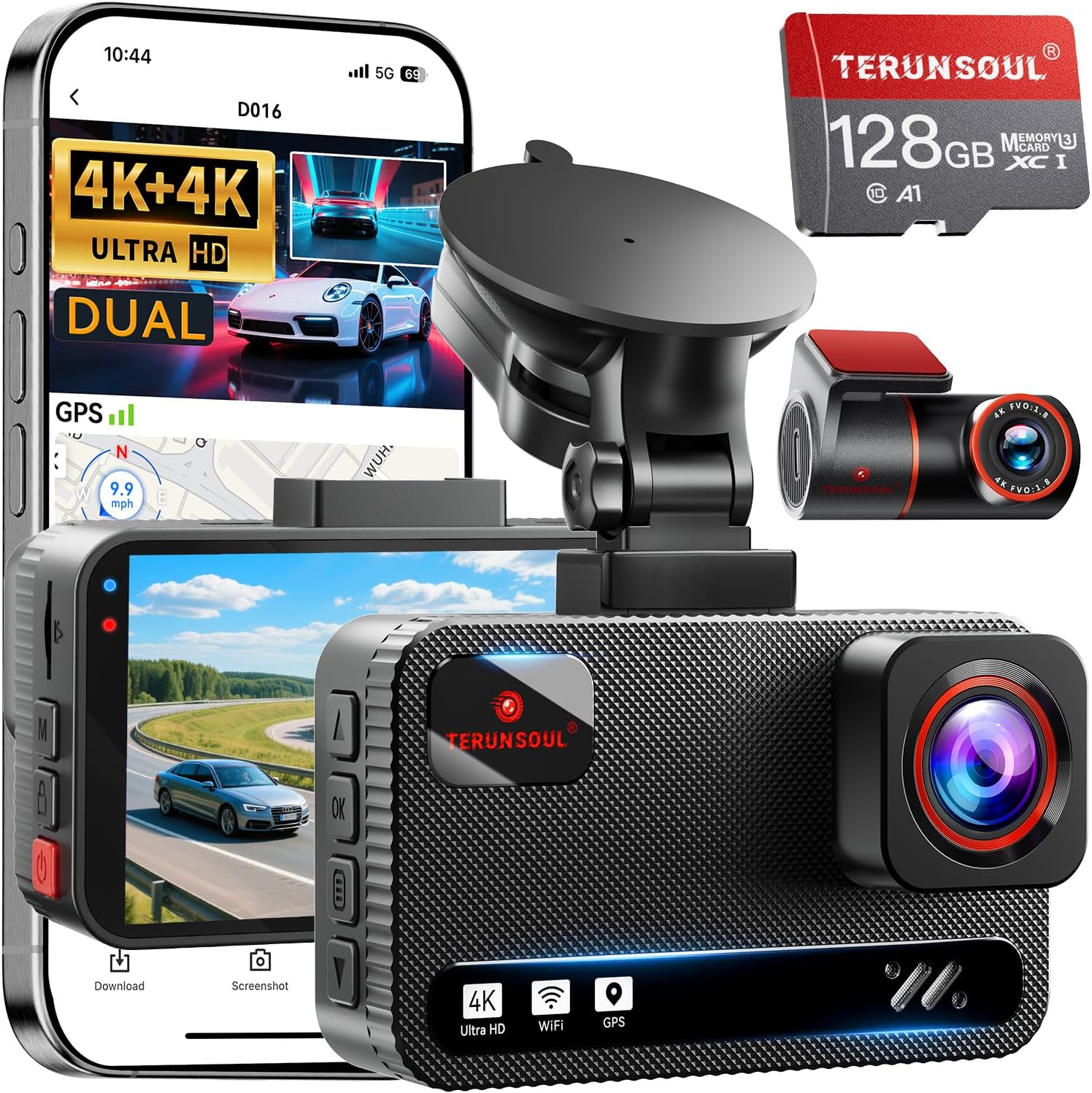
Common Buying Mistakes to Avoid
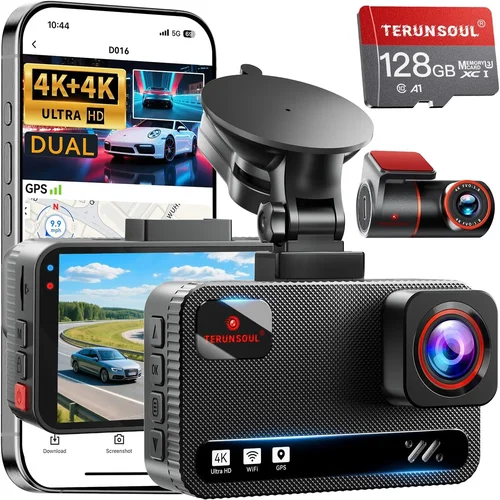
❌ Mistake: Choosing Based Solely on Price
Why it’s bad: The cheapest dash cam might seem like a good deal initially, but low-cost models often compromise on critical components like image sensors, capacitors, or housing materials. These trade-offs result in poor video quality, frequent malfunctions, or shortened lifespan—meaning you’ll replace it within months despite having spent nearly as much as a mid-range model.
What to do instead: Evaluate value rather than just price. Compare similar-priced models side-by-side, focusing on reputable brands with proven track records. Read detailed reviews that test real-world performance rather than relying solely on retail pricing.
❌ Mistake: Ignoring Storage Requirements
Why it’s bad: Without proper storage planning, your dash cam will either constantly overwrite important footage (if using internal memory) or require frequent manual intervention (if using external cards). Most dash cams use microSD cards, but not all are created equal—cheap cards may fail under continuous write cycles or struggle with high-resolution formats.
What to do instead: Invest in high-quality UHS-I Class 10 or U3 rated microSD cards from trusted brands like SanDisk Extreme or Samsung Pro. Consider capacity carefully: 32GB typically handles 3-4 hours of 1080p recording, while 128GB extends this to 12-16 hours. Always format cards in the dash cam itself before first use.
❌ Mistake: Overlooking Installation Challenges
Why it’s bad: Poor installation leads to obstructed views, loose mounts, or wires dangling into driver visibility zones. Some users attempt complex hardwiring setups without understanding electrical systems, risking blown fuses or battery drain issues that could leave them stranded.
What to do instead: Choose models with secure suction cup or adhesive mounts designed specifically for automotive glass. Practice positioning before finalizing placement. If considering hardwiring, opt for kits with fuse taps or professional installation services unless you have electrical experience.
❌ Mistake: Neglecting Low-Light Performance
Why it’s bad: Many drivers assume daytime recording is sufficient, but most traffic incidents actually occur during dawn, dusk, or nighttime hours. Dash cams with inadequate low-light sensors produce grainy, washed-out footage that fails to capture license plates or facial details needed for insurance claims.
What to do instead: Prioritize cameras featuring large aperture lenses (f/1.8 or wider), backside illumination (BSI) sensors, or specialized low-light technologies like Sony STARVIS. Test sample videos from candidate models showing nighttime scenes before purchasing.
❌ Mistake: Assuming All Features Are Useful
Why it’s bad: Advanced features like GPS logging, parking mode, or Wi-Fi connectivity sound impressive but consume battery power, increase complexity, or require subscription fees. Some “smart” functions operate unreliably or drain storage rapidly without providing proportional benefits.
What to do instead: Identify your top priorities first—basic recording, emergency saving, or parking surveillance—then select models that excel in those areas without unnecessary extras. Remember: simpler designs often prove more reliable long-term.
❌ Mistake: Skipping Warranty Research
Why it’s bad: Budgeting only for the initial purchase ignores potential repair costs down the line. Some manufacturers offer surprisingly limited warranties or exclude common failure points like SD card slots or power connectors, leaving buyers responsible for replacement expenses.
What to do instead: Compare warranty lengths and coverage details across brands before deciding. Look for at least 12 months of parts and labor coverage, preferably with international validity if traveling frequently. Check return policies too—many retailers offer 30-day satisfaction guarantees.
Budget Guidelines: How Much Should You Spend?
Entry-Level ($50 – $80)
For occasional drivers or those testing dash cam technology, entry-level models provide adequate protection without breaking the bank. Expect basic 1080p recording, simple loop recording functionality, and straightforward installation. While these devices won’t win awards for video quality, they serve well for general peace of mind and basic incident documentation. Brands like Apeman, JSAUX, or Rexing offer competent options in this range, though be prepared to sacrifice advanced features like GPS tracking or Wi-Fi connectivity.
Mid-range dash cams typically deliver significantly better value per dollar, combining respectable video quality with useful additions that enhance daily usability. At this tier, you’ll find improved sensors capable of handling challenging lighting conditions, more robust build materials, and smarter automation features like motion-activated parking mode. Most importantly, mid-range models represent the sweet spot where reliability meets affordability—perfect for the majority of everyday drivers who want dependable protection without overspending.
Premium ($150 – $300)
Advanced users, fleet managers, or those requiring courtroom-ready evidence should consider premium dash cams. These devices feature professional-grade image sensors, superior stabilization algorithms, and extensive connectivity options. Many include dual-channel recording capabilities, cloud storage integration, or sophisticated AI-powered event detection. While the price tag seems steep initially, the combination of higher-quality components and comprehensive features often justifies the investment through improved reliability and evidentiary value.
Luxury ($300+)
Ultra-premium dash cams target enthusiasts and professionals needing maximum performance regardless of cost. These systems frequently incorporate multiple cameras (quad-view setups), military-grade durability certifications, or specialized recording modes for racing applications. Some feature redundant power supplies, encrypted storage, or integration with vehicle telematics systems. Unless you require extreme capabilities—such as documenting high-speed events or managing commercial fleets—most drivers will find premium models offer diminishing returns compared to their cost.
Expert Tips for Getting the Best Deal
Timing Your Purchase Strategically
Retailers typically offer substantial discounts during major shopping holidays like Black Friday, Cyber Monday, or Prime Day. Electronics manufacturers also release updated models annually, causing previous generations to drop in price. Waiting until late summer often yields clearance sales as stores prepare for fall inventory refreshes. Sign up for brand newsletters to receive exclusive promo codes or early access to sales events.
Choosing the Right Retail Channel
Online marketplaces like Amazon provide competitive pricing and convenient delivery, though in-person retailers allow hands-on testing before purchase. Specialty automotive shops often bundle installation services with dash cam purchases, adding value through professional setup. Consider checking multiple channels: compare base prices online then negotiate add-ons like extra memory cards or mounting kits in physical stores.
Identifying Authentic Discounts
Beware of artificially inflated “original prices” used to justify supposed savings. Genuine deals reflect actual market value reductions verified through historical pricing analysis. Look for bundle packages that include essential accessories at no extra charge, such as high-quality microSD cards, hardwiring kits, or extended warranties—these collectively reduce true ownership costs even if the sticker price appears unchanged.
Understanding Warranty Implications
Extended warranties purchased separately often duplicate existing manufacturer coverage, making them unnecessary expenses. Instead, focus on brands with inherently reliable products backed by generous standard warranties. If considering extended protection, read fine print carefully—some exclude wear-and-tear items or impose strict claim procedures that delay repairs unnecessarily.
Evaluating Return Policies Thoroughly
Even with perfect research, dash cams sometimes fail to meet expectations due to installation challenges or unanticipated limitations. Opt for retailers offering liberal return windows (at least 30 days) plus restocking fee waivers for opened electronics. Some manufacturers provide mail-in exchange programs that eliminate return shipping hassles entirely.
Testing Before Committing
Whenever possible, request demo units from local retailers or borrow friends’ models for personal evaluation. Observe real-world performance under typical driving conditions, including night recording quality and ease of menu navigation while driving. Pay attention to button responsiveness, screen readability in direct sunlight, and overall ergonomic design during brief test drives.
Negotiating Smart Bundles
Retailers often accept reasonable counteroffers when selling multiple items. Ask about combining dash cam purchases with complementary accessories like additional mounts, premium SD cards, or professional installation services. Even small concessions collectively reduce total out-of-pocket expenses while improving long-term usability.

Frequently Asked Questions
Q: Do I really need a dash cam, or is it just for insurance claims?
A: While dash cams provide valuable evidence during disputes, their benefits extend far beyond legal protection. They deter aggressive driving through awareness, document road conditions for maintenance planning, and offer peace of mind knowing your journey is recorded. Many users report changed driving behaviors simply because they know their actions are documented.
Q: What’s the difference between loop recording and event recording?
A: Loop recording continuously overwrites oldest footage when storage fills up, ensuring uninterrupted operation. Event recording—triggered by sudden movements, impacts, or manual activation—creates protected clips that won’t be overwritten. Most modern dash cams combine both systems: automatic loop recording for routine trips while preserving critical moments through emergency event files.
Q: Can dash cams record while parked?
A: Yes, but capability varies significantly by model. Basic dash cams cannot record when powered off, while advanced units feature parking mode that activates upon detecting motion or vibration. However, continuous parking recording requires hardwiring to your car’s electrical system to avoid draining the battery overnight.
Q: How long does a dash cam battery last during normal use?
A: Internal batteries typically last 2-3 years before needing replacement, depending on usage patterns and environmental conditions. During actual driving, the car’s alternator powers the dash cam indefinitely. Only parking mode operations rely on the device’s internal battery, which depletes faster during extended periods away from charging.
Q: Will a dash cam affect my car insurance premiums?
A: Some insurers offer modest discounts for vehicles equipped with dash cams, especially those demonstrating safe driving habits through recorded footage. However, these savings vary widely by provider and policy type. More commonly, dash cams help resolve disputes quickly when accidents occur, potentially avoiding premium increases caused by contested claims.
Q: Are there privacy concerns with dash cam recordings?
A: Legitimate privacy considerations exist regarding accidental capture of private property or conversations. Most reputable manufacturers implement features allowing quick deletion of sensitive segments or password-protected access to stored files. Users should also familiarize themselves with local laws governing recording consent requirements before capturing audio.
Q: What resolution should I choose for my dash cam?
A: For most drivers, 1080p Full HD provides excellent detail capture while balancing file sizes and storage requirements. If you frequently drive in low-light conditions or require extremely clear license plate recognition, consider 2K or higher resolutions—though these demand faster processors and larger memory cards. Avoid sub-1080p models as they produce blurry footage unsuitable for meaningful evidence.
Q: How do I install a dash cam safely?
A: Position the mount directly behind your rearview mirror for optimal visibility, ensuring it doesn’t obstruct your view of traffic signals or blind spots. Route cables neatly along existing trim lines using adhesive clips rather than taping wires directly to surfaces. If installing hardwire kits, consult professional technicians unless confident in automotive electrical systems.
Q: Can I use any microSD card with my dash cam?
A: Not necessarily—while many dash cams accept standard cards, performance varies dramatically based on speed class and endurance ratings. Use UHS-I Class 10 or U3 cards from reputable brands like SanDisk Extreme, Samsung Pro Endurance, or Lexar Professional. Always format cards within the dash cam itself before first use to optimize compatibility.
Q: Do dash cams work in extreme weather conditions?
A: Quality dash cams withstand temperature extremes ranging from -4°F to 149°F (-20°C to 65°C), covering nearly all climate conditions encountered worldwide. However, lens condensation can temporarily impair visibility during rapid temperature changes—this usually clears within minutes once interior humidity levels stabilize after exiting harsh environments.
Our Final Recommendations
Best for Budget-Conscious Buyers
The Apeman F26 delivers exceptional value with reliable 1080p recording, intuitive controls, and durable construction at under $70. Its compact size fits discreetly behind mirrors while maintaining excellent field-of-view coverage. Though lacking advanced features, it performs consistently well for basic protection needs without overwhelming complexity.
Best Overall Value
The Viofo A119 V3 strikes an ideal balance between price, performance, and reliability. Featuring superior Sony STARVIS sensor technology, this model captures crisp details even in challenging lighting conditions. Built-in GPS logging and emergency event detection provide practical functionality rarely found below $150 price points, making it the go-to choice for most everyday drivers seeking dependable protection.
Best Premium Option
For those demanding maximum capability, the BlackVue DR970-2CH LTE represents the gold standard in dash cam technology. Dual 2K front/rear recording, cloud connectivity, and military-grade durability justify its premium positioning. Automatic firmware updates and robust mobile app integration create a seamless ecosystem perfect for tech-savvy users who prioritize cutting-edge features and professional-grade evidence quality.
Best for Beginners
Newcomers benefit from the Nextbase 522GW‘s straightforward interface and Alexa voice control functionality. Clear menus, responsive touchscreen operation, and helpful customer support make setup and daily use effortless. While slightly pricier than entry-level models, its user-friendly design reduces frustration during initial adoption and encourages continued use.
Best for Advanced Users
Power users requiring comprehensive coverage should consider the Garmin Dashcam Mini. Despite its pocket-sized form factor, it delivers impressive 1080p recording with automatic exposure adjustments and reliable loop recording. Its compact design appeals to drivers wanting minimal visual presence while still benefiting from Garmin’s renowned GPS accuracy and rugged construction standards.
Conclusion: Making the Right Choice
Selecting the perfect dash cam involves balancing technical specifications against personal priorities and budget constraints. Rather than chasing every advertised feature, focus on core capabilities that directly address your driving environment and concerns. Remember that video quality, reliability, and ease of use matter far more than flashy add-ons that rarely see daily action.
Prioritize reputable brands with proven track records, invest appropriately in quality storage media, and don’t hesitate to leverage retailer return policies during initial trials. Most importantly, choose a model that inspires confidence rather than anxiety—you want technology working silently in the background, not demanding constant attention.
Whether protecting yourself against false accusations, documenting road hazards, or simply enjoying greater driving awareness, the right dash cam becomes an indispensable companion on every journey. Take time to evaluate your specific needs, compare options thoroughly, and trust your instincts when the technical details align with practical benefits. With careful consideration, your chosen dash cam will deliver lasting value long after the purchase decision feels like yesterday’s news.