Smart Dash Cam App Buying Guide
As the number of smartphone users continues to grow exponentially, the demand for innovative mobile applications has surged across various industries. One such area that has seen significant technological advancement is automotive safety and security through the use of dash cam apps for Android devices. These specialized mobile applications transform your Android phone into a powerful dash cam system, offering real-time video recording, GPS tracking, emergency incident detection, and cloud storage capabilities. With the right dash cam app, you can monitor your vehicle’s surroundings, document potential accidents or incidents, and even share footage with insurance companies or law enforcement when necessary.
This comprehensive buying guide will walk you through everything you need to know about selecting the best dash cam app for your Android device. Whether you’re a new driver looking to protect yourself on the road, a parent wanting peace of mind for your teenage driver, or a business owner monitoring fleet vehicles, this guide will help you make an informed decision. We’ll explore the key features to consider, compare different types of dash cam apps, identify common mistakes to avoid, provide budget guidelines, and offer expert tips for getting the best value. By the end of this article, you’ll have a clear understanding of what to look for and how to choose the perfect dash cam app that meets your specific needs and requirements.
The market for dash cam apps has expanded rapidly in recent years, with numerous developers offering various solutions at different price points. From free basic versions to premium subscriptions with advanced features, there’s something for every budget and requirement. However, with so many options available, it can be challenging to determine which app truly delivers the functionality, reliability, and value you need. This guide will cut through the noise and help you navigate the complex landscape of dash cam apps for Android, ensuring you invest in a solution that provides maximum protection and peace of mind for your driving experiences.

What to Look for When Buying Dash Cams
1. Compatibility & System Requirements
Before purchasing any dash cam app, the first and most crucial factor to consider is compatibility with your Android device. Not all apps are designed to work with every Android version or hardware configuration. Check the minimum Android OS requirements, as some advanced features may require newer versions of the operating system. Additionally, verify if your device has the necessary specifications such as sufficient RAM, processing power, and storage capacity to handle continuous video recording without draining the battery excessively.
2. Video Quality & Recording Resolution
Video quality is arguably the most important aspect of any dash cam app. Look for apps that support at least 1080p Full HD resolution, though 4K recording capability is becoming increasingly standard in premium offerings. Higher resolution provides clearer images, making it easier to capture license plates, facial details, and other important visual information during incidents. Consider whether the app offers adjustable frame rates (typically 30fps or 60fps) and whether it can maintain consistent recording quality even in low-light conditions.
3. Storage Management & Cloud Integration
Effective storage management is essential for dash cam apps, as continuous recording consumes significant amounts of space. Evaluate whether the app offers automatic overwrite features, loop recording capabilities, and intelligent file organization. Cloud integration allows for remote access to recorded footage from anywhere, which is particularly valuable for fleet managers or those who want backup protection against theft or damage to their device. Some apps also offer automatic uploads when connected to Wi-Fi, providing additional security layers.
4. GPS Tracking & Location Services
GPS functionality adds another layer of protection by automatically recording location data alongside video footage. This feature is invaluable for accident reconstruction, proving vehicle speed at the time of incidents, and providing context during disputes. Look for apps that offer real-time GPS tracking, route history recording, and the ability to display location data over video playback. Some premium apps even integrate with mapping services to create detailed travel logs and provide driving analytics.
5. Emergency Detection & Incident Response
Advanced dash cam apps include sophisticated motion detection, impact sensors, and emergency response features. Motion detection triggers recording when unusual activity is detected around your vehicle, while G-sensor technology automatically saves footage during sudden impacts or hard braking events. Some apps offer real-time alerts to emergency contacts or authorities in case of severe incidents, providing an extra layer of safety and immediate assistance during critical situations.
6. Battery Life & Power Management
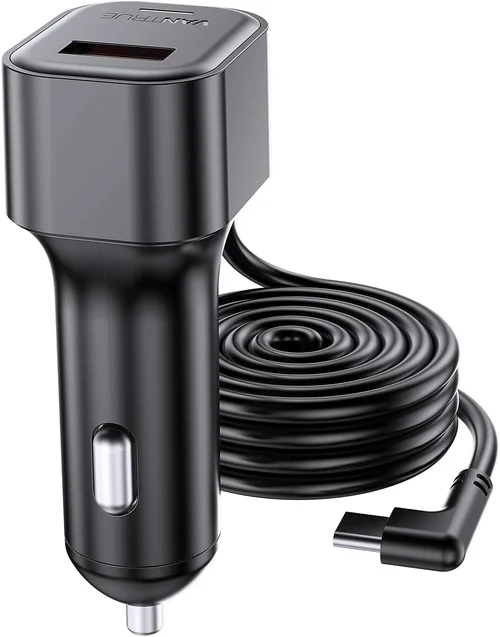
Since dash cams typically run continuously while parked, battery consumption is a major concern. Choose apps that offer efficient power management features, including parking mode operation that minimizes energy usage. Some apps can detect when your car’s ignition is off and enter a low-power surveillance mode, while others allow external power sources like cigarette lighter adapters or direct USB connections to prevent battery drain. Consider whether the app supports automatic shutdown when battery levels reach critical thresholds.
7. User Interface & Ease of Use
A well-designed user interface significantly impacts the overall experience with your dash cam app. Look for intuitive navigation, clear menu structures, and responsive controls that don’t distract from driving. The app should be easy to set up initially and simple to operate while driving, with quick access to essential functions like starting/stopping recording, accessing saved footage, and adjusting settings. Customizable interfaces that adapt to your preferences can enhance usability and reduce cognitive load while behind the wheel.
8. Additional Features & Integrations
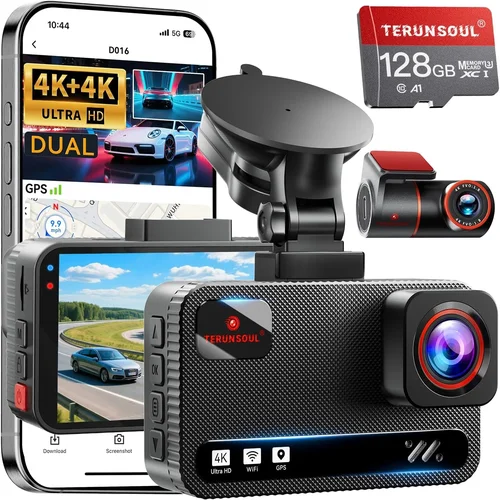
Beyond core functionality, many dash cam apps offer valuable extras that can enhance your experience. Wi-Fi connectivity allows for wireless transfers between your phone and the dash cam device, while Bluetooth integration enables hands-free calling and audio recording capabilities. Some apps include driver assistance features like lane departure warnings, forward collision alerts, and blind spot monitoring. Consider whether the app integrates with other smart devices in your ecosystem or offers compatibility with third-party accessories like external cameras or microphones.
Different Types of Dash Cams

Common Buying Mistakes to Avoid
❌ Mistake: Ignoring Device Compatibility
Why it’s bad: Many users assume all dash cam apps will work seamlessly with their Android devices, but compatibility issues are surprisingly common. An incompatible app might crash frequently, drain battery life excessively, or simply fail to record properly, rendering the entire investment useless.
What to do instead: Always check the app’s system requirements before downloading. Test the app on your specific device model if possible, and read user reviews mentioning your exact Android version and hardware specifications. Consider reaching out to customer support with your device information before committing to a purchase.
❌ Mistake: Overlooking Storage Limitations
Why it’s bad: Continuous video recording quickly fills up phone storage, especially at higher resolutions. Without proper storage management, you risk losing critical footage during incidents due to insufficient space. Some apps also consume significant storage for temporary files and caches during operation.
What to do instead: Choose an app with robust storage management features including automatic overwrite, cloud backup options, and configurable recording quality settings. Consider investing in a high-capacity SD card specifically for dash cam footage rather than relying solely on internal storage.
❌ Mistake: Neglecting Battery Impact
Why it’s bad: Dash cam apps running continuously can dramatically reduce your phone’s battery life, potentially leaving you without power when needed most. Poorly optimized apps may cause excessive heat generation and background processes that further drain resources.
What to do instead: Select apps with efficient power management features such as parking mode optimization, automatic shutdown thresholds, and minimal background activity. Consider using external power sources like car chargers or direct USB connections when possible to minimize battery consumption.
❌ Mistake: Choosing Based Solely on Price
Why it’s bad: While cost is certainly important, focusing exclusively on price often leads to disappointment. Cheap dash cam apps may lack essential features, have unreliable performance, or contain intrusive advertisements that compromise the driving experience.
What to do instead: Evaluate apps based on their overall value proposition rather than just initial cost. Consider the total cost of ownership including subscription fees, potential hardware requirements, and any additional expenses. Read detailed reviews and test demonstrations to understand what you’re actually getting for your money.
❌ Mistake: Failing to Verify Legal Compliance
Why it’s bad: Different jurisdictions have varying laws regarding dash cam usage, privacy rights, and data recording. Using an app that violates local regulations could result in legal penalties or privacy violations, especially if it captures footage of private property or sensitive areas without consent.
What to do instead: Research your local laws regarding dash cam usage, recording permissions, and data retention requirements before selecting an app. Ensure the app complies with relevant regulations and provides appropriate privacy controls and data handling practices.
❌ Mistake: Underestimating Setup Complexity
Why it’s bad: Some dash cam apps require complicated installation procedures, mounting configurations, or technical knowledge that many users find overwhelming. Poor setup can lead to suboptimal performance, missed recordings, or even voided warranties on your device.
What to do instead: Look for apps with straightforward installation processes and clear setup instructions. Consider apps that offer customer support during initial setup or provide video tutorials. Start with simpler models if you’re new to dash cam technology before progressing to more advanced systems.
Budget Guidelines: How Much Should You Spend?
Entry-Level Options ($0 – $10 per month)
For casual drivers or those testing dash cam technology, entry-level apps offer basic functionality at minimal cost. These typically include standard 1080p recording, loop recording, and basic file management. While they may lack advanced features like GPS tracking or cloud backup, they provide essential protection against minor incidents. Free versions often exist with limited storage or watermarked footage, while paid subscriptions remove restrictions and add core functionality.
Mid-Range Solutions ($10 – $30 per month)
This sweet spot offers excellent value for most drivers seeking comprehensive protection without premium pricing. Mid-range apps typically include 1080p or 4K recording, GPS tracking, cloud storage integration, and basic incident detection. They often provide better customer support, more reliable performance, and additional features like driver behavior monitoring or mobile app controls. Most reputable manufacturers position their flagship products in this price bracket for individual consumers.
Premium Professional Systems ($30 – $75 per month)
Serious drivers, fleet managers, and tech enthusiasts typically opt for premium solutions that deliver maximum functionality and reliability. These systems usually include 4K recording, advanced AI features, comprehensive cloud platforms, real-time alerts, and professional-grade analytics. Premium apps often integrate with other smart home devices, offer priority customer support, and provide extensive customization options for specialized use cases.
Enterprise & Luxury Solutions ($75+ per month)
High-end enterprise dash cam apps serve large organizations requiring centralized fleet management, compliance reporting, and advanced analytics. These solutions typically include multi-vehicle monitoring, custom branding, regulatory compliance tools, and dedicated account management. Luxury options for individual users focus on cutting-edge technology like HDR imaging, night vision enhancement, and AI-powered predictive features that anticipate potential hazards.
Expert Tips for Getting the Best Deal
Timing Your Purchase Strategically
Many dash cam app providers offer seasonal promotions, especially during holiday weekends, back-to-school periods, or new product launches. Black Friday, Cyber Monday, and Memorial Day sales typically provide the deepest discounts on premium features or extended subscription periods. Sign up for newsletters from leading providers to receive early access to sales and exclusive promotional codes that can save you 20-50% off regular pricing.
Comparing Subscription Models Carefully
Don’t assume annual subscriptions always offer the best value. Some providers charge less per month for quarterly plans, while others bundle features differently. Calculate the true cost per month for each plan duration, considering any setup fees, cancellation penalties, or feature limitations. Sometimes paying monthly for premium features while using a basic plan for essential recording provides better flexibility and value than locking into long-term commitments.
Leveraging Referral Programs
Many dash cam app providers offer generous referral bonuses where existing customers receive credits for referring friends or family members. These programs can substantially reduce your effective monthly cost, sometimes eliminating subscription fees entirely for several months. Share your referral code through social media, email, or word-of-mouth to maximize these savings opportunities.
Utilizing Free Trial Periods
Take full advantage of trial periods before committing to paid subscriptions. Most reputable providers offer 7-30 day trials with full access to premium features. Use this time to thoroughly test the app’s performance on your specific device, evaluate battery consumption, assess video quality, and verify all promised features work as advertised. Document any issues or missing functionality during the trial period to make an informed decision.
Negotiating with Customer Service
Don’t hesitate to contact customer service representatives about special promotions or loyalty discounts. If you’ve been a satisfied customer for several months, mention your tenure and ask about retention bonuses or upgrade incentives. Even if you’re a new customer, expressing genuine interest in the product and willingness to commit can sometimes unlock introductory discounts or bundled feature packages not publicly advertised.
Considering Hardware Bundles
Some providers offer discounted or free dash cam hardware when you sign up for longer subscription terms. These bundles can significantly reduce your initial investment while providing integrated systems that work seamlessly together. Evaluate whether the hardware quality matches the app’s capabilities and whether the bundle represents genuine savings compared to purchasing components separately.
Monitoring App Store Rankings
App store rankings fluctuate based on user feedback, seasonal trends, and promotional activities. Newly launched features or improved stability updates can temporarily boost rankings and trigger limited-time promotions. Keep an eye on ranking changes and associated release notes to identify opportunities when providers are incentivizing downloads during periods of enhanced visibility.
Exploring Educational Discounts
Educational institutions, driving schools, and professional training programs often qualify for special pricing on dash cam apps with bulk licensing options. If you’re part of such an organization, inquire about institutional discounts that could apply even to individual memberships. Similarly, some providers offer reduced rates for students, seniors, or military personnel with proper verification.

Frequently Asked Questions
Q: Can I use my Android phone as a dash cam without additional hardware?
A: Yes, many dash cam apps are designed to work directly with your Android phone’s built-in camera. However, performance varies significantly based on your device’s camera quality, stabilization capabilities, and mounting setup. For optimal results, using an external dash cam device connected via USB or Wi-Fi typically provides superior video quality, wider viewing angles, and more reliable operation than relying solely on your phone’s internal camera.
Q: Do dash cam apps work when my phone is locked or in sleep mode?
A: This depends on the specific app and your device’s power management settings. Reputable dash cam apps typically include background recording capabilities that continue functioning even when the screen is off. However, aggressive battery optimization settings on some Android devices may interfere with continuous operation. To ensure reliable performance, configure your phone’s battery settings to exempt the dash cam app from power saving modes and consider using external power sources for extended parking mode operation.
Q: What happens if my phone loses connection to the internet during recording?
A: Most modern dash cam apps are designed to function offline and continue recording seamlessly regardless of internet connectivity status. Local storage takes precedence during recording sessions, with cloud sync occurring only when connections are restored. The app should automatically resume cloud backup once connectivity returns, preserving all recorded footage. Some apps provide visual indicators showing sync status and may queue uploads until the connection stabilizes.
Q: Are dash cam apps legal to use in all countries and states?
A: Legal requirements vary significantly by jurisdiction. In the United States, dash cams are generally legal for personal use in most states, though some locations have restrictions on where you can mount them or what type of recording is permitted. European Union countries have more stringent privacy laws regarding video recording, particularly concerning capturing other people’s images. Always research your specific location’s regulations before installing any dash cam system, and ensure your app includes appropriate privacy controls and data handling practices compliant with local requirements.
Q: How much battery does a dash cam app typically consume?
A: Battery consumption varies widely based on the app’s efficiency, recording resolution, and device specifications. High-quality dash cam apps typically consume 10-25% of battery per hour under normal driving conditions. Parking mode operations may use significantly less power, often under 5% per hour. Premium apps include sophisticated power management features that minimize consumption while maintaining functionality. Using external power sources like car chargers or direct USB connections eliminates battery concerns entirely during active recording sessions.
Q: Can dash cam apps detect and record incidents automatically?
A: Advanced dash cam apps include sophisticated detection algorithms that automatically identify and save footage of incidents. These typically combine G-sensor technology to detect impacts, motion detection for unexpected activity around the vehicle, and AI-powered analysis of driving patterns. When an incident is detected, the app automatically creates protected event files that cannot be overwritten during routine loop recording cycles. Some premium systems also send real-time alerts to emergency contacts or authorities during severe incidents, providing immediate assistance when every second counts.
Q: How do I ensure my dash cam footage remains admissible in court?
A: Maintaining chain-of-custody documentation is crucial for legal admissibility. Choose apps that automatically timestamp all footage, maintain metadata integrity, and provide secure storage solutions. Avoid manually editing or modifying recorded videos, as this can raise questions about authenticity. Some professional-grade dash cam apps include cryptographic hashing and digital signatures that verify footage hasn’t been altered since recording. Always preserve original files rather than relying solely on compressed or converted formats when preparing evidence for legal proceedings.
Q: What’s the difference between cloud-based and local-only storage solutions?
A: Cloud-based storage offers remote access to footage from anywhere with internet connectivity, automatic backups against device loss or damage, and typically includes advanced search and retrieval capabilities. However, they require consistent internet connectivity and ongoing subscription costs. Local-only storage uses your device’s internal memory or external storage cards, providing complete control over your data without recurring fees. Hybrid solutions combine both approaches, storing recent footage locally for quick access while automatically uploading older files to cloud servers for long-term preservation and archival purposes.
Q: Can multiple family members share a single dash cam app subscription?
A: Most consumer dash cam apps allow sharing accounts across multiple family members, though policies vary by provider. Family plans typically include separate profiles for individual users, allowing customized settings and preferences while sharing storage space and billing responsibilities. Professional fleet management systems offer even more granular access controls, enabling administrators to assign specific vehicles, features, and viewing permissions to different team members. Always review the provider’s sharing policies and any associated limitations before setting up shared accounts.
Q: How often should I update my dash cam app?
A: Regular updates are essential for maintaining optimal performance, security, and feature availability. Enable automatic updates whenever possible to ensure you receive bug fixes, performance improvements, and new functionality promptly. Major version updates typically introduce significant enhancements, while minor updates address smaller issues and optimizations. However, some updates may introduce compatibility problems with older devices or conflicting apps, so it’s wise to check release notes and user feedback before applying major updates to production systems. Schedule updates during convenient times when you won’t need immediate access to dash cam functionality.
Our Final Recommendations
Best for Budget-Conscious Buyers
For those seeking essential dash cam functionality without breaking the bank, we recommend starting with established apps that offer free basic versions with optional premium upgrades. Look for providers that balance affordability with reliability, providing core features like 1080p recording, loop recording, and basic file management at minimal cost. These solutions are ideal for occasional drivers or those testing the waters before committing to more advanced systems. Remember that while upfront costs may be low, evaluate the true value proposition including any limitations on storage, watermarks, or premium feature access when comparing options.
Best Overall Value
The sweet spot for most drivers lies in mid-range solutions that deliver comprehensive functionality at reasonable pricing. These apps typically include 1080p or 4K recording, GPS tracking, cloud storage integration, and intelligent incident detection without the complexity or expense of premium systems. They offer excellent reliability, responsive customer support, and regular feature updates that keep pace with evolving technology standards. This category represents the best balance of features, performance, and cost-effectiveness for everyday drivers who want robust protection without unnecessary complexity or excessive spending.
Best Premium Option
For serious drivers, tech enthusiasts, or those requiring maximum protection and advanced features, premium dash cam apps deliver exceptional performance and reliability. These systems typically include 4K recording capabilities, AI-powered analytics, comprehensive cloud platforms, real-time alerts, and seamless integrations with other smart devices. Premium solutions often come with dedicated customer support, priority feature development, and professional-grade reliability that justifies the higher investment. While the monthly costs are more substantial, the comprehensive feature sets and enhanced peace of mind make these systems worthwhile for drivers who prioritize safety, convenience, and cutting-edge technology.
Best for Beginners
New to dash cam technology? Start with intuitive, user-friendly apps that simplify setup and operation without sacrificing essential functionality. Look for providers with extensive tutorial content, responsive customer support, and straightforward interfaces that don’t overwhelm first-time users. Many beginner-friendly dash cam apps include guided setup processes, automated configuration wizards, and simplified controls that make it easy to get started quickly. These solutions typically offer generous trial periods and educational resources to help you understand best practices and maximize your investment from day one.
Best for Advanced Users
Experienced drivers and professionals requiring specialized functionality should explore advanced dash cam apps that offer granular control, extensive customization options, and powerful analytics capabilities. These systems cater to specific use cases like long-distance trucking, racing applications, fleet management, or security-focused scenarios. Advanced users benefit from features like customizable recording zones, detailed performance metrics, API integrations, and professional reporting tools that provide deep insights into driving patterns and vehicle performance. While these solutions require more technical knowledge to fully utilize, they deliver unparalleled functionality for discerning users with specific requirements beyond basic dash cam operation.
Conclusion: Making the Right Choice
Selecting the perfect dash cam app for your Android device requires careful consideration of your specific needs, budget constraints, and technical requirements. Rather than rushing into a purchase driven by marketing claims or price points alone, take time to evaluate how different apps align with your driving habits, vehicle type, and safety priorities. Consider starting with a mid-range solution that meets your current requirements while providing room for future expansion as your needs evolve.
Remember that the best dash cam app isn’t necessarily the most expensive one—it’s the one that delivers reliable performance, essential features, and peace of mind within your budget parameters. Don’t overlook factors like device compatibility, battery consumption, storage management, and legal compliance when making your decision. Take advantage of free trials, read detailed user reviews, and leverage customer support resources to ensure you select a solution that works seamlessly with your Android device and driving lifestyle.
Ultimately, investing in a quality dash cam app represents more than just protecting your vehicle—it’s about safeguarding your peace of mind on the road. Whether you’re a cautious parent monitoring a teenage driver, a business owner protecting company assets, or simply a responsible adult wanting to document your journeys, the right dash cam app can provide invaluable protection and confidence behind the wheel. Make an informed choice today that serves your needs today while providing flexibility for tomorrow’s requirements.