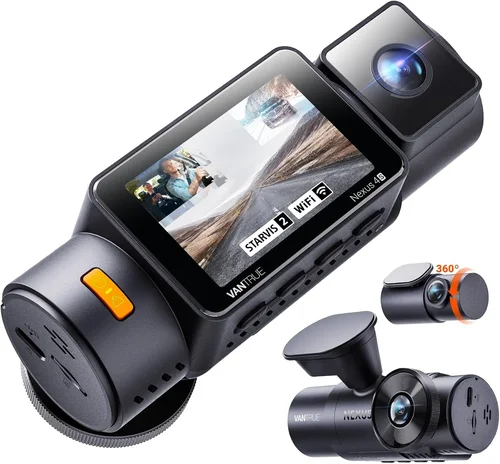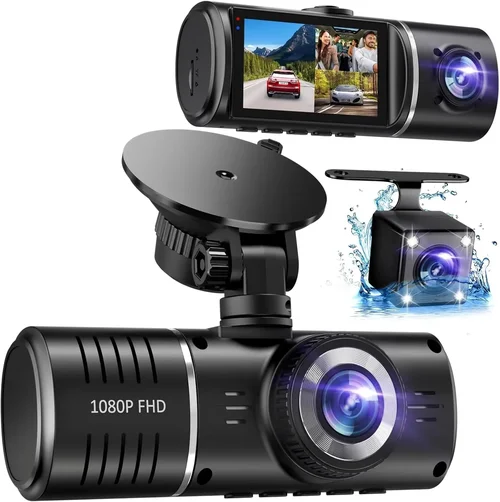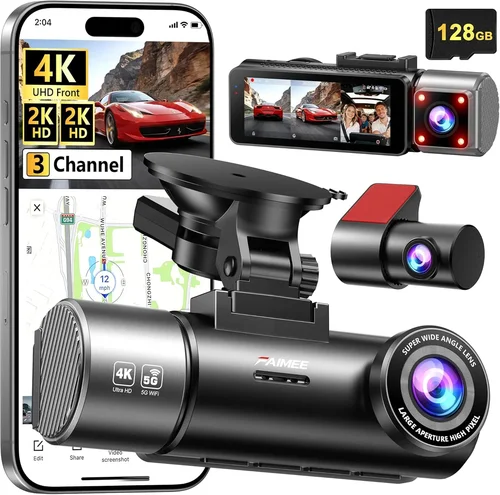
Smart Dash Cam Buying Guide for Big Trucks
For commercial truck drivers, fleet managers, and logistics companies, investing in a reliable dash cam isn’t just about capturing traffic violations—it’s a strategic decision that impacts safety, liability protection, and operational efficiency. In the demanding world of long-haul transportation, where vehicles travel thousands of miles across varied terrain and weather conditions, having a dependable recording system can make all the difference during critical moments. This comprehensive guide will walk you through everything you need to know about selecting the best dash cam for big trucks, helping you make an informed investment that serves your specific needs.
Whether you’re a solo owner-operator looking to protect yourself from false claims or a fleet manager seeking to improve overall safety metrics, understanding the key features and capabilities of modern dash cams is essential. The market offers numerous options ranging from basic single-camera systems to advanced multi-sensor setups with cloud connectivity and AI-powered analytics. By the end of this guide, you’ll have a clear understanding of what matters most when choosing equipment for your heavy-duty vehicle, along with expert recommendations tailored to different budgets and requirements.
## What to Look for When Buying Dash Cams
### Performance Specifications
When evaluating dash cams for big trucks, performance specifications should be your primary consideration. These devices must operate reliably under challenging conditions that passenger vehicles rarely encounter. Look for cameras with high-resolution recording capabilities—typically 1080p or higher—that provide crystal-clear footage even at highway speeds. For trucks traveling at 65+ mph, a frame rate of at least 30fps is crucial to avoid motion blur and ensure license plate readability.
The sensor quality directly affects image clarity, especially during night driving when lighting conditions are poor. CMOS sensors with good low-light performance are essential since many truck routes include nighttime operations. Additionally, consider cameras with wide dynamic range (WDR) technology that can handle both bright headlights and dark road surfaces simultaneously without overexposing or underexposing any part of the scene.
Storage capacity is another critical performance factor. Most dash cams use loop recording, overwriting older files when storage fills up, but you’ll want sufficient space for incident capture. A typical 128GB card provides approximately 4-6 hours of HD recording, though larger trucks may benefit from 256GB or more depending on usage patterns and retention requirements.
### Build Quality & Durability
Big trucks face extreme environmental conditions that can quickly degrade electronic components. Your dash cam must withstand temperature fluctuations from sub-zero winter nights to scorching summer heat, plus constant vibrations from rough roads and sudden stops. Look for models specifically designed for commercial applications with military-grade durability ratings (MIL-STD-810G) or equivalent certifications.
The housing material matters significantly—polycarbonate or aluminum constructions offer better impact resistance than plastic alternatives. Sealed connectors prevent moisture intrusion, which is vital given the condensation issues common in enclosed cabs during long hauls. Also verify that mounting hardware can handle the weight and wind resistance of large vehicles without coming loose during emergency maneuvers.
Waterproof ratings (IP67 or higher) ensure protection against rain, snow, and occasional hose-down cleaning during depot maintenance. Vibration resistance is equally important; some premium models feature specialized gimbal mounts that isolate the camera from engine noise and road shock.
### Features & Functionality
Modern dash cams for trucks come packed with features that enhance safety and convenience. Emergency recording modes automatically save footage when sudden deceleration, impact sensors detect collisions, or manual button presses occur. This ensures critical incidents aren’t overwritten by regular loop recording cycles.
GPS tracking provides valuable data including speed, location, and route information that can corroborate driver accounts during disputes or insurance claims. Some advanced systems integrate with telematics platforms used by fleet operators to monitor driver behavior patterns like harsh braking, rapid acceleration, and excessive idling.
Wi-Fi connectivity enables wireless file transfer to smartphones or tablets for quick review and sharing. Cloud storage subscriptions allow remote access to footage from dispatch centers, giving managers real-time visibility into operations. Night vision enhancements such as infrared LEDs or starlight sensors dramatically improve visibility during low-light conditions when most accidents occur.
Voice activation lets drivers control functions hands-free while maintaining focus on the road. Parking surveillance modes record continuously when parked using motion detection or time-lapse functionality, protecting against hit-and-runs or vandalism during overnight stops.
### Brand Reputation
Choosing a reputable brand significantly reduces the risk of purchasing unreliable equipment. Established manufacturers with years of experience in automotive electronics understand the unique demands of commercial vehicle operation. Research company history, customer service responsiveness, and warranty terms before making your selection.
Well-known brands typically invest more in quality control testing and field reliability studies. They also tend to offer better technical support resources including detailed installation guides, firmware update schedules, and troubleshooting documentation. Check independent lab test results and third-party reviews to validate manufacturer claims about performance and durability.
Avoid unknown private-label brands sold exclusively through discount retailers—they often cut corners on component sourcing and lack proper certification for commercial vehicle use. Stick with names recognized in the industry like Garmin, BlackVue, Thinkware, and Nextbase, which specialize in professional-grade dash cam solutions.
### Warranty & Support
A robust warranty demonstrates manufacturer confidence in their product’s longevity. Look for at least a two-year limited warranty covering both parts and labor, with clear terms regarding coverage exclusions. Extended warranty options can provide additional peace of mind for high-mileage fleets where replacement cycles are shorter.
Comprehensive support includes multiple contact channels—phone, email, live chat—with knowledgeable technicians available during business hours. Online knowledge bases with video tutorials simplify installation and configuration processes. Firmware updates should be regular and clearly communicated through official channels.
Return policies matter too; reputable sellers typically offer 30-day money-back guarantees allowing you to test equipment under real-world conditions. Some manufacturers provide loaner units during repair periods, minimizing downtime for revenue-generating vehicles.
### Size & Portability
While functionality takes priority, physical size considerations affect both installation flexibility and aerodynamic impact. Oversized units may interfere with mirror placement or create drag that reduces fuel economy. Compact designs around 2.5″ x 2″ x 1.5″ fit neatly behind existing mirrors without protruding awkwardly.
However, smaller cameras sometimes sacrifice optical quality or feature sets for portability. Find the right balance between discreetness and capability based on your specific mounting constraints. Some trucks benefit from dual-camera setups requiring multiple units, so plan accordingly for cable routing and power distribution.
Mounting options vary widely—adhesive pads, suction cups, or screw-based brackets each have pros and cons depending on cab construction materials. Magnetic mounts offer quick removal for security purposes but may lack stability during high-speed driving. Ensure your chosen mounting method remains secure through thousands of miles of vibration and temperature cycling.
### User Reviews & Ratings
Real-world user experiences provide invaluable insights beyond manufacturer specifications. Pay close attention to consistent complaints about battery life, image quality degradation over time, or software glitches. Positive reviews mentioning reliability during extended trips or harsh weather conditions reinforce manufacturer claims.
Check multiple review sources including industry forums, retail websites, and independent testing organizations. Be wary of overly positive reviews that seem scripted or lack specific details about usage scenarios. Look for reviewers who share similar operating conditions to your own—long-haul routes, specific climate zones, or particular cargo types.
Pay special attention to comments about customer service interactions, especially regarding warranty claims or technical support requests. Companies that resolve issues promptly and professionally demonstrate commitment to customer satisfaction that extends beyond initial purchase satisfaction.
## Different Types of Dash Cams
## Common Buying Mistakes to Avoid
❌ Mistake: Ignoring Storage Capacity Requirements
Why it’s bad: Underestimating storage needs leads to premature overwrite of important footage, defeating the purpose of having a dash cam in the first place. Many buyers assume 32GB cards provide adequate space, but high-resolution recordings consume storage rapidly, especially when capturing both front and cabin views.
What to do instead: Calculate your actual storage requirements based on daily mileage, recording quality settings, and incident retention policies. For long-haul trucks making 8-10 hour shifts, consider 128GB or 256GB cards to maintain several days of continuous recording without interruption.
❌ Mistake: Overlooking Power Supply Reliability
Why it’s bad: Unreliable power connections cause unexpected shutdowns that result in missed critical events. Cheap cigarette lighter adapters frequently fail due to poor contacts or insufficient current draw, particularly when multiple devices share the same circuit in modern truck cabins.
What to do instead: Invest in hardwired kits with fused circuits and voltage surge protection. Professional installations using dedicated ignition-switched circuits ensure consistent power delivery regardless of other electrical loads. Consider models with supercapacitors instead of lithium batteries for improved cold-weather performance.
❌ Mistake: Choosing Based Solely on Price
Why it’s bad: Selecting the cheapest option often means compromising on essential features like GPS accuracy, impact sensitivity thresholds, or build quality. Budget models frequently lack proper sealing against moisture and dust, leading to premature failure in roadside environments.
What to do instead: Focus on value rather than absolute lowest cost. Compare total ownership expenses including potential replacements, extended warranties, and lost productivity during downtime. Mid-range professional models typically offer better long-term reliability and support.
❌ Mistake: Neglecting Software Compatibility
Why it’s bad: Incompatible software creates frustrating workflow issues when trying to view, organize, or export footage. Some manufacturers lock their apps to specific operating systems or require proprietary readers that limit accessibility.
What to do instead: Verify cross-platform compatibility before purchasing. Look for systems supporting standard video formats like MP4 or AVI that work with common media players. Check if cloud services integrate with your existing fleet management software or telematics platforms.
❌ Mistake: Failing to Consider Installation Constraints
Why it’s bad: Poor placement decisions compromise recording angles or create dangerous obstructions. Mounting cameras near airbag deployment zones violates safety regulations and risks serious injury during collisions.
What to do instead: Plan installation carefully considering mirror placement, windshield curvature, and obstruction clearance. Consult professional installers familiar with Class 8 truck configurations. Test recording angles thoroughly before finalizing positions.
❌ Mistake: Disregarding Weather Performance
Why it’s bad: Many dash cams perform poorly in extreme temperatures or precipitation common in trucking routes. Front glass coatings may fog up during temperature transitions, while rain streaks create distracting visual artifacts during wet weather driving.
What to do instead: Choose models specifically rated for automotive use with anti-fog treatments and hydrophobic coatings. Test performance in various lighting conditions before committing to purchase. Consider additional windshield treatments if needed for your climate zone.
❌ Mistake: Assuming All Dash Cams Are Equal
Why it’s bad: Treating all dash cams as interchangeable products leads to disappointment when features don’t meet expectations. Commercial-grade units differ significantly from consumer versions in terms of durability, compliance standards, and support infrastructure.
What to do instead: Research manufacturer backgrounds and industry certifications. Read professional reviews from trusted sources specializing in fleet technology rather than relying solely on consumer electronics publications. Attend trade shows or request demonstration units whenever possible.
## Budget Guidelines: How Much Should You Spend?
### Entry-Level ($80 – $150)
This price range offers basic functionality suitable for occasional use or secondary vehicles. While these models provide fundamental recording capabilities, they typically lack advanced features like GPS tracking or Wi-Fi connectivity. Build quality may be compromised compared to higher-end options, with plastic housings vulnerable to cracking during installation or removal.
Expect limited resolution (720p or early-generation 1080p), shorter recording loops, and minimal impact sensitivity adjustments. Storage capacity usually maxes out at 64GB cards, requiring frequent file management. Customer support tends to be less responsive, with longer response times for technical inquiries.
These options work best for drivers who primarily need evidence for minor incidents or want to start exploring dash cam benefits without significant investment. However, consider that entry-level units often require replacement within 1-2 years due to wear and tear from regular use.
### Mid-Range ($150 – $400)
The sweet spot for most truck drivers balances cost-effectiveness with practical functionality. Mid-range models deliver reliable performance with improved build quality, better low-light sensitivity, and expanded feature sets. Expect true Full HD (1920×1080) recording with smooth 30fps playback, adequate storage handling, and solid impact detection algorithms.
Most units in this category include GPS logging, motion-activated parking mode, and reliable Wi-Fi connectivity for convenient file transfers. Housing materials typically feature reinforced plastics or metal composites providing better durability against vibration and temperature extremes. Customer support improves significantly, with faster response times and more comprehensive troubleshooting resources.
For owner-operators and small fleets, mid-range options offer excellent value proposition—providing professional-grade capabilities without enterprise pricing. Many models also serve well as backup units for secondary vehicles in larger fleets.
### Premium ($400 – $800)
Professional-grade dash cams target serious operators requiring maximum reliability and feature completeness. These systems deliver superior image quality with enhanced low-light performance, wider dynamic ranges, and advanced stabilization technologies. Multiple camera configurations (dual or triple setups) become standard, offering comprehensive coverage of vehicle surroundings.
Premium models typically include cloud connectivity, remote viewing capabilities, and integration with telematics systems. Build quality reaches industrial standards with military-grade certifications, waterproof ratings, and vibration-resistant mounting systems. Software ecosystems mature with intuitive interfaces, automatic backup features, and detailed analytics reporting.
Support structures expand to include dedicated account managers, priority technical assistance, and extended warranty options. While pricing reflects this enhanced capability, the reduced downtime and improved evidence quality justify the investment for high-mileage operations or sensitive cargo transport.
### Luxury ($800+)
Top-tier dash cams represent the pinnacle of automotive recording technology, incorporating cutting-edge innovations not yet widespread in mainstream products. These systems often feature 4K resolution recording, artificial intelligence-powered event detection, and sophisticated driver monitoring capabilities.
Luxury options include advanced features like facial recognition, fatigue alert systems, lane departure warnings, and predictive maintenance alerts based on driving patterns. Hardware builds utilize aerospace-grade materials with redundant power systems and fail-safe mechanisms ensuring continuous operation.
Software platforms offer enterprise-level management tools with customizable dashboards, automated reporting, and seamless integration with existing fleet infrastructure. Support reaches concierge levels with 24/7 availability, on-site service options, and comprehensive training programs.
These investments make sense primarily for specialized operations like hazardous material transport, executive vehicle protection, or companies prioritizing maximum technological advantage in competitive markets.
## Expert Tips for Getting the Best Deal
Consider seasonal demand patterns—early spring and late fall typically see lower inventory levels and better negotiation opportunities compared to peak summer months when new models launch. Manufacturers often reduce prices on previous generation models to clear warehouse space before introducing updated versions.
Always compare prices across multiple channels including authorized dealers, online retailers, and direct manufacturer websites. Watch for exclusive promotions offered through specific payment methods like credit card rewards programs or fleet procurement portals. Some companies offer volume discounts starting at just 5-10 units, making group purchases worthwhile for larger operations.
Verify return policies before committing to purchases, especially when buying from unfamiliar vendors. Reputable sellers typically provide 30-day money-back guarantees allowing thorough testing under real-world conditions. Extended return windows (60-90 days) offer added flexibility for seasonal equipment changes.
Test equipment thoroughly during evaluation periods, paying close attention to recording quality under various lighting conditions, ease of file retrieval, and overall system responsiveness. Create test scenarios matching your typical driving routes including highway cruising, city navigation, and parking situations. Document any issues or limitations to negotiate improvements or replacements before finalizing orders.
Prioritize warranty terms over minor price differences—comprehensive coverage including accidental damage protection can save hundreds in replacement costs. Look for warranties covering both parts and labor with reasonable claim processing timelines. Extended warranty options sometimes provide better value than immediate price reductions, especially for high-use equipment.
Consider refurbished or open-box options from certified refurbishers when budget constraints exist. Reputable companies thoroughly test returned units, replace worn components, and provide updated warranties comparable to new equipment. This approach can yield savings of 20-40% while maintaining reliability standards.
Network with fellow fleet operators through industry associations or online forums to discover unadvertised deals and share best practices. Collective bargaining power increases significantly when multiple companies coordinate purchases around common needs or upcoming regulatory changes requiring equipment upgrades.
## Frequently Asked Questions
Q: Can I install a dash cam myself, or do I need professional installation?
A: While DIY installation is technically possible for basic models, professional installation is strongly recommended for big trucks due to complex wiring requirements and safety considerations. Certified technicians understand proper fuse tap locations, voltage drop calculations, and airbag deployment zone restrictions specific to heavy-duty vehicles. Proper installation ensures reliable operation and prevents electrical interference with other onboard systems.
Q: How much storage space do I actually need for my trucking routes?
A: Storage requirements depend on several factors including daily mileage, recording quality settings, and incident retention policies. As general guidelines: 32GB handles 8-12 hours of 1080p recording, 64GB provides 16-24 hours, 128GB offers 32-48 hours, and 256GB delivers 64-96 hours of continuous recording. For long-haul routes exceeding 8 hours daily, consider 128GB or larger cards to maintain several days of coverage without interruption.
Q: Will a dash cam drain my truck’s battery when parked?
A: Modern dash cams consume minimal power—typically 1-3 watts during recording and standby modes. With proper hardwiring using ignition-switched circuits, battery drain is negligible. Most systems include intelligent parking modes that activate only when detecting motion or significant impacts, further reducing idle consumption. Always consult manufacturer specifications for exact power requirements and recommend installing voltage-sensitive cutoffs for older vehicles with weaker electrical systems.
Q: Do dash cams work in extreme weather conditions?
A: Quality dash cams designed for automotive use perform reliably across temperature ranges from -20°F to 185°F (-29°C to 85°C). Advanced models feature anti-fog coatings, hydrophobic lens treatments, and heated elements to maintain clarity during freezing rain or rapid temperature transitions. However, performance varies significantly between budget and professional-grade units—always verify weather rating specifications before purchasing.
Q: Can dash cam footage be used as legal evidence in court?
A: Yes, properly recorded dash cam footage can serve as compelling evidence in legal proceedings. To ensure admissibility, records must maintain integrity without tampering, include accurate timestamps synchronized with GPS data, and capture clear images of relevant parties and license plates. Best practices include using write-protected SD cards, maintaining chain-of-custody documentation, and storing backups securely offsite.
Q: How do I choose between single, dual, or triple camera setups?
A: Single camera systems suffice for basic front-facing documentation, while dual setups (front + cabin) provide complete coverage for cargo security and driver behavior monitoring. Triple configurations add rear visibility, ideal for reversing maneuvers or following closely behind other vehicles. Consider your primary use cases: cargo protection favors cabin cameras, accident prevention prioritizes forward-facing units, and comprehensive coverage requires multiple perspectives.
Q: Are there any federal or state regulations governing dash cam use in commercial vehicles?
A: Regulations vary by jurisdiction but generally permit dash cam installation in commercial vehicles. However, some states restrict audio recording without consent due to wiretapping laws, while others prohibit obstructing driver visibility. Always check local ordinances regarding audio recording requirements, windshield obstruction limits, and mandatory disclosure of recording devices to other motorists when requested.
Q: How often should I replace my dash cam, and what signs indicate it’s time for an upgrade?
A: Most professional-grade dash cams last 3-5 years under normal operating conditions. Warning signs for replacement include declining image quality (blur, color distortion), unresponsive controls, frequent error messages, shortened battery life, or outdated firmware unable to connect to current networks. Fleet operators should establish preventive replacement schedules based on vehicle age and mileage to minimize unexpected failures.
Q: Can I integrate dash cam data with my existing fleet management system?
A: Many modern dash cams offer API integrations compatible with popular fleet management platforms including Geotab, Samsara, and Omnitracs. Integration capabilities vary by manufacturer but commonly include automated incident tagging, driver scorecard generation, and compliance reporting features. Verify compatibility before purchasing, as legacy systems may require middleware solutions or custom development for full integration.
Q: What maintenance does a dash cam require to remain effective?
A: Routine maintenance includes weekly lens cleaning with microfiber cloths to remove grime and fingerprints, monthly verification of recording functionality, quarterly checks of mounting hardware security, and annual firmware updates. Additional tasks involve replacing expired SD cards, testing impact sensors, and validating cloud synchronization processes. Establish simple checklists integrated into existing vehicle inspection routines to ensure consistent performance.
## Our Final Recommendations
For budget-conscious buyers seeking reliable basic functionality, the BlackVue DR970X-1CH delivers exceptional value with its robust build quality, impressive 4K recording capability, and dependable performance under demanding conditions. This single-camera system offers professional-grade features at an accessible price point, making it ideal for owner-operators who prioritize evidence quality without enterprise-level costs.
If you need comprehensive coverage for fleet operations or cargo security monitoring, the Thinkware U1000 Dual Camera System represents the best overall value proposition. Its dual-lens configuration captures both exterior scenes and interior cab activity with equal clarity, while advanced features like GPS logging and Wi-Fi connectivity streamline fleet management workflows. The rugged aluminum housing ensures durability through thousands of miles of challenging routes.
For premium operations requiring maximum reliability and feature completeness, the Garmin Dash Cam Pro Series sets the industry standard with its military-grade construction, superior low-light performance, and seamless integration with Garmin’s ecosystem of fleet management tools. While positioned at the higher end of the price spectrum, its comprehensive capabilities justify the investment for companies prioritizing operational excellence and regulatory compliance.
Beginners should start with the Viofo A119 V3, which offers straightforward operation with reliable recording performance and generous storage capacity. Its intuitive interface and affordable price make it perfect for those new to dash cam technology who want to experience the benefits without overwhelming complexity. As your needs evolve, you can easily upgrade to more advanced systems knowing your initial investment was sound.
Advanced users requiring cutting-edge technology and maximum customization options will appreciate the Nextbase 622GW. This flagship model incorporates artificial intelligence-powered event detection, superior image stabilization, and comprehensive cloud connectivity that rivals enterprise solutions. Its modular design allows future upgrades as your requirements grow, providing long-term flexibility for evolving operational needs.
## Conclusion: Making the Right Choice
Selecting the best dash cam for big trucks involves careful consideration of multiple interrelated factors including performance specifications, build quality, feature sets, and total cost of ownership. Rather than chasing the latest technological trends or focusing exclusively on initial purchase price, successful buyers prioritize equipment that delivers reliable performance throughout demanding commercial operations.
Remember that your dash cam serves as both an operational tool and legal protection device—making it one of the most important investments in your trucking business. Take time to evaluate your specific requirements based on driving patterns, cargo types, route characteristics, and regulatory obligations before making decisions. Don’t hesitate to consult with experienced professionals or request demonstration units to test equipment under realistic conditions.
With the right dash cam installed properly and maintained regularly, you’ll gain valuable peace of mind knowing you have objective evidence to support your accounts during disputes, improved awareness of potential hazards, and enhanced protection against false claims. Ultimately, the best dash cam isn’t necessarily the most expensive option—it’s the system that perfectly aligns with your operational realities while providing dependable performance when you need it most.