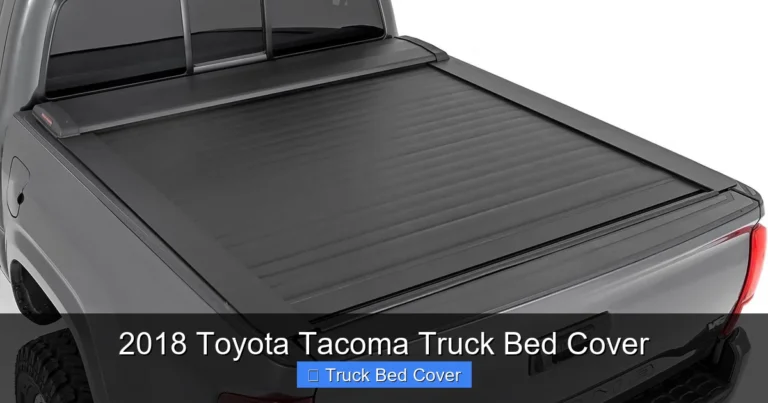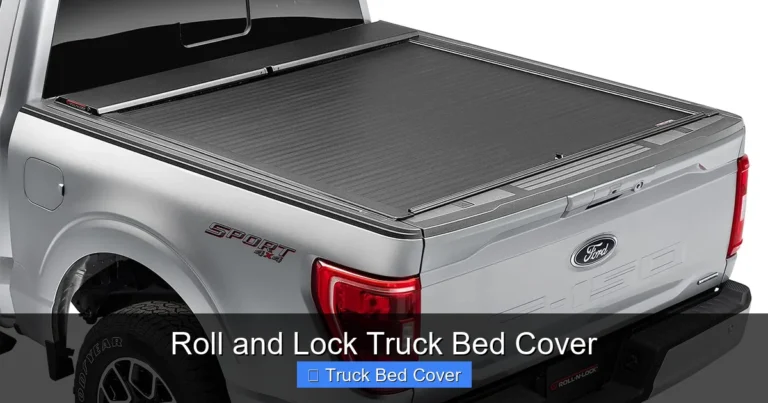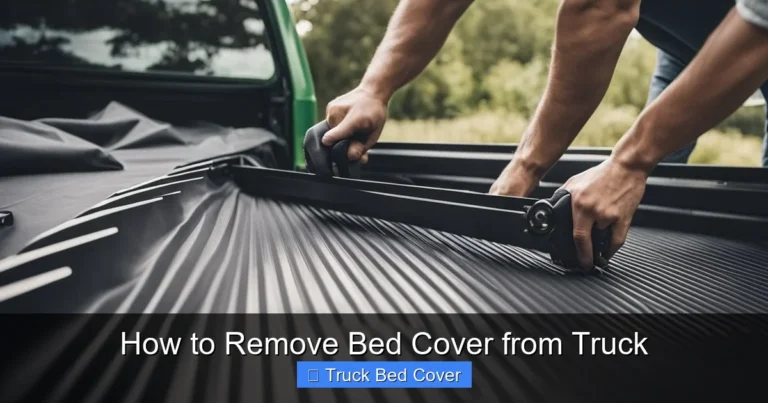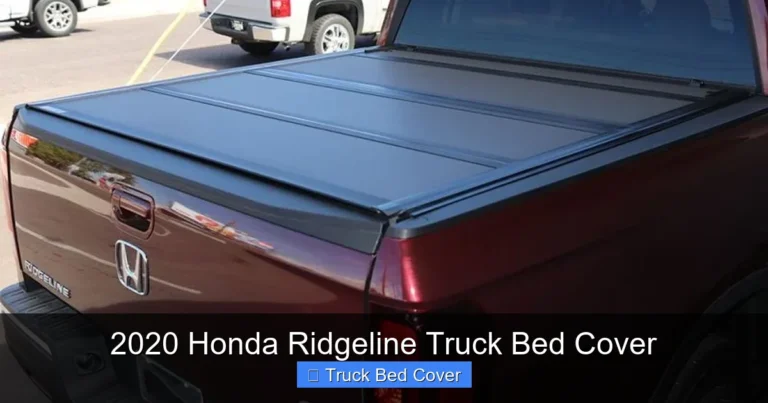
Truck Bed Cover Repair Patch Kit
Don’t let a damaged truck bed cover ruin your hauling game. A truck bed cover repair patch kit gives you a quick, cost-effective way to fix tears, punctures, and wear without replacing the whole cover. Whether you’re dealing with weather damage or everyday wear, these kits help restore your cover’s strength and appearance—saving time and money while keeping your truck protected.
Have you ever been loading gear into your truck bed when you noticed a tear in your tonneau cover? Or maybe it’s that annoying drip during light rain because the seal isn’t holding like it used to? You’re not alone. Truck bed covers take a beating—from sharp cargo edges to harsh sun exposure and heavy winds. Over time, even the toughest materials can develop cracks, punctures, or worn seams. That’s where a truck bed cover repair patch kit comes in. It’s like a first-aid solution for your cover, giving you the power to fix common issues quickly and effectively—without spending hundreds on a full replacement.
Whether you drive a Ford F-150, a Ram 1500, or a Toyota Tacoma, your truck bed cover is one of the most important accessories for protecting your cargo. But when damage strikes, panic isn’t necessary. With the right repair kit and a little know-how, you can restore your cover’s function and appearance in no time. In this guide, we’ll walk you through everything you need to know about truck bed cover repair patch kits—from what they are and how they work to step-by-step repair tips and maintenance advice. Let’s get started.
Key Takeaways
- Quick Fixes: Most truck bed cover repair patch kits allow you to seal minor damages in under 30 minutes, getting you back on the road fast.
- Cost-Effective: Repairing with a patch kit is far cheaper than buying a new tonneau cover, often saving up to 70% of replacement costs.
- Versatile Application: These kits work on vinyl, canvas, fiberglass, and hard folding covers—great for all popular truck bed styles.
- Weather Resistant: Quality patches bond securely and resist water, UV rays, and temperature changes, extending your cover’s life.
- DIY-Friendly: No special tools needed—just clean the area, apply adhesive, and press the patch. Perfect for beginners and pros alike.
- Maintains Warranty: Some manufacturers approve repairs with approved kits, helping preserve your original cover warranty.
- Prevents Further Damage: Prompt patching stops small tears from spreading, protecting the entire structure of your bed cover.
Quick Answers to Common Questions
Can I use any glue instead of a repair patch kit?
No—regular household adhesives won’t hold up to weather, UV rays, or truck vibrations. Only use products designed specifically for truck bed covers to ensure a lasting, waterproof seal.
How long does a patched repair last?
With proper application, most patches last 1–2 years or more. High-quality kits with UV-resistant materials can endure even harsher conditions.
Will the patch change the look of my cover?
If you choose a kit with color-matching patches and follow application guidelines, repairs should blend in seamlessly. Always test on a hidden area first.
Can I patch a wet cover?
Never apply a patch to a wet surface. Moisture prevents proper adhesion and can lead to peeling. Dry the area completely before repairing.
Do I need special tools for applying the patch?
Most kits require only basic items like a cloth and scissors. Some include rollers or scrapers, but your hands often work just fine for pressing the patch down.
📑 Table of Contents
- What Is a Truck Bed Cover Repair Patch Kit?
- Why Choose a Repair Patch Kit Over Replacement?
- How to Use a Truck Bed Cover Repair Patch Kit: Step-by-Step Guide
- Choosing the Right Truck Bed Cover Repair Patch Kit
- Preventative Maintenance Tips
- When to Call a Professional
- Real-Life Examples: How Patch Kits Save the Day
- Conclusion
What Is a Truck Bed Cover Repair Patch Kit?
A truck bed cover repair patch kit is a specially designed set of materials used to mend tears, holes, or weakened areas on your truck’s tonneau cover or roll-up bed cover. These kits typically include a patch material (often made from reinforced vinyl or polyester), strong adhesive, and sometimes a roller or scraper tool for smoothing the application.
The goal is simple: stop leaks, prevent further damage, and maintain the structural integrity of your cover. Unlike temporary fixes like duct tape—which may look messy and fail in bad weather—these kits use industrial-grade adhesives and durable materials that bond tightly to your existing cover surface. They’re engineered to match the texture, flexibility, and color of your cover as closely as possible, so repairs blend in seamlessly.
Most kits come in compact, easy-to-store packaging, making them ideal for roadside emergencies or garage storage. And because they’re designed specifically for truck bed covers, you don’t have to guess which product will work—you already know it’s compatible.
Common Types of Truck Bed Covers
Not all bed covers are created equal. The type of cover you have determines the kind of repair kit you’ll need:
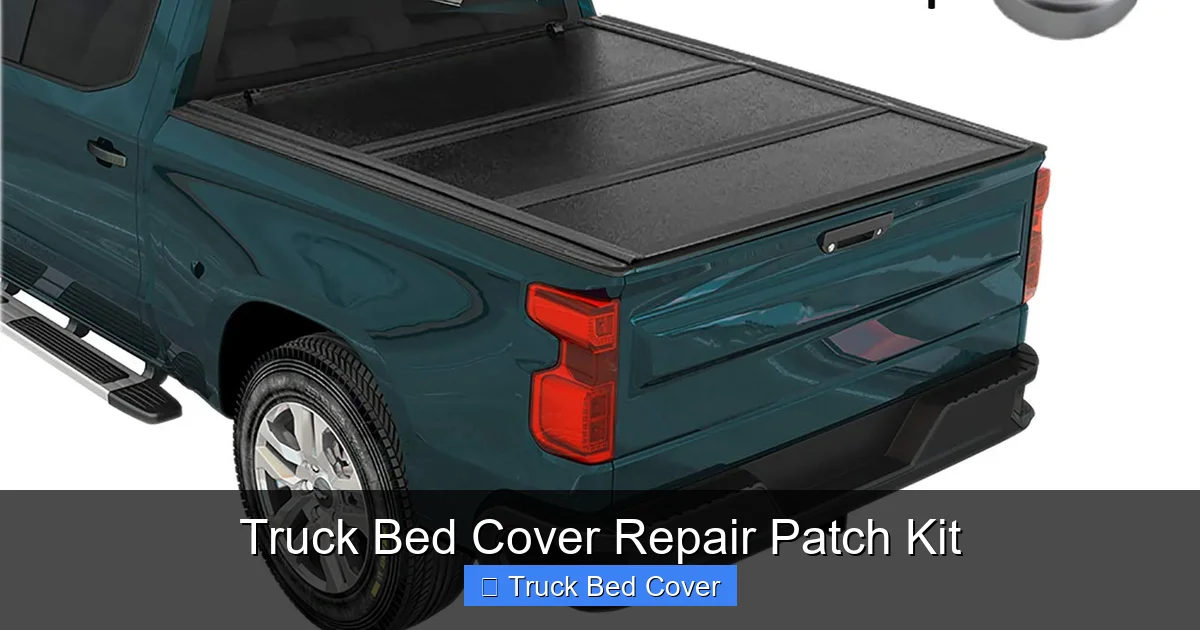
- Hard Tri-Fold Covers: Made from solid panels, these offer maximum security but can suffer from panel cracks or seam splits.
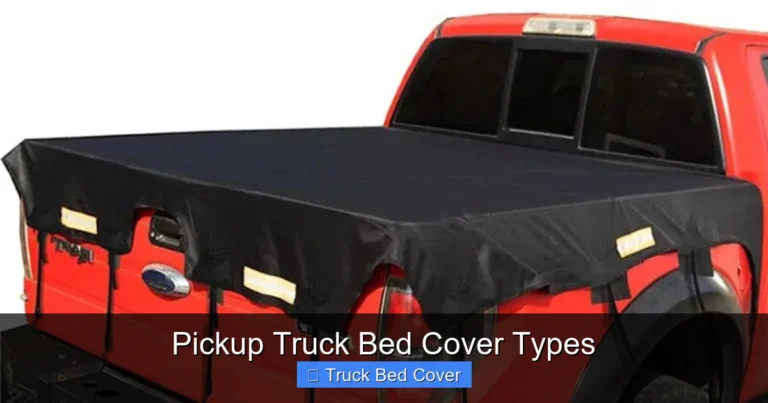
- Roll-Up Vinyl Covers: Flexible and easy to use, but vulnerable to punctures and UV degradation over time.
- Fiberglass Hard Covers: Lightweight and stylish, but prone to chipping or cracking under stress.
- Soft Folding Canvas Covers: Great for aesthetics, yet susceptible to tearing and mold if exposed to moisture.
Each type benefits from a tailored repair approach. That’s why many truck bed cover repair patch kits are formulated for specific materials—so always check compatibility before purchasing.
Why Choose a Repair Patch Kit Over Replacement?
Visual guide about Truck Bed Cover Repair Patch Kit
Image source: m.media-amazon.com
You might be wondering: “Shouldn’t I just buy a new cover instead of patching an old one?” Great question. While replacing a cover can feel like the safer long-term option, it’s not always the best choice. Here’s why a truck bed cover repair patch kit is often the smarter move:
- Cost Savings: A quality patch kit costs between $20 and $60, while new covers start at $300–$800. That’s a savings of hundreds of dollars.
- Time Efficiency: Replacing a cover can take hours—especially if you’re doing it yourself. A patch repair takes 20–40 minutes.
- Preserves Original Fit and Function: Your original cover was custom-fitted to your truck model. A repair keeps that perfect alignment intact.
- Eco-Friendly Option: Extending the life of your current cover reduces waste and supports sustainable practices.
- Immediate Results: Once applied correctly, a patch creates a waterproof, UV-resistant seal that lasts months—even years.
Of course, there are times when replacement is unavoidable—like when the cover is severely warped, rusted, or missing large sections. But for minor to moderate damage, a patch kit is the hero you didn’t know you needed.
How to Use a Truck Bed Cover Repair Patch Kit: Step-by-Step Guide
Ready to tackle that tear yourself? Follow these simple steps to get professional-quality results:
Step 1: Gather Your Tools
Before you begin, make sure you have:
- Your truck bed cover repair patch kit
- A clean cloth or sponge
- Rubbing alcohol or mild soap (for cleaning)
- Sandpaper (fine-grit, optional)
- A hairdryer or heat gun (for soft covers)
Step 2: Inspect and Clean the Area
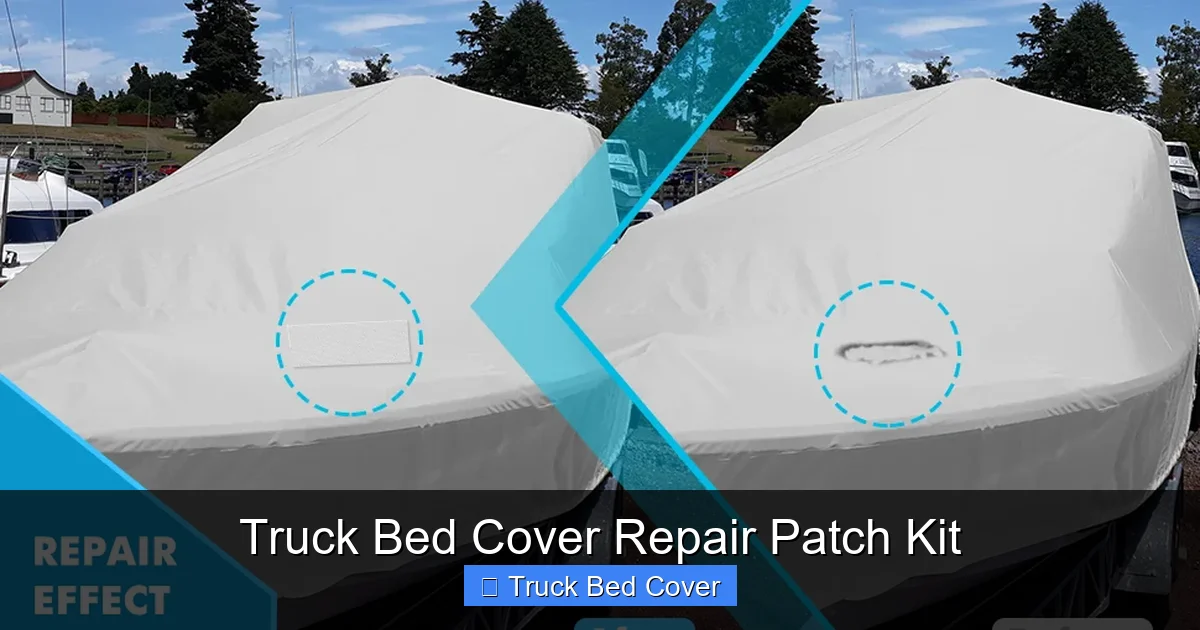
Find the damaged spot and clean it thoroughly. Remove dirt, grease, or loose fibers with a damp cloth and rubbing alcohol. Let it dry completely. If the area feels rough, lightly sand it with fine-grit sandpaper—this helps the adhesive bond better.
Step 3: Cut the Patch
Using the included template or scissors, cut the patch material slightly larger than the damaged area—about ½ inch beyond the edge. This ensures full coverage once pressed down.
Step 4: Apply Adhesive
Shake the adhesive well, then apply a thin, even layer to both the damaged area and the backside of the patch. Avoid over-saturating; too much glue can weaken the bond.
Step 5: Press and Seal
Carefully place the patch over the tear and press firmly outward from the center. Use a roller or your fingers to smooth out air bubbles and ensure full contact. For vinyl or canvas covers, apply gentle heat with a hairdryer to help the material conform.
Step 6: Cure Time
Allow the adhesive to cure according to instructions—usually 24 hours for full strength. Avoid driving or exposing the area to rain during this time.
Pro Tip: Always test your kit on a small, hidden area first to confirm color match and adhesion quality.
Choosing the Right Truck Bed Cover Repair Patch Kit
With dozens of options on the market, picking the wrong kit could lead to poor performance or wasted money. Here’s how to choose wisely:
Match Material Type
Ensure the kit is compatible with your cover’s material. For example:
- Vinyl covers need vinyl-specific adhesives and patches.
- Canvas requires breathable, mold-resistant formulas.
- Hard covers may need specialized epoxy-based kits.
Check Durability Claims
Look for kits that promise:
- Waterproof sealing
- UV resistance
- Temperature tolerance (e.g., works in -20°F to 180°F)
- At least 1–2 years of expected lifespan
Read Customer Reviews
Pay attention to real-world feedback. Are users reporting lasting repairs? Do patches peel after a few months? Kits with 4+ stars and hundreds of reviews are usually reliable.
Consider Brand Reputation
Stick with trusted brands like TruXedo, UnderCover, or TonnoPro. These companies specialize in truck accessories and understand the unique demands of bed covers.
Look for Included Tools
Some kits come with helpful extras like:
- Application rollers
- Precision cutters
- Color-matched patches
- Instruction manuals with visuals
Bonus: Many kits now offer truck bed cover repair patch kits with extended warranties—adding peace of mind to your purchase.
Preventative Maintenance Tips
Even the best truck bed cover repair patch kit can’t undo neglect. To avoid future damage, follow these maintenance habits:
Regular Cleaning
Wash your cover every 2–3 months with mild soap and water. Avoid harsh chemicals that can degrade vinyl or canvas.
Inspect Monthly
Check for signs of wear: cracks, loose seams, discoloration, or soft spots. Catching issues early means smaller, easier repairs.
Use Protective Accessories
Install bed mats or cargo dividers to reduce friction against your cover. This minimizes wear from shifting items.
Avoid Sharp Objects
Always load and unload tools or equipment carefully. A misplaced wrench or box corner can cause instant damage.
Store Properly When Not in Use
If you remove your cover seasonally, store it flat in a cool, dry place—not folded tightly or exposed to direct sunlight.
By investing a few minutes each month in care and inspection, you’ll dramatically extend your cover’s life—and reduce the need for frequent repairs.
When to Call a Professional
While DIY repairs are satisfying and effective, some situations call for expert help:
- Large Tears: If the damage covers more than 4 square inches, a professional may achieve a stronger, longer-lasting fix.
- Structural Damage: Cracks in hard cover panels or bent frames require specialized tools and expertise.
- Warranty Concerns: If your cover is still under warranty, unauthorized repairs could void it. Check with the manufacturer first.
- Persistent Leaks: If water still seeps through after two attempts, the issue might be deeper than surface damage.
In these cases, consult a certified truck accessory installer. They can assess the damage and recommend whether repair or replacement is best.
Real-Life Examples: How Patch Kits Save the Day
Let’s look at a few scenarios where a truck bed cover repair patch kit proved invaluable:
Case 1: The Hunting Trip Disaster
Mike loaded his deer harvest into his pickup bed using a winch cable. The sharp hook nicked a small hole in his roll-up cover. Instead of rushing to the dealer, he used a vinyl patch kit. Within 30 minutes, the hole was sealed, and his gear stayed dry all weekend.
Case 2: Winter Weather Woes
Sarah’s fiberglass cover developed a crack after freezing temperatures expanded the material overnight. She applied an epoxy-based patch kit recommended for fiberglass. The repair held through snow, sleet, and sub-zero temps for over a year.
Case 3: Road Debris Strike
During a gravel road trip, Jake’s cover got hit by flying rocks. Two small punctures appeared. Using a multi-surface patch kit, he fixed both within an hour. The kit matched his black finish perfectly, and no one noticed the repair—even after months of use.
These stories show how versatile and effective modern truck bed cover repair patch kits truly are.
Conclusion
Your truck bed cover isn’t just a convenience—it’s a critical part of protecting your cargo, maintaining fuel efficiency, and preserving your truck’s resale value. When damage occurs, reaching for a truck bed cover repair patch kit is often the smartest, fastest, and most affordable solution available. With the right kit and a bit of patience, you can turn a frustrating problem into a quick win.
Remember: prevention is key. Regular cleaning, careful loading, and monthly inspections go a long way. But when the unexpected happens—whether it’s a hunting trip mishap or a winter freeze—having a reliable patch kit on hand makes all the difference.
So next time you see a small tear or leak, don’t panic. Grab your kit, follow the steps, and get back to confident, covered hauling. Your truck (and wallet) will thank you.
Frequently Asked Questions
Are truck bed cover repair patch kits waterproof?
Yes, reputable kits are designed to create a waterproof seal. Look for products labeled “waterproof” or “weatherproof” and follow curing instructions carefully to ensure maximum effectiveness.
How do I know which size patch to use?
Cut the patch slightly larger than the damaged area—about ½ inch beyond the edge. This ensures full coverage and prevents water from seeping underneath the patch.
Can I patch multiple areas at once?
Yes, but apply each patch separately and allow each adhesive to cure fully before moving on. Rushing can weaken the overall repair.
Is it safe to drive immediately after patching?
Wait at least 24 hours for the adhesive to fully cure. Driving too soon risks damaging the patch or causing it to peel off.
Will patching void my truck’s warranty?
It depends on the manufacturer. Some approve certain repair methods, while others require factory service. Check your warranty terms or contact the brand before repairing.
Can I use a patch kit on a soft top bed cover?
Yes, but only if the kit is specifically designed for soft materials like vinyl or canvas. Hard covers require different adhesives and techniques.