Pickup Truck Bed Cover Types
Choosing the right pickup truck bed cover types can transform how you use your truck. Whether you’re hauling gear, protecting cargo, or improving fuel efficiency, there’s a cover that fits your needs. From sleek hard covers to versatile soft options, this guide breaks down every type so you can make an informed decision.
Key Takeaways
- Soft covers are affordable and easy to install but offer less security and durability compared to hard options.
- Hard covers provide excellent security and weather resistance, making them ideal for daily drivers and long-haul users.
- Retractable covers allow full access to the bed while maintaining protection when rolled back—perfect for mixed-use trucks.
- Folding covers are great for partial bed access and are often used in work environments where versatility is key.
- Tonneau covers come in both soft and hard variants and are known for their streamlined look and improved aerodynamics.
- Custom-fit vs. universal covers matter—custom fits ensure better sealing and performance.
- Maintenance and installation tips can extend the life of any cover and improve functionality.
[FEATURED_IMAGE_PLACEHOLDER]
When it comes to pickup trucks, the bed cover is more than just a cosmetic upgrade—it’s a functional necessity. Whether you’re using your truck for work, recreation, or daily commuting, a bed cover protects your cargo from theft, weather, and damage. With so many pickup truck bed cover types available, choosing the right one can feel overwhelming. But don’t worry—this guide walks you through everything you need to know, from materials and installation to pros and cons of each type.
The right cover can enhance your truck’s fuel efficiency by reducing drag, improve its appearance with a clean, finished look, and even increase resale value. Plus, modern designs are sleeker and more durable than ever before. So whether you’re a weekend warrior hauling kayaks or a contractor loading tools every day, understanding your options is key to getting the most out of your vehicle.
In this article, we’ll explore the five main categories of bed covers: soft, hard, retractable, folding, and tonneau styles. We’ll break down what makes each one unique, discuss installation tips, compare costs, and help you decide which type best suits your lifestyle and budget. By the end, you’ll be confident in your choice and ready to hit the road with peace of mind.
Key Takeaways
- Understanding pickup truck bed cover types: Provides essential knowledge
Quick Answers to Common Questions
Which bed cover is best for preventing theft?
Hard and retractable bed covers offer the highest level of security due to their lockable, tamper-resistant designs. They make it much harder for thieves to access the bed compared to soft or folding covers.
Can I install a bed cover myself?
Yes, most soft and folding covers can be installed in under an hour with basic tools. Hard and retractable covers may require drilling and are often easier with professional help.
Do bed covers improve gas mileage?
Yes, streamlined covers reduce wind resistance, potentially improving fuel economy by 5–10%, especially at highway speeds.
Are soft covers waterproof?
They resist light rain but aren’t fully waterproof. Heavy rain can seep in around the edges unless the cover has a tight seal and is properly installed.
Can I use a bed cover with a bed liner?
Yes, most modern covers are compatible with spray-in or drop-in bed liners. Just ensure the liner doesn’t interfere with the cover’s mounting system.
📑 Table of Contents
- 1. Soft Bed Covers: Flexible and Affordable Protection
- 2. Hard Bed Covers: Durability Meets Security
- 3. Retractable Bed Covers: The Best of Both Worlds
- 4. Folding Bed Covers: Versatility for Work Trucks
- 5. Tonneau Covers: Sleek Style Meets Function
- Installation Tips for All Bed Covers
- Final Thoughts: Finding Your Perfect Fit
1. Soft Bed Covers: Flexible and Affordable Protection
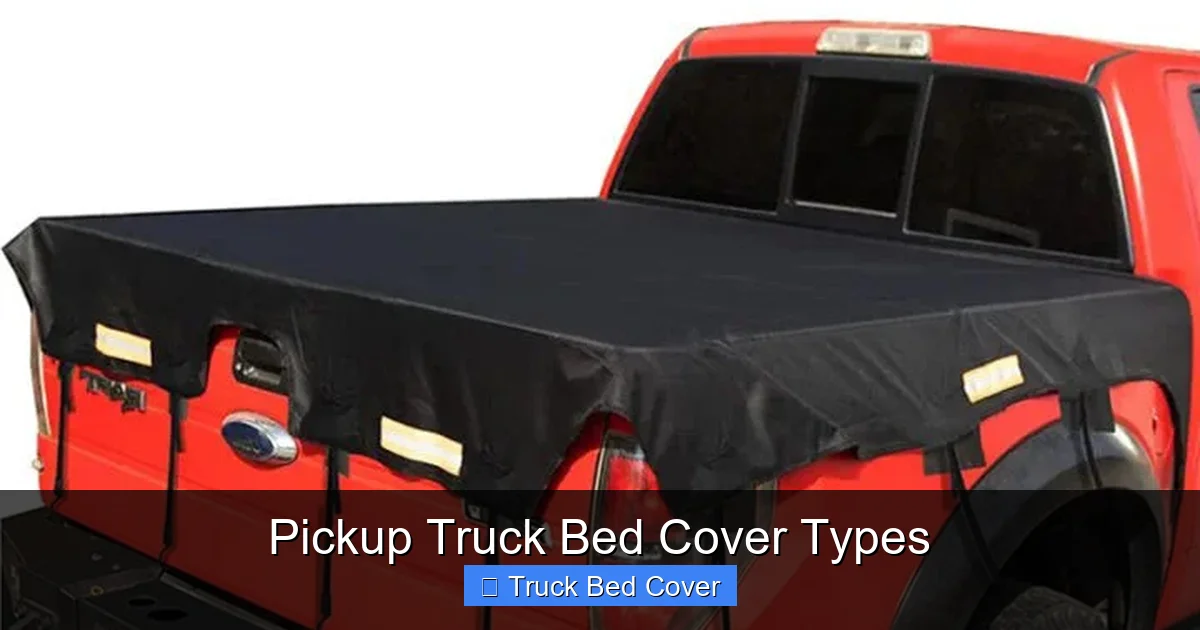
Soft bed covers are the most popular choice among truck owners due to their affordability and ease of use. Made from durable vinyl or canvas material stretched over a frame, these covers sit flush across the truck bed and latch at the cab or tailgate. They’re lightweight, easy to remove, and require minimal maintenance—making them ideal for casual users and those on a budget.
One of the biggest advantages of soft covers is their flexibility. You can quickly fold them back for full bed access without removing them entirely. This is especially useful when you need to carry large items like lumber or furniture. Many models also feature dual-latch systems or Velcro seals to keep water out during light rain.
However, soft covers aren’t without drawbacks. Since they’re not rigid, they offer less protection against break-ins. Thieves can easily cut or roll them back to access the bed. Additionally, prolonged exposure to UV rays can cause fading or cracking over time. That said, high-quality brands use reinforced fabrics and UV-resistant coatings to minimize these issues.
Popular brands like TruXedo, Undercover, and BAK Mileage models offer reliable soft options with added features such as lockable tailgates and integrated toolboxes. When shopping, look for covers with reinforced corners, secure latches, and weather-tight seals. Installation typically takes under an hour and requires no drilling—just unroll, secure the rails, and zip up.
Pros and Cons of Soft Covers
- Pros: Low cost, easy to install and remove, good for occasional use
- Cons: Less secure, prone to UV damage, limited structural support
If you drive a smaller truck like a Ford Ranger or Toyota Tacoma and don’t need heavy-duty protection, a soft cover might be your best bet. Just remember to store it indoors or cover it when parked for extended periods to preserve its lifespan.
2. Hard Bed Covers: Durability Meets Security
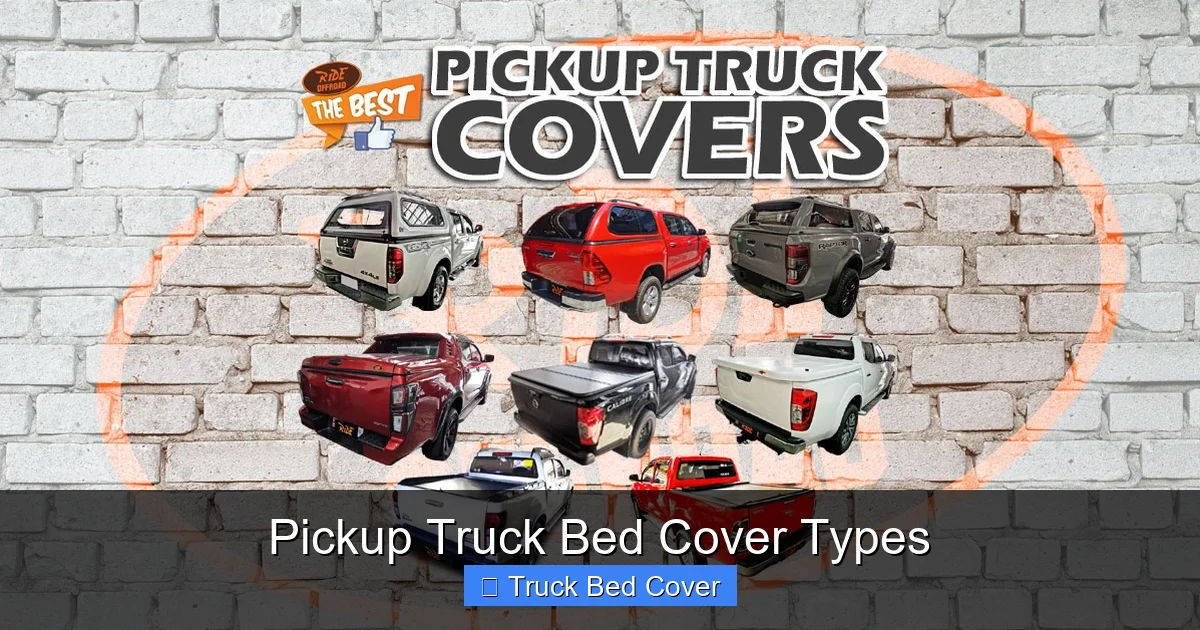
Visual guide about Pickup Truck Bed Cover Types
Image source: campershells.com.ph
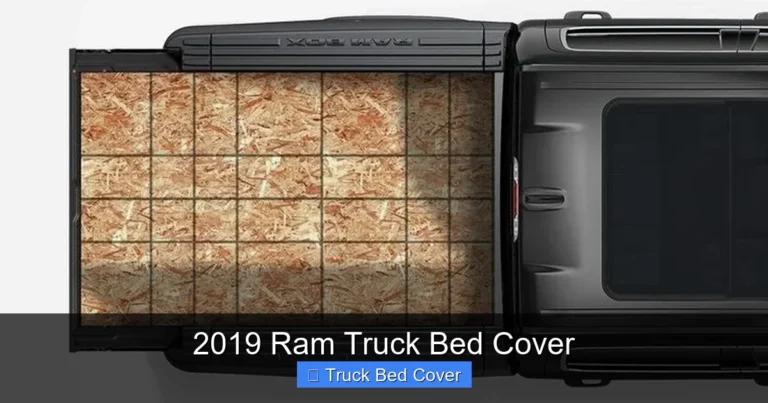
For truck owners who prioritize security, weather resistance, and a polished look, hard bed covers are the gold standard. These solid panels—typically made from fiberglass, aluminum, or composite materials—sit directly over the bed without stretching or sagging. They’re mounted on hinges or bolted securely, offering a tamper-proof barrier.
One of the standout benefits of hard covers is their ability to protect against theft. Because they’re difficult to pry open or cut through, they deter opportunistic thieves. Many models also include lockable latches and reinforced edges for added security. In terms of weather protection, hard covers seal tightly along the bed rails, keeping rain, snow, and debris out completely.
Hard covers also improve your truck’s aerodynamics. Their smooth surface reduces wind resistance, which can boost fuel economy by up to 10%. This makes them a smart investment for daily commuters and long-distance drivers alike. Plus, their sleek design gives your truck a more aggressive, customized appearance.
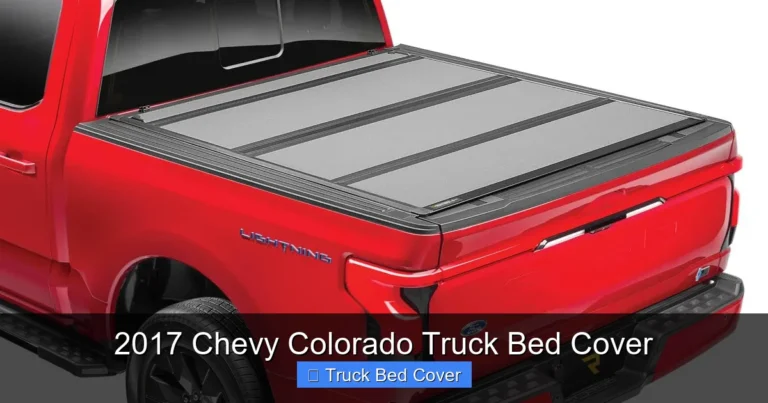
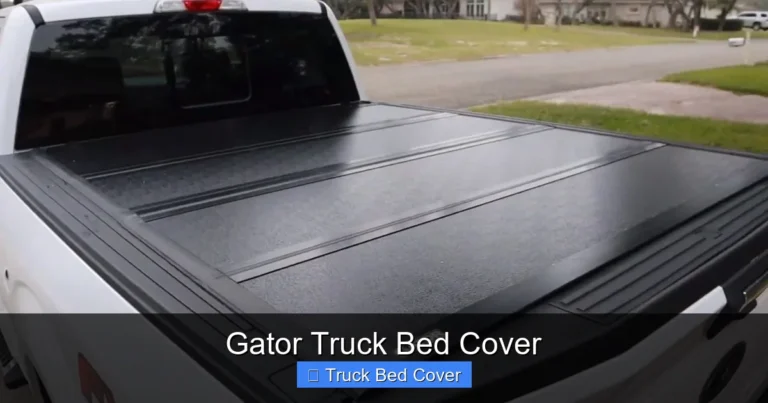
There are two main types of hard covers: tri-fold and one-piece. Tri-fold covers are made of three hinged panels that fold forward, allowing access to the front portion of the bed. One-piece covers, often called “lid” styles, lift up or slide open for full bed access. Both are sturdy and perform well in extreme conditions.
Installation and Maintenance Tips
Installing a hard cover usually requires drilling into the bed rails, so professional installation is recommended. Once installed, regular cleaning with mild soap and water keeps the surface looking new. Avoid harsh chemicals that could damage the finish. Also, check the rubber seals periodically to ensure they remain flexible and watertight.
Top Hard Cover Brands
- BAKFlip MX4: Known for its tough aluminum construction and excellent UV resistance
- Undercover Elite: Offers a premium fiberglass design with a glossy finish
- Leer: A luxury option with custom-molded shells and built-in lighting
While hard covers are more expensive than soft ones—ranging from $500 to $1,500—they’re built to last for years with proper care. If you value security, style, and performance, this is the way to go.
3. Retractable Bed Covers: The Best of Both Worlds
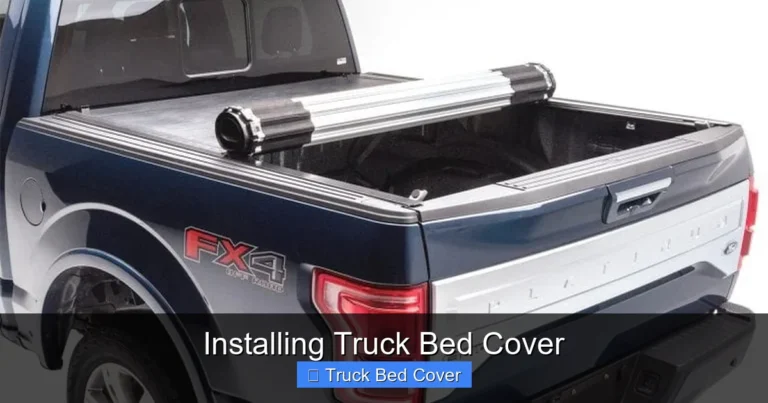
Retractable bed covers combine the convenience of full bed access with the security of a hard cover. These systems roll smoothly along steel tracks mounted inside the bed rail, allowing you to pull back the fabric or composite panel as needed. When fully retracted, the cover sits neatly in the cab area, leaving the entire bed open. When closed, it locks into place for complete protection.
What makes retractable covers special is their seamless operation. No folding or lifting required—just a simple handle or motorized system (on higher-end models) to extend or retract the cover. This is ideal for people who frequently switch between transporting gear and protecting cargo.
These covers are also highly customizable. Some models feature dual-sided opening, allowing access from either side of the truck. Others include built-in LED lights, toolboxes, or even solar charging panels. Premium versions like the Pace Edwards Switchblade or Retrax PRO XR offer remote control operation via smartphone app.
Retractable covers are generally more expensive than other types—often costing between $1,200 and $2,500—but their convenience and durability justify the price for many users. They’re especially popular among contractors, hunters, and outdoor enthusiasts who need reliable protection without sacrificing accessibility.
Key Features to Look For
- Smooth retraction mechanism: Should glide effortlessly without jamming
- Weather sealing: Ensure tight seals at the cab and tailgate
- Locking system: Prevents unauthorized access when closed
- Motorized vs. manual: Motorized offers ease of use; manual is more affordable
Keep in mind that retractable covers add weight to your truck, which can slightly affect payload capacity. Always check your truck’s GVWR (Gross Vehicle Weight Rating) before purchasing.
4. Folding Bed Covers: Versatility for Work Trucks
Folding bed covers, also known as tri-fold or multi-panel covers, are designed for maximum versatility. Made from durable vinyl or aluminum slats, they consist of several connected sections that fold forward in thirds or halves. This allows you to access the front or center of the bed while still covering the rear, which is perfect for loading long items like pipes, ladders, or furniture.
These covers strike a balance between protection and accessibility. Unlike soft covers, they’re harder to breach; unlike hard lids, they don’t require full removal. Many models feature a central locking system that secures all panels together, adding an extra layer of security.
Folding covers are especially popular among fleet operators, landscapers, and contractors who need consistent access to their tools and equipment. They’re also great for farmers transporting hay or feed, as the open front lets you drop items directly into the bed.
Installation is straightforward—most attach to existing bed rails with clamps or bolts—and they’re compatible with most truck models. Maintenance is minimal: wipe down the surface regularly and inspect the hinges for wear.
Best Uses for Folding Covers
- Work sites requiring frequent tool access
- Hauling irregularly shaped loads
- Trucks used for both personal and commercial purposes
Brands like Tonno Pro, DiamondBack, and Extang Solid Fold offer reliable folding systems with reinforced frames and UV-treated fabrics. Prices range from $600 to $1,300, depending on material and features.
While not as aerodynamic as one-piece hard covers, folding designs still improve fuel efficiency compared to open beds. And because they’re lighter than retractables, they’re easier on your truck’s suspension.
5. Tonneau Covers: Sleek Style Meets Function
The term “tonneau cover” actually refers to a broad category of bed covers, but it’s commonly associated with low-profile, streamlined designs that hug the bed rails. Originally developed in Europe, tonneau covers have become a favorite among American truck owners for their aesthetic appeal and functional benefits.
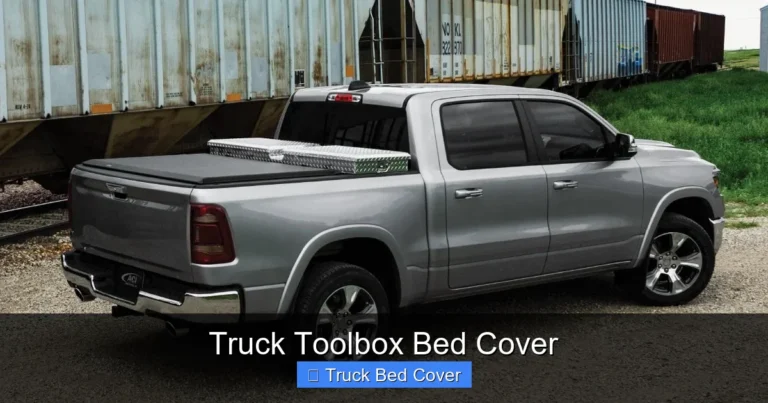
Most tonneau covers fall into one of four subcategories: soft roll-up, hard tri-fold, hard one-piece, or retractable. Each offers a distinct look and set of features. For example, a soft roll-up tonneau (like the TruXedo TruXport) provides quick access and a clean edge along the bed sides, while a hard one-piece model (such as the BAKFlip Fulltail) delivers a flush, factory-like appearance.
One of the biggest advantages of tonneau covers is their ability to improve your truck’s profile. They eliminate the bulky look of traditional soft covers and create a more aerodynamic shape. This not only looks great but also enhances fuel economy.
Many tonneau-style covers include additional features like built-in toolboxes, LED lighting, or compatibility with bed liners. Some even integrate with aftermarket accessories like ladder racks or cargo management systems.
Choosing the Right Tonneau Style
- Roll-up: Best for occasional use and easy access
- Tri-fold: Ideal for mixed-use trucks needing partial bed access
- One-piece: Offers the most premium look and full-bed coverage
- Retractable: Top-tier convenience and protection, but higher cost
When selecting a tonneau cover, consider your truck’s bed length, rail type (step-side vs. standard), and intended use. Custom-fit models ensure a perfect seal and optimal performance.
Installation Tips for All Bed Covers
No matter which type you choose, proper installation is crucial for performance and longevity. Here are some general tips:
– Read the manufacturer’s instructions carefully—every model has specific requirements.
– Use the provided hardware and avoid over-tightening screws, which can warp metal or crack plastic.
– Test the cover multiple times before relying on it for real-world use.
– Keep tools and manuals handy for future adjustments or replacements.
For hard and retractable covers, consider professional installation if you’re not comfortable drilling into your truck bed. Many dealerships and aftermarket shops offer this service for around $100–$200.
Regular maintenance includes:
– Wiping down surfaces monthly
– Lubricating moving parts (like hinges or rollers)
– Inspecting seals and latches for wear
– Cleaning off dirt and salt in winter months
With proper care, most bed covers last 5–10 years or more. Store soft covers indoors when possible, and park in shaded areas to reduce UV exposure.
Final Thoughts: Finding Your Perfect Fit
Selecting the right pickup truck bed cover types isn’t about picking the most expensive or flashiest option—it’s about matching your cover to your lifestyle. Do you need quick access for weekend trips? A soft roll-up might suffice. Are you hauling valuable tools daily? Invest in a secure hard or retractable cover.
Think about how often you use the bed, what you carry, and where you drive. If you live in a rainy climate, prioritize waterproofing. If you’re concerned about theft, look for lockable systems. And if fuel efficiency matters, choose a sleek, aerodynamic design.
Remember, a good bed cover does more than protect your cargo—it protects your investment, improves your driving experience, and adds personality to your truck. Take your time, compare options, and don’t hesitate to ask for recommendations from fellow truck owners or professionals.
No matter which path you choose, one thing is certain: with the right bed cover, your pickup will be ready for anything the road throws at you.
Frequently Asked Questions
What is the difference between a tonneau cover and a bed cover?
A tonneau cover is a specific style of bed cover characterized by its low-profile, sleek design that follows the contour of the truck bed. While all tonneau covers are bed covers, not all bed covers are tonneau styles.
How do I choose between a soft and hard bed cover?
Choose soft covers for budget-friendly, lightweight protection and easy access. Opt for hard covers if you prioritize security, weather resistance, and a polished look.
Are retractable bed covers worth the extra cost?
Yes, if you frequently switch between full bed access and full coverage. Their smooth operation and durability justify the higher price for many users.
Can I leave my bed cover on in snowy conditions?
Yes, most quality covers handle snow and ice well. Just avoid prying snow off the cover to prevent damage to the material or seals.
Do bed covers affect truck bed functionality?
Not significantly. They may reduce payload slightly due to added weight, but they enhance protection and usability without compromising core functions.
How long do bed covers last?
With proper care, high-quality bed covers last 5–10 years. Soft covers may fade or crack sooner, while hard and retractable models often outlast the truck itself.