Rugged Truck Bed Cover
Upgrade your truck’s functionality with a rugged truck bed cover. These covers shield your cargo from rain, wind, and theft while adding a sleek look to your vehicle. Whether you’re hauling gear, tools, or groceries, the right cover keeps things safe and secure.
If you own a pickup truck, chances are you use that open bed for everything—from moving furniture to carrying sports equipment, tools, or even groceries. But an uncovered bed exposes your cargo to the elements: rain can ruin sensitive items, dust and debris can scatter, and thieves might spot easy targets. That’s where a rugged truck bed cover comes in. It’s more than just a sheet of plastic or metal—it’s a protective, stylish, and practical upgrade that transforms how you use your truck.
Whether you’re a weekend warrior, a tradesperson, or someone who simply values their possessions, investing in a high-quality bed cover makes sense. In this guide, we’ll walk through everything you need to know about rugged truck bed covers—what they are, why they matter, how to choose the right one, and how to maintain it for years of reliable service.
Key Takeaways
- Durable Materials: Rugged truck bed covers are made from tough materials like aluminum, fiberglass, or heavy-duty vinyl to withstand harsh conditions.
- Weather Protection: They block rain, snow, dirt, and UV rays, keeping your cargo dry and damage-free.
- Theft Deterrence: Lockable designs and concealed hardware reduce the risk of unauthorized access to your belongings.
- Enhanced Fuel Efficiency: Aero-dynamic designs reduce drag, improving gas mileage by minimizing wind resistance.
- Easy Installation: Most models feature clamp-on or bolt-in systems that require no drilling or complex tools.
- Style & Customization: Available in low-profile, tri-fold, retractable, and custom-fit styles to match your truck’s look.
- Maintenance-Free Care: Regular cleaning and occasional lubrication keep your cover performing well over time.
Quick Answers to Common Questions
What’s the difference between a soft and hard truck bed cover?
Soft covers are made of fabric or vinyl and roll or fold for access, offering lighter weight and lower cost. Hard covers use rigid materials like aluminum or fiberglass, providing superior security, weather resistance, and a sleek appearance.
Can a truck bed cover improve fuel economy?
Yes! A streamlined cover reduces aerodynamic drag by smoothing airflow over the open bed, which can improve fuel efficiency by up to 10% at highway speeds.
Are rugged truck bed covers worth the money?
Absolutely. They protect cargo from weather and theft, increase fuel economy, enhance resale value, and add a polished look to your truck. For frequent users, the investment pays off quickly.
How do I install a truck bed cover myself?
Most covers use clamp-on or bolt-in systems requiring basic tools. Clean the bed, align the cover, tighten fasteners gradually, and test for leaks. Refer to the manufacturer’s instructions for model-specific steps.
How often should I clean my truck bed cover?
Wash weekly with mild soap and water. Rinse thoroughly and lubricate moving parts every few months. Regular cleaning prevents buildup and extends the cover’s lifespan.
📑 Table of Contents
What Is a Rugged Truck Bed Cover?
At its core, a rugged truck bed cover is a protective lid installed over the open area of a pickup truck’s bed. Designed to fit snugly, these covers shield contents from rain, snow, dirt, sun exposure, and potential theft. Unlike simple tarps or blankets, modern bed covers are engineered for durability, weather resistance, and ease of use.
The term “rugged” refers not just to physical strength but also to performance in extreme conditions. These covers are built to handle rough handling, high winds, heavy loads, and constant exposure to sunlight without cracking, fading, or warping. Materials like aluminum, fiberglass, polycarbonate, and reinforced vinyl are common in rugged models, offering long-term value over cheaper alternatives.
There are several types of rugged truck bed covers available, each with unique features:
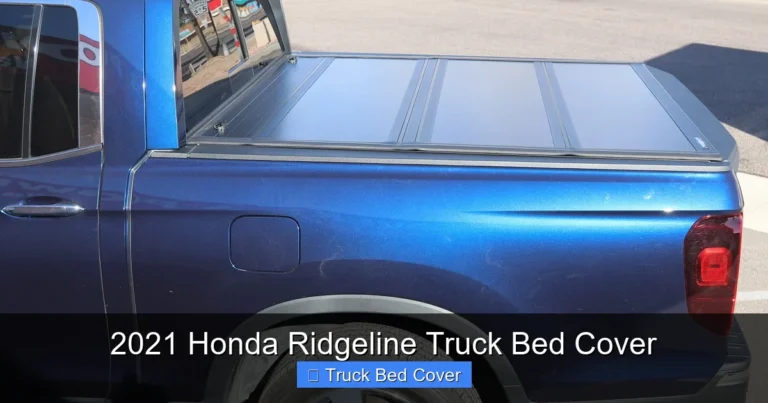
– Tri-fold covers: Fold into three sections for partial access.
– Roll-up covers: Unroll like a roll of carpet for full bed access.
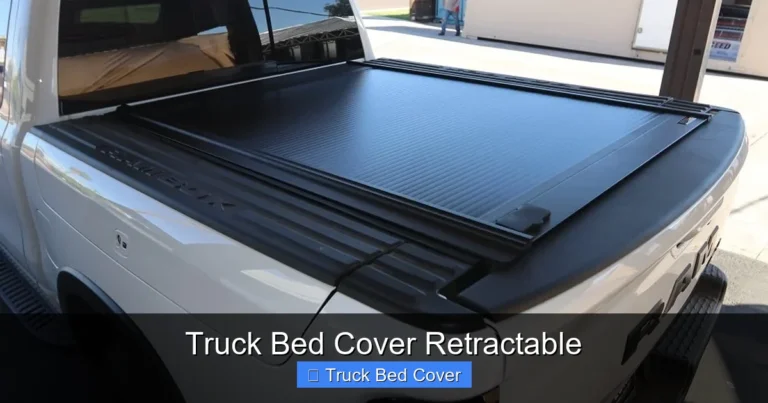
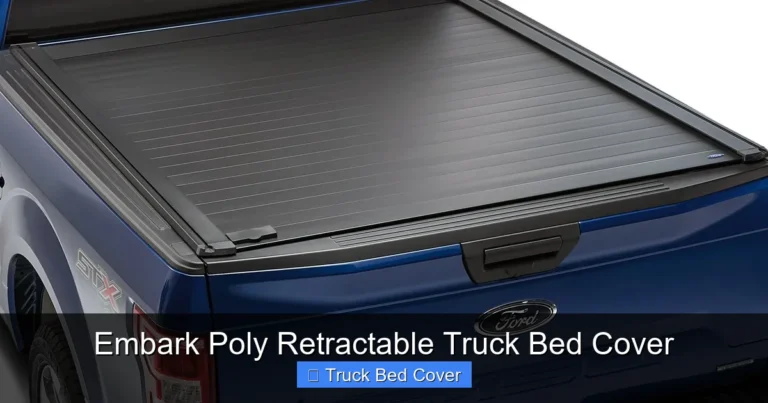
– Retractable covers: Slide open smoothly using a track system.
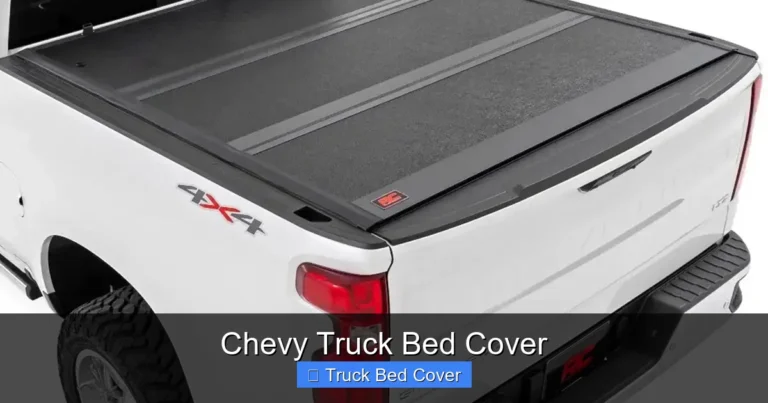
– Hard folding covers: Combine durability with flexibility.
– One-piece hard covers: Fixed panels that lock in place for maximum security.
– Soft tonneau covers: Fabric-based but reinforced for added strength.
Each type offers different trade-offs between security, accessibility, and cost. The best choice depends on your specific needs.
Why Choose a Rugged Truck Bed Cover?
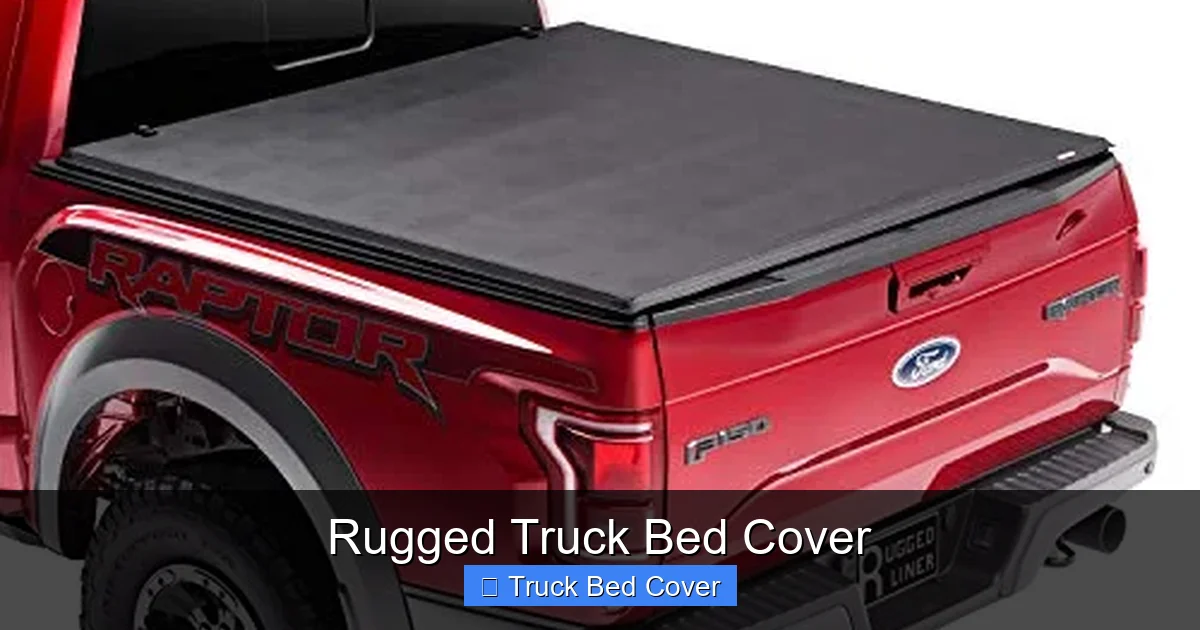
Visual guide about Rugged Truck Bed Cover
Image source: m.media-amazon.com
You might wonder: “Do I really need a cover?” The answer is yes—especially if you regularly carry valuable or sensitive items in your truck bed. Let’s break down the key benefits.
1. Weather Protection
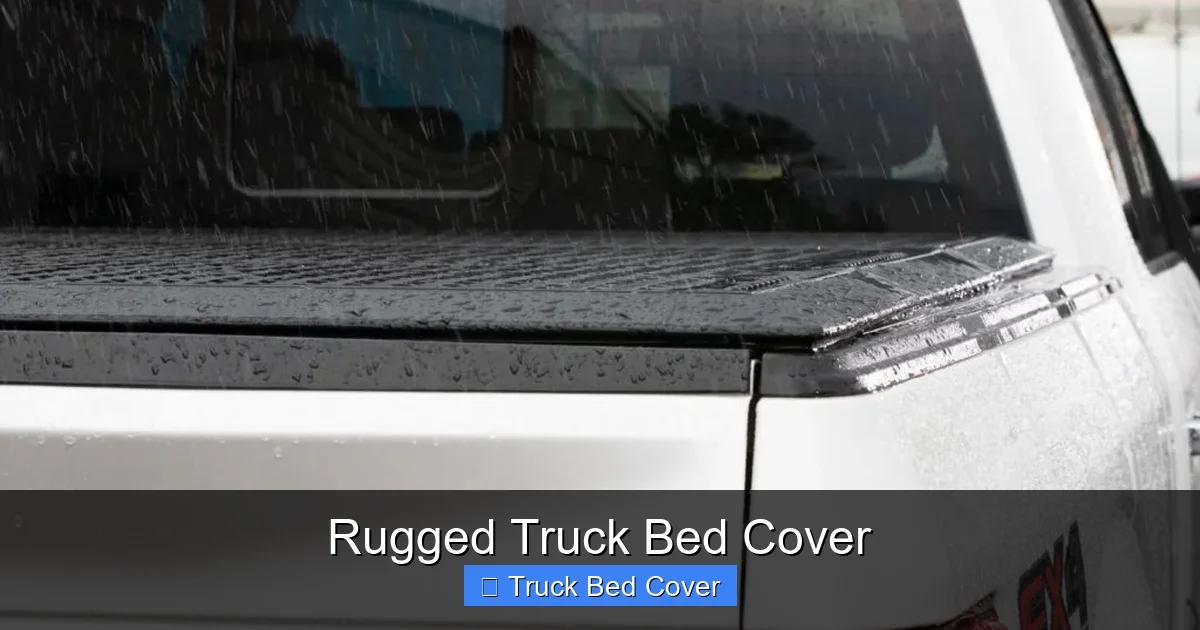
One of the most obvious advantages is weather resistance. Rain can quickly turn a truck bed into a soggy mess—ruining electronics, damaging wood, or making tools useless. A rugged cover creates a tight seal that keeps moisture out. Similarly, UV rays from the sun can fade paint, crack plastic, and degrade fabrics. High-quality covers block up to 99% of harmful UV light.
Even in cold climates, snow and ice won’t accumulate inside your bed. This means no more scraping frozen cargo or dealing with slushy interiors after unloading.
2. Security & Theft Prevention
An open bed is an invitation for opportunistic thieves. Even in broad daylight, someone might spot tools, laptops, or camping gear and decide to take them. A locked, opaque cover makes it much harder to see what’s inside and discourages tampering.
Many rugged covers come with built-in locks—either at the tailgate or along the sides. Some even feature hidden latches or anti-theft bars that prevent folding panels from being lifted off. For tradespeople or contractors, this level of security is essential.
3. Improved Fuel Economy
Did you know that an uncovered truck bed increases wind resistance? When driving at highway speeds, turbulent air flows around the open space, creating drag. A streamlined cover smooths airflow, reducing aerodynamic drag and improving fuel efficiency by 5–10%. Over thousands of miles, that adds up to real savings at the pump.
This is especially true for long-haul drivers or those who frequently commute with cargo loaded.
4. Enhanced Cargo Protection
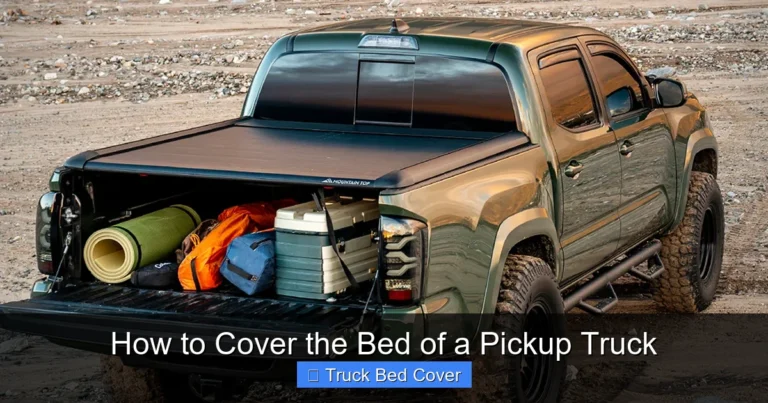
Beyond weather and theft, a cover protects against everyday wear and tear. Dust, leaves, bird droppings, and road grime can all settle in an open bed. With a cover, your cargo stays cleaner and drier longer. This is crucial for items like leather seats (if you have a crew cab), outdoor furniture, or sensitive equipment.
It also helps preserve the condition of your truck bed itself. Without a cover, scratches from shifting loads or debris accumulation can lead to rust over time. A cover acts as a barrier, extending the life of your bed liner or bare metal.
5. Better Aerodynamics & Noise Reduction
Modern rugged covers are designed with aerodynamics in mind. Smooth contours and sealed edges help direct airflow efficiently. This not only improves fuel economy but also reduces cabin noise caused by wind turbulence around the truck.
For long drives, lower noise levels mean a more comfortable ride and less driver fatigue.
6. Increased Resale Value
Trucks with original factory-installed or high-end aftermarket accessories tend to hold their value better. A well-maintained rugged bed cover signals care and attention to detail. Potential buyers appreciate the added functionality and protection it provides.
Plus, it’s a visible upgrade that enhances the truck’s appearance—something many people notice during test drives.
Types of Rugged Truck Bed Covers
Not all truck bed covers are created equal. Choosing the right one starts with understanding the different types and their pros and cons.
Soft Tonneau Covers
Made from heavy-duty vinyl or canvas, soft covers are lightweight and affordable. They usually roll up or fold for access and attach via clamps or bolts. While not as rigid as hard covers, some premium models include reinforced frames and weather seals.
Best for: Casual users, budget-conscious buyers, or those who need quick access.
Drawbacks: Less secure, prone to wear over time, may sag under heavy loads.
Hard Tri-Fold Covers
These consist of three solid panels connected by hinges. They fold neatly against the cab and lock into place. Made from aluminum or composite materials, they offer excellent durability and moderate security.
Best for: Tradespeople needing frequent access without compromising security.
Drawbacks: Can be bulky when folded; limited full-bed access.
Retractable Hard Covers
Using a side-mounted roller system, these covers unroll completely to expose the entire bed. Made from aluminum or fiberglass-reinforced polymer, they provide top-tier protection and a sleek profile.
Best for: Long-haul drivers, security-focused owners, or those who want maximum versatility.
Drawbacks: Higher cost; requires precise alignment during installation.
One-Piece Hard Covers
Also known as “lid-style” covers, these are single-panel units that replace the tailgate. They offer the highest level of security and weatherproofing but limit access to the bed unless you remove the entire unit.
Best for: Maximum protection and aesthetics; ideal for show trucks or off-road rigs.
Drawbacks: No access without removal; heavier and more expensive.
Folding Hard Covers
Similar to tri-folds but with two or more hinged panels. They’re sturdier than soft covers and offer better sealing against the elements.
Best for: Balancing security, access, and durability.
Drawbacks: Slightly bulkier than retractor models.
How to Choose the Right Rugged Truck Bed Cover
With so many options, picking the perfect cover can feel overwhelming. Here’s a step-by-step guide to help you decide.
Step 1: Assess Your Needs
Ask yourself:
– How often do I need full bed access?
– Do I transport valuable or sensitive items?
– What’s my typical cargo—tools, equipment, or personal items?
– Will I be driving in extreme weather?
If you need frequent access and value convenience, a roll-up or tri-fold might work. If security is your top priority, go for a retractable or one-piece hard cover.
Step 2: Consider Your Truck Model
Not all covers fit every truck. Measure your bed length (short, standard, long) and check compatibility with your make and model year. Some brands offer universal fits, while others provide exact custom cuts.
Pro tip: Look for covers labeled “OEM fit” or “exact bed match” for optimal sealing and performance.
Step 3: Evaluate Material Quality
Aluminum covers are lightweight yet strong—ideal for most applications. Fiberglass offers even greater rigidity but can be brittle in freezing temps. Polycarbonate panels provide impact resistance but may yellow over time.
Check for UV stabilizers, corrosion resistance, and warranty coverage. A good cover should last 10+ years with proper care.
Step 4: Think About Ease of Use
Consider how you’ll open and close the cover daily. Roll-ups are fastest, while tri-folds require unfolding each time. Retractables offer smooth operation but may need periodic maintenance.
Also, evaluate locking mechanisms. Built-in latches with keys or push-button locks add convenience and security.
Step 5: Budget Wisely
Entry-level soft covers start around $200, while premium retractables can exceed $1,500. Don’t skimp on quality if you rely on your truck for work. Investing in a durable cover pays off in longevity and peace of mind.
Look for brands with strong customer reviews and warranties—typically 2–5 years for materials and craftsmanship.
Step 6: Check Installation Requirements
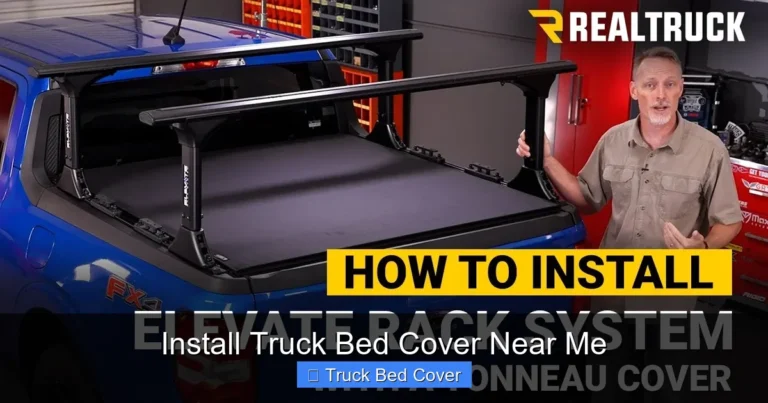
Most covers use clamp-on or bolt-in systems that don’t require drilling. However, some high-end models may need minor modifications. Read reviews or watch installation videos before purchasing.
If you’re unsure, opt for a brand that offers professional installation services.
Installation Tips for Rugged Truck Bed Covers
Installing your own cover saves money and gives you control over the process. Follow these tips for a smooth setup:
– Gather Tools: You’ll typically need a socket wrench, screwdriver, measuring tape, and possibly a drill (for bolt-in models).
– Clean the Bed: Remove dirt, debris, and old adhesives. A clean surface ensures a tight seal.
– Align Properly: Center the cover evenly across the bed. Misalignment leads to leaks and poor performance.
– Tighten Gradually: If using clamps or bolts, tighten them in stages to avoid warping the panel.
– Test the Seal: After installation, spray water over the cover to check for leaks. Adjust as needed.
– Lubricate Moving Parts: Apply silicone spray to hinges or rollers to ensure smooth operation.
If something feels off, stop and consult the manual—or seek professional help. A poorly installed cover defeats the purpose.
Maintenance & Longevity
Like any vehicle accessory, your rugged truck bed cover needs regular care to perform well. Here’s how to keep it in top shape:
– Wash Weekly: Use mild soap and water to remove dirt, salt, and bird droppings. Avoid abrasive scrubbers.
– Rinse After Washing: Ensure no residue remains, especially on seals and edges.
– Lubricate Moving Parts: Every few months, apply silicone-based lubricant to hinges, latches, and rollers.
– Inspect Seals: Check rubber gaskets for cracks or compression loss. Replace if damaged.
– Avoid Sharp Objects: Never drag tools or equipment across the cover’s surface.
– Store Properly: If removing the cover seasonally, clean it first and store in a cool, dry place.
With proper maintenance, even the most durable cover can last a decade or more.
Top Brands to Consider
Not all manufacturers deliver equal quality. Here are some trusted names in the rugged truck bed cover market:
– Bak Industries: Known for high-quality hard folding and retractable covers with excellent build standards.
– UnderCover: Offers premium retractor models with smooth operation and robust locking systems.
– TruXedo: Popular for roll-up soft covers that balance affordability and reliability.
– BakFlip: Specializes in tri-fold hard covers with strong hinges and secure latches.
– Tonno Pro: Provides durable roll-up and folding options at competitive prices.
Read customer reviews and compare warranties before deciding.
Final Thoughts
A rugged truck bed cover isn’t just a luxury—it’s a smart investment that enhances safety, functionality, and resale value. Whether you’re protecting expensive gear, improving fuel economy, or simply wanting a cleaner-looking truck, the right cover delivers real-world benefits.
From soft roll-ups to heavy-duty retractables, there’s a style for every need and budget. Focus on quality materials, proper fit, and ease of use. And remember—regular maintenance ensures your cover performs reliably year after year.
So next time you load up your truck, consider adding a rugged bed cover. Your cargo—and your wallet—will thank you.
Frequently Asked Questions
Do I need a bed liner if I have a truck bed cover?
Yes, a bed liner protects the truck bed’s surface from dents and scratches. While the cover shields cargo, the liner preserves the bed itself, especially under heavy or sharp loads.
Can a rugged truck bed cover be used off-road?
Most rugged covers are designed for daily driving and light off-road use. However, extreme off-roading may damage certain models—check the manufacturer’s specifications for off-road compatibility.
Will a truck bed cover fit all truck sizes?
No. Covers are made for short, standard, or long bed lengths, as well as specific truck models and years. Always verify compatibility before purchasing.
Are retractable covers more expensive than folding ones?
Generally, yes. Retractable covers use advanced mechanisms and higher-grade materials, resulting in higher upfront costs compared to folding or roll-up models.
Can I leave my truck bed cover open in the rain?
While possible, it defeats the purpose. Leaving it open exposes cargo to water, dirt, and UV damage. Always secure the cover when not in use.
How do I fix a loose or rattling truck bed cover?
Tighten all clamps, bolts, and latches. Add rubber washers or foam padding where gaps exist. Lubricate hinges and check for misalignment. Persistent issues may require professional adjustment.