Are Truck Bed Cover Parts
Truck bed cover parts are the essential components that make up a truck’s protective covering over the bed. These parts not only shield your cargo from weather, theft, and wear but also enhance your vehicle’s style and functionality. Whether you’re hauling tools, gear, or groceries, understanding truck bed cover parts helps you choose the right system for your needs.
Key Takeaways
- Truck bed cover parts include rails, latches, seals, and mounting brackets that work together to secure and protect the cover.
- Common materials like fiberglass, aluminum, and hard polymer offer different levels of durability, weight, and cost.
- Understanding truck bed cover parts helps you troubleshoot issues and perform DIY repairs more effectively.
- Regular inspection of truck bed cover parts extends the life of your cover and maintains its watertight seal.
- Aftermarket upgrades can improve aerodynamics, security, and resale value when properly selected and installed.
- Compatibility with your truck model is crucial—always verify part fitment before purchasing.
- Professional installation ensures optimal performance, especially for complex retractable or folding systems.
Quick Answers to Common Questions
What are truck bed cover parts?
Truck bed cover parts are the individual components that make up a truck bed cover system, including rails, latches, seals, hinges, and mounting brackets.
Do I need special tools to replace truck bed cover parts?
Most basic replacements like seals or latches can be done with common tools like screwdrivers and wrenches. Complex jobs may require professional assistance.
Can I mix parts from different cover brands?
It’s not recommended. Mixing parts can lead to poor fit, reduced performance, and potential damage. Always use compatible or OEM parts.
How often should I inspect my truck bed cover parts?
Inspect every few months, or more frequently if you drive in harsh conditions. Check for wear, leaks, or loose hardware.
Are aftermarket truck bed cover parts worth it?
Yes, if they’re high-quality and compatible. Aftermarket parts can improve functionality, security, and aesthetics when chosen wisely.
📑 Table of Contents
- Are Truck Bed Cover Parts: Everything You Need to Know
- What Are Truck Bed Cover Parts?
- Types of Truck Bed Covers and Their Unique Parts
- Materials Used in Truck Bed Cover Parts
- How to Identify and Replace Faulty Truck Bed Cover Parts
- Installation Tips for Truck Bed Cover Parts
- Maintenance of Truck Bed Cover Parts
- Upgrading Your Truck Bed Cover System
- Cost Considerations for Truck Bed Cover Parts
- Environmental and Safety Benefits of Quality Truck Bed Cover Parts
- Conclusion: Why Understanding Truck Bed Cover Parts Matters
Are Truck Bed Cover Parts: Everything You Need to Know
If you own a pickup truck, chances are you’ve considered adding a bed cover. But have you ever stopped to think about what makes up a truck bed cover? The answer lies in the individual truck bed cover parts that come together to form a complete system. From sleek hard tops to versatile tonneau covers, every component plays a vital role in protection, security, and style. In this article, we’ll break down what truck bed cover parts really are, how they function, and why knowing their names and purposes matters.
A truck bed cover isn’t just a single piece of plastic or metal—it’s an engineered system built from multiple parts working in harmony. Understanding these parts allows you to make smarter decisions when buying, installing, or repairing your cover. Whether you’re replacing a broken latch or upgrading to a new retractable system, knowing the terminology and function of each truck bed cover part saves time, money, and frustration.
What Are Truck Bed Cover Parts?
At its core, a truck bed cover consists of several key components that support its structure, movement, and sealing. These parts vary depending on the type of cover—whether it’s a hard cap, soft roll-up, tri-fold, retractable, or camper shell. But no matter the design, all covers rely on a shared set of foundational truck bed cover parts.

Visual guide about Are Truck Bed Cover Parts
Image source: images-na.ssl-images-amazon.com
The Core Components of a Truck Bed Cover System
Every truck bed cover system includes at least a few standard elements. Let’s go through them one by one:
- Rails (or Tracks): These are the foundation that attaches to your truck bed and guides the movement of the cover. Rails can be flush-mounted or raised, and they’re often made of durable aluminum or steel.
- Latches and Clamps: Used to secure the cover in place. Latches may be manual or powered, and clamps help hold the cover tight against the rails.
- Seals and Gaskets: These prevent water, dust, and debris from entering the bed. High-quality rubber or vinyl seals are essential for keeping your cargo dry.
- Mounting Brackets: Hardware that secures the cover to the truck bed. They must be strong enough to handle road vibrations and heavy loads.
- Locking Mechanisms: Enhance security by allowing you to lock the cover shut. Some systems use keyed locks, while others integrate with your truck’s alarm.
These parts don’t just sit there—they interact constantly. For example, when you open a folding cover, the hinges allow panels to unfold, while the rails guide each section into place. When closed, the latches clamp down, and the seals create a tight barrier. It’s a beautifully coordinated dance of engineering.
Types of Truck Bed Covers and Their Unique Parts
Not all truck bed covers are created equal. The type of cover you choose affects which truck bed cover parts you’ll need. Here are the most common styles and their distinguishing components:
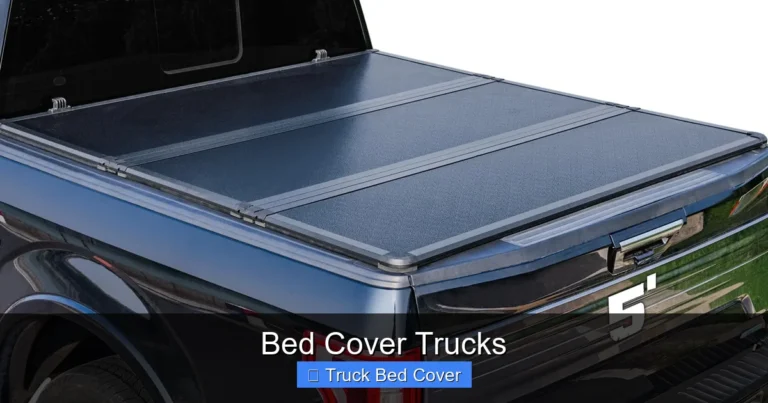
1. Hard Tri-Fold Covers
This popular style features three hinged panels that fold forward to access the bed. Key truck bed cover parts include:
- Hinges: Allow panels to fold without damaging the cover.
- Support Struts: Keep folded panels elevated so they don’t drag on the ground.
- Panel Locks: Secure each section when fully closed.
Tri-folds are lightweight, affordable, and easy to install—ideal for daily drivers who want protection without bulk.
2. Retractable Covers
These sleek covers slide open like a garage door. Their specialized truck bed cover parts include:
- Belt-Driven Roll Tubes: Contain the fabric or rigid panel and allow smooth retraction.
- Guide Rails: Ensure the cover moves straight and doesn’t warp.
- End Caps: Protect the edges of the roll tube and add a finished look.
Retractables offer full-bed access and premium aesthetics but require more maintenance due to moving parts.
3. Soft Roll-Up Covers
Made from vinyl or canvas, these covers roll up behind the cab. Essential parts include:
- Side Rails: Provide lateral support as the cover rolls.
- Center Crossbars: Prevent the cover from flapping in the wind.
- Tailgate Seal: Ensures a tight fit against the tailgate.
Soft covers are budget-friendly and simple to operate—great for light-duty users.
4. Hard Folding Covers
Similar to tri-folds but constructed from solid panels, these offers maximum strength. Key parts include:
- Heavy-Duty Hinges: Designed to withstand repeated use.
- Reinforced Panel Edges: Prevent cracking or bending.
- Weather Stripping: Integrated into each panel seam.
Hard folding covers are ideal for off-roaders or those carrying fragile items.
5. One-Piece Hard Covers (Cap Tops)
These are molded, seamless covers that replace the entire truck bed opening. Their truck bed cover parts include:
- Mounting Pads: Adhesive or bolt-on surfaces that attach to the truck frame.
- Integrated Seals: Built into the perimeter for a weatherproof fit.
- Spoiler Design: Improves aerodynamics and rear visibility.
One-piece covers offer the highest level of security and durability but are more expensive.
Materials Used in Truck Bed Cover Parts
The choice of material affects performance, weight, cost, and longevity. Most truck bed cover parts are made from one of these materials:
Aluminum
Lightweight yet strong, aluminum is commonly used for rails and panels. It resists rust and handles heavy loads well. Aluminum parts are often powder-coated for extra durability.
Fiberglass
Used primarily in one-piece hard covers, fiberglass is impact-resistant and provides excellent UV protection. However, it can crack under extreme stress.
ABS Plastic
A thermoplastic used in injection-molded covers. ABS is lightweight, affordable, and resistant to scratches—ideal for tri-folds and soft covers.
Vinyl and Fabric
Common in soft roll-ups, vinyl offers water resistance, while canvas provides breathability. Both materials are flexible but wear out faster than hard materials.
Steel
Less common due to weight, but steel is used in heavy-duty applications like military or commercial trucks. It’s extremely durable but prone to rust if not properly coated.
When selecting truck bed cover parts, consider your climate, usage frequency, and budget. For example, if you live in a rainy area, prioritize rubber seals and waterproof latches. If you tow frequently, reinforced rails and strong hinges are a must.
How to Identify and Replace Faulty Truck Bed Cover Parts
Over time, truck bed cover parts can wear out. Common signs include difficulty opening/closing, leaks, loose panels, or rattling noises. Knowing which part is failing helps you fix the issue quickly.
Diagnosing Problems
Start by inspecting the cover when closed. Look for gaps around the edges—this could mean damaged seals. Check latches for looseness or misalignment. If the cover won’t stay closed, the problem might be worn clamps or broken hinges.
Common Replacement Parts
- Seal Replacements: Rubber seals degrade with sun exposure. Swapping them restores water resistance.
- Latch Repair Kits: Include new hooks and springs to restore locking function.
- Rail End Caps: Cracked end caps compromise structural integrity and appearance.
- Hinge Pivots: Worn pivots cause sagging panels. Lubricating or replacing them fixes the issue.
Always match replacement parts to your cover’s brand and model. Universal kits exist, but OEM (original equipment manufacturer) parts ensure perfect fit and function.
Installation Tips for Truck Bed Cover Parts
Whether you’re installing a new cover or replacing parts, proper setup is critical. Follow these best practices:
- Clean the Bed Thoroughly: Remove dirt and debris before mounting. Use rubbing alcohol to degrease surfaces.
- Follow Torque Specs: Over-tightening bolts can strip threads; under-tightening leads to vibration damage.
- Align Rails Carefully: Misaligned rails cause binding and premature wear.
- Test Before Finalizing: Open and close the cover multiple times to check for smooth operation.
- Use Weather-Resistant Adhesives: For sealants, choose marine-grade options that won’t degrade in sunlight.
If you’re unsure about installation, consult the manual or hire a professional. Many modern covers come with detailed instructions and video guides—take advantage of them!
Maintenance of Truck Bed Cover Parts
Like any mechanical system, truck bed cover parts need regular care. A little maintenance goes a long way in preventing costly repairs.
Weekly Checks
- Wipe down seals with a damp cloth to remove grime.
- Lubricate moving parts (hinges, latches) with silicone spray.
- Inspect for cracks, dents, or loose hardware.
Seasonal Maintenance
- In winter, clear snow and ice buildup to prevent freeze-up.
- In summer, apply UV protectant to vinyl or fabric covers.
- Check alignment after heavy loading or off-road use.
Proactive maintenance not only extends the life of your cover but also preserves its resale value.
Upgrading Your Truck Bed Cover System
Even with a good cover, you might want to upgrade certain truck bed cover parts for better performance. Popular upgrades include:
- LED Light Bars: Integrated into the cover for nighttime visibility.
- Toolboxes: Bolt-on compartments for organized storage.
- Enhanced Locking Systems: Add remote access or fingerprint scanners.
- Custom Rails: Upgrade to low-profile rails for a cleaner look.
Before upgrading, ensure compatibility with your existing cover. Some modifications void warranties, so check with the manufacturer first.
Cost Considerations for Truck Bed Cover Parts
The price of truck bed cover parts varies widely based on quality, brand, and complexity. Here’s a rough breakdown:
- Basic Replacement Seals: $10–$30
- Latch Repair Kits: $25–$60
- Full Rail Sets: $100–$300
- High-End Retractable Covers: $1,500–$3,000 (includes all parts)
While cheaper parts may save money upfront, they often fail sooner. Invest in reputable brands like BakBox, UnderCover, or Tonno Pro for lasting performance.
Environmental and Safety Benefits of Quality Truck Bed Cover Parts
Beyond convenience, quality truck bed cover parts offer real-world benefits. A well-sealed cover reduces wind resistance, improving fuel efficiency by up to 5%. It also prevents cargo from shifting during transit, enhancing safety on the road.
Environmentally, covered beds reduce litter and protect wildlife from roadside debris. Plus, a secure cover deters theft—keeping tools, equipment, and supplies safe.
Conclusion: Why Understanding Truck Bed Cover Parts Matters
Knowing what truck bed cover parts are isn’t just for mechanics or engineers—it’s for every truck owner who values protection, security, and style. Whether you’re troubleshooting a leaky seal, planning an upgrade, or simply curious about how your cover works, this knowledge empowers you to make informed choices.
From choosing the right material to maintaining moving parts, each decision impacts your cover’s performance and lifespan. By understanding the roles of rails, latches, seals, and more, you become a more confident and capable truck owner. So next time you open your bed cover, take a moment to appreciate the intricate system—and the parts—that keep your cargo safe and your ride looking sharp.
Frequently Asked Questions
What is the most important truck bed cover part?
The seals are arguably the most important because they prevent water, dust, and debris from entering the bed. Without effective seals, even the sturdiest cover fails.
Can I install truck bed cover parts myself?
Yes, many parts like latches, seals, and hinges can be installed with basic tools and follow-up instructions. However, complex systems like retractables may require professional help.
How do I know if my truck bed cover parts are compatible?
Check the manufacturer’s specifications or use a fitment tool on trusted auto parts websites. Matching your truck’s year, make, and model is essential.
Do truck bed cover parts affect fuel economy?
Yes. Well-designed covers reduce aerodynamic drag, potentially improving fuel efficiency by 3–5%, especially at highway speeds.
How long do truck bed cover parts last?
With proper maintenance, quality parts can last 5–10 years. Exposed seals may need replacement every 2–3 years due to UV degradation.
Are aluminum truck bed cover parts better than plastic?
Aluminum is stronger and more durable, making it ideal for heavy-duty use. Plastic is lighter and cheaper but may crack under stress. Choose based on your needs.