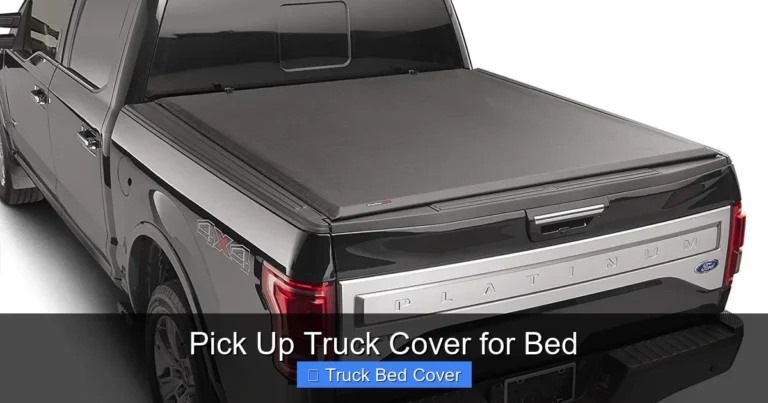
Gator Truck Bed Cover Installation
Installing a Gator truck bed cover is a smart upgrade that boosts security, protects cargo, and improves your truck’s look. Whether you’re installing a Gator tonneau cover for the first time or replacing an old one, this guide walks you through each step with clear instructions and helpful tips. With the right tools and a little patience, you can complete the job in under two hours and enjoy a sleek, weather-resistant bed cover that keeps everything safe.
Key Takeaways
- Tools & Prep: Gather essential tools like a socket wrench, screwdriver, and measuring tape before starting. Clear the truck bed of debris and ensure it’s clean and level.
- Cover Selection: Choose the right Gator cover type—rolling, folding, or tri-fold—based on your cargo needs, climate, and budget.
- Step-by-Step Installation: Follow the manufacturer’s instructions carefully, starting with rail alignment, then bracket mounting, and finally securing the cover panels.
- Troubleshooting Tips: Address common issues like misaligned rails or loose bolts early to prevent long-term damage or poor performance.
- Maintenance Matters: Regular cleaning and lubrication extend the life of your cover and keep it functioning smoothly.
- Safety First: Wear gloves and eye protection, especially when handling sharp edges or tightening hardware.
- Professional Help: If you’re unsure about any step, consult a professional installer to avoid costly mistakes.
Quick Answers to Common Questions
How long does it take to install a Gator truck bed cover?
Most DIY installations take 1–2 hours, depending on your experience level and the cover type. Tri-fold models are fastest, while rolling covers may take longer due to bracket alignment and wiring.
Do I need to drill into my truck bed for installation?
It depends on the model. Some Gator covers use clamp-style mounts that don’t require drilling. Others, especially rolling types, do need holes drilled into the bed rails. Always check your specific product manual.
Can I install the cover myself?
Yes! Gator designs their covers with DIY installation in mind. With basic tools and careful attention to instructions, most people can complete the job without professional help.
What’s the difference between a rolling and folding cover?
Rolling covers retract completely into a canister behind the cab, offering full bed access and maximum security. Folding covers stack in sections over the bed rails, providing partial access and easier loading.
Will the cover affect my truck’s gas mileage?
A high-quality tonneau cover can actually improve fuel efficiency by reducing drag. Gator covers are engineered for aerodynamic performance, so you may see a slight improvement—especially on highway drives.
📑 Table of Contents
Gator Truck Bed Cover Installation: A Complete Guide
If you own a pickup truck, chances are you’ve thought about protecting your bed from rain, dirt, theft, and sun damage. One of the best ways to do that is by installing a Gator truck bed cover. Known for their durability, ease of use, and sleek appearance, Gator tonneau covers come in several styles—rolling, folding, and tri-fold—each designed to fit different needs and budgets. But before you pop open that box and start assembling, it’s important to understand the full installation process. That’s exactly what this guide is here for.
This article walks you through every step of Gator truck bed cover installation, from preparing your truck to fine-tuning the final adjustments. We’ll cover the tools you’ll need, how to choose the right model, common pitfalls to avoid, and even some pro tips to make the job smoother. Whether you’re a DIY enthusiast or just looking to save a few bucks by doing it yourself, this guide will help you install your Gator cover like a pro—without the headache.
Why Choose a Gator Tonneau Cover?
Before diving into the installation steps, let’s talk about why Gator covers are so popular. Gator is part of the Retrax family of brands and has built a reputation for quality, innovation, and customer satisfaction. Their covers are made from high-grade materials like aluminum and reinforced vinyl, which resist rust, UV rays, and heavy loads. Plus, they’re designed to integrate seamlessly with most truck beds, offering a low-profile look that doesn’t interfere with visibility or fuel efficiency.

Visual guide about Gator Truck Bed Cover Installation
Image source: i.ytimg.com
Types of Gator Covers
- Rolling (Retrax): Ideal for full-bed access and heavy-duty use. These motorized or manual roll-up covers retract completely out of sight.
- Folding: Great for partial bed access. Panels fold up and lock in place, allowing you to load items from the front while covering the rest.
- Tri-Fold: The most affordable and lightweight option. Three sections fold flat over the bed rails, perfect for occasional use.
Each style comes with its own installation requirements, so selecting the right one is crucial. For example, rolling covers usually require drilling into the bed rails for bracket attachment, while tri-folds often clip onto existing rails without modification. Always double-check compatibility with your specific truck model before purchasing.
Preparing for Installation
Like any good project, preparation prevents poor performance—and frustration. Before you even unbox your Gator truck bed cover, take a few minutes to prepare your workspace and truck. A clean, organized setup makes the entire process faster and safer.
Tools You’ll Need
- Screwdriver (Phillips and flathead)
- Socket wrench set
- Adjustable wrench
- Measuring tape
- Lubricant (silicone-based recommended)
- Work gloves and safety glasses
- Tape measure and level
- Drill with appropriate bits (if required)
Make sure all tools are within reach and in good condition. Using stripped or damaged screws can delay your progress and may lead to loose fittings later on. Also, gather any included hardware from the packaging—brackets, clamps, bolts, and rubber seals—and sort them into labeled containers or small bags. Losing a single bolt during installation can be a real hassle.
Cleaning and Inspecting the Truck Bed
Next, thoroughly clean your truck bed. Remove any dirt, gravel, oil stains, or old adhesive residue. Use soap and water, and dry completely. Any debris left behind can cause misalignment or create gaps between the cover and bed rails.
Inspect the bed rails and tailgate area for dents, rust, or loose bolts. Tighten any loose fasteners and repair minor damage if possible. A level surface ensures the cover sits flush and functions properly. If your bed isn’t perfectly level, don’t panic—most Gator systems include adjustable brackets to compensate for slight variations.
Step-by-Step Installation Process
Now for the main event: installing your Gator truck bed cover. While exact steps vary slightly by model, the general process follows the same pattern. Let’s break it down into manageable stages.
1. Unboxing and Inventory Check
Carefully unpack all components and compare them to the instruction manual. Missing parts? Contact Gator customer support immediately—they’re usually very responsive. Make sure you have:
- Main cover panel(s)
- Mounting brackets and clamps
- Sealing strips
- Hardware kit (bolts, washers, nuts)
- Instruction booklet
2. Positioning and Marking
Place the cover loosely on the bed to confirm fit. Most Gator covers are designed to sit slightly behind the cab for optimal aerodynamics. Use masking tape to mark where the rear of the cover will sit—this helps maintain consistency during final placement.
For rolling and folding models, measure the distance between bed rails at both ends. This ensures symmetrical bracket placement. Use a level to check that the measurement is consistent across the bed. Uneven spacing leads to binding or premature wear.
3. Installing Mounting Brackets
This is often the trickiest part, especially for rolling covers that require drilling. Follow the manufacturer’s guidelines precisely. Typically, you’ll attach brackets to the inside of the bed rails using U-bolts or clamp-style mounts.
Pro Tip: Hand-tighten bolts initially. Once all brackets are in place, adjust alignment before fully securing. This allows fine-tuning if something isn’t sitting quite right.
4. Attaching the Cover Panels
With brackets secured, slide or mount the cover panels into position. Tri-fold models usually click into pre-installed side rails. Rolling and folding types may require sliding tracks into place first.
Ensure the cover moves freely along the rails (for rolling/folding models) and locks securely when closed. Test the tailgate operation—your cover shouldn’t interfere with opening or closing it.
5. Sealing and Final Adjustments
Apply weather stripping or foam tape as directed. This creates a tight seal against moisture and drafts. Trim excess material if needed, but leave a little room to prevent tearing during temperature changes.
Check for gaps between the cover and bed walls. Adjust brackets or shim if necessary. A snug fit means better protection and less wind noise.
6. Testing the System
Open and close the cover multiple times to ensure smooth operation. Listen for unusual sounds or resistance. Lubricate moving parts with silicone spray if recommended.
Take your truck for a short drive (with the cover closed) to test for wind lift or rattling. Make final tweaks based on feedback.
Common Installation Mistakes to Avoid
Even experienced DIYers make errors during Gator truck bed cover installation. Here are the most frequent mistakes—and how to avoid them.
Not Reading the Instructions First
Skipping the manual might seem efficient, but it leads to confusion later. Every Gator model has unique requirements. Reading first saves time and prevents rework.
Over-Tightening Bolts
Snug is good. Over-tightening cracks metal or strips threads. Use a torque wrench if available, or simply stop tightening once resistance increases significantly.
Ignoring Weather Conditions
Installing in extreme heat or cold affects material flexibility. Best practice: work in mild, dry weather between 50–80°F (10–27°C).
Poor Rail Alignment
Misaligned rails cause the cover to bind or sag. Double-check measurements and use a level throughout the process.
Skipping Lubrication
Moving parts need lubrication to operate smoothly. Skip this step, and you’ll regret it after a few months of use.
Maintaining Your Gator Cover
Proper maintenance isn’t just about longevity—it’s about performance. A well-cared-for cover opens easily, seals tightly, and looks great year-round.
Cleaning Tips
- Wipe down weekly with a damp cloth and mild detergent.
- Avoid abrasive cleaners or pressure washers directly on seams.
- Dry thoroughly to prevent mold or mildew.
Winter Care
In snowy climates, remove snow buildup regularly. Ice can warp vinyl or damage mechanisms. Use a soft brush to gently clear accumulation.
Spring & Summer Prep
Check seals for cracking due to UV exposure. Reapply protective wax if recommended by the manufacturer.
Annual Inspection
Once a year, inspect bolts, hinges, and tracks. Tighten loose hardware and replace worn parts promptly.
When to Call a Professional
While most homeowners can handle Gator truck bed cover installation themselves, there are exceptions. Consider hiring a pro if:
- Your truck bed has significant modifications (e.g., toolboxes, custom liners)
- You lack confidence in drilling or aligning brackets
- The cover requires complex wiring (e.g., powered rolling models)
- You’re working with limited space or physical limitations
Many local shops offer installation services for a reasonable fee—often less than the cost of premium tools you might never use again.
Frequently Asked Questions
Can I install a Gator cover on any truck?
No, compatibility varies by year, make, and model. Always verify fit using the Gator website’s vehicle selector tool or consult your dealer. Installing the wrong cover damages the bed and voids warranties.
How do I clean my Gator tonneau cover?
Use a soft cloth, mild soap, and water. Avoid harsh chemicals or scrubbing too hard. Dry completely afterward. For vinyl covers, occasional application of vinyl protectant helps prevent fading.
Is it worth paying for professional installation?
If you’re confident in your skills and have the right tools, DIY saves money. But if your truck bed is modified or you want peace of mind, professional installation ensures proper fit and function.
Do Gator covers come with a warranty?
Yes, most Gator covers include a limited lifetime warranty against defects in materials and workmanship. Registration within 30 days of purchase extends coverage benefits.
Can I remove the cover temporarily?
Absolutely. Most Gator models are designed for easy removal or retraction. Just follow reverse installation steps or use the built-in release mechanism for rolling covers.
What happens if water gets underneath the cover?
Quality seals and proper installation minimize leaks. If water enters despite a sealed system, check for loose bolts, damaged gaskets, or improper alignment. Address these issues promptly to prevent rust or mold.