How Do I Measure My Truck Bed for a Cover
Measuring your truck bed correctly is the most important step when buying a cover. A poorly fitted cover won’t seal properly, leading to water leaks, reduced security, or even damage to your gear. This guide walks you through every detail—from measuring length and width to checking for toolboxes, bed liners, and rail systems.
Key Takeaways
- Measure three times, order once: Double-check all measurements before placing your order to avoid costly returns or replacements.
- Know your truck model: Different trucks have different bed lengths, styles (standard, short, long), and configurations—always verify your exact year, make, and model.
- Account for accessories: Toolboxes, spray-in bed liners, and tonneau covers can change how much space you have and affect compatibility.
- Use a tape measure accurately: Start at the front of the bed inside the bed rails and measure to the tailgate. Use a flexible measuring tape for curves and edges.
- Check for side rails: Some covers require specific rail systems or may need drilling. Confirm whether your cover needs rails, bolts, or clamps.
- Order slightly larger if in doubt: Most manufacturers allow small adjustments, but going too big can cause flapping or poor sealing.
Quick Answers to Common Questions
Can I measure my truck bed with the cover already installed?
No, not accurately. The cover changes the dimensions and obscures key points like rail edges and tailgate alignment. Always remove any existing cover before measuring.
Do I need special tools to measure my truck bed?
Just a flexible measuring tape, marker, and optionally a helper. No power tools or precision instruments required. A camera phone helps document setups with liners or toolboxes.
What if my cover comes with a measuring kit?
Follow the manufacturer’s instructions exactly. Some brands provide templates or digital guides. These are calibrated for their specific product line and increase accuracy.
How close should my measurements be to the advertised size?
Most covers are sized in half-foot increments (e.g., 5.5 ft, 6 ft). Your actual measurement should round to the nearest standard size. Don’t order a 6 ft cover if you measure 68 inches—stick with the closest option.
Can I modify a cover after purchase if it doesn’t fit?
Only soft covers like roll-ups can sometimes be trimmed. Hard covers are rarely adjustable. Always order the correct size first. Modifications void warranties and compromise safety.
📑 Table of Contents
- How Do I Measure My Truck Bed for a Cover?
- Why Accurate Measurements Matter
- What You’ll Need Before You Begin
- Step 1: Identify Your Truck Model and Bed Specs
- Step 2: Measure the Bed Length
- Step 3: Measure the Bed Width
- Step 4: Account for Bed Liners and Accessories
- Step 5: Check for Rail Systems and Mounting Options
- Step 6: Consider Cover Type When Measuring
- Common Mistakes to Avoid
- Final Tips Before Ordering
- Conclusion: Measure Once, Fit Perfectly
How Do I Measure My Truck Bed for a Cover?
So, you’re ready to upgrade your truck with a bed cover. Whether you’re after better fuel efficiency, enhanced security, or just want to keep snow, rain, and dust out of your cargo, a quality truck bed cover can make a huge difference. But here’s the catch—if your cover doesn’t fit properly, it won’t do any of that. In fact, a loose or undersized cover can flap in the wind, let in water, or even fall off while driving. That’s why measuring your truck bed accurately is one of the most critical steps in the entire process.
In this detailed guide, we’ll walk you through exactly how to measure your truck bed for a cover. We’ll cover everything from basic length and width to tricky details like toolboxes, bed liners, and rail systems. By the end, you’ll know precisely what to measure, how to do it safely, and how to choose the right cover based on your truck’s specs. Let’s get started.
Why Accurate Measurements Matter
Think of your truck bed as a canvas. The cover is the paint you apply over it. If the canvas isn’t the right size, no matter how good the paint is, it won’t look right or function well. The same goes for your bed cover. Even a tiny miscalculation—like forgetting about a side-mounted fuel door or not accounting for a spray-on liner—can throw off the fit by inches.
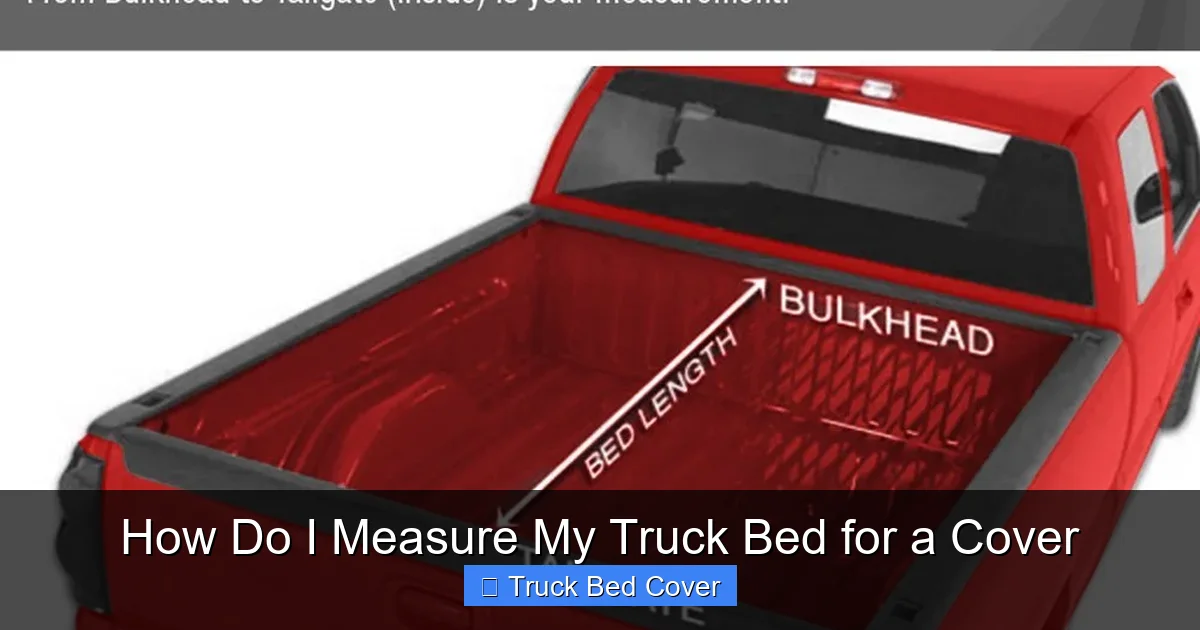
Visual guide about How Do I Measure My Truck Bed for a Cover
Image source: mytruckneedsthis.com
Manufacturers design covers to precise specifications. If your measurements are off, you might end up with a cover that’s too tight (causing damage) or too loose (leading to poor sealing). Some covers, especially hard ones like fiberglass caps or retractable models, are custom-fitted and non-returnable once installed. So, taking the time to measure correctly isn’t just smart—it’s essential.
What You’ll Need Before You Begin
Before you pop the hood or open the tailgate, gather these simple tools:
- A flexible measuring tape (not a rigid ruler)
- A marker or chalk to mark measurement points
- A helper (optional but helpful for reaching high spots)
- A truck owner’s manual or online VIN decoder to confirm your exact model
- A camera phone to take reference photos of your bed setup
Having these on hand will make the process smoother and reduce the chance of errors.
Step 1: Identify Your Truck Model and Bed Specs
The first step is knowing exactly what kind of truck you have. This sounds obvious, but many people assume all F-150s are the same, for example. That’s not true. There are standard, short, and long beds; different cab styles; and various trim levels that can affect clearance and mounting options.
Find Your VIN or Check the Manual
Your Vehicle Identification Number (VIN) is the best way to confirm your truck’s specs. Look for it on the dashboard near the windshield, on the driver’s side door jamb, or on your registration. Plug it into a VIN decoder online—many free tools can tell you the exact bed length, cab style, and factory features like bed rails or spray-in liner.
Know Your Bed Lengths
Truck beds come in three common lengths:
- Short bed: Typically 5.5 to 6 feet
- Standard bed: Around 6.5 to 7 feet
- Long bed: 8 feet or more
For example, a Ford F-150 has a 5.5-foot short bed, a 6.5-foot standard bed, and an 8-foot long bed. Pickup trucks like the Toyota Tacoma or Chevrolet Colorado follow similar patterns. Always double-check—don’t rely on memory!
Step 2: Measure the Bed Length
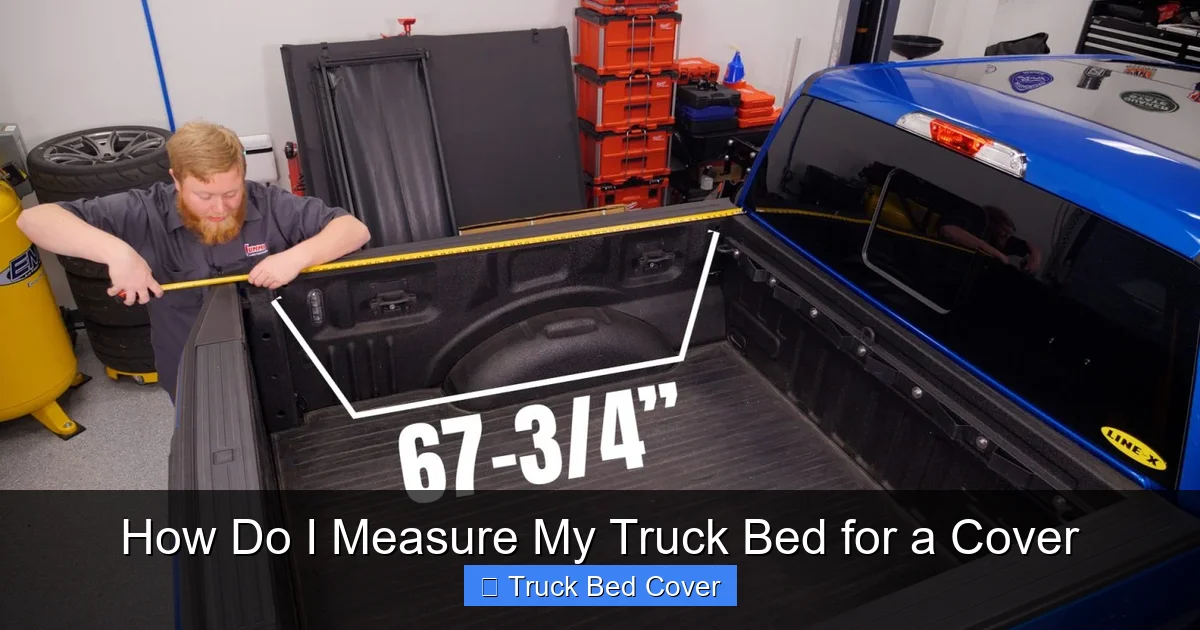
This is the most straightforward measurement, but it’s easy to get wrong. You need to measure from the inside of the front bed rail to the inside of the tailgate.
How to Measure Length Properly
- Open the tailgate fully.
- Stand at the front of the truck and use your flexible tape to measure from the inside edge of the front bed rail straight back to the inside surface of the tailgate.
- Make sure the tape is flat and not sagging. If you’re measuring from high ground (like a curb), ask someone to help hold the tape level.
Example: If your measurement reads 68 inches, your bed is approximately 5.67 feet long. Round down to the nearest half foot when ordering—most manufacturers use rounded sizes like 5.5 ft or 6 ft.
Step 3: Measure the Bed Width
Width is trickier because it varies depending on whether you’re measuring across the top or bottom of the bed rails. Most covers sit on top of the rails, so you’ll usually measure the top width of the bed rails.
Top vs. Bottom Width
Some manufacturers specify “bottom width” for covers that attach below the rails. However, most standard soft and hard covers sit on top. So unless you’re installing a specific under-rail system, measure from the outer edge of the top of the left rail to the outer edge of the top of the right rail.
How to Measure Width Correctly
- Look at the top of both bed rails.
- Measure from the outermost part of the left rail to the outermost part of the right rail.
- If you have a spray-in liner, check if it extends beyond the rails. If so, you may need to account for extra width or choose a liner-compatible cover.
Tip: If you have a toolbox installed, measure from the center of the bed to the front of the toolbox and add the toolbox width separately. Many covers don’t extend over toolboxes.
Step 4: Account for Bed Liners and Accessories
This is where most people mess up. A spray-in bed liner, drop-in liner, or even a thick rubber mat can change how your cover fits. Some covers are designed to work with liners; others aren’t. Always check compatibility.
Drop-In Liners
These plastic or rubber trays sit directly in the bed and raise the floor level. If you have one, measure from the raised surface to the top of the rails to determine how much height your cover needs.
Spray-In Liners
These are molded plastic coatings applied to the metal bed. They usually don’t affect width much but can increase height slightly. Most modern covers are compatible with spray-in liners, but always confirm before ordering.
Toolboxes
If you have a toolbox mounted in the bed, note its position and size. Standard soft roll-up covers typically don’t go over toolboxes—they sit around them. Hard covers may require modifications or special mounts. Measure the distance from the tailgate to the front of the toolbox and include this in your notes.
Step 5: Check for Rail Systems and Mounting Options
Not all truck beds have the same rail setups. Some have factory-installed side rails; others have no rails at all. The type of rails you have determines what kind of cover you can install.
Flush-Mount Rails
These sit flush with the bed sides and are ideal for most roll-up and tri-fold covers. Measure the gap between the rail and the bed wall—some covers require a specific clearance.
Overbed Rails
These sit above the bed rails and provide extra strength. They’re common on heavy-duty trucks. Most covers designed for overbed rails include hardware to clamp onto them.
Bare Beds (No Rails)
If your truck has no rails, you’ll need a cover that uses bolt-through mounts or adhesive kits. These often require drilling into the bed frame, which some owners avoid due to rust concerns or warranty issues.
Bed Rails with Side Steps or Caps
Some trucks have decorative caps or side steps attached to the rails. These can interfere with cover installation. Remove them temporarily during measurement if possible, or note their presence when selecting a cover.
Step 6: Consider Cover Type When Measuring
Different cover types have different requirements. Measuring for a tri-fold soft cover is not the same as measuring for a hard tonneau cap or a retractable system.
Soft Roll-Up Covers
These sit low and require only minimal clearance. Most can fit on beds with or without rails. Just ensure the roll tube fits behind the cab without interfering with the rear window or mirrors.
Hard Tri-Fold Covers
These fold into thirds and sit higher than soft covers. They need more vertical clearance, especially if you have a spray-in liner or raised bed rails.
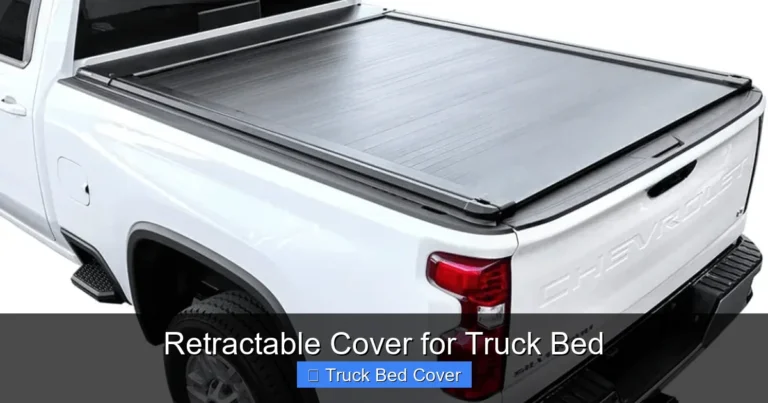
Retractable Covers
These slide open and require a reinforced track system along the bed rails. Only certain models work with specific trucks. Make sure your rails are compatible before ordering.
Fiberglass Caps (Full Bed Covers)
These cover the entire bed and cab area. They require exact measurements and often need professional installation. Any misalignment can lead to leaks or poor aerodynamics.
Common Mistakes to Avoid
Even experienced truck owners make these errors. Here’s how to avoid them:
- Measuring from the outside: Always measure inside the bed rails or on top of them—never from the exterior body panel.
- Ignoring seasonal changes: Cold temperatures can contract metal slightly. Warm weather expands it. If possible, measure in the same conditions as you’ll drive in.
- Forgetting about the tailgate handle: Some handles stick out and may interfere with certain cover designs. Note if yours is recessed or protruding.
- Not checking for fuel doors or spare tire wells: These are common in full-size trucks and can affect fit. Measure around them carefully.
Final Tips Before Ordering
Once you’ve taken all your measurements, do a final review:
- Write down your truck’s year, make, model, and bed size.
- Include notes about liners, toolboxes, rails, and any accessories.
- Double-check the manufacturer’s measurement chart before placing your order.
- If unsure, call customer support with your VIN and photos.
Many reputable brands offer fitment guides on their websites. For example, TruXedo, UnderCover, and TonnoPro each have interactive tools where you enter your truck info and get recommended products.
Conclusion: Measure Once, Fit Perfectly
Measuring your truck bed for a cover doesn’t have to be complicated—but it does require attention to detail. With the right tools and a little patience, you can ensure your new cover fits snugly, seals tightly, and enhances your truck’s functionality and appearance. Remember: a cover that fits well protects better, lasts longer, and looks great.
Take your time, verify everything twice, and don’t hesitate to reach out to the manufacturer if anything seems unclear. After all, this is an investment in your truck’s performance and security. And when you get it right? The payoff is worth every inch of careful measurement.
Frequently Asked Questions
What is the best way to measure a truck bed for a cover?
Use a flexible tape measure to record the inside length from front rail to tailgate, and the top width between bed rails. Include notes on liners, toolboxes, and rail types for accurate cover selection.
Should I measure with or without a bed liner?
Always measure with your bed liner installed if you plan to keep it. Liners affect height and clearance, which impacts how well a cover sits and seals.
How do I measure a truck bed with a toolbox?
Measure the total bed length, then note the position and size of the toolbox. Most covers don’t extend over toolboxes, so account for the space they occupy when choosing length.
Can I use my old cover’s measurements for a new one?
Only if the truck hasn’t changed—same model, year, and configuration. If you added a liner or removed rails, your old measurements are outdated.
What if I’m between two sizes—should I go bigger or smaller?
Go slightly larger if possible. A cover that’s too small can warp or tear; one that’s a bit oversized may be adjusted during installation. Never go significantly larger.
Do I need to remove side mirrors when measuring?
Not usually, unless the mirror housing interferes with the roll tube or folding mechanism. Most mirrors retract and won’t affect measurement accuracy.