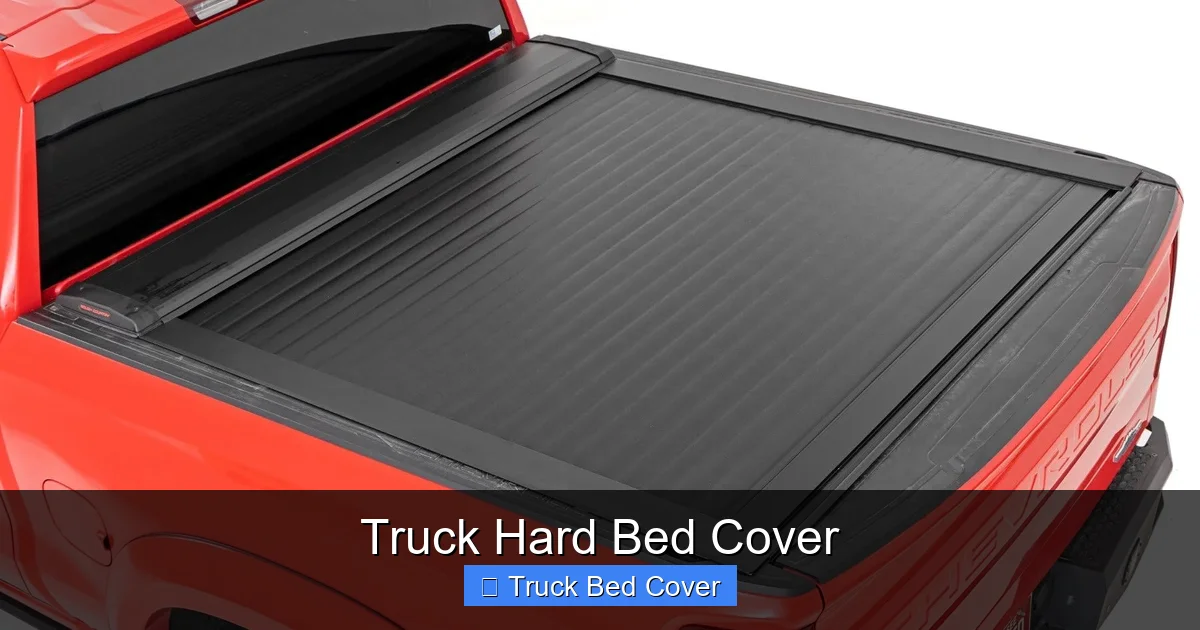
Truck Hard Bed Cover
A truck hard bed cover is a sturdy, locking lid that secures your truck bed from weather, theft, and wear. It offers full protection for gear while maintaining a sleek, factory-like look. Whether you haul tools, sports equipment, or weekend gear, this cover keeps everything safe and dry.
When it comes to protecting the contents of your truck bed, nothing beats the reliability and style of a truck hard bed cover. Whether you’re a weekend warrior hauling camping gear, a contractor transporting tools, or just someone who values their belongings, a hard cover delivers peace of mind. Unlike soft tonneau covers that flap in the wind or roll up loosely, a solid hard cover sits flush over the bed, offering full enclosure and maximum security.
In this guide, we’ll walk through everything you need to know about truck hard bed covers—what they are, why they matter, how to choose the right one, and how to install and maintain them. By the end, you’ll be ready to make an informed decision that matches your lifestyle, vehicle, and budget.
Key Takeaways
- Enhanced Security: Hard covers lock like a trunk, preventing unauthorized access to your cargo.
- Weather Protection: They shield items from rain, snow, dust, and UV rays, keeping contents dry and undamaged.
- Durable Construction: Made from tough materials like fiberglass, aluminum, or ABS plastic for long-lasting performance.
- Aerodynamic Design: Reduces wind resistance, improving fuel efficiency and ride stability at highway speeds.
- Easy Installation: Most models bolt directly to existing bed rails without permanent modifications.
- Improved Aesthetics: Gives your truck a clean, finished look that boosts resale value.
- Versatile Use: Ideal for contractors, campers, hunters, and anyone needing reliable cargo security.
Quick Answers to Common Questions
What’s the difference between a hard and soft bed cover?
A hard bed cover is made of rigid material (like aluminum or fiberglass) and provides full enclosure and superior security. Soft covers use fabric stretched over bows and offer less protection against weather and theft.
Can I install a hard bed cover myself?
Yes! Most hard covers bolt directly to your truck bed rails and can be installed in 1–2 hours with basic tools. Follow the manufacturer’s instructions carefully for best results.
Do hard bed covers affect gas mileage?
They can slightly improve fuel efficiency by reducing aerodynamic drag, especially at highway speeds. However, the gain is modest—usually 1–3% depending on driving conditions.
Are hard bed covers waterproof?
Most high-quality hard covers are designed to be watertight, but no cover is 100% impervious. Look for models with rubber gaskets, drain tubes, and sealed seams for optimal water resistance.
Will a hard bed cover fit my truck?
Hard covers are model-specific. Check the manufacturer’s compatibility list using your truck’s year, make, model, and bed size (short, standard, or long). Most brands offer detailed fit guides online.
📑 Table of Contents
- What Is a Truck Hard Bed Cover?
- Why Choose a Hard Bed Cover Over Other Options?
- Types of Truck Hard Bed Covers
- Choosing the Right Hard Bed Cover for Your Truck
- Installation Tips for Truck Hard Bed Covers
- Maintenance and Care
- Real-World Benefits You’ll Notice
- Common Misconceptions About Hard Bed Covers
- Top Brands to Consider
- Final Thoughts
What Is a Truck Hard Bed Cover?
A truck hard bed cover is a rigid, fully enclosed lid installed over the open space of a pickup truck bed. It’s designed to replace the standard tailgate and cover the entire load area, creating a sealed compartment. These covers come in several styles, but all share the same core purpose: to protect your cargo from the elements, prevent theft, and improve your truck’s overall appearance.
Unlike fabric-based tonneau covers, which stretch over bows and can sag or tear under stress, hard covers are built to last. They’re typically constructed from materials like fiberglass, aluminum, or high-impact ABS plastic. Each material offers unique advantages in terms of strength, weight, and cost.
The Evolution of Hard Covers
Hard covers have come a long way since their early days. Originally, they were bulky, expensive, and limited to luxury trucks. Today, thanks to advances in manufacturing and materials science, hard covers are more affordable, lighter, and widely available across all truck makes and models.
Modern designs focus not only on function but also on aesthetics. Sleek lines, flush mounting, and color-matched finishes make hard covers look like they belong—right out of the factory.
Why Choose a Hard Bed Cover Over Other Options?
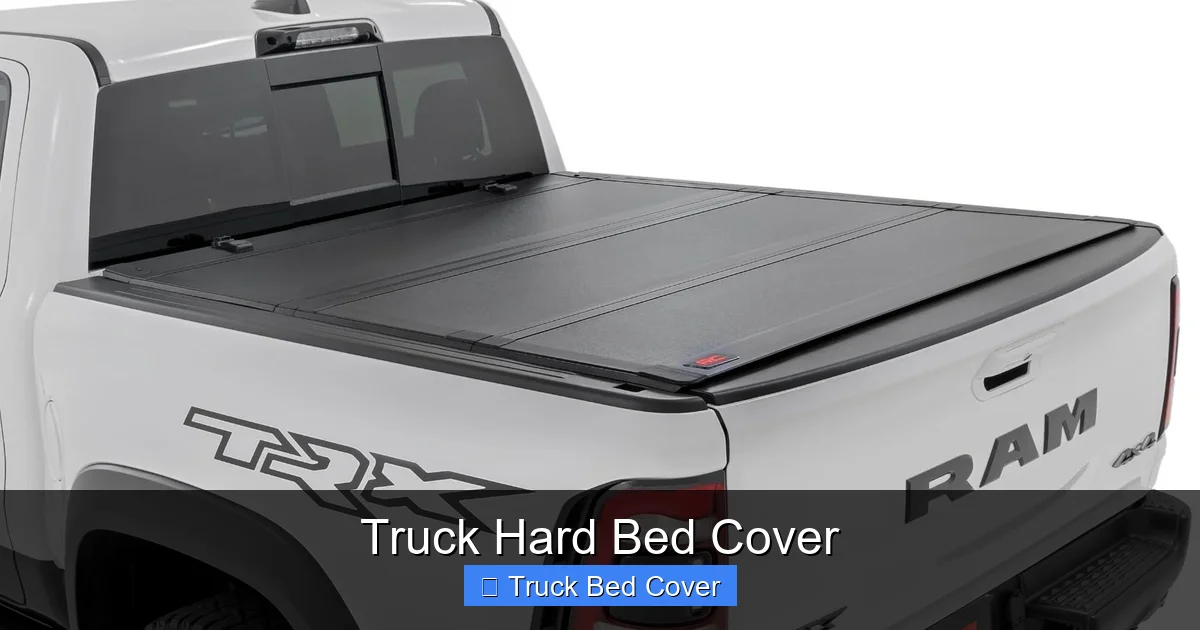
Visual guide about Truck Hard Bed Cover
Image source: images-na.ssl-images-amazon.com
You might wonder: why go hard when there are so many soft and hybrid alternatives? The answer lies in durability, security, and simplicity.
Soft covers (like vinyl roll-up or tri-fold) are lightweight and cheap, but they offer minimal protection against heavy rain, extreme heat, or prying eyes. Hybrid covers combine fabric with rigid panels, but they still lack the seamless integrity of a true hard shell.
Here’s where hard covers shine:
- Total Enclosure: No gaps, no flaps—just a solid barrier between your bed and the outside world.
- Lockable Security: Many models include dual-locking systems that secure both the tailgate and the cover itself.
- Wind Resistance: Flush-mounted designs cut down on drag and noise at high speeds.
- No Maintenance: Once installed, hard covers rarely need adjustment or repair.
For drivers who prioritize reliability and low maintenance, a hard bed cover is often the best investment.
Types of Truck Hard Bed Covers
Not all hard covers are created equal. There are several styles to match different needs, budgets, and vehicle setups. Let’s break them down.
1. Full-Size Solid Hard Covers
These are the most common type—a single-piece, rigid panel that spans the entire width of the truck bed. They’re usually mounted using clamps or bolts along the bed rails and feature a locking tailgate system.
Pros:
- Maximum security and weatherproofing
- Sleek, modern appearance
- Easy access via tailgate removal
Cons:
- Can be heavy (up to 80 lbs)
- Limited flexibility if you frequently need full bed access
Ideal for: Daily drivers, urban commuters, and those who carry sensitive gear.
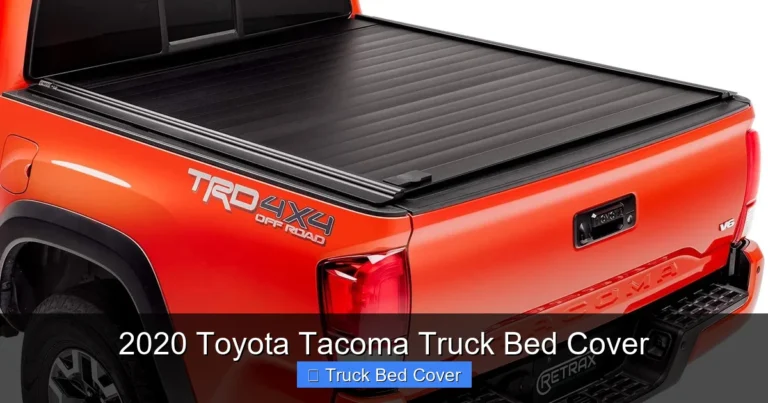
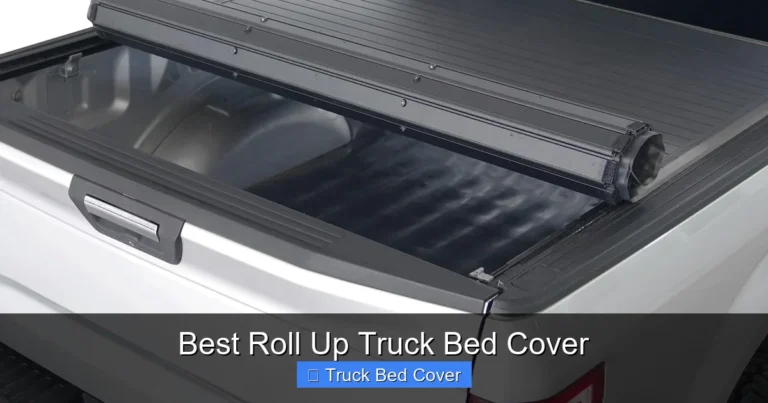
2. Dual-Lock Hard Roll-Up Covers
Despite the name, these aren’t truly rolling like soft covers. Instead, they use a sliding mechanism—often with side-mounted hinges—to fold or slide back into a compact storage box near the cab.
Pros:
- Full coverage when closed
- Retractable for easy access
- Less obtrusive than fixed covers
Cons:
- More moving parts = potential for wear
- Higher price point
Best for: Trucks used for mixed purposes—work and recreation.
3. Removable Hard Top Panels
As the name suggests, these covers can be removed entirely when needed. Some models snap off quickly; others require tools.
Pros:
- Complete bed access when desired
- Lightweight compared to fixed options
- Great for off-road enthusiasts who want open-air driving
Cons:
- Risk of misplacing or damaging panels
- Not ideal for frequent removals
Perfect for: Adventure seekers and custom truck owners.
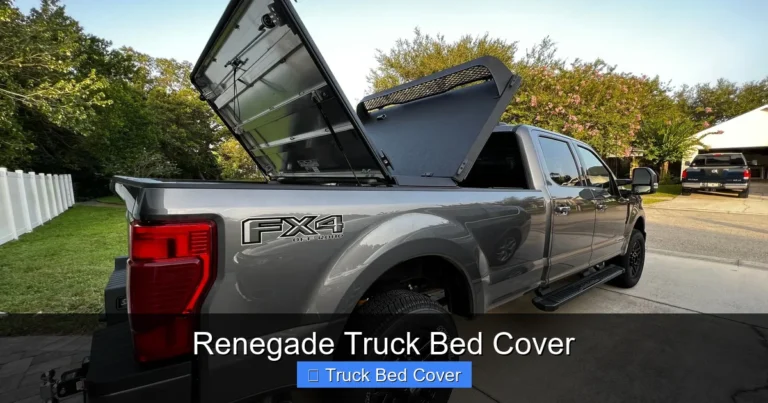
4. Toolbox Hard Covers
These integrate a built-in, lockable storage box into the cover itself. Think of it as a raised deck with a hidden compartment underneath.
Pros:
- Extra secure storage for valuables
- Maintains full bed coverage
- Adds professional look
Cons:
- Takes up extra bed space
- Heavier due to internal structure
Recommended for: Contractors and tradespeople who need on-the-go tool security.
Choosing the Right Hard Bed Cover for Your Truck
Picking the wrong cover can lead to frustration—poor fit, difficulty installing, or even damage to your truck. Here’s how to choose wisely.
Step 1: Match It to Your Truck Model
Hard covers are model-specific. Measure your bed length (short, standard, long), cab style (crew, extended, regular), and whether you have bed rails. Brands like BakBox, UnderCover, and Tonno Pro offer tailored fits for popular trucks like Ford F-150, Chevy Silverado, Ram 1500, and Toyota Tacoma.
Tip: Check compatibility charts on manufacturer websites before ordering.
Step 2: Consider Your Climate
If you live in a rainy or snowy region, prioritize water drainage and seal quality. Look for covers with rubber gaskets around the edges and drain tubes to channel moisture away.
In hot climates, consider UV-resistant coatings and ventilation options. Some covers include small vents to reduce heat buildup inside the bed.
Step 3: Evaluate Weight vs. Functionality
Fixed hard covers add significant weight—this affects payload capacity and fuel economy. If you regularly tow or carry heavy loads, opt for lighter aluminum or composite models.
Conversely, if security is your top concern, don’t sacrifice rigidity for weight savings. A heavier cover may be worth the trade-off for peace of mind.
Step 4: Think About Access Needs
Ask yourself: How often do I need full bed access? Do I carry large items like lumber or mattresses?
If yes, a removable or roll-up cover gives more flexibility. If not, a fixed panel saves money and simplifies operation.
Step 5: Budget Wisely
Hard covers range from $300 to $1,500+. Entry-level models use basic materials and simpler locks, while premium versions offer advanced features like remote access, integrated lighting, or smart key fobs.
Set a realistic budget, but remember: a quality cover lasts 10+ years with minimal care.
Installation Tips for Truck Hard Bed Covers
Even the best cover won’t perform well if it’s poorly installed. Here’s how to get it right the first time.
Gather the Right Tools
Most installations require:
- Socket wrench set
- Torque wrench (optional but recommended)
- Rubber mallet
- Measuring tape
- Level tool
Avoid using power tools unless specified—over-tightening can warp frames or strip bolts.
Prepare the Bed Surface
Clean the bed rails thoroughly—dirt, rust, or old adhesive residue can interfere with sealing. Sand any rust spots and wipe down with isopropyl alcohol before starting.
Follow the Manufacturer’s Instructions
Each brand has its own sequence. For example, some recommend installing the tailgate first; others suggest mounting the cover before attaching the gate.
Take photos as you go to track progress, especially if you’re unsure about alignment.
Check for Even Fit
Use a level to ensure the cover sits flat. Gaps at the sides or corners allow water intrusion and reduce security.
Tighten bolts gradually in a crisscross pattern to avoid warping the panel.
Test the Lock Mechanism
Before driving, test the locks multiple times. Make sure they engage smoothly and feel secure. A loose lock defeats the whole purpose.
Maintenance and Care
With proper care, your hard bed cover will last for years without issues.
Regular Cleaning
Wash with mild soap and water every few months. Avoid harsh chemicals that can degrade seals or scratch paint.
For stubborn stains, use a soft-bristle brush and non-abrasive cleaner.
Inspect Seals Annually
Check rubber gaskets for cracks or compression loss. Replace if worn—water leaks start small but cause big problems.
Lubricate Moving Parts (if applicable)
For roll-up or sliding models, apply silicone spray to hinges and tracks once a year to prevent sticking.
Store Properly When Not in Use
If you remove the cover seasonally, store it in a cool, dry place away from direct sunlight.
Never lean ladders or heavy objects on the cover—it’s not a work platform.
Avoid Extreme Temperatures During Winter
In freezing climates, condensation can form inside the bed. Open the cover briefly each week to vent moisture.
Real-World Benefits You’ll Notice
Beyond specs and features, here’s what real users report after installing a hard bed cover:
- Fuel Efficiency Gains: Reduced wind resistance means slightly better gas mileage—especially noticeable on highway commutes.
- Quieter Ride: No flapping fabric means less cabin noise at speed.
- Pride of Ownership: Your truck looks sharper and more intentional.
- Increased Resale Value: Buyers notice and appreciate well-maintained accessories.
- Peace of Mind: Knowing your tools, groceries, or kids’ toys are safe from thieves and weather.
One mechanic shared: “I used to leave my wrenches in the bed overnight. Now, with a locked cover, I sleep soundly knowing they’re secure.”
Another camper said: “Rain used to soak my sleeping bag during trips. With the cover, everything stays bone dry—even in a storm.”
Common Misconceptions About Hard Bed Covers
Let’s clear up some myths.
Myth #1: “They’re Too Heavy for My Truck”
While true, most modern covers weigh between 50–70 pounds—well within payload limits for average trucks. Unless you’re maxed out already, this isn’t a concern.
Myth #2: “They Block Rearview Visibility”
High-quality covers sit flush with the cab roof and don’t obstruct mirrors or visibility. Poorly fitted models might, but reputable brands design around this issue.
Myth #3: “They’re Only for Work Trucks”
Hard covers suit every driver—from farmers to families to street racers who want a stealthier profile.
Myth #4: “Installation Requires Professional Help”
DIY installation takes 1–2 hours with basic tools. Video tutorials and customer support make it accessible even for beginners.
Top Brands to Consider
Not all manufacturers are equal. Based on reliability, warranty, and customer feedback:
- Bak Industries: Known for rugged durability and innovative designs like the BakFlip FiberMax.
- UnderCover: Offers smooth-operating rolling covers with excellent build quality.
- TonnoPro: Affordable yet dependable—great entry point for new buyers.
- Leer: Premium option with custom-fit shells and luxury finishes.
- TruXedo: Popular rolling covers praised for ease of use and affordability.
Always read recent reviews and check return policies before purchasing.
Final Thoughts
A truck hard bed cover isn’t just an accessory—it’s a practical upgrade that enhances safety, functionality, and style. Whether you’re protecting expensive equipment, keeping kids’ toys dry, or simply wanting a cleaner look, the right hard cover delivers consistent value.
Invest time in researching your options, matching the cover to your truck and lifestyle, and following proper installation and maintenance steps. The result? A truck that works harder for you—and looks great doing it.
Frequently Asked Questions
How much does a truck hard bed cover cost?
Prices range from $300 for basic models to over $1,500 for premium features. Average costs hover around $600–$900. Always compare warranties and materials before buying.
Can I drive with a hard bed cover installed?
Yes, absolutely. In fact, driving with a cover reduces wind noise and improves aerodynamics. Just ensure the tailgate locks securely and all latches are engaged.
Will a hard bed cover void my truck’s warranty?
Generally, no—if installed correctly and not causing damage. However, consult your dealer if you have concerns about specific warranties, especially those related to bed modifications.
Do I need bed rails for installation?
Most hard covers attach to existing bed rails. If your truck doesn’t have rails, you’ll need to install aftermarket ones first. Some covers come with universal mounting kits.
Can I add a hard bed cover to an older truck?
Yes, as long as the bed dimensions match a compatible model. Retrofit kits exist for many pre-2000 trucks, though availability varies by brand.
How do I clean and maintain my hard bed cover?
Wash with mild soap and water monthly. Inspect seals annually and replace if cracked. Use silicone spray on moving parts if applicable. Avoid abrasive cleaners that scratch the surface.