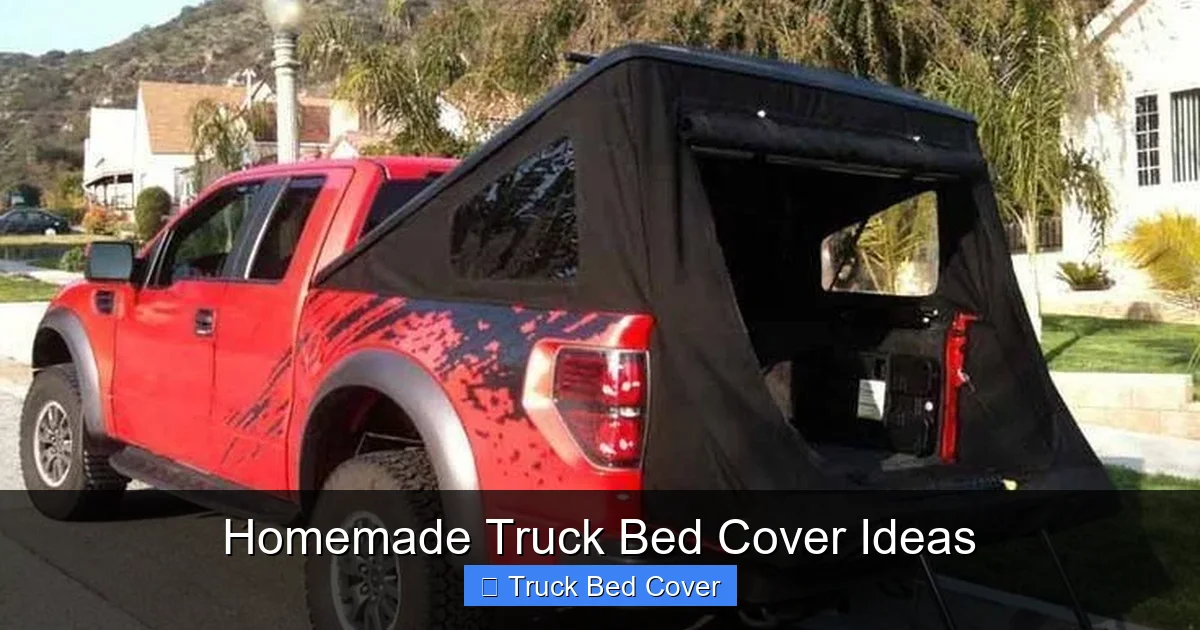
Homemade Truck Bed Cover Ideas
Want a custom truck bed cover without spending hundreds? Homemade truck bed covers offer a smart, affordable way to protect your gear from rain, sun, and theft while boosting your truck’s functionality. Whether you’re into woodworking, sewing, or basic tools, these DIY projects let you build a cover that fits your exact needs—no dealership required.
If you’ve ever struggled with rain soaking your tools, sun fading your gear, or curious onlookers snooping in your truck bed, you’re not alone. Many truck owners rely on store-bought covers, but what if you could build one yourself? Homemade truck bed cover ideas aren’t just about saving money—they’re about customization, durability, and personal touch. Whether you drive a compact pickup or a full-size rig, there’s a DIY solution that fits your lifestyle and budget.
Building your own truck bed cover gives you control over materials, design, and function. Want a soft roll-up? Need a hard shell with storage bins? How about a retractable awning-style canopy? With a little planning and creativity, the possibilities are endless. Plus, you’ll learn valuable skills along the way—measuring, cutting, welding, or sewing—that you can use again for other projects.
In this guide, we’ll walk you through five popular homemade truck bed cover ideas, complete with step-by-step tips, material recommendations, and pro insights. From simple canvas tarps to sturdy aluminum-framed covers, you’ll find something that matches your skill level and truck model. Let’s get started!
Key Takeaways
- DIY Truck Bed Covers Save Money: Building your own cover is often cheaper than buying factory options, especially for custom sizes.
- Custom Fit Is Key: A homemade cover can be tailored precisely to your truck’s bed dimensions and your cargo needs.
- Material Choices Matter: Use waterproof fabrics like vinyl or canvas, paired with durable frames made of aluminum or steel.
- Security Features Can Be Added: Lockable latches, straps, and reinforced edges help keep your belongings safe.
- Easy Maintenance: Most DIY covers are simple to clean and repair compared to rigid metal tops.
- Improves Fuel Efficiency: A well-designed cover reduces wind resistance, improving gas mileage over time.
- Fun Project for Enthusiasts: Building a cover is a rewarding weekend project that adds personal flair to your truck.
Quick Answers to Common Questions
Can I install a homemade truck bed cover myself?
Yes! Most DIY covers require only basic tools and follow simple instructions. Start with a soft tarp or folding panel if you’re new to carpentry or welding.
Are homemade covers legal in all states?
In most U.S. states, as long as the cover doesn’t obstruct license plates, lights, or windows, it’s legal. Check local regulations—some areas restrict cover height or reflectivity.
Do I need special tools to build a cover?
Not necessarily. Simple covers use scissors, a staple gun, and measuring tape. More complex designs may need a welder or drill, but many can be done with household tools.
How do I make my cover waterproof?
Use waterproof fabric like vinyl-coated polyester, apply a sealant spray, and install rubber gaskets around seams and latches to block water ingress.
Will a DIY cover improve my gas mileage?
Yes—especially if it reduces drag. Smooth, streamlined covers lower wind resistance, which can improve fuel efficiency by 2–5% depending on driving conditions.
📑 Table of Contents
Why Choose a Homemade Truck Bed Cover?
Before diving into specific designs, it’s worth asking: why go DIY when commercial options exist? The answer lies in flexibility and cost-effectiveness. Pre-made covers come in standard sizes, which might not fit your truck perfectly. They also lack personalization—same look, same features, no matter who owns them.
Homemade truck bed covers solve these problems. You measure your bed down to the inch, choose materials based on your climate, and add features like toolboxes or LED lighting. For off-roaders, a lightweight mesh cover might be ideal. For city drivers, a sleek hardtop could improve aerodynamics. And for farmers or tradespeople, a reinforced tarp with grommets ensures years of reliable use.
Another advantage? Upgrades. If you start with a basic tarp system and later want to add a locking mechanism or solar panels, you can modify it easily. Commercial covers are often sealed and non-adjustable, limiting future improvements.
Finally, building your own cover is satisfying. There’s nothing like seeing a project come together—the cut fabric, the welded frame, the final installation. It’s a hands-on way to make your truck truly yours.
Materials You’ll Need for DIY Truck Bed Covers
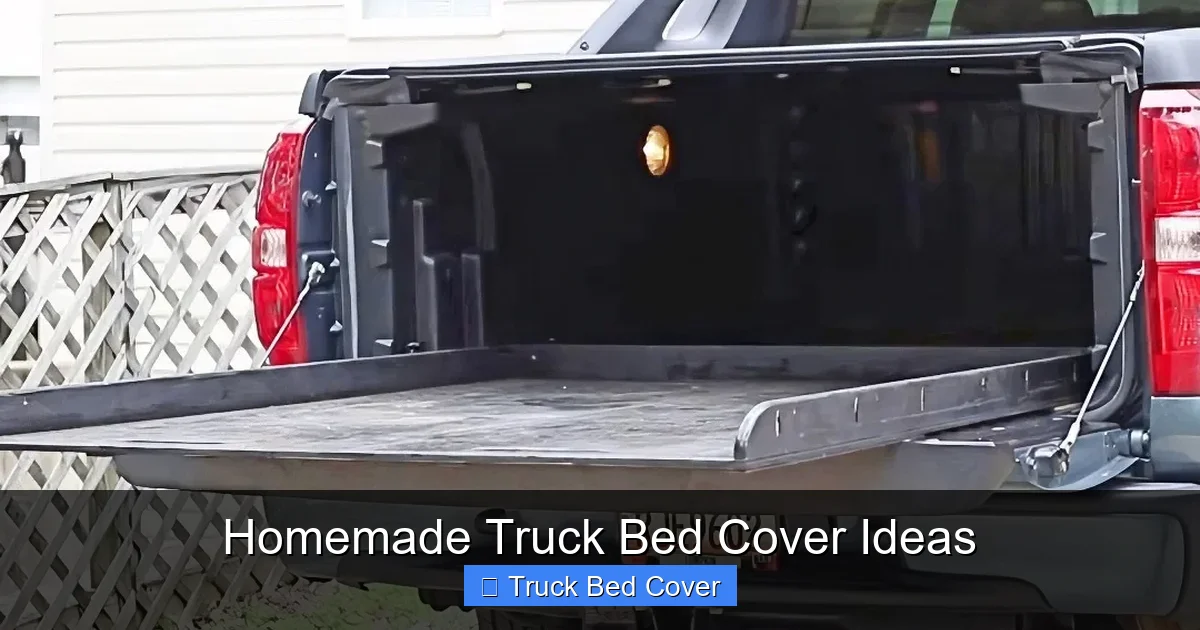
Visual guide about Homemade Truck Bed Cover Ideas
Image source: cdn.diycraftsy.com
The success of any homemade truck bed cover depends on the materials you choose. Quality components ensure longevity, weather resistance, and ease of use. Here’s a breakdown of essential supplies:
Fabric Options:
- Vinyl-Coated Polyester: Waterproof, UV-resistant, and tear-proof. Ideal for harsh climates.
- Canvas (Olefin or Duck Cloth): Breathable, less expensive, but requires treatment for water resistance.
- Mesh Fabric: Allows airflow while blocking sun and light. Great for hot climates.
- Aluminum or Steel Sheets: Used in hardtop designs for rigidity and security.
Frame Materials:
- Aluminum Channels or Pipes: Lightweight, rust-resistant, easy to bend and weld.
- Steel Angle Iron: Heavier but extremely strong—good for heavy-duty applications.
- PVC or Fiberglass Rods: Budget-friendly for soft covers; less durable than metal.
Hardware Essentials:
- C-clamps or L-brackets: To secure fabric to the frame.
- Velcro Straps or Buckles: For quick attachment and removal.
- Grommets:: Reinforced eyelets for tying down corners.
- Zippers or Magnetic Closures:: Optional for access panels.
Tools to Have Handy:
- Ruler or measuring tape
- Scissors or rotary cutter (for fabric)
- Drill with bits
- Soldering iron or welder (for metal frames)
- Staple gun or sewing machine
- Ladder or lift (for installation)
Pro Tip: Always pre-treat fabric with waterproofing spray (like Scotchgard) before assembly. This extends life and prevents leaks.
DIY Soft Top Truck Bed Cover Ideas
Soft covers are the most common homemade option—lightweight, affordable, and easy to install. They’re perfect for casual users who need quick protection without permanent modifications.
1. Canvas Roll-Up Cover
This classic design uses a heavy-duty canvas sheet attached to a rear rail with clips or straps. When rolled up, it stores neatly behind the cab.
How to Build:
- Measure your truck bed length and width.
- Cut a piece of canvas slightly larger than the bed (add 6–8 inches for overlap).
- Attach PVC or aluminum rods along the front edge for rolling.
- Install side rails using C-clamps or brackets bolted to the bed sides.
- Add Velcro strips at the front for a snug seal.
Pros: Inexpensive, breathable, easy to remove.
Cons: Not fully waterproof unless treated; can flap in wind.
2. Folding Panel System
Instead of rolling, this cover folds like an accordion. It’s great for trucks with low clearance or tight garages.
How to Build:
- Create three or four hinged panels using plywood or aluminum sheets.
- Connect them with piano hinges for smooth folding.
- Mount the first panel to the tailgate with a latch.
- Use gas shocks to hold the folded stack upright.
Tip: Add rubber seals around each seam to block water.
Hard Shell Truck Bed Cover Designs
For maximum protection and style, hard shells are unbeatable. Though heavier, they offer excellent security and weather sealing—ideal for daily commuters or those carrying valuables.
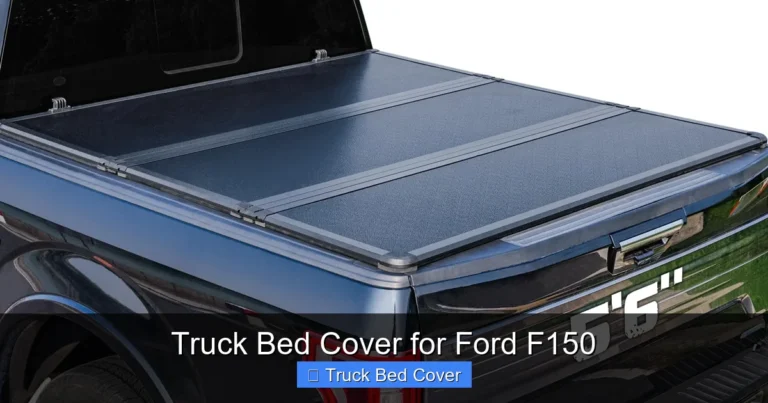
3. Plywood Hardtop with Vinyl Wrap
A budget version of a camper shell, this cover uses plywood as the base and wraps it in marine-grade vinyl.
Steps:
- Cut plywood to match your bed shape (include overhangs for mounting).
- Sand edges smooth and apply primer.
- Stretch vinyl over the top and trim excess.
- Install hinges on one side and a latch on the other.
- Add foam insulation inside for noise reduction.
Weight Note: Expect 50–70 lbs. Ensure your hitch can support the load.
4. Aluminum Framed Hardcover
More durable than plywood, this design uses welded aluminum tubing and panels.
Benefits:
- Rust-proof
- Lightweight compared to steel
- Can include built-in toolboxes or lighting
Installation Tip: Use rubber gaskets between the cover and bed to prevent rattling.
Innovative Retractable and Modular Systems
Want something more advanced? Retractable and modular covers combine convenience with customization.
5. Motorized Retractable Cover
Using a small electric motor and spool system, this cover rolls open and shut with a button press.
Components Needed:
- DC motor with controller
- Pulley and cable system
- Battery pack (12V recommended)
- Weatherproof enclosure for electronics
Caution: Requires electrical knowledge. Consider professional wiring for safety.
6. Modular Panel Kit
Imagine swapping out panels—adding a roof rack mount one day, a ladder the next. That’s modularity.
How It Works:
- Build interlocking panels with magnetic or bolt-on connectors.
- Each panel can serve different purposes: storage, seating, or cargo net mounts.
Best For: Trucks used for multiple activities (camping, work, recreation).
Adding Features to Your Homemade Cover
Once the basic structure is done, think about extras that boost utility.
Storage Compartments
Cutouts in the cover can house small bins, drink holders, or even a fold-down table.
LED Lighting
Solder tiny LED strips along the edges for nighttime visibility. Solar-powered options save battery life.
Side Access Panels
Add zippered flaps so you can reach items without lifting the entire cover.
Wind Deflectors
A small vertical panel at the back reduces air turbulence and improves fuel economy.
Anti-Theft Locks
Install keyed latches or combination locks to deter opportunistic thieves.
Installation Tips for Success
Even the best design falls apart with poor installation. Follow these steps for a secure fit:
- Clean the Bed: Remove dirt, debris, and moisture before mounting.
- Test Fit First: Dry-run the cover without hardware to check alignment.
- Use Sealants: Apply silicone around seams and edges to block water.
- Tighten Gradually: Don’t overtighten bolts—this can warp metal or damage paint.
- Check Weather Before Installing: Avoid rain or high humidity during assembly.
Maintenance is just as important. Inspect your cover monthly for loose stitches, rust spots, or torn fabric. Replace worn parts promptly to avoid bigger issues.
Frequently Asked Questions
What’s the cheapest homemade truck bed cover?
A simple canvas tarp secured with bungee cords or Velcro straps costs under $50. Add grommets and waterproofing spray for better durability.
Can I use a carport as a truck bed cover?
Yes, but modify it to fit your truck bed. Reinforce the frame and ensure it’s anchored securely. A used carport kit can be repurposed for around $200.
How heavy should my DIY cover be?
Keep it under 100 lbs if possible. Heavy covers strain tailgate hinges and reduce fuel efficiency. Use lightweight materials like aluminum and thin vinyl.
Do I need a permit to build a cover?
Generally no—but inspect your local DMV rules. Some jurisdictions require covers to meet specific visibility or structural standards.
Can I add a sunroof to my DIY cover?
Absolutely. Cut a window opening and install a sliding or pop-up panel. Use acrylic or polycarbonate sheets for clarity and strength.
Is mesh fabric suitable for winter?
Mesh allows snow and ice to fall through, which helps prevent buildup. However, it won’t block cold air completely. Pair it with a heated blanket for extreme climates.