What Size Tarp to Cover Truck Bed
Choosing the right tarp size for your truck bed ensures your cargo stays dry and protected from damage. Too small, and water gets in; too big, and it flaps in the wind. This guide walks you through exact measurements, material options, and practical tips to match your truck’s dimensions perfectly.
Key Takeaways
- Measure your truck bed accurately, including tailgate and rail height, to determine required tarp length and width.
- Allow extra overhang—typically 12–24 inches on each side—to ensure full coverage and secure tarp attachment.
- Choose the right material: vinyl tarps offer durability and waterproofing, while canvas is breathable but less resistant to UV.
- Consider tarp style: fitted tarps follow bed contours, while flat tarps are easier to fold and store.
- Account for accessories like toolboxes or bed liners when measuring for proper fit.
- Use ratchet straps or bungee cords to secure the tarp tightly, preventing flapping and water intrusion.
- Regularly inspect and replace worn tarps to maintain protection and extend their lifespan.
Covering your truck bed with a tarp is more than just keeping rain off your belongings—it’s about protecting your gear, maintaining vehicle value, and ensuring safety on the road. Whether you’re hauling mulch, lumber, furniture, or emergency supplies, the right tarp makes all the difference. But here’s the catch: picking the wrong size can lead to a soggy load, a flapping mess, or even damage to your truck’s interior. So, how do you know what size tarp to cover your truck bed?
The answer starts with measurement. Every truck bed is different—Ford, Chevy, Toyota, Dodge—each has unique dimensions based on make, model, year, and whether it has a standard, extended, or crew cab. Add in features like bed rails, toolboxes, or spray-in liners, and the math gets a little more complex. But don’t worry. With a few simple steps, you can figure out exactly what size tarp you need to keep everything dry and secure.
In this article, we’ll walk you through the entire process of selecting the right tarp size for your truck bed. We’ll cover how to measure, what materials to consider, the best styles for different needs, and even tips on securing and maintaining your tarp. By the end, you’ll feel confident choosing the perfect tarp—one that fits snugly, resists weather, and lasts for years.
Key Takeaways
- Understanding what size tarp to cover truck bed: Provides essential knowledge
Quick Answers to Common Questions
What size tarp do I need for a standard Ford F-150?
Most standard Ford F-150 beds are about 6.5 feet long and 5–6 feet wide. A tarp sized 8′ x 10′ provides enough overhang to secure it properly over the cab and tailgate.
Can I use a smaller tarp if I don’t tie it down tightly?
No. Even with tight ties, a tarp that’s too small won’t cover the entire bed, leaving edges exposed to wind and rain. Always choose a size with adequate overhang.
Are vinyl tarps better than canvas?
Yes, for truck beds. Vinyl is waterproof, UV-resistant, and durable. Canvas breathes well but isn’t fully waterproof and degrades faster in sun and rain.
How much extra length should a tarp have?
Add 12 to 24 inches of overhang on each side. This allows the tarp to be tied securely over the tailgate or cab without pulling tight.
Can I cut a tarp to fit my truck bed?
It’s possible, but not recommended. Cutting removes material, weakening the tarp and making it harder to secure. Stick to standard sizes or buy a custom-fit option.
📑 Table of Contents
Why Tarp Size Matters for Truck Beds
A tarp isn’t just a sheet of fabric thrown over cargo. It’s a protective barrier against rain, snow, dirt, wind, and even theft. When the tarp is too small, water finds its way under the edges during storms. When it’s too large, it flaps in the wind like a sail, creating noise, wear, and potential accidents. And if it’s not secured properly, it can shift while driving, exposing your load.
For contractors, farmers, landscapers, and everyday drivers alike, the stakes are high. A soaked load means wasted time, money, and effort. A loose tarp can become a flying hazard, especially at highway speeds. That’s why getting the size right isn’t optional—it’s essential. A well-fitted tarp saves you from headaches and keeps your truck and cargo in top shape.
How to Measure Your Truck Bed for a Tarp
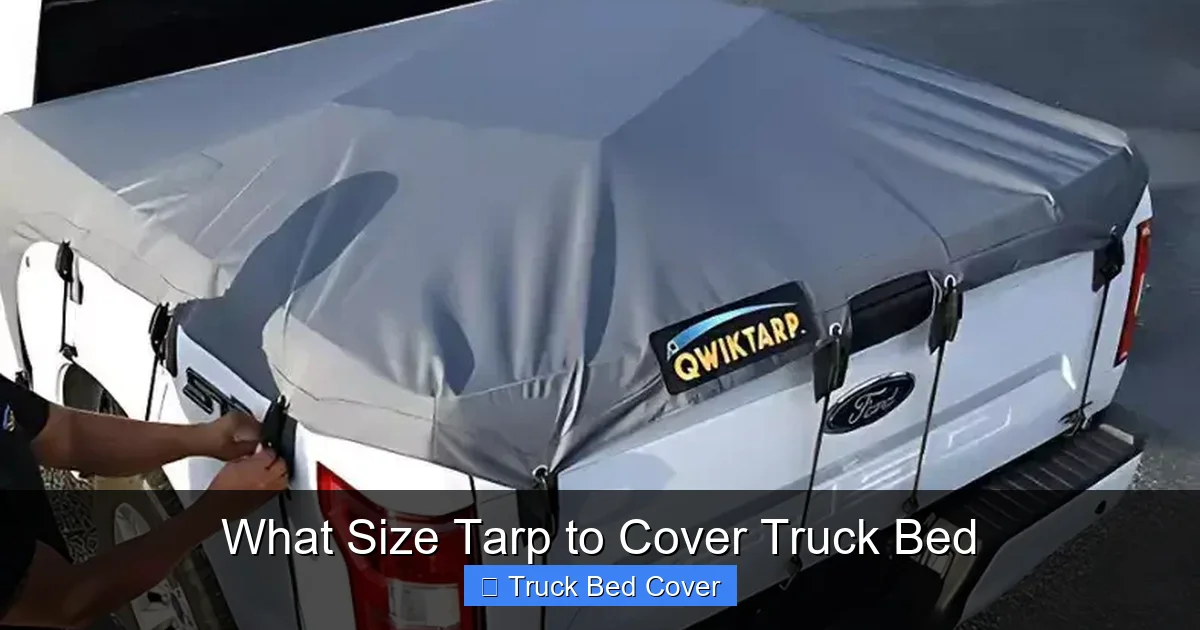
Visual guide about What Size Tarp to Cover Truck Bed
Image source: truckio.org
Measuring your truck bed might sound straightforward, but precision matters. You’ll need a tape measure, a friend (optional but helpful), and maybe a pen and paper to jot down numbers. Let’s break it down step by step.
Step 1: Measure the Length of the Bed
Start by measuring from the front edge of the truck bed (near the cab) to the back edge where the tailgate sits. This gives you the base length. For example, a standard Ford F-150 has a bed length of around 6.5 feet, while a long-bed Silverado measures closer to 7.5 feet. Always double-check your specific model, as aftermarket modifications can alter these dimensions.
Step 2: Measure the Width
Next, measure across the widest part of the bed. Standard full-size trucks usually have beds around 60 to 65 inches wide. Compact trucks like the Toyota Tacoma or Nissan Frontier may be narrower—around 50 to 55 inches. Don’t forget to account for any raised bed rails, which add height but don’t affect width unless you plan to tuck the tarp underneath.
Step 3: Check the Height (Optional but Important)
If your truck has tall bed rails or a cap/tonneau cover, measure from the top of the rails down to the bed floor. This helps determine how much tarp material you’ll need to drape over the sides without pooling in the center. A tarp that’s too short vertically will bunch up and leak.
Step 4: Account for Overhang
Here’s a pro tip: always add extra material. Most experts recommend adding 12 to 24 inches of overhang on each side. This extra length allows the tarp to be tied securely over the cab or tailgate. Without it, the tarp won’t stay in place during windy conditions. For example, if your bed is 6 feet long and 5 feet wide, you’d want a tarp at least 8 feet long and 7 feet wide.
Step 5: Consider Accessories and Modifications
Do you have a drop-in bed liner, toolbox, or camper shell? These can block full coverage. Measure around them and adjust your tarp size accordingly. Some people use multiple smaller tarps to work around obstacles, but one large tarp is usually more efficient.
Popular Tarp Sizes and Their Uses
Once you’ve measured your truck, you’ll see that most tarps come in standardized sizes. Here are some common options and what they’re best for:
Standard Full-Size Truck Tarps (8′ x 10′)
This is one of the most popular sizes. An 8-foot by 10-foot tarp works well for standard full-size truck beds like those on a Ford F-150, Chevrolet Silverado 1500, or Ram 1500. The 8-foot width accommodates most bed widths with room to spare, and the 10-foot length covers the bed with enough overhang to tie down securely.
Compact Truck Tarps (6′ x 8′ or 6′ x 9′)
For compact trucks like the Toyota Tacoma, Honda Ridgeline, or Nissan Frontier, a 6-foot by 8-foot tarp is often sufficient. Some prefer 6′ x 9′ for extra overhang. These smaller tarps are lighter, easier to handle, and take up less storage space.
Long-Bed Truck Tarps (8′ x 12′ or 10′ x 12′)
If you drive a long-bed truck—like a Ford Super Duty with an 8-foot bed or a Toyota Tundra TRD Pro—you’ll need a longer tarp. An 8′ x 12′ tarp provides ample coverage for extended beds, while a 10′ x 12′ version offers even more overhang for added security.
Specialty Tarps for Heavy-Duty Use
For construction sites or extreme weather, consider reinforced tarps. These are often larger—like 10′ x 16’—and made of thicker vinyl. They’re designed to withstand tearing, UV exposure, and heavy rain. While pricier, they last longer and perform better under stress.
Choosing the Right Tarp Material
Tarp size isn’t the only decision. The material affects durability, weight, cost, and performance. Here’s a quick rundown of the most common options:
Vinyl Tarps
Vinyl tarps are the gold standard for truck bed coverage. They’re waterproof, tear-resistant, and hold up well to sun exposure. Most vinyl tarps are also coated with UV inhibitors to prevent fading and brittleness. They’re heavier than other materials but worth the extra weight for long-term protection. Look for 10-ounce or 12-ounce vinyl for durability.
Canvas Tarps
Canvas is breathable and soft, making it ideal for covering items sensitive to moisture buildup, like fresh produce or leather goods. However, it’s not fully waterproof unless treated. Canvas tarps are lighter and cheaper but wear out faster in harsh conditions. They’re best for occasional use or dry climates.
Polyethylene Tarps
Also known as plastic tarps, these are lightweight, inexpensive, and great for temporary use. They’re available in clear or black and come in various thicknesses (6 mil, 10 mil, etc.). While they repel water, they’re prone to tearing and degrade quickly in sunlight. Not recommended for long-term or heavy-duty applications.
Nylon Tarps
Nylon is strong, flexible, and resistant to abrasion. It’s often used in industrial settings. However, nylon absorbs moisture over time, which can lead to mold or mildew. It’s also more expensive. Only choose nylon if you need extreme strength and don’t mind regular maintenance.
Mesh Tarps
Mesh tarps allow airflow while blocking debris. They’re excellent for covering items that need ventilation, like greenhouses or outdoor furniture. But they don’t provide waterproofing, so avoid them if you expect rain or snow.
Tarp Styles: Fitted vs. Flat
Another consideration is tarp style. There are two main types: fitted and flat.
Fitted Tarps
Fitted tarps are shaped to match your truck bed’s contour—think of them like a fitted sheet for your truck. They often come with grommets along the edges and may include straps or buckles. Pros: snug fit, less flapping, easier to secure. Cons: harder to find in exact sizes, may not work with modified beds.
Flat Tarps
Flat tarps are rectangular sheets that drape over the bed. They’re simpler, more versatile, and easier to fold and store. You can cut them to size if needed, though most are sold in standard dimensions. Pros: affordable, customizable, widely available. Cons: require more securing effort, may flap in wind.
For most drivers, a flat tarp offers the best balance of cost, convenience, and adaptability. If your truck has a unique setup, a flat tarp gives you flexibility.
Securing Your Tarp Properly
Even the perfect-sized tarp won’t help if it’s not tied down. Loose tarps create noise, waste fuel, and can become dangerous projectiles. Here’s how to secure yours like a pro:
Use Ratchet Straps or Bungee Cords
Ratchet straps are ideal for tight, secure holds. Loop them over the tarp and down to D-rings or hooks on the truck bed or tailgate. Bungee cords are quicker but less rigid—great for light loads or short trips.
Create a Snug Fit
Pull the tarp taut before tightening. A loose tarp pools water in the center, creating leaks. Make sure the corners are tucked under the bed rails or secured with clips.
Double-Layer Protection
For extra peace of mind, use a second layer of tarp or a tarp with built-in straps. Or, wrap the tarp around the load and back down again before tying.
Avoid Over-Tightening
While you want it snug, don’t stretch the tarp too far. Vinyl can crack under excessive tension, especially in cold weather.
Common Mistakes to Avoid
Even experienced truck owners make these errors:
– Not measuring twice: Eyeballing leads to guesswork. Always measure.
– Ignoring weather forecasts: A small tarp fails in heavy rain.
– Using the wrong material: Plastic tarps for long-term use? No thanks.
– Skipping overhang: No extra length = no secure tie-downs.
– Neglecting maintenance: Clean and store tarps properly to extend life.
When to Upgrade Your Tarp
Over time, tarps wear out. Faded, brittle, or torn tarps offer little protection. Signs it’s time to replace your tarp include:
– Visible holes or weak spots
– Difficulty rolling or folding
– Stiffness that cracks when flexed
– Persistent dampness under the tarp
Investing in a new tarp every 2–3 years (or sooner if used frequently) pays off in reduced damage and hassle.
Final Tips for Long-Term Protection
– Store tarps in a cool, dry place when not in use.
– Rinse off dirt and salt after winter use.
– Apply a UV protectant occasionally.
– Keep spare straps and grommets on hand.
With the right size and care, your truck bed tarp becomes a reliable shield for your cargo—rain or shine.
Frequently Asked Questions
What is the best material for a truck bed tarp?
Vinyl is the best choice due to its waterproofing, durability, and resistance to UV rays. It stands up to harsh weather and heavy use, making it ideal for truck beds.
How do I measure my truck bed accurately?
Use a tape measure to record the length from front to back and the width across the bed. Include the height if you have tall rails. Add 12–24 inches to each dimension for overhang.
Can I use a plastic tarp for long-term truck bed coverage?
Plastic tarps are fine for short-term or dry conditions, but they tear easily and degrade in sunlight. For long-term use, opt for vinyl or canvas tarps.
Do I need a fitted or flat tarp?
Flat tarps are more versatile and easier to store. Fitted tarps offer a snugger fit but are harder to find in standard sizes. Choose based on your truck’s design and personal preference.
How often should I replace my truck bed tarp?
Replace your tarp every 2–3 years, or sooner if it shows signs of wear like holes, brittleness, or difficulty rolling. Regular use and exposure to elements shorten lifespan.
Should I tuck the tarp under the bed rails?
Yes, if possible. Tucking the edges under the rails helps prevent water from seeping in and adds stability. Use clips or straps to keep it secure.