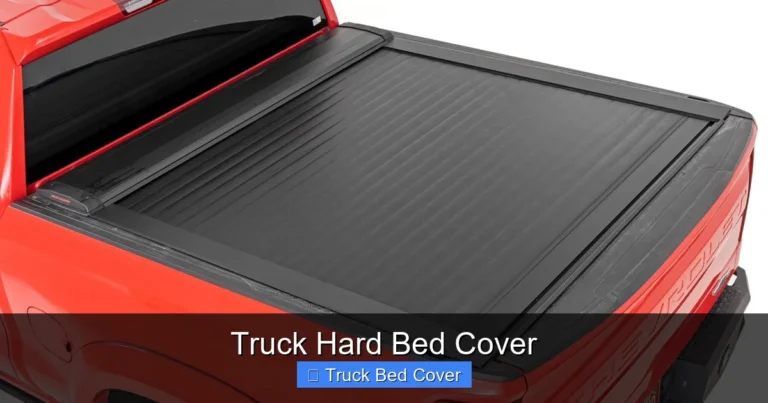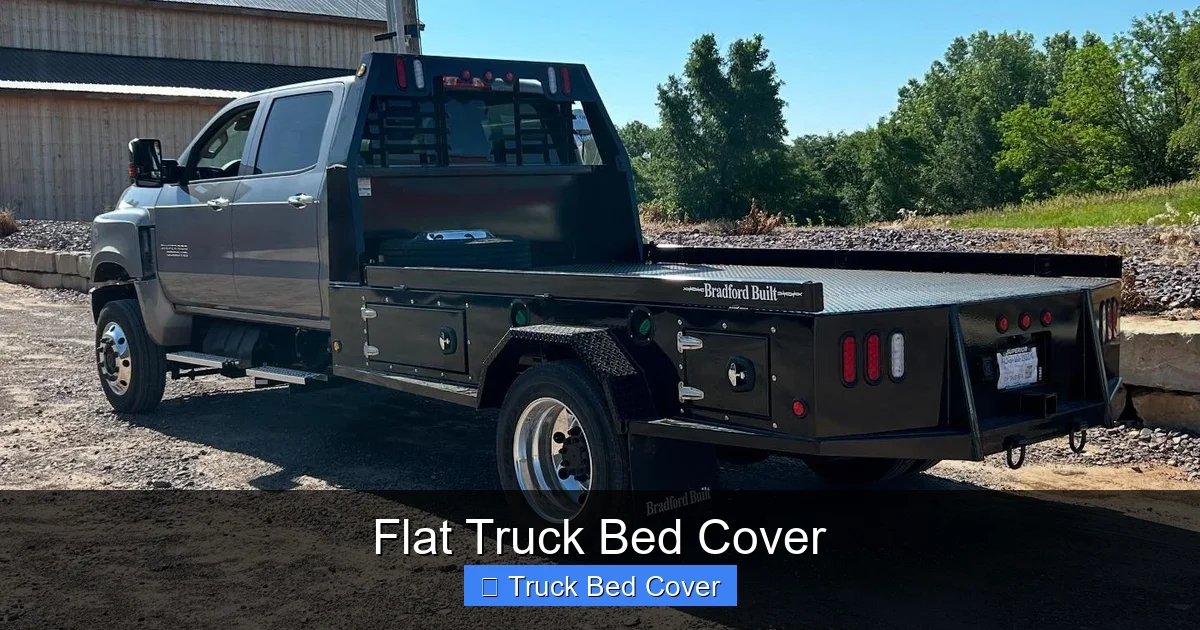
Flat Truck Bed Cover
A flat truck bed cover is a practical and affordable solution for protecting your truck bed from rain, snow, dust, and theft. Unlike traditional tonneau covers, it offers a sleek, low-profile design that doesn’t interfere with loading or unloading gear. Whether you’re hauling tools, sports equipment, or groceries, a flat cover keeps your cargo safe without sacrificing convenience.
If you’ve ever struggled to keep your truck bed dry during a sudden downpour or worried about someone snooping through your gear overnight, you’re not alone. Many truck owners face the same challenges—whether they’re hauling lumber for a weekend project, transporting fishing rods to the lake, or simply trying to keep their dog safe from the elements. Enter the flat truck bed cover: a no-nonsense accessory that delivers big on functionality, style, and value.
Unlike bulky hard shells or complicated retractable systems, a flat truck bed cover offers a simple, effective way to protect your cargo. It’s lightweight, easy to install, and doesn’t change the way you use your truck bed. In this guide, we’ll walk you through everything you need to know about flat truck bed covers—what they are, how they work, why they’re worth considering, and how to choose the right one for your vehicle.
Key Takeaways
- Protection from Elements: A flat truck bed cover shields your cargo from rain, snow, and UV rays, preventing water damage and fading.
- Enhanced Security: It deters theft and keeps unauthorized access at bay, especially when paired with a tailgate lock.
- Improved Fuel Efficiency: Reduces wind resistance at high speeds, leading to better gas mileage.
- Easy Installation: Most flat covers are clamp-on or bolt-on systems that don’t require drilling or permanent modifications.
- Versatile Use Cases: Ideal for contractors, campers, farmers, and everyday drivers who need reliable storage.
- Aesthetic Appeal: Adds a clean, streamlined look to your truck without bulkiness.
- Affordable Option: Generally more budget-friendly than hard or soft roll-up tonneau covers.
Quick Answers to Common Questions
Can a flat truck bed cover fit any truck?
Most flat covers are designed for specific truck makes, models, and bed lengths. Always check compatibility before purchasing. Universal kits exist but may not seal as tightly.
Will a flat cover hold up in heavy rain?
Yes, if it’s a quality model with a waterproof seal. Look for features like rubber gaskets and reinforced edges to prevent leaks.
Do I need special tools to install one?
Basic tools like a wrench or screwdriver are usually sufficient. Clamp-on and snap-on models require no drilling, making them ideal for DIYers.
Can I still access my truck bed with the cover on?
Absolutely. Most flat covers allow full or partial access depending on the design—some slide open, others have removable panels.
Are flat covers worth the cost?
For most users, yes. They offer excellent value by protecting cargo, improving fuel efficiency, and enhancing security without complex mechanisms.
📑 Table of Contents
- What Is a Flat Truck Bed Cover?
- Benefits of Installing a Flat Truck Bed Cover
- Types of Flat Truck Bed Covers
- How to Choose the Right Flat Truck Bed Cover
- Installation Tips and Maintenance
- Real-World Applications of Flat Truck Bed Covers
- Common Misconceptions About Flat Truck Bed Covers
- Conclusion: Is a Flat Truck Bed Cover Right for You?
What Is a Flat Truck Bed Cover?
At its core, a flat truck bed cover is a type of tonneau cover designed to sit flush with the edge of your truck bed. It typically consists of a single-piece panel made from materials like aluminum, plastic, or fiberglass, which lays flat across the bed rails. This design contrasts with roll-up or folding covers that create peaks or folds, offering a sleeker, more aerodynamic appearance.
Flat covers come in two main styles: fixed and retractable. Fixed models are permanently installed and stay in place, while retractable ones can be pulled back to access the full bed when needed. Both types are known for their minimalist look and ease of use.
These covers are often used interchangeably with “low-profile” tonneau covers, though not all low-profile covers are completely flat. The key advantage of a true flat cover is its seamless integration with the truck bed, creating a smooth surface that improves aerodynamics and reduces drag.
Benefits of Installing a Flat Truck Bed Cover
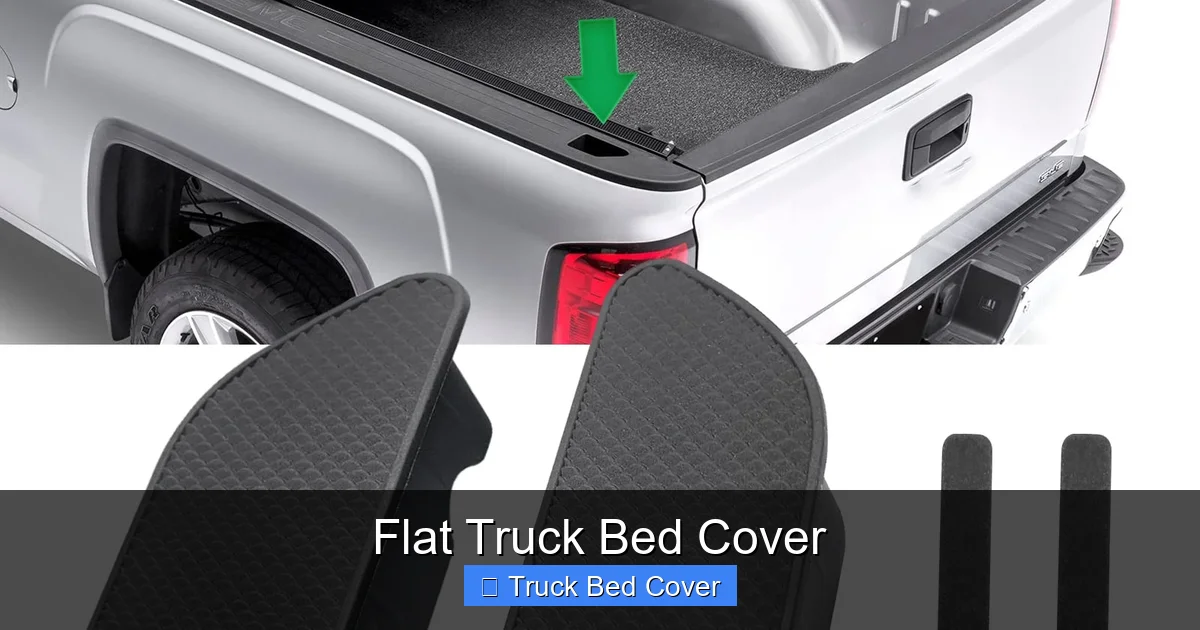
Visual guide about Flat Truck Bed Cover
Image source: m.media-amazon.com
Weather Protection
One of the most compelling reasons to install a flat truck bed cover is its ability to keep your cargo dry. Rain, snow, and even morning dew can ruin tools, electronics, furniture, or clothing stored in an open bed. A quality flat cover creates a waterproof seal along the sides and rear, preventing moisture from seeping in.
For example, if you’re a contractor carrying power tools, a flat cover ensures your drills, saws, and batteries stay functional—even during a storm. Similarly, campers can store sleeping bags, coolers, and cooking gear without worrying about dampness.
Security and Theft Deterrence
An open truck bed is an invitation for opportunistic thieves. Even if your items aren’t highly valuable, the visibility of cargo inside can attract attention. A flat cover adds a layer of security by making it harder to see what’s inside and discouraging casual snooping.
While no cover is 100% theft-proof, combining a flat cover with a locking tailgate significantly raises the barrier to entry. Some models also include side rails with built-in locks or require tools to remove, adding another deterrent.
Fuel Efficiency Gains
Did you know that an uncovered truck bed can reduce your fuel economy by up to 10% at highway speeds? That’s because exposed cargo creates turbulence and air resistance. A flat cover smooths airflow over the bed, reducing drag and improving aerodynamics.
Over long trips, this can translate into noticeable savings at the pump. For fleet operators or daily commuters who drive frequently, that extra efficiency adds up quickly.
Ease of Access and Use
Many people assume that adding a cover will make accessing the bed more difficult. Not with a flat cover. Because it lies flush with the bed, you can easily slide items in and out without lifting or rolling anything. Some models even feature rear-opening panels or removable sections for quick access.
This makes them ideal for users who need frequent, hassle-free access—like landscapers moving mulch bags or parents loading soccer cleats after practice.
Cleaner, More Appealing Look
Let’s be honest—an open truck bed looks messy. Tools scattered around, muddy footprints, and random debris give your vehicle a cluttered appearance. A flat cover gives your truck a polished, put-together look.
Whether you drive a work truck or a personal pickup, the upgraded aesthetic can boost curb appeal and make your vehicle feel more professional.
Types of Flat Truck Bed Covers
Not all flat covers are created equal. Understanding the different types helps you pick the best option for your needs.
Hard One-Piece Covers
Made from durable materials like ABS plastic or aluminum, these covers are rigid and long-lasting. They offer excellent weather protection and security but are heavier and less flexible than soft options.
Pros:
– Maximum durability
– High wind resistance
– Easy to clean
Cons:
– Higher price point
– Less adaptable to bed length changes
Soft Folding Covers
Though not always perfectly flat, some soft covers come close to a flush profile. Made from reinforced vinyl or canvas, they fold into three sections for partial bed access.
Pros:
– Lightweight and affordable
– Easy to remove completely
– Good for occasional use
Cons:
– Less secure than hard covers
– Vinyl may degrade in extreme sun
Retractable Hard Covers
These slide open like a garage door, allowing full access to the bed while maintaining a sleek, flat surface when closed. Popular among truck enthusiasts, they offer the best of both worlds—security and accessibility.
Pros:
– Fully customizable access
– Premium look and function
– Long lifespan
Cons:
– Most expensive option
– Requires professional installation
Snap-On Covers
Designed for quick installation, snap-on flat covers use rubber gaskets and clamps to attach directly to bed rails. They’re ideal for those who want protection without drilling or permanent modifications.
Pros:
– No drilling required
– Affordable
– Easy DIY install
Cons:
– May shift in strong winds
– Limited compatibility with certain trucks
How to Choose the Right Flat Truck Bed Cover
With so many options available, selecting the right cover depends on your specific needs.
Consider Your Climate
If you live in a rainy or snowy region, prioritize a waterproof model with a tight seal. Aluminum or ABS plastic covers resist moisture better than vinyl. In hotter climates, UV-resistant materials help prevent cracking and fading.
Think About Usage Frequency
Do you need constant access to the bed? A retractable or folding cover might be better. If you mostly load and unload once a week, a fixed hard cover offers peace of mind without hassle.
Check Compatibility
Always verify that the cover fits your truck’s make, model, and bed size (short, standard, or long). Some brands offer universal kits, but precision-fit models provide a tighter seal and better performance.
Budget Matters
Flat covers range from $150 to over $800. Set a realistic budget, but remember that cheaper models may lack durability or weatherproofing. Investing a bit more often saves money in the long run through reduced wear and better performance.
Installation Ease
If you’re not mechanically inclined, look for covers with clamp-on or snap-together systems. Avoid models requiring drilling unless you’re comfortable with tools—or plan to have it professionally installed.
Installation Tips and Maintenance
Installing a flat truck bed cover is usually straightforward, but a few tips ensure success.
Prep the Bed
Before mounting, clean the bed rails thoroughly. Remove dirt, rust, or old adhesive residue. A clean surface ensures proper sealing and prevents corrosion.
Follow Instructions Carefully
Even simple steps matter. Tighten bolts evenly to avoid warping the cover. Don’t overtighten—this can crack the material or damage the rails.
Lubricate Moving Parts
If your cover has hinges or latches, apply silicone-based lubricant to keep them operating smoothly. Avoid petroleum-based products, which can degrade rubber seals.
Regular Cleaning
Wipe down the cover monthly with mild soap and water. For hard covers, a microfiber cloth prevents scratches. Never use abrasive cleaners or pressure washers near seams.
Inspect Seals Annually
Over time, rubber gaskets can dry out and lose effectiveness. Check for cracks or gaps and replace worn parts as needed.
Real-World Applications of Flat Truck Bed Covers
Flat covers aren’t just for show—they solve real problems in everyday life.
Construction and Trades
Contractors rely on flat covers to protect expensive tools from rain and dust. A covered bed means fewer delays due to malfunctioning equipment.
Outdoor Enthusiasts
Anglers, hunters, and campers use them to keep gear dry during long trips. Imagine arriving at a remote campsite with a fully charged GPS and dry firewood—thanks to a reliable cover.
Daily Commuters
Parents, students, and professionals appreciate the added security for laptops, gym clothes, or groceries. No more worrying about curious kids or prying eyes.
Farmers and Ranchers
Storing hay, feed, or livestock supplies becomes easier when protected from rain and pests.
Common Misconceptions About Flat Truck Bed Covers
Despite their popularity, several myths surround flat covers.
Myth: They’re Only for Show
False. While aesthetics matter, flat covers deliver real functional benefits—especially in harsh weather or high-theft areas.
Myth: They’re Too Expensive
Compared to full-length hard shells or custom wraps, flat covers are surprisingly affordable. You get protection without breaking the bank.
Myth: They Block All Airflow
Modern designs allow controlled ventilation. Some models include vents or breathable materials to prevent condensation buildup.
Myth: Installation Is Complicated
Most snap-on or clamp-on systems take under an hour. With basic tools and patience, almost anyone can do it.
Conclusion: Is a Flat Truck Bed Cover Right for You?
A flat truck bed cover isn’t just a luxury add-on—it’s a smart investment in convenience, security, and longevity. Whether you’re a tradesperson needing reliable tool storage, a weekend warrior heading to the lake, or someone who simply wants to keep their groceries dry, this simple upgrade delivers tangible benefits.
With options for every budget and lifestyle, there’s likely a flat cover that fits your truck and your needs. By choosing wisely and maintaining it properly, you’ll enjoy years of trouble-free performance.
So next time you’re loading up your bed, consider going flat. It might just be the easiest and most effective upgrade you can make.
Frequently Asked Questions
What is the difference between a flat truck bed cover and a tonneau cover?
A flat truck bed cover is a type of tonneau cover designed to lie completely flush with the bed rails. Traditional tonneau covers may have folds or raised sections, while flat versions offer a smoother, more aerodynamic profile.
How much does a flat truck bed cover cost?
Prices typically range from $150 to $800, depending on material, brand, and features. Hard one-piece covers are generally more expensive than soft or snap-on options.
Can I install a flat cover myself?
Yes, most flat covers are designed for DIY installation. Clamp-on and snap-on models require no drilling and can be installed in under an hour with basic tools.
Will a flat cover improve my truck’s gas mileage?
Yes, by reducing wind resistance and drag, a flat cover can improve aerodynamics, potentially increasing fuel efficiency by 5–10% at highway speeds.
Are flat covers compatible with bed liners?
Some flat covers work with spray-in or drop-in bed liners, but foam inserts may interfere. Always check manufacturer guidelines for compatibility.
How do I clean and maintain my flat truck bed cover?
Wash regularly with mild soap and water. Avoid abrasive cleaners. Inspect rubber seals annually and lubricate moving parts with silicone-based lubricant.