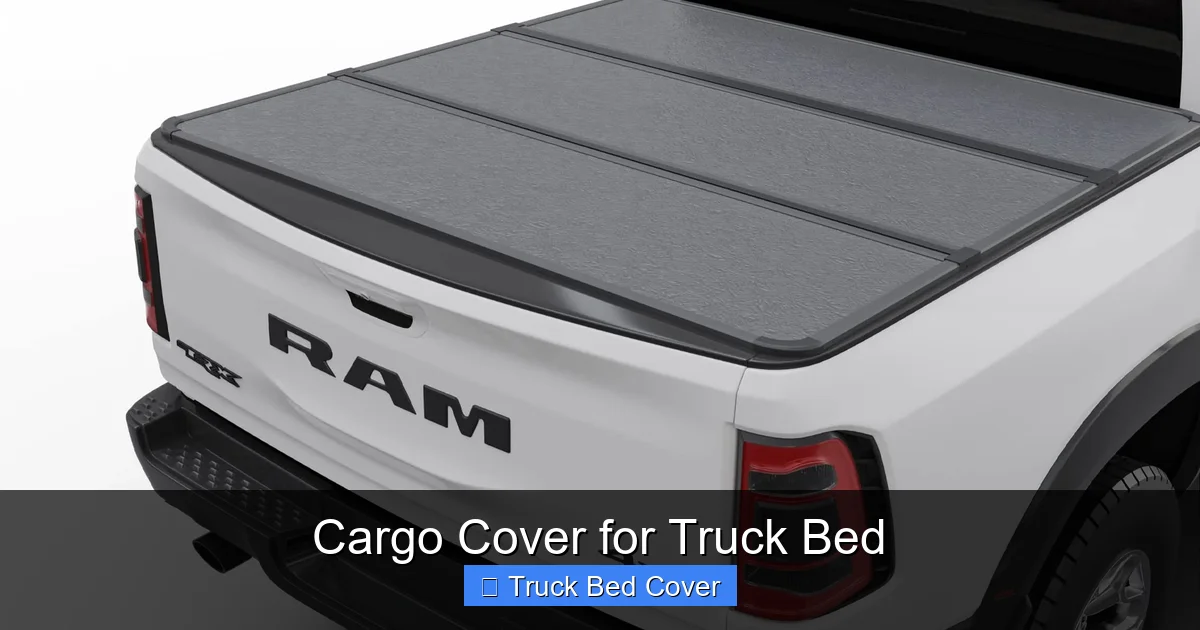
Cargo Cover for Truck Bed
A cargo cover for truck bed is more than just a tarp—it’s a must-have accessory for anyone who hauls gear, tools, or supplies. Whether you’re commuting daily or heading off-road, it keeps your load safe from rain, wind, theft, and sun damage. With so many styles available, choosing the right one can be tricky, but this guide breaks it all down simply.
Key Takeaways
- Protection from the elements: A cargo cover shields your belongings from rain, snow, dust, and UV rays.
- Theft deterrent: It hides your items from prying eyes, reducing the risk of opportunistic theft.
- Easy installation: Most covers snap on quickly without tools or complicated setups.
- Durability matters: Look for tear-resistant fabric and reinforced stitching for long-term use.
- Ventilation options: Some models include breathable materials to prevent moisture buildup.
- Custom fit is key: Measure your truck bed carefully to avoid gaps that let in water or allow flapping.
- Maintenance saves money: Regular cleaning extends the life of your cargo cover significantly.
Quick Answers to Common Questions
What’s the best cargo cover for heavy rain?
Look for a vinyl or double-coated polyester cover with reinforced corners and secure buckle straps. These materials repel water effectively and stay taut even in strong winds.
Can I leave my cargo cover on year-round?
Yes, but inspect it regularly for signs of wear. In extreme heat or cold, remove it occasionally to let the bed dry and prevent material degradation.
Do cargo covers work with toolboxes in the bed?
Most do, but ensure the cover fits over raised or custom toolboxes. Measure clearance beforehand to avoid tearing or poor sealing.
Are mesh cargo covers good for summer?
Absolutely. Mesh allows airflow, preventing heat buildup and condensation—ideal for hot climates or sensitive items like electronics.
How do I attach a cargo cover without damaging my truck?
Use soft, padded straps or bungee cords instead of metal hooks. Many modern covers come with non-abrasive fasteners designed to protect paint and rails.
📑 Table of Contents
- What Is a Cargo Cover for Truck Bed?
- Why Every Truck Owner Needs One
- Types of Cargo Covers for Truck Beds
- Choosing the Right Material
- Installation Made Simple
- Maintenance Tips for Longevity
- Security Benefits Beyond Weather Protection
- Cost vs. Value: Is It Worth Buying?
- Common Mistakes to Avoid
- Real-World Applications
- Final Thoughts
What Is a Cargo Cover for Truck Bed?
A cargo cover for truck bed is a protective tarp-like material designed to fit over the open area of a pickup truck’s bed. Unlike traditional bed liners that line the inside of the bed, cargo covers go over the top, creating a weatherproof barrier between your cargo and the outside world. These covers come in various materials, sizes, and designs, but their core purpose remains the same: to keep what you carry safe, dry, and secure.
Whether you’re hauling furniture during a move, transporting camping gear on a weekend getaway, or simply running errands with groceries in the back, a cargo cover adds an essential layer of protection. It’s especially useful in unpredictable weather or when parking in public areas where visibility into your truck bed might invite unwanted attention. Think of it as a shield—your gear stays out of sight, out of harm’s way.
Why Every Truck Owner Needs One
Let’s face it—pickup trucks are incredibly versatile, but they also leave a lot exposed. Without proper coverage, your belongings are vulnerable to everything nature throws at them. Rain turns cardboard boxes into pulp; sunlight fades fabrics and electronics; wind blows lightweight items across highways. And then there’s the human factor—curious passersby or opportunists might take interest in what they see.
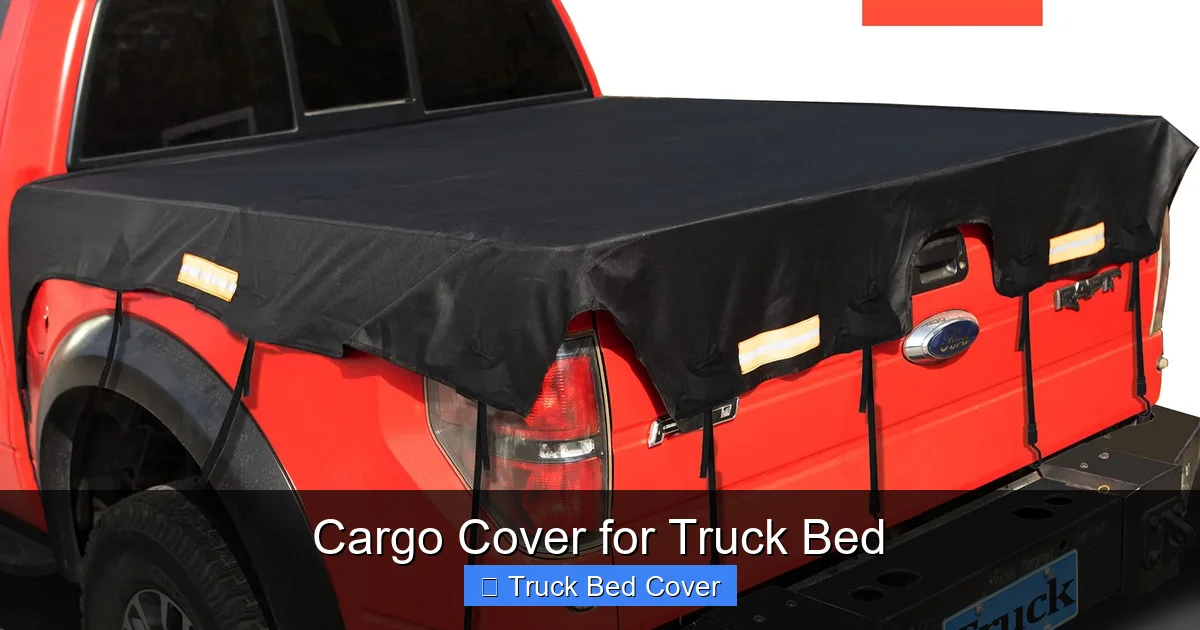
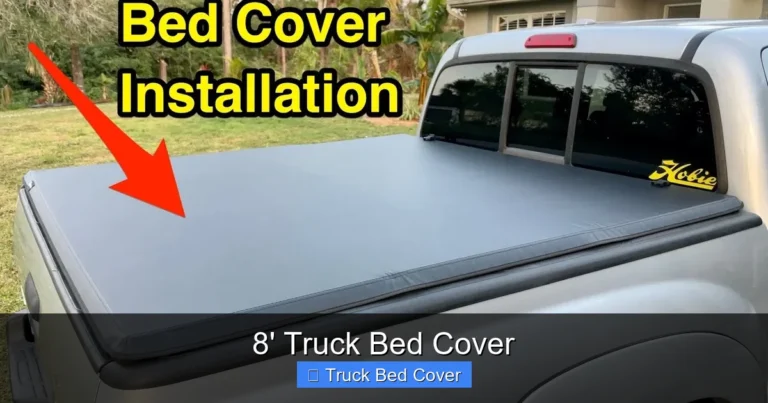
Visual guide about Cargo Cover for Truck Bed
Image source: m.media-amazon.com
A cargo cover solves these problems efficiently. It doesn’t require permanent installation like a tonneau cover, yet offers far better protection than a simple blanket or old sheet. Plus, most modern versions are lightweight, easy to store, and quick to deploy. For drivers who value convenience without sacrificing safety, this accessory is a game-changer.
Types of Cargo Covers for Truck Beds
Not all cargo covers are created equal. The market offers several styles tailored to different needs, budgets, and vehicle types. Understanding the differences helps you pick the best option for your lifestyle.
1. Drop-Over Cargo Covers
These are the most common type—simple tarps that drape over the tailgate and secure at the front corners using buckles or straps. They’re affordable, lightweight, and perfect for occasional use. However, they don’t always provide a tight seal, which means rain or wind can sneak underneath.
2. Roll-Up Cargo Covers
Also known as roll-back covers, these feature a heavy-duty vinyl or canvas panel that rolls up along the cab side when not in use. Once rolled, it stays neatly stored and secured with latches. This style offers excellent full-bed coverage and is ideal for frequent users who need reliable protection every time they hit the road.
3. Tri-Fold Cargo Covers
Made from durable fabric folded into three sections, tri-fold covers unfold to cover the entire bed and fold flat against the tailgate when removed. They’re great for quick access while still offering solid protection. Many include tie-down points and grommets for added security.
4. Custom-Fit Hard Shell Covers
If you want maximum durability and aesthetics, consider a hard-shell cover made of aluminum or fiberglass. While pricier, these lock securely and look sleek. They’re often paired with locking mechanisms to prevent theft. Perfect for professionals or those who prioritize both form and function.
5. Mesh or Breathable Covers
For climates with high humidity or when transporting sensitive items prone to condensation, mesh cargo covers are a smart choice. Their woven material allows airflow while blocking debris and light. Ideal for indoor storage or short-distance deliveries where ventilation matters.
Choosing the Right Material
The fabric your cargo cover is made from plays a huge role in its performance, lifespan, and ease of maintenance. Here’s what to look for:
Vinyl vs. Polyester
Vinyl covers are waterproof, tear-resistant, and easy to clean—making them ideal for harsh conditions. They’re heavier but hold up well under UV exposure. On the downside, they can crack in freezing temperatures if not properly treated.
Polyester, especially coated polyester, offers flexibility and resistance to mildew. It’s lighter than vinyl and less likely to stiffen in cold weather. However, it may not be fully waterproof unless double-coated.
Weight and Thickness
Thicker materials (measured in mils) generally mean better durability. For heavy-duty jobs, aim for 10–16 mil thickness. Lighter options (6–8 mil) work fine for casual use but may wear faster under constant friction or abrasion.
UV Protection
Sunlight degrades most fabrics over time. Always check if the cover includes UV inhibitors. These additives prevent fading, brittleness, and weakening caused by prolonged sun exposure—especially important if you park outdoors regularly.
Installation Made Simple
One of the biggest advantages of cargo covers is how straightforward they are to install. You won’t need wrenches, screws, or professional help. Just follow these general steps:
- Unfold the cover and position it evenly over the truck bed.
- Attach the front corners using provided buckles or Velcro straps that hook onto the bed rails.
- Secure the rear end by folding the tarp over the tailgate and anchoring it with ropes or clips.
- Tighten any loose areas to eliminate flapping—windy days can turn loose fabric into dangerous projectiles.
Pro tip: Use corner weights or sandbags if you’re hauling tall or unstable loads. They add stability and prevent the cover from shifting during transit.
Maintenance Tips for Longevity
Like any investment, your cargo cover will last longer—and perform better—if you treat it right. Here’s how to keep it in top shape:
Clean After Each Use
Dirt, mud, and salt residue accelerate wear. After each trip, shake off loose debris and wipe down the surface with a damp cloth. For stubborn stains, mix mild soap with water and gently scrub. Avoid bleach or harsh chemicals—they strip protective coatings.
Store Properly When Not in Use
Don’t leave your cover rolled up inside the truck bed during hot summer months—heat builds up and softens adhesives or weakens fibers. Instead, fold it neatly and store it in a cool, dry place, preferably in its original bag or a breathable container.
Inspect Regularly
Check for tears, fraying edges, or loose stitching every few weeks. Small holes can become big problems fast, especially in stormy weather. Repair minor rips with adhesive patches or replace damaged sections promptly.
Avoid Sharp Objects
Even the toughest cargo cover can’t handle repeated contact with nails, screws, or tools. If possible, place sharp items directly on the bed liner first. Using a soft tarp or blanket underneath heavy objects creates a buffer.
Security Benefits Beyond Weather Protection
While keeping your stuff dry is important, visibility is another major concern. An uncovered truck bed signals to others that your cargo isn’t locked down—and might be worth stealing. A cargo cover acts as a natural deterrent by obscuring what’s inside.
Consider this scenario: You stop at a gas station with a laptop bag visible in the back. A thief sees an easy score. Now imagine that same bag hidden under a dark, taut cargo cover. The risk drops dramatically because the target isn’t obvious.
Some advanced models even integrate locking systems—zippered panels, magnetic seals, or integrated latches—that let you partially uncover only what you need while leaving the rest protected. These are especially useful for contractors or delivery drivers who make frequent stops.
Cost vs. Value: Is It Worth Buying?
Prices for cargo covers range from $30 for basic drop-over tarps to over $500 for premium hard-shell units. So why spend money on something that sounds like “just a tarp”?
The answer lies in reliability and peace of mind. A cheap tarp might save you $20 upfront but could fail within a season, leaving your gear soaked or stolen. In contrast, a mid-range cover ($100–$200) built with quality materials offers years of dependable service. Think of it as insurance for your belongings.
Additionally, many manufacturers offer warranties—some up to 5 years—which speaks volumes about their confidence in product durability. If you use your truck for work or recreation frequently, the cost becomes negligible compared to the hassle of replacing damaged items or dealing with weather-related losses.
Common Mistakes to Avoid
Even experienced truck owners sometimes misuse their cargo covers. Watch out for these pitfalls:
- Using the wrong size: A cover too small won’t reach the sides; one too large creates excess fabric that flaps dangerously in wind.
- Neglecting tension: Loose covers sag in the middle, creating pockets that collect water or let air in.
- Ignoring tie-downs: Failing to secure the cover itself can cause it to blow off entirely—especially on highways.
- Storing wet: Mold and mildew thrive in damp environments. Never fold a dirty, wet cover and toss it in storage.
- Picking the cheapest option: Ultra-low-cost tarps often lack UV protection, strong seams, or proper grommets—leading to early failure.
Real-World Applications
Cargo covers aren’t just for construction workers or landscapers. They benefit virtually every truck driver:
Daily Commuters: Protect groceries, gym clothes, or work essentials from morning drizzle or afternoon sun.
Families: Keep kids’ toys, sports equipment, or picnic supplies organized and out of sight during errands.
RV Enthusiasts: Cover outdoor gear like bikes, kayaks, or coolers without taking up extra space inside the vehicle.
Rural Residents: Safeguard firewood, feed bags, or seasonal decorations stored in the truck overnight.
Delivery Drivers: Maintain professionalism and protect client packages from weather damage during transit.
In each case, the cargo cover adds convenience, security, and practicality—proving it’s far more than a simple accessory.
Final Thoughts
Investing in a cargo cover for truck bed isn’t just about protecting your belongings—it’s about enhancing your overall driving experience. From shielding your gear from rain and theft to reducing clutter and improving aerodynamics slightly, the benefits are clear. With so many styles and materials available, there’s truly something for every driver, whether you’re a weekend warrior or a daily commuter.
Take the time to measure your truck bed accurately, read reviews, and choose a cover that matches your usage frequency and climate. And remember—proper care makes all the difference. With a little attention, your cargo cover will serve you faithfully mile after mile, season after season.
Frequently Asked Questions
How do I measure my truck bed for a cargo cover?
Measure the length from the front of the cab to the tailgate, then width and height at the tallest point. Include any bed accessories like toolboxes when measuring for clearance.
Can a cargo cover prevent theft completely?
No cover guarantees absolute security, but it significantly reduces visibility and temptation. Pair it with locks or hidden compartments for added protection.
What’s the difference between a cargo cover and a tonneau cover?
A tonneau cover is permanently installed over the bed, offering superior security and aerodynamics. A cargo cover sits atop the bed and is removable, making it more flexible but less secure.
Will a cargo cover scratch my truck bed?
Only if dragged across abrasive surfaces. Always lift the cover fully off the ground before positioning it to avoid dragging and potential scratches.
Are expensive cargo covers worth it?
Often yes. Higher-end models use stronger materials, UV protection, and better sealing features that extend lifespan and improve performance in tough conditions.
How often should I replace my cargo cover?
Every 2–5 years depending on usage and care. Signs it’s time to replace include frequent leaks, torn seams, faded color, or inability to stay taut during storms.