How to Measure Truck Bed for Cover
Measuring your truck bed for a cover is easier than you think. With the right tools and a few simple steps, you can ensure a secure, custom-fit cover that protects your cargo and enhances your truck’s look. Don’t rush—accurate measurements prevent costly returns or ill-fitting covers.
How to Measure Truck Bed for Cover
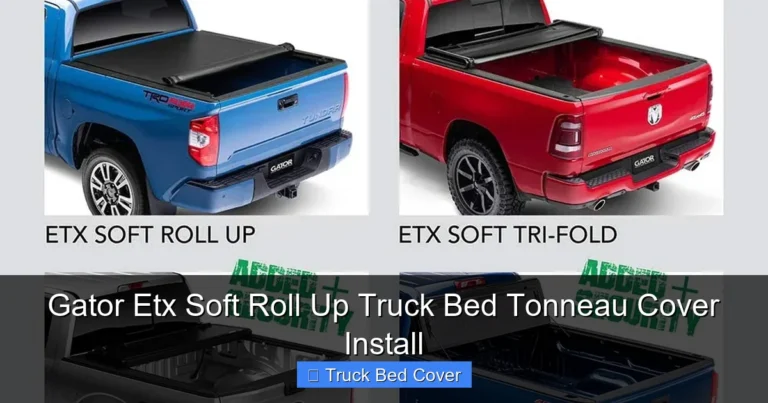
So, you’ve decided to get a truck bed cover. Whether it’s a soft roll-up tonneau, a hard tri-fold, or a sleek retractable model, protecting your gear from rain, sun, and prying eyes is a smart move. But before you hit “add to cart,” there’s one crucial step: measuring your truck bed properly. A cover that’s too big or too small can lead to leaks, poor security, or even damage to your truck.
Measuring your truck bed for a cover might sound simple, but it’s easy to make mistakes—especially if you’re new to it. The goal is precision. You want a cover that sits flush, seals tightly, and doesn’t interfere with your tailgate or bed rails. In this guide, we’ll walk you through everything you need to know, from gathering the right tools to interpreting your measurements. By the end, you’ll feel confident ordering the perfect cover without the guesswork.
Why Measuring Matters
Getting the right size isn’t just about comfort—it’s about function. A poorly fitted cover won’t seal during rain, allowing water to seep in. It might flap in the wind, creating noise and reducing fuel efficiency. And in some cases, an oversized cover could rub against your truck’s body, wearing out paint or damaging the bed liner over time.
On the flip side, a cover that’s too tight may warp or tear, especially if your truck bed has dips or uneven surfaces. That’s why knowing how to measure truck bed for cover isn’t optional—it’s essential. Think of it like buying shoes: you wouldn’t wear a size too small just because they’re cheaper. The same logic applies to truck bed covers.
Preparing for Measurement
Before you grab a tape measure, let’s talk prep. First, clear your truck bed completely. Remove any items, bed liners (if possible), or aftermarket accessories like toolboxes or tie-down anchors. These can throw off your measurements and cause installation headaches later.
Next, choose the right day to measure. Avoid rainy or humid weather—moisture can warp wood or metal, changing dimensions temporarily. Also, make sure your truck is parked on level ground. If your driveway slopes slightly, your measurements could be off by a fraction of an inch.
Gather Your Tools
You don’t need fancy equipment. Here’s what you’ll need:
– A flexible measuring tape (cloth or fiberglass)
– A notepad and pen
– A flashlight (for dark corners)
– A friend (optional but helpful)
Avoid using rigid rulers or yardsticks—they won’t bend around curves or reach tight spots. A retractable tape with markings in both inches and centimeters is ideal.
Understanding Truck Bed Sizes
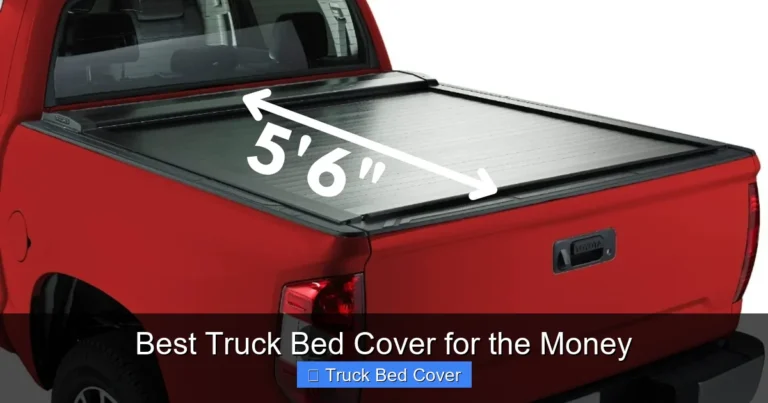
Truck beds come in standard sizes, but variations exist. Common lengths include 5.5 feet, 6.5 feet, and 8 feet. Widths typically range from 53 to 57 inches. However, internal dimensions differ from external due to the bed rails and tailgate frame.
When measuring how to measure truck bed for cover, focus only on the usable space inside. This means ignoring the outer metal frame and measuring from wall to wall, floor to ceiling (if measuring height). Some covers require height measurements, especially for cab-over models or when clearance is limited.
Measuring Length
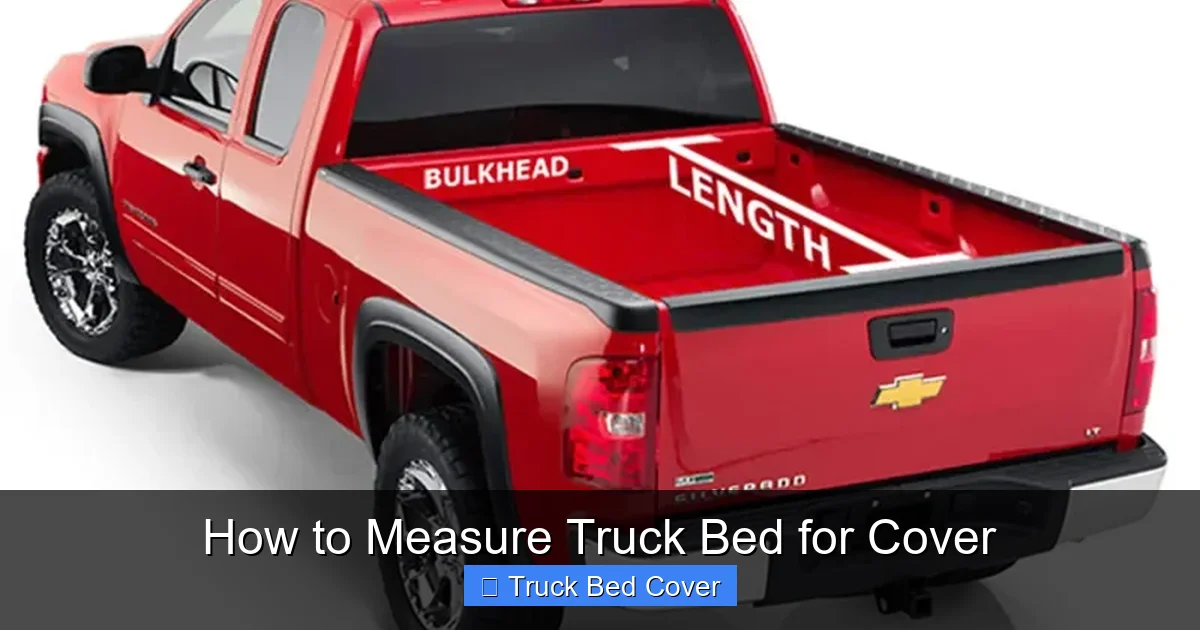
Start by measuring the length of your truck bed. Place the end of the tape against the front bulkhead (the vertical wall at the cab) and stretch it across the floor to the back of the bed. Most people assume the length is consistent, but many truck beds taper slightly—narrower near the cab and wider toward the tailgate.
To get accurate results, measure at three points: front, center, and rear. Record each measurement separately. For example:
– Front: 68 inches
– Center: 69 inches
– Rear: 67.5 inches
Use the smallest number as your official length when ordering. This prevents the cover from being too long and dragging on the tailgate or causing wrinkles.
Measuring Width
Width is measured from inside wall to inside wall, parallel to the length. Again, use the flexible tape and keep it flat along the floor. Don’t pull it taut—just let it rest naturally.
Like length, width can vary. Some trucks have straighter walls; others curve inward near the tailgate. Measure at the front, middle, and back. Average the results if they’re close, or use the narrowest point if there’s significant variation.
For most standard covers, width ranges between 54 and 56 inches. Oversized trucks (like those with widened bed kits) may need special ordering.
Measuring Height (If Required)
Not all covers require height, but some—especially low-profile or cab-hauling models—do. Height is measured from the top of the bed rails to the highest point inside the bed.
Use the tape to measure vertically along the side wall. If your bed has a drop-in style rail (where the rail sits below the bed edge), subtract that distance from your reading. Some manufacturers provide rail height charts, so check their website.
Note: Height matters less for traditional tonneau covers but becomes critical for retractables or custom wraps.
Accounting for Tailgate and Accessories
Your tailgate plays a big role in how to measure truck bed for cover. Is it factory stock? Does it open fully? Is it locked or latched?
Most covers are designed to work with a closed tailgate. If yours opens upward or swings outward, confirm compatibility before ordering. Some brands offer tailgate-specific kits.
Also, consider accessories:
– Bed rails: Measure clearance between rails and the cover.
– Toolboxes: Remove them if possible; otherwise, note their position.
– Liners: Some liners raise the floor slightly—measure over the liner unless the cover instructions say otherwise.
Common Mistakes to Avoid
Even experienced truck owners make errors. Here are the most frequent pitfalls:
1. Measuring externally instead of internally: External frames aren’t part of the usable space.
2. Ignoring taper: Assuming uniform width or length leads to loose or tight fits.
3. Not checking tailgate position: An open tailgate changes how the cover sits.
4. Using wrong units: Mixing inches and centimeters causes confusion.
5. Rushing: Skipping steps increases error chances.
Pro Tip: Take photos while measuring. Snap a shot of each dimension with your phone. Later, compare them to the manufacturer’s specs or send them to customer support if questions arise.
Interpreting Manufacturer Guidelines
Different brands have slightly different sizing methods. Some list “inside bed length,” others use “wheelbase + bed length.” Always read the product description carefully.
For example, BakBox lists measurements as “inside bed length from bulkhead to tailgate latch.” That means don’t include any overhang. Similarly, UnderCover uses “measured inside bed from wall to wall, including any liner.”
When in doubt, contact the manufacturer. Most have live chat or email support. Provide them with your exact measurements and truck model—they’ll help you choose the right size.
What If Your Measurements Are Unusual?
Some trucks have non-standard beds—custom builds, lifted suspensions, or modified frames. In these cases, standard covers may not fit.
Consider custom-made options. Companies like DiamondBack or TruXedo offer made-to-order covers based on your specific measurements. These cost more but guarantee a perfect fit.
Alternatively, look for adjustable covers. Soft roll-ups often stretch slightly, accommodating minor variations. Hard covers usually don’t—precision is key.
Final Checks Before Ordering
Once you’ve taken all measurements:
1. Review your notes for consistency.
2. Cross-reference with your truck’s make, model, and year.
3. Confirm tailgate type and accessory presence.
4. Check return policy—some covers can’t be returned once opened.
5. Order from reputable dealers with good reviews.
Remember: accuracy saves money. A $200 cover that fits perfectly is better than a $300 one that needs returning.
Conclusion
Knowing how to measure truck bed for cover transforms a confusing task into a manageable checklist. With patience and the right approach, you’ll avoid returns, leaks, and frustration. Take your time, double-check every detail, and don’t hesitate to ask for help.
Your truck deserves protection that looks great and works flawlessly. Once you’ve nailed the measurements, installing your new cover will be smooth sailing—literally, if you’re heading off-road.
Key Takeaways
- Measure from the inside of the bed: Always take interior dimensions, not the external frame, to ensure the cover fits snugly over your truck bed.
- Use a flexible measuring tape: A retractable cloth or fiberglass tape works best for tight spaces and curved surfaces.
- Check multiple points: Measure at front, middle, and rear—beds often taper or sag slightly, affecting fit.
- Account for tailgate position: Note if your tailgate is open, closed, or latched, as this impacts cover installation and tension.
- Record all measurements clearly: Write down width, length, and height (if applicable) in both inches and centimeters for accuracy.
- Double-check before ordering: Compare your notes to manufacturer guidelines or consult a professional if unsure.
Quick Answers to Common Questions
Can I measure my truck bed with the tailgate open?
Yes, but only if the cover is designed for open-tailgate use. Most standard covers require the tailgate to be closed and latched for proper fit and sealing.
Do I need to remove my bed liner before measuring?
It depends on the cover type. Some manufacturers recommend measuring over the liner; others suggest removing it for accuracy. Always follow the brand’s instructions.
What if my truck bed is slightly warped?
Measure at multiple points and use the smallest dimension. Warping is common, especially in older trucks—using the narrowest spot ensures the cover won’t drag or bind.
Are digital measuring tools better than tape?
For most DIYers, a flexible tape is sufficient and more practical. Digital tools add cost and complexity without much benefit for truck bed measurements.
Can I estimate my size based on my truck model?
While helpful for initial research, never rely solely on model info. Aftermarket modifications or regional variants can change actual bed dimensions.
Frequently Asked Questions
How precise do my truck bed measurements need to be?
Aim for within 1/8 inch accuracy. Most manufacturers allow a small tolerance, but precision prevents gaps, sagging, or misalignment during installation.
Should I include the tailgate latch in my length measurement?
No. Measure only the usable bed space—from the front bulkhead to where the tailgate meets the bed. The latch is part of the frame and isn’t included.
What happens if my cover is too big?
An oversized cover may flap, leak, or damage the truck’s paint. It can also void warranties if it interferes with factory features like backup cameras.
Can I measure in metric units instead of inches?
Yes, but stick to one system. Mixing units leads to errors. Convert inches to centimeters using 1 inch = 2.54 cm for consistency.
Is it okay to skip height measurement for a standard tonneau cover?
Generally yes. Standard soft and hard tonneaus don’t require height since they sit low. Only consider height for high-clearance or cab-hauling applications.
What if I bought the wrong size cover?
Check the seller’s return policy. Many brands allow returns within 30 days if the cover is unopened and undamaged. Keep original packaging to avoid restocking fees.