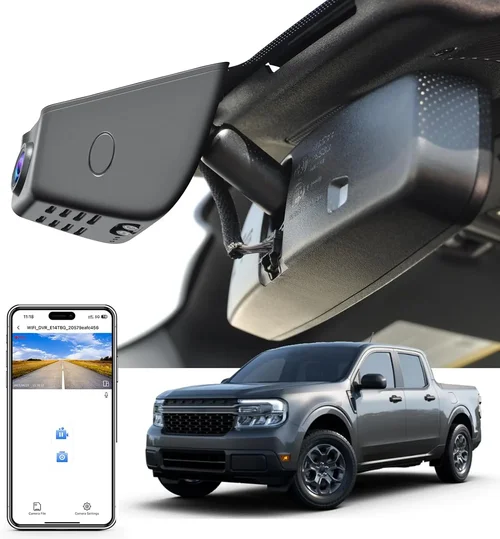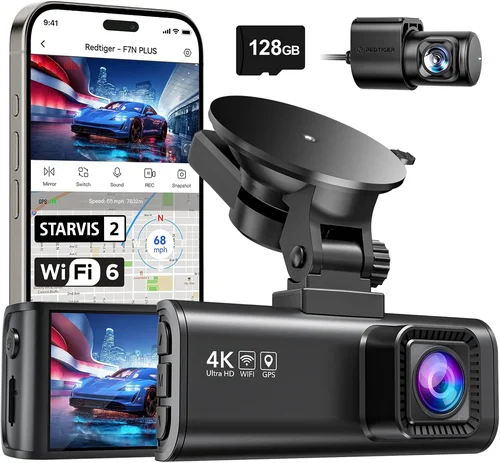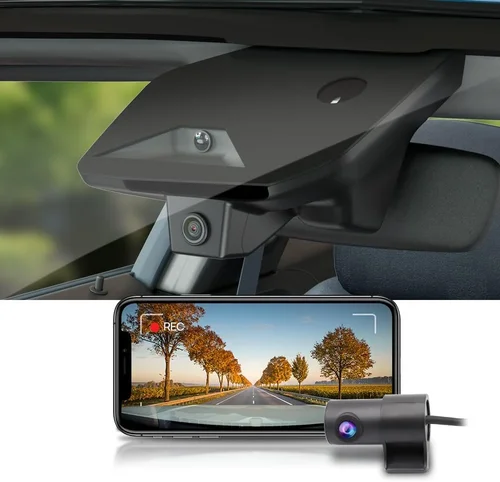
Best Dash Cam for Jeep Cherokee Shopping Guide
Why This Guide Matters
Choosing the right dash cam for your Jeep Cherokee isn’t just about capturing footage—it’s about protecting yourself, your passengers, and your investment. The rugged terrain, off-road adventures, and unpredictable weather conditions that come with owning a Jeep demand a dash cam that can handle more than just city driving. Whether you’re navigating rocky trails in Moab, dealing with heavy rain in Florida, or simply want peace of mind during daily commutes, the right dash cam can make all the difference.
This comprehensive guide will walk you through everything you need to know to find the perfect dash cam for your Jeep Cherokee. You’ll learn about the unique challenges Jeep owners face when it comes to mounting, power management, and environmental protection. We’ll explore how different features translate to real-world performance in various driving conditions, from highway cruising to trail adventures. By the end of this article, you’ll have the knowledge and confidence to make an informed decision that matches your specific needs, budget, and driving style.
The market for dash cams has exploded in recent years, offering everything from basic single-camera systems to advanced dual-lens setups with parking monitoring, GPS tracking, and cloud connectivity. However, not all dash cams are created equal, especially when it comes to vehicles like the Jeep Cherokee, which presents unique installation challenges due to its sloped windshield design, limited mounting space, and electrical system characteristics. Understanding these nuances is crucial for selecting equipment that will stay secure, remain powered, and deliver reliable performance over time.
What to Look for When Buying Dash Cams
Budget & Price Range
Your budget should be one of the first considerations when shopping for a dash cam, but it’s important to understand what you’re getting for your money. Dash cams range dramatically in price, from under $50 for basic models to over $300 for premium systems with advanced features. For most Jeep Cherokee owners, we recommend starting with a mid-range option around $100-$200, which typically offers the best balance of quality, features, and reliability.
Entry-level dash cams (under $75) may seem tempting, but they often cut corners on critical components like image sensors, video compression, and build materials. These budget options frequently suffer from poor low-light performance, limited recording quality, and unreliable loop recording. While they might work adequately for occasional use, they’re generally not worth the risk given the potential value of the footage they capture.
Mid-range dash cams ($75-$200) represent the sweet spot for most drivers. These models typically feature 1080p or better video resolution, reliable loop recording, decent night vision, and solid build quality. They often include essential features like G-sensor crash detection, parking mode with motion detection, and easy mobile app integration. For Jeep Cherokee owners specifically, this price range offers the best combination of durability, functionality, and value.
Premium dash cams ($200+) justify their higher cost with superior image quality, advanced driver assistance features, enhanced storage capabilities, and superior build materials. While not necessary for everyone, premium models can be worthwhile if you frequently drive in challenging conditions, participate in competitive events, or want maximum peace of mind.
Performance Specifications
When evaluating dash cam performance, several key specifications determine how well the device will perform in real-world conditions. Video resolution is perhaps the most obvious factor—higher resolution means clearer, more detailed footage. Most modern dash cams offer at least 1080p Full HD, with many featuring 2K or even 4K Ultra HD capabilities. For Jeep Cherokee owners, we recommend aiming for at least 1080p, as this provides sufficient detail for license plate recognition and accident documentation while keeping file sizes manageable.
Frame rate matters almost as much as resolution. Higher frame rates (60fps vs 30fps) result in smoother video, which can be crucial for capturing fast-moving action or emergency maneuvers. A 60fps recording will show tire skids, sudden braking, and impact details with much greater clarity than 30fps footage.
Field of view (FOV) determines how much of the road ahead (and sometimes behind) your dash cam captures. Wide-angle lenses provide broader coverage but can introduce distortion at the edges. For the Jeep Cherokee’s relatively compact interior and typical dashboard layout, a horizontal FOV of 120-140 degrees usually strikes the right balance between coverage and usability.
Low-light performance is particularly important for Jeep owners who may drive early mornings, late evenings, or in areas with inconsistent lighting. Look for dash cams with larger image sensors (like Sony STARVIS), wide aperture lenses, and specialized noise reduction algorithms that maintain visibility in dim conditions.
Build Quality & Durability
Given the Jeep Cherokee’s reputation for adventure and rugged use, build quality becomes a critical consideration. Your dash cam will be exposed to temperature extremes, moisture, vibrations from rough terrain, and potentially rough handling during storage or cleaning. A poorly constructed unit could fail when you need it most.
Look for dash cams made with high-quality materials, particularly those with metal housings rather than plastic. Metal construction provides better heat dissipation and mechanical strength. Waterproof ratings (IP65 or higher) ensure protection against splashes, rain, and dust—essential for outdoor enthusiasts.
The lens quality also contributes significantly to durability and performance. High-grade glass lenses resist scratches better than plastic alternatives and maintain optical clarity over time. Additionally, consider how securely the camera mounts to your dashboard or windshield. A wobbly mount defeats the purpose of having a dash cam, especially when traveling on bumpy trails.
Features & Functionality
Modern dash cams come packed with features beyond basic recording. Parking mode with motion detection allows your camera to start recording when it senses movement near your parked vehicle, providing security while you’re away. This feature requires either a hardwiring kit or constant power connection, which is something to consider when planning your installation.
GPS tracking adds another layer of protection by recording location data alongside your video. This can help reconstruct timelines during accidents or disputes, and some models even display speed and direction overlays directly on your footage.
G-sensor technology automatically saves footage when sudden movements or impacts are detected, ensuring critical incidents aren’t overwritten during normal loop recording cycles. Some advanced models can even trigger alerts when they detect potential collisions.
Loop recording is fundamental—this feature automatically overwrites older footage to make room for new recordings. Without it, your storage card would quickly fill up, leaving you vulnerable during extended periods without memory cards.
Voice control, Wi-Fi connectivity, and mobile app integration add convenience but aren’t essential for most users. Consider whether these extras align with your comfort level and technical ability.
Brand Reputation
While newer brands continue to enter the market, established manufacturers with proven track records tend to offer more reliable products and better customer support. Brands like BlackVue, Garmin, Nextbase, and Thinkware have built reputations for producing high-quality dash cams with consistent performance across multiple models.
Researching brand reliability involves looking beyond marketing claims to actual user experiences. Check forums dedicated to Jeep owners, read professional reviews, and examine warranty terms carefully. Established brands typically offer longer warranty periods (2-3 years compared to 1 year for many newcomers) and have service centers available if issues arise.
Warranty & Support
A comprehensive warranty tells you a manufacturer believes in their product. Look for dash cams with at least a 1-year warranty covering both parts and labor. Premium brands often extend this to 2-3 years and may include international coverage.
Customer support quality varies widely between brands. Before purchasing, try contacting customer service with technical questions to gauge response time and helpfulness. Online communities and forums can also provide insight into how quickly companies address common issues.
Consider what happens if your dash cam fails—will replacement be straightforward, or will you need to send it back for repair? Some brands offer expedited replacement programs for defective units, which can be valuable if you rely heavily on your dash cam for safety documentation.
Size & Portability
The physical size of your dash cam affects both aesthetics and functionality. Larger cameras may offer superior optics and cooling but can obstruct your view or look out of place in a Jeep’s cabin. Smaller models are less obtrusive but might compromise on features or image quality.
For the Jeep Cherokee specifically, consider how the camera will sit on your dashboard or windshield. The sloped windshield design can make mounting tricky—some cameras require special adhesive mounts or angled brackets to avoid blocking your view.
Portability becomes relevant if you plan to transfer your dash cam between vehicles or take it with you when renting cars. Some owners prefer universal mounts that work across multiple vehicles, while others invest in dedicated mounting solutions for each car.
User Reviews & Ratings
Real-world user feedback provides invaluable insights that specs alone cannot reveal. Pay attention to patterns in reviews rather than individual outliers. Consistent complaints about battery life, software bugs, or mounting difficulties are red flags.
Look for reviews from other Jeep Cherokee owners specifically—they’ll know about compatibility issues, mounting challenges, and electrical system quirks that general reviews might miss. Online communities like Jeep forums, Reddit dash cam discussions, and YouTube channels focused on Jeep accessories can be excellent resources.
When reading reviews, focus on what matters most to you: image quality, reliability, ease of use, or specific features. Remember that no single product pleases everyone, so prioritize based on your own needs rather than trying to find the “perfect” option.
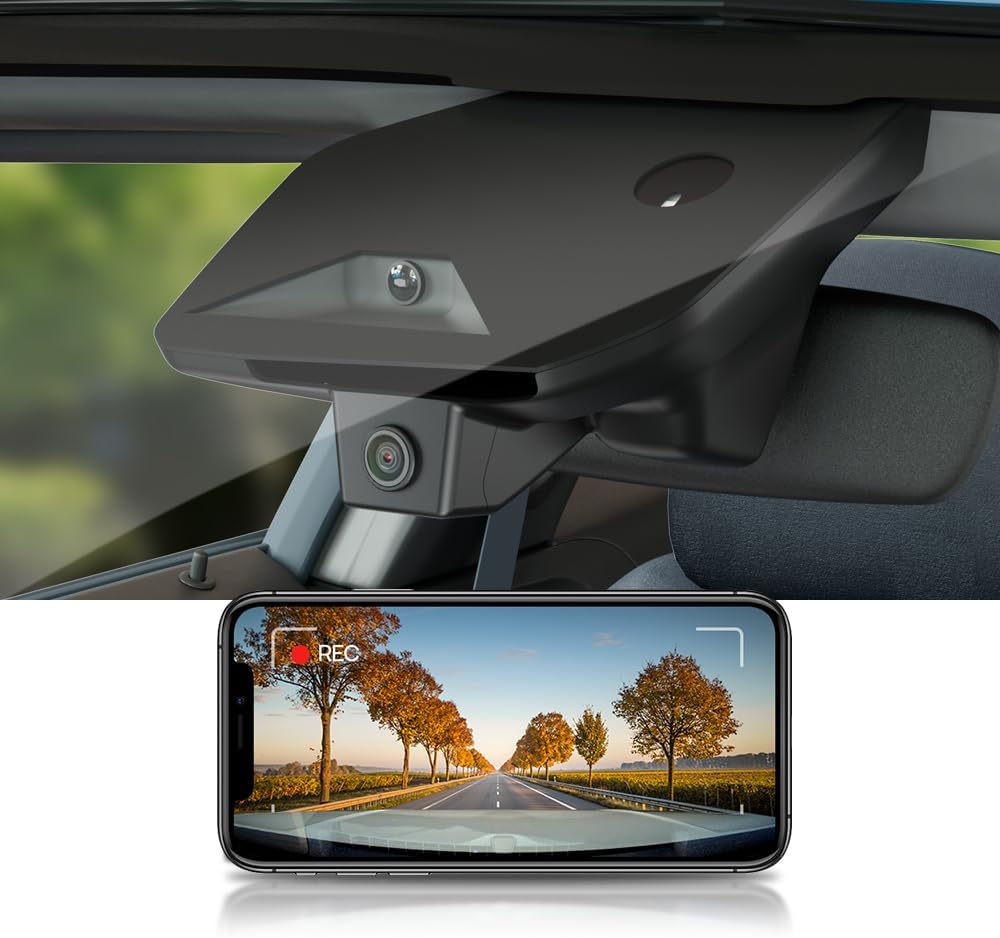
Different Types of Dash Cams

Common Buying Mistakes to Avoid
❌ Mistake: Choosing Based Solely on Price
Why it’s bad: Focusing only on cost leads to disappointment when your cheap dash cam fails to record properly, has poor night vision, or breaks after a few months. Many budget models use inferior sensors that produce grainy, blurry footage, defeating the entire purpose of having a dash cam.
What to do instead: Establish a realistic budget range and stick to it, but prioritize quality over savings. Spend a bit more on reputable brands with proven track records. Remember that a $150 dash cam will likely serve you better long-term than a $50 model that constantly malfunctions.
❌ Mistake: Ignoring Jeep-Specific Installation Challenges
Why it’s bad: The Jeep Cherokee’s sloped windshield, limited mounting space, and electrical system present unique obstacles. Many dash cams designed for sedans won’t mount properly or may block your view when installed in a Cherokee.
What to do instead: Research mounting solutions specifically tested with Jeep models. Consider curved or angled mounts, or choose smaller cameras that fit better in the Cherokee’s dashboard layout. Also verify power requirements—some models draw too much current for the Cherokee’s electrical system without proper regulation.
❌ Mistake: Overlooking Storage Requirements
Why it’s bad: Without understanding how much storage you need and how quickly files consume space, you’ll run out of recording time unexpectedly. This is especially problematic for longer trips or when parking mode is active.
What to do instead: Calculate your storage needs based on recording duration and file sizes. A 1080p dash cam typically creates files around 3-5 minutes each. If you want 30 days of storage, you’ll need a 32GB card for basic recording or a 128GB+ card if using parking mode frequently.
❌ Mistake: Neglecting Weather Resistance
Why it’s bad: Jeep owners frequently encounter extreme temperatures, humidity, and precipitation. Many standard dash cams aren’t designed to withstand these conditions, leading to lens fogging, condensation buildup, or complete failure.
What to do instead: Choose models with explicit weather resistance ratings (IP65 or higher). Look for anti-fog coatings, waterproof seals, and operating temperature ranges that match your climate. Test reviews mention performance in your typical weather conditions.
❌ Mistake: Skipping Warranty and Support Research
Why it’s bad: Even the best dash cam can fail. Without adequate warranty coverage or responsive customer support, you could be stuck without a working device when you need it most—during an insurance dispute or after an incident.
What to do instead: Verify warranty length (minimum 1 year, preferably 2-3 years) and check what’s covered. Contact customer service with technical questions before purchasing to assess their responsiveness. Read about return policies and repair processes.
❌ Mistake: Assuming All Features Are Essential
Why it’s bad: Premium features like GPS tracking, Wi-Fi connectivity, and cloud storage add complexity and cost without benefiting every user. Some advanced functions drain battery life or require constant internet access that isn’t practical for all situations.
What to do instead: Make a list of must-have features versus nice-to-haves. Focus on core functionality first: clear video quality, reliable recording, and robust build. Add secondary features only if they genuinely improve your experience.
Budget Guidelines: How Much Should You Spend?
Entry-Level ($50 – $100): What to Expect
At the lower end of the price spectrum, entry-level dash cams deliver basic functionality but often compromise on critical aspects. These models typically feature 720p or early 1080p resolution, limited low-light performance, and basic loop recording. While they may seem appealing for their affordability, they’re generally not recommended for serious drivers or Jeep owners who expect reliability.
Many budget dash cams use CMOS sensors rather than higher-quality Sony STARVIS sensors, resulting in poorer nighttime visibility and more digital noise. Build quality tends to be lighter—often plastic housings that don’t dissipate heat well or withstand temperature extremes common in Jeeps.
If you’re absolutely committed to staying under $100, focus on brands with established reputations rather than unknown manufacturers. Even at this price point, some reputable companies offer surprisingly capable models. However, be prepared to accept limitations in features and durability.
Mid-Range ($100 – $250): Sweet Spot for Most Buyers
This price range represents the optimal balance for most Jeep Cherokee owners. Here, you’ll find dash cams with reliable 1080p or even 2K resolution, solid build quality, and useful additional features like parking mode and G-sensor crash detection.
Mid-range models typically use higher-quality sensors (including Sony STARVIS variants), offer wider fields of view (120-140 degrees), and include more robust mounting systems. These devices often feature better heat management, longer warranties (1-2 years), and improved customer support.
For Jeep owners specifically, this tier offers the best combination of durability, image quality, and functionality. You’ll find models that handle the Cherokee’s electrical system requirements, mount securely despite the sloped windshield, and perform reliably in various weather conditions.
Premium ($250 – $500): For Enthusiasts and Professionals
Premium dash cams justify their higher cost with superior components and advanced features. These models typically offer 4K resolution, exceptional low-light performance, sophisticated driver assistance features, and superior build materials.
At this level, you’ll find dual-lens systems with independent front and rear recording, advanced parking surveillance modes, cloud connectivity for remote viewing, and sophisticated AI features like lane departure warnings and collision alerts. Some premium models even integrate with smartphone apps for seamless playback and sharing.
While not necessary for casual drivers, premium options can be worthwhile for Jeep owners who frequently tackle challenging terrain, participate in events requiring extensive documentation, or want maximum peace of mind during travel.
Luxury ($500+): Top-Tier Features
Ultra-premium dash cams represent the cutting edge of automotive recording technology. These systems often feature multiple cameras providing 360-degree coverage, professional-grade audio recording, military-spec build quality, and enterprise-level security features.
At this price point, you’re investing in equipment that rivals commercial fleet systems used by delivery services and ride-sharing companies. Features like automatic emergency calling, advanced analytics, and integrated telematics become available. Some luxury models even offer subscription-based cloud services with unlimited storage.
For most individual Jeep Cherokee owners, these ultra-premium features represent unnecessary complexity and cost. However, if you’re a professional photographer documenting off-road adventures, a competitive racer needing comprehensive data, or someone seeking ultimate protection regardless of price, luxury dash cams deliver unmatched capabilities.
Expert Tips & Pro Advice
💡 Pro Tip: Time Your Purchase Strategically
Dash cam sales often spike during major holidays like Black Friday, Cyber Monday, and Memorial Day weekend. These periods typically offer the deepest discounts on mid-to-premium models. However, be aware that popular items may sell out quickly—consider setting up price alerts through retailers or signing up for brand newsletters to catch deals as soon as they appear.
Additionally, end-of-quarter sales (March, June, September) often feature clearance pricing as manufacturers prepare inventory for new models. These can be excellent opportunities to snag last-generation premium dash cams at significant discounts.
💡 Pro Tip: Master the Art of Hardwiring
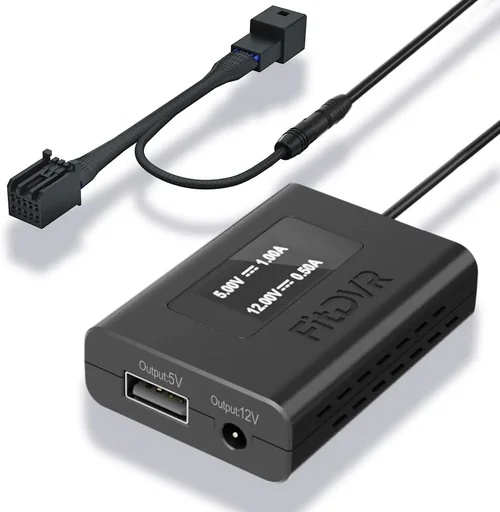
Hardwiring your dash cam eliminates the need for constant battery draining and ensures continuous operation. For Jeep Cherokee owners, this is particularly valuable given the vehicle’s frequent off-road use and potential for extended periods without ignition cycling. Most hardwiring kits connect to your fuse box using included fuses, allowing your dash cam to draw power only when needed while preserving your battery.
When selecting a hardwiring kit, choose one compatible with your Cherokee’s model year and electrical system. Professional installation isn’t necessary—most kits include clear instructions and simple tools. Just remember to locate fuse slots that won’t affect critical vehicle functions like headlights or wipers.
💡 Pro Tip: Optimize Your Memory Card Strategy
Storage cards are the unsung heroes of dash cam performance. Using low-quality or incompatible cards leads to corruption, failed recordings, and complete system crashes. Always purchase cards specifically designed for dash cam use—typically Class 10 or U3 rated microSD cards from reputable brands like SanDisk Extreme, Samsung EVO Select, or Lexar Professional.
For most Jeep Cherokee applications, a 64GB card provides approximately 12-16 hours of continuous recording at 1080p. If you plan frequent parking mode usage or higher resolution recording, consider 128GB or larger. Format your card through the dash cam itself (not your computer) to ensure proper file system optimization.
💡 Pro Tip: Protect Against Extreme Temperatures
Jeep Cherokee owners frequently encounter temperature swings that can damage sensitive electronics. During winter months, dash cams can freeze, while summer heat can cause overheating. To combat this, consider installing your camera in a slightly shaded area of the windshield or using a small piece of reflective tape to deflect direct sunlight.
Some premium models include built-in thermal management systems, but even these benefit from reduced direct exposure. If you regularly drive in extreme conditions, research dash cams specifically rated for wide temperature operation (-20°F to 185°F/-29°C to 85°C).
💡 Pro Tip: Develop a Maintenance Routine
Like any electronic device, dash cams benefit from regular maintenance. Create a simple checklist: weekly lens cleaning with microfiber cloths, monthly memory card formatting, quarterly firmware updates, and annual inspection of mounting hardware. This routine prevents issues before they occur and extends your device’s lifespan significantly.
Pay particular attention to the mounting adhesive—over time, UV exposure and temperature changes can weaken bonds. If your camera begins to shift slightly, address it immediately before it becomes completely loose.
💡 Pro Tip: Leverage Community Knowledge
Online communities dedicated to Jeep ownership and dash cam technology are treasure troves of real-world advice. Platforms like Reddit (r/jeep, r/dashcam), specialized Jeep forums, and YouTube channels focused on off-road accessories consistently share installation tips, troubleshooting guides, and product recommendations tailored to specific Cherokee models.
Don’t hesitate to ask questions in these communities—experienced members often provide personalized advice based on their own installations. Many Jeep-specific dash cam reviews include detailed compatibility information that generic review sites might overlook.
💡 Pro Tip: Understand Insurance Implications
Having dash cam footage can significantly impact insurance claims, but only if you understand how to use it effectively. Keep your recordings organized with clear timestamps and descriptive filenames. Most insurance companies appreciate objective evidence, but they also value well-documented timelines.
Before relying on footage for claims, familiarize yourself with local laws regarding recording conversations and third-party privacy. In most jurisdictions, recording public roads is legal, but recording private property without consent can create complications.
💡 Pro Tip: Plan for Data Backup and Security
Raw dash cam footage is often irreplaceable, making backup strategies essential. Consider implementing a three-tier backup system: immediate local storage on your computer, cloud backup through manufacturer services (if available), and physical external hard drives kept in separate locations.
Security is equally important—dash cam footage contains sensitive information about your daily routines, locations, and potentially valuable personal details. Use strong passwords for any connected services, enable two-factor authentication where possible, and avoid sharing raw footage publicly without careful consideration.
FAQs Section

Frequently Asked Questions
Q: Can I install a dash cam myself on my Jeep Cherokee?
A: Absolutely! Most dash cams are designed for DIY installation and include comprehensive instructions. For windshield mounting, you’ll need a clean, dry surface and possibly a suction cup or adhesive mount depending on your chosen model. The hardest part is often finding the optimal position that doesn’t obstruct your view while maintaining good recording angles.
Q: Will a dash cam drain my Jeep’s battery?
A: Modern dash cams are designed to minimize battery drain, but continuous operation (especially parking mode) can eventually discharge your battery if the vehicle remains unused for extended periods. The solution is either connecting to a fuse box via hardwiring or using a dedicated parking mode circuit that draws power only when needed.
Q: What’s the best resolution for a Jeep Cherokee dash cam?
A: For most Jeep Cherokee applications, 1080p Full HD provides the ideal balance between image quality and file management. This resolution delivers clear enough footage for license plates and accident documentation while keeping file sizes reasonable for extended recording sessions. If budget allows, 2K or 4K models offer marginally better detail but require significantly more storage.
Q: How much storage do I need for my dash cam?
A: It depends on recording quality and desired retention period. At 1080p, a typical 32GB card holds about 6-8 hours of footage. For most users, a 64GB card provides 12-16 hours, which covers approximately one week of continuous recording. If you want longer retention or use parking mode frequently, consider 128GB or larger cards.
Q: Do I need a front and rear dash cam for my Jeep?
A: While not strictly necessary, dual-lens systems provide comprehensive protection by capturing both front and rear perspectives. This is particularly valuable for Jeep owners who frequently encounter tight parking situations, backing accidents, or situations where rear-end collisions might occur without your knowledge.
Q: How should I mount my dash cam on a Jeep Cherokee?
A: The Cherokee’s sloped windshield presents unique mounting challenges. Many users find success with curved or flexible mounts that conform to the windshield angle. Alternatively, consider smaller dash cams that fit better in the available space. Avoid placing the camera directly over airbag deployment zones.
Q: Can dash cam footage be used in court?
A: Yes, dash cam footage can serve as compelling evidence in legal proceedings, including insurance claims and criminal cases. However, admissibility depends on factors like recording quality, timestamp accuracy, and chain of custody. Always preserve original footage rather than editing or compressing it, and store recordings securely until needed.
Q: What happens if my dash cam fills up its memory card?
A: With loop recording enabled (which all modern dash cams use), older footage automatically overwrites newer recordings once the storage capacity is reached. This ensures continuous recording without manual intervention. However, G-sensor-protected footage marked during impacts is typically saved outside the normal loop cycle.
Q: How do I know if my dash cam is working properly?
A: Most dash cams include status indicators (LED lights) showing power, recording, and storage status. Regularly review footage on your computer or mobile app to verify quality and functionality. Pay attention to unusual noises, overheating, mounting stability, and consistent recording times as warning signs.
Q: Should I buy a dash cam specifically designed for Jeeps?
A: While there aren’t dash cams exclusively manufactured for Jeeps, certain features matter more for Cherokee owners: compact size for dashboard placement, compatibility with sloped windshields, appropriate power requirements, and durability for off-road conditions. Look for models with these characteristics rather than Jeep-specific branding.
Final Recommendations
Best for Budget-Conscious Buyers
For Jeep Cherokee owners watching their budget, the Viofo A119 V3 represents exceptional value at around $100. This compact dash cam delivers reliable 1080p recording with impressive low-light performance thanks to its Sony STARVIS sensor. Its small footprint fits comfortably in the Cherokee’s dashboard without obstructing views, and the included suction cup mount works well even on slightly curved surfaces.
The A119 V3 includes essential features like loop recording, G-sensor crash detection, and parking mode with motion detection. While lacking some premium extras like GPS tracking, it provides solid core functionality at an unbeatable price point. Users consistently praise its reliability and straightforward operation, making it an excellent choice for everyday drivers who want dependable protection without overspending.
Best Overall Value
The Nextbase 522GW strikes the perfect balance between features, quality, and price at approximately $150. This mid-range model offers 1440p resolution, crisp audio recording, and surprisingly effective night vision. Its compact design sits unobtrusively on most dashboards, including the Cherokee’s sloped windshield.
What sets the 522GW apart is its smart features: Amazon Alexa integration, cloud connectivity for remote viewing, and emergency SOS functionality. The included parking mode works reliably, and the build quality feels substantial despite its compact size. User reviews highlight its intuitive interface and consistent performance across various lighting conditions—making it our top recommendation for most Jeep Cherokee owners.
Best Premium Option
For those seeking maximum protection and features, the BlackVue DR970X-2CH stands out as the gold standard in dash cam technology. Priced around $300, this dual-lens system delivers stunning 2K recording from both front and rear cameras with exceptional dynamic range and color accuracy.
The DR970X-2CH includes professional-grade features like GPS tracking, Wi-Fi connectivity, and cloud recording capabilities. Its robust build withstands temperature extremes and rough handling—perfect for Jeep adventures. Advanced parking mode includes time-lapse recording and motion detection, while the included B1 battery pack provides extended parking surveillance. While expensive, this model justifies its cost through uncompromising quality and comprehensive protection.
Best for Beginners
New to dash cams? The Garmin Dash Cam Mini 2 simplifies the experience with its plug-and-play operation and automatic recording. Priced under $100, this ultra-compact device focuses on essential functionality without overwhelming users with complex settings or features.
Its tiny profile makes it nearly invisible on the dashboard, reducing the temptation to remove it when not needed. Automatic start/stop recording eliminates manual operation, and the included suction cup mount handles the Cherokee’s sloped windshield well. While lacking advanced features, it delivers reliable 1080p recording and builds confidence for those transitioning from no dash cam to having one.
Best for Advanced Users
Power users and tech enthusiasts will appreciate the Thinkware U1000 for its exceptional image quality and customizable settings. At approximately $180, this model offers 2K resolution, superior HDR processing, and granular controls over recording parameters. Its dual-channel capability allows simultaneous front and rear recording, while the robust build handles demanding conditions.
Advanced features include customizable G-sensor sensitivity, multiple parking mode options, and extensive compatibility with various accessories. The included Wi-Fi app provides seamless playback and sharing capabilities. While the learning curve is slightly steeper than basic models, the U1000 rewards experienced users with unparalleled control over their recording experience and outstanding video quality.
Conclusion: Making the Right Choice
Selecting the best dash cam for your Jeep Cherokee ultimately comes down to balancing your specific needs against available features and budget. No single model serves every purpose perfectly, but by understanding the unique challenges Jeep ownership presents—from mounting difficulties to electrical system considerations—you can make an informed decision that delivers lasting value.
Remember that your dash cam’s primary role is protection, not entertainment. Prioritize reliable recording, robust build quality, and ease of use over flashy extras that might complicate operation or drain your battery unnecessarily. The ideal dash cam will stay mounted securely, record clearly in all conditions, and operate reliably for years without requiring constant attention.
As you evaluate options, consider your driving patterns: Do you frequently tackle challenging terrain, commute long distances, or park in high-risk areas? These factors influence which features matter most. Don’t feel pressured to match every feature on every list—focus on what truly protects you and your vehicle.
Finally, treat your dash cam as an investment in peace of mind. While the initial cost may seem significant, the potential value of protected footage during insurance disputes, accident reconstruction, or simply documenting memorable adventures far outweighs the expense. With the guidance provided here, you’re equipped to choose wisely and enjoy the confidence that comes with knowing you’ve taken proactive steps to protect yourself behind the wheel of your beloved Jeep Cherokee.