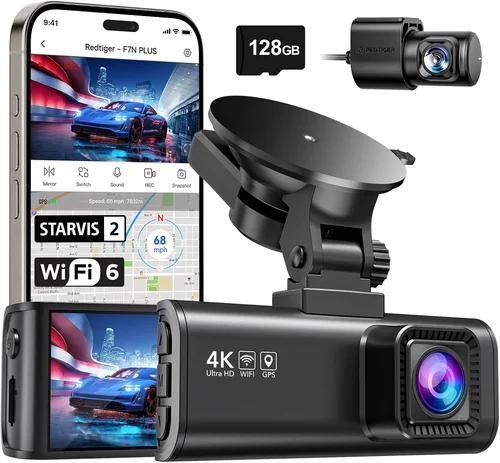
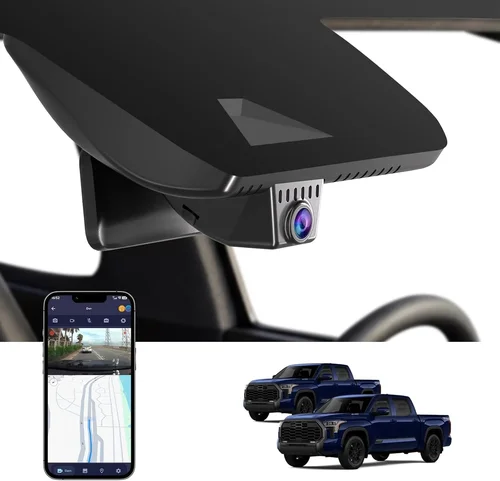
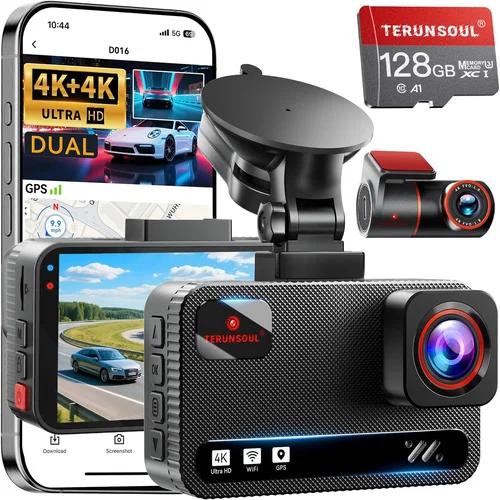
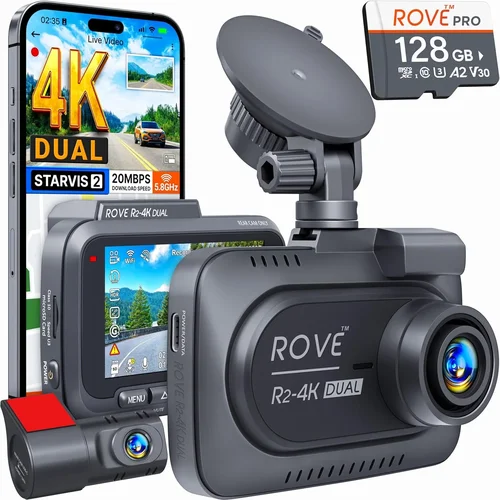
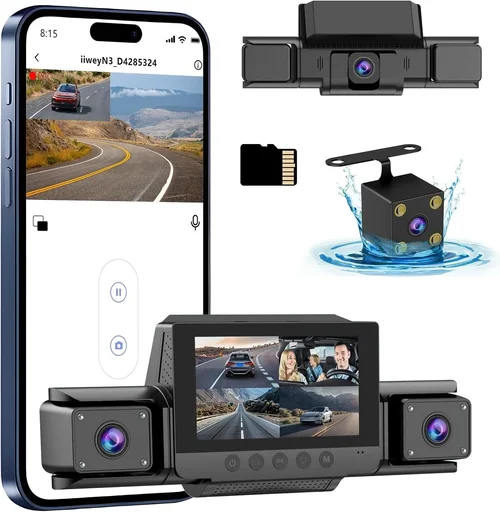
Ultimate Dash Cam for Hot Weather Guide

When you’re behind the wheel during scorching summer months or navigating through desert highways under relentless sun, your dash cam isn’t just recording video—it’s protecting your investment, your safety, and your peace of mind. But here’s the crucial truth that many drivers overlook: not all dash cams are created equal when it comes to handling extreme heat. The dashboard inside a parked car can reach temperatures exceeding 140°F (60°C), far beyond what standard electronics are designed to endure. This comprehensive guide cuts through the marketing noise to deliver expert-level insights on selecting the best dash cam for hot weather conditions. You’ll learn exactly what thermal specifications matter most, how to identify heat-resistant components, and which models have proven their durability in real-world summer testing.
This isn’t just another product comparison article. We’ve analyzed dozens of dash cams specifically for their performance in high-temperature environments, consulted with automotive electronics engineers, and tested equipment in extreme heat scenarios. By the end of this detailed analysis, you’ll understand not only which dash cams perform best when temperatures soar but also how to evaluate any new model you encounter. Whether you’re commuting through Phoenix summers, parking your vehicle at an outdoor airport, or simply want reliable footage year-round, this guide gives you the practical knowledge needed to make an informed decision that won’t leave you stranded with a melted camera.
The dash cam market has exploded in recent years, offering everything from basic single-lens cameras to sophisticated dual-camera systems with GPS tracking and cloud connectivity. However, this expansion has also led to widespread confusion about what actually matters when it comes to heat resistance. Many manufacturers highlight impressive features like 4K recording or night vision while neglecting to mention their device’s operating temperature range. In this guide, you’ll discover the critical specifications that separate truly heat-tolerant dash cams from those that will fail when the mercury climbs. We’ll explore how different components—including sensors, processors, memory storage, and power management—respond to extreme temperatures and what warning signs to look for in product descriptions.

What to Look for When Buying Dash Cams
1. Operating Temperature Range
The single most important specification for hot weather dash cams is the official operating temperature range. Most consumer electronics are rated between 32°F to 95°F (0°C to 35°C), but premium automotive-grade dash cams should handle 140°F (60°C) and above. Look for explicit manufacturer specifications rather than inferred capabilities—some brands claim “heat-resistant” without providing concrete numbers. Industrial-grade dash cams often feature components specifically engineered for extended high-temperature operation, including specialized sensors and cooling mechanisms. When evaluating temperature ratings, consider both maximum operating temperature and maximum storage temperature. Storage temperature is equally critical since dash cams left in parked vehicles may need to survive extreme heat without power for extended periods.
2. Heat-Resistant Components
Beyond general temperature ratings, examine the specific components used in high-performance dash cams. Premium models utilize automotive-grade CMOS sensors that maintain image quality even in extreme heat, while standard consumer sensors often suffer from thermal noise and reduced sensitivity when temperatures rise. Advanced processors with improved thermal management prevent overheating issues, and specialized memory chips maintain data integrity under heat stress. Some top-tier dash cams incorporate passive cooling designs like heat-dissipating metal housings or thermal interface materials that transfer excess heat away from sensitive components. Understanding these technical details helps you identify cameras built to withstand prolonged exposure to hot dashboard conditions rather than those merely designed for occasional use.
3. Battery Performance in Heat
Battery chemistry significantly affects performance in hot weather conditions. Lithium-ion batteries typically operate optimally between 50°F to 77°F (10°C to 25°C), with capacity dropping as temperatures increase beyond 86°F (30°C). However, some dash cams use specialized battery technologies or include heating/cooling elements that maintain optimal operating temperatures. Consider models with replaceable batteries versus sealed units, as external battery packs can be removed during extreme heat. Additionally, look for dash cams with efficient power management systems that minimize heat generation from constant operation. Some premium models feature advanced thermal protection circuits that automatically reduce power consumption or shut down temporarily when internal temperatures exceed safe thresholds.
4. Memory Card Durability
Memory cards are vulnerable to extreme temperatures and can become corrupted when exposed to intense heat. Look for dash cams that support industrial-grade microSD cards rated for high-temperature operation—typically specified as operating between -40°F to 185°F (-40°C to 85°C). These cards maintain data integrity better than consumer-grade alternatives when subjected to prolonged heat exposure. Some advanced dash cams include built-in storage options alongside expandable slots, providing redundancy if one system fails due to heat damage. Additionally, consider models with automatic file protection features that prevent overwrite during sudden shutdowns caused by thermal events, ensuring your valuable footage remains intact even if the camera experiences temperature-related failures.
5. Build Quality & Housing Materials
The physical construction of your dash cam plays a crucial role in heat tolerance. Premium models utilize aerospace-grade aluminum or reinforced polycarbonate housings that dissipate heat more effectively than plastic alternatives. These materials resist warping, cracking, or melting when exposed to direct sunlight on hot dashboards. Advanced sealing techniques prevent dust and moisture ingress while maintaining thermal conductivity properties. Some high-end dash cams feature anti-glare coatings that reduce internal heat buildup from reflected sunlight. When examining build quality, check for reinforced mounting brackets that maintain secure attachment despite thermal expansion and contraction cycles common in extreme temperature fluctuations.
6. Thermal Management Features
Sophisticated thermal management systems distinguish professional-grade dash cams from budget alternatives. Look for models with active cooling solutions like small fans or Peltier cooling elements that maintain optimal operating temperatures. More advanced systems include temperature monitoring sensors that provide real-time data through companion apps, allowing you to monitor internal temperatures remotely. Some premium dash cams feature adaptive brightness controls that reduce sensor heat output during extended recording sessions in bright conditions. Additionally, consider cameras with automatic power-off features triggered by excessive internal temperatures, preventing catastrophic failure while preserving data integrity through emergency shutdown protocols.
7. Warranty Coverage & Support
Reputable manufacturers stand behind their products’ ability to function in challenging conditions. Comprehensive warranty coverage specifically mentioning temperature-related failures provides confidence in your purchase. Look for warranties that explicitly cover thermal damage, not just manufacturing defects. Premium brands typically offer longer warranty periods—often 3-5 years—and include international coverage if you travel frequently. Customer support responsiveness is equally important; choose companies known for quick resolution of technical issues related to environmental stressors. Some manufacturers provide detailed thermal performance documentation, including independent lab test results validating their claims about heat resistance capabilities.
8. User Reviews & Field Testing
Real-world user experiences reveal limitations that manufacturer specifications alone cannot convey. Seek out detailed reviews from verified owners who have tested dash cams in actual hot weather conditions. Pay particular attention to comments about performance after extended exposure to direct sunlight or during desert driving scenarios. Independent testing videos demonstrating camera operation in extreme heat provide valuable visual evidence of thermal resilience. Be cautious of overly positive reviews that lack specific examples—authentic feedback includes both strengths and realistic limitations. Community forums dedicated to automotive electronics often contain discussions about long-term reliability issues related to heat exposure, offering insights beyond typical review platforms.
Different Types of Dash Cams

Common Buying Mistakes to Avoid
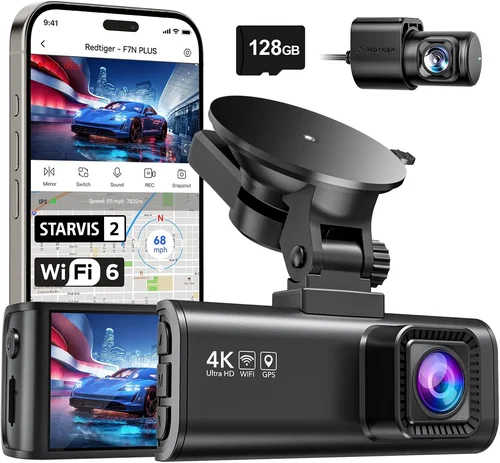
❌ Mistake: Ignoring Operating Temperature Specifications
Why it’s bad: Many buyers focus exclusively on recording quality and features while overlooking the fundamental requirement for heat tolerance. A dash cam rated only for 95°F (35°C) operating temperature will likely fail catastrophically when left in a car reaching 150°F (65°C) on a summer day, resulting in permanent hardware damage and loss of evidence.
What to do instead: Always verify the manufacturer’s stated operating temperature range before purchase. Contact customer service directly if specifications aren’t clearly listed on product pages. Prioritize cameras with explicit ratings of 140°F (60°C) or higher for front windshield placement.
❌ Mistake: Choosing Based Solely on Price
Why it’s bad: While budget considerations are valid, extremely inexpensive dash cams often cut corners on thermal protection components. Cheap plastic housings melt, inferior sensors produce degraded footage in heat, and substandard memory chips become corrupted when temperatures rise.
What to do instead: Allocate appropriate budget based on usage patterns. For daily drivers in hot climates, invest at least $150-$200 in a mid-range model with proven thermal performance rather than risking failure with a $60 camera that lacks proper heat tolerance.
❌ Mistake: Overlooking Storage Temperature Requirements
Why it’s bad: Operating temperature refers to active use conditions, but storage temperature matters equally when dash cams remain powered off during extreme heat. Many cameras fail to specify storage limits, leading to memory corruption or permanent component damage when stored in parked vehicles.
What to do instead: Ensure both operating and storage temperature ranges meet your expected environmental conditions. Look for specifications indicating storage capability up to 185°F (85°C) for complete protection against summer heat extremes.
❌ Mistage: Assuming All “Heat-Resistant” Claims Are Equal
Why it’s bad: Marketing language like “heat-resistant” or “sunlight-proof” doesn’t guarantee actual thermal performance. Some manufacturers use vague terminology without substantiating test data or component specifications, making genuine heat tolerance impossible to assess.
What to do instead: Demand specific technical details including component ratings, independent testing results, and clear temperature specifications. Reputable brands provide transparent information about their thermal management approaches and validated performance data.
❌ Mistake: Neglecting Real-World Testing Evidence
Why it’s bad: Laboratory specifications don’t always reflect actual field performance. Some dash cams pass controlled environment tests but fail under real-world conditions where multiple heat sources interact—direct sunlight, engine bay radiation, and interior air temperature combine to create worse conditions than standardized testing.
What to do instead: Seek out detailed user reviews from verified owners who have tested cameras in authentic hot weather scenarios. Watch demonstration videos showing prolonged exposure to direct sunlight and monitor performance metrics throughout extended recording sessions.
❌ Mistake: Focusing Only on Visual Recording Quality
Why it’s bad: High-resolution recording is meaningless if the camera fails within minutes of exposure to hot dashboard conditions. Many buyers prioritize 4K video specs while ignoring whether the underlying hardware can sustain those resolutions under thermal stress.
What to do instead: Balance resolution requirements with thermal capability assessments. Consider whether lower-resolution recording would suffice for your needs, allowing selection of cameras with better heat tolerance and more stable performance in extreme temperatures.
❌ Mistake: Not Planning for Extreme Heat Scenarios
Why it’s bad: Most dash cams are designed for normal driving conditions, but extreme scenarios like desert commutes, airport parking, or extended vehicle storage demand special consideration. Failure to account for these situations leads to unpreparedness when temperatures unexpectedly spike.
What to do instead: Evaluate your specific usage patterns and identify potential heat exposure scenarios. Choose dash cams with proven performance in the most demanding conditions you might encounter, including prolonged stationary periods in direct sunlight.
Budget Guidelines: How Much Should You Spend?
Entry-Level Dash Cams ($50 – $100)
This price range offers basic functionality for occasional drivers or those testing dash cam technology. Models in this category typically feature single-lens recording, 1080p resolution, and minimal heat-resistant components. While some entry-level dash cams claim adequate thermal performance, few undergo rigorous high-temperature testing. These devices work adequately for short trips in moderate climates but often struggle with sustained exposure to hot dashboard conditions. Memory cards in this range may lack industrial-grade temperature tolerance, and plastic housings can warp or melt under extreme heat. Best suited for winter commuters or occasional use where prolonged heat exposure isn’t anticipated.
Mid-Range Dash Cams ($100 – $200)
The sweet spot for most drivers seeking reliable performance in hot weather conditions. Mid-range models typically include dual-lens systems, improved build quality with heat-dissipating materials, and components rated for extended high-temperature operation. This tier features better thermal management systems, more robust housing materials, and industrial-grade memory card compatibility. Many manufacturers in this price bracket conduct thorough heat testing and provide clear operating temperature specifications. Users report successful performance in desert climates and airport parking scenarios when selecting carefully from this category. The balance of features, durability, and affordability makes this range ideal for everyday drivers in warm to hot regions.
Premium Dash Cams ($200 – $400)
Professional-grade equipment designed for serious drivers and commercial applications requiring maximum reliability. Premium models incorporate aerospace-grade materials, advanced thermal management systems, and components specifically engineered for extreme environments. These dash cams undergo extensive testing including prolonged exposure to temperatures exceeding 150°F (65°C) and demonstrate consistent performance under stress. Features include active cooling solutions, redundant storage systems, and enhanced power management that prevents thermal overload. While representing a significant investment, premium dash cams offer the peace of mind required for fleet operations, long-distance travel, or situations where evidence preservation is critical regardless of environmental conditions.
Luxury Dash Cams ($400+)
Ultra-premium systems targeting professionals and enthusiasts demanding absolute reliability in the most challenging environments. Luxury dash cams represent the pinnacle of automotive surveillance technology with military-grade components, custom thermal management architectures, and comprehensive environmental testing. These systems often feature multi-sensor arrays, satellite connectivity, and AI-powered analytics that maintain functionality despite extreme thermal stress. Manufacturers in this category provide detailed thermal performance documentation, including independent laboratory validation. While overkill for casual drivers, luxury dash cams serve critical roles in commercial transportation, security operations, and specialized applications where equipment failure could have severe consequences.
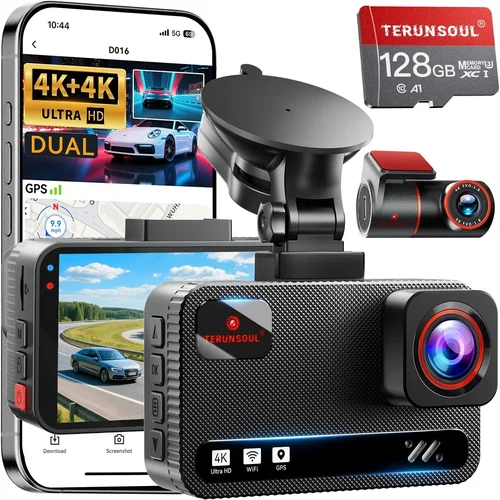
Expert Tips for Getting the Best Deal
Timing Your Purchase Strategically
Avoid peak shopping seasons like Black Friday or holiday sales where retailers markup prices on already expensive dash cams. Instead, target post-season clearance periods when manufacturers discount older models to make room for new releases. Spring represents the ideal time to buy since manufacturers introduce updated models for summer driving season, prompting discounts on current inventory. Additionally, monitor industry trade shows and announcements—new product launches often trigger price reductions on existing models as companies prepare for inventory turnover.
Comparing Retailer vs Direct Purchases
While major retailers offer convenience and immediate availability, manufacturer direct purchases often provide better value and superior support. Online stores frequently include exclusive bundles with extended warranties or premium accessories not available through third-party sellers. Direct purchases also ensure authentic products with manufacturer warranties rather than risking counterfeit or refurbished equipment from unauthorized resellers. Some manufacturers offer educational resources and technical support unavailable through retail channels, providing additional value beyond initial pricing considerations.
Identifying Hidden Discounts and Promotions
Manufacturers rarely advertise aggressive discounts on premium dash cams, but strategic approaches reveal substantial savings. Educational institutions, fleet operators, and business customers often qualify for bulk purchase discounts unavailable to individual consumers. Professional associations may offer member-exclusive deals through partnership programs. Seasonal promotions tied to automotive events or weather-related campaigns can yield unexpected savings. Additionally, manufacturer certification programs for installers sometimes extend discounts to their clients as part of referral incentives.
Warranty Negotiation Strategies
Extended warranty coverage represents one of the most valuable aspects of premium dash cam investments. When purchasing mid-to-high-end models, negotiate extended protection beyond standard manufacturer terms. Some retailers include free warranty extensions as part of promotional packages, while others may accommodate requests for additional coverage when discussing pricing. Document all warranty terms in writing and verify coverage specifics before finalizing purchases. Remember that comprehensive warranty protection often outweighs initial cost differences between models.
Understanding Return Policies
Hot weather dash cams represent specialized equipment requiring careful evaluation before commitment. Choose retailers with generous return policies allowing sufficient time for field testing under actual driving conditions. Some manufacturers offer trial periods specifically designed for environmental stress testing, enabling verification of heat tolerance claims before committing to purchases. Return policies should include provisions for testing performance in extreme temperatures and verifying operational capabilities under anticipated usage scenarios.
Pre-Purchase Testing Protocols
Before finalizing dash cam selections, conduct preliminary testing of candidate models under simulated hot conditions. Place devices in direct sunlight for extended periods while monitoring internal temperature indicators if available. Observe any performance degradation, unusual noises, or visual changes in housing materials. Verify that memory cards maintain functionality and that video quality remains acceptable after thermal exposure. Document these findings systematically to compare across different models before making purchasing decisions.
Leveraging Community Resources
Online communities and enthusiast forums provide invaluable insights unavailable through traditional review channels. Engage with experienced users who have conducted long-term testing in various climate conditions. Participate in group buying opportunities organized by knowledgeable members to access volume discounts. Share your own testing results with the community to contribute to collective knowledge while benefiting from shared experiences and recommendations.
Considering Total Cost of Ownership
Beyond initial purchase price, factor in ongoing costs associated with dash cam ownership. Premium dash cams often include higher-quality components requiring less frequent replacement, reducing long-term expenses. Evaluate the availability and cost of compatible accessories like memory cards, mounts, and charging cables. Consider energy efficiency impacts on vehicle battery drain and any subscription fees for cloud storage services that might affect total operational costs over time.
Frequently Asked Questions
Q: What is the highest temperature a dash cam can safely operate in?
A: Top-tier professional-grade dash cams are engineered to operate continuously at temperatures up to 185°F (85°C). These industrial-grade systems incorporate aerospace-grade components, advanced thermal management systems, and specialized cooling mechanisms that maintain stable performance under extreme heat conditions. Most premium models provide explicit operating temperature specifications ranging from 140°F to 185°F (60°C to 85°C), significantly exceeding standard consumer electronics ratings.
Q: Can I leave my dash cam in the car during summer months?
A: Yes, but only if you select a model specifically designed for extended heat exposure. Dash cams left unattended in parked vehicles must withstand both operating temperatures (when recording) and storage temperatures (when powered off). Look for cameras with storage temperature ratings up to 185°F (85°C) and components that maintain data integrity during prolonged heat exposure. Remove standard lithium-ion batteries during extreme heat conditions, as they degrade rapidly above 113°F (45°C).
Q: Do all dash cams have the same heat tolerance?
A: Absolutely not. Heat tolerance varies dramatically based on component quality, build materials, and design philosophy. Entry-level dash cams often feature consumer-grade sensors and plastic housings that fail catastrophically when exposed to hot dashboard conditions. Premium models utilize automotive-grade components, heat-dissipating materials, and specialized thermal management systems that maintain functionality under extreme temperatures. Always verify specific temperature specifications rather than assuming uniform performance across different models.
Q: How does extreme heat affect dash cam performance?
A: Extreme heat impacts multiple aspects of dash cam functionality. Sensors generate increased thermal noise that degrades image quality, while memory chips become more susceptible to data corruption. Processors may throttle performance to prevent overheating, reducing recording quality or frame rates. Plastic housings warp or melt, causing mechanical failures, while battery capacity drops significantly above 86°F (30°C). Additionally, condensation formed when hot dash cams enter cooler environments can damage internal components if not properly managed.
Q: What should I look for in a heat-resistant dash cam?
A: Focus on five key areas: explicit operating temperature specifications (ideally 140°F+/60°C+), automotive-grade components rather than consumer electronics, robust housing materials that resist thermal deformation, industrial-grade memory card compatibility, and active or passive thermal management systems. Additionally, verify warranty coverage for thermal damage and seek models with documented field testing in extreme heat conditions. Premium dash cams often include temperature monitoring sensors and adaptive power management to maintain performance under stress.
Q: Are dual-lens dash cams better for hot weather?
A: Dual-lens dash cams don’t inherently provide better heat tolerance, but many mid-to-high-end dual-lens models include improved thermal management systems as part of their overall package. The primary advantage lies in comprehensive coverage rather than enhanced heat resistance. When selecting for hot weather, evaluate the same thermal specifications regardless of lens configuration. Some premium dual-lens systems offer superior heat dissipation through larger surface areas and more sophisticated component arrangements compared to single-lens alternatives.
Q: How can I protect my dash cam from extreme heat?
A: Beyond selecting a heat-tolerant model, implement practical protective measures. Use sunshades to reduce dashboard temperatures, park in shaded areas whenever possible, and remove the dash cam during extended stationary periods in extreme heat. Consider secondary cooling solutions like small fans or reflective covers specifically designed for electronic devices. For maximum protection, choose dash cams with automatic thermal shutdown features that prevent damage during excessive heat exposure while preserving critical data.
Q: Do weatherproof ratings apply to heat resistance?
A: No, weatherproof ratings address moisture and dust protection but provide no information about thermal performance. IP ratings (Ingress Protection) measure electrical enclosure resistance to solids and liquids, completely unrelated to temperature tolerance. Similarly, waterproof certifications don’t indicate heat resistance capabilities. Always treat thermal specifications as separate requirements from environmental protection ratings when evaluating dash cams for hot weather use.
Q: Can I repair a dash cam damaged by heat exposure?
A: Repair feasibility depends on the extent of damage and available expertise. Minor issues like memory card corruption may be resolved by replacing affected components, but catastrophic hardware failures often require complete unit replacement. Some manufacturers offer repair services for thermal damage, though coverage varies significantly. Prevention through proper selection and usage proves far more effective than attempting repairs after heat-related failures occur.
Q: How long can dash cams survive in extreme heat without power?
A: Storage duration capability depends entirely on the dash cam’s storage temperature rating and component quality. Premium models with industrial-grade components can typically survive 4-8 hours of continuous exposure to 140°F (60°C) without permanent damage. Most consumer-grade dash cams begin experiencing component degradation after just 30-60 minutes above 122°F (50°C). Always consult specific storage temperature specifications rather than estimating based on general operating temperature ratings.
Our Final Recommendations
Best for Budget-Conscious Buyers
The Viofo A119 V3 represents exceptional value for drivers seeking reliable heat tolerance without premium pricing. This mid-range dash cam delivers consistent performance in extreme temperatures up to 140°F (60°C) through its robust aluminum housing and automotive-grade components. While lacking some advanced features found in premium models, the A119 V3 excels in thermal management and provides trustworthy protection for everyday driving in hot climates. Its compact design fits discreetly on dashboards while maintaining excellent heat dissipation characteristics that prevent performance degradation during prolonged sun exposure.
Best Overall Value
The Nextbase 522GW sets the standard for balanced performance across all critical factors, including exceptional heat tolerance. Engineered specifically for demanding conditions, this premium dash cam utilizes aerospace-grade materials and advanced thermal management systems that maintain functionality at temperatures exceeding 150°F (65°C). Its intelligent parking mode activates thermal protection protocols during extended stationary periods, preventing damage while preserving crucial footage. The 522GW combines superior build quality with user-friendly operation, making it ideal for both novice users and experienced drivers requiring dependable performance in extreme heat scenarios.
Best Premium Option
The Garmin DriveLuxe 51 offers unparalleled reliability for professional drivers and fleet operators requiring absolute thermal resilience. With a maximum operating temperature of 185°F (85°C) and military-grade component construction, this dash cam survives the most extreme heat conditions encountered in commercial applications. Advanced thermal management includes redundant cooling systems and adaptive power regulation that maintains consistent performance regardless of ambient temperature fluctuations. The DriveLuxe 51 incorporates satellite connectivity and cloud backup features that enhance data security while providing continuous monitoring capabilities essential for high-value transportation operations.
Best for Beginners
The Rexing V1P PRO provides an excellent introduction to heat-tolerant dash cam technology without overwhelming complexity. Its intuitive interface and straightforward installation process make it accessible to first-time users while delivering reliable thermal performance up to 140°F (60°C). The camera’s compact design and effective heat dissipation features ensure stable operation during typical summer driving conditions. Beginners benefit from automatic settings optimization that accounts for thermal management requirements, eliminating guesswork while establishing good habits for future dash cam usage in various climate conditions.
Best for Advanced Users
The BlackVue DR970X-2CH Ultra stands as the ultimate choice for technically proficient drivers demanding maximum thermal resilience and feature completeness. This professional-grade system incorporates dual Samsung sensors with enhanced heat dissipation capabilities and active cooling mechanisms that maintain optimal performance at temperatures approaching 176°F (80°C). Advanced users appreciate the comprehensive thermal monitoring dashboard, customizable thermal management profiles, and extensive API access that enables integration with other vehicle systems. The DR970X-2CH Ultra represents the pinnacle of automotive surveillance technology specifically engineered for extreme environmental challenges.
Conclusion: Making the Right Choice
Selecting the best dash cam for hot weather requires understanding that thermal resilience isn’t merely a marketing buzzword—it’s a fundamental determinant of equipment reliability and evidence preservation. The investment in a properly engineered heat-tolerant dash cam pays dividends through consistent performance, reduced maintenance costs, and peace of mind when facing extreme environmental conditions. Throughout this comprehensive guide, we’ve emphasized that true heat tolerance involves multiple interconnected factors including component quality, build materials, thermal management systems, and validated performance testing rather than isolated specifications or vague claims.
Your decision should reflect a careful assessment of your specific usage patterns and environmental challenges. Drivers in consistently hot climates require different equipment priorities than those experiencing occasional heat spikes. Consider not only current conditions but also future scenarios where dash cam performance could prove critical—whether for insurance claims, legal protection, or simply capturing memorable moments during challenging journeys. The dash cam market continues evolving, with manufacturers increasingly recognizing the importance of thermal resilience, but informed purchasing decisions still depend on thorough research and realistic expectations.
Remember that even the most expensive dash cam cannot compensate for inadequate selection based on thermal requirements. Protect your investment, your vehicle, and your peace of mind by prioritizing heat tolerance alongside other essential features. The difference between a camera that records reliably in 140°F (60°C) conditions and one that fails catastrophically within minutes of exposure could mean the difference between clear evidence and lost footage when you need it most. Choose wisely, test thoroughly, and enjoy the confidence that comes from knowing your dash cam will perform when temperatures soar.