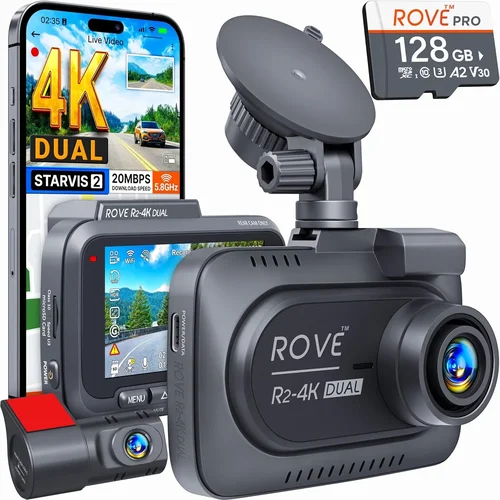
Best Dash Cam for Delivery Drivers Selection Guide
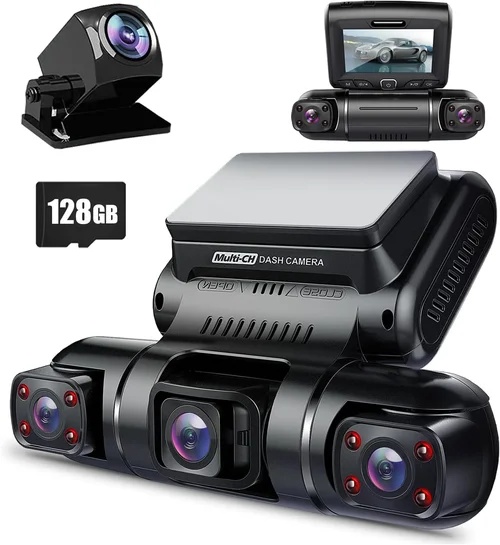
For delivery drivers who spend countless hours on the road, having reliable protection isn’t just convenient—it’s essential. A dash cam serves as your silent witness on every delivery route, capturing evidence of accidents, traffic violations, or even package-related incidents that could otherwise leave you vulnerable to false claims or disputes. In an industry where reputation and liability are paramount, investing in quality dash cam technology represents both smart business practice and personal peace of mind.
This comprehensive guide will walk you through everything you need to know about selecting the best dash cam specifically tailored for delivery drivers. Whether you’re driving for DoorDash, UPS, Amazon Flex, or running your own local delivery service, you’ll learn how to evaluate features, compare models, understand technical specifications, and make informed decisions that align with your specific needs and budget constraints. We’ll explore everything from video resolution and storage capabilities to parking mode functionality and emergency recording features—all while considering the unique challenges delivery professionals face daily.
The dash cam market has evolved dramatically over the past decade, offering everything from basic single-lens cameras to sophisticated multi-camera systems with cloud connectivity. However, not all dash cams are created equal, and what works well for a family sedan may be completely inadequate for the demanding conditions delivery drivers encounter. From navigating tight urban alleys to enduring long highway stretches, your chosen device must withstand constant motion, temperature fluctuations, and the occasional rough handling that comes with being part of a vehicle’s interior ecosystem.

What to Look for When Buying Dash Cams
1. Video Resolution and Image Quality
Video resolution is arguably the most critical factor when evaluating any dash cam, especially for delivery drivers who need clear footage for insurance claims or legal protection. Today’s market offers several resolution options, each with distinct advantages:
Full HD (1920×1080) remains the sweet spot for most delivery drivers, providing excellent detail while maintaining manageable file sizes and reasonable storage requirements. This resolution captures enough detail to identify license plates, facial features, and vehicle movements clearly without overwhelming your memory card capacity.
4K UHD (3840×2160) represents the premium tier, delivering four times the pixel density of Full HD. While this ultra-high resolution captures exceptional detail, it comes with significant trade-offs: larger file sizes mean shorter recording intervals before memory cards fill up, higher processing demands on your camera’s hardware, and potentially shorter battery life if using portable power solutions. For delivery drivers making frequent stops in busy urban areas, the enhanced clarity of 4K can be invaluable for identifying specific details during complex delivery scenarios.
Front-only cameras typically offer either Full HD or 4K resolution, while dual-front systems (recording both front and side views) often cap out at 1080p due to bandwidth limitations. Consider your primary use case: if you primarily need evidence of frontal impacts or traffic violations, a high-quality front camera at 1080p may suffice. However, if you frequently navigate narrow streets where side collisions are common, investing in a dual-lens system with adequate front resolution becomes more important.
Frame rate also affects video quality, with 30fps being standard and 60fps offering smoother motion capture—particularly beneficial when recording fast-moving vehicles or sudden braking events. Higher frame rates require more storage space but provide clearer slow-motion playback during incident review.
2. Storage Capacity and Management
Storage management forms the backbone of effective dash cam operation, directly impacting how much footage you can retain and for how long. Modern dash cams typically use microSD cards ranging from 32GB to 256GB+, each with implications for your recording strategy:
A 64GB card provides approximately 4-6 hours of continuous 1080p recording, while a 128GB card extends this to 8-12 hours depending on compression settings and video quality. For delivery drivers making multiple stops throughout the day, this means you’ll need to either purchase additional cards or implement efficient storage management practices. Many professional-grade dash cams support dual-card slots, allowing one card for continuous recording while the other serves as backup or extended storage.
Loop recording automatically overwrites the oldest footage when storage reaches capacity, ensuring you always have recent recordings available. However, some advanced models include intelligent loop recording that preserves important clips based on G-sensor triggers or manual save commands. This feature prevents accidental deletion of crucial evidence during routine storage cycles.
Cloud storage integration represents another valuable option, automatically uploading selected footage to secure online servers accessible via smartphone apps. While this adds monthly subscription costs, it eliminates concerns about physical card replacement and provides off-site backup against theft or loss. Some manufacturers offer tiered cloud plans—basic free tiers with limited storage versus premium plans with unlimited uploads and extended retention periods.
3. Night Vision and Low-Light Performance
Night vision capability significantly affects your dash cam’s effectiveness during early morning deliveries, late-night returns, or poorly lit urban environments. Modern dash cams employ several technologies to enhance low-light performance:
Wide dynamic range (WDR) technology balances exposure between bright headlights and dark shadows, preventing washed-out images when driving toward oncoming traffic. This feature proves particularly valuable during nighttime deliveries when sudden light changes occur frequently.
Infrared LEDs or starlight sensors enable clear recording in extremely dark conditions, though they typically work only within short distances and don’t penetrate through windows or obstructions. Premium models often combine WDR with enhanced sensor sensitivity to maintain image quality across varying lighting conditions.
Image stabilization helps reduce blur caused by night-time vibrations or movement, ensuring clearer footage during bumpy routes or sudden maneuvers. Combined with noise reduction algorithms, this technology maintains readable video even when visibility drops below optimal levels.
Consider your typical delivery schedule when evaluating night performance requirements. If you regularly make early morning or evening deliveries in commercial districts with mixed lighting conditions, prioritize cameras with robust WDR capabilities and proven low-light performance metrics rather than simply relying on advertised megapixel counts.
4. Parking Mode and Motion Detection
Parking mode functionality transforms your dash cam into an active security system while your vehicle sits unattended—an essential feature for delivery drivers leaving packages at customer locations or parked overnight in unfamiliar areas. Effective parking surveillance requires several key components:
Impact detection uses built-in accelerometers to trigger recording when your vehicle experiences significant jolts, bumps, or attempted break-ins. The sensitivity threshold allows customization based on expected environmental conditions; too sensitive causes false alarms, while insufficient sensitivity misses actual incidents.
Time-lapse recording reduces storage consumption by capturing frames at reduced intervals rather than continuous high-frame-rate video. Most systems offer adjustable time-lapse speeds—some models record one frame per second equivalent versus traditional continuous recording—providing extended monitoring without excessive memory usage.
Battery backup ensures your dash cam continues functioning during brief power interruptions caused by car battery drain or electrical issues. Quality models include supercapacitors or lithium-ion backup batteries capable of sustaining recording for 24-72 hours after ignition shutdown, depending on model specifications.
Smart parking features go beyond basic impact detection, incorporating AI-powered object recognition to distinguish between harmless occurrences (like passing pedestrians) and potential threats (such as package tampering or vehicle damage). These advanced systems reduce false positives while maintaining vigilant monitoring during extended parking periods.
5. Field of View and Lens Quality
Field of view (FOV) determines how much of your surroundings your dash cam captures, directly affecting incident documentation completeness. Manufacturers typically specify FOV in degrees, with wider angles providing broader coverage but potentially sacrificing peripheral detail:
A 130-degree diagonal FOV captures approximately 80% of your forward roadway plus adjacent lanes, sufficient for most delivery scenarios involving moderate-speed traffic. This angle balances coverage area with acceptable distortion levels around image edges.
Ultra-wide 150-170 degree FOVs maximize coverage but introduce noticeable barrel distortion near screen borders—sometimes requiring software correction. While these lenses capture nearly panoramic perspectives, they may struggle with license plate readability at extreme edges due to geometric stretching effects.
Narrower 110-120 degree FOVs minimize distortion while maintaining excellent center detail, ideal for highway driving where most incidents occur in the primary lane. However, they provide less context for intersection approaches or blind spot monitoring during urban navigation.
Dual-lens systems often employ different FOV strategies: wider angles for side cameras (typically 120-140 degrees) combined with moderate front angles (110-130 degrees). This approach provides comprehensive coverage without compromising critical detail where it matters most.
Lens quality significantly impacts overall image fidelity regardless of FOV specifications. Look for models featuring sapphire glass or hardened optical coatings resistant to scratches and smudges—common issues during frequent cleaning required in delivery environments. Anti-reflective coatings help reduce glare from dashboard displays or interior lighting, improving visibility during challenging conditions.
6. Connectivity and Smartphone Integration
Modern dash cams increasingly integrate with mobile devices through Wi-Fi, Bluetooth, or cellular connectivity, offering convenience features that benefit delivery professionals specifically. Evaluate these capabilities based on your workflow requirements:
Wi-Fi connectivity enables instant photo sharing, firmware updates, and remote viewing—ideal for reviewing footage immediately after delivery incidents or verifying package drop-off locations. Quick access buttons allow single-handed operation during busy delivery schedules, minimizing distraction risks while maintaining hands-free operation.
Cloud synchronization automatically backs up important clips to secure servers accessible from anywhere via companion apps. This feature proves invaluable when documenting disputed deliveries or accessing footage from multiple vehicles in fleet operations. Subscription-based services vary widely in pricing and data limits, so carefully consider your expected usage patterns before committing.
GPS tagging embeds location, speed, and direction metadata directly into video files, providing crucial context for accident reconstruction or delivery verification. This information proves particularly valuable when demonstrating adherence to posted speed limits or documenting navigation through restricted zones during delivery operations.
Bluetooth pairing simplifies device setup and configuration changes, eliminating the need for physical button presses or menu navigation while driving. Advanced pairing protocols also enable automatic wake-up sequences when your phone detects proximity to your vehicle—streamlining startup procedures during busy delivery days.
7. Build Quality and Weather Resistance
Delivery vehicles operate in diverse environmental conditions that demand rugged construction from their onboard electronics. Assess build quality indicators to ensure reliable long-term performance:
Temperature tolerance ratings specify operational ranges from -20°F to +176°F (-29°C to +80°C), accounting for winter storage in unheated garages and summer heat buildup in parked vehicles. Extreme temperatures affect battery performance and sensor sensitivity, so choose models rated for your regional climate extremes.
Water resistance ratings (typically IP65 or better) protect against rain, snow, and splashes encountered during outdoor deliveries. Look for sealed connectors, gasket-protected buttons, and corrosion-resistant materials suitable for humid coastal environments or frequent washdowns common in food delivery operations.
Shock and vibration resistance prevent internal component displacement during rough road conditions or emergency braking events. Military-grade shock testing certification indicates compliance with rigorous durability standards beyond consumer expectations, ensuring continued functionality after accidental drops or mounting impacts.
Mount stability affects overall reliability more than raw material strength alone. Secure mounting mechanisms prevent dislodgement during sudden stops or aggressive cornering maneuvers—especially critical during high-speed delivery routes involving frequent acceleration and deceleration cycles.
8. Ease of Installation and Maintenance
Installation complexity directly impacts your ability to deploy dash cam technology efficiently across multiple vehicles or replace malfunctioning units quickly. Consider these practical aspects:
Hardwired installations provide continuous power without requiring separate battery packs, but demand professional installation skills or careful DIY execution to avoid damaging vehicle wiring harnesses. Professional installation typically costs $50-$100 per unit but ensures warranty compliance and proper grounding connections.
Ongoing maintenance requirements include regular cleaning of lenses and sensors, periodic memory card checks, and occasional firmware updates. User-friendly interfaces with intuitive menus reduce learning curves and minimize configuration errors during setup or troubleshooting sessions.
Modular designs simplify replacement of individual components like lenses or sensors without returning entire units for repairs—reducing downtime during busy delivery periods. Quick-release mounting systems enable rapid removal for cleaning or transfer between vehicles without specialized tools.
Different Types of Dash Cams

Common Buying Mistakes to Avoid
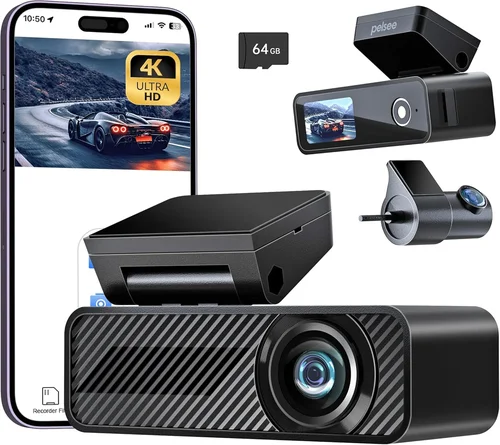
❌ Mistake: Prioritizing Price Over Reliability
Why it’s bad: Choosing the cheapest available option might seem cost-effective initially, but unreliable dash cams often fail when you need them most—during actual incidents or insurance disputes. Budget models frequently suffer from poor image quality, short battery life, and fragile construction unsuitable for delivery vehicle environments.
What to do instead: Allocate at least 70% of your budget toward core performance features like video resolution, storage management, and build quality. Invest the remaining 30% in complementary features such as GPS tagging or cloud connectivity. Remember that a dash cam represents your legal defense tool—its value far exceeds its purchase price during claim resolution processes.
❌ Mistake: Ignoring Parking Mode Requirements
Why it’s bad: Many delivery drivers overlook parking surveillance capabilities, assuming their vehicle remains stationary in safe locations. However, packages left unattended or overnight parking in unfamiliar areas create vulnerability windows where theft, vandalism, or hit-and-run incidents can occur without immediate witnesses.
What to do instead:: Select models with robust parking mode functionality including impact detection, time-lapse recording, and battery backup capabilities. Test these features during initial setup to ensure proper sensitivity calibration before relying on them during unattended periods.
❌ Mistake: Underestimating Storage Needs
Why it’s bad: Insufficient storage capacity forces frequent card replacements or automatic deletion of important footage before legal deadlines expire. Delivery drivers making multiple daily stops generate substantial video data requiring careful planning to preserve relevant evidence through insurance claim timelines.
What to do instead:: Calculate your daily storage requirements based on typical drive duration, video quality settings, and incident frequency expectations. Choose cards with adequate capacity (minimum 64GB for 1080p) and consider dual-card slot configurations for seamless rotation without service interruption.
❌ Mistake: Neglecting Environmental Durability
Why it’s bad: Standard consumer-grade dash cams aren’t designed for commercial vehicle use where exposure to temperature extremes, moisture, dust, and physical abuse occurs regularly. Cheap plastic housings crack under thermal stress while unsealed components corrode during washdowns or harsh weather exposure.
What to do instead:: Verify manufacturer specifications for operating temperature ranges, water resistance ratings (IP65 minimum), and shock/vibration resistance certifications. Ruggedized models specifically engineered for commercial applications provide significantly longer service lives in demanding delivery environments.
❌ Mistake: Overlooking Software Compatibility
Why it’s bad: Incompatible mobile apps or computer software prevent convenient footage review, cloud uploads, or firmware updates necessary for ongoing functionality. Generic “universal” dash cams sometimes lack dedicated support teams or regular update schedules critical for maintaining compatibility with evolving smartphone operating systems.
What to do instead:: Research manufacturer reputation regarding software development and customer support responsiveness before purchasing. Check user forums for reported compatibility issues with your specific smartphone model or computer operating system version to avoid future frustration.
❌ Mistake: Focusing Solely on Hardware Specifications
Why it’s bad: Technical specs like megapixels or processor speeds don’t guarantee real-world performance differences visible in actual footage quality. Marketing materials often emphasize impressive numbers while downplaying usability factors like menu complexity, startup delays, or unintuitive controls that waste precious minutes during critical situations.
What to do instead:: Read detailed professional reviews comparing multiple models under identical testing conditions rather than relying solely on manufacturer-provided specifications. Pay attention to subjective assessments regarding ease of use, reliability, and overall value proposition beyond headline hardware metrics.
Budget Guidelines: How Much Should You Spend?
Entry-Level ($40 – $80): Essential Protection Without Frills
This price bracket delivers functional dash cam protection suitable for occasional delivery drivers or those testing dash cam technology for the first time. Expect basic 1080p recording capabilities, modest field-of-view coverage, and limited advanced features like GPS tagging or cloud connectivity. While these models provide fundamental incident documentation, they often compromise on build quality, battery life, and reliability compared to higher-tier alternatives. Ideal candidates include students making weekend deliveries, part-time gig workers, or those with minimal daily driving requirements.
Mid-Range ($80 – $200): Sweet Spot for Most Delivery Drivers
The mid-range category represents the optimal balance between cost-effectiveness and feature-rich performance specifically tailored for professional delivery operations. These models typically offer Full HD recording, robust parking mode functionality, dual-lens systems for comprehensive coverage, and improved build quality suitable for commercial vehicle environments. You’ll find reliable brands like Garmin, Viofo, or BlackVue represented in this segment, providing sufficient durability and image quality for daily use while maintaining reasonable ownership costs. This range suits the majority of delivery professionals seeking dependable protection without overspending on unnecessary luxury features.
Premium ($200 – $400): Enhanced Performance for High-Volume Professionals
Premium dash cams target experienced delivery drivers or those operating multiple vehicles who demand superior image quality, extended recording capabilities, and advanced safety features. Expect 4K recording options, sophisticated parking surveillance systems, superior low-light performance, and enhanced connectivity features like dual-band Wi-Fi or cellular integration. While these devices carry higher upfront costs, their improved reliability and comprehensive feature sets often justify the investment through reduced insurance premiums, fewer equipment failures, and stronger legal protection during disputes. Fleet managers or high-mileage independent contractors typically find the greatest value in this category.
Luxury ($400+): Maximum Protection for Critical Applications
At the top end of the spectrum, luxury dash cams serve specialized needs requiring maximum evidence quality, redundant recording systems, or enterprise-level management capabilities. These models often include three-camera setups covering blind spots, industrial-grade construction with military-spec durability ratings, AI-powered object recognition, and sophisticated cloud infrastructure supporting multiple simultaneous streams. While excessive for most delivery operations, these systems prove invaluable for high-risk scenarios involving expensive cargo, hazardous materials, or regulatory compliance requirements. Professional couriers handling pharmaceuticals, electronics, or luxury goods may find particular value in this tier’s unmatched protection capabilities.
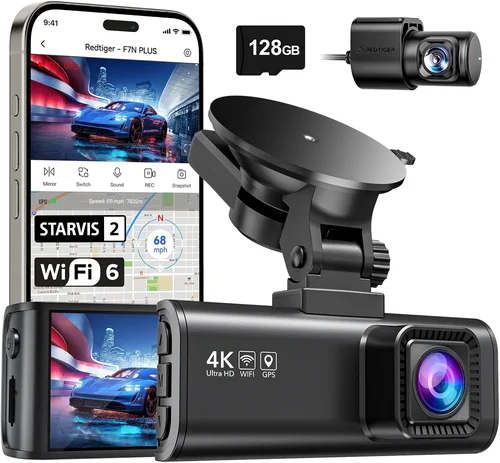
Expert Tips for Getting the Best Deal
Timing Your Purchase for Optimal Savings
Seasonal sales events present significant opportunities to acquire quality dash cams at reduced prices without compromising essential features. Black Friday/Cyber Monday deals typically offer 20-40% discounts on professional-grade models previously priced above $200. Back-to-school promotions in August sometimes include bundled accessories like extra memory cards or mounting kits. End-of-quarter clearance sales (March, June, September, December) frequently liquidate previous year’s inventory at steep markdowns. Additionally, holiday weekends like Memorial Day or Labor Day occasionally feature exclusive retailer-specific promotions not available during regular shopping periods.
Strategic Retailer Selection
Comparative shopping across multiple channels maximizes savings potential while ensuring product availability. Authorized dealer websites often match or beat third-party seller pricing while providing superior return policies and warranty coverage. Local electronics retailers may offer same-day pickup discounts unavailable through online-only competitors. Specialty automotive shops sometimes bundle dash cam installations with extended service plans at competitive rates. Always verify seller credentials before completing purchases—avoid unauthorized resellers selling counterfeit or refurbished units disguised as new products.
Identifying Authentic Discounts vs. Marketing Gimmicks
Beware of artificially inflated “sale” prices used to mask original high markups rather than genuine value reductions. Compare current listings with historical price tracking websites like CamelCamelCamel or Honey to verify actual discount percentages. Watch for misleading terminology such as “was $300 now $99” without disclosing whether the $300 figure reflects legitimate previous pricing or arbitrary markup manipulation. Legitimate deals typically align with manufacturer-recommended retail prices adjusted downward during promotional periods rather than fabricated reference points.
Warranty and Support Considerations
Extended warranty programs add tangible value beyond basic manufacturer coverage by protecting against unexpected failure costs. Evaluate included benefits like loaner units during repairs, accidental damage protection, and priority technical support response times. Third-party warranty providers sometimes offer more comprehensive coverage than manufacturer programs at lower costs—particularly valuable for fleet operators managing multiple units simultaneously. Always read fine print regarding exclusions, deductibles, and claim approval processes before purchasing additional protection plans.
Return Policy Evaluation
Thorough understanding of return windows and restocking fees prevents costly mistakes when dash cam performance doesn’t meet expectations. Most reputable retailers offer 30-day unconditional returns for unopened items, while opened units typically qualify for returns within 14-15 days contingent upon intact packaging. Electronics stores often provide 90-day return periods specifically for electronic components like dash cams. Avoid retailers with restrictive return policies or excessive restocking fees exceeding 15% of purchase price unless accompanied by compelling value propositions justifying the risk.
Pre-Purchase Testing Protocols
When possible, physically test dash cam operation before committing to purchase decisions. Observe startup sequence duration, menu navigation intuitiveness, and recording activation responsiveness under realistic conditions. Verify microphone functionality for emergency button operation, check LED indicator clarity during daylight versus nighttime use, and assess mounting mechanism security through gentle manipulation tests. Request demonstration units from knowledgeable sales representatives whenever available to evaluate real-world performance characteristics rather than relying solely on theoretical specifications.
Bundle Package Optimization
Strategic combination purchases yield greater total value than individual component acquisitions. Common worthwhile bundles include dash cam + installation kit + spare memory cards, or multi-unit fleet packages with centralized management software licenses. Accessory additions like hardwiring kits, suction cup mounts, or portable power banks often receive significant discounts when purchased together with primary devices. Evaluate bundle contents carefully to avoid paying premium prices for unnecessary extras that inflate overall package costs without corresponding utility increases.
Refurbished Unit Evaluation Criteria
Certified refurbished dash cams represent cost-effective alternatives to brand-new equivalents when sourced from authorized refurbishment programs. Look for models displaying “open-box,” “renewed,” or “manufacturer refurbished” designations from reputable retailers rather than generic “used” listings. Authorized refurbishment typically includes thorough functionality testing, cosmetic restoration to like-new condition, and inclusion of full warranty coverage matching new unit standards. Avoid uncertified resale units lacking verifiable refurbishment documentation or warranty protections.
Bulk Purchase Advantages for Fleet Operators
Multi-unit orders from single manufacturers often unlock volume pricing discounts unavailable to individual buyers. Additional fleet benefits may include centralized cloud management platforms, bulk accessory packages, and priority technical support hotlines reserved exclusively for commercial customers. Negotiate custom quotes directly with manufacturer representatives rather than relying on standard retail pricing structures—many companies maintain dedicated sales teams specializing in fleet procurement requirements with flexible terms tailored to operational scale.
Trade-In Program Opportunities
Some manufacturers and retailers participate in trade-in programs accepting older dash cam models toward credit against newer purchases. While individual unit values rarely exceed $50, cumulative credits across multiple replacements can substantially offset upgrade costs for fleet modernization initiatives. Research participating programs thoroughly to understand eligibility requirements, appraisal methodologies, and credit application limitations before attempting to leverage trade-in incentives.

Frequently Asked Questions
Q: Do I really need a dash cam as a delivery driver?
A: Absolutely yes—especially if you handle valuable packages or operate in high-theft areas. Dash cams provide objective evidence during package disputes, accident investigations, or false insurance claims. They protect your income by validating legitimate deliveries while deterring fraudulent complaints from customers attempting to avoid payment obligations. Legal precedents increasingly favor dash cam footage as admissible evidence in small claims court proceedings involving delivery-related incidents.
Q: Can dash cams record audio without violating privacy laws?
A: Privacy regulations vary significantly by jurisdiction regarding audio recording consent requirements. In two-party consent states (California, Illinois, Washington), recording conversations without all parties’ knowledge may violate wiretapping laws. Most modern dash cams include mute switches allowing drivers to disable audio recording when needed. Consult local regulations before enabling audio functionality, and always disclose recording capabilities to passengers when legally required.
Q: How long should dash cam footage be retained for delivery purposes?
A: Minimum retention periods typically range from 30 days to 90 days depending on incident likelihood and insurance requirements. Many delivery platforms mandate 90-day retention for all route footage as part of their liability management protocols. Store critical incident videos beyond standard periods until legal matters conclude—insurance adjusters often request extended access during claim resolution processes spanning several months.
Q: Will dash cam installation void my vehicle warranty?
A: Federal preemption rules under the Magnuson-Moss Warranty Act generally prohibit manufacturers from voiding warranties solely because aftermarket accessories were installed. However, improper installation causing actual damage remains grounds for denial. Use professional installers familiar with your vehicle’s electrical system or follow manufacturer guidelines precisely when performing DIY installations. Save receipts showing qualified technician involvement if warranty claims arise later.
Q: What happens if my dash cam runs out of storage during a delivery?
A: Loop recording automatically overwrites oldest footage when storage fills—but only if enabled. Ensure loop recording activates before departure each day, and never disable it intentionally. If storage unexpectedly fills due to unusually long recording sessions or corrupted files, immediately insert fresh memory cards and restart recording. Never manually delete files unless absolutely necessary to preserve critical evidence.
Q: Are there insurance discounts available for dash cam owners?
A: Several major insurers offer premium reductions for vehicles equipped with dash cam technology demonstrating safe driving habits. Progressive’s Snapshot program and State Farm’s Drive Safe & Save both incorporate dash cam data where available. Discount percentages typically range from 5-15% annually based on recorded behavior patterns. Contact your insurer directly to explore applicable programs and documentation requirements.
Q: Can dash cams detect other vehicles’ speed accurately?
A: Built-in GPS systems embedded in many dash cams measure your vehicle’s speed but cannot determine other cars’ velocities independently. However, some advanced models use computer vision algorithms analyzing relative motion between your vehicle and surrounding traffic to estimate approaching vehicles’ speeds indirectly. Accuracy depends heavily on lighting conditions, road geometry, and camera calibration quality—not recommended as sole evidence for legal proceedings.
Q: How do I choose the right memory card capacity?
A: Calculate required capacity based on expected daily drive duration multiplied by average bitrate per hour of recording. For example: 6 hours of 1080p recording at 8 Mbps equals approximately 27 GB daily usage. Round up to nearest standard card size (64GB minimum recommended) allowing buffer space for unexpected extended trips. Class 10 or U3 rated cards provide faster write speeds essential for maintaining continuous recording without dropped frames during rapid scene changes.
Q: What constitutes acceptable image quality for insurance claims?
A: Legally admissible footage typically requires clear identification of involved parties, vehicles, road markings, and directional indicators. Minimum acceptable resolution stands at 1080p with stable framing containing recognizable details throughout incident duration. Avoid heavily compressed or pixelated video incapable of supporting accurate scene reconstruction—insurance adjusters routinely reject substandard footage during claim evaluations.
Q: Can I use the same dash cam across multiple delivery vehicles?
A: Yes—most professional dash cams include universal mounting systems compatible with various vehicle types. However, ensure adequate power supply availability in each vehicle (hardwiring preferred over cigarette lighter adapters) and verify mounting surface compatibility (glass versus metal dashboards require different attachment methods). Transferring units between vehicles minimizes duplicate purchases while maintaining consistent evidence collection standards across your operation.
Our Final Recommendations
Best for Budget-Conscious Buyers: Viofo A119 Mini V3
The Viofo A119 Mini V3 delivers exceptional value for delivery drivers needing reliable 1080p recording without breaking the bank. Priced competitively in the entry-level range, this compact single-lens model features Sony Starvis sensor technology delivering outstanding low-light performance essential for early morning or evening deliveries. Its 140-degree wide-angle lens captures sufficient detail while maintaining manageable file sizes through H.265 compression technology. Despite its affordable price point, the A119 V3 includes essential parking mode functionality with impact detection and time-lapse recording capabilities protecting unattended vehicles. The included suction cup mount provides secure positioning on curved windshields commonly found in delivery vans and trucks. While lacking advanced features like GPS tagging or dual-lens systems, its core performance metrics meet the fundamental requirements of daily delivery operations without unnecessary complexity or expense.
Best Overall Value: Garmin Dash Cam 75
Garmin’s Dash Cam 75 strikes an impressive balance between affordability and professional-grade functionality specifically engineered for delivery professionals. Positioned firmly in the mid-range category, this dual-lens system records both front and rear views in crisp 1080p resolution using Garmin’s proprietary image stabilization technology reducing motion blur during rapid acceleration or braking events common during delivery routes. Its innovative Driver Alertness feature monitors steering patterns detecting signs of fatigue—particularly valuable during extended shift hours typical among gig economy workers. The integrated GPS automatically tags footage with location data while voice commands allow hands-free operation during busy delivery schedules. Robust parking mode surveillance includes both impact detection and time-lapse recording powered by supercapacitor technology eliminating battery drain concerns. At under $150 retail price, the Dash Cam 75 provides comprehensive protection exceeding expectations for its class while maintaining Garmin’s renowned reliability standards.
Best Premium Option: BlackVue DR970X-2CH Cloud
For delivery drivers requiring maximum evidence quality and cloud-based management capabilities, BlackVue’s DR970X-2CH Cloud represents the gold standard in professional dash cam technology. This dual-lens system captures stunning 4K front footage alongside 1080p rear views using Sony STARVIS IMX335 sensors delivering exceptional detail in challenging lighting conditions. Its advanced cloud connectivity enables real-time live streaming, automatic cloud uploads of critical clips, and remote playback access from anywhere via the BlackVue app—ideal for reviewing footage immediately after delivery incidents or monitoring multiple vehicles simultaneously. The built-in LTE module provides cellular backup when Wi-Fi networks become unavailable during roadside emergencies. Ruggedized construction meets IP65 water resistance standards while operating reliably across extreme temperature ranges from -20°F to +176°F. Though priced above $300, the DR970X-2CH Cloud’s comprehensive feature set and proven courtroom admissibility make it the ultimate choice for serious delivery professionals operating high-value cargo or working in litigation-prone markets.
Best for Beginners: Papago GO Force
Newcomers to dash cam technology will appreciate Papago’s GO Force for its intuitive operation and straightforward feature set eliminating learning curve frustrations. This sleek single-lens model records smooth 1080p video using advanced noise reduction algorithms maintaining clarity during nighttime driving—a common pain point for inexperienced users. Its magnetic mount allows effortless repositioning between vehicles without tools or complicated installation procedures, perfect for drivers transitioning between company-provided and personal vehicles. Automatic loop recording ensures continuous coverage without manual intervention while the included parking mode activates automatically when vehicle ignition turns off. Surprisingly affordable under $70, the GO Force delivers dependable performance meeting baseline requirements for casual delivery workers without overwhelming complexity or unnecessary bells and whistles distracting from core functionality.
Best for Advanced Users: Thinkware U1000 Dual Camera
Experienced delivery professionals demanding cutting-edge technology will find Thinkware’s U1000 Dual Camera surpassing expectations with its sophisticated feature set and customizable performance parameters. This premium-grade system captures breathtaking 4K Ultra HD front footage alongside sharp 1080p side views using quad-core processors handling intensive computational loads without lag or dropped frames. Its advanced Time Sync technology synchronizes multiple camera feeds perfectly during multi-camera installations, crucial for fleet operators managing numerous vehicles simultaneously. Customizable sensitivity settings for impact detection prevent false alarms during routine parking while ensuring critical incidents trigger immediate recording. The included WiFi hotspot functionality enables quick file transfers without removing memory cards, streamlining workflow during busy delivery days. Thoughtfully designed menus and responsive touchscreen interface make complex adjustments effortless even during high-stress situations. Though commanding a premium price above $350, the U1000’s versatility and precision engineering justify its cost for discerning professionals operating in demanding delivery environments.
Conclusion: Making the Right Choice
Selecting the optimal dash cam for delivery operations involves careful consideration of your specific workflow requirements, environmental challenges, and budget constraints. Rather than pursuing the absolute latest technology or lowest possible price point, focus instead on matching core performance capabilities to your actual driving patterns and incident exposure risks. Evaluate each recommended category against your daily mileage, typical delivery locations, cargo value, and existing insurance requirements before finalizing purchase decisions.
Remember that your chosen dash cam serves as your professional shield against false claims, insurance fraud, and legal complications arising from routine delivery activities. Invest accordingly based on your risk profile—whether you’re a weekend gig worker handling occasional packages or a full-time delivery professional navigating complex urban environments daily. Prioritize proven reliability, clear image quality, and dependable parking surveillance above all else, supplementing with connectivity features only when they genuinely enhance your operational efficiency.
Take advantage of seasonal sales opportunities, leverage manufacturer warranty protections, and don’t hesitate to consult professional installers when tackling complex wiring projects. Most importantly, treat your dash cam as an integral component of your overall safety strategy rather than merely an optional accessory—because when disputes arise, your recorded evidence becomes the definitive arbiter of truth separating legitimate claims from manufactured controversies.