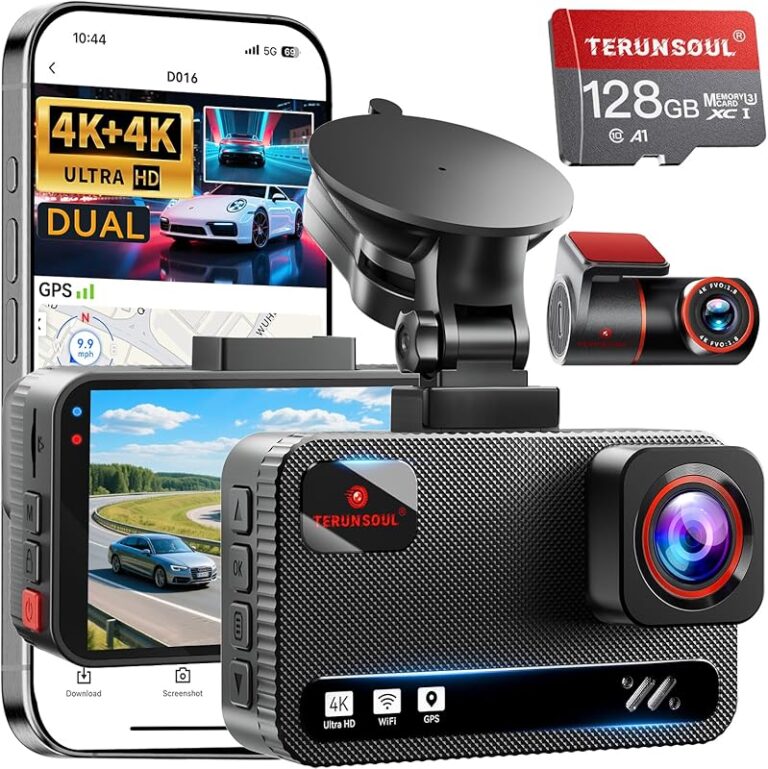
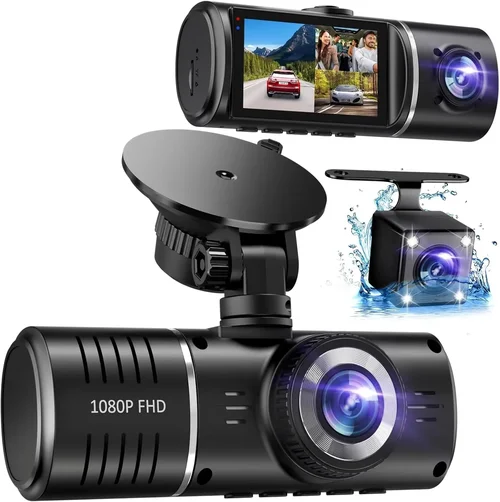
Expert Dash Cam With GPS Buying Guide
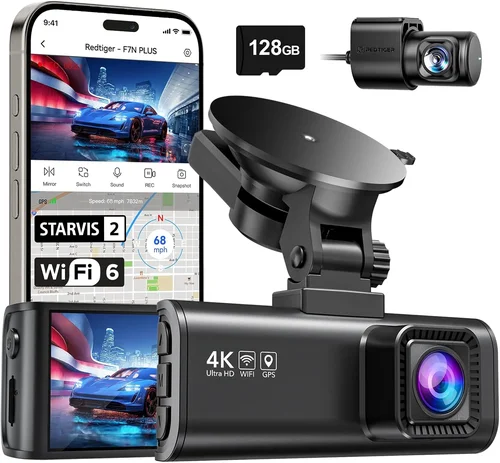
When it comes to protecting yourself on the road, a dash cam with GPS isn’t just a convenience—it’s an essential safety tool. Whether you’re navigating busy city streets, driving long highway routes, or simply want peace of mind knowing your journey is being recorded, the right dash cam can make all the difference. This comprehensive buying guide will walk you through everything you need to know about selecting the best dash cam with GPS for your vehicle.
You’ll learn how GPS functionality enhances your recording capabilities, what technical specifications truly matter, and how to balance features with budget. We’ll compare top models across different price ranges, highlight common pitfalls to avoid, and provide expert recommendations based on real-world testing and user feedback. By the end of this guide, you’ll have all the knowledge needed to make a confident, informed decision that matches your specific driving needs and lifestyle.
The dash cam market has evolved dramatically in recent years, moving far beyond simple video recording. Today’s GPS-enabled devices offer advanced features like location tracking, speed monitoring, route history, and integration with smartphone apps. From entry-level models perfect for casual drivers to professional-grade systems used by fleet managers, there’s a GPS dash cam suited for every type of motorist. Understanding these options and how they fit into your daily routine is key to choosing wisely.

What to Look for When Buying Dash Cams
1. GPS Tracking Accuracy and Functionality
The primary advantage of a GPS dash cam is its ability to record precise location data alongside your video footage. Look for devices that offer accurate GPS coordinates, typically within 5-10 meters of actual position. Modern GPS chips can record not just where you’ve been, but also your speed, direction of travel, and even create route maps that overlay directly onto your video timeline.
Advanced models can store up to 10,000 waypoints and track multiple trips simultaneously. Some high-end systems even integrate with mapping services to show your exact path through intersections, making it easier to demonstrate your actions during traffic incidents. The best dash cams with GPS feature crystal-clear timestamp synchronization between video and location data, ensuring investigators or insurance companies can quickly verify your movements.
2. Video Quality and Resolution Standards
Video resolution remains one of the most critical factors in dash cam performance. While 1080p HD was considered excellent just a few years ago, today’s premium models offer 4K Ultra HD recording capabilities. However, higher resolution doesn’t always mean better performance—consider the overall image quality, including low-light sensitivity and dynamic range.
Look for dash cams that offer at least 1920×1080 resolution (Full HD) as a minimum standard. Many top models now feature 2.5K or 4K recording with improved color reproduction and reduced noise in challenging lighting conditions. The sensor size also matters significantly—larger sensors capture more light and produce clearer images, especially during dawn, dusk, or nighttime driving.
3. Storage Capacity and Management
Storage requirements vary dramatically depending on your usage patterns and recording quality settings. Most dash cams use microSD cards, typically ranging from 32GB to 256GB or more. Consider how frequently you plan to review footage versus how much you want stored locally before automatic overwrite begins.
Loop recording is essential—this feature automatically overwrites the oldest files when storage fills up, ensuring continuous coverage without manual intervention. Some advanced models offer cloud storage integration, allowing you to backup important clips remotely. Always check compatibility with high-endurance microSD cards designed specifically for dash cams, which handle constant write cycles better than consumer-grade cards.
4. Night Vision and Low-Light Performance
Driving at night presents unique challenges for dash cams due to reduced ambient light and potential glare from headlights. The best GPS-enabled dash cams feature specialized night vision technology including wide dynamic range (WDR), infrared cut filters, and enhanced low-light sensors.
Look for models that explicitly mention night vision capabilities and read reviews focusing specifically on nighttime performance. Some systems include supplemental infrared LEDs or use advanced image processing algorithms to reduce noise while maintaining detail visibility. The combination of GPS tracking and clear night vision creates a powerful evidence package that works equally well during day and night incidents.
5. Power Source and Installation Options
Most dash cams draw power from your car’s cigarette lighter or USB port, but wiring directly into your vehicle’s electrical system provides cleaner installation and ensures continuous operation. Hardwiring kits allow the dash cam to remain powered even when your car is turned off (in parking mode), capturing events that occur while you’re away from your vehicle.
Consider whether you need parking mode functionality, which uses motion detection or impact sensors to record when your car is stationary. Some advanced models can monitor battery voltage and enter low-power modes to prevent draining your vehicle’s main battery. Always check compatibility with your specific vehicle model and consider professional installation if you’re not comfortable with electrical work.
6. Build Quality and Weather Resistance
Dash cams face harsh environmental conditions—extreme temperatures, humidity, dust, and direct sunlight exposure. Premium models feature robust construction with shock-resistant casings, anti-reflective glass lenses, and IP-rated weather sealing against water and dust intrusion.
Look for models tested to withstand temperature extremes (typically -20°C to 70°C/-4°F to 158°F) and those that include protective coatings on internal components. The mounting bracket should provide secure attachment while allowing proper airflow to prevent condensation buildup inside the housing.
Different Types of Dash Cams

Common Buying Mistakes to Avoid
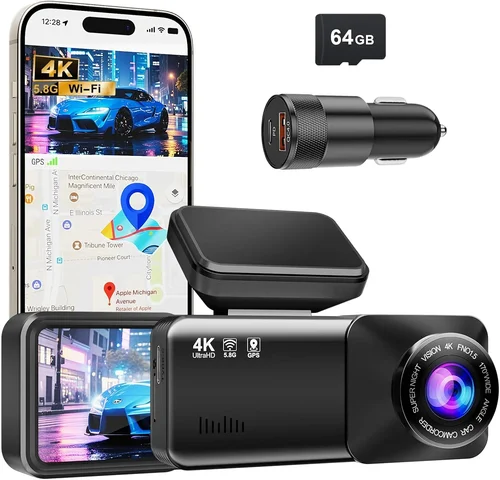
❌ Mistake: Ignoring Low-Light Performance
Why it’s bad: Many buyers focus solely on resolution specs while overlooking how well the dash cam performs in dimly lit conditions. Nighttime driving accounts for a significant portion of accidents, and poor low-light performance renders your footage useless when it matters most.
What to do instead: Test night vision capabilities by reading detailed reviews that specifically mention nighttime performance. Look for features like WDR (Wide Dynamic Range), f/1.5 aperture ratings, and infrared LED support. Consider purchasing from retailers with generous return policies so you can evaluate performance firsthand.
❌ Mistake: Choosing Based Solely on Price
Why it’s bad: While budget considerations are important, the cheapest available option often lacks essential features like reliable GPS tracking, adequate storage management, or sturdy build quality. These entry-level models may fail when you need them most during critical incidents.
What to do instead: Create a feature checklist based on your specific needs rather than starting with price. Determine which capabilities are non-negotiable (like GPS accuracy or parking mode) and allocate your budget accordingly. Sometimes spending 20% more upfront saves hundreds in replacement costs down the line.
❌ Mistake: Overlooking Storage Requirements
Why it’s bad: Assuming “loop recording” means you never need to manage storage leads to frustration when important footage gets overwritten unexpectedly. Different video qualities require vastly different amounts of space, and extended recording sessions can fill cards quickly.
What to do instead: Calculate your approximate storage needs based on typical drive times and desired retention periods. A 1080p dash cam recording 2 minutes per GB, while 4K models can consume 10+ GB per hour. Invest in high-endurance microSD cards rated for dash cam use and establish a regular maintenance schedule for card rotation and backup.
❌ Mistake: Neglecting Mounting Position and Obstructions
Why it’s bad: Poor placement creates blind spots, distorts perspective, or blocks critical view of the road ahead. Mounting near airbags, reflective surfaces, or in direct sunlight compromises both safety and recording quality.
What to do instead: Position your dash cam behind your rearview mirror for optimal forward visibility while maintaining a clear line of sight. Ensure it doesn’t obstruct your view of traffic signals, pedestrians, or other hazards. Use matte-finish mounts to eliminate glare and avoid areas prone to extreme temperature fluctuations.
❌ Mistake: Forgetting About Power Management
Why it’s bad: Inadequate power solutions lead to unexpected shutdowns during drives or drain your vehicle’s battery when parked. Simple cigarette lighter adapters may not provide stable voltage, especially when other accessories are drawing power simultaneously.
What to do instead: Choose dash cams with built-in voltage protection circuits and consider hardwiring kits for permanent installations. If using parking mode, select models with intelligent power monitoring that automatically enters sleep mode when battery levels drop too low, preventing deep discharge situations.
❌ Mistake: Not Checking Software Compatibility
Why it’s bad: Many dash cams come with proprietary software that only runs on specific operating systems or requires frequent updates. This limits file transfer flexibility and makes it difficult to access footage from different devices or platforms.
What to do instead: Verify that your chosen dash cam works with standard media players and file formats (most use MP4). Check whether it offers mobile app connectivity for iOS and Android platforms. Look for models with USB-C connectivity for faster data transfer and universal compatibility across devices.
Budget Guidelines: How Much Should You Spend?
Entry-Level ($50 – $120)
This price range covers basic dash cams with essential GPS functionality and decent video quality. You’ll find models offering 1080p recording, loop recording, G-sensor crash detection, and basic location tracking. While these devices lack advanced features like 4K resolution or sophisticated parking modes, they provide reliable protection for casual drivers who primarily need evidence during normal commuting scenarios.
Recommended features at this level include reliable GPS tracking with speed alerts, adequate low-light performance for evening driving, and straightforward installation. Look for brands with established reputations like Viofo, Rexing, or BlackVue entry-level models. These products typically require 32-64GB microSD cards and offer limited warranty periods of 6-12 months.
Mid-Range ($120 – $250)
The sweet spot for most buyers falls within this category, where you get significantly upgraded features without breaking the bank. Mid-range dash cams usually deliver 2.5K or 4K video quality, superior night vision capabilities, dual-channel recording options, and enhanced GPS functionality including route logging and geofencing alerts.
This tier includes many models with parking mode functionality, Wi-Fi connectivity for smartphone app integration, and cloud backup options. Advanced features like emergency SOS buttons, driver fatigue alerts, and automatic firmware updates become standard. Storage capacity typically supports 128-256GB microSD cards, providing longer recording retention periods before overwrite occurs.
Premium ($250 – $400)
Premium dash cams represent the upper echelon of personal vehicle protection systems, combining professional-grade hardware with intelligent software features. These devices often include multiple camera inputs, advanced AI-powered incident detection, real-time traffic updates through integrated GPS, and sophisticated data encryption for secure footage storage.
Expect top-tier performance with 4K resolution, HDR imaging, superior audio recording, and seamless integration with navigation systems. Many premium models offer subscription-based cloud services for unlimited storage, remote viewing capabilities, and automatic incident uploads. Professional installation packages and extended warranty options (2-3 years) are commonly included with higher-priced units.
Luxury ($400+)
The luxury segment caters to enthusiasts, commercial operators, and those requiring maximum reliability and feature sets. These systems often serve as part of larger security ecosystems, featuring multiple synchronized cameras, AI-powered analytics, encrypted data transmission, and enterprise-level management software.
Luxury dash cams may include thermal imaging, satellite communication capabilities, redundant power supplies, and military-grade durability certifications. Subscription fees for cloud services and professional monitoring can add significant ongoing costs. These systems are typically installed by certified technicians and maintained through dedicated service agreements rather than standard retail warranties.
Expert Tips for Getting the Best Deal
Timing Your Purchase Right
Avoid buying during peak summer months when demand spikes due to vacation driving. Instead, target back-to-school sales (August), holiday promotions (Black Friday), and post-holiday clearance events (January-February). Manufacturers often release new models in Q2/Q3, creating incentives to trade in older models or purchase remaining stock at discounted prices.
Choosing the Right Retailer
Online retailers like Amazon, Best Buy, and B&H Photo offer competitive pricing and comprehensive return policies. Specialty automotive electronics stores provide expert advice and same-day installation services. For the best value, compare prices across multiple platforms while considering shipping costs and return windows. Always verify seller ratings and read recent customer reviews before completing purchases.
Spotting Hidden Deals
Manufacturer websites often run exclusive promotions unavailable elsewhere. Subscribe to email newsletters from brands like Garmin, Nextbase, or Thinkware to receive early access to sales and special offers. Price-matching policies at major retailers can help you secure the best available rate, especially when bundled with other automotive accessories.
Understanding Warranty Coverage
Standard warranties typically cover manufacturing defects for 1-2 years, but extended service plans can provide additional protection against accidental damage or component failures. Read fine print carefully—some warranties exclude water damage, physical impacts, or unauthorized repairs. Consider third-party insurance options if you frequently drive in harsh environments or park in high-risk areas.
Evaluating Return Policies
Opt for retailers with generous return windows (minimum 30 days, ideally 45-60 days) and no-questions-asked return policies. This allows sufficient time to test installation, verify GPS accuracy through real-world driving tests, and confirm compatibility with your vehicle’s electrical system. Keep original packaging and all accessories to ensure smooth returns if needed.
Testing Before Committing
If possible, visit local auto electronics stores to handle different models and compare build quality firsthand. Request demonstration videos showing GPS tracking overlays and night vision performance. Ask about current promotions, bundle deals, or trade-in programs for older models. Many stores allow customers to take equipment home for overnight testing.
Considering Bundle Packages
Look for complete installation kits that include hardwiring cables, fuse taps, professional mounting hardware, and premium microSD cards. Bundled packages often provide substantial savings compared to purchasing components separately and ensure compatibility between all parts of the system.

Frequently Asked Questions
Q: Do I really need GPS functionality in my dash cam?
A: GPS adds valuable context to your recordings by documenting exact locations, speeds, and routes traveled. While not absolutely necessary for basic protection, GPS data significantly strengthens your position during disputes or insurance claims. It helps prove your whereabouts at critical moments and provides investigators with precise timeline information that standalone video alone cannot supply.
Q: How accurate is GPS tracking in dash cams?
A: Modern dash cams achieve GPS accuracy within 5-10 meters under normal conditions, though signal quality varies based on urban canyon effects, tunnel passages, and weather conditions. High-end models use enhanced GPS chips with WAAS/EGNOS augmentation systems to improve precision. Always verify claimed accuracy specifications and read independent testing results from reputable sources rather than relying solely on manufacturer claims.
Q: Can I use any microSD card with my dash cam?
A: No, you should use high-endurance microSD cards specifically rated for continuous video recording. Standard consumer cards may fail prematurely due to constant write cycles. Look for cards labeled “high endurance” or “dash cam compatible” with Class 10 speed ratings and UHS-I bus interface support. Popular reliable brands include SanDisk Extreme, Samsung PRO Endurance, and Lexar Professional series.
Q: Will my dash cam drain my car battery?
A: Basic dash cams consume minimal power (typically 1-3 watts), but parking mode functionality can increase drain to 5-10 watts when actively monitoring. Smart parking modes with motion detection or impact sensing minimize unnecessary power consumption. To prevent battery drain, install voltage-sensitive parking modes that automatically disable when battery drops below safe thresholds, or connect through professional hardwiring kits with intelligent power management.
Q: How long does GPS tracking data last?
A: GPS data storage depends entirely on your microSD card capacity and recording frequency. A 128GB card storing 2.5K video at moderate bitrates can retain approximately 24-48 hours of continuous GPS-tracked footage. Most dash cams automatically overwrite the oldest data when storage fills, but some allow selective backup of important clips to cloud storage or external devices before deletion occurs.
Q: Can I access GPS data without the original device?
A: Yes, most dash cams export GPS data in standard GPX format files that work with mapping software like Google Earth, Garmin BaseCamp, or specialized dash cam apps. This allows you to visualize your routes independently of the device itself. Some manufacturers provide proprietary software that automatically syncs GPS tracks with video timelines for easy playback and analysis.
Q: Are dash cams legal in my state/country?
A: Dash cam legality varies by jurisdiction, but they are generally legal for passenger vehicles in most countries including the United States, Canada, Australia, and European Union nations. Restrictions sometimes apply to recording audio in places like New York or Illinois, and commercial vehicle regulations differ significantly. Always research local laws regarding privacy recording and consult legal counsel if uncertain about specific regulations affecting your situation.
Q: How do I know if my dash cam has good night vision?
A: Evaluate night vision through multiple indicators: look for wide aperture ratings (lower f-numbers like f/1.6 indicate better light gathering), check for WDR (Wide Dynamic Range) technology, and verify inclusion of infrared LEDs or night-specific image processing algorithms. Real-world testing shows that models using Sony STARVIS sensors typically outperform competitors in low-light conditions. Reading detailed reviews focusing specifically on nighttime performance provides the most reliable assessment of actual capability rather than theoretical specifications.
Our Final Recommendations
Best for Budget-Conscious Buyers
The Viofo A119 Mini V3 delivers exceptional value with 2.5K resolution, reliable GPS tracking, and solid night vision performance at an affordable price point. Its compact design fits discreetly behind most rearview mirrors, and the included parking mode functionality protects your vehicle even when unattended. Users consistently praise its straightforward operation and dependable recording quality, making it ideal for everyday drivers seeking essential protection without overspending.
Best Overall Value
For comprehensive features and reliable performance, the Thinkware F800 Pro stands out as the best all-around choice. This dual-channel dash cam offers 4K front camera recording combined with 1080p rear surveillance, plus advanced GPS functionality including speed alerts and route logging. Its impressive 140-degree field of view captures ample context around your vehicle, while intelligent parking mode prevents false triggers during minor vibrations. The included cloud service provides convenient remote access and automatic backup of critical incidents.
Best Premium Option
The Garmin Dash Cam 77 represents the pinnacle of consumer dash cam technology, featuring 4K Ultra HD recording with voice control, real-time traffic updates through built-in GPS, and automatic incident detection. Its compact form factor and intuitive interface make it exceptionally user-friendly, while the included premium features like collision detection and driver alerts enhance safety beyond basic recording. The Garmin ecosystem integrates seamlessly with other navigation products, providing consistent data across your entire driving experience.
Best for Beginners
Newcomers to dash cam technology will appreciate the simplicity and reliability of the Rexing V1P. With 1080p resolution, built-in GPS, and automatic emergency recording triggered by G-sensors, this model handles all essential functions without overwhelming complexity. The included suction cup mount offers flexible positioning options, and the straightforward menu system allows quick setup and configuration. Multiple color options and a reasonable price point make it accessible for first-time buyers exploring the benefits of vehicle protection systems.
Best for Advanced Users
Professional-grade performance meets intelligent features in the BlackVue DR970X-2CH, offering dual 4K recording with Wi-Fi connectivity and cloud integration. This system excels with its advanced parking mode capabilities, impact detection sensitivity adjustments, and customizable alert settings. The accompanying PC/Mac software provides sophisticated video editing tools and detailed GPS analysis, while real-time push notifications keep you informed of critical events as they occur. For drivers who demand maximum reliability and comprehensive data management, this represents the ultimate dash cam solution.
Conclusion: Making the Right Choice
Selecting the best dash cam with GPS requires careful consideration of your specific driving habits, budget constraints, and desired features. Rather than chasing every technological advancement, focus on identifying the core capabilities that align with your needs—whether that’s reliable nighttime recording, precise location tracking, or seamless smartphone integration.
Remember that the most expensive option isn’t always the best fit, nor is the simplest model necessarily inadequate. What matters most is finding a balance between essential functionality and practical usability. Take time to test different mounting positions, evaluate real-world performance under various lighting conditions, and verify that the GPS tracking meets your expectations for accuracy and reliability.
Ultimately, a quality dash cam with GPS serves as your silent witness on the road, providing objective documentation when disputes arise and peace of mind knowing your journeys are protected. By investing in a system that matches your priorities and driving patterns, you’ll gain confidence behind the wheel while safeguarding yourself against unforeseen circumstances. Start with clear objectives, research thoroughly, and choose a solution that feels right for your unique situation—because the best dash cam is the one you’ll actually use consistently throughout your daily travels.