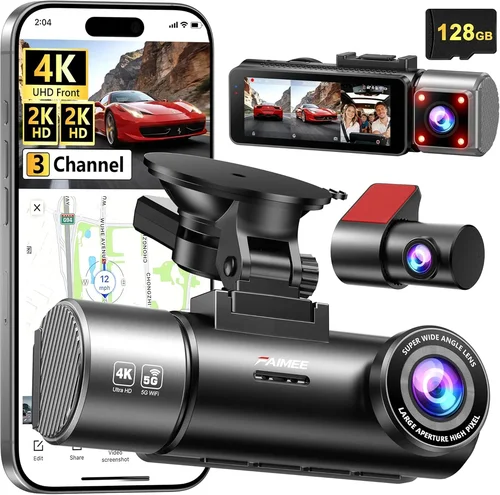
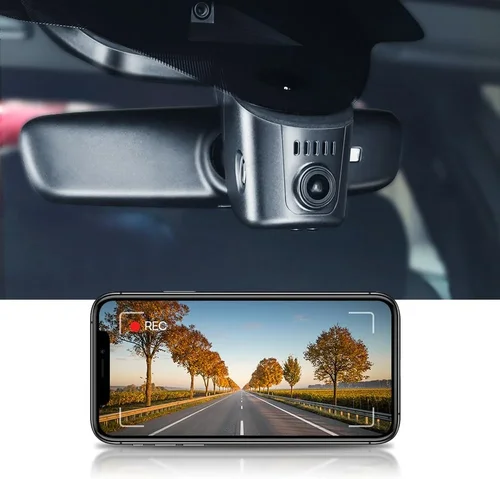
Best Dash Cam Buying Guide for Australian Conditions
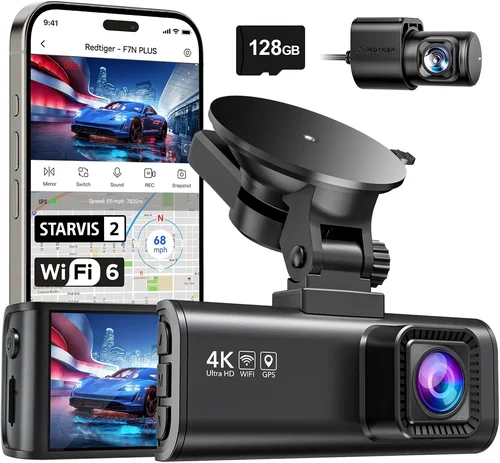
Choosing the right dash cam for Australian conditions is more than just a safety feature—it’s a critical investment in your peace of mind and legal protection on the nation’s demanding roads. From scorching outback heat to sudden tropical downpours, from long highway stretches to congested city traffic, Australian drivers face unique challenges that demand a dash cam built for resilience and reliability. This comprehensive buying guide will walk you through everything you need to know to select the perfect dash cam that not only captures clear footage but also withstands the harsh realities of life Down Under.
Whether you’re a seasoned 4WD adventurer planning an Outback expedition, a family driver navigating school runs and weekend getaways, or simply someone who wants documented evidence of their daily commute, this guide will equip you with the knowledge to make an informed decision. We’ll explore the specific features that matter most in Australia’s diverse climate, from heat-resistant components to water-proofing and night vision capabilities. You’ll learn how to evaluate different types of dash cams, understand technical specifications like resolution and field of view, and discover budget considerations that align with your needs.
By the end of this guide, you’ll have a clear understanding of what sets Australian conditions apart from other regions and how to match those requirements with the right dash cam technology. We’ll cover everything from basic single-camera setups to advanced dual-channel systems, wireless connectivity options, and cloud storage solutions. Plus, we’ll share expert insights on installation best practices, maintenance tips, and how to choose between local brands and international manufacturers. Most importantly, we’ll help you avoid common pitfalls that many buyers encounter when selecting dash cams for our challenging environment. Let’s dive deep into finding the perfect eye in the sky for your vehicle.

What to Look for When Buying Dash Cams
1. Weather Resistance & Heat Tolerance
Australian summers can push temperatures well above 40°C, especially in inland regions where dash cams are exposed to direct sunlight. A dash cam that overheats will shut down unexpectedly, leaving you vulnerable during critical moments. Look for models specifically rated for high-temperature operation—ideally 70-80°C operating temperature and 90-100°C storage temperature. The housing should be made of heat-resistant materials like polycarbonate or ABS plastic with UV coating to prevent yellowing and cracking from prolonged sun exposure. Some premium models even feature active cooling systems or heat-dissipating designs that maintain optimal performance in extreme conditions.
2. Waterproofing & Moisture Protection
With Australia’s unpredictable weather patterns—from torrential rainstorms in Queensland to coastal humidity in Sydney—water resistance is non-negotiable. Your dash cam should have at least IPX4 rating (splash resistant) or better, meaning it can handle direct water spray from any direction. The lens should be coated with hydrophobic material to repel water droplets and maintain clear visibility during heavy rain. Consider models with sealed cable connections and rubber gaskets around buttons and ports. For coastal areas where salt air is prevalent, look for corrosion-resistant components and anti-rust housings.
3. Night Vision Capabilities
Australia has some of the longest driving hours in the world, with many trips extending into twilight or complete darkness. A dash cam with excellent low-light performance is essential for capturing clear footage during dawn, dusk, or nighttime driving. Look for cameras with wide aperture lenses (f/1.6 or lower), starlight sensors, or enhanced image processing algorithms. Many modern dash cams use WDR (Wide Dynamic Range) technology to balance bright headlights with dark road surfaces, preventing overexposure during night driving. Thermal imaging isn’t typically found in consumer dash cams, but advanced CMOS sensors with noise reduction provide significantly better night performance than older CCD models.
4. Storage Capacity & Loop Recording
Australian driving often involves extended journeys across vast distances where cellular coverage is limited or non-existent. This makes reliable local storage crucial. Choose dash cams with expandable microSD card support (up to 512GB or 1TB) so you can store weeks of footage without constant monitoring. Loop recording functionality automatically overwrites old footage when storage is full, ensuring continuous coverage without manual intervention. Some advanced models offer intelligent storage management—prioritizing recent events, emergency recordings, or specific time periods based on your settings.
5. Power Supply & Battery Life
Consider how your dash cam will be powered in different scenarios. Hardwiring provides continuous power but requires professional installation. Car adapters offer convenience but may draw excessive current affecting your car battery. Look for models with efficient power consumption (under 2W typical) and smart power management that reduces recording when the engine is off. Emergency backup batteries are valuable for capturing events even if the main power fails. For 4WD enthusiasts, consider dual-voltage compatibility (12V/24V) to accommodate different vehicle types.
6. Video Quality & Resolution
While higher resolution doesn’t always guarantee better quality, it provides more detail for identifying license plates, road signs, and potential incidents. For Australian roads, 1080p Full HD is the minimum acceptable standard, but 2K (1440p) or 4K Ultra HD offers superior clarity for detailed evidence. Look for cameras with high frame rates (30fps minimum, 60fps recommended) for smoother motion capture, especially during high-speed driving. The video codec matters too—H.265 compression offers better quality at smaller file sizes compared to H.264.
7. Field of View & Lens Quality
A wider field of view captures more of the road ahead and surrounding areas, reducing blind spots. Most dash cams offer 120-170° horizontal viewing angles, but actual coverage depends on lens quality and mounting position. Look for fisheye distortion correction and multiple viewing modes (narrow, wide, ultra-wide). The lens should be scratch-resistant with good optical glass rather than plastic components. Consider dual-lens systems that capture both front and rear views simultaneously, which is particularly useful for parking mode surveillance.
8. Parking Mode Functionality
Parking mode is arguably one of the most valuable features for Australian drivers, especially those in high-theft urban areas or remote locations. When your car is parked, the dash cam can monitor for impacts, vibrations, or suspicious activity using either motion detection or G-sensor triggers. Look for models with super capacitor technology instead of lithium batteries for parking mode—they last longer and perform better in extreme temperatures. Some advanced systems offer time-lapse recording during extended parking periods while conserving battery life.
9. Connectivity Options
Modern dash cams offer various connectivity features that enhance usability and data access. Wi-Fi connectivity allows you to transfer files directly to your smartphone without removing memory cards. GPS tracking adds location metadata to your videos, useful for route mapping and accident reconstruction. Some models offer Bluetooth pairing for hands-free operation or voice control. Cloud storage integration enables automatic backup of critical footage to remote servers, though this requires reliable internet connectivity.
10. Build Quality & Durability
Australian roads aren’t always smooth, with potholes, gravel tracks, and rough terrain common in rural areas. Your dash cam must withstand vibration and impact without failing. Look for ruggedized builds with shock-absorbing mounts and secure cable routing. The adhesive mount should maintain strong grip through temperature extremes and prolonged sun exposure. Consider models tested for military-grade durability standards (MIL-STD) or similar certifications indicating resistance to dust, water, and extreme conditions.
11. Audio Recording
Audio can be crucial evidence in accident investigations, providing context beyond visual information. However, audio recording laws vary by state—some jurisdictions prohibit recording conversations without consent. Check your local regulations before enabling audio. If available, look for models with wind noise reduction, directional microphones, and adjustable audio sensitivity. Some premium dash cams offer separate microphone inputs for external recording or enhanced audio quality.
12. User Interface & Software Features
Intuitive controls and software make a significant difference in day-to-day usability. Look for dash cams with easy-to-navigate menus, clear status indicators, and responsive touchscreens or physical buttons. Advanced features include gesture control, voice commands, mobile app integration, and customizable recording settings. The accompanying software should offer straightforward playback, editing capabilities, and export functions. Regular firmware updates indicate active development and improved security features.
Different Types of Dash Cams

Common Buying Mistakes to Avoid
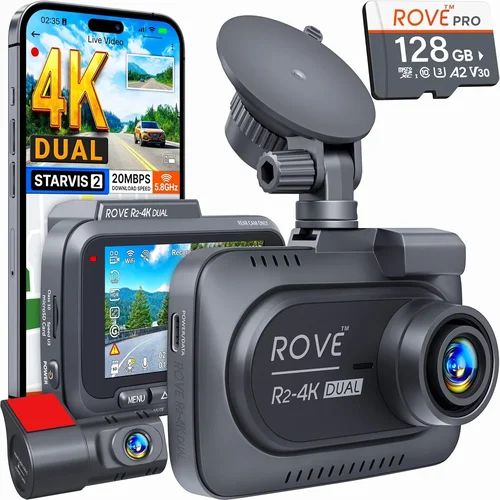
❌ Mistake: Ignoring Australian Climate Requirements
Why it’s bad: Many buyers purchase dash cams designed for temperate climates without considering Australia’s extreme temperatures. A dash cam that works fine in Melbourne might fail in Alice Springs due to overheating or component degradation from prolonged sun exposure. Cheap plastic housings can warp in heat, causing lens misalignment or button malfunctions.
What to do instead: Prioritize heat-resistant ratings (70-80°C operating temperature), UV-stabilized materials, and models specifically marketed for Australian or global markets. Look for thermal protection features like automatic shutdown at critical temperatures or active cooling systems.
❌ Mistake: Overlooking Parking Mode Limitations
Why it’s bad: Assuming all dash cams offer equal parking mode performance leads to disappointment. Some models use unreliable lithium batteries that drain quickly or fail in extreme temperatures. Without proper parking mode, you lose protection against hit-and-runs or vandalism, especially problematic in high-risk urban areas.
❌ Mistake: Choosing Based Solely on Price
Why it’s bad: The cheapest dash cams often compromise on critical components—lower-quality sensors, inadequate processors, or flimsy construction. These may save money initially but fail when you need them most, potentially costing more in replacement or legal expenses due to poor evidence quality.
What to do instead: Focus on value rather than absolute lowest price. Consider total cost of ownership including warranty, software updates, and reliability history. Read professional reviews and user feedback about long-term performance rather than just initial impressions.
❌ Mistake: Neglecting Installation Complexity
Why it’s bad: Attempting complex hardwiring without proper tools or knowledge can damage your vehicle’s electrical system or void warranties. Poor cable routing creates tripping hazards or aesthetic issues. Incorrect placement affects video quality and field of view.
What to do instead: Assess your comfort level with automotive electronics. For complex installations, consider professional installation services ($50-$150 typically). Use cable management clips and routing guides to keep wires neat and safe. Position the camera where it won’t obstruct your view while maximizing coverage.
❌ Mistake: Underestimating Storage Needs
Why it’s bad: Assuming 32GB is sufficient for all situations leads to running out of space during long trips or missing important events. Without adequate storage, loop recording deletes potentially crucial footage before you can review it. Frequent memory card swaps are inconvenient and risky.
What to do instead: Calculate your storage needs based on recording length, resolution, and frequency of use. For 1080p recording, plan for 50-100MB per minute. Consider expandable storage up to 512GB or 1TB, and models with intelligent file management that prioritizes recent or marked events.
❌ Mistake: Disregarding Legal Compliance
Why it’s bad: Recording audio without proper consent violates privacy laws in many Australian states. Using dash cams that don’t comply with local regulations can result in fines or legal complications. Some insurance policies require specific dash cam features or usage guidelines.
What to do instead: Research your state’s specific dash cam and audio recording laws. Disable audio if required, or use models with audio recording disabled by default. Check with your insurance provider about any policy requirements or discounts for dash cam usage.
❌ Mistake: Not Testing Before Committing
Why it’s bad: Buying online without testing the interface, controls, or video quality leads to buyer’s remorse. What seems convenient on paper may be frustrating in real-world use. Features like gesture control or voice commands may not work as advertised.
What to do instead: Visit physical stores when possible to test different models side-by-side. Watch sample videos to assess image quality under various lighting conditions. Check return policies before purchasing—most reputable retailers offer 30-day returns for testing.
Budget Guidelines: How Much Should You Spend?
Entry-Level ($80 – $150): The Foundation
For budget-conscious drivers who want basic protection without breaking the bank, entry-level dash cams deliver essential functionality at reasonable prices. These models typically offer 1080p recording, basic motion detection, and simple loop recording. While they may lack advanced features like GPS or Wi-Fi, they provide reliable performance for everyday driving. Expect decent daytime video quality but limited night performance and basic build quality. Popular in this range are Chinese brands like BlackVue, Rexing, and Viofo that offer surprisingly good value. These are ideal for secondary vehicles, short-distance commutes, or as backup cameras for existing setups.
Mid-Range ($150 – $300): The Sweet Spot
This category represents the sweet spot for most Australian drivers—offering excellent value with meaningful improvements over entry-level models. Mid-range dash cams typically feature 2K or better resolution, improved low-light performance, GPS tracking, Wi-Fi connectivity, and more robust build quality. You’ll find features like parking mode, emergency recording, and better audio quality. Brands like Thinkware, Garmin, and Nextbase dominate this segment with reliable products that balance price and performance. These are suitable for daily drivers, families, and anyone wanting comprehensive protection without premium pricing.
Premium ($300 – $600): Enhanced Performance
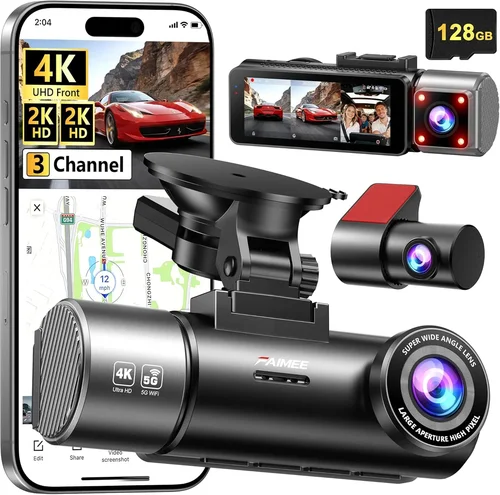
Premium dash cams target serious drivers who demand top-tier performance and advanced features. This range includes dual-channel systems, superior night vision, enhanced audio recording, cloud connectivity, and professional-grade build quality. You’ll find features like advanced parking mode with impact detection, multiple viewing modes, superior heat dissipation, and sophisticated software interfaces. Brands like BlackVue, Garmin, and Eken lead this category with products tested for extreme conditions and backed by strong warranties. These are ideal for commercial drivers, adventure travelers, and anyone requiring maximum protection and evidence quality.
Luxury ($600+): Professional Excellence
Luxury dash cams represent the pinnacle of consumer technology, offering enterprise-grade features typically reserved for fleet operations. These include multiple camera systems, AI-powered analytics, satellite connectivity, advanced driver assistance integration, and professional installation support. Features like facial recognition, behavior monitoring, and automated incident reporting set these apart from consumer models. While expensive, they provide unmatched protection for high-value assets, professional drivers, or those operating in high-risk environments. Consider these if you drive frequently in dangerous conditions, operate a business vehicle, or require court-admissible evidence with maximum detail and reliability.
Expert Tips for Getting the Best Deal
Buy During Off-Seasons
Australian dash cam sales follow seasonal patterns. While there’s no true “off-season,” late autumn through early spring (March to July) typically sees fewer new product launches and better deals on existing models. Retailers clear inventory before new generations arrive, and you can often find refurbished units at substantial discounts. Additionally, consider buying after major holidays when retailers need to move inventory to make room for new year models.
Compare Across Multiple Retailers
Never settle for the first price you see. Compare prices across major Australian retailers including JB Hi-Fi, Harvey Norman, Officeworks, Amazon AU, and specialty automotive stores like Repco and Supercheap Auto. Online marketplaces like eBay and Gumtree often offer competitive pricing, though verify seller ratings and return policies. Some manufacturers sell directly through their websites with exclusive bundles or financing options.
Look for Bundle Deals
Many retailers bundle dash cams with installation kits, extra memory cards, or accessories at discounted rates. Common bundles include professional installation, additional cables, or premium mounting hardware. These add-ons can save $50-100 while providing convenience and ensuring proper setup. Ask about extended warranty packages that include accidental damage coverage—particularly valuable given Australian driving conditions.
Check Manufacturer Refurbished Programs
Reputable manufacturers often offer certified refurbished dash cams at 20-40% discount. These units undergo thorough testing, come with full warranties, and include all original accessories. Companies like BlackVue, Garmin, and Thinkware maintain refurbishment programs that provide premium quality at entry-level prices. Always verify warranty terms and return policies before purchasing refurbished units.
Negotiate Installation Costs
Many retailers offer free or discounted installation with dash cam purchases. If installation costs apply, ask if they can be bundled with the dash cam purchase. Some manufacturers include installation credits or partner with local installers for promotional rates. Professional installation ensures proper cable routing, secure mounting, and optimal camera positioning—critical for video quality and safety compliance.
Verify Return Policies
Given the complexity of automotive electronics, ensure the retailer offers generous return windows (minimum 30 days). Look for policies that allow testing in your actual vehicle under real conditions. Some stores offer “try-before-you-own” programs where you can take the unit home and test it for several days before finalizing the purchase.
Test Before Committing
Whenever possible, visit physical stores to test different models. Compare video quality side-by-side, check menu navigation, and assess build quality. Request to see sample footage in various lighting conditions. If testing isn’t feasible, choose retailers with excellent return policies and read detailed professional reviews comparing specific models you’re considering.
Consider Insurance Discounts
Some insurance companies offer discounts for dash cam installation—particularly for commercial fleets or high-risk drivers. Contact your insurer to inquire about available incentives. Documented driving behavior through dash cam footage can demonstrate safe driving habits, potentially qualifying you for premium reductions over time.
Join Manufacturer Loyalty Programs
Major dash cam manufacturers often run loyalty programs that offer exclusive deals, early access to new products, or member-only promotions. Sign up for newsletters from brands like BlackVue, Thinkware, and Garmin to receive advance notice of sales and special offers. These programs sometimes include free software upgrades or accessory bundles for members.
Monitor Tech Review Sites
Follow trusted Australian tech review sites and automotive forums for deal alerts and comparative reviews. Websites like Which? Tech, PCMag Australia, and automotive enthusiast forums regularly publish updated recommendations and highlight best-value options. Subscribe to deal alert services that notify you when specific models drop below certain price thresholds.

Frequently Asked Questions
Q: Do I need to buy expensive dash cams for Australian conditions?
A: Not necessarily. While extreme conditions demand robust equipment, mid-range dash cams from reputable brands often perform excellently in Australian conditions. The key is choosing models specifically designed for high-temperature operation and equipped with necessary protections. Entry-level models may struggle with overheating or poor night performance, but premium features aren’t always required for basic protection. Focus on heat tolerance ratings, build quality, and proven reliability rather than chasing the latest technological bells and whistles.
Q: Can dash cams work properly in extreme heat?
A: Yes, but only if they’re specifically designed for high-temperature environments. Look for dash cams rated for 70-80°C operating temperatures and 90-100°C storage temperatures. Premium models use heat-resistant materials, active cooling systems, or thermal protection circuits that automatically adjust performance or shut down safely when overheated. Cheaper models may fail prematurely in Australian summer conditions. Some brands like BlackVue and Thinkware specifically market their products for global deployment including hot climates.
Q: Are dash cams legal in all Australian states?
A: Generally yes, but with important caveats. Visual recording is permitted everywhere, but audio recording regulations vary by state. New South Wales, Victoria, Queensland, and Western Australia prohibit recording audio without consent from all parties. In these states, disable audio recording or use dash cams with audio disabled by default. Other states like South Australia and Tasmania permit audio recording. Always check your specific state’s laws and consult legal advice if uncertain about compliance requirements.
Q: How much memory should I allocate for my dash cam?
A: For Australian driving conditions, plan for 512GB to 1TB of storage. At 1080p resolution, expect 50-100MB per minute of recording. A typical 1-hour commute uses 3-5GB, while a cross-country trip could consume 500GB+. Consider dash cams with expandable storage and intelligent file management that prioritizes recent events. Some models automatically delete oldest footage when space is low, but you’ll miss important events if storage fills too quickly. Regular maintenance—checking capacity monthly and swapping cards—is essential.
Q: What’s the best way to power a dash cam for reliable operation?
A: Hardwiring provides the most reliable solution for continuous operation. Connect to your fuse box using a dedicated circuit or OBD-II port adapter, ensuring the dash cam remains powered even when the ignition is off for parking mode. This prevents battery drain issues associated with cigarette lighter adapters. For professional installation, consider models with integrated hardwire kits. Always use proper gauge wiring and fuses to prevent electrical issues. Some premium dash cams include smart power management that reduces consumption during parking mode.
Q: How do I choose between single and dual channel dash cams?
A: Single channel dash cams (front only) are suitable for basic protection and budget-conscious buyers. They’re ideal for city driving, short commutes, or as backup systems. Dual channel systems (front and rear) provide comprehensive coverage, eliminating blind spots and protecting against rear-end collisions. For Australian conditions with varying road types—from busy city streets to remote highways—dual channel offers significant advantages. Consider your typical driving patterns, vehicle type, and risk assessment when making this decision. Families and commercial drivers benefit most from dual channel systems.
Q: Can dash cams survive Australian road conditions?
A: Yes, with proper selection. Australian roads present unique challenges—vibration from rough tracks, temperature extremes, and exposure to elements. Look for dash cams with shock-resistant mounting, vibration-dampening brackets, and ruggedized construction. Models tested for military-grade durability (MIL-STD) or similar certifications offer the best protection. Premium brands invest heavily in environmental testing. Proper installation with secure cable routing prevents damage from vehicle movement. Regular maintenance checks ensure continued reliability over years of use.
Q: How important is night vision for Australian driving?
A: Extremely important given Australia’s long driving hours and varied lighting conditions. Excellent night vision is non-negotiable for capturing clear evidence during dawn, dusk, or nighttime driving. Look for dash cams with wide aperture lenses (f/1.6 or lower), starlight sensors, and WDR technology to balance bright headlights with dark road surfaces. Avoid models that struggle with low-light conditions. Test sample videos in night conditions before purchasing. Premium brands typically offer superior night performance through advanced sensor technology and image processing algorithms.
Q: Should I choose a dash cam with GPS tracking?
A: GPS tracking adds valuable metadata to your footage—location, speed, and route information that’s crucial for accident reconstruction and insurance claims. For Australian drivers covering long distances or driving in unfamiliar areas, GPS provides context that pure video cannot. It helps verify driving patterns, identify speeding violations, and prove alibis. While not essential for all users, GPS tracking significantly enhances the evidentiary value of dash cam footage. Most mid-to-premium dash cams include GPS functionality as standard or optional feature.
Q: How do I maintain my dash cam for optimal performance?
A: Regular maintenance ensures longevity and reliability. Clean the lens weekly with microfiber cloth and compressed air to remove dust and moisture. Check memory card capacity monthly and swap when nearing full capacity. Verify parking mode functionality quarterly by triggering the G-sensor manually. Update firmware when new versions become available—manufacturers often improve performance and fix bugs through updates. Store spare memory cards in protective cases away from extreme temperatures. Inspect mounting hardware annually for loosening due to vibration or temperature changes.
Our Final Recommendations
Best for Budget-Conscious Buyers
For those seeking essential protection without overspending, the Viofo A119 v3 stands out as an exceptional value proposition. Priced around $120, this single-channel dash cam delivers 2K recording with impressive low-light performance, GPS tracking, and built-in Wi-Fi for seamless smartphone integration. Its compact design and reliable operation make it ideal for daily drivers who want quality footage without the premium price tag. The included parking mode with impact detection provides peace of mind when your vehicle is unattended. While it lacks some advanced features found in higher-end models, the A119 v3 proves that you don’t need to break the bank for reliable dash cam protection.
Best Overall Value
The BlackVue DR970X-2CH represents the perfect balance of performance, features, and reliability for Australian conditions. Priced around $350, this dual-channel system offers 2K front and 1080p rear recording with exceptional image quality in all lighting conditions. Its advanced heat dissipation design handles Australian summers with ease, while the robust build quality ensures years of dependable service. The included cloud connectivity allows remote viewing and downloading of footage, and the built-in GPS provides precise location tracking. With comprehensive parking mode functionality and professional-grade construction, the DR970X-2CH delivers enterprise-level protection at a consumer-friendly price point.
Best Premium Option
For discerning drivers who demand the absolute best, the Garmin Dashcam X500 sets the industry standard for premium dash cam performance. At approximately $500, this dual-channel system combines 4K front recording with 1080p rear capture, delivering unprecedented detail and clarity. Its advanced HDR technology excels in challenging lighting conditions, while the built-in radar provides forward collision warnings and lane departure alerts. The compact design and intuitive interface make it easy to use, and the included parking mode with impact detection offers comprehensive vehicle protection. With superior build quality, reliable performance, and advanced safety features, the X500 represents the pinnacle of consumer dash cam technology.
Best for Beginners
New to dash cams or automotive electronics? The Nextbase 622GW offers an exceptionally user-friendly experience without sacrificing quality. Priced around $200, this single-channel dash cam features a large touchscreen interface, voice control, and automatic emergency recording triggered by G-force sensors. Its simple setup process and clear instructions make installation straightforward, while the built-in Wi-Fi and mobile app provide effortless file transfers. The included parking mode and GPS tracking offer comprehensive protection, and the robust build quality ensures reliability in Australian conditions. With its combination of ease-of-use and advanced features, the 622GW is perfect for first-time dash cam owners.
Best for Advanced Users
Experienced dash cam users seeking maximum functionality will appreciate the Thinkware U1000 for its unparalleled feature set and professional-grade performance. At approximately $600, this dual-channel system offers 4K front and 2K rear recording with advanced HDR and WDR technologies for superior image quality. Its sophisticated parking mode includes impact detection, time-lapse recording, and intelligent battery management. The included cloud connectivity enables remote monitoring and automatic backup of critical footage, while the built-in GPS and speed camera alerts enhance safety awareness. With its extensive feature set, robust construction, and proven reliability, the U1000 meets the demanding requirements of experienced dash cam enthusiasts.
Conclusion: Making the Right Choice
Selecting the perfect dash cam for Australian conditions requires thoughtful consideration of your specific needs, driving patterns, and budget constraints. Rather than focusing solely on price or the latest technology, successful buyers prioritize reliability, build quality, and features that address our unique environmental challenges. From the scorching heat of the Outback to the sudden downpours of northern Queensland, your dash cam must perform consistently regardless of conditions.
Remember that the best dash cam isn’t necessarily the most expensive—it’s the one that provides reliable protection when you need it most. Invest in models specifically rated for high-temperature operation, equipped with robust build quality, and featuring essential capabilities like parking mode and GPS tracking. Don’t overlook the importance of proper installation, regular maintenance, and understanding local regulations regarding audio recording.
Take advantage of the expert guidance provided in this comprehensive guide to navigate the numerous options available. Compare features objectively, test interfaces when possible, and choose brands with proven track records in the Australian market. Whether you’re a budget-conscious commuter, a family driver seeking comprehensive protection, or an adventure enthusiast preparing for remote expeditions, there’s a dash cam perfectly suited to your requirements.
Your journey toward safer, more confident driving begins with informed decisions. By understanding the critical factors that affect dash cam performance in Australian conditions and avoiding common purchasing mistakes, you’ll find equipment that delivers reliable protection and peace of mind. Start your research today, compare carefully, and make a choice that will serve you well through countless kilometres on Australia’s diverse roads.