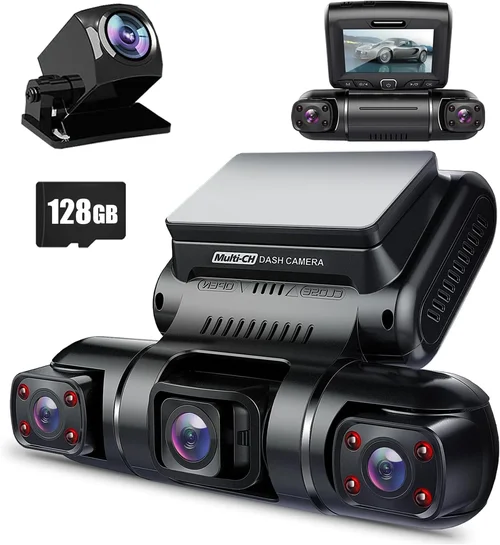
How to Choose the Best Dash Cam for Parking Protection
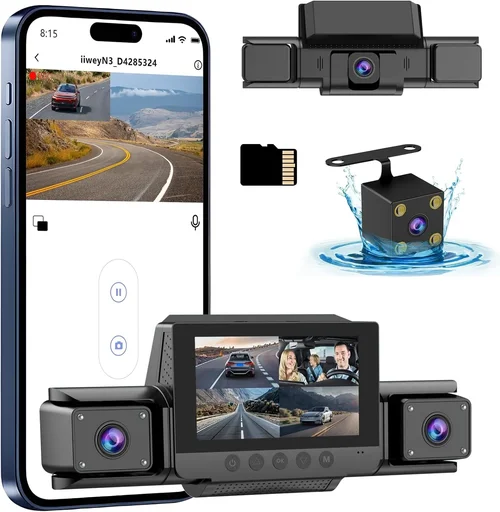
Why parking protection has become a critical concern for drivers in an era where vehicle-related incidents can happen even when you’re not behind the wheel. A dash cam isn’t just about catching traffic violations or documenting road trips—it’s your 24/7 guardian that watches over your vehicle when you’re away from it. Whether you park on busy city streets, in crowded shopping center lots, or in quiet suburban driveways, the threat of vandalism, hit-and-runs, or insurance fraud is always present. This comprehensive guide will walk you through everything you need to know about selecting the best dash cam for parking protection, helping you make an informed decision that protects your investment and gives you peace of mind.
You’ll learn how to evaluate key performance metrics like battery life, storage capacity, and low-light sensitivity; understand the difference between built-in batteries versus hardwiring options; compare various parking modes such as motion detection and time-lapse recording; and discover which features actually matter versus marketing gimmicks. We’ll also cover installation considerations, maintenance tips, and real-world scenarios where parking protection dash cams have saved drivers thousands in repair costs or legal disputes. By the end of this article, you’ll have a clear understanding of what makes a truly effective parking protection dash cam and how to choose one that fits your specific needs and budget.
The market for dash cams has exploded in recent years, with manufacturers offering increasingly sophisticated features at varying price points. From basic models that simply record while parked to advanced systems with GPS tracking and cloud connectivity, there’s no shortage of options. However, not all dash cams are created equal when it comes to parking protection. Some struggle with false triggers, others drain their batteries too quickly, and many lack the durability needed for long-term outdoor exposure. Our goal is to cut through the marketing noise and help you identify which features truly deliver reliable parking surveillance and which ones you can safely ignore.

What to Look for When Buying Dash Cams
1. Parking Mode Performance
When evaluating a dash cam specifically for parking protection, the most crucial factor is how well it performs in parking mode. This refers to the camera’s ability to continue recording or monitoring your vehicle even when it’s powered off. Most parking protection dash cams offer two primary parking modes: continuous recording with a built-in battery backup and motion-activated recording using either the car’s electrical system or an internal battery.
Continuous parking mode keeps recording at all times, providing complete coverage but consuming significant power. These typically require a direct connection to your car’s battery through a hardwire kit. Motion-activated parking mode only records when it detects movement near your vehicle, conserving battery life while still capturing relevant events. The ideal setup often combines both approaches—continuous recording during daylight hours and motion-triggered recording at night—to maximize both security and battery efficiency.
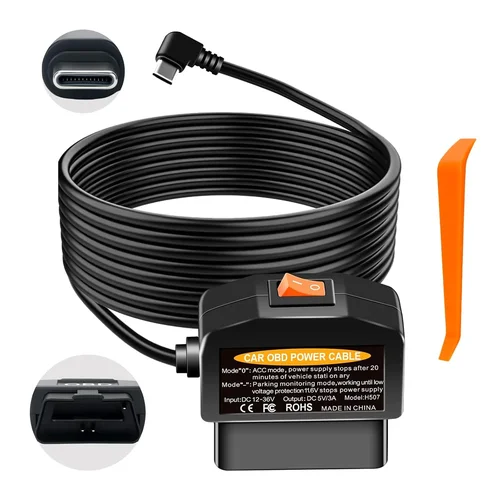
Look for dash cams that clearly specify their parking mode capabilities, including how long they can record continuously, what types of motion they detect (car doors, windows, pedestrians, vehicles), and whether they support scheduled recording times. Some advanced models even offer time-lapse recording, which dramatically extends battery life by recording at reduced frame rates. Always check if the parking mode requires additional accessories like hardwire kits, as these aren’t always included with the base unit.
2. Battery Life & Power Management
Battery life is arguably the single most important consideration for any dash cam used primarily for parking protection. Unlike regular driving scenarios where you can easily plug into the cigarette lighter port, parking surveillance requires the device to operate independently for extended periods—sometimes days or weeks at a time. This means you need either a robust internal battery or a reliable method to draw power directly from your car’s electrical system.
Internal batteries vary significantly between models, typically lasting anywhere from 30 minutes to 8 hours of continuous recording. For basic parking protection, 2-4 hours might be sufficient, but if you park overnight regularly, you’ll want something closer to 6+ hours. Some manufacturers claim impressive battery lives, but real-world testing often reveals shorter durations due to factors like ambient temperature, screen usage, and processing demands.
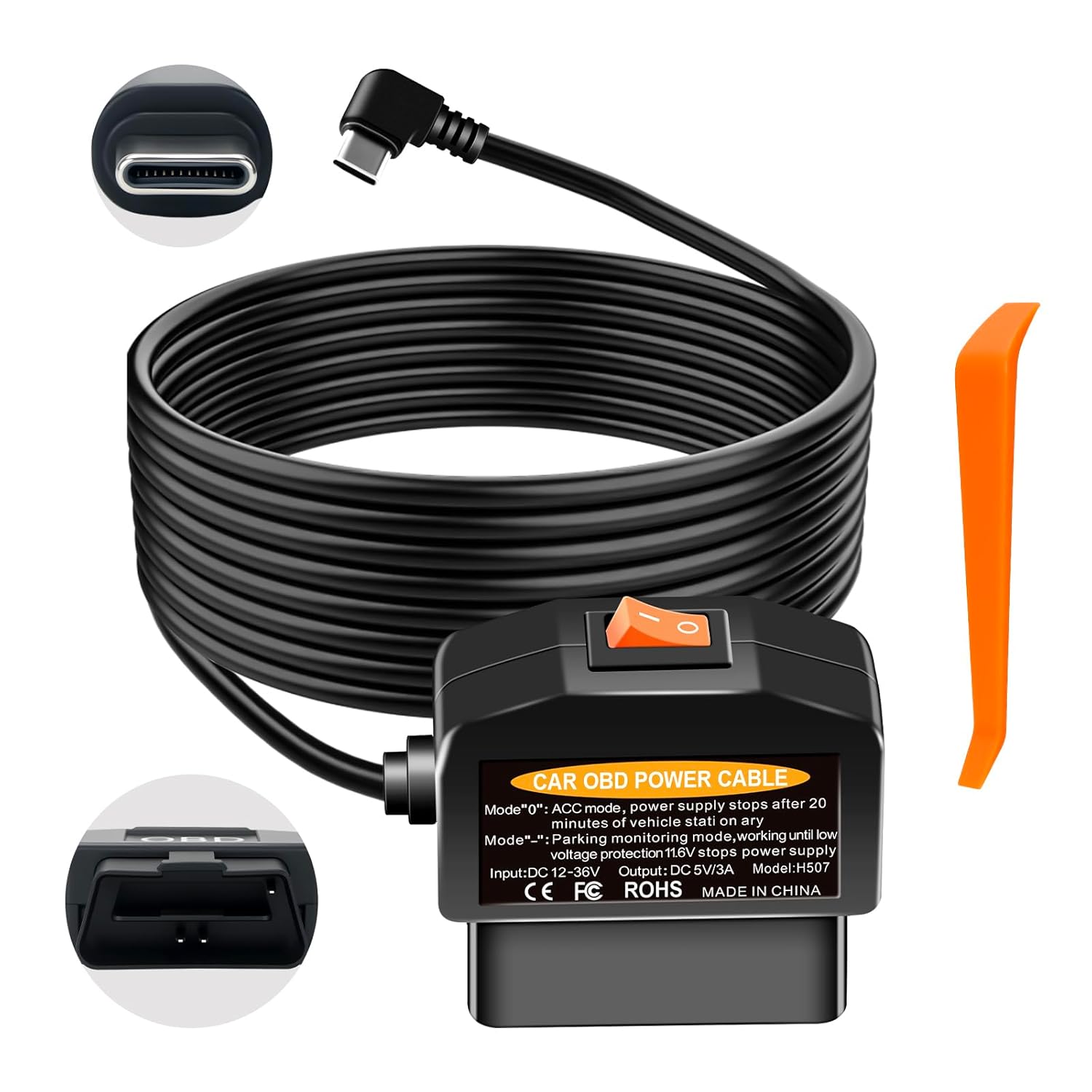
Hardwiring eliminates battery concerns entirely by connecting directly to your car’s fuse box, providing unlimited recording capability as long as your vehicle remains powered. However, this approach requires professional installation and carries the risk of draining your car’s battery completely if the dash cam fails to shut off properly. Many experienced users recommend a hybrid solution: hardwired for daily use with a built-in battery for backup power during brief outages.
Consider your typical parking duration, climate conditions (extreme heat or cold affects lithium-ion batteries), and whether you’ll be using other features like GPS or Wi-Fi simultaneously. Also verify whether the manufacturer provides detailed battery specifications or relies on vague marketing claims that may not reflect actual performance.
3. Video Quality & Resolution
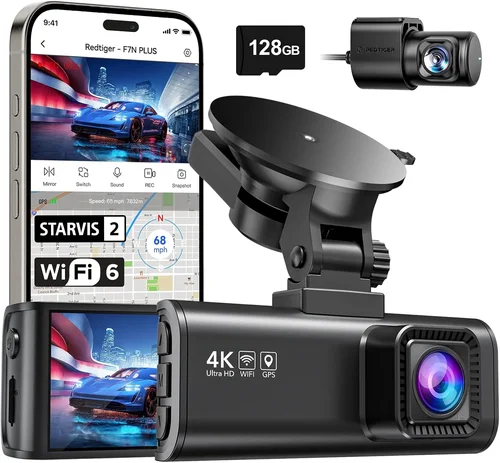
While parking protection doesn’t require the same level of video quality as high-speed highway driving, resolution still plays a vital role in evidence credibility and detail capture. In legal situations or insurance claims, blurry footage can be dismissed as inconclusive or manipulated. Most reputable parking protection dash cams now offer at least 1080p resolution, with some premium models reaching 4K capabilities.
For parking surveillance, consider these resolution factors:
– Front-facing resolution should be at least 1080p for clear license plate identification
– Higher resolutions like 2K or 4K provide better zoom capabilities without pixelation
– Frame rate matters more than megapixels—30fps minimum, 60fps preferred for smooth motion
– Wide dynamic range (WDR) helps balance exposure in challenging lighting
Don’t fall for marketing hype around “megapixel” counts alone. A 12-megapixel sensor recording at 1080p produces identical file sizes to a 5-megapixel sensor at the same resolution. Focus instead on the actual recording specifications: resolution, bitrate, and compression algorithms. Higher bitrates mean better quality but larger files that fill memory cards faster.
Many parking protection dash cams also include special features like enhanced night vision, which uses infrared LEDs to illuminate scenes when headlights aren’t available. While helpful for very dark environments, remember that IR illumination creates a distinctive red glow visible in recordings—this may be important for privacy considerations or evidentiary purposes.
4. Storage Capacity & Loop Recording
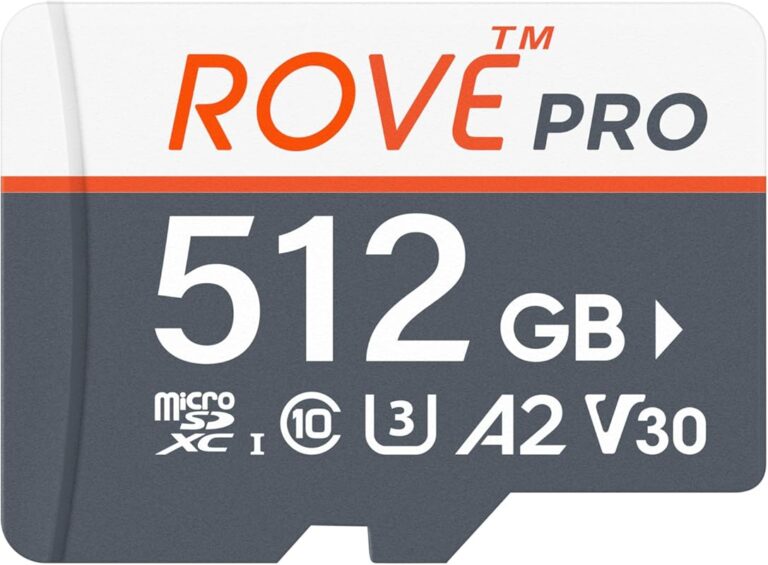
Storage requirements for parking protection dash cams can be substantial due to the extended recording durations involved. Unlike driving dash cams that cycle through short clips, parking surveillance often generates longer continuous segments that need adequate space. Modern dash cams typically use microSD cards ranging from 32GB to 512GB, with higher capacities supporting longer recording times.
Calculate your storage needs based on three factors: recording quality (higher resolutions = larger files), frame rate (faster rates = bigger files), and retention policy (how much history you want to keep). For example, a 64GB card might store 2 hours of 1080p@30fps recording, but only 30 minutes of 4K@60fps footage. Most manufacturers recommend using Class 10 or UHS-I/UHS-II cards for optimal reliability.
Loop recording is essential for automatic file management—when the memory card fills up, older footage automatically overwrites newer content unless protected by motion detection flags. Ensure your chosen model supports seamless loop recording without gaps or skipped frames. Some advanced systems offer cloud storage integration, allowing automatic upload of flagged events while preserving local backups for immediate access.
Consider whether your dash cam includes built-in storage or relies entirely on removable cards. Built-in storage offers convenience but limits expandability, while external cards provide flexibility to upgrade capacity as needed. Always verify compatibility with common card brands and formats, as some budget models only work with proprietary storage solutions.
5. Build Quality & Weather Resistance
Parking protection dash cams spend significant time exposed to environmental elements—sunlight, rain, snow, dust, and temperature extremes. Unlike driving dash cams mounted inside vehicles where conditions are relatively controlled, parking surveillance units face constant exposure that can compromise both functionality and longevity. Look for models specifically designed for outdoor use with robust construction.
Key build quality indicators include:
– Ruggedized housing materials resistant to UV degradation and impact damage
– Sealed ports and connectors to prevent moisture intrusion
– Temperature tolerance ratings (operating ranges typically -20°C to +70°C)
– Secure mounting mechanisms that won’t vibrate loose over time
Many manufacturers now advertise IP rating certifications indicating dust and water resistance levels. An IP65 rating means protection against low-pressure water jets from any direction and dust ingress, while IP67 indicates temporary immersion capability. While not all dash cams display official ratings, reputable brands will provide environmental specifications if their products are intended for outdoor deployment.
Physical dimensions also matter—larger units may offer better cooling and component separation but create wind resistance issues and attract unwanted attention. Compact designs save space and reduce theft risk but may sacrifice thermal management and upgrade potential. Consider where you’ll mount the device: windshield placement exposes it to maximum sun and debris, while dashboard mounting offers slightly better protection but limited field of view.
6. Smart Features & Connectivity
Modern parking protection dash cams increasingly incorporate smart technologies that enhance usability and security. These features range from basic mobile app integration to advanced AI-powered detection systems. Evaluate which capabilities align with your specific needs rather than chasing every technological advancement.
Common smart features include:
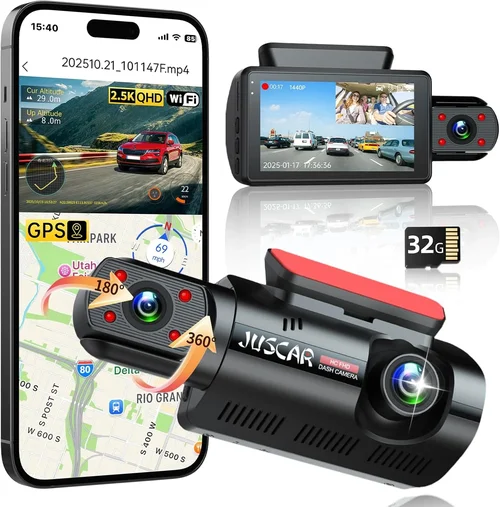
– Mobile app control for remote viewing and configuration
– Cloud backup for automatic event preservation
– GPS tracking for location logging
– Wi-Fi hotspot creation for wireless file transfer
– Driver assistance alerts (speed warnings, collision prevention)
App-based dash cams allow you to review footage, adjust settings, and receive notifications directly on your smartphone. While convenient, they introduce security vulnerabilities and dependency on third-party platforms. Cloud storage eliminates physical media management but raises privacy concerns and requires stable internet connectivity—often unavailable in remote parking areas.
GPS functionality adds valuable context to your recordings, showing exact timestamps and locations of incidents. This proves especially useful for insurance claims or legal proceedings where precise geolocation data strengthens your case. However, GPS consumes additional power and may not be necessary if you primarily park in familiar, monitored locations.
Advanced AI features like facial recognition or object classification remain experimental for most consumer dash cams and often come with questionable accuracy rates. Basic motion detection and impact sensing are more practical for parking protection, triggering recording only when relevant activity occurs rather than wasting resources on background noise.
7. Ease of Installation & Maintenance
Even the most feature-rich dash cam becomes useless if it’s impossible to install properly or maintain consistently. Parking protection systems demand particular attention to wiring, mounting stability, and accessibility for routine checks. Consider your technical comfort level and available tools before committing to a complex setup.
Simplified installation options include:
– Magnetic mounts for quick removal and repositioning
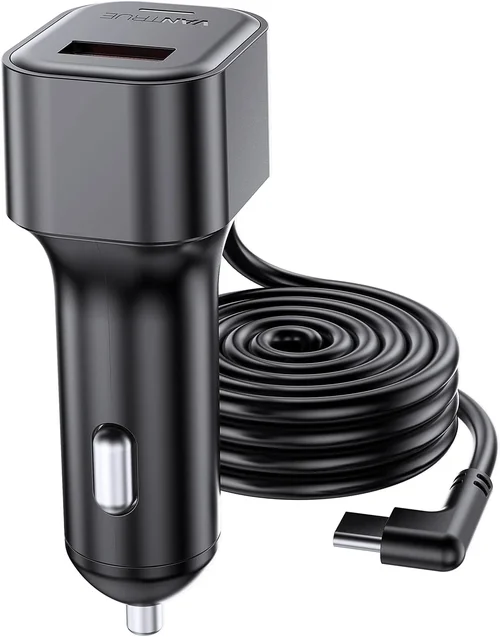
– Plug-and-play cigarette lighter adapters (though limited by port availability)
– Professional hardwiring services offered by retailers or third parties
Complex installations involving fuse box connections require electrical knowledge and carry risks of voiding warranties or damaging vehicle systems. If you’re uncomfortable working with automotive electronics, opt for simpler solutions or seek professional assistance. Many auto parts stores offer complimentary dash cam installation as part of purchase packages.
Maintenance considerations include periodic cleaning of lenses and sensors, checking battery health, verifying memory card functionality, and ensuring proper ventilation to prevent overheating. Some models include self-diagnostic features that alert you to potential issues before they cause failures.
User interface design also impacts ease of use—intuitive menus, clear status indicators, and responsive touch controls make troubleshooting straightforward. Avoid models with convoluted navigation systems that require extensive manual reading or multiple button combinations to access basic functions.
8. Legal Compliance & Privacy Considerations
Before deploying a parking protection dash cam, understand the legal landscape governing surveillance devices in your jurisdiction. Regulations regarding audio recording, public space monitoring, and data retention vary significantly between countries and even municipalities within the same region. Using a dash cam improperly could result in fines, evidence exclusion, or invasion-of-privacy lawsuits.
Key compliance areas include:
– Audio recording laws (some states prohibit two-party consent recording)
– Public vs. private property boundaries for surveillance
– Data retention policies for stored footage
– Notification requirements for recorded individuals
Most parking protection scenarios involve recording primarily your own vehicle exterior, which generally falls under personal property rights rather than public surveillance concerns. However, if your dash cam captures other people’s vehicles, license plates, or private activities, you must consider how that data will be handled and whether explicit consent is required.
Manufacturers’ terms of service often address these issues, specifying acceptable use policies and data handling practices. Review these documents carefully, particularly regarding cloud storage providers who may process your footage outside your home country. Opt for models that allow local-only storage or give you full control over data deletion timelines.
Additionally, be mindful of local ordinances regarding window tinting or external device visibility that might affect your dash cam’s operation or legality. Some cities restrict certain types of surveillance equipment in rental properties or commercial vehicles.
Different Types of Dash Cams
Common Buying Mistakes to Avoid
❌ Mistake: Ignoring Real-World Battery Performance
Why it’s bad: Manufacturers often publish optimistic battery life estimates based on laboratory conditions that rarely match real-world usage. Factors like ambient temperature, screen brightness, simultaneous feature usage, and firmware versions can dramatically reduce actual runtime. Choosing a dash cam solely because it claims “8 hours of parking mode” without verifying independent test results leaves you vulnerable to mid-day failures.
What to do instead: Look for verified user reviews mentioning actual parking duration experiences. Check if the manufacturer provides detailed battery specifications including chemistry type (Li-ion vs polymer), capacity in mAh, and expected runtime under different conditions. Consider purchasing extended battery packs or hardwiring as backup solutions regardless of initial battery claims.
❌ Mistake: Overlooking False Trigger Rates
Why it’s bad: Aggressive motion detection settings can waste precious battery life by constantly recording irrelevant activity—shadows moving across your windshield, birds flying past, or distant traffic. Conversely, overly sensitive settings might miss genuine threats like someone approaching your driver-side door. High false trigger rates lead to frustration, wasted storage space, and missed real incidents.
What to do instead: Test motion sensitivity levels during installation using the built-in preview function. Adjust until you eliminate obvious false positives while maintaining responsiveness to meaningful movement. Many advanced models allow zone-specific sensitivity adjustments, enabling lower thresholds for areas near your vehicle’s doors and higher thresholds for distant objects.
❌ Mistake: Neglecting Environmental Durability
Why it’s bad: Budget dash cams marketed primarily for driving often lack the ruggedization needed for prolonged outdoor exposure. UV-degraded plastic housings, unsealed connectors, and inadequate heat dissipation can cause premature failure within months of regular parking surveillance use. A cheap unit that stops working after three months provides little protection value despite its initial affordability.
What to do instead: Prioritize models explicitly rated for outdoor use with IP certification or equivalent environmental specifications. Check user forums for reports of long-term reliability under similar conditions. Consider adding physical protection like weatherproof covers or strategic mounting positions that minimize direct sun exposure and precipitation impact.
❌ Mistake: Assuming All Memory Cards Are Equal
Why it’s bad: Using incompatible or low-quality microSD cards leads to frequent corruption, write errors, and failed recordings—particularly problematic during extended parking sessions where data integrity is crucial. Cheap cards may also lack the endurance rating needed for constant write cycles generated by parking mode recording.
What to do instead: Purchase high-endurance cards specifically rated for dash cam applications. Brands like SanDisk Extreme Pro, Samsung EVO Plus, and Lexar Professional consistently perform well in demanding conditions. Verify compatibility with your specific model’s supported card sizes and speeds before making purchases. Keep spare cards readily available for quick swaps.
❌ Mistake: Skipping Professional Installation
Why it’s bad: Attempting DIY hardwiring without proper knowledge risks damaging your vehicle’s electrical system, voiding warranties, or creating fire hazards. Improper fuse box connections can drain your battery completely or interfere with critical systems like airbags. Even simple cigarette lighter installations can fail if the port overheats or becomes loose during extended use.
What to do instead: Seek professional installation services offered by retailers, auto shops, or dedicated dash cam specialists. Many providers include free installation as part of purchase packages and guarantee proper fuse selection and secure wiring practices. If doing it yourself, obtain detailed wiring diagrams and consult automotive electricians first.
❌ Mistake: Disregarding Legal Compliance
Why it’s bad: Installing surveillance equipment without understanding local regulations can backfire legally if footage is used in disputes. Many jurisdictions require disclosure of recording devices or prohibit audio capture without consent. Unauthorized recording of public spaces or private property without permission may violate wiretapping laws or privacy statutes.
What to do instead: Research your state/province/country’s specific surveillance laws before purchasing. Choose models that allow disabling audio recording if required by law. Post discreet signage indicating your vehicle is equipped with recording devices where legally permissible. Store footage securely and delete it promptly unless needed for legitimate purposes.
Budget Guidelines: How Much Should You Spend?
Entry-Level Options ($50 – $100)
For occasional parking protection needs or those testing dash cam waters before committing more heavily, entry-level models offer functional basics without breaking the bank. These units typically feature 1080p recording, basic motion detection, and modest internal batteries lasting 2-4 hours. While lacking advanced features like GPS or cloud connectivity, they provide reliable evidence capture for standard overnight parking scenarios.
Recommended capabilities at this price point include reliable loop recording, decent low-light performance, and straightforward installation using standard cigarette lighter power. Brands like Viofo, Rexing, and Apeman offer several competent options in this range. Expect limited customer support, shorter warranties (typically 1 year), and fewer software updates compared to premium offerings.
Avoid models claiming excessive battery life or complex features that exceed your actual usage requirements. Instead, prioritize dependable recording quality, easy file management, and compatibility with common microSD cards. Remember that even budget parking protection can deter opportunistic vandals and provide valuable documentation for minor incidents.
Mid-Range Sweet Spot ($100 – $200)
This price tier represents the optimal balance between capability and affordability for most drivers seeking reliable parking surveillance. Mid-range dash cams typically deliver 2K or 4K front recording, improved low-light sensitivity, longer battery life (4-8 hours), and more sophisticated parking modes like time-lapse or scheduled recording.
Key advantages include better build quality, enhanced durability ratings, and inclusion of essential accessories like hardwire kits or magnetic mounts. Advanced motion detection algorithms reduce false triggers while maintaining responsiveness. Some models integrate GPS tracking and mobile app connectivity, providing added convenience without overwhelming complexity.
Brands like BlackVue, Thinkware, and Garmin dominate this segment with proven track records for reliability and customer satisfaction. Warranties extend to 2 years or more, reflecting manufacturers’ confidence in their products’ longevity. Consider investing here if you park overnight regularly or want assurance that your investment will serve you reliably for years.
Premium Enthusiast Models ($200 – $400)
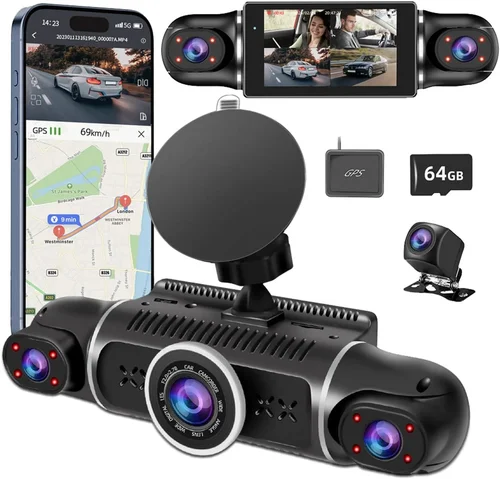
For serious parking protection needs or drivers prioritizing maximum security, premium dash cams offer professional-grade features and uncompromising performance. These systems typically include multi-camera setups (front/rear/sides), 4K resolution with HDR, advanced AI detection, dual-band Wi-Fi, and robust cloud integration with automatic backup.
Top-tier capabilities include impact sensing with g-force thresholds, driver behavior monitoring, real-time alerts via smartphone notifications, and encrypted cloud storage with multi-factor authentication. Build quality reaches industrial standards with military-grade components, extended temperature tolerances, and comprehensive IP certifications for outdoor reliability.
BlackVue and Thinkware lead this category with industry-leading firmware development, responsive customer support, and extensive accessory ecosystems. While exceeding typical consumer budgets, these systems justify their cost through superior evidence quality, reduced maintenance needs, and comprehensive coverage that deters sophisticated threats.
Luxury Professional Solutions ($400+)
Ultra-premium dash cams target commercial fleets, luxury vehicle owners, and security-conscious professionals requiring absolute reliability and advanced analytics. These systems integrate seamlessly with existing telematics infrastructure, offer customizable reporting dashboards, and provide enterprise-level data management capabilities.
Features include redundant recording paths, blockchain-verified timestamps, thermal imaging overlays, and predictive maintenance alerts. Installation often involves professional technicians certified by the manufacturer, with ongoing remote monitoring and firmware updates managed through centralized platforms.
While inaccessible to most individual consumers, luxury solutions demonstrate the upper bounds of parking protection technology and set benchmarks followed by mainstream manufacturers. For everyday drivers, premium models already deliver exceptional value, making ultra-high-end options primarily relevant for specialized applications requiring maximum assurance.
Expert Tips for Getting the Best Deal

Frequently Asked Questions
Q: Will a dash cam drain my car battery if left connected?
A: Modern dash cams with proper hardwiring systems include intelligent power management that cuts off drawing current when your vehicle’s ignition turns off and only activates parking mode when needed. Reputable manufacturers design their circuits to consume less than 1mA during standby, which won’t noticeably impact battery health. However, if your dash cam malfunctions or lacks proper cutoff circuitry, continuous power draw could eventually drain your battery. Always verify your model includes automatic shutoff features and consider adding a parking light relay for additional safety.
Q: Can I use any microSD card with my dash cam?
A: While many dash cams accept standard microSD cards, compatibility varies significantly between models. Some budget units only work with specific brands or speed classes, leading to write errors or complete failure. For optimal performance, use high-endurance cards rated for continuous writing—SanDisk Extreme Pro, Samsung EVO Plus, and Lexar Professional consistently deliver reliable results. Check your manual for recommended card specifications and avoid counterfeit cards sold through unauthorized sellers.
Q: Do I need GPS for parking protection?
A: GPS isn’t strictly necessary for basic parking surveillance but adds valuable context to your recordings. Location data helps establish exactly where incidents occurred, which proves crucial for insurance claims or legal disputes. If you frequently park in unfamiliar areas or want comprehensive documentation, GPS enhances your evidence credibility. However, if you primarily park in consistent, known locations, GPS provides marginal benefit at the cost of additional power consumption and complexity.
Q: How long should parking mode recording last?
A: Ideal parking mode duration depends on your usage patterns and environmental conditions. For occasional overnight parking, 4-6 hours suffices, while daily commuters parking overnight regularly benefit from 6-8+ hour capabilities. Extreme temperatures reduce lithium-ion battery performance—cold weather halves effective runtime, while hot climates accelerate degradation. Consider hybrid solutions combining hardwiring with backup internal batteries for maximum flexibility across different scenarios.
Q: What’s the difference between motion detection and impact sensing?
A: Motion detection triggers recording based on visual changes within the frame—ideal for detecting intruders approaching your vehicle. Impact sensing activates when sudden deceleration exceeds programmed thresholds—useful for hit-and-run documentation or theft attempts. Advanced models combine both approaches with adjustable sensitivity zones. Motion detection conserves battery better but may miss stationary incidents, while impact sensing works passively but could generate false alarms from potholes or slamming doors.
Q: Can I access my parking footage remotely?
A: Yes, cloud-connected dash cams allow remote access via smartphone apps. When configured correctly, you can view live feeds, download event clips, and adjust settings from anywhere with internet connectivity. However, this requires stable Wi-Fi at your parking location and raises privacy considerations regarding data transmission. Local-only storage models offer greater security and independence from internet availability but limit remote access capabilities.
Q: How often should I clean my dash cam lens?
A: Clean your lens whenever you notice degraded image quality or reduced night visibility. In dusty or polluted environments, weekly cleaning suffices, while cleaner urban settings may require monthly attention. Use only microfiber cloths and lens-safe cleaning solutions—avoid harsh chemicals that could damage coatings. Regular cleaning prevents permanent smudge buildup and maintains optimal optical performance throughout the device’s lifespan.
Q: Are dash cams legal everywhere?
A: Legality depends on local regulations regarding surveillance and privacy. Most jurisdictions permit recording your own vehicle exterior without restrictions, but audio recording often requires participant consent in two-party states. Public parking areas generally fall under looser regulations since you’re not invading private property, but commercial establishments may have their own policies restricting surveillance equipment. Always research your specific location’s laws before installation and consider disabling audio if uncertain.
Q: Should I mount my dash cam facing forward or backward?
A: Forward-facing mounting provides optimal coverage of your vehicle’s exterior and surrounding environment—essential for documenting hit-and-runs, vandalism, or suspicious activity near your driver-side door. Rear-facing mounts capture what’s behind your vehicle but offer limited contextual information. Dual-camera systems solve this limitation by installing front and rear units simultaneously. For pure parking protection, prioritize forward orientation with wide-angle lenses to maximize peripheral awareness.
Q: How do I know if my dash cam is working properly in parking mode?
A: During initial setup, verify parking mode activation by observing status indicators or using the built-in preview function. After installation, conduct test recordings during different times of day and lighting conditions to confirm reliable triggering. Check file timestamps and metadata to ensure continuous recording without gaps. Periodically review recent clips to validate functionality and adjust sensitivity settings if needed. Most reputable manufacturers provide diagnostic tools within their mobile apps for real-time system verification.
Our Final Recommendations
Best for Budget-Conscious Buyers
The Viofo A119 V3 stands out as the top choice for those seeking reliable parking protection without overspending. Priced around $80-$90, this compact dash cam delivers solid 1080p front recording with impressive low-light sensitivity thanks to its Sony STARVIS sensor. Its motion-activated parking mode effectively balances battery conservation with threat detection, while loop recording ensures continuous coverage without manual intervention. The included suction cup mount provides secure windshield attachment, and the included 32GB microSD card eliminates immediate accessory costs. While lacking advanced features like GPS or Wi-Fi, the A119 V3 excels at its core mission: documenting incidents that occur when you’re away from your vehicle.
Best Overall Value
For drivers wanting professional-grade performance without premium pricing, the BlackVue DR970X-2CH offers exceptional value proposition. At approximately $250, this dual-camera system includes both front and rear recording capabilities with stunning 2K resolution and HDR-enhanced image quality. Its intelligent parking mode intelligently switches between motion detection and time-lapse recording based on ambient light conditions, dramatically extending battery life while maintaining security. The integrated GPS tracker logs precise location data, and cloud connectivity allows remote access to footage via BlackVue’s reliable server infrastructure. Robust build quality and comprehensive warranty coverage make this system ideal for daily commuters requiring dependable 24/7 protection.
Best Premium Option
Serious enthusiasts and security-focused drivers should consider the Thinkware F800 Pro as their ultimate parking protection solution. Priced around $350, this flagship model delivers 4K front recording with advanced WDR technology that handles challenging lighting conditions flawlessly. Its triple-channel capability supports simultaneous front/rear/side monitoring, while sophisticated AI algorithms distinguish between relevant threats and background activity with remarkable accuracy. Thinkware’s patented Super Night Vision II technology ensures crystal-clear footage even in pitch-black conditions, and the included impact sensor provides additional theft deterrence. Professional-grade accessories and responsive customer support justify the higher investment for those demanding absolute reliability.
Best for Beginners
Newcomers to dash cam technology will appreciate the Rexing V1 for its intuitive operation and hassle-free setup. Available for under $70, this streamlined system focuses on essential parking protection features without overwhelming complexity. The built-in G-sensor automatically locks footage during detected impacts, while loop recording manages storage efficiently. Although lacking GPS or app connectivity, the V1’s straightforward interface and reliable performance make it perfect for first-time users. The included magnetic mount simplifies installation, and the generous 64GB internal storage reduces immediate accessory expenses. As your needs evolve, you can later upgrade to more advanced models knowing you’ve established a solid foundation.
Best for Advanced Users
Experienced dash cam operators seeking cutting-edge capabilities should explore the Garmin Dash Cam 67W. Priced around $200, this versatile unit combines sleek aesthetics with powerful functionality tailored to tech-savvy drivers. Its dual-band Wi-Fi enables seamless smartphone pairing for instant file sharing and real-time viewing, while the included voice control adds hands-free convenience. Advanced parking features include configurable sensitivity zones and scheduled recording modes that adapt to your routine. The compact form factor minimizes visibility, and Garmin’s trusted brand reputation ensures consistent software updates and responsive support. For users already leveraging mobile ecosystems, the 67W integrates smoothly into existing digital workflows.
Conclusion: Making the Right Choice
Choosing the best dash cam for parking protection requires balancing multiple competing priorities—budget constraints, technical capabilities, environmental conditions, and personal usage patterns. No single model perfectly satisfies every driver’s needs, but understanding your specific requirements narrows the field considerably. Prioritize reliability over flashy features, durability over cosmetic appeal, and practicality over theoretical advancements that don’t translate to real-world benefits.
Remember that parking protection dash cams serve primarily as deterrents and evidence gatherers rather than active security systems. Their true value emerges during rare but consequential incidents when documentation can make the difference between insurance acceptance and denial, or liability determination in disputes. Invest accordingly based on your risk profile: occasional parkers can manage with basic models, while daily overnight users benefit from professional-grade systems with unlimited recording capabilities.
Always verify claims through independent testing and user feedback rather than relying solely on manufacturer specifications. Environmental factors like temperature extremes, humidity levels, and local regulations significantly impact real-world performance regardless of published ratings. Don’t hesitate to combine solutions—hardwired primary protection with backup battery capacity, or dual-camera setups covering both front and rear approaches—to create customized layers of security tailored to your circumstances.
Finally, treat your dash cam as an extension of your vehicle rather than disposable technology. Regular maintenance, thoughtful placement, and prudent usage habits maximize both device longevity and evidentiary effectiveness. With careful selection and responsible operation, a quality parking protection dash cam becomes invaluable peace of mind—transforming anxiety about unattended vehicles into confident security in every parking situation.