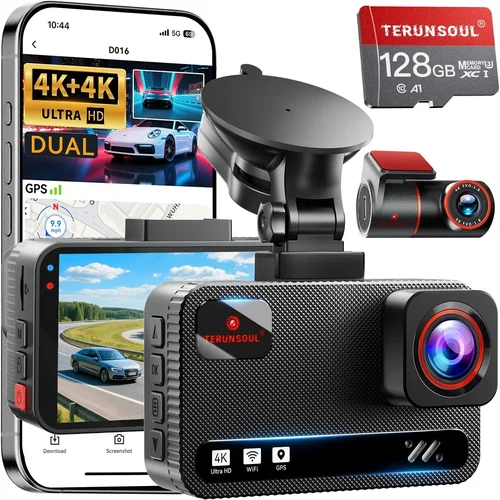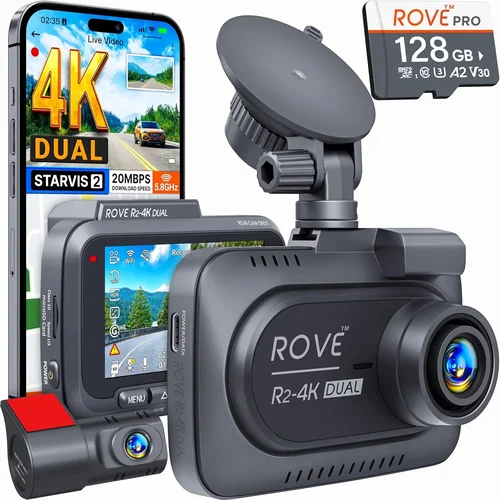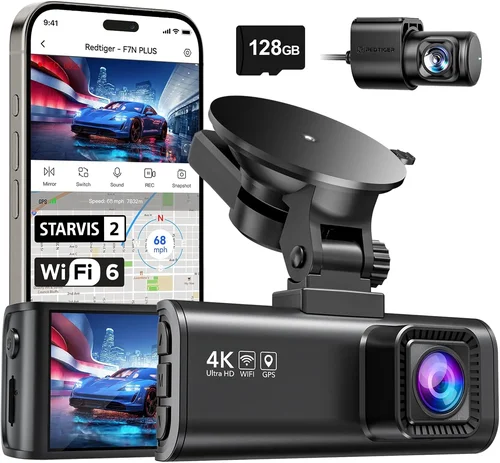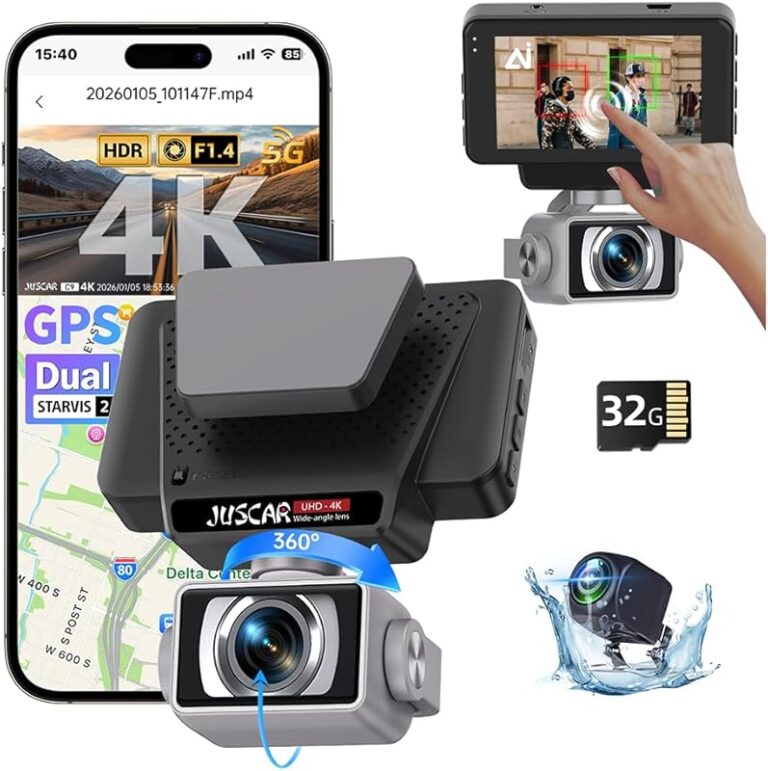
Best Off-Road Dash Cam Shopping Guide
Why this guide matters
When you’re navigating rocky trails, muddy paths, or dusty backroads, having reliable footage of your journey isn’t just convenient—it’s essential. Whether you’re an avid off-road enthusiast, a weekend explorer, or someone who simply wants peace of mind while tackling rough terrain, the right dash cam can make all the difference. This comprehensive buying guide is designed specifically for outdoor adventurers who demand more from their dash cams than standard models can deliver. We’ll walk you through everything you need to know to choose a device that can withstand the elements and capture every thrilling moment.
What readers will learn
By the end of this article, you’ll understand exactly what makes certain dash cams ideal for off-road use, how to evaluate technical specifications in real-world scenarios, and which features matter most when conditions get tough. You’ll also discover common pitfalls to avoid, budget-friendly options that don’t compromise on quality, and expert recommendations tailored to different types of outdoor adventures. Whether you’re looking for something simple to mount on your ATV or a multi-camera system for serious trail documentation, this guide has you covered.
Brief overview of the market
The market for off-road dash cams has evolved significantly in recent years, moving far beyond basic windshield-mounted cameras. Today’s options include ruggedized models with enhanced durability, specialized mounting systems, improved low-light performance, and advanced connectivity features. While traditional car dash cams serve everyday driving needs, off-road versions must handle extreme vibrations, temperature fluctuations, moisture exposure, and physical impacts. Manufacturers now offer dedicated solutions that address these challenges, but the choices can be overwhelming without proper guidance. This guide cuts through the noise to help you find the perfect match for your specific outdoor activities and vehicle setup.
What to Look for When Buying Dash Cams
Budget & Price Range
Before diving into features and specifications, it’s crucial to establish your budget. Off-road dash cams vary dramatically in price, from under $100 entry-level models to over $500 premium systems. Your budget should reflect not only the initial cost but also any additional accessories like extra batteries, memory cards, or mounting hardware. Consider how frequently you’ll use the camera—occasional weekend trips might justify a more affordable option, while daily off-road adventures may warrant investing in higher-end equipment that offers better reliability and longer lifespan. Remember that spending more upfront often means fewer replacement costs down the road.
Performance Specifications
Resolution and video quality are fundamental considerations. Most off-road enthusiasts benefit from at least 1080p Full HD recording, though many opt for 2K or even 4K resolution for maximum detail. Higher resolutions provide clearer images for reviewing incidents or capturing scenic routes, but they also require more storage space and processing power. Frame rate matters too—30fps is standard, but 60fps can freeze motion better during fast-paced trail runs. Look for cameras with wide dynamic range (WDR) technology, which helps balance bright skies with darker foregrounds common in wooded areas or shaded trails. Low-light performance is equally important since many off-road adventures happen at dawn, dusk, or in heavily forested regions.
Build Quality & Durability
Off-road environments present unique challenges that standard dash cams aren’t designed to handle. The best outdoor models feature ruggedized housings resistant to dust, water, and impact. IP67 or higher ingress protection ratings indicate solid resistance to water immersion and dust intrusion—essential for muddy river crossings or dusty desert trails. Shock-resistant construction helps maintain functionality despite constant vibrations from rough terrain. Temperature tolerance is another critical factor; look for specifications indicating operation between -4°F to 140°F (-20°C to 60°C) to ensure reliability in extreme climates. Materials matter too—polycarbonate or aluminum housings typically outperform plastic alternatives in harsh conditions.
Features & Functionality
Beyond basic recording capabilities, modern off-road dash cams offer numerous helpful features. GPS tracking records your speed, location, and route data alongside video footage, useful for mapping new trails or analyzing performance metrics. Built-in accelerometers detect sudden movements like hard braking or sharp turns, triggering automatic recording during potentially dangerous situations. Some models include dual-channel capability, allowing simultaneous front and rear recording—ideal for monitoring both your approach and departure from trailheads. Loop recording ensures continuous operation by automatically overwriting older footage when storage fills up. Motion detection wakes the camera when movement is sensed, conserving battery life while ensuring no action goes unrecorded.
Brand Reputation
Choosing a reputable brand provides assurance of quality and reliability. Established manufacturers invest more in research and development, resulting in better engineering and more consistent performance. Brands with strong track records in automotive electronics often have experience dealing with vibration, temperature extremes, and moisture challenges. Customer service and warranty coverage also improve significantly with trusted brands—something vital if your dash cam experiences issues after an adventure. Research user reviews and professional testing results before committing to any particular model. Pay attention to long-term reliability reports rather than just initial impressions, as off-road usage tends to stress equipment differently than urban driving.
Warranty & Support
A comprehensive warranty demonstrates manufacturer confidence in their product and protects your investment. Look for at least a one-year warranty covering defects and malfunctions. Premium models often include extended coverage up to three years or even lifetime warranties for the original purchaser. Check whether the warranty covers accidental damage or just manufacturing defects—accidental damage coverage can be worth several times the warranty cost in terms of potential repair expenses. Reliable customer support channels are equally important; responsive technical assistance can save hours of frustration when troubleshooting issues during remote excursions. Online resources like detailed manuals, FAQ sections, and active user forums also contribute to overall support quality.
Size & Portability
While size isn’t everything, compact designs offer practical advantages for off-road vehicles where space is limited. Smaller cameras are easier to conceal in trucks or SUVs without obstructing views, and they generate less wind resistance on motorcycles or ATVs. However, very small units sometimes sacrifice image quality or battery capacity. Consider how you’ll mount the camera—some prefer discreet under-hood placement while others want visible warning lights. If portability matters, look for models that can easily transfer between vehicles or even serve as backup cameras for other applications. Weight distribution is another consideration, especially for smaller vehicles where adding equipment shouldn’t compromise handling.
User Reviews & Ratings
Real-world feedback from fellow off-roaders provides invaluable insights that specs alone cannot convey. Search for reviews specifically mentioning off-road usage rather than general automotive applications. Pay attention to comments about performance in challenging conditions—dust storms, heavy rain, or rocky terrain. User experiences with battery life, mounting stability, and software usability often reveal practical considerations that manufacturers gloss over in marketing materials. Be wary of overly positive reviews that lack specific details or seem generic; genuine users typically mention both strengths and weaknesses. Professional review sites and YouTube channels focused on outdoor gear offer particularly reliable perspectives since they test equipment extensively across various environments.
Different Types of Dash Cams
Common Buying Mistakes to Avoid
❌ Mistake: Ignoring Environmental Protection Ratings
Why it’s bad: Many buyers assume all dash cams can handle outdoor conditions, but without proper sealing against dust and water, your footage could be lost in minutes during a muddy river crossing or sandstorm.
What to do instead: Always check for IP65, IP66, or preferably IP67 ratings before purchasing. These numbers indicate how well the device resists particle ingress and liquid exposure—critical for off-road reliability.
❌ Mistake: Choosing Based Solely on Resolution
Why it’s bad: While high resolution looks impressive, it doesn’t guarantee good footage in challenging lighting conditions typical of off-road environments like deep shadows in forests or bright sunlight on open trails.
What to do instead: Prioritize Wide Dynamic Range (WDR) technology and low-light sensitivity alongside resolution. These features actually improve real-world image quality more than raw pixel count alone.
❌ Mistake: Overlooking Mounting Stability
Why it’s bad: Vibration from rough terrain quickly loosens standard mounts, causing cameras to fall off or produce blurry footage due to constant movement during recording.
What to do instead: Invest in high-quality vibration-dampening mounts specifically designed for off-road use. Test mounting solutions before finalizing your purchase if possible.
❌ Mistake: Neglecting Storage Requirements
Why it’s bad: High-resolution dash cams consume storage rapidly, especially when recording continuously over long trail sessions. Running out of space mid-adventure means missing crucial footage.
What to do instead: Calculate required storage based on expected trip duration and resolution settings. Carry multiple high-speed SD cards or consider cloud-connected models with built-in cellular backup.
❌ Mistake: Focusing Only on Video Features
Why it’s bad: Many buyers overlook audio recording, photo capabilities, or sensor sensitivity. In some situations, sound evidence or still images provide more valuable information than video alone.
What to do instead: Evaluate the complete feature set including microphone quality, burst photo modes, and sensor specifications. Sometimes secondary features solve problems primary functions miss.
❌ Mistake: Assuming Battery Life is Standard
Why it’s bad: Different dash cams have vastly different power consumption rates. What seems like adequate battery life on paper might fall short during actual off-road use with additional features enabled.
What to do instead: Research real-world battery tests rather than manufacturer claims. Consider carrying external power sources or hardwiring options for extended trips away from charging access.
❌ Mistake: Skipping Software Compatibility
Why it’s bad: Without compatible playback software, reviewing footage becomes frustrating or impossible, especially when traveling internationally with different computer operating systems.
What to do instead: Verify software availability for your preferred platforms (Windows, macOS, iOS, Android). Check for mobile app functionality and cloud upload options before relying solely on local file management.
Budget Guidelines: How Much Should You Spend?
Entry-Level ($100 – $200)
This price range offers surprisingly capable options for casual off-roaders who primarily need documentation for insurance purposes or occasional trail logging. Models in this category typically provide 1080p recording, basic shock resistance, and essential mounting hardware. While they may lack advanced features like GPS or dual cameras, they deliver reliable core functionality at an accessible price point. Entry-level models often come with decent warranties and sufficient build quality for light to moderate off-road use. However, be prepared for shorter battery life and less robust environmental protection compared to higher-end alternatives.
Mid-Range ($200 – $400)
The sweet spot for most off-road enthusiasts, this tier balances features, durability, and value exceptionally well. Mid-range dash cams usually offer 2K or higher resolution, improved weather sealing, longer battery life, and additional functionalities like loop recording, G-sensor alerts, and motion detection. Many models include GPS tracking and smartphone connectivity, allowing real-time monitoring and easy file transfer. Build quality significantly improves in this range with better materials and more comprehensive protection ratings. You’ll find reliable performance without paying premium prices, making this category ideal for regular trail users who want dependable equipment without overspending.
Premium ($400 – $800)
For serious adventurers tackling extreme conditions or requiring maximum reliability, premium dash cams deliver exceptional performance and durability. These systems often feature military-grade construction, superior low-light capabilities, advanced stabilization technologies, and comprehensive accessory ecosystems. Premium models typically include dual-channel recording, cloud connectivity with cellular backup, and sophisticated management software. They may offer custom firmware options, enhanced audio recording, and specialized mounting solutions designed for particular vehicle types. While the investment is substantial, premium dash cams provide peace of mind and professional-grade results that justify their cost for frequent off-roaders and expedition teams.
Luxury ($800+)
Ultra-premium dash cams represent the pinnacle of outdoor recording technology, combining cutting-edge sensors, industrial-grade durability, and specialized features for demanding applications. These systems often serve professional expedition teams, research organizations, or extreme sports athletes requiring flawless documentation. Luxury models may include thermal imaging, satellite communication integration, redundant recording systems, and customizable deployment configurations. While generally overkill for recreational off-roading, luxury dash cams excel in scenarios where failure isn’t an option—remote exploration, scientific fieldwork, or commercial operations requiring absolute reliability regardless of environmental challenges.
Expert Tips for Getting the Best Deal
Timing your purchase strategically can yield significant savings without compromising quality. Black Friday and Cyber Monday events typically offer the deepest discounts on outdoor electronics, as retailers clear inventory ahead of peak season. Spring sales around March and April also see reduced pricing as manufacturers introduce new models. Avoid major holidays unless specifically looking for clearance items, as retailers rarely discount new inventory during gift-giving periods. Subscribe to retailer newsletters to receive early notification of upcoming sales and exclusive promotions.
Consider buying from specialized outdoor retailers rather than general electronics stores. Companies focused on off-road gear often bundle accessories like extra batteries, protective cases, or mounting hardware with dash cam purchases. Their staff typically has deeper expertise in selecting appropriate equipment for specific activities, reducing the risk of incompatible or inadequate choices. Local dealers may also offer hands-on demonstrations and immediate technical support unavailable from online-only sellers.
Watch for bundle deals that combine dash cams with complementary products. Many manufacturers sell starter kits including multiple cameras, universal mounts, and extended warranties at package discounts. These bundles often provide better value than purchasing components separately and ensure compatibility between integrated parts. Be cautious of “too good to be true” deals—if a price seems unusually low, research the seller’s reputation and product authenticity guarantees before completing any transaction.
Always verify return policies before finalizing your purchase, especially if ordering online. Off-road dash cams require careful evaluation of fit, function, and compatibility that cannot always be assessed remotely. A generous return window allows testing under real conditions and returning items that don’t meet expectations. Some retailers offer extended return periods for off-season purchases or special event buys, providing extra flexibility for trial periods.
If possible, test dash cam functionality before committing to a purchase. Visit local outdoor expos or specialty shops offering demonstration units. Hands-on experience reveals practical aspects like button accessibility, screen visibility in direct sunlight, and mounting ease that specifications cannot convey. Talking with experienced owners provides insights into real-world performance and potential issues not mentioned in product descriptions.
Consider the total cost of ownership rather than just the initial price. Factor in additional expenses like high-quality SD cards, replacement batteries, protective cases, and mounting hardware. Premium dash cams often require more accessories to reach full functionality, increasing long-term costs. Compare lifetime expenses including potential repairs, replacements, and upgrades rather than focusing solely on sticker price.
Frequently Asked Questions
Q: Can I install a dash cam myself, or do I need professional installation?
A: Most off-road dash cams are designed for DIY installation with included mounting hardware and clear instructions. Simple windshield mounts require only basic tools and take 15-30 minutes to install. More complex dual-camera systems or hardwired setups may benefit from professional installation, especially if running wires through vehicle panels or integrating with existing electrical systems. For permanent installations or vehicles with complex interiors, consider consulting an automotive electronics specialist.
Q: How much storage do I really need for off-road recording?
A: Storage requirements depend on resolution, frame rate, and recording duration. At 1080p 30fps, expect 1GB per hour of recording. For 2K quality, double that to 2GB per hour. A typical 64GB card holds about 6 hours of 1080p footage or 3 hours of 2K content. Plan accordingly based on expected trip length—carry multiple cards or use loop recording with sufficient capacity. Cloud-connected models with cellular backup eliminate local storage concerns entirely.
Q: Will my dash cam work in extremely cold weather?
A: Most modern dash cams operate reliably in temperatures ranging from -4°F to 140°F (-20°C to 60°C), covering normal off-road conditions. However, lithium-ion batteries lose efficiency below freezing, potentially reducing runtime. Extreme cold can cause condensation when moving between temperature zones, risking internal damage. Store batteries indoors when possible and allow equipment to acclimate gradually before use. Some premium models include heated components or cold-weather optimized circuitry for Arctic conditions.
Q: What’s the difference between loop recording and overwrite protection?
A: Loop recording automatically deletes oldest footage when storage fills, ensuring continuous operation. Overwrite protection (often called G-sensor triggered locking) preserves critical clips by preventing deletion when sudden movements or impacts occur. This feature uses built-in accelerometers to detect potentially incident-worthy events, saving those files permanently until manually deleted. Combined, these features provide comprehensive coverage—loop recording maintains storage space while overwrite protection safeguards important evidence.
Q: Can I use my dash cam while parked?
A: Many modern dash cams offer parking mode functionality, but implementation varies significantly between models. True parking mode requires hardwiring to vehicle power to remain active when ignition is off. Some models enter ultra-low-power standby instead, waking only when motion is detected. Parking mode effectiveness depends on battery capacity, ambient temperature, and feature settings. Always verify your specific model’s parking capabilities and power requirements before relying on it for overnight surveillance.
Q: How do I choose the right mounting location?
A: Optimal placement maximizes visibility while minimizing obstructions. Windshield mounting near the top center provides excellent forward view but may create glare or shadow issues. Lower windshield positions reduce glare but risk blocking critical sightlines. Dashboard mounting offers flexibility but requires secure fastening to prevent sliding. Side mirror mounts preserve forward visibility but may limit field of view. Consider your vehicle type, driving style, and typical trail conditions when selecting position. Test different locations before finalizing installation.
Q: Are wireless dash cams better than wired ones?
A: Wireless dash cams offer convenience through Wi-Fi or Bluetooth connectivity for easy file transfer and app control. Wired models typically provide more stable connections, faster data transfer, and reduced interference risks. Off-road environments often feature poor signal reception, making wired solutions more reliable for remote areas. Wireless advantages include simplified installation and remote viewing, while wired systems offer consistent performance and independence from network availability. Choose based on your connectivity needs and typical usage patterns.
Q: How often should I replace my dash cam?
A: With proper care, quality dash cams last 3-5 years under normal conditions. Harsh off-road use accelerates wear—extreme vibrations, moisture exposure, and temperature swings shorten component lifespans. Signs it’s time to replace include degraded image quality, shortened battery life, mounting instability, and software incompatibility with current devices. Don’t wait for complete failure; plan replacements proactively based on usage intensity and environmental factors rather than waiting for malfunctions.
Q: Can I transfer footage directly to my phone without cables?
A: Yes, many modern dash cams support wireless transfers via built-in Wi-Fi or Bluetooth connectivity. Apps provided by manufacturers enable direct file sharing to smartphones or tablets. This eliminates cable dependency and simplifies the process of reviewing footage immediately after adventures. However, wireless transfers may be slower than direct connections and require compatible devices. Some models also offer cloud upload options for automatic backup to online storage services, providing additional safety for important recordings.
Q: Do I need separate dash cams for different vehicles?
A: While not mandatory, dedicated dash cams for each vehicle offer several advantages. Separate units eliminate cross-contamination of footage, simplify organization, and allow customized settings per vehicle characteristics. Multi-vehicle owners often appreciate the flexibility to use different models optimized for specific rigs—compact units for motorcycles versus larger systems for trucks. Some enthusiasts enjoy collecting specialized cameras for particular activities, creating a diverse recording ecosystem tailored to each adventure type.
Our Final Recommendations
Best for Budget-Conscious Buyers
For those seeking reliable off-road recording without breaking the bank, the Garmin Dashcam Mini delivers exceptional value with its compact design and robust performance. Priced around $120, this model provides 1080p recording with GPS tracking and surprisingly good low-light capability. Its tiny footprint makes it ideal for motorcycles and smaller vehicles where space is limited. The included suction cup mount works well on curved surfaces, and the device connects seamlessly to Garmin’s ecosystem for easy file management. While lacking advanced features like dual cameras, it handles basic trail documentation perfectly and includes a solid one-year warranty protecting against manufacturing defects.
Best Overall Value
The Blackvue DR970X-2CH stands out as the ultimate value proposition for serious off-road enthusiasts. Priced between $350-$400, this dual-channel system offers professional-grade 2K recording with exceptional image stabilization, military-grade durability, and comprehensive feature sets rarely found at this price point. Its IP65 rating ensures reliable performance in dusty, wet, or muddy conditions while the Sony STARVIS sensors capture stunning detail in challenging lighting. The built-in WiFi enables instant file sharing, and the cloud connectivity option provides automatic backup for peace of mind. With three-year warranty coverage and proven reliability among expedition teams, this dash cam represents outstanding long-term investment despite its premium positioning.
Best Premium Option
For those demanding the absolute best in performance and durability, the Thinkware U1000 delivers industry-leading capabilities with its 4K Ultra HD recording and superior low-light sensitivity. Positioned at the top of the price spectrum ($600+), this dash cam features advanced image stabilization, comprehensive GPS logging, and exceptional build quality suitable for extreme environments. Its dual Sony CMOS sensors provide unmatched detail capture, while the reinforced housing withstands impacts and moisture exposure better than competing models. The extensive accessory ecosystem includes specialized mounts, extended warranties, and professional-grade software. Though expensive, the U1000’s reliability and image quality justify its cost for frequent off-roaders and professionals requiring flawless documentation.
Best for Beginners
New to off-road recording? The Viofo A119 v3 offers a gentle introduction with its intuitive interface and straightforward operation. Priced around $150, this single-lens dash cam provides 2K recording with excellent dynamic range and reliable performance in varied conditions. Its compact size fits virtually any vehicle, and the simple menu system makes navigation effortless even for first-time users. The included magnetic mount offers quick installation and repositioning flexibility, while the built-in G-sensor automatically locks footage during sudden movements. With two-year warranty coverage and responsive customer support, this model eliminates common beginner frustrations while delivering quality results that satisfy both novice explorers and experienced trail riders alike.
Best for Advanced Users
Power users and expedition teams will appreciate the REXING V1PRO’s professional-grade capabilities and extensive customization options. Positioned at the higher end ($500-$700), this dash cam combines 2K recording with modular design allowing multiple camera configurations. Its ruggedized construction meets military standards for shock, vibration, and environmental resistance, while the advanced software suite provides granular control over recording parameters. Customizable mounting solutions accommodate specialized vehicles and extreme positioning requirements. The comprehensive API allows integration with third-party systems, making it ideal for complex setups requiring synchronized multi-angle recording. Though complex to configure initially, the V1PRO’s adaptability and reliability make it the ultimate tool for sophisticated off-road documentation projects.
Conclusion: Making the Right Choice
Selecting the perfect off-road dash cam involves balancing multiple factors including budget, durability requirements, feature preferences, and intended usage frequency. Rather than chasing every available specification, focus on matching your specific needs with appropriate capabilities. Consider your typical trail conditions, vehicle type, and how seriously you take documentation—these decisions ultimately guide the best choice for your situation.
Prioritize environmental protection ratings, build quality, and real-world reliability over flashy extras that rarely see use. Remember that a slightly more expensive model today might serve you better and last longer than cheaper alternatives that fail under pressure. Test equipment when possible, read owner experiences from fellow adventurers, and don’t hesitate to invest in proven solutions rather than cutting corners.
Your dash cam should become a trusted companion on every adventure, capturing memories safely while providing security when needed. With careful consideration and informed decision-making, you’ll find the ideal balance of performance, durability, and value that enhances every off-road excursion. Happy trails, and may your recordings always document the thrill of discovery rather than the consequences of mishaps!