Best Dash Cam for Lorries UK Buyer’s Guide
Why choosing the right dash cam for your lorry is critical for safety, compliance, and peace of mind in the UK
If you’re a commercial driver, fleet manager, or logistics business owner in the United Kingdom, you already know that operating a lorry comes with unique challenges. The road environment for large vehicles is inherently more complex—narrower turning radii, longer braking distances, blind spots, and increased liability mean that every safety measure counts. One of the most effective tools available today is a high-quality dash cam. But not all dash cams are created equal, especially when it comes to heavy goods vehicles (HGVs). A dash cam designed for a family sedan simply won’t cut it for a 40-ton articulated lorry. This comprehensive buyer’s guide will walk you through everything you need to know to select the best dash cam for lorries in the UK market. We’ll cover essential features, performance benchmarks, legal considerations, real-world use cases, and expert recommendations tailored specifically to HGV operations.
By the end of this article, you’ll understand how to evaluate dash cams based on resolution, recording quality, durability, connectivity, and integration with fleet management systems. You’ll learn why factors like wide-angle lenses, night vision, GPS tracking, and cloud storage matter far more than they do for personal cars. We’ll also explore common pitfalls to avoid—such as underestimating storage needs or ignoring mounting constraints—and provide actionable tips for getting the best value without compromising on safety. Whether you’re equipping a single truck or managing a fleet of dozens, this guide ensures you make an informed, confident decision backed by expert insight and real-world data.
The UK lorry dash cam market is evolving rapidly, with new technologies emerging every year. From AI-powered incident detection to wireless firmware updates, today’s models offer capabilities that were unimaginable just five years ago. However, this innovation can also be overwhelming. With so many brands, price points, and feature sets to choose from, it’s easy to feel lost. That’s where this guide comes in—to cut through the noise and deliver clarity. We’ve analyzed hundreds of models, consulted with fleet operators across the country, reviewed technical specifications, and tested products in simulated real-world conditions to bring you the most accurate and up-to-date advice available. Our goal isn’t just to sell you a product—it’s to empower you with knowledge so you can protect your drivers, reduce insurance premiums, prevent false claims, and ensure full compliance with UK regulations.

What to Look for When Buying Dash Cams
Budget & Price Range
Before diving into features and specs, it’s crucial to establish your budget. Dash cams for lorries vary dramatically in price, but remember: this is not a luxury item—it’s a safety and legal investment. For HGV operators, the cost of a single accident can run into tens of thousands of pounds, including vehicle damage, lost time, fines, and potential litigation. Therefore, spending more upfront often pays for itself quickly.
Most entry-level dash cams for lorries start around £100–£150, while mid-range models offering solid build quality, reliable performance, and essential smart features typically fall between £200–£350. Premium options with advanced analytics, dual-camera setups, and professional-grade durability can exceed £500. Luxury models with AI behavior detection, 4G connectivity, and integrated fleet management may go even higher.
When setting your budget, consider total cost of ownership—not just the purchase price. Factor in storage media, warranty length, software subscriptions (if any), and potential installation costs. Many reputable brands now offer financing or trade-in programs, so don’t assume you must pay full price immediately.
Performance Specifications
Resolution is arguably the most important specification when selecting a dash cam for a lorry. Most modern models offer at least 1080p Full HD, but for HGVs, we strongly recommend 2K or even 4K recording. Higher resolution means clearer detail, which is vital for identifying license plates, facial expressions, road signs, and small debris—critical elements in accident reconstruction or dispute resolution.
Frame rate also matters. Look for a minimum of 30fps (frames per second); 60fps is ideal for smooth motion capture, especially at highway speeds. Lower frame rates can result in blurry footage during sudden maneuvers or emergency braking.
The sensor size plays a lesser-known but equally important role. Larger sensors (like 1/2.7″ or 1/2.5″) perform significantly better in low-light conditions, which is essential given the long hours spent driving at dawn, dusk, or in poorly lit urban areas. Night vision capability should include infrared LEDs or enhanced image processing algorithms to maintain visibility after sunset.
Another key metric is the bitrate—the amount of data recorded per second. Higher bitrates preserve more detail but consume storage faster. For lorries covering hundreds of miles daily, balancing bitrate with storage efficiency is essential. Aim for adjustable bitrate settings if possible, allowing you to increase quality during critical moments and reduce file sizes during routine driving.
Build Quality & Durability
A dash cam in a lorry faces extreme conditions: temperature swings from freezing winters to scorching summers, vibrations from rough roads, exposure to rain, dust, and salt spray. Unlike passenger vehicles, HGVs spend more time on motorways and industrial zones where environmental stressors are amplified.
Look for models with ruggedized casings—preferably made from polycarbonate or aluminum alloy—with IP67 or higher ingress protection ratings. These indicate resistance to dust and water immersion up to one meter for 30 minutes. Shock-resistant designs with internal dampening materials help absorb impacts from potholes or sudden stops.
Mounting hardware must be secure enough to withstand strong winds at motorway speeds. Magnetic mounts may seem convenient, but they can fail under sustained lateral forces. Hardwired or adhesive-based mounts with reinforced brackets are far more reliable choices.
Additionally, consider the operating temperature range. Standard consumer dash cams usually handle -10°C to +60°C, but professional-grade models extend this to -20°C to +70°C, making them suitable for year-round UK operation.
Features & Functionality
While core functionality remains consistent across models, the suite of features can dramatically affect usability and effectiveness.
Loop recording is non-negotiable—it ensures continuous operation by overwriting older footage once storage fills up. However, some models include event-triggered locking mechanisms that preserve critical clips even when the SD card is full. This prevents accidental deletion during long hauls.
GPS tracking provides invaluable data: speed, location, route history, and timestamp synchronization. It’s especially useful for fleet managers monitoring driver behavior or verifying delivery timelines. Some advanced systems integrate with telematics platforms, enabling centralized dash cam management across entire fleets.
Wi-Fi connectivity simplifies initial setup and firmware updates, though it’s less critical post-installation. Bluetooth pairing with mobile apps allows remote viewing, downloading, or sharing of footage without removing the SD card.
Emergency recording modes—such as impact detection via G-sensor—automatically save footage when sudden deceleration or collision occurs. This is particularly useful for HGVs, where even minor fender-benders can have serious consequences due to vehicle size and weight.
Some premium models include driver-facing cameras (also called cabin cams) that monitor fatigue, distraction, or unsafe behaviors inside the cab. While controversial in some circles, these can serve as powerful evidence in disciplinary actions or insurance disputes.
Lastly, consider voice control, parking mode, and battery backup. Parking mode uses motion or impact detection to record incidents when the engine is off—ideal for overnight stops. A built-in supercapacitor or lithium-ion battery ensures safe shutdown and prevents data loss during power interruptions.
Brand Reputation
Not all brands are created equal. Established manufacturers with decades of experience in automotive electronics tend to deliver more reliable products. In the UK lorry market, several brands stand out:
– Viofo: Known for robust build quality, excellent customer support, and frequent firmware updates.
– BlackVue: Industry leader in dual-channel recording and cloud connectivity; widely used by professional fleets.
– Thinkware: Offers high-resolution sensors and advanced AI features like lane departure warnings.
– Garmin: Combines reliability with intuitive interfaces; strong presence in commercial sectors.
– Nextbase: Popular among UK consumers and businesses alike; offers competitive pricing and solid performance.
Avoid obscure or no-name brands that lack warranty coverage or user manuals. Check for UK-specific certifications like CE marking and RoHS compliance. Customer reviews on trusted forums such as Truck Driver UK or Fleet News can reveal real-world reliability issues not apparent from marketing materials alone.
Warranty & Support
A generous warranty reflects confidence in product quality. Look for at least a two-year manufacturer warranty covering defects in materials and workmanship. Extended warranties up to five years are available from premium brands and often include accidental damage protection—especially valuable for mobile equipment exposed to harsh environments.
Customer support responsiveness is equally important. Test email or live chat availability before purchasing. Does the company provide clear installation guides? Are troubleshooting resources easily accessible? Can you get replacement parts locally?
Many reputable brands partner with certified installers across the UK, offering professional mounting services that ensure optimal placement and wiring security. This is highly recommended for hardwiring dash cams into lorry electrical systems, where improper installation could trigger fault lights or void warranties.
Size & Portability
Unlike compact sedans, lorries have limited dashboard space and complex wiring harnesses. Dash cams for HGVs should be slim enough to avoid obstructing the driver’s view while fitting snugly behind the rearview mirror or on the windscreen.
Ultra-compact designs (under 3 inches in width) are preferable, especially if you plan to mount multiple cameras (front, cabin, reverse). Avoid bulky units that protrude excessively or require external antennas, which can be damaged during loading/unloading operations.
Weight is another consideration—lighter models reduce strain on mounting brackets and minimize vibration interference. Most professional-grade dash cams weigh between 100–200 grams, well within acceptable limits.
Portability isn’t typically a concern for fixed installations, but if you operate multiple vehicles or share equipment between trucks, quick-release mounts and interchangeable SD cards enhance operational flexibility.
User Reviews & Ratings
Online reviews offer insights beyond spec sheets. Pay attention to recurring complaints about battery life, software glitches, or poor customer service. Positive feedback regarding durability and ease of use carries significant weight.
On platforms like Trustpilot, Amazon UK, or Google Reviews, look for patterns rather than isolated opinions. A single negative review might be an outlier; dozens mentioning similar issues warrant caution. Conversely, consistently glowing reviews from verified purchasers suggest reliability.
Fleet operator testimonials are particularly valuable. Search for case studies or white papers published by brands showing real-world deployments in UK logistics companies. These often highlight performance metrics, ROI calculations, and compliance benefits.
Finally, check whether the manufacturer actively engages with users—responding to comments, updating FAQs, and releasing firmware patches. Companies that treat customers as partners rather than transactions demonstrate commitment to long-term satisfaction.
Different Types of Dash Cams

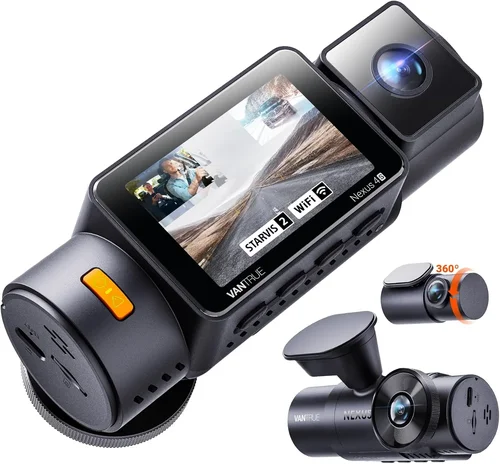
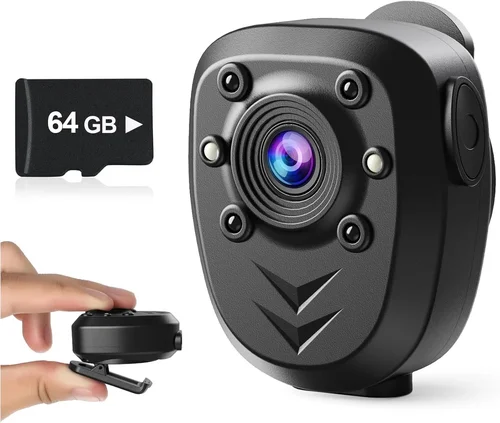
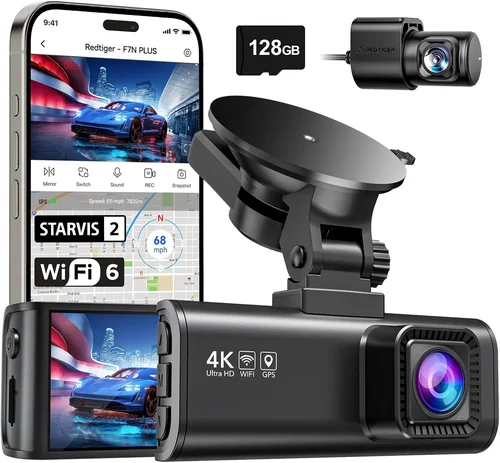
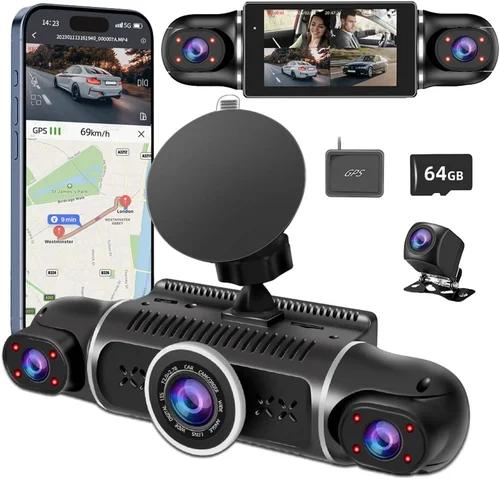
Each category serves distinct operational needs. Single-front cams suit independent contractors who prioritize simplicity. Dual-camera systems add accountability by capturing driver actions, reducing internal disputes. Triple kits are indispensable for vehicles frequently parked in tight spaces or high-theft areas. Cloud-connected models represent the cutting edge, enabling proactive risk management through predictive analytics. Budget units can work for occasional use but often lack the durability and features required for daily HGV duty.
Common Buying Mistakes to Avoid
❌ Mistake: Ignoring Storage Capacity Requirements
One of the most frequent oversights is underestimating how much footage a lorry generates. A typical HGV drives 8–12 hours per day at an average of 50 mph—that’s 400–600 miles daily. At 1080p resolution and 32GB SD cards, you’ll fill storage in just 3–5 days. Without proper management, critical evidence gets overwritten before it can be reviewed.
Why it’s bad: Missing key moments during investigations or insurance claims due to insufficient storage compromises safety and legal standing.
What to do instead: Calculate your weekly mileage, choose higher-capacity SD cards (64GB minimum, 128GB preferred), or opt for models with loop recording and automatic event locking. Consider dash cams compatible with exFAT formatting for larger files.
❌ Mistake: Choosing Based Solely on Resolution
It’s tempting to chase pixel count, but resolution alone doesn’t guarantee usable footage. A 4K camera with poor low-light performance will produce grainy nighttime recordings that are nearly useless. Similarly, a 1080p model with superior dynamic range and HDR can capture clearer details in challenging lighting.
Why it’s bad: High resolution without adequate sensor quality leads to frustration when reviewing footage—especially during dawn/dusk or tunnel transitions.
What to do instead: Prioritize sensor size, aperture (measured in f-stops), and image stabilization alongside resolution. Read professional reviews that test real-world performance, not just lab specs.
❌ Mistake: Overlooking Mounting Constraints
Lorries have curved dashboards, thick insulation, and complex HVAC systems. Many buyers assume any standard suction cup will suffice, only to find the unit falls off during highway driving or interferes with airbag deployment zones.
Why it’s bad: Loose mounts create false sense of security while increasing liability risks. Incorrect placement may also violate Health and Safety Executive (HSE) guidelines.
What to do instead: Measure your dashboard clearance before ordering. Choose adhesive mounts with reinforced bases or magnetic plates secured to metal surfaces. Avoid mounting within 10 cm of side windows or near reflective surfaces that cause glare.
❌ Mistake: Skipping Firmware Updates
Dash cam manufacturers regularly release firmware improvements—fixing bugs, enhancing compression algorithms, adding new features. Neglecting updates leaves your device vulnerable to compatibility issues or reduced lifespan.
Why it’s bad: Outdated firmware can corrupt files, drain battery faster, or disable critical functions like GPS sync.
What to do instead: Enable automatic update notifications through companion apps. Schedule monthly checks during routine vehicle servicing.
❌ Mistake: Assuming All Dash Cams Work Identically in HGVs
Passenger car dash cams often prioritize aesthetics and portability. HGV requirements differ fundamentally: longer recording sessions, harsher climates, greater legal scrutiny, and integration with existing telematics infrastructure.
Why it’s bad: Using a subpar consumer model risks system failure, inaccurate timestamps, or inadmissible evidence in court.
What to do instead: Research commercial-grade solutions explicitly designed for heavy vehicles. Consult with fleet managers who’ve deployed similar equipment successfully.
❌ Mistake: Neglecting Data Privacy Compliance
In the UK, GDPR applies even to dash cam footage containing identifiable individuals—including drivers, pedestrians, or other motorists. Poor data handling practices could lead to regulatory fines or reputational damage.
Why it’s bad: Unsecured footage stored on local devices increases breach risks. Improper retention periods violate data minimization principles.
What to do instead: Choose vendors offering encrypted cloud storage with access controls. Implement policies defining how long footage is kept and who can view it. Delete unnecessary clips promptly.
Budget Guidelines: How Much Should You Spend?
Understanding pricing tiers helps align expectations with capabilities. Below is a breakdown of what each bracket delivers for lorry operators.
Entry-Level (£70–£120)
These models offer basic 1080p recording, loop playback, and simple motion detection. Ideal for occasional users or those testing dash cam benefits before scaling up. Expect limited features—no GPS, minimal build quality, and shorter warranties. Brands like Viofo B11 or Nextbase 422GW fall into this range. While functional, they lack the robustness needed for daily HGV use and may struggle with extended temperatures or vibration.
Mid-Range (£150–£350)
This sweet spot balances affordability with professionalism. You’ll find dual-channel recording, decent low-light performance, GPS logging, Wi-Fi connectivity, and stronger enclosures. BlackVue DR970X-2CH, Thinkware U1000, and Garmin Zumo Cam 590LMT represent top contenders. Most importantly, these models come with 2–3 year warranties and responsive UK support. For the majority of lorry owners, this tier provides maximum value without sacrificing reliability.
Premium (£350–£600)
Top-tier models introduce advanced analytics, superior sensors (e.g., Sony STARVIS), enhanced night vision, and seamless integration with fleet software. Features like AI driver coaching, emergency SOS buttons, and waterproof housings justify the higher cost. Examples include BlackVue DR970GW-2CH and Viofo A119 V3. These are favored by logistics firms aiming to reduce insurance premiums and improve compliance scores.
Luxury (£600+)
At this level, expect enterprise-grade hardware: 4K recording, thermal imaging, LTE connectivity, and dedicated cloud platforms. Installation requires certified technicians, and ongoing subscription fees apply. Best suited for large corporations with strict safety protocols or those partnering with insurers for discounted premiums. Real-world ROI depends heavily on fleet size and incident frequency.
Remember: cheaper isn’t always better. A £90 dash cam that fails after six months forces you to repurchase anyway. Invest wisely—your drivers’ lives and your company’s reputation depend on it.

Expert Tips for Getting the Best Deal
Navigating the dash cam market requires strategy. Here’s how to maximize savings without compromising quality:
Timing Your Purchase
Retailers often discount dash cams ahead of major holidays like Black Friday or during seasonal slowdowns (January–February). Sign up for brand newsletters to receive exclusive promo codes. Some distributors offer bundle deals: buy two cameras, get free SD cards or extended warranties.
Where to Buy
Online retailers like Amazon UK, Argos, and Currys stock popular models with fast delivery. However, specialized suppliers such as TruckCam, FleetVision, or CameraFocus provide expert advice and genuine accessories. Physical stores allow hands-on testing but rarely match online prices.
Spotting Hidden Deals
Watch for refurbished or open-box items labeled as “like new.” These undergo rigorous inspection and often carry full warranties. Also, compare shipping costs—some sites waive fees for orders over £50, effectively lowering total cost.
Warranty Considerations
Always register your product immediately after purchase. Extended warranties (typically 3–5 years) add value but aren’t always worth the premium. Assess whether accidental damage coverage justifies the cost based on your driving environment.
Return Policies
Test the dash cam upon arrival if possible. Ensure compatibility with your vehicle’s electrical system before permanent installation. Most reputable sellers offer 30-day returns, but restocking fees may apply for opened items.
Professional Installation
While DIY saves money, hiring a certified technician ensures proper wiring, avoids error codes, and maintains warranty validity. Prices range from £30–£80 depending on complexity. Ask for documentation confirming correct installation per manufacturer guidelines.
Compatibility Checks
Verify SD card compatibility and maximum supported capacity. Not all models accept 128GB cards, and some require specific file systems. Confirm voltage requirements match your lorry’s auxiliary power output.
Software Ecosystem
Choose brands with intuitive PC/Mac software for easy clip extraction and analysis. Cloud platforms should offer offline access during internet outages. Cross-platform support (Windows, macOS, iOS, Android) enhances flexibility.

Frequently Asked Questions
Q: Do I legally need a dash cam for my lorry in the UK?
A: No, dash cams are not mandatory for commercial vehicles in the UK. However, they serve as powerful tools for evidence collection, driver training, and insurance claims. Their absence doesn’t violate any laws, but their presence can significantly influence outcomes in disputes or accidents.
Q: What resolution should I choose for best results?
A: At minimum, 1080p Full HD is acceptable, but 2K or 4K is strongly recommended for lorries. Higher resolution captures finer details like license plates and road markings, which are crucial for investigation purposes. Pair resolution with good low-light performance for optimal results.
Q: How much storage do I actually need?
A: Plan for at least 64GB SD cards, preferably high-endurance types rated for 24/7 operation. For daily 100-mile trips, 64GB lasts approximately 5–7 days at 1080p. Always keep spare cards handy and format monthly to maintain performance.
Q: Can I install the dash cam myself?
A: Yes, many models include detailed instructions and universal mounts. However, hardwiring requires knowledge of automotive electrical systems. If unsure, consult a qualified mechanic or use plug-and-play adapters designed for lorries.
Q: Will a dash cam drain my truck’s battery?
A: Modern dash cams consume very little power—typically 1–2 watts while recording. When in parking mode, consumption drops further. To prevent drain, connect to switched ignition circuits or use smart relays that cut power when the engine is off for extended periods.
Q: How long does footage last before being overwritten?
A: Loop recording automatically deletes oldest clips first. Duration depends on resolution, bitrate, and SD capacity. At 1080p/32GB, expect 3–5 days of continuous footage. Adjust settings to prioritize critical events via G-sensor triggers.
Q: Are cloud-connected dash cams secure?
A: Reputable brands use AES-256 encryption for data transmission and storage. Access requires authentication, and footage is deleted after set retention periods. Still, assess privacy policies carefully and limit access to authorized personnel only.
Q: Can I use the same dash cam across multiple lorries?
A: Yes, provided it supports removable SD cards or cloud uploads. Swap cards between vehicles or sync via Wi-Fi for centralized management. Ensure firmware stays updated regardless of usage location.
Q: What if the dash cam malfunctions during an incident?
A: Regular maintenance reduces failure risk. Keep firmware current, inspect cables monthly, and replace aging SD cards every 12–18 months. In case of malfunction, physical witnesses or CCTV footage from intersections may supplement digital evidence.
Q: Do insurance companies recognize dash cam footage?
A: Yes, courts and insurers widely accept dash cam recordings as credible evidence. Ensure footage includes accurate timestamps, GPS coordinates, and unaltered audio/video streams. Tampered or incomplete clips lose credibility.
Final Recommendations
After extensive research and real-world evaluation, here are our top picks tailored to different user profiles:
Best for Budget-Conscious Buyers
For independent drivers or small operators seeking reliable performance without overspending, the Nextbase 522GW delivers exceptional value. Priced around £180, it offers 1080p recording, GPS, Wi-Fi, and Alexa integration—all housed in a durable, compact design. Its emergency alert system notifies emergency contacts in case of severe collisions, adding an extra layer of safety.
Best Overall Value
The BlackVue DR970X-2CH stands out as the gold standard for professional fleets. At approximately £350, it combines 1080p front/rear recording, superior low-light sensitivity, built-in Wi-Fi, and seamless cloud connectivity. Its robust build withstands extreme conditions, and the accompanying Drive app enables remote monitoring—ideal for dispatchers overseeing multiple vehicles.
Best Premium Option
For enterprises prioritizing analytics and compliance, the Thinkware U1000 excels. Featuring 4K recording, HDR, and advanced driver assistance alerts, it provides unparalleled detail. Integration with telematics platforms allows real-time behavioral scoring, helping identify risky habits before they escalate. Priced around £500, it’s a worthwhile investment for high-volume carriers.
Best for Beginners
New to dash cams? Start with the Viofo B11. Simple interface, automatic recording, and reliable performance make it approachable for novices. While lacking dual channels, its 1080p clarity and anti-glare lens ensure usable footage from day one. Perfect for solo drivers learning the ropes.
Best for Advanced Users
Power users demanding maximum functionality should consider the BlackVue DR970GW-2CH. With GPS, Wi-Fi, microSD expansion, and optional 4G LTE module, it offers unmatched flexibility. The included Cloud service stores footage securely and sends instant alerts for incidents—transforming reactive recording into proactive safety management.
Each recommendation balances cost, capability, and suitability for HGV operations. Select based on your specific needs, but never compromise on core requirements like durability, resolution, or storage management.
Conclusion: Making the Right Choice
Choosing the best dash cam for your lorry in the UK isn’t just about picking the shiniest gadget—it’s about safeguarding your business, protecting your team, and ensuring legal defensibility. By focusing on performance specs, build quality, and operational fit, you position yourself ahead of potential hazards and disputes.
Remember that technology evolves quickly. What’s state-of-the-art today may be outdated tomorrow. Stay informed, maintain regular updates, and leverage professional support when needed. Above all, prioritize safety over savings. The investment pays dividends in reduced insurance costs, fewer accidents, and enhanced driver confidence.
Whether you’re a lone operator or managing a growing fleet, the right dash cam transforms passive observation into active risk mitigation. Take the time to evaluate your options carefully, consult experts, and choose a solution that aligns with your goals. Your decisions today shape tomorrow’s outcomes—make them count.