Smart Jeep Grand Cherokee Dash Cam Buying Guide
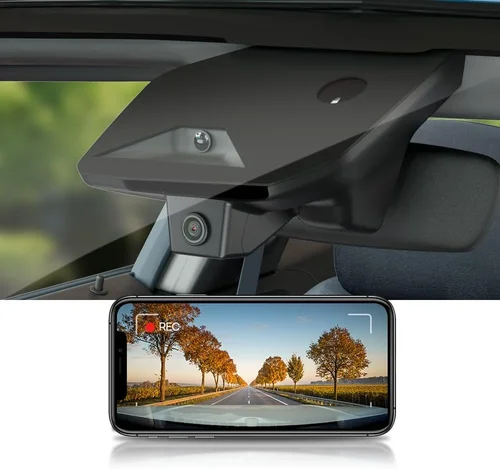
As a Jeep Grand Cherokee owner, you’re likely familiar with the thrill of hitting the trails, navigating urban streets, or simply enjoying the comfort of your vehicle. However, with great adventure comes great responsibility—and sometimes unexpected situations that can leave you vulnerable. That’s where a dash cam becomes an essential piece of equipment, not just for capturing memories but also for providing peace of mind and protection in case of accidents, disputes, or theft.
This comprehensive buying guide is designed specifically for Jeep Grand Cherokee owners who want to make an informed decision when selecting the best dash cam for their vehicle. Whether you’re a weekend warrior tackling off-road terrain or a daily commuter looking for added security, understanding the nuances of dash cam technology and compatibility is crucial. We’ll walk you through everything from technical specifications and mounting considerations to real-world performance scenarios unique to the Grand Cherokee’s cabin layout and power system.
The market for dash cams has exploded in recent years, offering everything from basic single-camera setups to advanced dual-channel systems with GPS tracking, parking mode, and cloud connectivity. With so many options available, it’s easy to feel overwhelmed. This guide cuts through the noise by focusing on features that matter most for Jeep owners, including wide-angle lenses for panoramic views, robust build quality to withstand temperature extremes, seamless integration with your vehicle’s electrical system, and reliable loop recording that doesn’t interfere with your daily driving routine.
By the end of this article, you’ll have a clear understanding of what to prioritize based on your specific needs—whether that means maximizing field-of-view coverage around your large SUV, ensuring stable power during long drives, or finding a model that fits snugly within your dashboard without obstructing visibility. We’ll also share expert tips on installation, maintenance, and troubleshooting common issues, all tailored to the unique characteristics of the Jeep Grand Cherokee platform.
—
What to Look for When Buying Dash Cams
Choosing the right dash cam isn’t just about picking the cheapest or flashiest model—it’s about finding a reliable companion that enhances your driving experience while protecting you legally and financially. Below are the critical factors every Jeep Grand Cherokee owner should evaluate before making a purchase.
1. Budget & Price Range
Your budget sets the foundation for everything else. Dash cams vary dramatically in price, from under $50 for basic models to over $300 for high-end systems with advanced features. For most Jeep owners, spending between $80 and $150 strikes the ideal balance between affordability and functionality. At this mid-tier range, you’ll find solid video quality, decent storage capacity, and essential safety features like motion detection and G-sensor alerts.
Consider how often you drive, the types of roads you travel, and whether you need extra layers of protection (like emergency recording or cloud backup). If you frequently take road trips or commute long distances, investing slightly more upfront can save you headaches later by ensuring consistent performance and durability.
2. Performance Specifications
Video resolution is arguably the most important technical spec. Most reliable dash cams today offer at least 1080p Full HD recording, but many top models now support 2K or even 4K Ultra HD. Higher resolutions capture finer details—such as license plates, road signs, and facial expressions—which can be invaluable during insurance claims or legal disputes. However, keep in mind that higher resolution also means larger file sizes, requiring more frequent SD card swaps or internal storage upgrades.
Frame rate matters too; look for at least 30 frames per second (fps) for smooth playback. Some premium units go up to 60 fps, which helps reduce motion blur during fast-moving traffic or sudden stops. Additionally, consider low-light performance: night vision capabilities using infrared LEDs or enhanced sensor sensitivity ensure clear footage even after sunset.
3. Build Quality & Durability
The Jeep Grand Cherokee often faces harsh conditions—extreme heat in summer, freezing temps in winter, dusty off-road trails, and bumpy terrain. A poorly built dash cam may fail prematurely due to overheating, cracked screens, or loose connections. Opt for models made with shock-resistant materials, anti-glare coatings, and sealed housings rated for temperature extremes (-4°F to 140°F).
Check user reviews for mentions of reliability after prolonged use. Brands known for ruggedness include BlackVue, Garmin, and Nextbase, though even budget-friendly options like Viofo or Rexing have proven durable in real-world testing. Also verify that the lens is scratch-resistant and that the mount securely adheres to your windshield without damaging paint.
4. Features & Functionality
Modern dash cams come packed with useful extras beyond basic recording:
- Loop Recording: Automatically overwrites old footage when storage fills up, so you never lose critical moments.
- G-Sensor (Impact Detection): Triggers emergency saving when sudden deceleration or collision occurs, locking footage from being overwritten.
- Parking Mode: Uses motion or impact detection to record events while parked—ideal for overnight security in unfamiliar areas.
- GPS Tracking: Logs speed, location, and direction, adding context to your recordings and helping reconstruct accident scenes.
- Wi-Fi & App Connectivity: Allows wireless transfer of clips to your smartphone via dedicated apps, simplifying review and sharing.
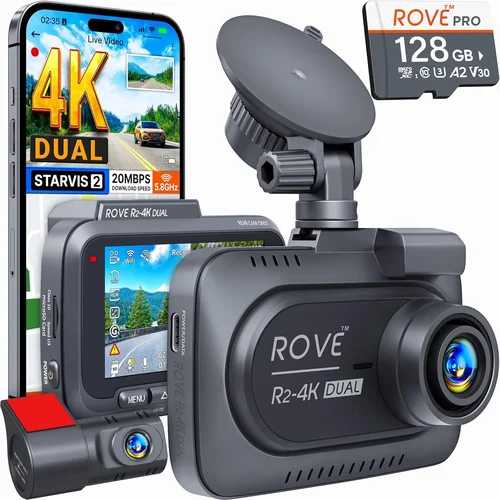
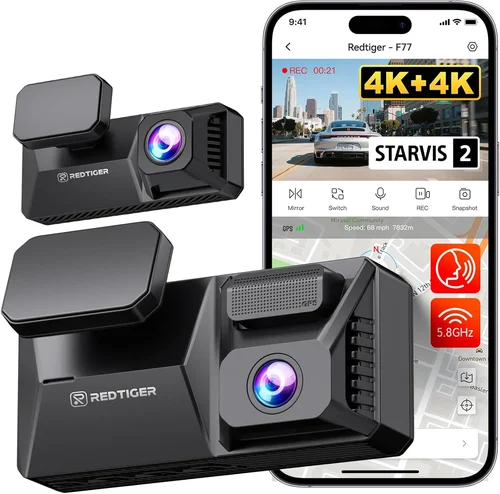
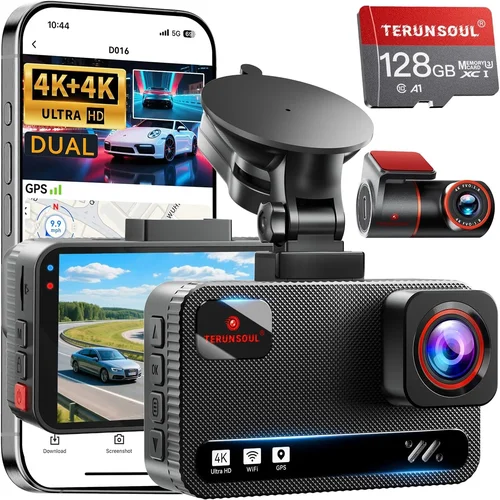
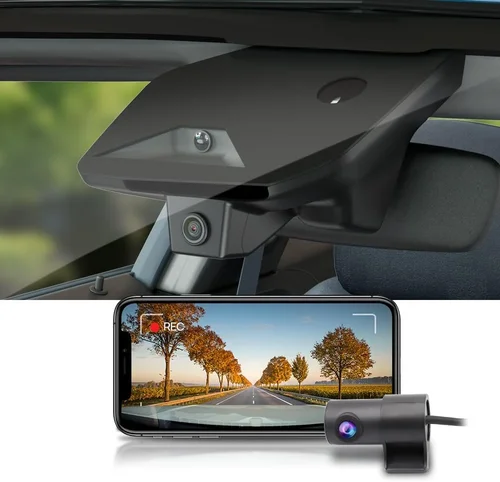
- Dual Camera Systems: Front and rear cameras provide complete coverage, especially helpful for backing into tight spots on narrow trails.
For Jeep owners, dual-camera setups are highly recommended given the size and blind spots of full-size SUVs. Rear-facing cameras help monitor what’s behind you during parking maneuvers or reverse-only trail navigation.
5. Brand Reputation
Stick with established brands that offer responsive customer service, regular firmware updates, and transparent warranty policies. Lesser-known manufacturers may cut corners on components or provide inadequate support if issues arise. Research forums like Reddit’s r/dashcam or consumer review sites to gauge long-term satisfaction.
Top-rated brands among Jeep drivers include:
- BlackVue: Industry leader in cloud-enabled dash cams with military-grade encryption.
- Garmin: Known for intuitive interfaces and strong GPS integration.
- Rexing: Offers excellent value with reliable hardware and good app support.
- Viofo: Popular for budget-friendly models with solid performance.
These companies typically back their products with at least a one-year warranty and offer replacement parts if needed.
6. Warranty & Support
A solid warranty demonstrates confidence in product quality. Aim for at least a one-year limited warranty covering defects in materials and workmanship. Some brands extend coverage to two years or include accidental damage protection. Check whether repairs require shipping the unit back or if local service centers are available nearby.
Also consider the availability of technical support—responsive email, live chat, or phone assistance can make a big difference if you encounter setup difficulties or malfunctions. Read the fine print: some warranties exclude certain environmental conditions (e.g., off-road use), so clarify coverage specifics before purchasing.
7. Size & Portability
The Grand Cherokee’s interior offers ample space, but bulkier dash cams can still block peripheral vision or create glare reflections. Compact designs (under 3 inches wide) sit flush with the dashboard and minimize visual intrusion. Slim profiles also reduce wind noise and aerodynamic drag slightly.
If you plan to move the dash cam between vehicles, portability matters. Look for models with removable mounts or universal brackets compatible with multiple car models. Just ensure the adhesive or suction cup holds firmly even on textured glass or tinted windows common in modern SUVs.
8. User Reviews & Ratings
Real-world feedback reveals truths manufacturers won’t admit. Pay attention to recurring complaints—especially about battery life, Wi-Fi instability, or poor night vision—while noting consistent praise for ease of use, image clarity, and build integrity. Filter reviews by verified purchase status to avoid fake testimonials.
On platforms like Amazon, Walmart, or Best Buy, check star ratings alongside comment counts. A product with hundreds of reviews averaging 4+ stars usually outperforms one with only ten glowing five-star ratings and no negative feedback.
—
Different Types of Dash Cams

—
Common Buying Mistakes to Avoid
❌ Mistake: Ignoring Parking Mode Requirements
Why it’s bad: Many buyers overlook the fact that parking mode requires constant power, which drains your car battery over time—especially in colder climates where engines struggle to turn over. Without proper wiring to the fuse box, your dash cam may shut down unexpectedly or leave your Jeep stranded overnight.
What to do instead: Invest in a hardwiring kit compatible with your Grand Cherokee’s electrical system (usually found under the glove compartment or near the fuse panel). This draws power directly from the ignition circuit, so the dash cam only activates when the engine is running or when motion/impact is detected while parked.
❌ Mistake: Choosing Low Resolution Out of Cost Concerns
Why it’s bad: Saving $20-$30 on a 720p model might seem smart initially, but blurry footage defeats the purpose of having a dash cam. In low-light conditions or at highway speeds, insufficient resolution makes it impossible to identify license plates or discern critical details needed for liability determination.
What to do instead: Prioritize at least 1080p Full HD. For optimal results, aim for 2K resolution if your budget allows. Modern compressors handle higher bitrates efficiently, so don’t assume bigger files mean slower performance.
❌ Mistake: Skipping Loop Recording Settings
Why it’s bad: If loop recording isn’t configured correctly, your dash cam will overwrite important evidence before you realize it. Some models default to short intervals (e.g., 1 minute), meaning urgent clips disappear instantly.
What to do instead: Manually set your loop segment length to 3–5 minutes. This balances storage usage with practical usability. Always review settings after installation and adjust based on driving patterns.
❌ Mistake: Overlooking Night Vision Capabilities
Why it’s bad: Most accidents happen at dusk, dawn, or nighttime. A dash cam that produces grainy, washed-out footage after dark offers little protection. Inadequate low-light sensors lead to false negatives during critical incidents.
What to do instead: Look for models with WDR (Wide Dynamic Range) or HDR (High Dynamic Range) processing, which balances bright headlights with darker road surfaces. Infrared LEDs enhance visibility further, though they’re less effective through windshields unless specially designed.
❌ Mistake: Failing to Secure Firmware Updates
Why it’s bad: Manufacturers release updates to fix bugs, improve compression algorithms, or add new features. Neglecting these means missing out on performance enhancements and potential compatibility fixes with newer SD cards or mobile apps.
What to do instead: Enable automatic update notifications in your dash cam’s app or manually check the manufacturer’s website monthly. Keep your device connected to Wi-Fi whenever possible to streamline the process.
❌ Mistake: Installing Without Professional Guidance
Why it’s bad: DIY installations often result in misaligned lenses, unstable mounts, or improper wiring that compromises safety and functionality. Loose units can become projectiles in crashes; poorly routed cables may interfere with airbag deployment or obstruct driver visibility.
What to do instead: Watch detailed YouTube tutorials specific to your Grand Cherokee model year. Alternatively, consult a certified auto electronics technician—many specialize in dash cam installations and offer same-day service.
❌ Mistake: Using Incompatible SD Cards
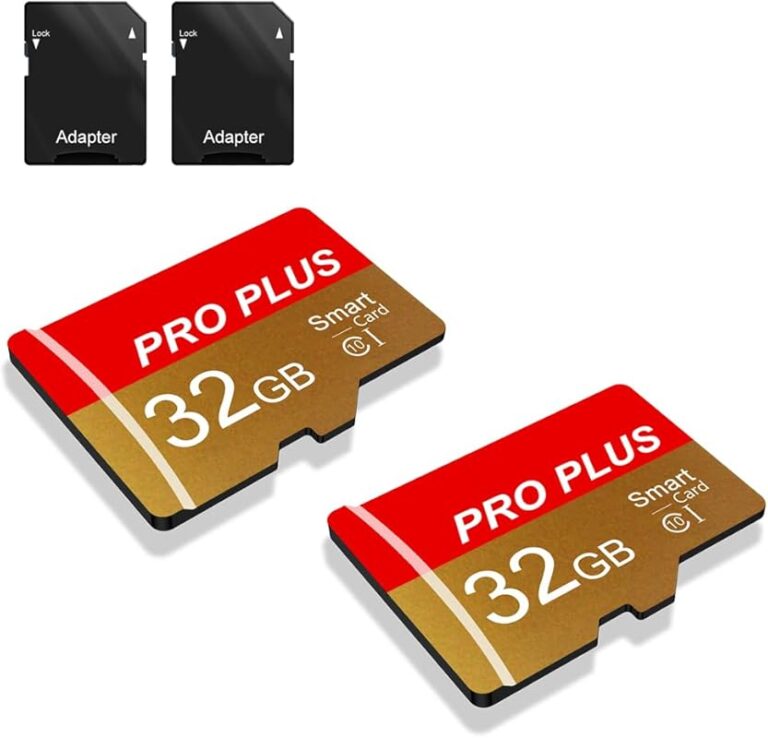
Why it’s bad: Not all microSD cards meet the demanding write speeds required by dash cams. Class 10 or UHS-I/UHS-II cards ensure smooth recording without dropped frames. Cheaper alternatives may corrupt files or fail entirely during extended drives.
What to do instead: Purchase high-quality cards from reputable brands like SanDisk Extreme, Samsung EVO Select, or Lexar Professional. Format them in-camera before first use and replace annually or after 1,000+ recording hours.
—
Budget Guidelines: How Much Should You Spend?
Entry-Level ($50 – $80)
This tier suits occasional drivers or those on a tight budget. Expect basic 1080p recording, loop functionality, and simple mounting. Models here rarely include GPS, Wi-Fi, or parking mode. While adequate for city commuting, they lack robustness for off-road adventures or frequent long-distance travel. Examples include the Apeman C450 and JusTone MiniPro.
Pros: Extremely affordable, plug-and-play operation.
Cons: Limited features, shorter warranty periods, average night performance.
Mid-Range ($80 – $150)
The sweet spot for most Jeep Grand Cherokee owners. Here you’ll find reliable 2K resolution, dual-lens options, G-sensors, and often built-in Wi-Fi. Parking mode is standard, and battery life lasts 2–3 hours on a charge. These models strike a perfect balance between cost and capability.
Pros: Great value, solid build quality, feature-rich.
Cons: May require occasional firmware updates, limited cloud integration.
Recommended picks: Viofo A119 V3 (dual-cam), Rexing V1 Pro, and BlackVue DR970-2CH.
Premium ($150 – $250)
Designed for enthusiasts who demand top-tier performance. Premium units offer 4K recording, advanced HDR, superior night vision, and seamless smartphone integration. Many include cloud connectivity, impact alerts, and customizable settings. Ideal for serious off-roaders, fleet operators, or anyone wanting maximum peace of mind.
Pros: Exceptional detail capture, professional-grade reliability, extensive customization.
Cons: Higher price point, steeper learning curve.
Top contenders: Garmin Dash Cam 67W, Nextbase 522GW, and Thinkware Q800PRO.
Luxury ($250+)
Ultra-high-end dash cams with cutting-edge AI, voice commands, facial recognition, and encrypted cloud storage. These are typically used by law enforcement, ride-share drivers, or ultra-wealthy collectors. For everyday Grand Cherokee owners, they’re overkill—but they represent the pinnacle of automotive surveillance tech.
Examples: BlackVue DR970-X Plus, HPX Pro HD, and some DJI Osmo models.
Note: Unless you’re using your Jeep for commercial purposes or living in a high-risk area, luxury features rarely justify the expense.
—
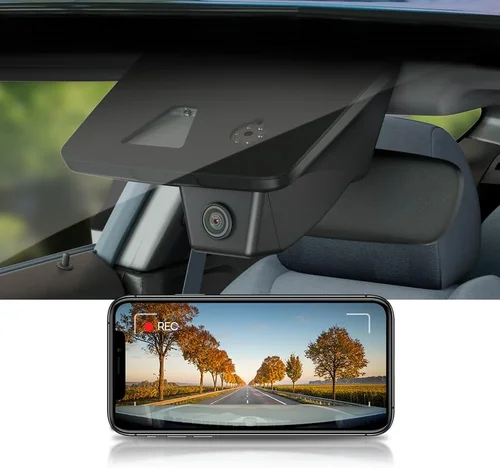
Expert Tips for Getting the Best Deal
Shop Strategically: Compare prices across Amazon, Best Buy, Walmart, and specialty auto electronics stores like Crutchfield or AutoAnything. Subscribe to price-tracking tools like Honey or CamelCamelCamel to monitor fluctuations and alert you when deals drop below your target threshold.
Read the Fine Print: Verify return policies before buying. Most reputable sellers offer 30-day returns, but some third-party vendors impose restocking fees or exclude opened items. Test your dash cam immediately upon arrival—don’t wait until after the return window closes.
Bundle Wisely: Many kits include accessories like hardwiring harnesses, suction cups, and SD cards at discounted rates. Avoid paying full price for add-ons separately; buying bundled packages can save $20–$40.
Check for Rebates: Occasionally, insurers like Progressive or State Farm offer discounts for installing dash cams. Even if you don’t qualify for direct savings, knowing your footage could expedite claims makes the investment worthwhile.
Upgrade Gradually: Start with a mid-range dual-cam system, then add features incrementally. Later, you might invest in a separate rear camera or cloud subscription. This phased approach spreads costs over time and lets you adapt to evolving needs.
Verify Compatibility Early: Confirm that your chosen model works with your Grand Cherokee’s year, trim, and windshield type (tinted vs. clear). Some suction mounts lose adhesion on heavily tinted glass, necessitating adhesive alternatives.
—

Frequently Asked Questions
Q: Can I install a dash cam myself, or do I need a professional?
A: Most dash cams are designed for DIY installation and come with step-by-step instructions. However, parking mode requires hardwiring to your vehicle’s electrical system—something best handled by a professional to avoid damaging wiring harnesses or voiding warranties. For basic setups (single camera + USB charging), self-installation is perfectly safe.
Q: Will a dash cam drain my Jeep’s battery?
A: Yes, if left plugged in continuously without proper wiring. A hardwired dash cam draws minimal power (~0.5 watts), but a portable unit left on overnight can drain a 12V battery in 1–2 days, especially in cold weather. Always use a capacitor or smart switch to prevent deep discharge.
Q: What’s the best SD card size for dash cam use?
A: For 1080p recording, a 32GB card suffices for ~4 hours of footage. At 2K resolution, opt for 64GB or 128GB to accommodate longer drives. Format cards in-camera before first use and replace every 12 months or after 1,000+ hours of recording to maintain performance.
Q: Do dash cams work in extreme temperatures?
A: Quality models operate reliably between -4°F and 140°F. However, prolonged exposure to desert heat or arctic cold can degrade battery life and screen responsiveness. Park in shaded areas when possible and ensure ventilation around the unit.
Q: Are dash cam videos admissible in court?
A: Generally yes, provided they’re unedited and timestamped accurately. Courts accept dash cam footage as objective evidence, though authenticity must be verified. Store original files securely and avoid modifying timestamps or deleting segments without legal counsel present.
Q: Should I get a front-only or dual-camera system?
A: Dual-camera systems are strongly recommended for SUVs like the Grand Cherokee due to their size and blind spots. Rear cameras help document backing incidents, parking maneuvers, and potential tailgaters—critical for both safety and liability protection.
Q: How often should I clean my dash cam lens?
A: Clean weekly with a microfiber cloth and lens-safe cleaner. Avoid abrasive materials that scratch the hydrophobic coating. Fogging or smudges reduce visibility significantly, especially at night.
Q: Can I use my dash cam while charging my phone?
A: Only if your model includes a USB passthrough port and sufficient power output. Otherwise, plugging in another device may cause voltage drops, triggering shutdowns or corrupting recordings. Use a dedicated power source instead.
Q: Is parking mode worth the extra hassle?
A: Absolutely—if you park in high-theft areas, construction zones, or remote trailheads. Motion-triggered recording captures hit-and-runs, vandalism, or curious animals approaching your vehicle. Pair it with a dash cam with impact detection for maximum protection.
Q: What if my dash cam freezes or crashes frequently?
A: This usually indicates software glitches or incompatible firmware. Perform a factory reset, update to the latest version, and ensure your SD card isn’t corrupted. If problems persist, contact customer support—most reputable brands offer troubleshooting guides or remote diagnostics.
—
Our Final Recommendations
Best for Budget-Conscious Buyers
The Apeman C450 delivers crisp 1080p video at an unbeatable price point. Its compact design fits neatly under your Grand Cherokee’s dashboard, and loop recording ensures you never miss key moments. While it lacks Wi-Fi or GPS, its reliability and straightforward operation make it ideal for casual drivers seeking essential protection without breaking the bank.
Best Overall Value
The Viofo A119 V3 dominates this category with 2K front/rear dual recording, exceptional night vision, and robust build quality. It includes all critical features—G-sensor, parking mode, and seamless app integration—at a mid-range price. Thousands of verified reviews praise its stability and ease of use, making it our top pick for most Jeep owners.
Best Premium Option
The Garmin Dash Cam 67W stands out for its crystal-clear 1080p footage, built-in GPS, and voice-activated controls. It integrates flawlessly with Garmin’s ecosystem, offering cloud backup and real-time incident tagging. Though pricier, its durability, intuitive interface, and professional-grade reliability justify the investment for serious adventurers.
Best for Beginners
The Rexing V1 Pro offers plug-and-play simplicity with automatic updates and a user-friendly mobile app. Its 2K resolution and 170° wide-angle lens capture expansive views, while loop recording and motion detection require no configuration. Perfect for first-time dash cam owners who want hassle-free protection.
Best for Advanced Users
The BlackVue DR970-2CH leads the pack with military-grade encryption, cloud connectivity, and customizable event triggers. Its dual-channel recording, impact alerts, and remote viewing capabilities cater to tech-savvy drivers who demand maximum control and security. Ideal for off-road explorers or those prioritizing data privacy above all else.
—
Conclusion: Making the Right Choice
Selecting the best dash cam for your Jeep Grand Cherokee ultimately hinges on aligning features with your lifestyle, driving habits, and risk tolerance. Whether you’re a weekend trailblazer or a daily urban commuter, the right device provides tangible benefits: documented proof in disputes, enhanced awareness of surroundings, and invaluable peace of mind knowing you’re protected regardless of circumstance.
We’ve explored everything from technical specs and budget tiers to installation pitfalls and brand comparisons. Remember, the cheapest option rarely delivers lasting value, while overspending on unnecessary luxuries wastes resources better spent elsewhere. Focus instead on core requirements—resolution, durability, and essential safety functions—and let those guide your decision.
Before finalizing your purchase, assess your typical routes, parking environments, and how often you drive alone versus with passengers or cargo. If you frequently navigate narrow forest roads or parallel park in tight city spaces, a rear camera adds crucial perspective. If you leave your Jeep unattended overnight in questionable neighborhoods, prioritize parking mode with reliable power management.
Finally, don’t underestimate the importance of ongoing maintenance: clean lenses regularly, replace aging SD cards, and stay updated on firmware releases. Treat your dash cam as an integral part of your vehicle’s safety arsenal, not just a gadget. With the right choice, it will serve faithfully mile after mile, safeguarding your journeys and preserving cherished memories along the way.
Take the time to research thoroughly, compare options carefully, and trust your instincts. After all, when it comes to protecting yourself and your loved ones on the open road—or winding mountain trails—there’s no substitute for preparation and foresight.