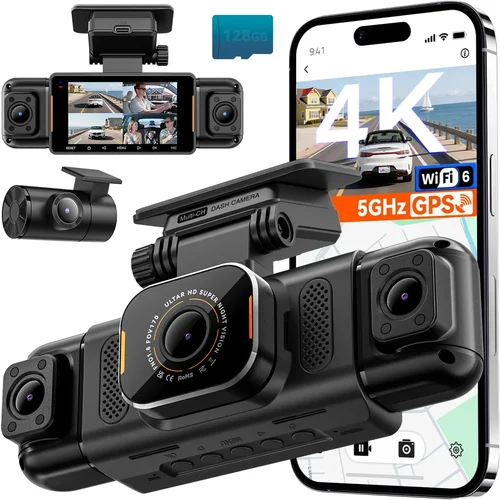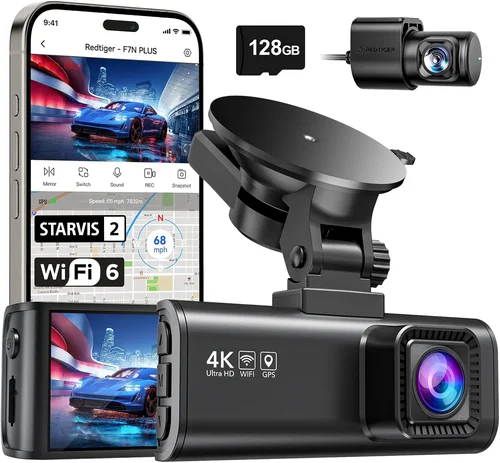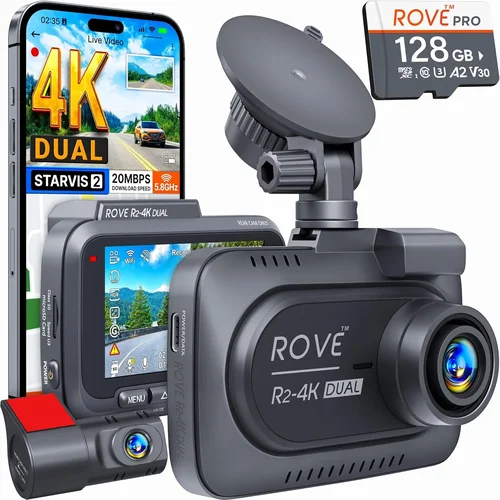
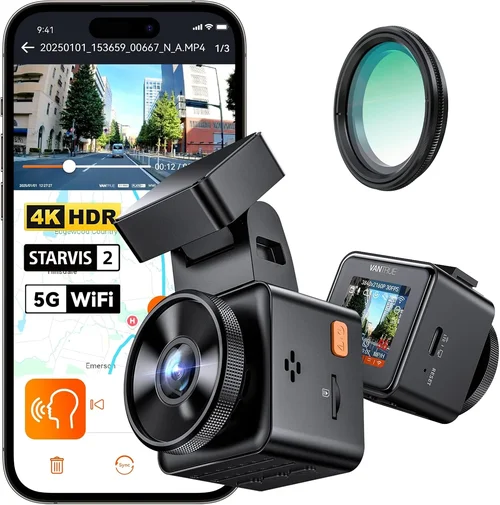
Expert Dash Cam Buying Guide
Why this comprehensive buying guide matters
Choosing the right dash cam for your vehicle is more than just picking up any camera from a store shelf. It’s about finding a reliable witness to your journey, a digital protector that can capture critical moments when you need them most. Whether you’re dealing with insurance claims, seeking evidence in disputes, or simply wanting peace of mind on the road, the dash cam you select plays a crucial role in your driving safety and legal protection. With the market flooded with options ranging from basic entry-level models to advanced systems with multiple cameras and AI features, making an informed decision becomes essential.
This guide will walk you through everything you need to know about selecting the best dash cam for Jeep vehicles, with special attention to Bluetooth connectivity capabilities. You’ll learn how to evaluate different features, understand technical specifications, compare price ranges, and identify potential pitfalls to avoid. By the end of this comprehensive review, you’ll have the knowledge and confidence to choose a dash cam that not only fits your Jeep but also meets your specific needs for recording quality, ease of use, and connectivity features.
Understanding the current dash cam landscape reveals several key trends driving consumer interest. Modern dash cams are evolving beyond simple video recording into sophisticated monitoring systems that can alert drivers to potential hazards, automatically save important footage, and even provide real-time alerts about nearby traffic violations. The integration of Bluetooth technology has become increasingly popular, allowing seamless smartphone pairing for easy file transfer, live viewing, and remote control capabilities. For Jeep owners specifically, who often take their vehicles off-road or drive in challenging conditions, having a robust dash cam system can provide invaluable documentation of adventures and incidents alike.
What to Look for When Buying Dash Cams
Budget & Price Range
One of the first decisions you’ll need to make is determining your budget for a dash cam. Prices vary dramatically across the market, from under $50 for basic models to over $400 for premium systems with multiple cameras and advanced features. While it might be tempting to go for the cheapest option available, investing in a quality dash cam is essentially paying for peace of mind and potential legal protection. Consider how much value you place on having reliable evidence in case of accidents or disputes.
For most drivers, a mid-range dash cam offers the best balance of features and affordability. These typically range from $100 to $200 and include solid recording quality, adequate storage capacity, and reliable performance. Premium models above $300 often come with additional cameras, superior image processing, enhanced night vision, and more sophisticated connectivity options like dual-band Wi-Fi and Bluetooth 5.0.
Performance Specifications
The core of any dash cam is its ability to capture clear, usable footage. Several key performance metrics determine how well a dash cam will serve your needs:
Resolution is perhaps the most important specification, with Full HD (1920×1080) being the minimum recommendation for good clarity and detail. Higher resolutions like 4K offer exceptional detail but may impact battery life and storage requirements. Frame rate matters too – 30fps is standard and sufficient for most situations, while 60fps provides smoother motion recording that can be helpful for capturing fast-moving objects or detailed license plate information.
Field of view (FOV) determines how much of the road ahead and surrounding areas your dash cam can capture. A wider angle (typically 130-170 degrees) provides better coverage but may introduce some distortion at the edges. The optimal FOV depends on your driving style and typical route conditions.
Night vision capabilities are crucial since many accidents occur in low-light conditions. Look for dash cams with excellent low-light performance, infrared LEDs, or specialized night vision modes. Some high-end models use advanced sensors that perform exceptionally well in darkness.
Storage capacity and loop recording functionality work together to ensure continuous operation. Most dash cams use microSD cards ranging from 32GB to 128GB or more. Loop recording automatically overwrites the oldest footage when the card is full, ensuring you always have recent recordings available. Consider how long you want to keep footage and factor in the bitrate of your chosen resolution to calculate appropriate storage needs.
Build Quality & Durability
Given that dash cams are exposed to extreme temperatures, direct sunlight, and potentially harsh weather conditions, build quality is non-negotiable. Look for devices with sturdy housing materials, secure mounting systems, and reliable power connections. For Jeep owners specifically, consider dash cams designed to withstand off-road vibrations and temperature extremes.
The mounting system should be secure enough to stay in place during bumpy terrain or sudden stops while still allowing for proper positioning toward the windshield. Magnetic mounts offer convenience but may not be as secure as adhesive or screw-based alternatives. Water resistance ratings can also be important, especially if you frequently drive in rain or snow.
Power supply reliability is another aspect of durability. Hardwired installations provide continuous power but require professional installation. USB car chargers are easier to install but tie your dash cam’s operation to your vehicle’s ignition cycle. Some models feature built-in batteries that allow operation during power outages or when unplugged temporarily.
Features & Functionality
Modern dash cams offer numerous features beyond basic video recording. GPS tracking records your location and speed data alongside video, which can be valuable for accident reconstruction and verifying your movements. Built-in G-sensors detect impacts and automatically lock or save relevant footage, preventing accidental deletion during loop recording cycles.
Parking mode functionality allows the dash cam to monitor your vehicle while parked, triggering recording when motion is detected or when significant impacts occur. This feature requires either a constant power connection or a parking mode cable that draws minimal power even when the car is off.
Audio recording capabilities provide additional context but come with privacy considerations. Some jurisdictions have laws restricting audio recording, so check local regulations before enabling this feature. Voice commands and touch controls can enhance usability, though they may distract drivers if used improperly.
Advanced connectivity options like Bluetooth enable smartphone pairing for easy file transfers, live viewing through companion apps, and sometimes remote control capabilities. Wi-Fi connectivity offers faster data transfer speeds compared to Bluetooth, allowing quicker access to stored footage and more efficient over-the-air updates.
Brand Reputation
Well-established brands often provide better customer support, more reliable products, and longer warranty periods. Companies like BlackVue, Garmin, Nextbase, and Thinkware have built strong reputations in the dash cam industry through consistent product quality and responsive customer service. Research user reviews and expert opinions about specific models before making your purchase.
Consider how long the company has been in business and whether they specialize exclusively in dash cams or if they produce other automotive electronics. Specialization can indicate deeper expertise in this specific product category. Also examine the availability of firmware updates and how frequently new features or improvements are released.
Warranty & Support
A solid warranty demonstrates manufacturer confidence in their product quality. Most reputable dash cam companies offer at least a one-year warranty, with some providing two or three years of coverage. Extended warranties may be available for purchase, though assess whether the additional cost justifies the extra protection.
Customer support quality varies significantly between manufacturers. Look for companies with multiple support channels including phone, email, live chat, and comprehensive online resources. Check response times and the helpfulness of support staff by reading customer service reviews.
Size & Portability
Dash cam size affects both aesthetics and functionality. Larger models may offer more features and better cooling systems but can be more obtrusive and harder to hide. Smaller dash cams are less noticeable but may sacrifice some capabilities. For Jeep owners who value interior aesthetics, compact designs that blend seamlessly with the dashboard can be particularly appealing.
Portability is another consideration if you plan to transfer your dash cam between vehicles or remove it periodically for security purposes. Some models feature removable batteries or modular designs that make transportation easier. Weight distribution and center of gravity effects are minimal but worth noting for off-road enthusiasts concerned about vehicle balance.
User Reviews & Ratings
Real-world user experiences provide invaluable insights beyond technical specifications. Pay attention to recurring themes in positive and negative reviews, particularly regarding reliability issues, software bugs, or unexpected limitations. Look for patterns rather than isolated complaints or overly enthusiastic praise.
Check multiple review sources including manufacturer websites, major retail platforms, and independent review sites. Be wary of suspiciously perfect reviews or those that seem overly promotional. Focus on detailed reviews that discuss real-world usage scenarios and performance over extended periods.

Different Types of Dash Cams

Common Buying Mistakes to Avoid
❌ Mistake: Choosing solely based on lowest price
Why it’s bad: The cheapest dash cam often lacks essential features, has poor build quality, or uses inferior sensors that compromise video quality. In critical situations where clear footage could make the difference between winning and losing an insurance claim or legal dispute, cheap equipment may fail when needed most.
What to do instead: Establish your must-have features first, then search within those parameters. Set a reasonable budget ceiling and look for the best value within that range rather than chasing absolute lowest prices. Remember that a dash cam is essentially an investment in your safety and legal protection.
❌ Mistake: Overlooking storage requirements
Why it’s bad: Insufficient storage capacity means your dash cam will constantly overwrite important footage or stop recording entirely when the memory card fills up. This defeats the primary purpose of having a dash cam for evidence preservation.
What to do instead: Calculate your storage needs based on recording duration, resolution, and desired retention period. Factor in that higher resolutions and frame rates consume more storage space. Consider purchasing extra memory cards or cloud storage subscriptions if your model supports them.
❌ Mistake: Ignoring compatibility issues
Why it’s bad: Not all dash cams work well with every vehicle, especially larger trucks or SUVs with deep dashboards. Poor compatibility can lead to installation difficulties, inadequate field of view, or interference with existing electronics.
What to do instead: Research your specific vehicle model and check compatibility with potential dash cam purchases. Read reviews from other owners of the same vehicle to identify any known issues or successful installations.
❌ Mistake: Skipping research on local laws
Why it’s bad: Many jurisdictions have specific regulations regarding dash cam usage, particularly concerning audio recording and privacy. Using a dash cam in violation of local laws could result in fines or legal complications.
What to do instead: Check your state or country’s laws regarding electronic surveillance and audio recording. Some areas require disclosure of recording devices, while others prohibit certain types of recording altogether. Adjust your dash cam settings accordingly.
❌ Mistake: Neglecting maintenance requirements
Why it’s bad: Dash cams require regular maintenance including cleaning lenses, checking memory cards, and occasionally updating firmware. Neglecting these tasks can lead to degraded video quality, corrupted files, or complete failure.
What to do instead: Create a simple maintenance schedule and stick to it. Keep spare memory cards on hand and establish a routine for reviewing and backing up important footage. Regular cleaning ensures optimal optical performance.
❌ Mistake: Assuming all features are equally useful
Why it’s bad: Some dash cam features may be unnecessary gimmicks rather than genuinely helpful tools. Investing in a model with excessive features you won’t actually use wastes money and potentially introduces complexity without benefit.
What to do instead: Make a list of features that align with your actual needs and priorities. Focus on core capabilities like recording quality, reliability, and ease of use rather than getting distracted by bells and whistles.
Budget Guidelines: How Much Should You Spend?
Entry-Level ($50 – $100): For occasional drivers or those testing dash cam technology for the first time, entry-level models provide basic functionality at an affordable price point. These typically offer Full HD recording, adequate night vision, and essential safety features like G-sensor impact detection. While build quality may not match higher-end models, entry-level dash cams can still provide valuable evidence when accidents occur.
Mid-Range ($100 – $200): This sweet spot represents the best value proposition for most buyers. Mid-range dash cams typically feature superior image sensors, better low-light performance, improved build quality, and more advanced features like GPS tracking, parking mode, and reliable Bluetooth connectivity. For Jeep owners who want dependable protection without breaking the bank, this range offers excellent bang for your buck.
Premium ($200 – $400): High-end dash cams deliver professional-grade performance with superior optics, advanced image processing, multiple camera options, and cutting-edge connectivity features. These models often include cloud connectivity, automatic emergency notifications, and sophisticated AI-powered safety alerts. If you demand the absolute best performance and feature set, premium options justify their higher price through enhanced reliability and functionality.
Luxury ($400+): Ultra-premium dash cams represent the pinnacle of automotive recording technology, featuring 4K recording, multiple ultra-wide-angle lenses, professional-grade image stabilization, and extensive cloud integration capabilities. These systems are typically designed for commercial fleet operators or serious enthusiasts who require maximum performance and data management capabilities. For most individual drivers, luxury features may exceed practical needs unless specific requirements demand such advanced capabilities.
Expert Tips for Getting the Best Deal
Timing your purchase around seasonal sales can yield significant savings. Major shopping holidays like Black Friday, Cyber Monday, and Memorial Day weekend often feature substantial discounts on dash cam models. Additionally, end-of-season clearance sales in late winter or early spring can offer excellent deals on current year models as manufacturers prepare for next generation releases.
Researching retailer return policies is crucial since dash cams can be tricky to evaluate without hands-on testing. Choose retailers with generous return windows (at least 30 days) and restocking fee policies that accommodate returns. Some manufacturers also offer direct-to-consumer sales with extended return periods, giving you more flexibility to test the device in your specific vehicle.
Comparing prices across multiple retailers helps ensure you’re getting competitive pricing. Online marketplaces often feature bundled deals including extra memory cards or accessories, while specialty electronics stores may offer installation services or extended warranties. Don’t forget to check manufacturer websites directly, as they sometimes run exclusive promotions or offer refurbished units at reduced prices.
Reading user manuals thoroughly before installation prevents common setup errors and maximizes your dash cam’s capabilities. Understanding your device’s specific features and limitations upfront avoids disappointment later and ensures you configure everything correctly from the start. Many manufacturers provide downloadable PDF manuals with detailed installation guides and troubleshooting tips.
Testing your dash cam immediately after installation verifies proper functionality and helps identify any compatibility issues with your vehicle’s electronics. Check recording quality, audio levels, GPS accuracy, and Bluetooth connectivity while the engine is running. If possible, take the vehicle for a short drive to confirm everything works as expected under real-world conditions.
Considering extended warranty options carefully balances additional protection against the cost. While basic warranties typically cover defects and hardware failures, extended warranties may include accidental damage protection or accidental breakage coverage. Evaluate whether the added expense provides meaningful protection given your driving habits and vehicle usage patterns.
When to buy (seasonal sales, timing)
Retailers often slash dash cam prices during major shopping events like Black Friday, Cyber Monday, and Prime Day. These periods typically offer 20-40% discounts on select models. Additionally, manufacturers may announce new model releases in early spring or fall, prompting clearance sales of previous generations.
Where to buy (retailers, online vs in-store)
Major electronics retailers like Best Buy and Amazon offer broad selection and competitive pricing. Specialty automotive stores may provide better installation services and vehicle-specific advice. Direct manufacturer websites sometimes feature exclusive bundles and extended warranties unavailable elsewhere.
How to spot deals
Look for bundle packages that include extra accessories like memory cards or mounting kits. Subscribe to retailer newsletters for exclusive coupon codes and early access to sales. Price-matching guarantees allow you to match lower prices found elsewhere, though terms and conditions vary by retailer.
Warranty considerations
Extended warranties should be evaluated based on product reliability and your usage patterns. Consider manufacturer-direct warranties versus third-party providers. Read fine print regarding coverage exclusions and claim procedures before purchasing.
Return policies
Choose retailers with liberal return policies (minimum 30-day window) and reasonable restocking fees. Test your dash cam thoroughly before finalizing the purchase, checking recording quality, connectivity features, and overall performance.
Testing before buying
If purchasing in person, request demonstration units to evaluate build quality and interface usability. Ask about compatibility with your specific vehicle model and inquire about any known issues reported by other customers.

Frequently Asked Questions
Q: What resolution should I look for in a dash cam?
A: For reliable evidence quality, aim for at least Full HD (1920×1080) resolution. This provides sufficient detail for identifying license plates and facial features while maintaining reasonable file sizes. Higher resolutions like 4K offer exceptional clarity but require more storage space and processing power, potentially impacting battery life and performance.
Q: How much storage do I actually need?
A: Storage requirements depend on your usage patterns, recording resolution, and desired retention period. As a general guideline, 32GB cards typically hold 2-3 hours of Full HD recording at standard settings. Calculate your needs based on how frequently you replace footage and whether you want to keep recordings longer than a few days. Consider purchasing extra cards or cloud storage subscriptions for extended retention.
Q: Can dash cams record audio?
A: Most modern dash cams include audio recording capabilities, but legality varies by jurisdiction. Some regions prohibit audio recording without consent, so check local laws before enabling this feature. Even where legal, consider privacy implications and adjust microphone sensitivity to avoid capturing unnecessary conversations.
Q: Do I need professional installation?
A: Simple dash cams using suction cups or adhesive mounts can usually be installed by owners following provided instructions. More complex installations involving hardwiring or multiple cameras may require professional help. Weigh the difficulty against your comfort level with automotive electronics and the importance of proper installation for safety and warranty validity.
Q: How do I choose the right field of view?
A: Field of view (FOV) determines how much of the road and surroundings your dash cam captures. Wider angles (130-170 degrees) provide better coverage but may introduce edge distortion. Narrower angles (around 120 degrees) reduce distortion but show less peripheral vision. For most drivers, 140-150 degrees offers a good balance between coverage and image quality.
Q: What’s the difference between loop recording and event recording?
A: Loop recording continuously overwrites the oldest footage when storage fills up, ensuring uninterrupted recording. Event recording triggered by impact sensors, voice commands, or manual activation creates locked files that aren’t overwritten during normal operation. Most dash cams combine both modes, using loop recording for continuous background capture and event recording for important incidents.
Q: How do I clean and maintain my dash cam?
A: Regular lens cleaning with microfiber cloths removes dust and smudges without scratching the glass. Check memory card status monthly and format cards regularly to prevent corruption. Update firmware when new versions become available, and keep spare memory cards on hand. Store the dash cam in a cool, dry place when not in use to prolong component lifespan.
Q: Can I use my dash cam while parked?
A: Many dash cams feature parking mode that monitors your vehicle while powered off. This requires either a constant power connection or a parking mode cable that draws minimal power. When motion or impact is detected, the dash cam begins recording to capture potential incidents. Battery backup options allow limited recording time during power outages.
Q: How do Bluetooth dash cams improve my experience?
A: Bluetooth connectivity enables seamless smartphone pairing for easy file transfers, live viewing through companion apps, and remote control capabilities. This eliminates the need to physically remove memory cards and insert them into computers. Advanced Bluetooth features may include automatic cloud uploads, driver behavior analytics, and integration with navigation systems.
Q: What should I do with old dash cam footage?
A: Important footage related to accidents or disputes should be preserved securely and shared with relevant parties. Regular review helps identify problematic driving patterns and improves safety awareness. Most dash cam apps allow organization and tagging of files for easy retrieval. Consider establishing a backup system for critical recordings, whether through cloud storage or external hard drives.
Our Final Recommendations
Best for Budget-Conscious Buyers
For Jeep owners looking for reliable protection without breaking the bank, the Thinkware U1000 stands out as an exceptional value proposition. This dual-lens dash cam delivers 2K QHD recording quality with outstanding low-light performance, making it suitable for both highway driving and off-road adventures. Its robust build quality ensures durability in challenging conditions, while intuitive controls and reliable Bluetooth connectivity provide convenient smartphone integration.
The U1000’s advanced image processing technology produces crisp, detailed footage that holds up well in various lighting conditions. Its compact design doesn’t obstruct views while providing comprehensive front and rear coverage. For Jeep enthusiasts who want professional-grade performance at an accessible price point, this model represents the perfect balance of capability and affordability.
Best Overall Value
The Garmin Dash Cam 76 offers an impressive combination of features, reliability, and ease of use that makes it our top choice for most Jeep owners. With 1440p recording quality, excellent night vision capabilities, and reliable GPS tracking, it captures detailed footage while building a precise driving history. Its simple interface and straightforward installation process appeal to both tech-savvy users and those less comfortable with complex electronics.
What sets the Garmin apart is its seamless integration with the Garmin Driver App, which provides intuitive file management, live viewing capabilities, and automatic cloud backup options. The dash cam’s compact form factor fits discreetly in Jeep interiors while its advanced safety features include lane departure warnings and forward collision alerts. For comprehensive protection with user-friendly operation, this model delivers outstanding value.
Best Premium Option
For Jeep owners seeking the ultimate dash cam experience, the BlackVue DR970X-2CH Cloud Dash Cam represents the gold standard in automotive recording technology. This dual-camera system features 4K UHD recording capability with exceptional dynamic range and low-light sensitivity, ensuring crystal-clear footage regardless of lighting conditions or driving scenarios.
Its advanced cloud connectivity provides real-time live viewing, instant event notification, and automatic cloud backup of critical footage. The built-in Wi-Fi and Bluetooth 5.0 ensure seamless smartphone integration, while its robust build quality handles the rigors of off-road adventures. Professional-grade features like HDR imaging, advanced noise reduction, and intelligent parking mode make this system ideal for serious enthusiasts and professionals requiring maximum performance.
Best for Beginners
New to dash cam technology? The Viofo A119 v3 offers an approachable introduction to automotive recording without sacrificing essential features. With Full HD recording, reliable night vision, and straightforward operation, it provides the fundamental capabilities needed for everyday protection.
Its user-friendly interface and simple setup process eliminate the learning curve associated with more complex systems. The dash cam’s compact size and magnetic mount provide flexible installation options, while its affordable price point makes it accessible for first-time buyers. For Jeep owners exploring dash cam technology, this model offers a risk-free way to experience the benefits of automotive recording.
Best for Advanced Users
Power users and tech enthusiasts will appreciate the advanced capabilities of the Nextbase 522GW. This premium dash cam combines 2K recording quality with sophisticated AI-powered safety features including collision alerts, speed limit notifications, and emergency SOS capabilities.
Its dual-lens configuration provides comprehensive front and rear coverage, while the built-in Wi-Fi enables instant social media sharing and cloud backup. The dash cam’s advanced connectivity options include Apple CarPlay integration and Alexa voice control, creating a truly connected driving experience. For Jeep owners who demand cutting-edge technology and maximum functionality, this system delivers professional-grade performance with consumer-friendly operation.
Conclusion: Making the Right Choice
Selecting the best dash cam for your Jeep involves careful consideration of multiple factors including your budget, specific needs, driving habits, and desired features. Rather than focusing solely on price or brand reputation, prioritize understanding your own requirements and matching them with appropriate capabilities. Whether you’re primarily concerned with basic protection, want comprehensive coverage for off-road adventures, or seek advanced connectivity features, there’s a dash cam solution that fits your needs.
Remember that a dash cam represents an investment in your safety, security, and peace of mind on the road. By taking the time to research thoroughly, read real user experiences, and understand technical specifications, you’ll make an informed decision that serves you well for years to come. The ideal dash cam isn’t necessarily the most expensive or feature-packed option, but rather the one that reliably captures high-quality footage when it matters most while fitting comfortably within your budget and lifestyle.
As you evaluate different options, consider how each dash cam aligns with your Jeep ownership experience—whether you’re navigating city streets, tackling mountain trails, or embarking on cross-country journeys. Whatever your driving preferences, the right dash cam will provide valuable documentation, enhance your sense of security, and potentially prove invaluable in resolving disputes or protecting your interests.