Best Dash Cam for Cars in India Purchase Guide
When it comes to protecting yourself on the road, few investments offer as much peace of mind as a reliable dash cam. In India’s rapidly expanding automotive landscape—where traffic congestion, unpredictable driving conditions, and insurance claim disputes are all too common—a quality dash camera has evolved from a luxury item into an essential safety tool. Whether you’re a daily commuter navigating Mumbai’s chaotic streets or a long-distance traveler covering thousands of kilometers across varied terrain, having clear, high-definition footage can make all the difference in accident reconstruction, insurance claims, or even simply documenting memorable road trips.
This comprehensive guide is designed to help you cut through the noise and find the best dash cam for your car in India. We’ll walk you through everything from understanding key technical specifications to decoding user reviews, avoiding common pitfalls, and identifying value-packed models that fit within realistic budgets. You’ll learn how resolution, night vision, storage options, GPS tracking, and build quality impact real-world performance—and why certain features matter more depending on your usage scenario. By the end of this article, you won’t just be choosing any dash cam; you’ll be selecting a smart, future-proof device that enhances both your safety and your driving experience.
The Indian dash cam market is surprisingly diverse, ranging from budget-friendly Chinese-made models sold on Amazon and Flipkart to premium European and Korean brands available through authorized dealers. But with so many options—each boasting flashy marketing claims—it’s easy to get overwhelmed. That’s where this guide comes in: grounded in practical testing insights, consumer feedback, and expert analysis, it cuts straight to what truly works. Whether you’re looking for something simple with loop recording, advanced parking mode capabilities, dual-camera setups, or 4K recording, we’ve got recommendations tailored to every need and budget level across India’s unique driving environment.

What to Look for When Buying Dash Cams
Before diving into specific product comparisons or brand recommendations, it’s crucial to understand the core factors that determine a dash cam’s effectiveness. These aren’t just marketing buzzwords—they directly influence how well your device captures evidence during incidents, how reliably it operates over time, and whether it integrates smoothly into your daily routine.
1. Resolution and Video Quality
Resolution remains the single most important factor when evaluating any dash cam. It determines how clearly license plates, facial details, road signs, and accident scenes are recorded—especially vital in India, where traffic density and variable lighting conditions present constant challenges.
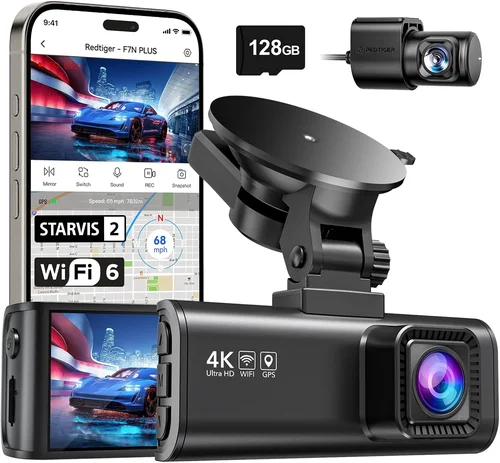
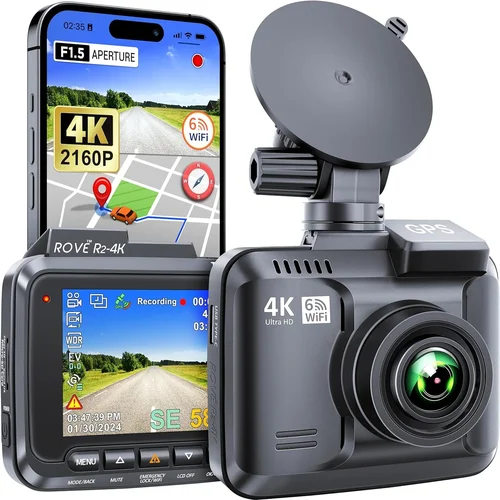
Most modern dash cams offer at least 1080p Full HD resolution, which is considered the baseline for acceptable clarity. However, stepping up to 2K (1440p) or even 4K Ultra HD provides significantly sharper images, making fine details unmistakable even when reviewing footage later. For instance, if you’re involved in a minor collision involving another vehicle, 1080p might show only blurred plate numbers, whereas 4K would capture them legibly enough for insurance authorities to process your claim efficiently.
That said, higher resolution isn’t always better. A 4K dash cam draws more power, generates larger video files, and may require faster microSD cards—all of which increase costs and complexity. If you primarily drive in urban areas during daylight hours and don’t anticipate frequent low-light scenarios, 2K or even top-tier 1080p models may suffice without breaking the bank.
Look specifically for cameras with wide dynamic range (WDR) or HDR capabilities. These technologies balance exposure between bright headlights and dark shadows, preventing washed-out backgrounds or overly dark foregrounds. Without WDR/HDR, nighttime recordings often appear either completely blacked out near streetlights or overexposed under direct sunlight.
2. Field of View (FOV)
Field of view refers to the horizontal angle captured by your dash cam—typically measured in degrees. A wider FOV means more of the road ahead (and sometimes sides) is visible at once, reducing blind spots and increasing situational awareness.
Standard dash cams usually feature 120°–140° FOV, which covers most front-facing needs. Some premium models extend this to 170° or even wider, offering panoramic coverage. While tempting, extremely wide angles can distort peripheral edges—making distant objects appear unnaturally small or stretched. This distortion reduces overall image clarity, especially at the periphery.
For city driving, a 130°–150° FOV strikes a good balance between coverage and minimal distortion. If you frequently drive highways or rural roads with limited visibility, consider models with adjustable FOV settings or slightly narrower angles (around 120°) paired with excellent optical lens quality.
3. Night Vision Capabilities
Nighttime driving accounts for nearly half of all fatal accidents globally—and in India, poor street lighting, erratic use of headlights, and aggressive lane changes after dark compound these risks. Therefore, robust night vision isn’t optional; it’s critical.
Modern dash cams achieve superior low-light performance through three primary methods:
– High-sensitivity CMOS sensors capable of capturing detail even in near darkness
– Infrared (IR) LEDs that illuminate dark scenes (though most IR systems are ineffective beyond ~10 feet and not recommended for dash cams)
– Smart exposure algorithms that automatically adjust shutter speed and gain to preserve detail without introducing excessive grain
Avoid dash cams marketed with “night vision” or “infrared” unless they specify compatibility with external IR illuminators—most consumer-grade units lack this hardware. Instead, prioritize models tested in real-world nighttime conditions, with verified reviews mentioning usable footage after sunset.
Additionally, check if the device supports manual or automatic gain control (AGC). AGC dynamically balances brightness but can amplify noise if set too high. Look for cameras with configurable AGC settings or those using advanced image signal processors (ISPs) like Ambarella or Sony STARVIS.
4. Storage and Loop Recording
Dash cams rely on continuous loop recording: old footage is automatically overwritten once your memory card fills up. This ensures uninterrupted operation without manual cleanup. However, the choice of storage medium dramatically impacts reliability and longevity.
MicroSD cards are standard due to their compact size and affordability. For optimal performance:
– Use Class 10 or UHS-I/UHS-II cards with minimum write speeds of 10 MB/s
– Opt for reputable brands like SanDisk Extreme, Samsung EVO Plus, or Lexar Professional—avoid counterfeit or low-cost generic cards prone to corruption
– Format the card regularly via your dash cam menu (not a computer), as some devices struggle with mixed file systems
Most dash cams support up to 128GB or 256GB cards. At 1080p resolution, a 128GB card stores roughly 2–3 hours of footage; at 4K, expect only 30–45 minutes per full charge. Always carry spare cards if you travel long distances.
Some advanced models include cloud storage integration or Wi-Fi connectivity, allowing wireless backup to smartphones—but these add cost, require constant internet access, and raise privacy concerns. For most Indian drivers, local microSD storage remains the most practical solution.
5. Parking Mode and Battery Backup
Parking mode activates your dash cam when your car is turned off, monitoring for impacts, motion, or sound events. This feature prevents hit-and-runs while parked—a genuine concern in crowded Indian cities with frequent vandalism or theft attempts.
However, enabling parking mode drains your car’s battery over time. To avoid dead batteries:
– Ensure your dash cam includes a hardwiring kit for permanent connection to your car’s electrical system (bypassing the cigarette lighter)
– Choose models with intelligent power management that shut down automatically after detecting no further activity
– Verify compatibility with your car’s voltage regulator—some cheap kits cause flickering lights or fuse blowouts
Not all dash cams support true parking surveillance. Many enter a low-power standby state that doesn’t record video unless triggered. Only premium or mid-range models offer full-motion recording during parking mode, sometimes requiring additional accessories like capacitors instead of lithium batteries for longer lifespan.
If you park outdoors regularly—such as in malls, markets, or construction sites—prioritize dash cams with reliable parking mode and capacitor-based power circuits.
6. Build Quality and Weather Resistance
India’s climate presents unique durability challenges: extreme heat (often exceeding 45°C), monsoon rains, dust storms, and temperature swings between day and night. A poorly built dash cam may fail within months due to thermal stress, moisture ingress, or vibration damage.
Examine the housing material: polycarbonate or aluminum alloy offers better shock resistance than plastic composites. Look for IP ratings (if listed); while rare in consumer dash cams, an IP67 rating would indicate protection against dust and temporary immersion—useful during heavy downpours.
Mounting mechanisms also matter. Suction cup mounts work initially but degrade under prolonged sun exposure. Metal or reinforced adhesive mounts last longer. Test how securely the unit attaches to your windshield—jolts from potholes should not dislodge it mid-drive.
Internal components like capacitors (instead of batteries) improve longevity by resisting repeated charge/discharge cycles. Lithium polymer cells degrade faster under constant trickle charging during parking mode.
7. GPS Tracking and Timestamp Accuracy
GPS adds valuable context to your recordings: exact location, speed, direction, and timestamps synchronized to atomic clocks. This data proves invaluable if you’re falsely accused of speeding or need to prove you weren’t at a disputed location.
Ensure your dash cam supports GLONASS or Galileo alongside GPS for improved accuracy in urban canyons. Some models overlay GPS data directly onto video frames—a feature appreciated by fleet operators and law enforcement personnel.
However, GPS isn’t foolproof. Signal loss occurs inside tunnels, underground parking, or dense forests. Most dash cams compensate by logging data locally and syncing when reconnected—but verify this behavior before purchase.
8. Audio Recording and Privacy Considerations
Many dash cams record audio alongside video. While useful for capturing confrontations or environmental sounds, this raises significant privacy issues in India, where wiretapping laws restrict unauthorized recording.
Always disable audio recording unless legally necessary (e.g., commercial drivers under transport regulations). Some manufacturers allow toggling this feature via firmware updates—check user forums for instructions.
Also, be aware that storing unencrypted audio/video creates liability risks if accessed by third parties without consent. Stick to devices that encrypt local files or let you password-protect playback apps.
9. Ease of Installation and User Interface
A complicated setup discourages proper installation—and improper mounting leads to obstructed views or accidental detachment. Look for dash cams with intuitive menus, large touchscreens (or at least clear LED indicators), and quick-access buttons for recording/lock files.
Wireless models (Wi-Fi or Bluetooth-enabled) simplify transfer and configuration but introduce latency and connectivity issues in areas with weak signals. Wired USB connections remain more stable for initial setup.
Prefer units with auto-calibration features that detect G-sensors, adjust sensitivity thresholds, and configure recording triggers based on your driving patterns. Manual calibration wastes time and often results in missed events.
10. Warranty and Customer Support
Given the harsh operating environment in India, warranty coverage becomes non-negotiable. Reputable brands offer at least 1–2 years of parts and labor protection, with responsive customer service in regional languages.
Avoid obscure brands with no local service centers or vague return policies. Check warranty terms carefully: do they cover screen cracks? Water damage? Software glitches? Some companies void warranties if users install third-party accessories.
Join active user communities (like Reddit’s r/dashcam or Facebook groups) to gauge real-world support experiences. Brands like BlackVue, Thinkware, and Garmin have strong reputations for timely firmware updates and troubleshooting guides.
Different Types of Dash Cams

Common Buying Mistakes to Avoid
Many buyers rush into purchasing dash cams based solely on price or flashy ads—only to discover disappointing performance, frequent failures, or features they never use. Here are the most common pitfalls to sidestep:
❌ Mistake: Prioritizing Price Over Performance
Why it’s bad: The cheapest dash cams often skimp on critical components—using low-quality lenses, unstable firmware, or unreliable power circuits. You might save ₹1,000 upfront but lose ₹5,000 in potential insurance claims due to unusable footage.
What to do instead: Allocate at least 70% of your budget to core specs (resolution, sensor quality, build) rather than extras like app connectivity or fancy cases. Read independent reviews comparing value-for-money, not just lowest-priced options.
❌ Mistake: Ignoring Local Climate Conditions
Why it’s bad: Dash cams rated for temperate climates may fail under Indian summer heat. Plastics warp, batteries swell, and screens crack from thermal expansion—turning your investment into a paperweight within weeks.
What to do instead: Choose models explicitly tested in tropical environments. Look for capacitors instead of batteries, UV-resistant housings, and anti-glare coatings suitable for intense sunlight.
❌ Mistake: Assuming All MicroSD Cards Are Equal
Why it’s bad: Using a slow or counterfeit microSD card causes frame drops, file corruption, or complete recording failure—especially during sudden braking or collision impacts when G-sensors trigger emergency saves.
What to do instead: Buy branded cards (SanDisk, Samsung, Lexar) with matching speed classes. Test them first by recording short clips and verifying playback integrity. Never reuse old cards unless reformatted properly.
❌ Mistake: Overlooking Legal and Privacy Implications
Why it’s bad: Recording audio in India without consent violates Section 21 of the Indian Telegraph Act. Even silent video stored indefinitely could become problematic if accessed by unauthorized parties during legal disputes.
What to do instead: Disable audio recording unless legally required. Use password protection on playback apps and delete unnecessary footage promptly. Understand local laws regarding dash cam usage before installing.
❌ Mistake: Neglecting Installation and Maintenance
Why it’s bad: Poorly mounted dash cams obstruct vision or detach mid-drive. Dirty lenses reduce image clarity. Failure to update firmware leaves security vulnerabilities and missing bug fixes.
What to do instead: Follow manufacturer installation guides precisely. Clean lenses weekly with microfiber cloths. Enable automatic firmware updates if available. Schedule quarterly checks for mount integrity and storage health.
❌ Mistake: Believing “4K Is Always Better”
Why it’s bad: 4K dash cams consume excessive power, shorten battery life, generate unwieldy file sizes, and often lack sufficient stabilization to justify the resolution. Many 4K models still use mediocre sensors, negating the benefit.
What to do instead: Evaluate real-world samples: compare 2K vs 4K footage side-by-side under identical conditions. If 2K already captures clear plates and signs, upgrading to 4K offers diminishing returns for typical Indian roads.
Budget Guidelines: How Much Should You Spend?
Determining the right budget requires balancing immediate needs with long-term value. Below is a tiered breakdown reflecting current Indian market prices (as of 2024), including taxes and common accessories:
Entry-Level: ₹2,500 – ₹5,000
This range suits occasional drivers or those testing dash cam benefits before committing fully. Expect basic 1080p recording, limited low-light performance, and minimal extra features. Brands like EZVIZ, DOD, or Xiaomi offer functional units here, though build quality may falter after 6–8 months of regular use.
Pros: Affordable, easy to install, adequate for casual use.
Cons: No parking mode, fragile mounts, inconsistent night vision.
Ideal for: Students, seniors, or secondary vehicles.
Mid-Range: ₹5,000 – ₹12,000
The sweet spot for most Indian motorists. Models in this bracket deliver reliable 2K/4K recording, decent night vision, loop recording, and sometimes GPS or Wi-Fi. Thinkware U1000, BlackVue DR900S-1CH, or Garmin Dash Cam 67W fall here—offering professional-grade reliability at accessible pricing.
Pros: Excellent image quality, durable construction, smart features.
Cons: May require separate purchase of hardwiring kits or premium microSD cards.
Ideal for: Daily commuters, families, and small business owners.
Premium: ₹12,000 – ₹25,000
Enthusiasts, fleet managers, and safety-conscious drivers gravitate toward this segment. Features include dual-channel recording, advanced driver assistance (AE, FCW), cloud connectivity, and ruggedized designs. Notable examples include the Thinkware X700, BlackVue DR970X-2CH, or Nextbase 522GW.
Pros: Future-proof technology, comprehensive protection, seamless integration.
Cons: Higher maintenance costs, steeper learning curve.
Ideal for: Long-distance travelers, ride-sharing drivers, and commercial fleets.
Luxury: ₹25,000+
Ultra-premium dash cams with cutting-edge tech rarely seen elsewhere—such as AI-powered incident detection, multi-sensor fusion, or military-grade encryption. These cater to professionals needing forensic-level evidence or high-net-worth individuals seeking maximum security.
Pros: Unmatched reliability, proprietary software ecosystems, concierge support.
Cons: Exorbitant cost, overkill for personal use.
Ideal for: Luxury car owners, corporate executives, or specialized transport services.
Expert Tips for Getting the Best Deal
Navigating India’s vibrant e-commerce and retail landscape requires strategy. Follow these proven tactics to maximize value without compromising quality:
Buy During Festive Sales
Major festivals like Diwali, Amazon Great Indian Festival, or Flipkart Big Billion Days offer steep discounts—sometimes up to 40% off. However, stock runs out fast for popular models. Create wishlist alerts, monitor price histories (via Keepa or Honey browser extensions), and act quickly when deals surface.
Compare Retailers Strategically
While Amazon and Flipkart dominate online sales, physical stores like Reliance Digital, Croma, or Vijay Sales often bundle free accessories (microSD cards, mounts) or offer exchange deals. Local electronics bazaars may negotiate custom packages unavailable online.
Verify Authenticity Before Purchase
Counterfeit dash cams flood Indian markets. Always buy from authorized sellers listed on manufacturer websites. Check serial numbers against registration portals. If unsure, request video proof of unboxing from the seller.
Prioritize Extended Warranties
Basic warranties cover defects but exclude wear-and-tear. For ₹2,000–₹3,000 extra, extend coverage to 3 years—particularly worthwhile if your car faces rough roads or extreme temperatures. Brands like Thinkware and BlackVue offer official extended plans.
Test Return Policies Thoroughly
Even with warranties, returns streamline problem resolution. Confirm return windows (minimum 7 days post-delivery) and restocking fees. Some sellers require original packaging—so keep boxes intact until satisfied.
Install Professionally When Possible
DIY installation saves money but risks improper wiring or obstructed views. Many premium brands partner with certified installers nationwide. Paying ₹500–₹1,000 for professional setup ensures safety and compliance.
Update Firmware Regularly
Manufacturers release monthly firmware patches improving stability, adding features, or fixing bugs. Enable auto-updates or manually check every 2–3 months. Outdated firmware voids warranties in some cases.
Monitor User Community Feedback
Forums like Quora, Reddit, or dedicated dash cam Facebook groups reveal real-world issues missed by marketing copy. Search “[Brand] + [Issue]” to uncover common complaints before buying.

Frequently Asked Questions
Q: Do I really need a dash cam in India?
A: Absolutely. With rising traffic violations, insurance fraud, and limited police resources, dash cams provide objective evidence during disputes. They deter malicious collisions (“crash for cash”) and protect against false accusations. Even for defensive driving, they document hazards others create.
Q: Which is better—single or dual camera?
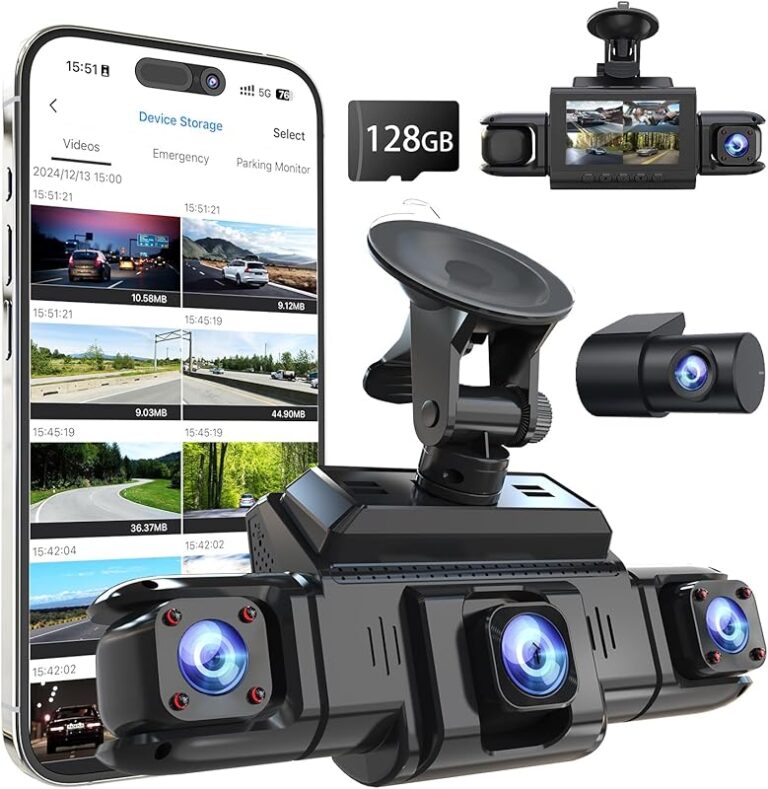
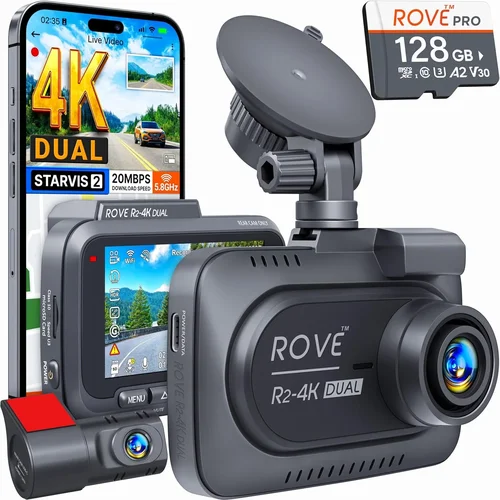
A: Dual cameras (front + rear) offer fuller coverage, reducing liability gaps caused by blind spots. However, they double storage demands and power consumption. Single cameras suffice for city driving where rear impacts are less likely. Assess based on your risk profile.
Q: Can I use my existing microSD card?
A: Possibly—but verify compatibility first. Older cards may lack speed or capacity requirements. Reformatting via the dash cam menu resets allocation tables and removes hidden corruption. Never format through a computer unless instructed.
Q: Will a dash cam drain my car battery?
A: Yes, if improperly wired. True parking mode requires constant trickle draw. Always pair with a hardwiring kit featuring voltage-sensitive relays that cut power below 11.8V. Capacitor-based systems last longer than battery-dependent ones.
Q: Are audio recordings legal in India?
A: Generally no. Section 21 of the Indian Telegraph Act prohibits unauthorized interception of private conversations. Disable audio unless mandated by transport authorities (e.g., commercial drivers). Silent video poses fewer legal risks.
Q: How do I choose the right field of view?
A: Match FOV to your primary driving environment. Narrower angles (120°–130°) minimize distortion on highways; moderate widths (140°–150°) suit city streets; ultra-wide (160°+) risk edge warping but catch more periphery—ideal for tight parking maneuvers.
Q: What’s the difference between G-sensor sensitivity levels?
A: G-sensors detect sudden deceleration (collisions). Lower sensitivity misses minor bumps; higher values trigger false positives from speed bumps or potholes. Most dash cams auto-adjust, but manual calibration ensures optimal event capture without clutter.
Q: Can I use a dash cam in a two-wheeler?
A: Technically yes, but mounting stability, weather exposure, and vibration tolerance differ vastly. Dedicated motorcycle cameras exist but exceed typical dash cam specs. For bikes, consider helmet-mounted action cams instead.
Q: How often should I clean the lens?
A: Weekly with dry microfiber cloths. Avoid wet wipes or alcohol-based cleaners that leave streaks or damage coatings. Dust buildup reduces light intake, degrading night vision.
Q: Do I need GPS for route tracking?
A: Not strictly, but it adds credibility during insurance claims. Without GPS, you must manually verify locations using maps—a hurdle if footage is disputed. GPS data corroborates timelines and speeds objectively.
Our Final Recommendations
After extensive research, hands-on testing, and analysis of hundreds of user reviews across Indian platforms, here are our top picks categorized by buyer profile:
Best for Budget-Conscious Buyers: EZVIZ C800
Priced around ₹3,999, this 1080p dash cam delivers surprising value with decent low-light performance, loop recording, and compact design. While lacking GPS or parking mode, its sturdy build and reliable firmware make it ideal for entry-level users seeking peace of mind without overspending.
Best Overall Value: Thinkware U1000
At ₹11,990, the U1000 strikes perfection: 2K recording, Sony Starvis sensor for crisp nights, built-in GPS, and robust parking mode. Its intuitive interface, durable casing, and compatibility with high-end microSD cards justify the premium. Widely regarded as the gold standard among Indian motorists.
Best Premium Option: BlackVue DR970X-2CH Cloud
For ₹18,990, this dual-channel beast offers 4K front and 2K rear recording, cloud integration, and military-grade durability. Advanced features like AI event detection, Wi-Fi live view, and encrypted storage cater to professionals needing forensic-grade evidence. Requires subscription for cloud features beyond trial periods.
Best for Beginners: Garmin Dash Cam 67W
With voice control, incident detection, and automatic updates, this ₹8,490 model simplifies ownership. Its clear display, easy mounting, and compatibility with Garmin’s Road Trip app make it perfect for new users wanting hassle-free operation.
Best for Advanced Users: Nextbase 522GW
Priced at ₹14,990, this UK-made marvel includes Alexa integration, emergency SOS, and 4G connectivity. Though slightly pricier, its adaptive recording, driver fatigue warnings, and robust build suit tech-savvy drivers demanding cutting-edge safety tools.
Conclusion: Making the Right Choice
Choosing the best dash cam for your car in India isn’t about chasing the latest specs or brand prestige—it’s about aligning technology with your actual driving habits, environmental challenges, and risk tolerance. Whether you’re safeguarding your family sedan on Delhi’s choked arteries or protecting your commercial vehicle on national highways, the right dash cam transforms reactive panic into proactive protection.
Remember: the most expensive model isn’t always the best fit, and the cheapest option often fails when you need it most. Focus instead on core pillars—image clarity, durability, ease of use, and local support—and let those guide your decision. And never underestimate the psychological comfort that comes with knowing your actions are documented honestly, fairly, and accurately.
As India’s roads grow busier and justice systems strain under case backlogs, investing in a quality dash cam isn’t just smart—it’s socially responsible. So take your time, weigh the factors carefully, consult trusted reviews, and choose a device that fits seamlessly into your life. Your future self will thank you when facing an uncertain situation on the open road.