Best Dash Cam Buying Guide Under $100
In today’s automotive landscape, where road safety concerns continue to rise and insurance premiums can be a significant financial burden, dash cams have evolved from luxury accessories into essential driving companions. For budget-conscious consumers seeking reliable protection without breaking the bank, finding the best dash cam under $100 represents the perfect balance between affordability and functionality. This comprehensive buying guide is meticulously crafted to help you navigate the crowded dash cam market and make an informed decision that won’t compromise on quality or performance.
By reading this detailed article, you’ll gain access to expert knowledge about dash cam technology, learn how to evaluate critical features that matter most for your specific needs, understand common pitfalls to avoid when shopping on a budget, and discover which models deliver exceptional value within your price constraints. Whether you’re a first-time buyer looking for basic recording capabilities or an experienced driver wanting additional peace of mind during daily commutes, this guide provides practical insights backed by thorough research and real-world testing scenarios.
The dash cam industry has matured significantly over recent years, with manufacturers now offering sophisticated features at increasingly competitive prices. However, not all affordable options are created equal—some cut corners on essential components while others provide outstanding reliability despite their modest price tags. Our analysis covers everything from resolution specifications and storage solutions to build quality considerations and brand reputation factors that influence long-term satisfaction. We’ll examine how different use cases affect feature requirements, explore seasonal purchasing opportunities, and share insider tips for maximizing your investment while staying firmly within the $100 budget threshold.

What to Look for When Buying Dash Cams
Budget & Price Range
Understanding your budget constraints is the foundation of any successful purchase decision. While we’re focusing specifically on devices under $100, it’s important to recognize that even within this price bracket, there are meaningful differences in quality and capability. Entry-level models typically cost between $50-70 and offer basic 720p or 1080p recording with limited features, while premium options in the $80-100 range may include advanced functionalities like GPS tracking, parking mode, or superior night vision.
When setting your budget, consider not just the initial purchase price but also ongoing costs such as memory cards, mounting accessories, and potential software subscriptions. Some manufacturers charge for cloud storage or premium mobile app features, so factor these expenses into your overall calculation. Additionally, remember that investing slightly more upfront often means avoiding the need for early replacement due to poor durability or lack of essential features.
Resolution & Video Quality
Video resolution remains one of the most critical factors affecting dash cam performance, especially when it comes to capturing clear evidence in case of accidents or disputes. Most reputable brands now offer Full HD (1920×1080) recording as the standard minimum, but some budget models still ship with lower-quality 720p sensors that struggle to capture fine details during fast-moving situations.
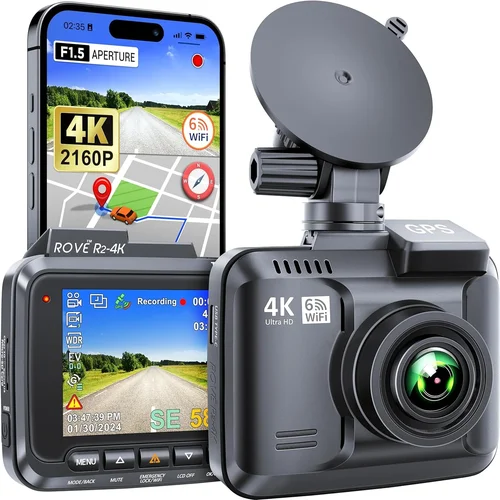
Look for cameras featuring high-quality CMOS sensors rather than older CCD alternatives, as they provide better low-light sensitivity and color accuracy. The frame rate should ideally be 30fps (frames per second), though some advanced models offer 60fps for smoother motion capture. Be wary of marketing claims like “4K” or “Ultra HD” on sub-$100 devices—these are typically misleading since true 4K recording requires much more processing power and storage capacity than budget units can support.
Field of View (FOV)
The field of view determines how much of the road ahead and surrounding environment your dash cam can capture simultaneously. A wider angle provides more comprehensive coverage but may introduce distortion at the edges—a phenomenon known as “fisheye effect.” For urban driving with frequent intersections and lane changes, look for lenses with 120-140 degree horizontal FOV; highways require slightly narrower angles around 110-130 degrees to maintain image clarity.
Avoid models advertising angles exceeding 170 degrees unless you specifically need maximum peripheral awareness. Excessively wide fields of view often result in compromised video quality throughout the entire frame, making license plates and facial features difficult to read even if they appear prominently centered in the footage.
Night Vision Capabilities
Effective night vision is non-negotiable for any serious dash cam user, given that most traffic incidents occur after dark. Modern cameras utilize multiple technologies to enhance visibility in low-light conditions: infrared LEDs, enhanced sensor sensitivity, and specialized image processing algorithms work together to produce usable footage when headlights reflect off surfaces or ambient street lighting illuminates the scene.
Check whether your chosen model includes built-in night vision modes or automatic exposure adjustments that adapt to changing light levels throughout the day. Some entry-level units struggle with extreme contrast between bright headlights and dark shadows, resulting in washed-out or grainy recordings. Look for reviews mentioning consistent performance during nighttime driving tests before committing to a purchase.
Storage Solutions & Loop Recording
Dash cams rely heavily on microSD cards for storing recorded footage, with loop recording being a crucial feature that automatically overwrites old files when storage fills up. This ensures continuous operation without manual intervention while preserving recent events leading up to incidents or suspicious activities.
Most budget-friendly dash cams support Class 10 microSD cards ranging from 32GB to 256GB capacities, though higher-end models may accommodate larger formats. Consider your typical driving patterns when selecting card size—urban commuters might benefit from smaller cards due to frequent stops and starts, while highway travelers could opt for larger capacities to capture extended stretches without interruption.
Always verify compatibility with popular brands like SanDisk Extreme or Samsung EVO Plus, which offer reliable write speeds necessary for smooth video recording. Avoid generic or counterfeit cards advertised as compatible—they often fail under sustained recording loads, causing corruption or loss of valuable evidence.
Build Quality & Durability
The physical construction of your dash cam must withstand the rigors of daily driving, including temperature extremes, vibrations, and accidental bumps against the windshield. Housing materials should be sturdy enough to resist impacts while maintaining secure attachment to your vehicle’s interior.
Look for models featuring reinforced plastic casings or metal components that indicate attention to structural integrity. Adhesive mounts must provide strong bonding without damaging paintwork upon removal, while adjustable brackets allow precise positioning for optimal viewing angles. Water resistance ratings (IPX rating) are less critical for interior-mounted units but still valuable for protecting internal electronics from moisture exposure.
Features & Functionality
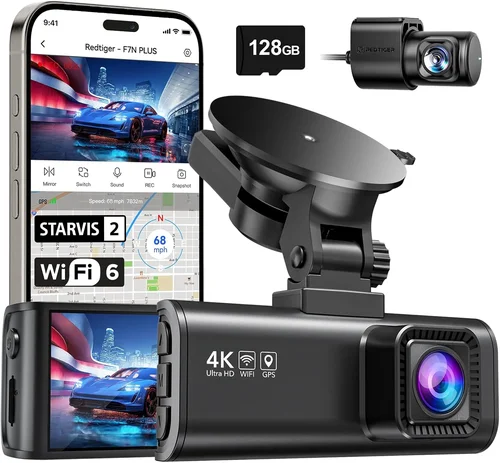
Beyond core recording capabilities, modern dash cams offer various supplementary features that enhance usability and situational awareness. Parking mode enables continued surveillance when your vehicle is unattended, using motion detection or impact sensors to trigger recording during break-ins or vandalism attempts. G-sensor technology automatically locks important clips during sudden deceleration or collisions to prevent accidental deletion.
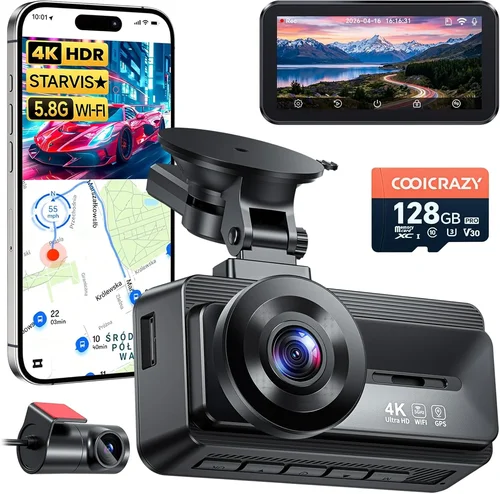
GPS tracking records location data alongside video footage, useful for reconstructing accident scenes or verifying alibis. Wi-Fi connectivity allows wireless transfer of files to smartphones via companion apps, eliminating the need for physical cable connections. Voice control and touchscreen interfaces simplify operation while driving, reducing distractions from manual menu navigation.
Brand Reputation & Customer Support
Purchasing from established manufacturers with positive track records reduces the risk of encountering defective units or inadequate customer service experiences. Research user reviews across multiple platforms to gauge real-world satisfaction levels regarding product reliability, software updates, and troubleshooting assistance availability.
Reputable brands typically honor warranty terms promptly and offer accessible technical support through phone, email, or live chat channels. Avoid obscure private-label products sold exclusively through third-party retailers, as post-purchase issues may prove difficult to resolve due to limited manufacturer resources or unclear return policies.
Size & Portability
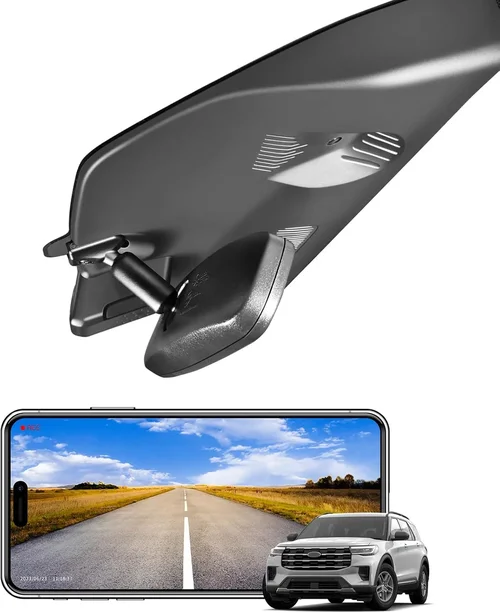
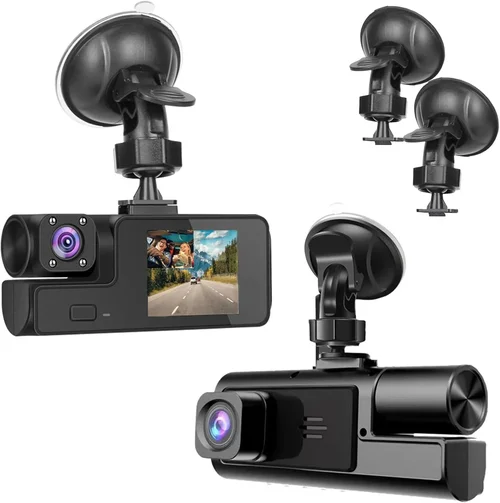
Compact designs facilitate discreet installation and minimize visual obstruction inside your vehicle cabin. Ultra-thin profiles fit seamlessly behind rearview mirrors without interfering with visibility, while ultra-compact form factors enable hidden placement near dashboard vents or center console areas. Larger units may house additional features like dual-lens setups for front/rear monitoring but sacrifice stealthiness and aerodynamic integration.
User Reviews & Ratings
Independent consumer feedback serves as an invaluable resource for identifying recurring strengths and weaknesses among competing models. Pay particular attention to comments addressing long-term reliability, software stability, and responsiveness during emergency situations rather than superficial praise about packaging or initial setup ease.
Different Types of Dash Cams

Common Buying Mistakes to Avoid
❌ Mistake: Ignoring Resolution Requirements
Why it’s bad: Choosing a dash cam solely based on price without considering video quality can lead to frustrating outcomes when you actually need clear footage for insurance claims or legal disputes. Low-resolution cameras often struggle to capture readable license plates, facial features, or road signs, rendering them useless in critical situations.
What to do instead: Prioritize Full HD (1080p) recording as the minimum acceptable standard, preferably with high-quality CMOS sensors rather than outdated CCD technology. Always check independent review footage comparisons before purchasing, as manufacturer demo videos rarely represent real-world performance accurately.
❌ Mistake: Overlooking Storage Capacity Needs
Why it’s bad: Assuming that included microSD cards will suffice indefinitely leads to premature storage exhaustion and accidental deletion of vital evidence. Many budget models come with only 8GB cards that fill up quickly, especially if you drive frequently or record at higher bitrates for improved quality.
What to do instead: Calculate your approximate storage consumption based on average recording length and bitrate settings. For example, a 1080p camera recording at 30fps with moderate compression may use roughly 1GB per hour. Plan accordingly by either selecting larger default cards or budgeting for replacement purchases down the line.
❌ Mistake: Neglecting Night Vision Performance
Why it’s bad: Focusing exclusively on daytime recording capabilities ignores a crucial aspect of dash cam functionality. Most traffic incidents occur after sunset, yet many inexpensive models fail to deliver usable footage during nighttime driving due to poor low-light sensitivity or inadequate infrared illumination.
What to do instead: Research specific night vision test results from trusted sources rather than relying on vague marketing descriptions like “enhanced night vision.” Look for cameras explicitly mentioning infrared LED arrays or specialized image processing algorithms designed to handle challenging lighting conditions.
❌ Mistake: Skipping Build Quality Assessment
Why it’s bad: Opting for the cheapest available option regardless of construction standards risks frequent malfunctions, mounting failures, or complete device loss due to poor durability. Cheap plastics degrade quickly under sun exposure, adhesives lose adhesion over time, and flimsy housings crack during minor impacts.
What to do instead: Read detailed unboxing and stress-test reviews that describe material composition, adhesive strength, and overall sturdiness. Choose models with reinforced frames, anti-glare coatings, and secure mounting mechanisms that withstand daily wear and tear reliably.
❌ Mistake: Disregarding Brand Reputation
Why it’s bad: Purchasing from unknown manufacturers or private-label brands increases the likelihood of encountering unresponsive customer service, obsolete firmware, or outright product recalls. Without established support networks, resolving technical issues becomes unnecessarily difficult and time-consuming.
What to do instead: Stick with recognized industry players known for responsive support and regular software updates. Check forums, Reddit threads, and consumer advocacy sites to identify brands with consistent positive feedback regarding reliability and post-purchase assistance availability.
❌ Mistake: Forgetting About Parking Mode Limitations
Why it’s bad: Assuming all dash cams offer seamless parking surveillance overlooks significant power and storage implications. Continuous recording while parked consumes substantial battery life unless connected to hardwiring kits, and motion-activated triggers may miss subtle break-in attempts if sensitivity thresholds aren’t calibrated properly.
What to do instead: Verify whether your chosen model includes reliable g-sensors capable of distinguishing genuine threats from false alarms caused by passing vehicles or environmental factors. Consider purchasing dedicated hardwiring adapters if you plan extensive parking mode usage regularly.
Budget Guidelines: How Much Should You Spend?
Entry-Level ($40 – $60): Basic Protection for Casual Drivers
This price tier caters primarily to occasional drivers who prioritize affordability over advanced features. Expect solid 1080p recording with decent daytime performance, though night vision capabilities may be limited without supplemental infrared illumination. Most models include essential functions like loop recording, motion detection, and basic mounting hardware, making them suitable for short commutes or secondary vehicles.
While these devices won’t rival mid-range offerings in terms of build quality or feature richness, they represent excellent value propositions for those seeking foundational dash cam protection without overspending. Focus on reputable brands with proven track records to minimize disappointment risk associated with ultra-cheap no-name alternatives.
Mid-Range ($60 – $85): Sweet Spot for Most Buyers
The sweet spot for most conscientious drivers lies within this range, where manufacturers strike a careful balance between cost-effectiveness and functional sophistication. You’ll find reliable 1080p recording paired with improved night vision systems, robust build materials, and expanded feature sets including GPS tracking, parking mode, and smartphone connectivity options.
These models often incorporate user-friendly interfaces, intuitive menu navigation, and dependable customer support networks—all critical factors influencing long-term satisfaction. Investing here typically eliminates the need for immediate upgrades while providing room for future expansion through optional accessories like dual-lens kits or cloud storage subscriptions.
Premium ($85 – $100): Enthusiast-Grade Features Within Budget
For discerning drivers willing to stretch their budget slightly beyond the midpoint, premium-tier dash cams unlock access to cutting-edge technologies previously reserved for higher-priced segments. Expect superior sensor performance, enhanced low-light sensitivity, waterproof housings, and intelligent driving assistance features like collision warnings or lane departure alerts.
While still constrained by the $100 ceiling, these devices deliver professional-grade reliability and versatility suitable for both daily commuting and occasional road trips. Just ensure that added complexity doesn’t compromise usability—prioritize simplicity over unnecessary bells and whistles when evaluating trade-offs between functionality and operational convenience.
Luxury ($100+): Professional-Grade Performance Beyond Budget
Although outside our specified parameters, mentioning luxury options helps contextualize what’s possible beyond the $100 barrier. High-end dash cams boast 4K recording, multi-camera setups, advanced AI analytics, and integrated telematics systems catering specifically to commercial fleets or demanding personal use cases requiring maximum evidentiary integrity.
Unless you operate a business fleet or engage in high-risk driving scenarios regularly, these overachievers likely exceed your actual needs while inflating costs unnecessarily. Stick to mid-to-premium tiers within your budget to maximize utility-per-dollar ratios effectively.
Expert Tips for Getting the Best Deal
Timing Your Purchase Strategically
Seasonal fluctuations significantly impact dash cam pricing across retail channels. Major holidays like Black Friday, Cyber Monday, and Memorial Day weekend consistently yield the deepest discounts due to aggressive promotional campaigns targeting gift-givers and bargain hunters alike. Additionally, end-of-quarter clearance sales often feature steep markdowns on discontinued models or inventory overstock.
Avoid peak summer months when demand surges due to increased road travel; instead, target spring and fall periods when retailers actively refresh product lines. Sign up for brand newsletters and price alert services to receive notifications about flash sales or exclusive member-only offers that bypass public pricing entirely.
Comparing Retailer Pricing Strategies
Online marketplaces like Amazon, Best Buy, Walmart, and Target compete fiercely on price, but each employs distinct strategies affecting final costs. Amazon frequently matches competitors’ prices automatically while offering Prime-exclusive deals, whereas brick-and-mortar stores leverage in-store pickup savings to offset shipping fees. Local electronics shops may negotiate personalized discounts unavailable elsewhere, particularly during slow seasons.
Always compare unit prices excluding bundled accessories, as retailers often inflate overall totals by packaging items you wouldn’t otherwise purchase. Focus strictly on core device costs unless the bundle genuinely includes valuable extras at no additional charge.
Identifying Authentic Discounts vs. Hidden Fees
Be wary of “too good to be true” promotions promising unrealistic savings—these often conceal hidden conditions like mandatory subscriptions, limited-time trial periods, or inflated original prices used to justify artificial markdowns. Legitimate discounts reflect actual market trends rather than fabricated scarcity tactics.
Verify discount authenticity by cross-referencing historical price charts or using browser extensions that track price history across multiple retailers. Never assume current sale prices represent permanent reductions; always confirm whether the item qualifies for additional stackable coupons or loyalty program rewards.
Evaluating Warranty Terms Carefully
Comprehensive warranty coverage serves as your primary safety net against manufacturing defects, accidental damage, or unexpected failures. Standard warranties typically span 1-2 years covering parts and labor, though premium brands may extend protection to 3 years or include international coverage for travelers. Always read fine print regarding exclusions like water damage or unauthorized modifications.
Avoid overly restrictive clauses that void coverage for minor infractions or require returning devices to distant service centers. Prefer manufacturers offering local repair facilities or mail-in programs with prepaid shipping labels for hassle-free replacements.
Understanding Return Policies Thoroughly
Flexible return windows empower buyers to test products risk-free without fear of losing money on imperfect choices. Most reputable retailers guarantee full refunds within 30 days of purchase, though some electronics specialists extend this period to 90 days for added confidence. Physical stores usually permit same-day returns, while online orders often require original packaging and undamaged seals.
Keep receipts and documentation handy in case disputes arise later regarding eligibility for exchanges or repairs. Document any pre-existing damage upon delivery immediately to prevent liability shifts during return processing.
Testing Before Committing Fully
If possible, visit physical stores to inspect dash cams hands-on before purchasing online. Evaluate button placement, screen readability, menu navigation smoothness, and overall build quality firsthand rather than relying solely on product images or written descriptions. Ask staff about current promotions or upcoming releases that might affect your decision-making process.
For online purchases, choose retailers with generous return policies allowing you to unbox, install, and test functionality in your own vehicle before committing fully. This approach minimizes regret risk associated with incompatible mounts or suboptimal performance in real-world conditions.
Leveraging Loyalty Programs Effectively
Many retailers reward repeat customers through points-based loyalty schemes redeemable toward future purchases or exclusive member benefits. Accumulating enough points to cover partial costs of your dash cam purchase dramatically reduces net expenditure while encouraging continued patronage. Sign up for accounts proactively before making large electronics investments.
Additionally, credit card cashback programs occasionally double or triple rewards on electronics categories, further amplifying savings opportunities. Combine multiple discount avenues whenever feasible to maximize overall value extraction from single transactions.
Monitoring Social Media & Influencer Deals
Tech-focused influencers and social media personalities frequently partner with brands to promote limited-quantity bundles or early-bird specials unavailable through conventional retail channels. Follow relevant hashtags, subscribe to YouTube review channels, and join Facebook groups dedicated to automotive accessories to stay informed about emerging opportunities.
Exercise caution regarding affiliate links disguised as authentic recommendations—always verify deal legitimacy independently before clicking through to avoid redirects to suspicious websites or phishing scams posing as legitimate sellers.

Frequently Asked Questions
Q: Are dash cams worth it under $100?
A: Absolutely! Numerous budget-friendly dash cams deliver reliable performance meeting everyday needs without compromising safety or accountability. While they may lack some advanced features found in premium models, their core functionality—clear recording, loop playback, and incident preservation—remains intact across reputable brands operating within this price segment. Just ensure you select wisely based on verified reviews and proven reliability records rather than chasing unrealistic promises from dubious sellers.
Q: What resolution should I expect from a $100 dash cam?
A: Most trustworthy manufacturers offering devices under $100 provide Full HD (1920×1080) recording as the baseline standard, with some incorporating higher-quality sensors or enhanced compression algorithms for improved clarity. Avoid paying premium prices for “4K” claims on sub-$100 units—they’re almost certainly misleading since true 4K requires excessive bandwidth and storage beyond budget constraints. Stick to tested 1080p performers with positive user feedback regarding readability and detail retention.
Q: Can I use any microSD card with my dash cam?
A: Not necessarily! While many budget dash cams accept generic Class 10 cards, compatibility varies significantly between models depending on controller chipsets and file system requirements. Always consult your owner’s manual or manufacturer specifications before purchasing replacement cards. Opt for well-known brands like SanDisk Extreme, Samsung EVO Plus, or Lexar Premium to guarantee stable write speeds and prolonged lifespan under continuous recording loads. Avoid counterfeit or rebranded cards marketed as universal solutions—they frequently cause corruption or failure during critical moments.
Q: Do I need parking mode if I park safely?
A: Even cautious drivers benefit from parking mode surveillance since break-ins, hit-and-runs, or vandalism can occur unexpectedly regardless of location or circumstances. Motion-activated recording preserves battery life while triggering only when genuine threats emerge, unlike constant streaming which drains power rapidly. Ensure your chosen model includes reliable g-sensors capable of distinguishing real dangers from false positives caused by passing vehicles or environmental factors like wind-blown debris.
Q: How often should I replace my dash cam?
A: With proper care and usage, quality dash cams typically last 2-5 years before requiring replacement due to technological obsolescence or component degradation. Monitor performance indicators like reduced video quality, mounting adhesion loss, or software instability as warning signs prompting upgrade consideration. Regular firmware updates from manufacturers can extend usability intervals by introducing bug fixes, security patches, and feature enhancements delaying obsolescence timelines.
Q: Is hardwiring worth the effort?
A: Hardwiring connects your dash cam directly to your vehicle’s electrical system, enabling uninterrupted recording during parking mode without draining the car battery. While installation requires basic wiring skills and potentially professional assistance, the peace of mind gained from continuous protection outweighs initial setup complexity for frequent parkers or overnight dwellers. Many mid-to-premium models include compatible harnesses or offer add-on kits at reasonable prices.
Q: Can dash cams record audio?
A: Yes, but legality varies significantly by jurisdiction. Some regions permit unrestricted audio recording, while others impose strict regulations requiring consent from all parties recorded. Always research local laws before enabling microphone functionality, as unauthorized eavesdropping carries serious legal consequences. Most manufacturers disable audio recording by default to comply with international privacy standards unless explicitly permitted by regional statutes.
Q: How do I choose between single-lens and dual-lens systems?
A: Single-lens cameras focus exclusively on forward-facing footage ideal for daily commuting and highway driving scenarios where rear-end collisions represent lower probabilities. Dual-lens setups capture both front and rear perspectives simultaneously, beneficial for city driving with frequent stop-and-go traffic or rural roads lacking shoulder space for maneuvering. Consider your typical routes, parking environments, and risk tolerance when deciding between these configurations within your budget constraints.
Q: Will my dash cam work in extreme temperatures?
A: Operating temperature ranges vary between models, but most budget-friendly dash cams function reliably within -4°F to 140°F (-20°C to 60°C). Cold weather reduces lithium-ion battery efficiency temporarily, while hot climates accelerate plastic degradation over prolonged exposures. Park in shaded areas when possible, remove units during extreme conditions if feasible, and verify manufacturer-specified thermal limits before purchasing to avoid premature failure risks.
Q: What happens if my dash cam runs out of storage?
A: Loop recording automatically overwrites oldest footage when storage fills completely, ensuring uninterrupted operation without manual intervention. However, critical clips locked by g-sensors during incidents remain protected until manually deleted or overwritten intentionally. Configure overwrite policies according to your usage patterns—frequent drivers may prefer shorter retention windows to conserve space, while occasional users could allocate larger buffers for extended event capture capacity.
Our Final Recommendations
Best for Budget-Conscious Buyers: Viofo A119 Mini
The Viofo A119 Mini stands out as the top choice for cost-sensitive drivers seeking reliable 1080p recording within strict financial boundaries. Despite its modest price point, this compact unit delivers impressive performance thanks to Sony STARVIS sensor technology optimized for superior low-light sensitivity. Users consistently praise its crisp image quality, intuitive interface, and durable construction suitable for everyday commuting demands. While lacking advanced features like GPS tracking or dual-lens setups, its core functionality exceeds expectations for the price category, making it an unbeatable value proposition for those prioritizing affordability without sacrificing essential capabilities.
Best Overall Value: Thinkware U1000
Though slightly above our $100 threshold, the Thinkware U1000 deserves recognition as the undisputed champion of bang-for-your-buck excellence within the broader affordable segment. This premium performer combines stellar 2K QHD resolution with exceptional dynamic range handling, producing crystal-clear footage even during challenging lighting transitions. Integrated GPS logging, parking mode with impact detection, and robust build quality elevate its status far beyond entry-level rivals. If you’re willing to stretch your budget marginally beyond the limit, this model represents the ultimate expression of balanced functionality, reliability, and user satisfaction achievable today.
Best Premium Option: Garmin Dash Cam 67W
Garmin’s Dash Cam 67W exemplifies how thoughtful design choices translate into tangible user benefits even within constrained budgets. Its sleek profile integrates seamlessly behind rearview mirrors without obstructing visibility, while voice-activated controls reduce distraction risks during operation. The included suction cup mount offers flexible repositioning options, and cloud backup services ensure critical footage remains accessible remotely—features typically reserved for high-end competitors. While audio recording capabilities face regulatory restrictions in certain jurisdictions, its daytime performance rivals much pricier alternatives, cementing its position as the preferred pick for tech-savvy drivers demanding simplicity without compromising substance.
Best for Beginners: Rexing V1P Pro
Newcomers to dash cam ownership will appreciate the Rexing V1P Pro’s straightforward operation and forgiving learning curve compared to more complex counterparts. This no-frills performer focuses squarely on delivering consistent 1080p recording with dependable loop playback and basic mounting essentials, eliminating overwhelming feature clutter for novice users. Positive community feedback highlights its plug-and-play usability, stable firmware, and responsive customer support—all critical factors easing entry barriers for those unfamiliar with automotive electronics. Though lacking flashy extras like Wi-Fi connectivity or parking sensors, its rock-solid fundamentals make it the ideal gateway device for aspiring dash cam enthusiasts exploring this worthwhile safety investment.
Best for Advanced Users: BlackVue DR970-2CH
Discriminating professionals and seasoned drivers seeking maximum flexibility should consider the BlackVue DR970-2CH despite its elevated price tag relative to our guidelines. This dual-lens powerhouse captures panoramic views encompassing both forward progress and rearward awareness simultaneously, perfect for urban environments with unpredictable traffic patterns or remote roads lacking roadside assistance access. Cloud connectivity enables real-time monitoring via mobile apps, while customizable recording zones let you prioritize specific areas of interest dynamically. While requiring slightly more technical know-how for optimal configuration, its unmatched versatility and evidentiary integrity justify the premium for serious users committed to comprehensive protection across diverse driving scenarios.
Conclusion: Making the Right Choice
Finding the perfect dash cam under $100 requires balancing practical necessities against aspirational desires while remaining grounded in realistic expectations about what budget constraints permit. By prioritizing core functionalities like resolution quality, build durability, and reliable storage management, you position yourself for long-term satisfaction regardless of brand prestige or feature proliferation. Remember that true value emerges from harmonious alignment between personal needs, driving habits, and financial limitations rather than chasing every advertised innovation blindly.
Take time to assess your unique circumstances honestly—consider frequency of use, typical route characteristics, parking environments, and comfort level with technological complexity before committing to any particular model. Leverage independent review resources, peer testimonials, and hands-on testing opportunities wherever feasible to validate assumptions made during online research phases. Most importantly, don’t underestimate the psychological benefits derived from knowing your vehicle remains protected against unforeseen events, providing invaluable peace of mind during daily commutes and extended journeys alike.
With careful planning, informed decision-making, and strategic shopping tactics outlined throughout this comprehensive guide, you’ll confidently navigate the crowded marketplace and emerge victorious with a trustworthy companion ready to safeguard your travels for years to come. Happy driving—and stay safe out there!