Best Dash Cam for Car Racing Buying Guide
For car racing enthusiasts and professionals, a dash cam isn’t just about recording traffic incidents—it’s a critical tool for performance analysis, incident documentation, and even competitive advantage. Whether you’re hitting the track on weekends or competing in sanctioned events, capturing high-speed footage with clarity and precision can mean the difference between understanding what went wrong and simply guessing. This comprehensive buying guide is designed to help you navigate the complex world of dash cams specifically tailored for racing environments. We’ll explore everything from technical specifications that matter most in high-acceleration scenarios to durability considerations under extreme conditions.
By the end of this article, you’ll understand how to evaluate dash cams not just as consumer electronics, but as essential motorsport equipment. You’ll learn why resolution alone isn’t enough, how frame rates impact motion smoothness during rapid cornering, and why storage solutions must be robust enough to handle continuous high-bitrate recording. We’ll also break down common misconceptions, compare real-world performance across categories, and provide expert recommendations based on actual racing use cases. Our goal is to equip you with the knowledge needed to make an informed decision that enhances your driving experience while protecting your investment.
The market today offers everything from basic single-lens models to advanced multi-camera setups with GPS tracking and cloud connectivity. However, not all dash cams are created equal when it comes to handling the unique demands of racing—vibrations, temperature swings, sudden impacts, and high-speed motion blur all challenge even the best cameras. That’s why we’ve focused this guide on features that directly address these challenges, helping you avoid costly mistakes and select a system that delivers reliable, high-quality footage every time you hit the track. Whether you’re upgrading from a smartphone mount or building your first dedicated racing rig, this guide will ensure you choose wisely.

What to Look for When Buying Dash Cams
1. High Frame Rate Recording
One of the most overlooked yet crucial aspects of a racing dash cam is its ability to capture smooth, detailed motion at elevated frame rates. Standard 30fps video may suffice for everyday driving, but during high-G cornering or emergency braking, anything below 60fps introduces noticeable motion blur and judder. For racing applications, aim for dash cams capable of recording at 120fps or higher at lower resolutions like 720p or 1080p. This ensures that fast-moving objects remain sharp and legible even when the camera is mounted near the windshield, which often vibrates more intensely than in regular vehicles.
Additionally, some advanced models support variable frame rate (VFR) technology, which dynamically adjusts frame rates based on motion intensity. This conserves storage space during straight-line runs while maximizing detail during high-action moments like overtakes or accidents. When evaluating specs, always check whether the advertised frame rate applies to full-resolution recording or if it drops significantly when using higher FPS modes. A true 1080p/60fps model is far superior to one that only achieves 60fps at 720p, especially when reviewing footage for lap timing analysis or post-session debriefs.
2. Superior Low-Light Performance
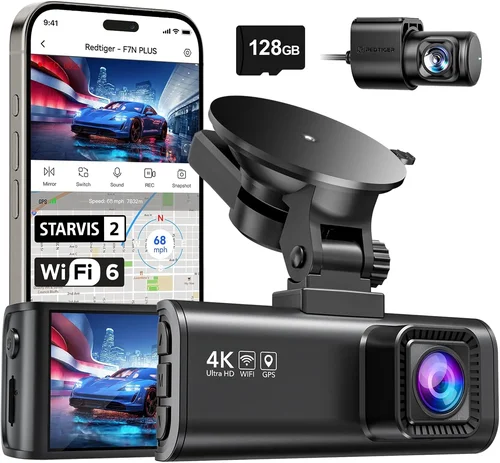
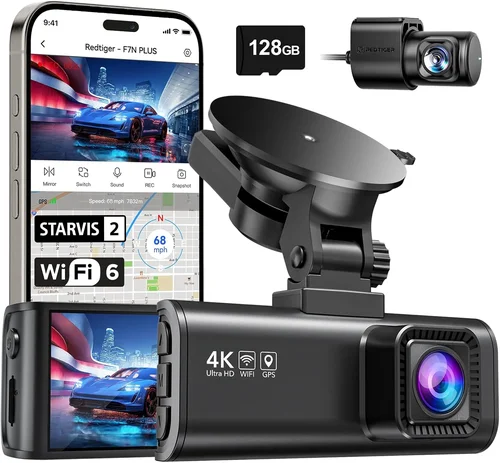
Racing doesn’t always happen in daylight—many tracks operate under floodlights, and early morning sessions or night races require excellent low-light sensitivity. CMOS sensors paired with wide-aperture lenses (f/1.6 or lower) dramatically improve image quality in dim conditions by allowing more light to reach the sensor. Look for models featuring Sony STARVIS sensors, which are renowned in automotive and surveillance industries for their exceptional performance in dark environments.
Beyond sensor quality, consider built-in infrared LEDs or night vision capabilities if you frequently race after sunset. Some premium dash cams automatically switch to enhanced night mode, boosting brightness and contrast without overexposing highlights. Poor low-light footage leads to grainy, unusable clips—especially problematic when trying to identify license plates or driver behavior during incidents. Always test sample videos in low-light settings before purchasing, as manufacturer claims don’t always reflect real-world performance.
3. Vibration Resistance & Shock Absorption
Unlike sedans cruising on highways, racing cars generate intense vibrations from suspension travel, engine mounts, and aerodynamic forces. These oscillations can damage standard dash cams or cause lens misalignment over time. Seek out units specifically engineered for motorsports with reinforced internal dampening, shock-resistant memory cards, and secure mounting systems that isolate the camera from chassis movement.
Many professional-grade models include rubberized gaskets, flexible PCB mounts, and anti-vibration software algorithms that stabilize footage digitally. Some even feature dual-axis gyroscopes that detect rapid movements and adjust shutter timing accordingly. Without proper vibration mitigation, your expensive footage could become shaky and unwatchable within months of heavy track use. It’s worth investing extra for ruggedized designs if you plan to use the dash cam regularly in competitive environments.
4. Wide Dynamic Range (WDR) Technology
The contrast between track lighting, shadows from buildings, and direct sunlight creates challenging exposure scenarios. Standard dash cams often struggle with blown-out skies or underexposed foregrounds, making it difficult to see details in both bright and dark areas simultaneously. WDR technology splits the image into multiple exposures and intelligently blends them, preserving highlight and shadow detail across the entire frame.
This is particularly valuable at racetracks where overhead lights cast harsh shadows on asphalt while the sky remains brightly lit. With WDR enabled, you’ll retain visibility of tire marks, debris, and driver actions even in high-contrast scenes. Advanced HDR modes further enhance this capability by stacking several frames and optimizing tonal distribution. While not all entry-level models offer true WDR, mid-to-premium tiers typically include this feature—making it a non-negotiable for serious racers who need accurate visual records.
5. Loop Recording & Intelligent File Management
Continuous recording is essential for capturing unexpected incidents, but storing gigabytes of raw footage quickly fills up microSD cards. Most dash cams solve this with loop recording, which overwrites the oldest files when storage reaches capacity. However, for racing, you’ll want smarter automation: event-triggered locking, manual save buttons, and automatic categorization based on G-force or speed thresholds.
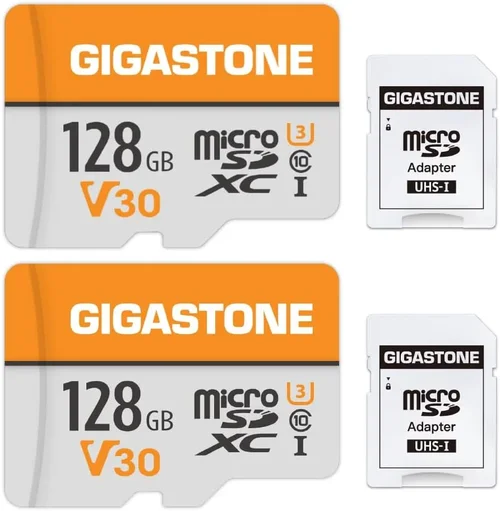
Look for systems that allow you to set custom recording intervals (e.g., 30-second bursts during qualifying laps) and automatically flag high-G events for easy retrieval later. Some models integrate with vehicle CAN bus data to sync footage with telemetry logs, linking specific video segments to lap times or throttle inputs. This integration saves hours of manual searching and provides richer context for performance reviews. Ensure your chosen dash cam supports UHS-I or UHS-II microSD cards rated for sustained write speeds above 90MB/s to prevent dropped frames during long sessions.
6. Audio Capabilities & Voice Commands
While primarily visual tools, many modern dash cams record audio alongside video—valuable for reconstructing incidents or analyzing driver communication. Built-in microphones should deliver clear cockpit sounds without amplifying engine noise excessively. Some models even offer wind noise reduction algorithms tailored for open-cockpit sports cars.
Voice command functionality adds another layer of convenience during races when hands-free operation is critical. Say “Save clip” to instantly lock current footage, or “Start recording” to begin a new session without touching buttons. Integrated voice prompts also confirm settings changes audibly, reducing distractions. Note that microphone placement affects audio quality—cameras mounted too close to speakers may pick up excessive cabin resonance. Test audio samples if possible, and prioritize models with adjustable gain controls for fine-tuning sensitivity.
7. Connectivity & Cloud Integration
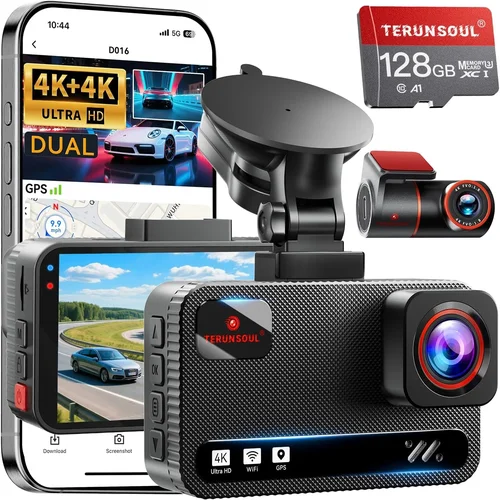
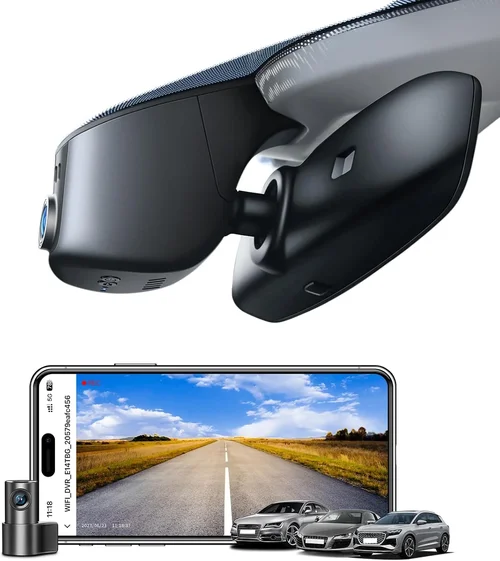
Post-race analysis benefits greatly from seamless data transfer. Wi-Fi-enabled dash cams let you stream or download footage directly to smartphones via companion apps, eliminating cable hassles. Bluetooth pairing simplifies firmware updates and remote configuration, while GPS modules embed precise location and speed data onto each video frame.
For competitive racers, cloud storage options provide off-site backup and sharing capabilities—ideal for submitting evidence to officials or collaborating with engineers. End-to-end encryption protects sensitive data, and subscription plans vary from free tiers with limited uploads to unlimited pro accounts. Always verify compatibility with your operating system and check maximum file sizes supported by mobile apps. Avoid overly simplistic apps that lack export options or metadata tagging; instead, opt for platforms offering timeline scrubbing, annotation tools, and multi-angle viewing.
8. Mounting Flexibility & Weatherproofing
A secure, stable mount is just as important as the camera itself. Racing dash cams must withstand lateral G-forces exceeding 2g during hard cornering, plus thermal expansion from prolonged sun exposure. Suction cup bases degrade rapidly under heat, so magnetic or adhesive mounts with metal reinforcement plates offer better longevity. Consider models with articulating arms that allow precise angle adjustments without obstructing the driver’s view.
Weather sealing matters too—dust, moisture, and oil splatter are inevitable in pit lanes and paddocks. IP67-rated enclosures resist immersion and particulate ingress, ensuring reliability through seasons of use. Quick-release mechanisms facilitate fast removal for cleaning or charging, while anti-glare coatings minimize reflections from dashboard displays or sunglasses. Always inspect mounting hardware included in the box; cheap plastic brackets snap under stress, ruining years of footage.
Different Types of Dash Cams

Common Buying Mistakes to Avoid
❌ Mistake: Prioritizing Resolution Over Frame Rate
Why it’s bad: Many buyers assume higher megapixels equate to better video quality, but resolution without adequate frame rate results in blurry, unusable footage during rapid acceleration or cornering. A 4K/30fps camera captures less motion detail than a 1080p/120fps model—even if the former appears sharper statically.
What to do instead: Evaluate frame rates first, then match resolution to your storage and playback needs. For racing, 1080p/60fps or 720p/120fps strikes the ideal balance between clarity and smoothness. Reserve 4K for stationary shots or slow-speed events where detail outweighs motion fidelity.
❌ Mistake: Ignoring Storage Requirements
Why it’s bad: Assuming a single microSD card will last an entire season leads to missed incidents due to premature overwrite. High-bitrate racing footage consumes storage rapidly—a 1-hour session at 1080p/60fps can exceed 20GB depending on compression settings.
What to do instead: Calculate daily usage: multiply average session length by weekly frequency, then factor in buffer zones. Use exFAT-formatted cards ≥256GB with A1 or A2 speed ratings for consistent performance. Consider dual-card systems that mirror recordings to prevent data loss.
❌ Mistake: Skipping Real-World Testing
Why it’s bad: Relying solely on lab-tested specs ignores environmental variables like heat buildup, dust infiltration, or electromagnetic interference from ECU wiring. What works in controlled demos may fail under track conditions.
What to do instead: Request loaner units or attend demo days hosted by manufacturers. Test vibration resistance by shaking the device vigorously, check Wi-Fi stability during movement, and review low-light samples taken indoors near windows. User forums often reveal hidden flaws not mentioned in marketing materials.
❌ Mistake: Overlooking Firmware Updates
Why it’s bad: Manufacturers rarely release firmware patches for older models, leaving bugs unresolved and security vulnerabilities open. Outdated software may corrupt files during power cycles or disable key features like GPS logging.
What to do instead: Choose brands with active developer communities and regular update schedules. Subscribe to newsletters and monitor changelogs. Avoid obscure brands lacking customer support channels.
❌ Mistake: Choosing Based Solely on Price
Why it’s bad: Ultra-cheap models cut corners on sensors, housing materials, and software stability—leading to frequent failures and poor ROI. Investing slightly more upfront prevents repeated replacements and frustration.
What to do instead: Compare value propositions across tiers rather than absolute cost. Factor in warranty length, spare part availability, and resale potential. Sometimes mid-range options offer 90% of premium features at half the price.
❌ Mistake: Neglecting Legal Compliance
Why it’s bad: In some regions, unauthorized recording violates privacy laws, especially inside enclosed cockpits or private properties. Using dash cams recklessly could result in fines or legal disputes.
What to do instead: Research local regulations regarding onboard recording devices. Opt for models with privacy modes that disable audio/microphone when parked or outside permitted zones. Always disclose recording to other participants when sharing footage publicly.
Budget Guidelines: How Much Should You Spend?
Entry-Level ($150 – $300): The Foundation
For occasional track days or casual enthusiasts, entry-level dash cams deliver core functionality without breaking the bank. Expect solid 1080p/30fps recording, basic loop modes, and simple mounting kits. Brands like BlackVue, Garmin, and Nextbase offer dependable options in this range, though features like GPS, Wi-Fi, and WDR may be limited or absent. These models suit beginners exploring motorsports without heavy financial commitment. While build quality lags behind premium tiers, reputable sellers include 1-year warranties and responsive customer service—critical for troubleshooting field issues.
Mid-Range ($300 – $700): The Sweet Spot
This bracket represents the best balance between capability and affordability. You’ll find advanced sensors (Sony STARVIS), robust vibration damping, dual-lens configurations, and intelligent event detection. Top contenders include the Garmin Dash Cam X50i, Viofo A119 V3+, and Thinkware F800 Pro—all praised for reliability under stress. Mid-tier units often support cloud sync, voice control, and customizable recording profiles tailored to different circuits. If you compete monthly or analyze performance closely, this tier eliminates compromise while staying accessible.
Premium ($700 – $1,500): For Enthusiasts & Pros
High-end dash cams target serious racers requiring forensic-grade accuracy. Features like multi-camera stitching, HDR fusion, AI-powered object recognition, and encrypted cloud storage justify the steep price tag. Examples include the BlackVue DR970X-2CH and Rexing V1P Pro—both engineered for extreme environments with military-grade enclosures and redundant power supplies. These systems integrate seamlessly with telemetry platforms, enabling synchronized video-telemetry analysis. Warranties extend up to 3 years, reflecting confidence in longevity. Only recommended if you rely on footage for coaching, insurance claims, or regulatory submissions.
Luxury ($1,500+): Top-Tier Excellence
Ultra-premium offerings cater to professional teams, race engineers, and motorsport organizations demanding unmatched fidelity. Brands like Garmin’s Rally series (for motorcycles) and specialized firms such as Trackdayz push boundaries with hyperspectral imaging, real-time streaming, and autonomous incident classification. Costs escalate rapidly here due to bespoke engineering, but benefits include unparalleled data integrity, global compliance certifications, and priority technical support. Reserved for those treating dash cams as mission-critical assets rather than accessories.
Expert Tips for Getting the Best Deal
- Buy During Off-Seasons: Retailers discount dash cams in winter when track activity slows. Check January–March sales for up to 30% off.
- Compare Retailers: Online stores like Amazon, B&H Photo, and Adorama often bundle free shipping or extended warranties. Local electronics shops may offer hands-on demos.
- Watch for Bundle Deals: Some brands package dash cams with extra mounts, cables, or SD cards at discounted rates—saving 10–15% versus individual purchases.
- Verify Return Policies: Motorsport gear deserves trial periods. Ensure sellers accept returns within 30 days if the unit fails basic functionality tests.
- Test Before Committing: Visit auto shows or track events where vendors demonstrate products live. Nothing replaces seeing jitter levels and UI responsiveness firsthand.
- Join Loyalty Programs: Automotive forums and brand newsletters grant early access to sales and exclusive promo codes for loyal customers.
- Check Refurbished Options: Certified refurbished units from official stores carry full warranties and undergo rigorous testing—ideal for budget-conscious buyers needing reliability.

Frequently Asked Questions
Q: Can I use my phone as a dash cam for racing?
A: While feasible for short sessions, smartphones lack durability, vibration resistance, and optimized mounts required for sustained track use. Their batteries drain quickly under load, and heat management is inadequate for repeated high-performance driving. Dedicated dash cams offer superior longevity and reliability—worth the investment for serious racers.
Q: Do I need GPS for racing dash cams?
A: Absolutely. GPS embeds precise location, speed, and heading data onto video frames, enabling correlation with telemetry logs. Without it, analyzing lap consistency or incident reconstruction becomes guesswork. Most mid-to-premium models include this feature—verify compatibility with your vehicle’s CAN bus if available.
Q: What’s the ideal microSD card size for racing?
A: At least 256GB for daily sessions. Larger tracks or multi-day events may require 512GB+. Use A2-rated cards with sustained write speeds >90MB/s to prevent dropped frames. Format cards as exFAT for compatibility across devices and operating systems.
Q: Will dash cams drain my car battery?
A: Yes, especially if left plugged in overnight. Enable parking mode only when necessary, and use capacitors or supercapacitors instead of hardwiring to avoid deep discharges. Some models enter ultra-low-power standby after detecting no motion.
Q: Are dual-lens systems worth the cost?
A: For circuit racing or time attacks, yes—rear views eliminate blind spots during pit entries/exits and overtakes. However, single-lens suffices for autocross or drifting where rear visibility is minimal. Assess your discipline before upgrading.
Q: How do I clean my dash cam lens properly?
A: Use microfiber cloths and isopropyl alcohol (70%+) to remove oils and grime. Never spray liquids directly onto the lens. Apply cleaner sparingly and wipe gently in circular motions. Regular cleaning preserves image clarity and prevents scratches.
Q: Can I edit racing footage on mobile devices?
A: Basic trimming and stabilization work well on phones, but complex projects require desktop software like Adobe Premiere or DaVinci Resolve for color grading and multi-angle syncing. Many dash cam apps support direct export to editing platforms.
Q: Is cloud storage secure for motorsport data?
A: Reputable providers use AES-256 encryption and comply with GDPR/HIPAA standards. Avoid free tiers with lax privacy policies. Always read terms of service before uploading sensitive footage.
Our Final Recommendations
Best for Budget-Conscious Buyers: Garmin Dash Cam Mini 2
Despite its compact size, this model delivers reliable 1080p/30fps recording with surprisingly stable footage thanks to advanced digital stabilization. Its small footprint minimizes wind resistance, and the suction cup mount performs well on curved glass. While lacking GPS and Wi-Fi, it’s whisper-quiet and draws negligible power—perfect for weekend warriors seeking simplicity without sacrificing quality.
Best Overall Value: Viofo A119 V3+
This dual-lens champion combines front/rear recording at 1080p/60fps with impressive low-light sensitivity and robust build quality. The magnetic rear camera attaches securely, and the app offers intuitive playback controls. Priced competitively under $400, it outperforms pricier rivals in vibration resistance and user interface polish—making it our top pick for most racers.
Best Premium Option: BlackVue DR970X-2CH
Engineered for professional use, this system boasts Sony STARVIS sensors, WDR, and cloud connectivity with military-grade casing. Dual-channel recording, GPS, and motion detection ensure nothing escapes capture. Though costly, its reliability under stress and seamless integration with third-party analytics tools justify the investment for committed competitors.
Best for Beginners: Nextbase 522GW
With Alexa compatibility, emergency SOS alerts, and crisp 1080p recording, this user-friendly dash cam eases newcomers into motorsports. The 140° wide-angle lens covers ample road ahead, and the rear camera option expands awareness safely. Excellent customer support and frequent firmware updates round out its beginner-friendly profile.
Best for Advanced Users: Thinkware F800 Pro
Advanced users will appreciate the customizable recording profiles, built-in Wi-Fi, and robust Linux-based OS supporting plugins. The 140° lens handles tight corners gracefully, and the shock-resistant design survives brutal track abuse. Ideal for data-savvy drivers leveraging footage for performance tuning and incident forensics.
Conclusion: Making the Right Choice
Selecting the best dash cam for car racing transcends mere technical specs—it’s about aligning features with your goals, budget, and usage patterns. Remember that durability, motion clarity, and post-processing flexibility outweigh flashy extras like voice assistants or animated menus. Focus on frame rates above all else, prioritize vibration-resistant builds, and never skimp on storage capacity.
Whether you’re documenting your maiden track day or refining championship strategies, the right dash cam transforms subjective experiences into objective insights. Take time to research, test if possible, and lean on trusted reviews rather than marketing hype. Your choice today will shape how clearly you see every corner, every slipstream, and every split-second decision—ultimately elevating your racing game while safeguarding your peace of mind.