How to Choose the Best Dash Cam for Car
Why this guide matters
Choosing the right dash cam for your car can feel overwhelming with so many options available today. From basic single-lens models to sophisticated systems with multiple cameras and cloud connectivity, the market offers something for every driver’s needs and budget. This comprehensive buying guide will walk you through everything you need to know to make an informed decision that protects your vehicle, provides peace of mind, and delivers reliable evidence when you need it most.
What readers will learn
By reading this article, you’ll gain expert knowledge about dash cam technology, understand the key features that matter most, learn how to compare different models effectively, discover common pitfalls to avoid, and receive specific recommendations based on various use cases and budgets. Whether you’re a first-time buyer or upgrading from an older model, this guide will help you select the perfect dash cam for your driving needs.
The dash cam market has evolved dramatically over the past decade, transitioning from simple black-and-white recording devices to sophisticated digital recording systems with advanced features like GPS tracking, Wi-Fi connectivity, night vision enhancement, and intelligent parking monitoring. Today’s best dash cams offer crystal-clear video quality, reliable performance in extreme conditions, and smart features that go beyond basic recording. With manufacturers constantly innovating and new technologies emerging, finding the right device requires understanding both fundamental specifications and cutting-edge capabilities.

What to Look for When Buying Dash Cams
1. Budget & Price Range
Your budget plays a crucial role in determining which dash cam features are realistic for you to consider. Entry-level models typically range from $50-$100 and offer basic 720p recording with minimal additional features. Mid-range dash cams ($100-$250) provide significantly better video quality (1080p or 2K), improved sensors, and more advanced functionality. Premium models ($250+) deliver professional-grade recording, superior build quality, and comprehensive feature sets suitable for serious drivers or fleet management.
When establishing your budget, consider not just the initial purchase price but also ongoing costs like memory cards, potential insurance discounts, and any subscription services required. Many drivers find that investing slightly more upfront in a reliable mid-range model provides better long-term value than constantly replacing cheap units that fail or underperform.
2. Performance Specifications
Video resolution is the foundation of any good dash cam experience. Most modern dash cams offer at least 1080p Full HD recording, while many high-end models now provide 2K or even 4K Ultra HD capability. Higher resolution captures finer details like license plates and road signs, which can be critical for insurance claims or legal proceedings. However, higher resolution also means larger file sizes and potentially shorter recording times between card swaps.
The frame rate affects motion smoothness and overall video quality. Standard 30fps is adequate for most situations, but 60fps provides noticeably smoother footage during fast-moving scenarios or when capturing detailed action sequences. Some premium models offer variable frame rates that automatically adjust based on lighting conditions or detected events.
Sensors determine low-light performance, which is crucial since many accidents occur in dimly lit areas or during dawn/dusk hours. Larger sensor sizes (like 1/2.7″ or 1/2.5″) generally perform better in low light than smaller sensors. Look for dash cams with good low-light sensitivity ratings, as this directly impacts your ability to capture clear evidence when visibility is poor.
3. Build Quality & Durability
Dash cams face harsh operating conditions including extreme temperatures, constant vibration, and potential impact during collisions. High-quality construction materials like aluminum alloy casings provide better heat dissipation and physical protection than plastic alternatives. The lens quality is equally important—optical glass lenses with proper coatings resist scratches and maintain clarity better than plastic alternatives.
Temperature resistance varies significantly between models. Professional-grade dash cams typically operate reliably from -20°F to 185°F (-29°C to 85°C), making them suitable for extreme climates. Look for models specifically rated for automotive environments, as consumer electronics often struggle with the temperature fluctuations common in vehicles.
Vibration resistance ensures consistent performance despite engine vibrations and road imperfections. Models with rubberized mounting systems or specialized shock absorption designs maintain stable footage even on rough roads. Water resistance ratings (typically IPX4 or better) protect against splashes and light rain exposure during normal driving conditions.
4. Features & Functionality
G-Sensor technology detects sudden movements or impacts and automatically saves relevant footage to prevent accidental deletion. This feature is particularly valuable for capturing evidence during accidents or incidents where the dash cam might otherwise overwrite older recordings. Most modern dash cams include adjustable sensitivity settings, allowing you to fine-tune the trigger threshold based on your driving habits.
Loop recording continuously overwrites old footage when storage fills up, ensuring you always have recent recordings available. The loop interval (typically 1, 3, or 5 minutes) affects how much footage you lose when the card fills. Emergency event files created by the G-sensor are usually stored separately to prevent overwriting during routine loop recording cycles.
Parking mode monitors your vehicle when parked using battery backup or motion detection. When enabled, the dash cam records any movement near your car, providing security coverage while you’re away. Some models support time-lapse recording during parking mode, significantly extending battery life while still capturing relevant activity. Always verify that your chosen model includes proper parking mode functionality, as some cheaper units claim this feature but don’t deliver reliable performance.
5. Brand Reputation
Established brands with proven track records tend to offer better reliability and customer support. Companies like BlackVue, Garmin, Thinkware, and Viofo have built strong reputations through consistent product quality and responsive service. These brands typically invest more in research and development, resulting in more polished products with fewer bugs or compatibility issues.
Brand longevity indicates market validation and sustained customer satisfaction. Brands that have been producing dash cams for several years likely have refined their designs based on real-world feedback. Established companies also tend to offer longer warranty periods and better customer service response times compared to newer entrants to the market.
Professional endorsements and industry certifications add credibility to brand claims. Some manufacturers participate in automotive safety programs or receive recommendations from driving instructors, insurance professionals, or law enforcement agencies. These endorsements often indicate products that meet specific standards for reliability and evidentiary quality.
6. Warranty & Support
A comprehensive warranty demonstrates manufacturer confidence in product quality and provides protection against defects or premature failures. Most reputable brands offer at least a two-year warranty, with some premium models providing three to five years of coverage. Extended warranty options may be available for purchase, though carefully consider whether the cost justifies the additional protection.
Customer support quality varies significantly between manufacturers. Look for brands that offer multiple contact methods including phone, email, live chat, and comprehensive online resources. Responsive support teams can resolve technical issues quickly and provide guidance on installation, troubleshooting, and feature optimization.
Software update availability indicates ongoing product development and bug fixes. Manufacturers that regularly release firmware updates demonstrate commitment to improving functionality and addressing known issues. Check whether updates are free and easily accessible, as some brands charge for software improvements or require complex procedures to install updates.
7. Size & Portability
Compact dash cams fit discreetly on your windshield without obstructing views or creating glare issues. Smaller units (under 2.5 inches wide) are less noticeable to other drivers and passengers while still providing adequate field of view. Ultra-compact models can be hidden behind mirrors or mounted in less obvious locations if discretion is a priority.
Weight affects mounting stability, especially on windshields with textured surfaces. Heavier units may require stronger suction cups or alternative mounting solutions. Consider the balance between durability and portability—while robust construction is important, excessively heavy units might compromise mounting security or create handling difficulties.
Mounting flexibility determines installation options and ease of repositioning. Universal mounts accommodate various windshield angles and positions, while specialized designs may offer enhanced stability or anti-vibration properties. Quick-release mechanisms allow convenient removal for cleaning or transferring footage to other devices.
8. User Reviews & Ratings
Real-world user experiences provide valuable insights beyond manufacturer specifications. Pay attention to recurring themes in reviews, particularly regarding reliability, ease of use, and performance in specific conditions. Consistently positive feedback across multiple platforms indicates trustworthy products, while widespread complaints about particular issues should raise red flags.
Professional reviews from automotive technology experts offer objective assessments based on thorough testing protocols. These evaluations often include comparative analysis with competing products and detailed explanations of strengths and weaknesses. While professional reviews may lack the personal touch of user testimonials, they typically provide more comprehensive technical analysis.
Rating distribution helps identify outliers and assess overall satisfaction levels. Products with consistently high ratings across thousands of reviews generally offer better value than those with mixed feedback. Be cautious of products with very few reviews, as insufficient sample size makes it difficult to evaluate true performance.
Different Types of Dash Cams

Common Buying Mistakes to Avoid
❌ Mistake: Skipping Memory Card Compatibility Research
Why it’s bad: Using incompatible or low-quality memory cards leads to recording failures, corrupted files, and potential loss of critical evidence. Many buyers assume any microSD card will work, but dash cams have specific requirements for write speeds, capacity, and endurance.
What to do instead: Always check your dash cam’s recommended memory card specifications before purchasing. Look for cards with Class 10 or UHS-I/UHS-II ratings, and consider endurance-rated cards designed for continuous writing. Premium dash cams often recommend specific brands like SanDisk Extreme or Samsung PRO Endurance for optimal performance.
❌ Mistake: Overlooking Parking Mode Limitations
Why it’s bad: Many dash cams advertise parking mode but fail to deliver reliable performance. Poor implementation results in excessive battery drain, failure to detect actual incidents, or inability to record during extended parking periods without a hardwired power connection.
What to do instead: Verify that parking mode includes proper voltage protection to prevent battery drain, and ensure the feature works reliably in your climate conditions. Consider hardwiring options for permanent installations, especially if you park frequently in public areas or leave your vehicle unattended for extended periods.
❌ Mistake: Ignoring Installation Requirements
Why it’s bad: Improper installation compromises video quality, creates electrical interference, or violates local regulations regarding obstructed views. Many drivers attempt DIY installations without considering factors like wiring aesthetics, power source accessibility, and regulatory compliance.
What to do instead: Plan your installation route carefully before beginning, considering cable management solutions and power source locations. Use professional installation services when possible, especially for complex setups involving hardwiring or dual-camera configurations. Ensure the dash cam doesn’t block your primary driving view or create distracting reflections.
❌ Mistake: Choosing Based Solely on Price
Why it’s bad: The cheapest available option often lacks essential features, uses subpar components, or fails to meet your specific needs. Low-cost dash cams typically sacrifice video quality, durability, and reliability in favor of affordability, resulting in poor performance when you need it most.
What to do instead: Evaluate products based on feature-value ratio rather than absolute price. Consider your driving patterns, climate conditions, and usage frequency to determine which features justify the investment. Sometimes spending 20-30% more provides significantly better long-term value through improved reliability and functionality.
❌ Mistake: Neglecting Software and App Integration
Why it’s bad: Modern dash cams increasingly rely on companion apps for playback, management, and cloud features. Poor app design or limited functionality can make footage retrieval difficult, reduce the usefulness of advanced features, or create compatibility issues with your smartphone platform.
What to do instead: Research the manufacturer’s mobile app separately from the hardware reviews. Test app functionality through demo videos or trial periods when possible. Ensure the app supports your smartphone’s operating system and offers the features you need for efficient footage management.
❌ Mistake: Failing to Consider Storage Management
Why it’s bad: Inadequate storage planning leads to frequent card swapping, accidental deletion of important footage, or inability to record during extended trips. Many drivers underestimate the storage requirements of high-resolution dash cams, especially when recording continuously with event-triggered saving.
What to do instead: Calculate your storage needs based on recording resolution, frame rate, and typical driving duration. Factor in emergency event files that consume additional space. Consider models with expandable storage options or cloud backup capabilities for extended trip coverage without constant card management.
Budget Guidelines: How Much Should You Spend?
Entry-Level ($50 – $100)
This price range includes basic dash cams suitable for occasional drivers or those on tight budgets. Expect 720p or early 1080p recording with limited additional features. These models typically include basic loop recording, G-sensor functionality, and simple mounting systems. While adequate for basic protection, entry-level dash cams often sacrifice video quality, build materials, and reliability compared to higher-priced alternatives.
Recommended features in this range include reliable loop recording, adequate low-light performance for urban driving, and straightforward installation. Avoid models that promise exceptional video quality or advanced features at these prices, as they typically deliver compromised performance. Focus on brands with proven track records even at lower price points, and prioritize reliability over flashy extras.
Mid-Range ($100 – $250)
The sweet spot for most drivers, mid-range dash cams offer excellent feature-value ratios with professional-grade performance. Expect 1080p Full HD or 2K recording, improved sensors for better low-light capture, robust build quality, and comprehensive feature sets including parking mode, GPS tracking, and smartphone connectivity. These models typically use higher-quality components and offer better customer support than budget alternatives.
This category includes many of the top-rated dash cams on the market, featuring reliable performance across various driving conditions. Look for models with proven reliability records, responsive customer service, and regular software updates. Mid-range options often include accessories like extra batteries, premium mounts, or bundled memory cards that enhance overall value.
Premium ($250 – $500)
Professional-grade dash cams deliver exceptional video quality, advanced features, and superior build quality suitable for demanding drivers or commercial applications. Expect 4K Ultra HD recording, superior sensors with enhanced low-light capabilities, rugged construction with weather resistance, and comprehensive smart features including cloud connectivity, advanced parking monitoring, and sophisticated event detection algorithms.
Premium models typically include professional installation options, extensive warranty coverage, and dedicated customer support. These dash cams often serve dual purposes for both personal and professional use, providing reliable evidence quality that meets legal standards for evidentiary admissibility in court proceedings.
Luxury ($500+)
Ultra-premium dash cams represent the pinnacle of automotive recording technology, featuring cutting-edge innovations and specialized capabilities. These systems often include multiple camera angles, artificial intelligence-powered event detection, advanced image stabilization, and enterprise-grade security features. Luxury models may offer professional calibration services, custom installation solutions, and concierge-level customer support.
While primarily targeted at fleet operators, security professionals, or enthusiasts seeking maximum performance, luxury dash cams deliver unmatched recording quality and reliability. Consider these options when standard features prove insufficient for your specific requirements or when maximum evidentiary value is non-negotiable for legal or insurance purposes.
Expert Tips for Getting the Best Deal
Timing Your Purchase Strategically
Seasonal sales events offer significant savings on dash cams throughout the year. Black Friday and Cyber Monday typically provide the deepest discounts, while back-to-school periods and holiday seasons feature competitive promotions. New model releases often trigger clearance sales on previous-generation dash cams, sometimes offering 30-50% off original pricing.
Consider waiting for major automotive trade shows or technology conferences, as manufacturers often debut new products and discount existing inventory simultaneously. Early spring and late summer frequently see reduced demand for winter-specific features, leading to price reductions on dash cams that previously commanded premium pricing for cold-weather operation.
Comparing Retailer Options
Online retailers typically offer broader selection and competitive pricing compared to brick-and-mortar stores. Major e-commerce platforms provide detailed product comparisons, customer reviews, and price matching guarantees. Specialty automotive electronics stores may offer professional installation services and hands-on demonstrations unavailable through online shopping.
Consider hybrid approaches by purchasing online for convenience and selecting professional installation at local automotive shops. This combination often provides the best value while ensuring proper setup and warranty compliance. Always verify return policies and warranty transferability when buying from third-party sellers or marketplace platforms.
Identifying Authentic Deals
Beware of unrealistic pricing that seems too good to be true, as counterfeit or refurbished products often appear at suspiciously low prices. Compare prices across multiple reputable retailers to establish fair market values, and research specific model pricing history to identify genuine discounts versus inflated markups followed by false “sale” pricing.
Look for bundle deals that include essential accessories rather than focusing solely on hardware discounts. Professional installation packages, extended warranties, and premium memory cards often provide better overall value than hardware-only savings. Consider total cost of ownership including potential insurance discounts and replacement part availability.
Warranty and Return Policy Considerations
Comprehensive warranty terms demonstrate manufacturer confidence and provide protection against premature failures. Look for minimum two-year coverage with clear repair or replacement policies, and verify warranty transferability for used purchases. Extended warranty options should include transparent terms and reasonable pricing for additional coverage.
Flexible return policies allow testing products under real-world conditions before committing to purchases. Ideal return windows extend 30-60 days to accommodate installation, testing, and comparison with alternative models. Free return shipping and hassle-free processes reduce the risk associated with online purchases and ensure you can easily return unsatisfactory products.
Testing Before Committing
Whenever possible, test dash cams in-store or through rental programs before making final decisions. Hands-on evaluation allows assessment of button placement, menu navigation, and overall usability under real driving conditions. Professional demonstrations at specialty stores provide opportunities to compare multiple models side-by-side.
Consider borrowing friends’ or family members’ dash cams temporarily to evaluate performance under your specific driving conditions. Real-world testing reveals how well models perform in your typical weather, lighting conditions, and driving environments. This practical approach often uncovers limitations that specification sheets and marketing materials cannot reveal.
Maximizing Insurance Benefits
Many insurance providers offer substantial discounts for vehicles equipped with dash cams, sometimes reducing premiums by 10-20%. Document your installation and maintenance activities to qualify for these benefits, and keep dash cam footage readily available for incident reporting. Some insurers require specific dash cam features or certifications to qualify for discounts.
Maintain organized footage libraries and metadata records to streamline claims processing. Regularly update dash cam firmware and verify proper operation to ensure continuous eligibility for insurance benefits. Consult with your insurance provider about specific dash cam requirements and documentation procedures to maximize potential savings.

Frequently Asked Questions
Q: Do I really need a dash cam, or is this just another expensive gadget?
A: While optional for casual drivers, dash cams provide valuable protection in several scenarios. They serve as impartial witnesses during traffic disputes, help document hit-and-run incidents when police reports are unavailable, and often lead to reduced insurance premiums. Many drivers find the peace of mind and potential cost savings justify the investment, especially when considering the relatively modest cost compared to potential financial losses from accidents.
Q: What’s the difference between 1080p, 2K, and 4K dash cams, and which should I choose?
A: Resolution determines the level of detail captured in your recordings. 1080p Full HD provides adequate detail for most situations, while 2K offers noticeably sharper images with better license plate recognition. 4K Ultra HD delivers exceptional detail but requires more storage space and processing power. For most drivers, 1080p or 2K strikes the best balance between quality and practicality, unless you specifically need the enhanced detail of 4K for legal or professional purposes.
Q: How long do dash cam batteries last, and do I need a separate battery?
A: Built-in batteries typically provide 10-30 minutes of recording time, sufficient for emergency situations or short-term power outages. Most dash cams require hardwired connections for continuous operation. Dedicated backup batteries extend parking mode duration but add cost and complexity. Consider your typical usage patterns and whether continuous monitoring during parking justifies the additional investment in extended battery capabilities.
Q: Can dash cam footage be used as evidence in court?
A: Yes, properly recorded dash cam footage can serve as compelling evidence in legal proceedings. Courts generally accept dash cam recordings when they meet authenticity and relevance standards. Maintain organized footage libraries with timestamps and metadata, and ensure recordings aren’t tampered with after creation. Professional-grade dash cams with verified timestamps and secure storage provide the strongest evidentiary value for legal use.
Q: How often should I clean my dash cam lens and what’s the best method?
A: Clean your dash cam lens whenever you notice reduced visibility or smudges that affect recording quality. Use microfiber cloths specifically designed for optical surfaces, avoiding paper towels, household cleaners, or abrasive materials that could scratch the lens. For stubborn dirt, use lens cleaning solution applied to the microfiber cloth rather than spraying directly onto the lens. Regular cleaning maintains optimal recording quality and prevents permanent damage to lens coatings.
Q: What’s the best way to store and organize dash cam footage?
A: Implement a systematic approach to footage management using consistent naming conventions, timestamp organization, and regular backups. Format memory cards before each major trip to maintain consistent recording intervals, and use dash cam software or compatible media players for efficient playback and editing. Cloud storage options provide off-site backup for critical footage, while local computer backups ensure quick access to important recordings without relying on external services.
Q: Can I install multiple dash cams on my vehicle, and what are the considerations?
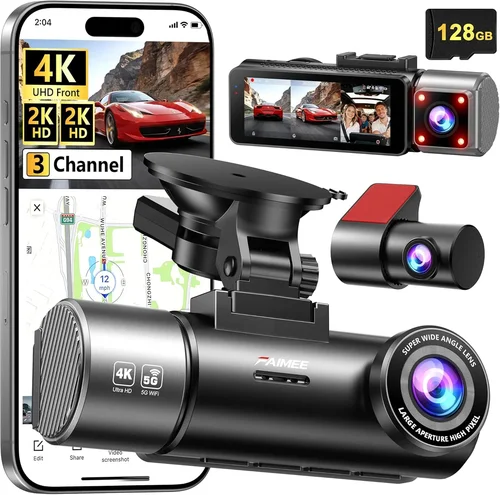
A: Multiple dash cam installations are possible but require careful planning regarding power consumption, data management, and regulatory compliance. Dual-lens systems typically include front and rear cameras, while three-way setups add interior monitoring. Professional installation ensures proper wiring, heat management, and aesthetic integration. Verify that multiple cameras don’t violate local regulations regarding obstructed views or excessive electronic equipment in vehicles.
Q: How do I choose the right memory card for my dash cam?
A: Select memory cards based on your dash cam’s specifications for capacity, speed class, and endurance rating. Look for Class 10 or UHS-I/UHS-II cards with sufficient capacity for your typical trip lengths, and prioritize endurance-rated cards designed for continuous writing. Premium dash cams often recommend specific brands like SanDisk Extreme or Samsung PRO Endurance for optimal performance. Always format cards in the dash cam itself before first use to ensure proper file system compatibility.
Our Final Recommendations
Best for Budget-Conscious Buyers
For drivers seeking reliable protection without breaking the bank, the Rexing V1P stands out as an exceptional value proposition. This mid-range dash cam delivers impressive 2K recording quality with a Sony Starvis sensor for superior low-light performance. The compact design fits discreetly on most windshields, while the intuitive interface makes operation straightforward for all skill levels. Despite its affordable price point, the V1P includes essential features like parking mode, GPS tracking, and smartphone connectivity, making it an outstanding choice for budget-minded drivers who refuse to compromise on quality.
Best Overall Value
The BlackVue DR970X-2CH represents the gold standard for dash cam performance and reliability. This premium dual-lens system offers 4K front recording and 2K rear recording with exceptional image stabilization and intelligent parking monitoring. BlackVue’s cloud connectivity features provide remote viewing and management capabilities unmatched in the industry. While positioned at the higher end of the price spectrum, the DR970X-2CH delivers professional-grade performance with enterprise-level features suitable for both personal and commercial applications, justifying its premium positioning through uncompromising quality and comprehensive functionality.
Best Premium Option
For drivers demanding the absolute best in recording quality and advanced features, the Garmin DriveLuxe 51 offers an unbeatable combination of performance and reliability. This 1440p dash cam incorporates advanced image processing algorithms, superior low-light capabilities, and comprehensive safety features including forward collision warnings and lane departure alerts. Garmin’s ecosystem integration provides seamless smartphone connectivity and cloud backup options, while the rugged construction ensures reliable operation in extreme conditions. The DriveLuxe 51 sets the benchmark for premium dash cam performance with features typically reserved for professional fleet management systems.
Best for Beginners
New dash cam owners will appreciate the simplicity and reliability of the Viofo A119 v3. This 2K dash cam features a user-friendly interface, automatic recording modes, and straightforward installation procedures perfect for first-time users. The compact form factor minimizes visual obstruction while maintaining excellent field of view. Viofo’s responsive customer support and comprehensive warranty coverage provide peace of mind for beginners who may encounter technical challenges during setup or operation. The A119 v3 delivers professional-quality recording without overwhelming complexity, making it an ideal introduction to dash cam technology.
Best for Advanced Users
Experienced dash cam users seeking maximum functionality and customization options will find the Thinkware U1000 exceptional value. This 4K Ultra HD dash cam offers unparalleled recording quality with advanced image processing, superior low-light performance, and comprehensive feature sets including parking mode, GPS tracking, and Wi-Fi connectivity. Thinkware’s customizable settings allow experienced users to fine-tune every aspect of operation, from sensitivity thresholds to recording intervals. The U1000’s robust build quality and professional-grade components ensure reliable performance under demanding conditions, making it the ultimate choice for users who demand nothing but the best in automotive recording technology.
Conclusion: Making the Right Choice
Selecting the best dash cam for your car requires balancing multiple factors including budget constraints, performance requirements, feature preferences, and long-term reliability expectations. Rather than chasing the latest technological advances or focusing exclusively on price points, successful buyers prioritize their specific needs and evaluate products accordingly. Consider your typical driving patterns, environmental conditions, and intended use cases when making decisions about recording quality, additional features, and installation complexity.
The dash cam landscape continues evolving rapidly, with new innovations enhancing recording capabilities, connectivity options, and intelligent features. Stay informed about emerging technologies while maintaining realistic expectations about current market offerings. Remember that the most expensive option isn’t necessarily the best fit for your situation, and conversely, extremely affordable models may lack essential functionality or reliability.
Take advantage of comprehensive review information, professional installation services, and generous return policies when testing different options. Don’t hesitate to consult with automotive technology professionals or experienced dash cam users to gain insights into real-world performance and potential challenges. Ultimately, the best dash cam delivers reliable protection, peace of mind, and valuable evidence when you need it most—making thoughtful consideration of your specific requirements the key to successful selection and installation.