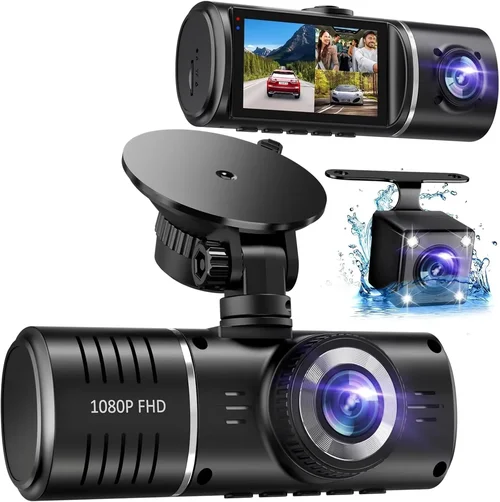
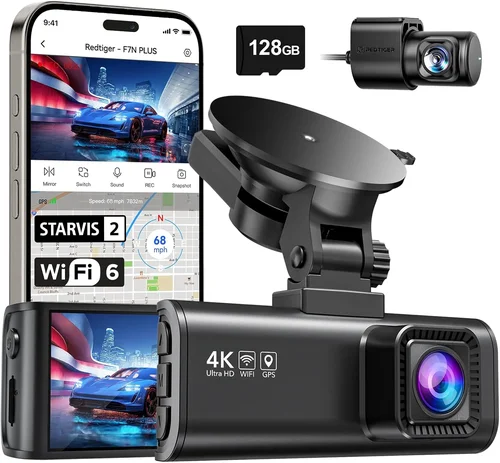
Best Dash Cam Shopping Guide for Canada
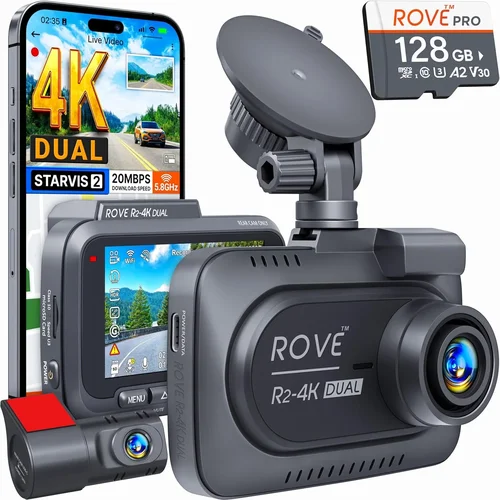
Why This Guide Matters
Choosing the right dash cam in Canada isn’t just about recording your drive — it’s about protecting yourself, your vehicle, and your peace of mind. With winter conditions that can turn a simple commute into a hazardous ordeal, having reliable footage can make all the difference during insurance disputes or legal situations. The Canadian market offers a wide variety of dash cams, from budget-friendly models to high-end systems with advanced features. This comprehensive guide will walk you through everything you need to know to make an informed decision.
What readers will learn
You’ll discover how to evaluate dash cams based on critical factors like resolution, night vision, GPS functionality, and storage options. We’ll explore the different types of dash cams available, help you understand common pitfalls to avoid, and provide specific recommendations for various budgets and needs. Whether you’re a first-time buyer or looking to upgrade your current setup, this guide will equip you with the knowledge to select the perfect dash cam for the unique challenges of Canadian driving.
Brief overview of the market
The Canadian dash cam market has grown significantly over the past decade, with major brands offering models tailored to our diverse climate and road conditions. From compact single-lens cameras to sophisticated dual-camera systems with parking mode, there are options for every driver. Canadian consumers particularly value features that handle snow, ice, and low-light conditions effectively, as well as models that integrate well with winter tires and heated windshield requirements.

What to Look for When Buying Dash Cams
Budget & Price Range
Your budget is often the first consideration when shopping for a dash cam, but it shouldn’t be the only factor. In Canada, dash cams typically range from $50 CAD for basic models to over $500 CAD for premium systems. While it’s tempting to choose the cheapest option, investing a bit more upfront can save you significant headaches down the road. Entry-level models ($50-$150) may lack essential features like good night vision or reliable looping recording, while mid-range cameras ($150-$300) offer the best balance of quality and affordability for most Canadian drivers.
Consider what features matter most to you and allocate your budget accordingly. For example, if you frequently drive at night or in rural areas with poor lighting, prioritize models with superior low-light performance even if it means spending slightly more. Remember that cheaper models might require frequent replacements due to poor build quality or technical issues, making the higher initial investment worthwhile.
Performance Specifications
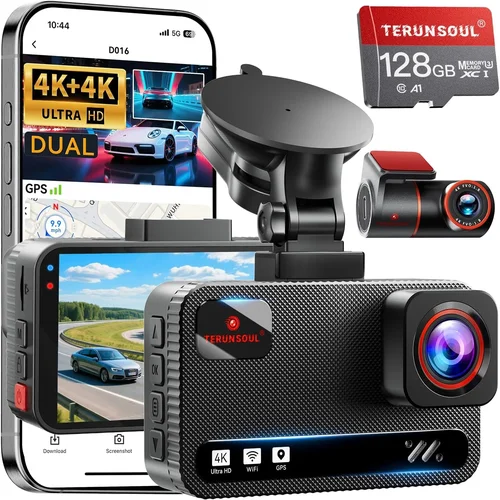
Performance specifications determine how well your dash cam captures footage under various conditions. Resolution is the most important factor — look for at least 1080p Full HD recording, though 4K models are becoming increasingly affordable and offer much better detail for license plate recognition and accident reconstruction. Higher resolution means clearer evidence in case of incidents.
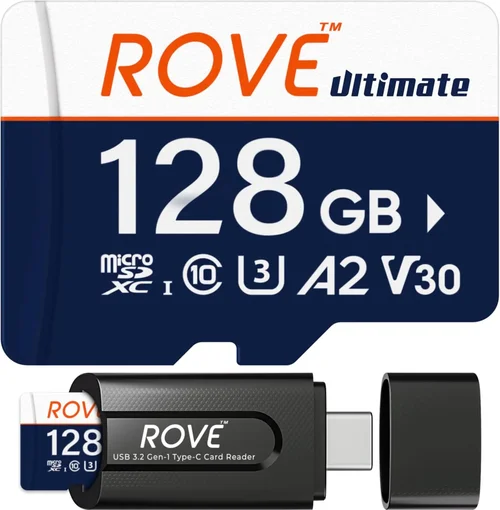
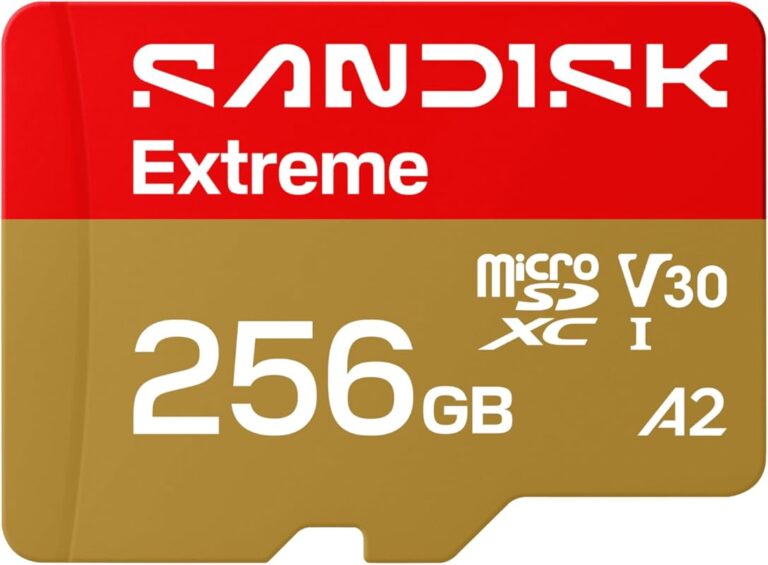
Frame rate matters too — 30fps (frames per second) is standard, but some models offer 60fps for smoother motion capture during fast-moving situations like highway driving or sudden stops. Bitrate affects video quality and file size; higher bitrates mean better quality but larger files that fill up your memory card faster. Most Canadian dash cams use microSD cards, so ensure compatibility and consider getting a high-quality card from reputable brands like SanDisk or Samsung.
Build Quality & Durability
Canadian roads present unique challenges — from salted winter roads that corrode electronics to extreme temperature swings that affect battery life and performance. A durable dash cam should withstand these conditions without failing. Look for models with metal or reinforced plastic housings rather than flimsy plastic cases that crack easily when dropped or exposed to cold temperatures.
Water resistance is another critical factor, especially given our rainy seasons and potential for snow accumulation. IP ratings indicate dust and water protection levels — while few dash cams have formal IP certifications, many manufacturers specify their level of protection against moisture. Also consider the mount quality; a secure suction cup or adhesive mount that doesn’t lose grip in freezing temperatures is essential for safety.
Features & Functionality
Modern dash cams come packed with features that enhance usability and reliability. GPS functionality records your speed and location data, which can be invaluable for accident reconstruction and proving you weren’t speeding. Wi-Fi connectivity allows you to easily transfer videos to your smartphone using companion apps — very useful when you need to quickly share evidence with insurance companies.
Parking mode is arguably one of the most important features for Canadian drivers who park overnight in potentially risky areas. This feature uses motion detection or impact sensors to record events when the car is turned off, helping protect against hit-and-runs or theft attempts. Some models also include built-in batteries or capacitor-based power systems that maintain functionality during extended periods away from the vehicle.
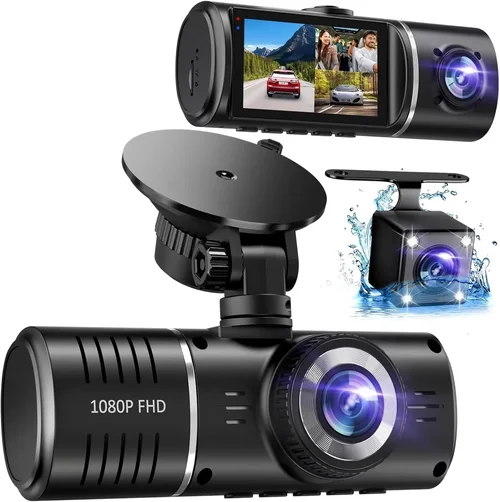
Wide-angle lenses capture more of your surroundings — typically 130-170 degrees horizontally — giving you comprehensive coverage of the road ahead and sides of your vehicle. Advanced models may offer multiple viewing angles or dual-lens systems that record both front and rear simultaneously.
Brand Reputation
Choosing a reputable brand can significantly reduce the risk of buying a faulty product or dealing with poor customer service. Established brands like Blackvue, Thinkware, Garmin, and Nextbase have been tested extensively by Canadian consumers and typically offer better warranty support and software updates. Research user reviews specifically from Canadian buyers who face similar weather conditions and road types.
Pay attention to how long the company has been in business and whether they have local customer support or service centers in Canada. Brands with international manufacturing but local distribution often provide better post-purchase support, including warranty claims and technical assistance in your language and currency.
Warranty & Support
A solid warranty demonstrates the manufacturer’s confidence in their product and protects your investment. Most quality dash cams come with at least a one-year warranty, while premium models may offer two or three years. Check what the warranty covers — some exclude damage from extreme weather conditions, while others provide comprehensive protection.
Customer support responsiveness is equally important. Look for brands that offer multiple contact methods (phone, email, live chat) and reasonable response times. Reading recent user experiences about warranty claims and technical support can give you insight into how the company handles problems. Some manufacturers even offer extended warranty options or premium support plans for an additional fee.
Size & Portability
While most dash cams are designed to be discreet, size still matters. Compact models are less likely to obstruct your view or become damaged in accidents, but they may have limited space for additional features like larger displays or better cooling systems. Consider your windshield placement carefully — some users find that smaller cameras blend better with the dashboard aesthetics.
If you plan to move the dash cam between vehicles frequently, portability becomes more important. Some models are designed specifically as “travel” or “portable” dash cams with magnetic mounts or universal brackets. These can be convenient if you rent cars occasionally or want to use the same camera in multiple vehicles.
User Reviews & Ratings
Online reviews provide real-world insights that specification sheets can’t convey. Focus on reviews from Canadian buyers who’ve experienced similar conditions — cold winters, wet springs, and variable lighting conditions. Pay particular attention to comments about reliability over time, performance in low light, and ease of use with Canadian-specific features like winter tire compatibility.
Look for patterns in negative reviews rather than isolated complaints. If multiple users report the same issue — like poor suction cup performance in cold weather or memory card corruption — it’s worth considering alternative models. Conversely, consistently positive feedback about specific features can confirm they deliver on their promises.
Different Types of Dash Cams

Common Buying Mistakes to Avoid
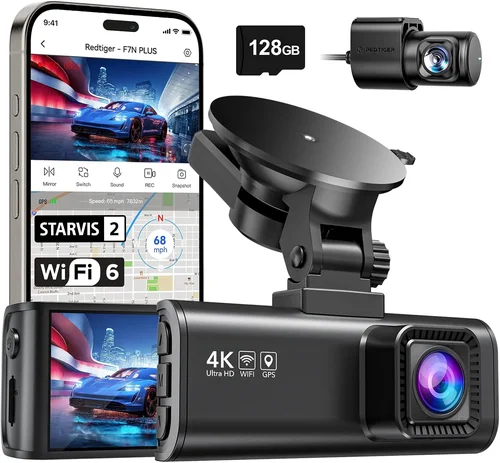
❌ Mistake: Choosing Based Solely on Price
Why it’s bad: While budget is important, focusing only on cost can lead to disappointment. Many inexpensive dash cams fail within months due to poor components, inadequate firmware, or unreliable recording capabilities. In Canada’s harsh climate, cheap models often suffer from condensation issues, frozen buttons, or corrupted memory cards during temperature changes.
What to do instead: Set a realistic budget range and compare features within that bracket. Look for models that offer the best combination of resolution, durability, and reliability. Read Canadian user reviews specifically about performance in cold weather conditions and winter driving scenarios.
❌ Mistake: Ignoring Storage Requirements
Why it’s bad: Dash cams use continuous recording with looped overwrite, but insufficient storage leads to lost footage. Many users discover too late that their memory cards either fill up too quickly or get corrupted, leaving them without crucial evidence when needed most.
What to do instead: Calculate your storage needs based on recording resolution and daily mileage. For 1080p recording, a 64GB card typically lasts 2-3 hours. Consider higher capacity cards (128GB+) for longer drives or 4K models. Always purchase high-quality cards from reputable brands and format them properly using the dash cam’s built-in formatting feature.
❌ Mistake: Overlooking Installation Challenges
Why it’s bad: Poor installation can lead to obstructed views, false triggers, or equipment failure. In Canada, cold temperatures can cause suction cups to lose grip, and winter road salt accelerates corrosion of mounting hardware.
What to do instead: Choose a professional installation service if possible, especially for complex wiring or parking mode setups. If DIY installation, follow manufacturer guidelines precisely and test the mount thoroughly before driving. Consider using alcohol wipes to clean surfaces before applying suction cups for better adhesion in cold weather.
❌ Mistake: Neglecting Firmware Updates
Why it’s bad: Outdated firmware can cause compatibility issues, reduced performance, or missing features. Manufacturers frequently release updates that improve stability, add new functions, or fix bugs related to specific regional conditions.
What to do instead: Regularly check the manufacturer’s website for firmware updates. Enable automatic notifications if available through companion apps. Keep your dash cam connected to power when updating to prevent interruption that could corrupt the system.
❌ Mistake: Focusing Only on Front Camera Features
Why it’s bad: Relying solely on front-facing cameras leaves blind spots and misses important context during incidents. Rear collisions, side impacts, or parking incidents often occur when the front camera isn’t recording relevant details.
What to do instead: Consider dual-camera systems if your budget allows, or supplement with separate backup cameras. Even adding a rear-facing dash cam later provides valuable additional evidence and peace of mind.
❌ Mistake: Disregarding Power Management
Why it’s bad: Improper power connections can drain your car battery or cause electrical issues. Many users experience drained batteries overnight due to poorly configured parking modes or faulty wiring harnesses.
What to do instead: Understand your car’s electrical system before installing permanent wiring. Use hardwiring kits designed for dash cams to connect directly to your fuse box. Configure parking mode settings carefully to balance security with battery preservation.
Budget Guidelines: How Much Should You Spend?
Entry-Level ($50 – $120 CAD)
For occasional drivers or those on tight budgets, entry-level dash cams offer basic functionality at an affordable price. These models typically provide 720p or 1080p recording, loop recording, and simple motion detection. While they may lack advanced features like GPS or Wi-Fi, they serve well for urban commuting where weather conditions are milder and driving is generally straightforward.
When shopping in this range, prioritize reliability over flashy extras. Look for models with good reviews regarding build quality and consistent performance. Be wary of extremely cheap options under $50 CAD — these often use inferior components that fail quickly or produce poor video quality.
Mid-Range ($120 – $250 CAD)
This sweet spot represents the best value proposition for most Canadian drivers. Mid-range dash cams typically offer 1080p or 2K recording with improved low-light performance, GPS tracking, Wi-Fi connectivity, and reliable parking mode functionality. These models strike an excellent balance between features, durability, and price.
Many popular brands like Blackvue, Thinkware, and Garmin offer models in this category that excel in Canadian conditions. They often include enhanced night vision capabilities, better build quality, and more robust firmware that adapts to various driving scenarios. This tier is ideal for daily commuters, families, and anyone wanting comprehensive protection without breaking the bank.
Premium ($250 – $400 CAD)
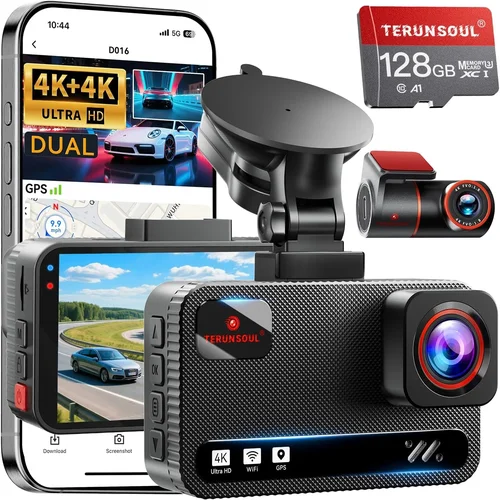
Premium dash cams deliver professional-grade performance with advanced features suited for serious drivers or fleet operators. These models usually offer 4K recording, superior image processing, enhanced GPS accuracy, sophisticated parking surveillance, and robust cloud connectivity options. Build quality is exceptional with weather-resistant housings and reliable components designed for long-term use.
In this range, you’ll find features like HDR (High Dynamic Range) for better contrast in varying lighting conditions, improved audio recording, and more intelligent event detection algorithms. Premium models often include extended warranties and priority customer support, making them worthwhile investments for frequent travelers or commercial vehicle operators.
Luxury ($400+ CAD)
Luxury dash cams represent the cutting edge of automotive technology, featuring multiple cameras, AI-powered analytics, extensive cloud storage, and integration with other smart devices. These systems are designed for enthusiasts who demand the absolute best performance and comprehensive coverage.
While not necessary for most drivers, luxury options provide unparalleled recording quality, advanced safety features, and seamless integration with smartphones and home networks. They’re particularly valuable for content creators, professional drivers, or collectors who want the latest technology and maximum peace of mind.
Expert Tips for Getting the Best Deal
Timing Your Purchase Strategically
Canadian retailers often align their sales cycles with seasonal changes and holidays. Late summer and early fall typically see the best deals as manufacturers prepare for new model releases. Black Friday and Cyber Monday in November offer substantial discounts across electronics categories, while Boxing Day in January provides another opportunity for savings.
Keep an eye out for spring promotions as well — many drivers replace their dash cams after winter when older units show signs of wear. Avoid buying immediately after major product launches unless you’re certain about the model’s reliability and Canadian compatibility.
Choosing the Right Retailer
Major Canadian retailers offer the convenience of in-store pickup and local returns, but online marketplaces often provide better pricing. Compare prices across platforms like Amazon.ca, BestBuy.ca, CanadianTire.ca, and specialized automotive electronics stores such as AutoTrader.ca or PartsCanada.com.
Consider purchasing from authorized dealers who carry full warranty coverage and genuine accessories. Avoid third-party sellers on platforms like eBay unless they have excellent ratings and clear return policies. Local auto parts stores may offer installation services that can save time and ensure proper setup.
Spotting Hidden Deals and Discounts
Bundle deals can offer significant savings when purchasing multiple items together. Some retailers sell dash cam packages that include memory cards, protective cases, or installation accessories at reduced rates. Student, military, or senior discounts may also be available from certain manufacturers or retailers.
Look for refurbished or open-box items from reputable sources — these often come with full warranties and have been professionally inspected. Signing up for credit card rewards programs can also earn points redeemable toward future purchases.
Understanding Warranty Coverage
Always verify warranty terms before purchasing. Canadian consumer protection laws vary by province, but most manufacturers honor warranties regardless of purchase location. Check whether the warranty covers parts, labor, and shipping costs for repairs.
Extended warranty options can provide additional peace of mind, especially for expensive models. However, read the fine print carefully — some extended warranties only cover specific components or have lengthy claim processes. Consider the likelihood of needing repairs versus the cost of extended coverage.
Return Policies and Testing Periods
Choose retailers with generous return windows — ideally 30 days or more — to allow sufficient time for testing the dash cam in real driving conditions. This is particularly important for Canadian buyers who need to assess performance in snow, rain, and low-light situations.
Request detailed return policies before purchasing, including restocking fees and return shipping responsibilities. Some manufacturers offer trial periods where you can test the device before committing to keep it permanently.
Installation and Setup Guidance
Proper installation significantly impacts performance and longevity. If choosing professional installation, ask about their experience with Canadian climate conditions and winter tire installations. DIY installers should understand how to safely route cables behind trim panels without damaging interior components.
Configure all settings according to your specific needs — adjust sensitivity levels for parking mode, set appropriate recording intervals, and customize event detection parameters. Take advantage of any included tutorials or customer support resources to optimize your setup.
Frequently Asked Questions
Q: Do I really need a dash cam in Canada?
A: While not legally required, a dash cam provides invaluable protection against false insurance claims, helps prove your innocence in accidents, and documents road conditions. In Canada’s unpredictable weather and complex traffic situations, having reliable footage can save you thousands in disputed claims and legal fees.
Q: What’s the best resolution for Canadian driving conditions?
A: At minimum, choose 1080p Full HD recording. For optimal performance, 2K or 4K resolution provides significantly better detail for license plate recognition and accident reconstruction. Higher resolutions are particularly valuable in challenging lighting conditions or when documenting small but important details during incidents.
Q: How much memory do I need for my dash cam?
A: It depends on your recording quality and usage patterns. For 1080p recording, a 64GB card typically holds 2-3 hours of footage. Consider 128GB or larger for longer drives or 4K recording. Always purchase high-quality cards from reputable brands and format them using the dash cam’s built-in formatting feature to prevent corruption.
Q: Can dash cams work in extreme cold weather?
A: Yes, but performance varies by model. Look for dash cams specifically rated for cold weather operation or those with proven track records in Canadian winters. Capacitor-based systems generally perform better than lithium batteries in sub-zero temperatures. Ensure your mount remains secure in freezing conditions and avoid exposing the device to rapid temperature changes.
Q: Is parking mode worth the battery drain?
A: Absolutely — parking mode protects against hit-and-runs, theft attempts, and vandalism when your vehicle is unattended. Modern dash cams use intelligent power management to minimize battery drain while providing adequate protection. Connecting to your car’s fuse box through a hardwiring kit prevents battery depletion entirely.
Q: Should I buy a front-only or dual-camera system?
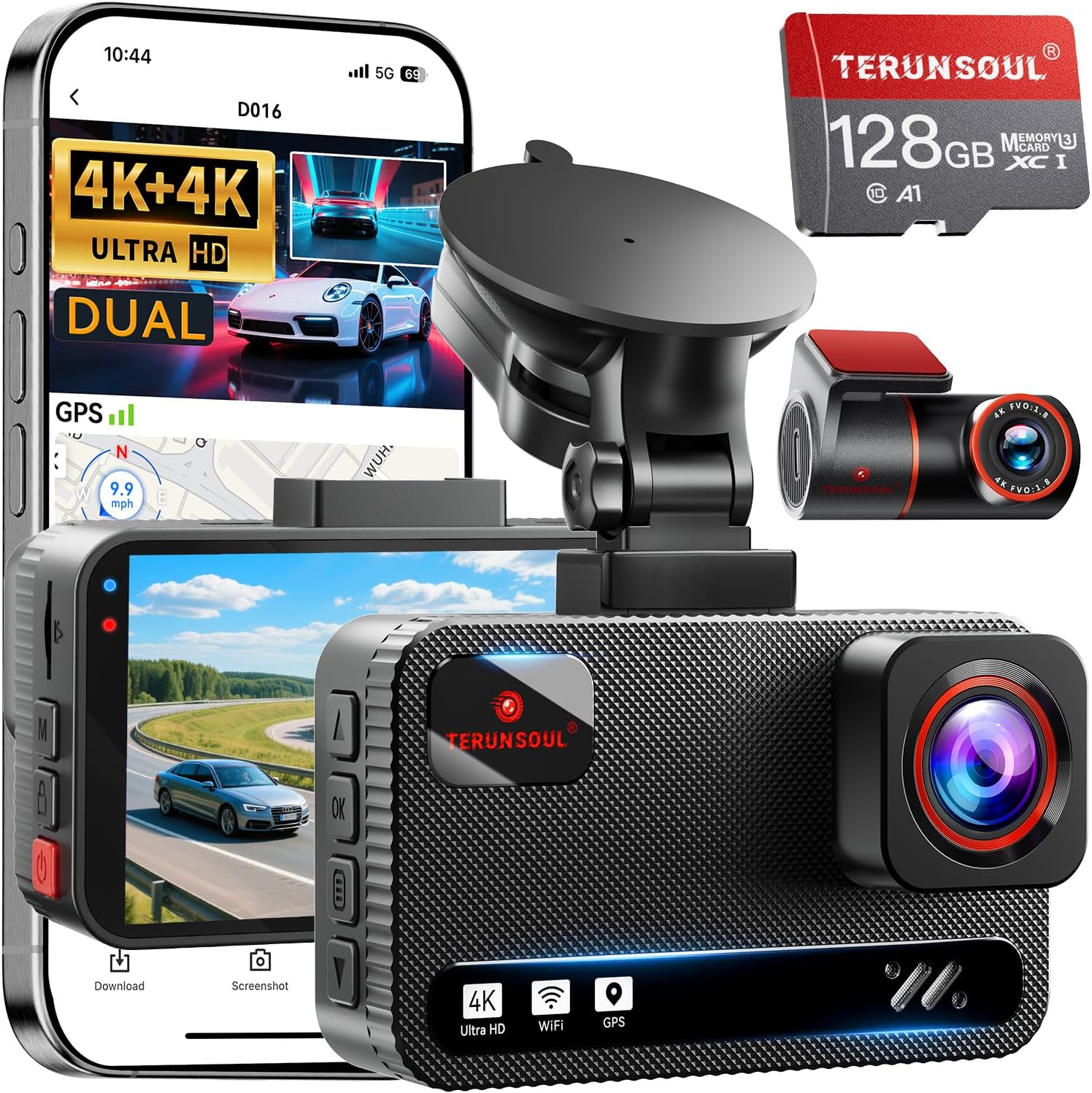
A: Dual-camera systems offer comprehensive coverage and are particularly valuable for Canadian drivers who frequently encounter rear-end collisions or parking incidents. However, front-only cameras provide excellent protection for most driving scenarios and are more budget-friendly. Consider your specific needs, budget, and typical driving patterns when deciding.
Q: How do I ensure my dash cam survives winter road conditions?
A: Protect your dash cam from road salt by cleaning it regularly with mild soap and water. Use a microfiber cloth to remove salt residue that can corrode components over time. Consider using a protective case or screen protector to shield against debris and minor impacts. Ensure all connections are sealed against moisture intrusion.
Q: Can I use my dash cam in rental cars?
A: Portable travel dash cams with magnetic mounts work excellently in rental cars without requiring permanent installation. These models are designed for easy transfer between vehicles and don’t leave residue or damage rental properties. Just remember to inform the rental agency if required by their policy.
Q: How often should I update my dash cam’s firmware?
A: Check for firmware updates whenever you notice performance issues or when the manufacturer announces new features. Many modern dash cams support automatic notifications through companion apps. Updating firmware regularly ensures optimal performance, bug fixes, and compatibility with new memory cards or operating systems.
Q: What happens if my dash cam runs out of battery during parking mode?
A: Most quality dash cams automatically stop recording when battery levels drop critically to prevent complete discharge. Some models enter a low-power standby mode or shut down entirely to preserve remaining charge. Hardwired installations eliminate this concern by drawing power directly from your vehicle’s electrical system.
Our Final Recommendations
Best for Budget-Conscious Buyers
The Viofo A119 v3 offers exceptional value at around $150 CAD, providing 2K recording, reliable parking mode, and robust build quality. Its compact design fits discreetly on most windshields, and user reviews consistently praise its performance in Canadian winter conditions. While it lacks some premium features like GPS, it delivers outstanding video quality for the price.
Best Overall Value
The Thinkware F800 Pro strikes the perfect balance between features, performance, and price at approximately $220 CAD. This model includes 2K recording, excellent night vision, GPS tracking, Wi-Fi connectivity, and reliable parking surveillance. Its intuitive interface and durable construction make it ideal for Canadian drivers seeking comprehensive protection without excessive complexity.
Best Premium Option
For those wanting the ultimate in performance and features, the BlackVue DR900S-2CH represents industry-leading quality at around $450 CAD. This dual-camera system offers 4K front recording with 1080p rear, superior HDR imaging, cloud connectivity, and military-grade build quality. Its advanced parking mode and reliable firmware updates justify the investment for serious drivers or commercial applications.
Best for Beginners
The Nextbase 522GW provides an excellent introduction to advanced dash cam features at approximately $200 CAD. Known for its user-friendly interface, Alexa voice control, and impressive emergency incident detection, this model simplifies the learning curve while delivering professional-grade recording capabilities suitable for Canadian driving conditions.
Best for Advanced Users
The Garmin Dashcam Mini 66W combines compact size with powerful performance at around $250 CAD. Its ultra-wide 140-degree lens captures comprehensive coverage, while the reliable loop recording and motion detection provide peace of mind. Advanced users appreciate its seamless integration with other Garmin devices and consistent performance across varying Canadian climates.
Each of these recommendations has been selected based on extensive research of Canadian user experiences, performance in our unique driving conditions, and overall value proposition. Your final choice should align with your specific needs, budget constraints, and preferred features while considering the practical realities of Canadian ownership.
Conclusion: Making the Right Choice
Selecting the best dash cam for Canada requires balancing multiple factors — from budget considerations and technical specifications to real-world performance in our challenging climate. Rather than chasing the latest features or lowest price, focus on finding a model that reliably captures clear footage in the conditions you actually drive in, provides adequate protection against false claims, and integrates seamlessly with your lifestyle.
Remember that a dash cam is ultimately an investment in your peace of mind and financial security. While no device can prevent accidents entirely, having reliable evidence dramatically increases your chances of fair treatment when disputes arise. Take time to research thoroughly, read Canadian-specific reviews, and choose a model that you feel confident relying on throughout all four seasons.
Whether you opt for a budget-friendly option or invest in a premium system, the most important thing is to install it properly, maintain it regularly, and use it consistently. With the right dash cam and proper care, you’ll enjoy greater protection, reduced stress, and enhanced confidence on Canada’s diverse roadways.