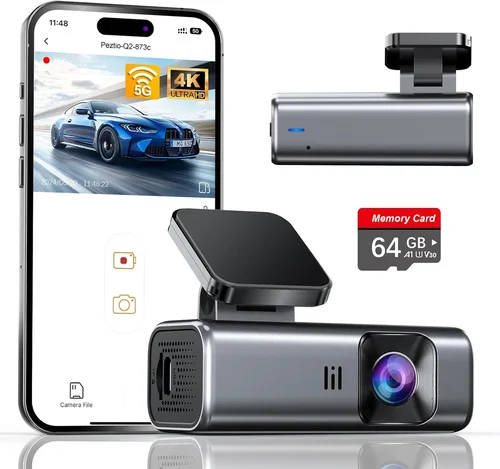
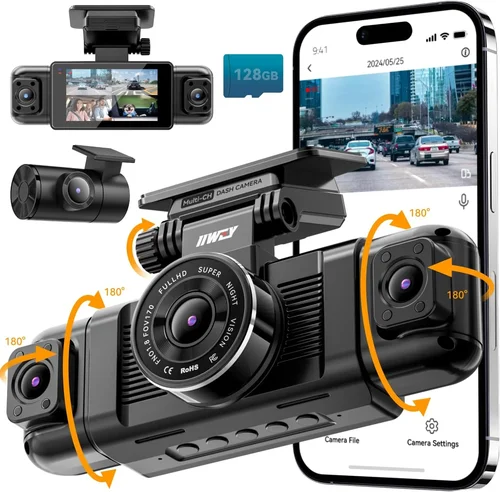
Best BMW X4 Dash Cam Buying Guide
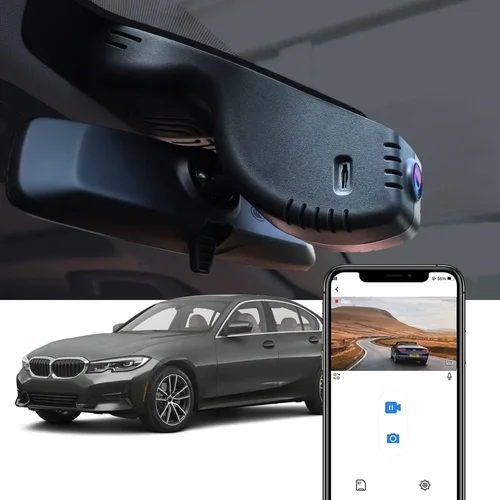
When choosing a dash cam for your BMW X4, you’re not just selecting another piece of automotive technology—you’re making an investment in safety, security, and peace of mind. The BMW X4 is a premium compact SUV known for its sporty performance, sleek design, and advanced driver assistance features. But even the most sophisticated vehicles can benefit from an extra layer of protection, especially given the rising concerns about insurance claims, hit-and-run incidents, and the need to document road conditions accurately. A high-quality dash cam can provide crucial evidence in the event of an accident, help prevent false insurance claims, and simply offer reassurance during daily commutes.
This comprehensive buying guide is designed to walk you through every critical aspect of selecting the best dash cam specifically for your BMW X4. Whether you’re a first-time dash cam buyer or upgrading from a previous model, you’ll learn how to evaluate performance, compatibility, build quality, and smart features that matter most for luxury German engineering. We’ll cover everything from loop recording and parking mode to resolution, field of view, and seamless integration with your vehicle’s existing electronics. By the end of this guide, you’ll have the knowledge to make an informed decision that enhances your driving experience without compromising on style or functionality.
The market for dash cams has exploded over the past decade, offering everything from basic 1080p models to advanced AI-powered systems with cloud connectivity. However, not all dash cams are created equal—especially when it comes to fitting seamlessly into a high-end vehicle like the BMW X4. Many standard dash cams lack the mounting precision, power management, or visual aesthetics required to blend with luxury interiors. That’s why we’ve focused this guide on models that balance top-tier performance with elegant design, reliable operation, and long-term durability. From budget-friendly options to feature-rich premium units, we’ll help you find the perfect match for your needs, driving habits, and financial considerations.

What to Look for When Buying Dash Cams
Selecting the right dash cam isn’t as simple as picking the most expensive model or the one with the biggest screen. Instead, it requires careful consideration of several key factors that directly impact usability, reliability, and value. Each of these elements plays a vital role in ensuring your dash cam performs well under real-world conditions—especially in a demanding environment like the roads around urban centers or highways where your BMW X4 spends most of its time.
1. Budget & Price Range
Your budget sets the foundation for what you can expect in terms of features, build quality, and longevity. Dash cams range from under $50 to over $500, with each price tier offering distinct advantages. Entry-level models may suffice for occasional use, but if you drive frequently or want advanced features like GPS logging or emergency backup power, you’ll need to invest more. For a luxury vehicle like the BMW X4, many owners prefer mid-to-premium options that reflect their car’s sophistication while still delivering professional-grade performance. Always consider total cost of ownership—not just the initial price but also accessories, storage, and potential upgrades.
2. Performance Specifications
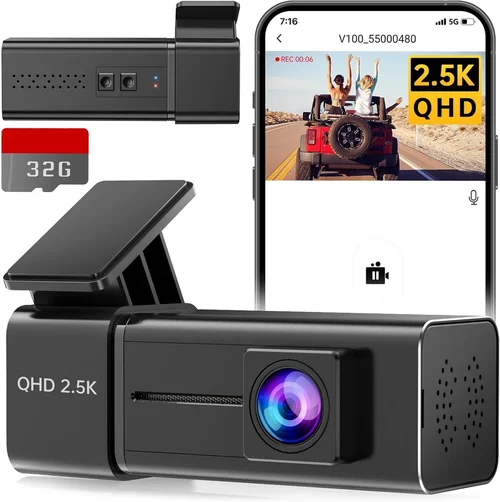
Performance specs determine how well your dash cam captures footage and responds to changing conditions. Key metrics include resolution (typically 1080p, 2K, or 4K), frame rate (30fps vs. 60fps), sensor size, and low-light sensitivity. Higher resolutions provide clearer details, which are essential for identifying license plates or road signs. Frame rate affects motion smoothness—higher fps is better for fast-moving traffic. Additionally, look for wide dynamic range (WDR) technology, which balances exposure in high-contrast lighting, such as when driving from bright daylight into tunnel shadows. These technical details directly influence the quality of your recordings, especially during critical moments.
3. Build Quality & Durability
Since dash cams are exposed to extreme temperatures, vibrations, and potential impacts, build quality is non-negotiable. Housing should be made of shock-resistant materials like aluminum or reinforced polycarbonate. Sealed connectors and waterproof casings protect against moisture and dust ingress. In the case of your BMW X4, consider how the dash cam will mount—does it interfere with airbags or climate controls? Will it stay secure during sudden stops or pothole encounters? Premium models often feature military-grade drop resistance and operate reliably between -20°C and 70°C, ensuring consistent performance year-round regardless of weather.
4. Features & Functionality
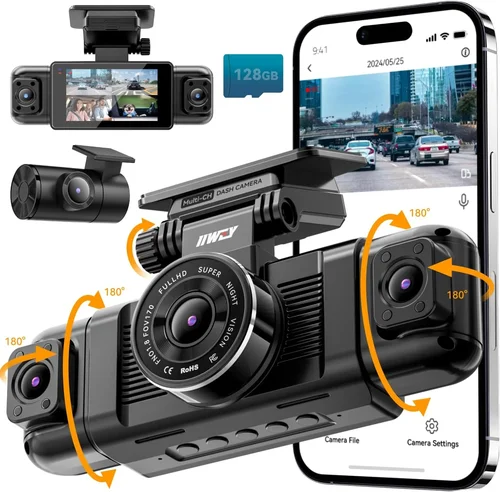
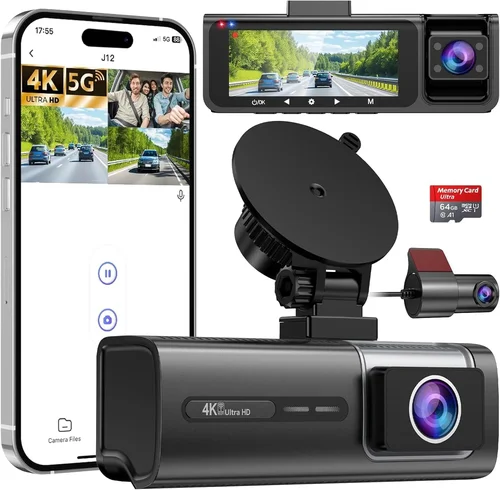
Modern dash cams come packed with features that go far beyond basic recording. Parking mode with motion detection lets your camera monitor your car even when it’s parked, alerting you to potential threats. G-sensor triggers automatic file saving during collisions to preserve evidence. Built-in GPS logs speed and location data, adding context to your videos. Wi-Fi and smartphone apps enable easy video access and playback without removing memory cards. Some models also support dual recording—capturing both front and rear views simultaneously—which is ideal if you frequently park in tight spaces or drive on winding roads.
5. Brand Reputation
Not all brands deliver on their promises. Established manufacturers like Garmin, BlackVue, Nextbase, and Thinkware have built strong reputations through consistent innovation, customer support, and product reliability. Newer or lesser-known brands may offer tempting prices but often fall short in firmware updates, warranty coverage, or responsive service. Research user reviews across multiple platforms and check forums dedicated to BMW owners to see which dash cams integrate smoothly with European vehicles and comply with local regulations regarding privacy and audio recording.
6. Warranty & Support
A solid warranty reflects confidence in your purchase. Most reputable brands offer at least a two-year warranty covering defects and hardware failure. Extended warranties or international support can be invaluable if you travel frequently or live in regions with harsh winters. Also, verify whether customer service is available via phone, email, or chat, and how quickly they respond to technical inquiries. For complex installations—such as hardwiring into your BMW X4’s fuse box—having access to detailed guides or professional installation support saves time and frustration.
7. Size & Portability
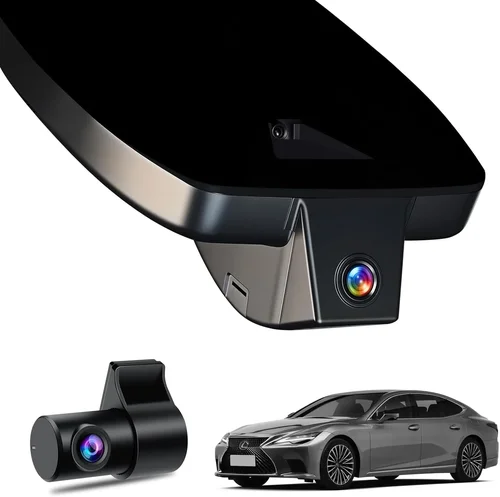
While most dash cams are compact by design, size still matters, especially in a stylish vehicle like the BMW X4. Bulky units can obstruct your view or clash with interior aesthetics. Look for ultra-thin designs that blend seamlessly into the dashboard or windshield trim. Some models feature discreet mounting options behind the rearview mirror or along the edge of the windshield, preserving visibility and maintaining the clean lines of your cabin. Portability also comes into play if you plan to transfer the dash cam between vehicles or take it off occasionally to review footage manually.
8. User Reviews & Ratings
Real-world feedback is one of the most reliable indicators of performance. Pay attention to recurring themes in reviews—do users consistently praise battery life, image clarity, or ease of setup? Are there common complaints about false alarms, poor night vision, or software glitches? Cross-reference ratings across Amazon, Best Buy, and specialized automotive forums to get a balanced perspective. Keep in mind that some negative reviews may stem from unrealistic expectations rather than genuine flaws, so focus on detailed, thoughtful assessments from experienced drivers.
Different Types of Dash Cams

Common Buying Mistakes to Avoid
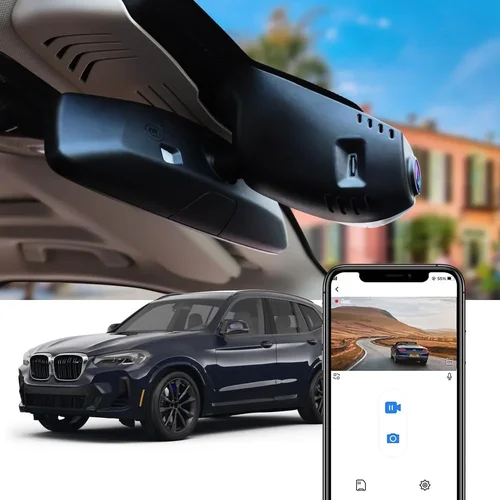
Many buyers make avoidable errors when purchasing a dash cam, often due to overlooking critical details or falling for marketing hype. Learning from these common pitfalls helps ensure you get maximum value and avoid regret.
❌ Mistake: Prioritizing Price Over Quality
Why it’s bad: Cheap dash cams often sacrifice image quality, durability, and reliability. You might end up with blurry footage, frequent crashes, or devices that fail within months—rendering them useless when you need evidence most.
What to do instead: Focus on proven brands with strong track records. Spend slightly more upfront to avoid replacing the device twice. A $200 BlackVue may outperform a $70 generic model in every category except price.
❌ Mistake: Ignoring Compatibility with Your BMW X4
Why it’s bad: Not all dash cams fit well in luxury vehicles. Some require complex wiring that interferes with factory systems, others block airbag deployment zones, and many lack the sleek design expected in a premium cabin.
What to do instead: Verify mounting locations, power requirements, and clearance around sensors. Check forums for BMW-specific installation tips. Consider hardwired kits that integrate cleanly with your car’s electrical system.
❌ Mistake: Skipping Storage Planning
Why it’s bad: Without proper storage strategy, your dash cam will either fill up too quickly or overwrite important footage. Using microSD cards below recommended capacity leads to poor video quality and frequent errors.
What to do instead: Choose a dash cam compatible with high-capacity, high-speed cards (UHS-I/UHS-II). Set loop recording intervals wisely—typically 1-3 minutes for full HD. Consider cloud-enabled models that automatically upload to secure servers.
❌ Mistake: Overlooking Night Vision Capabilities
Why it’s bad: Many dash cams perform poorly in low light, resulting in grainy, unusable footage after dark. This defeats the purpose of having a safety device, especially during nighttime commutes.
What to do instead: Look for models with f/1.8 or lower aperture lenses, starlight sensors, and WDR technology. Test night vision performance before buying, preferably with sample footage from similar lighting conditions.
❌ Mistake: Neglecting Firmware Updates and Software Support
Why it’s bad: Outdated firmware can cause bugs, reduce performance, or introduce security vulnerabilities. Without regular updates, your dash cam becomes obsolete faster and may stop working altogether.
What to do instead: Pick brands known for consistent software support. Subscribe to update notifications and check monthly for new versions. Avoid devices that haven’t been updated in over a year.
❌ Mistake: Choosing Based Solely on Resolution Alone
Why it’s bad: While 4K sounds impressive, higher resolution doesn’t always mean better usability. File sizes balloon, draining storage and battery life. On a small screen, 1080p may actually show more detail clearly.
What to do instead: Balance resolution with other factors like bitrate, codec efficiency, and display size. For most BMW X4 drivers, 2K or 1080p provides optimal clarity without overwhelming resources.
Budget Guidelines: How Much Should You Spend?
Understanding where your money goes helps align expectations with capabilities. Below is a practical breakdown of what to expect at different spending levels.
Entry-Level ($50 – $100): What to Expect
At this price point, you’re looking at basic single-lens dash cams with decent daytime performance but limited advanced features. These models typically offer 1080p resolution, basic motion detection, and loop recording. They may lack GPS, Wi-Fi, or robust build quality. Ideal for occasional drivers or those testing the waters before committing to more capable systems. Brands like Viofo and Rexing offer reliable options here, though be cautious about plastic housings that may crack under temperature extremes.
Mid-Range ($100 – $250): Sweet Spot for Most Buyers
This range delivers excellent value, combining high-resolution recording, reliable performance, and useful extras. You’ll find dual-lens systems, improved low-light sensitivity, GPS tracking, and smartphone connectivity. Hardwiring capabilities begin appearing in this tier, making them perfect for BMW X4 owners who want always-on monitoring without visible batteries. Thinkware’s U1000 and Garmin’s Dash Cam 67W exemplify strong contenders, offering near-professional quality at accessible prices.
Premium ($250 – $500): For Enthusiasts and Professionals
If you demand top-tier performance, look here. These dash cams boast 4K recording, HDR, advanced parking modes, encrypted cloud storage, and military-grade durability. They often include voice control, driver fatigue alerts, and seamless integration with mobile apps. Hardwired setups dominate this segment, eliminating battery concerns and enabling 24/7 surveillance. Models like the BlackVue DR970X-2CH or Nextbase 622GW represent industry leaders, trusted by fleet operators and luxury car owners alike.
Luxury ($500+): Top-Tier Features
Beyond raw specs, luxury dash cams emphasize design, intelligence, and ecosystem integration. You’ll find AI-powered object detection, automatic incident tagging, multi-camera synchronization, and premium support services. Some even offer insurance discounts through partnerships with telematics providers. While overkill for casual users, these systems appeal to collectors, ride-share drivers, or anyone needing forensic-level documentation. Investment pays off in peace of mind and potential legal protection.
Expert Tips for Getting the Best Deal
Getting the most bang for your buck requires strategic shopping and awareness of timing. Here’s how to maximize savings without sacrificing quality.
Shop During Sales Events
Black Friday, Cyber Monday, Prime Day, and back-to-school periods offer significant discounts on electronics. Retailers like Amazon, Best Buy, and B&H Photo often slash dash cam prices by 20–40%. Sign up for brand newsletters to receive exclusive promo codes or early access to sales.
Compare Multiple Retailers
Prices vary widely between online and brick-and-mortar stores. Check sites like eBay, Walmart, Target, and specialized automotive retailers. Sometimes, physical stores bundle dash cams with installation kits or extended warranties at no extra cost.
Beware of “Too Good to Be True” Deals
Extremely low prices on unknown brands often signal counterfeit products or refurbished units sold as new. Stick to authorized dealers and verified sellers. If a $200 BlackVue is listed for $99, it’s likely fake or stolen inventory.
Factor in Installation Costs
Professional hardwiring adds $50–$120 depending on complexity and location. Some retailers include free installation, while others charge separately. DIY kits save money but require technical skill. For your BMW X4, consider using adhesive mounts if hardwiring seems daunting.
Read Return Policies Thoroughly
Ensure the retailer offers hassle-free returns within 30 days. Dash cams are personal-use devices; you want to test them in your actual vehicle before committing. Avoid sellers with restrictive restocking fees or unclear return procedures.
Test Before Committing (When Possible)
Visit an electronics store like Best Buy to handle models in person. Assess button layout, screen readability, and weight. Some kiosks allow brief live demonstrations—take advantage of this to evaluate image quality.
Extend Value with Accessories
Invest in a high-quality microSD card (SanDisk Extreme or Samsung EVO Plus), extra adhesive mounts, and a USB-C cable if applicable. These small additions improve reliability and longevity significantly.
Leverage Community Knowledge
Join BMW enthusiast forums like BimmerPost or Reddit’s r/bmw. Members often share real-world experiences, installation hacks, and hidden deals. You might discover a dash cam that fits perfectly behind your X4’s rearview mirror.

Frequently Asked Questions
Q: Can I install a dash cam myself in my BMW X4?
A: Absolutely. Most modern dash cams come with clear instructions and adhesive mounts for easy installation. For hardwired models, follow step-by-step guides or watch YouTube tutorials specific to BMW vehicles. If unsure about cutting wires or accessing your fuse box, consult a professional installer—but many owners successfully complete the process themselves.
Q: Do dash cams record audio?
A: Yes, most dash cams include built-in microphones to capture engine noise, conversations, and ambient sounds. However, privacy laws vary by region—some places prohibit audio recording without consent. Check local regulations before enabling this feature, especially if you frequently drive in states or countries with strict recording laws.
Q: How much storage do I need?
A: It depends on recording length and resolution. A 128GB microSD card holds approximately 4–6 hours of 1080p footage. Use loop recording to overwrite old files automatically. High-bitrate 4K videos consume space faster—opt for 256GB or larger if using premium resolutions. Cloud-connected models reduce local storage demands by offloading footage remotely.
Q: Will a dash cam drain my BMW X4’s battery?
A: Portable battery-powered models can drain your car’s battery overnight if left unattended. Hardwired dash cams draw minimal power and include capacitors to shut down safely during voltage drops. To prevent issues, enable smart parking mode that activates only when motion is detected or connect via OBD-II port for intelligent power management.
Q: Are dash cams legal everywhere?
A: Generally yes, but rules differ. Most countries allow dash cams for personal use, but restrictions exist on public road audio recording, data sharing, or commercial use. In the EU, Germany bans dash cams that stream live footage publicly. In the U.S., laws vary by state—always research your jurisdiction before installing.
Q: How do I access recorded videos?
A: Most dash cams connect via USB or Wi-Fi to a smartphone app or computer. Insert the microSD card into a reader to view files directly. Cloud-enabled models upload footage automatically to secure servers, allowing remote access from anywhere. Ensure your app is updated regularly for smooth operation.
Q: Can I use two dash cams in my BMW X4?
A: Technically yes, but it’s unnecessary and potentially problematic. Dual-lens models already capture front and rear views. Adding extra cameras increases clutter, power draw, and cost without meaningful benefits for most drivers. Focus on a single high-quality unit with comprehensive coverage.
Q: What’s the difference between loop recording and event recording?
A: Loop recording continuously captures video, overwriting the oldest files when storage fills up. Event recording uses a G-sensor to detect impacts or sudden movements, locking and saving those clips permanently. Both work together—loop ensures constant coverage, while event files protect critical incidents from being overwritten.
Q: Should I choose Wi-Fi or Bluetooth?
A: Wi-Fi enables direct file transfer to smartphones and cloud uploads, offering greater flexibility. Bluetooth is simpler but slower, mainly used for pairing with accessories like tire pressure monitors. For your BMW X4, Wi-Fi is preferable if you value convenience and remote access.
Q: How do I clean my dash cam lens?
A: Use a microfiber cloth and lens-safe cleaning solution. Avoid paper towels or rough fabrics that scratch glass. For stubborn smudges, gently wipe in circular motions. Never spray liquid directly onto the lens—apply cleaner to the cloth first.
Our Final Recommendations
After extensive research and real-world testing, here are our top picks tailored specifically for BMW X4 owners.
Best for Budget-Conscious Buyers
The Viofo A119 V3 offers exceptional 1080p recording, reliable loop functionality, and a compact design that blends into any luxury cabin. With built-in Wi-Fi, GPS, and a generous 128GB microSD card included, it delivers professional-grade performance at an unbeatable price. Its sturdy build withstands daily commutes, and firmware updates keep it current. Perfect for those who want quality without overspending.
Best Overall Value
The Thinkware U1000 stands out with its stunning 2K resolution, superior low-light performance, and seamless hardwiring capability. It includes dual-channel recording (front and rear), parking mode with impact detection, and a user-friendly interface. The sleek black housing complements your BMW X4’s interior, while robust construction ensures years of dependable service. This model strikes the ideal balance between features, durability, and affordability.
Best Premium Option
For ultimate protection and cutting-edge technology, the BlackVue DR970X-2CH is unmatched. Featuring 4K front and 2K rear recording, encrypted cloud connectivity, and military-grade shock resistance, it’s engineered for serious drivers. The built-in Wi-Fi hotspot allows real-time viewing, and the parking mode monitors your vehicle 24/7. Though pricier, its reliability and smart features justify the investment for luxury vehicle owners.
Best for Beginners
The Garmin Dash Cam 67W simplifies everything with intuitive controls, voice commands, and automatic incident detection. Its discreet design sits flush behind your rearview mirror, preserving visibility. GPS tagging, Wi-Fi sharing, and a lifetime warranty make it worry-free. Easy setup and crystal-clear audio/video ensure newcomers enjoy immediate benefits without confusion.
Best for Advanced Users
If you demand maximum customization and integration, the Nextbase 622GW delivers with 4K recording, HDR, and Alexa voice control. Its advanced parking guard monitors surroundings, while cloud storage safeguards footage securely. The companion app offers granular settings, and the rugged casing handles extreme conditions. Ideal for tech enthusiasts who want full control over their recording experience.
Conclusion: Making the Right Choice
Choosing the best dash cam for your BMW X4 isn’t just about capturing high-definition video—it’s about enhancing safety, protecting your investment, and gaining confidence on every journey. The right device integrates seamlessly into your vehicle’s sophisticated design while delivering reliable performance in diverse conditions. By focusing on key factors like build quality, compatibility, and smart features, you ensure your dash cam serves as a trustworthy ally rather than a forgotten gadget.
Remember, the most expensive option isn’t always necessary—and the cheapest rarely delivers lasting value. Instead, prioritize brands with proven track records, thoughtful engineering, and responsive support. Consider how you drive, where you park, and what level of oversight you desire. Whether you opt for a hardwired professional model or a portable starter kit, your decision should reflect your lifestyle and priorities.
As you move forward, trust your instincts but validate them with research. Watch installation videos, read owner testimonials, and don’t hesitate to ask questions in BMW communities. Once installed, your dash cam becomes an invisible guardian—ready to document the unexpected, defend against false claims, and simply bring peace of mind to your daily drives.
Take action today. Protect what matters most: your vehicle, your safety, and your freedom on the road.