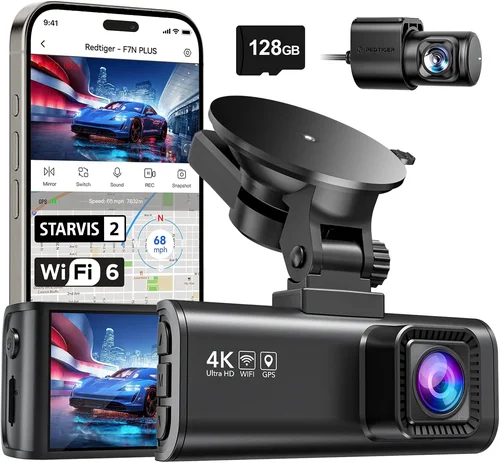
Expert BMW 3 Series Dash Cam Buying Guide
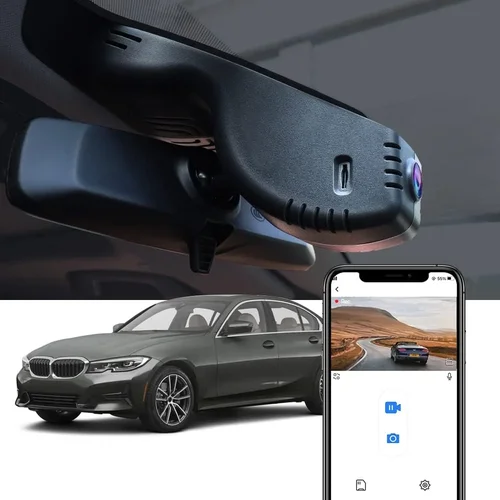
Choosing the right dash cam for your BMW 3 Series is about more than just recording video—it’s about protecting your investment, ensuring peace of mind on the road, and integrating seamlessly into a vehicle known for its precision engineering and advanced technology. The BMW 3 Series, whether it’s the E46, E90, F30, or G20 generation, represents a premium driving experience, and pairing it with a high-quality dash cam ensures that every journey is documented with clarity, reliability, and style.
This comprehensive buying guide will walk you through everything you need to know when selecting the best dash cam for your BMW 3 Series. You’ll learn how to evaluate key performance metrics like resolution, field of view, and night vision capabilities, understand which mounting systems work best with BMW’s interior design, and discover which features—like parking mode, loop recording, and GPS tracking—are essential for real-world use. We’ll also break down common pitfalls to avoid, compare top-rated models across different price ranges, and offer expert advice tailored specifically to BMW owners who demand both functionality and aesthetic integration.
The market for dash cams has expanded dramatically in recent years, offering everything from basic single-lens recorders to dual-camera systems with built-in Wi-Fi, cloud storage, and AI-powered incident detection. But not all dash cams are created equal—especially when it comes to compatibility with luxury vehicles like the 3 Series. A poorly chosen model might obstruct your view, fail to stay powered during long drives, or simply look out of place inside a finely crafted cabin. This guide cuts through the noise to help you make an informed, confident decision.
—

What to Look for When Buying Dash Cams
1. Compatibility With BMW Interior Design
One of the most overlooked aspects when choosing a dash cam for your BMW 3 Series is how well it integrates with the car’s interior aesthetics and dashboard layout. Unlike economy sedans, the 3 Series features clean lines, premium materials, and a driver-centric cockpit designed for elegance and functionality. A bulky or mismatched mount can detract from the overall look and feel of your vehicle.
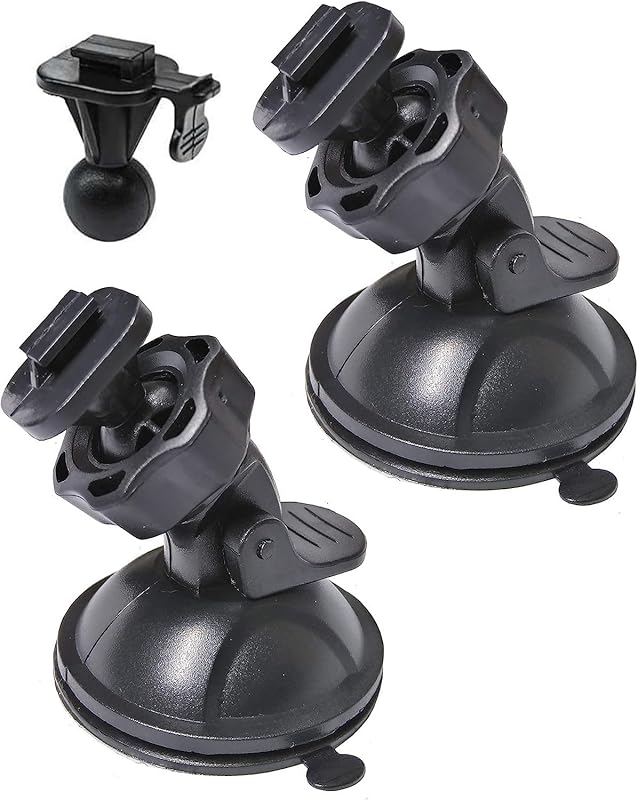
Look for dash cams with compact designs, flush mounting options, and adhesive mounts that don’t require drilling or permanent alterations. Some models come with magnetic mounts or slim profiles that sit discreetly near the windshield’s upper edge without blocking the camera lens or interfering with airbag deployment zones. Additionally, consider models with matte finishes or color-matched housings that blend in rather than stand out.
2. Video Quality and Recording Resolution
The primary purpose of any dash cam is to capture clear, usable footage in case of an accident or dispute. For BMW 3 Series owners, this means prioritizing high-resolution video that delivers sharp details at highway speeds. Most reliable dash cams now support Full HD (1080p), but true professionals and safety-conscious drivers should aim for models offering 2K (2560×1440) or even 4K recording.
Higher resolutions provide better license plate readability, facial recognition, and object identification—critical if you ever need to share footage with insurance companies or law enforcement. However, keep in mind that 4K files consume significantly more storage space and may require faster memory cards. A good rule of thumb is to choose a minimum of 1080p at 60fps for smooth motion capture, especially during fast-paced urban driving or emergency braking events.
Also pay attention to frame rate consistency. Some budget models drop frames during complex scenes or low-light conditions, resulting in choppy footage. Opt for cameras with advanced image stabilization and dynamic range optimization to maintain clarity in varying lighting scenarios.
3. Field of View (FOV)
The angle at which your dash cam captures the road ahead plays a crucial role in incident documentation. Too narrow an FOV misses important context; too wide can distort images and reduce detail near the center of the frame.
Aim for a horizontal field of view between 110° and 130°. This range offers broad coverage of the road while keeping distortion minimal. Wider angles (up to 170°) are available on some models but often sacrifice image quality at the edges. For BMW 3 Series drivers navigating tight city streets or merging onto highways, a balanced FOV ensures you capture lane markings, traffic signals, and surrounding vehicles clearly.
Some premium dash cams feature adjustable FOV settings via firmware updates—this flexibility allows you to fine-tune based on driving habits or seasonal needs (e.g., narrower during winter snowstorms to focus on immediate hazards).
4. Night Vision and Low-Light Performance
Driving at night in a BMW 3 Series—whether commuting home from work or taking a late-night road trip—demands exceptional low-light capability. Poor nighttime footage renders dash cam evidence nearly useless, so prioritize models with large sensors (at least 1/2.7” CMOS), wide aperture lenses (F1.8 or lower), and infrared or starlight-level imaging technology.
Look for features like HDR (High Dynamic Range) processing, which balances bright headlights with darker road surfaces, reducing overexposure and underexposure artifacts. Night vision isn’t just about brightness—it’s also about color accuracy and noise reduction. Some top-tier models use AI-enhanced algorithms to preserve detail even in pitch-black conditions without relying on external IR illuminators.
5. Parking Mode and Impact Detection
Parking mode is arguably one of the most valuable features for BMW owners who park their cars downtown, at shopping centers, or in busy garages. Since most incidents occur when the car is unattended, having your dash cam monitor for bumps, scratches, or attempted break-ins provides invaluable protection.
When evaluating parking mode, look for motion-activated recording that starts automatically upon detecting vibrations or movement. Ensure the system supports continuous power delivery via hardwiring kits compatible with BMW electrical systems. Many 3 Series models support CANBUS integration, allowing dash cams to receive ignition status data and adjust behavior accordingly (e.g., turning off parking mode when the engine runs).
Impact detection should trigger instant file locking so critical footage isn’t overwritten by loop recording cycles. Some advanced systems even send alerts to your smartphone via Wi-Fi or cellular connectivity if suspicious activity occurs.
6. Storage Capacity and Loop Recording
Dash cam storage revolves around microSD cards—typically ranging from 32GB to 256GB. While larger capacities allow longer recording times between transfers, they also increase cost and management overhead.
For daily commuters, a 64GB card usually suffices for 2–3 hours of continuous recording at 1080p. Professional drivers or those covering long distances may prefer 128GB or higher. Regardless, ensure your dash cam uses loop recording—a feature that overwrites the oldest footage once the card fills up, maintaining uninterrupted operation.
Additionally, check whether the device formats cards automatically and supports exFAT file systems (required for cards above 32GB). Some older models struggle with modern high-speed cards, leading to dropped frames or failed recordings.
7. Ease of Use and User Interface
A complicated menu system defeats the purpose of a dash cam—you shouldn’t need technical manuals or customer service calls just to review yesterday’s drive. Modern dash cams should offer intuitive touchscreen interfaces, voice commands, or simple button navigation.
For BMW 3 Series owners, integration with existing infotainment systems would be ideal, though few dash cams currently support Apple CarPlay or Android Auto. Instead, focus on models with responsive menus, quick-access buttons for snapshots or event marking, and seamless playback via companion apps.
Voice control compatibility—especially with Google Assistant or Amazon Alexa—can enhance usability during stops, letting you command recordings without touching the screen. Also verify that firmware updates are easy to install and don’t require proprietary software downloads.
8. Build Quality and Weather Resistance
Your BMW 3 Series endures extreme temperatures, UV exposure, and moisture—especially in regions with harsh winters or humid summers. A poorly sealed dash cam may fog internally, crack under thermal stress, or fail prematurely due to condensation.
Choose models with IP65 or higher ingress protection ratings, indicating resistance to dust and water jets. Housing materials matter too: polycarbonate or aluminum alloys outperform plastic composites in durability tests. Internal components should include temperature-controlled circuitry to prevent shutdowns in sub-zero climates or overheating in desert heat.
Finally, confirm that the lens coating repels rain, smudges, and glare—common issues in urban environments where glass reflections interfere with visibility.
—
Different Types of Dash Cams

—
Common Buying Mistakes to Avoid
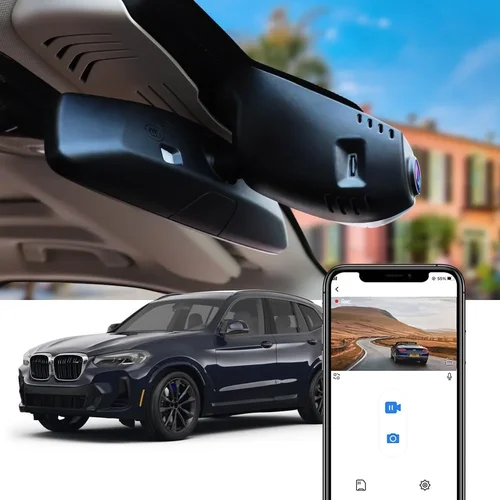
❌ Mistake: Ignoring Mounting Compatibility
Why it’s bad: Installing a dash cam with a loose or unstable mount can lead to poor footage quality, accidental dislodging, or even damage to your windshield or interior trim. In a BMW 3 Series, where every surface is engineered for precision, improper mounting undermines both safety and aesthetics.
What to do instead: Always verify that the mount type (adhesive, magnetic, clamp) suits your dashboard curvature and material. Test the fit before committing to purchase. Consider professional installation services familiar with BMW models to ensure secure, OEM-like placement.
❌ Mistake: Choosing Based Solely on Price
Why it’s bad: The cheapest dash cam may lack essential features like impact detection, proper low-light performance, or reliable loop recording. Over time, replacing a faulty unit or losing critical footage due to poor quality can cost far more than investing wisely upfront.
What to do instead: Define your priorities first—do you need parking mode? Dual cameras? Cloud connectivity? Then allocate budget accordingly. Remember, a $200 dual-camera system with robust features often outperforms a $80 single-lens recorder.
❌ Mistake: Neglecting Power Requirements
Why it’s bad: Relying solely on cigarette lighter adapters limits your dash cam’s runtime and exposes it to voltage fluctuations. In BMW 3 Series models with sensitive electronics, inconsistent power can cause brownouts, data corruption, or even interference with onboard diagnostics.
What to do instead: Invest in a hardwiring kit that taps into your car’s fuse box or OBD-II port. This ensures stable, uninterrupted power and enables true parking surveillance. Many kits include smart triggers that turn off recording when the engine starts—ideal for battery conservation.
❌ Mistake: Overlooking Firmware Updates
Why it’s bad: Manufacturers frequently release firmware patches to fix bugs, improve image processing, or add new features. Using outdated firmware risks missing out on critical enhancements and leaves your device vulnerable to compatibility issues.
What to do instead: Choose brands with regular update schedules and clear instructions. Subscribe to manufacturer newsletters or join user forums to stay informed. Enable automatic updates whenever possible.
❌ Mistake: Skipping Real-World Testing
Why it’s bad: Reading reviews online gives you insights, but nothing replaces hands-on testing. What looks good on paper may struggle in practice—poor night vision, awkward menus, or excessive vibration noise aren’t always obvious until installed in your car.
What to do instead: Rent or borrow a dash cam before buying. Take it for a spin around town, drive at night, and assess ease of use. Return if it doesn’t meet expectations—most retailers offer generous return windows.
❌ Mistake: Assuming All Dash Cams Work With BMW CANBUS
Why it’s bad: While many dash cams claim “BMW compatibility,” only a handful truly integrate with the vehicle’s Controller Area Network (CANBUS) system. Without CANBUS support, you miss out on intelligent power management, speed-based recording adjustments, and seamless event logging.
What to do instead: Verify CANBUS compatibility explicitly. Brands like BlackVue, Thinkware, and Garmin offer verified BMW integrations. Consult your owner’s manual or dealership to confirm your 3 Series model year supports these protocols.
—
Budget Guidelines: How Much Should You Spend?
Entry-Level ($50 – $120)
This range covers basic dash cams suitable for occasional drivers or those on a tight budget. Expect Full HD recording, fixed mounts, and limited smart features. Ideal for daily commutes under 30 minutes where parking surveillance isn’t critical. Avoid if you frequently park in high-risk areas or drive long distances.
Examples: Viofo A119 V3, Rexing V1
Mid-Range ($120 – $300)
The sweet spot for most BMW 3 Series owners. These models deliver excellent image quality, reliable parking mode, and user-friendly interfaces. Often include dual-lens systems, GPS tracking, and mobile app connectivity. Perfect balance of performance, durability, and value.
Examples: Thinkware F800X, BlackVue DR970X-2CH, Nextbase 522GW
Premium ($300 – $500)
For enthusiasts and professionals who demand top-tier specs: 4K recording, military-grade builds, cloud integration, and AI-enhanced incident detection. May include Wi-Fi 6, LTE modules, and automatic uploads to secure servers. Justified if you rely on dash cam footage for insurance claims or personal safety.
Examples: Garmin Dash Cam Live, BlackVue DR970X-2CH Cloud Edition
Luxury ($500+)
Ultra-premium systems targeting fleet operators, ride-shares, or collectors. Features like multi-camera arrays, thermal imaging, radar integration, and custom firmware dominate this category. Overkill for casual BMW 3 Series owners unless you have specific professional needs.
Examples: S700, S900 (commercial-grade)
—
Expert Tips for Getting the Best Deal
- Buy During Holiday Sales: Major retailers like Amazon Prime Day, Black Friday, and Cyber Monday offer steep discounts on dash cams—sometimes matching or beating Black Friday prices year-round.
- Check Certified Refurbished Options: Many reputable brands sell renewed units directly through their websites. These undergo rigorous testing, come with full warranties, and save you 30–50% compared to new models.
- Bundle with Installation Kits: Purchasing a dash cam alongside a hardwiring harness or premium mount often reduces total cost. Some vendors offer package deals exclusive to online shoppers.
- Read Return Policies Carefully: Ensure you can return within 30 days if the product fails initial testing. Physical stores may impose restocking fees; online sellers vary widely.
- Join Owner Communities: BMW forums (e.g., Bimmerfest, UltimateCars) often share insider deals, modded installations, and brand recommendations specific to 3 Series generations.
- Verify Local Regulations: Some countries restrict dash cam usage (e.g., audio recording laws in Europe). Confirm compliance before purchasing advanced models with microphone arrays.
- Test Before Committing Long-Term: If possible, demo the dash cam in your car for at least one week. Evaluate ease of access, menu logic, and whether it feels like a natural extension of your driving experience.
—

Frequently Asked Questions
Q: Can I install a dash cam myself in my BMW 3 Series?
A: Yes, most dash cams are designed for DIY installation. The process typically involves attaching the camera to the windshield, connecting power via USB or hardwiring, and formatting the microSD card. However, hardwiring requires basic automotive knowledge or professional help to avoid damaging wiring harnesses. For BMW-specific CANBUS integration, consider certified installers.
Q: Will a dash cam drain my BMW 3 Series battery?
A: Standard dash cams draw minimal power (< 2 watts), so daily use won’t noticeably affect battery life. However, parking mode consumes more current. Using a smart hardwire kit that cuts power when the engine starts prevents deep discharges. Never leave parking mode active indefinitely without a capacitor or supercapacitor buffer.
Q: Are there legal restrictions on using dash cams in Germany/Austria/Switzerland?
A: Yes. In Germany, Switzerland, and Austria, dash cams must not record audio unless consent is given. Microphones should be disabled or physically covered. Footage can only be used for personal protection or legal defense—not shared publicly without caution. Always check local laws before recording.
Q: Which memory card works best with BMW dash cams?
A: UHS-I U3 or Class 10 microSD cards with at least 64GB capacity are recommended. Popular choices include SanDisk Extreme, Samsung Pro Endurance, and Lexar 256GB. Avoid counterfeit cards labeled “high speed”—they often underperform. Format cards in-camera before first use.
Q: Do dash cams work in cold weather?
A: Most modern dash cams operate reliably in temperatures as low as -20°C (-4°F). However, lithium-ion batteries lose efficiency below freezing. If you drive in extreme climates, opt for models with built-in capacitors instead of rechargeable batteries, or use a heated mount accessory.
Q: Can I view dash cam footage without removing the SD card?
A: Yes, many dash cams feature built-in screens or connect to smartphones via Wi-Fi. Companion apps like BlackVue Over-the-Air or Thinkware Mobile allow remote playback, downloading clips, and even live streaming. Ensure your BMW’s infotainment system supports Bluetooth pairing for seamless integration.
Q: Is it worth upgrading from a single-lens to a dual-camera system?
A: Absolutely, especially for BMW 3 Series owners who park in tight spaces or reverse frequently. Rear-facing cameras capture blind spots, backing collisions, and hit-and-run incidents—common causes of expensive repairs. Dual systems also provide redundancy: if the front camera fails, you still have rear coverage.
Q: How do I choose between wired and wireless dash cams?
A: Wireless models offer convenience—no cables, easy firmware updates, and cloud sync—but depend on strong Wi-Fi signals and consistent internet. Wired systems prioritize reliability and security, making them preferable for daily drivers concerned about hacking or connectivity drops. For BMW owners, wired is generally safer unless you prioritize app-based features.
—
Our Final Recommendations
Best for Budget-Conscious Buyers: Viofo A119 V3
The Viofo A119 V3 strikes an impressive balance between affordability and performance. It records crisp 1080p footage at 60fps, includes GPS logging, and supports parking mode with motion detection. Its compact size fits discreetly behind your BMW’s rearview mirror, and the included suction cup mount adheres securely to curved glass. At under $100, it’s unbeatable value for everyday use.
Best Overall Value: Thinkware F800X
Why it wins: Exceptional image quality, robust build, and thoughtful BMW-friendly features like CANBUS compatibility and smart parking mode. Records 2K video with HDR, locks files upon sudden acceleration/braking, and pairs effortlessly with the Thinkware mobile app. The included dash cam mount blends seamlessly into your 3 Series dashboard—no visible wires or bulky attachments.
Best Premium Option: BlackVue DR970X-2CH Cloud Edition
For those willing to invest in top-tier protection, the BlackVue DR970X-2CH delivers 4K front recording plus 1080p rear coverage. Its cloud connectivity lets you view live feeds or download clips remotely, while AI-powered event detection minimizes false alarms. Military-grade construction ensures longevity, and firmware updates add new features annually. Ideal for frequent travelers or high-mileage drivers.
Best for Beginners: Nextbase 522GW
Newcomers appreciate the Nextbase 522GW for its Alexa integration, crystal-clear 1440p video, and straightforward setup. Voice commands let you start/stop recording hands-free—perfect for adjusting while driving. The rear camera sold separately makes it easy to upgrade later. Plus, the sleek design and intuitive interface make it accessible even without technical expertise.
Best for Advanced Users: Garmin Dash Cam Live
Garmin combines aviation-grade reliability with cutting-edge features: live traffic avoidance, incident sharing, and automatic cloud backups. Its 180° ultra-wide lens captures expansive views without distortion, and the built-in GPS accurately logs location/time stamps. Subscription-based services unlock enhanced analytics, but the core functionality remains powerful and user-friendly for tech-savvy BMW enthusiasts.
—
Conclusion: Making the Right Choice
Selecting the best dash cam for your BMW 3 Series isn’t just about specs—it’s about aligning technology with lifestyle, priorities, and driving habits. Whether you’re a daily commuter seeking peace of mind, a weekend cruiser documenting scenic routes, or a collector safeguarding your investment, the ideal dash cam enhances both safety and satisfaction behind the wheel.
Remember to weigh trade-offs carefully: higher resolution demands more storage and processing power; wireless convenience introduces dependency on networks; parking mode protects against theft but risks battery drain. Prioritize what matters most to you—clear footage, seamless integration, smart alerts—and let that guide your decision.
Finally, don’t rush. Take time to research, test-drive options if possible, and consult fellow BMW owners for real-world feedback. With the right dash cam mounted discreetly near your windshield, every journey becomes not only safer but also more confident—knowing that wherever you go, your story is being told with precision and care.