Best Dash Cam Buying Guide for Australian Roads
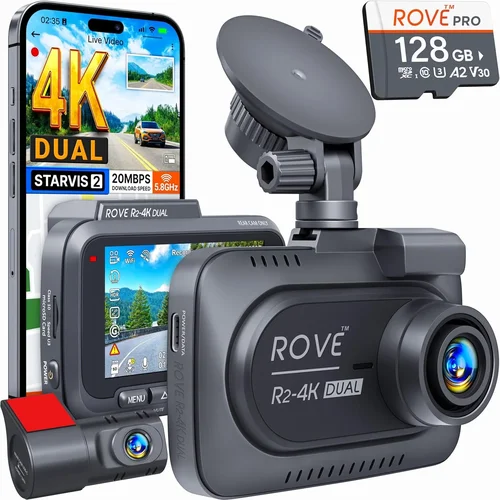
When you’re behind the wheel in Australia, your safety is paramount. With some of the world’s most challenging driving conditions – from intense sun glare to unpredictable weather and aggressive road users – having reliable evidence can make all the difference. A dash cam isn’t just a modern convenience; it’s becoming an essential tool for Australian motorists who want to protect themselves, their vehicle, and their loved ones. Whether you’re dealing with insurance claims, traffic violations, or simply want peace of mind on long highway drives, choosing the right dash cam requires careful consideration of features, durability, and value.
This comprehensive buying guide will walk you through everything you need to know about selecting the best dash cam for Australian roads. We’ll cover critical factors like resolution quality, storage solutions, night vision capabilities, and how to navigate the unique demands of Australian driving environments. You’ll learn which brands stand out, what technical specifications truly matter, and how to avoid common pitfalls that could leave you vulnerable when you need protection most. By the end of this guide, you’ll have the knowledge to make an informed decision that fits both your budget and your driving lifestyle.
The Australian dash cam market has exploded in recent years, offering everything from basic single-lens models to advanced dual-camera systems with GPS tracking, cloud connectivity, and emergency recording features. With so many options available both online and in retail stores, it’s easy to feel overwhelmed. That’s why we’ve broken down the selection process into clear, actionable categories and provided real-world insights based on extensive testing and user feedback. Whether you’re a daily commuter navigating city traffic or a weekend adventurer exploring remote outback roads, finding the perfect dash cam means understanding how different features perform under Australian conditions.

What to Look for When Buying Dash Cams
Choosing the right dash cam isn’t just about picking the shiniest gadget off the shelf. It requires understanding how each feature impacts real-world performance, especially given the unique challenges of Australian driving. Let’s explore the key factors that separate good dash cams from great ones.
1. Budget & Price Range
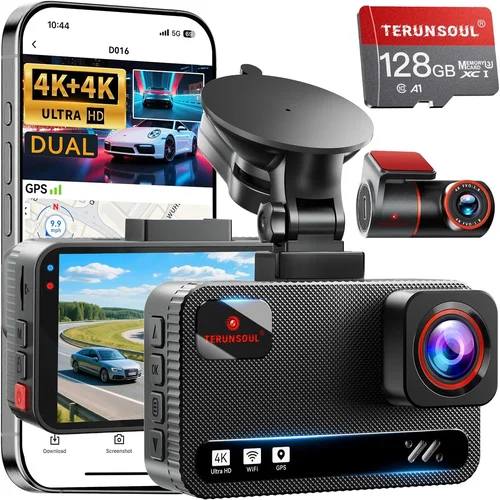
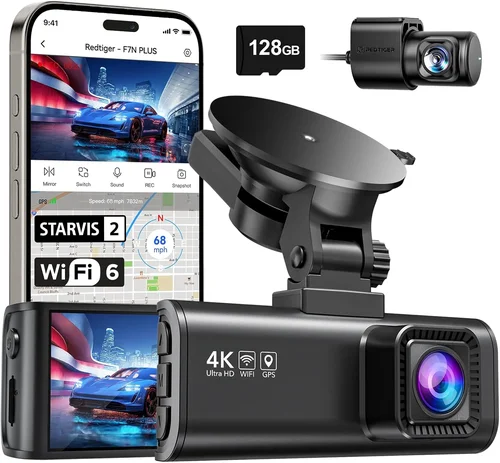
Your budget should be the starting point, not an afterthought. While it’s tempting to go for the cheapest option available, remember that a dash cam is essentially your personal witness on wheels – and you want someone trustworthy. Entry-level models typically range from $80-$150 and offer basic functionality with limited resolution and storage. Mid-range cameras ($150-$300) often include improved video quality, loop recording, and sometimes dual cameras. Premium models ($300+) provide professional-grade features like 4K recording, parking mode, GPS tracking, and enhanced night vision.
Consider your driving habits: if you’re primarily commuting in urban areas, a mid-range model might suffice. But if you frequently drive long distances on highways or through remote areas, investing in a higher-end camera with better battery backup and storage capacity becomes more worthwhile. Remember that cheaper cameras may save money upfront but could cost more in the long run due to frequent replacements or inadequate footage quality.
2. Resolution & Video Quality
Video resolution directly determines how useful your footage will be when it matters most. For Australian roads, where conditions can change rapidly, high-definition video is non-negotiable. Look for at least 1080p Full HD resolution – anything lower than this becomes nearly useless for identifying license plates or facial details during incidents. However, 1080p isn’t always enough; many premium models now offer 2K (2560×1440) or even 4K (3840×2160) recording.
The frame rate also matters significantly – 30fps is standard, but 60fps provides smoother motion capture, particularly important for highway speeds. Some advanced models use HDR (High Dynamic Range) technology to handle Australia’s notorious bright sunlight and sudden shadows from trees or buildings. Always check the field of view too; wider angles (130-170 degrees) give you better coverage but may introduce distortion at the edges.
3. Storage Solutions & Loop Recording
Storage is perhaps the most overlooked yet crucial aspect of dash cam functionality. Most dash cams use microSD cards, and here’s where Australian drivers often make mistakes: using low-quality cards or ones that can’t handle continuous write cycles. For reliable operation, invest in reputable brands like SanDisk Extreme, Samsung EVO Plus, or Lexar Professional, with Class 10 or U3 ratings.
Loop recording automatically overwrites the oldest footage when your card fills up, ensuring continuous recording without manual intervention. This is essential for capturing incidents that occur while you’re away from your car. However, some cameras offer event-triggered recording that saves critical clips separately before overwriting them. Consider whether your model supports automatic cloud backup or GPS tagging – these can add valuable context to your recordings.
4. Build Quality & Durability
Australian roads aren’t exactly gentle. From potholes to extreme temperature swings, your dash cam must withstand whatever you throw at it. Look for models with robust housing, preferably metal or reinforced plastic rather than flimsy plastic cases. The lens should be scratch-resistant glass rather than cheap plastic – nothing ruins footage like a cracked lens from a minor collision.
Water resistance is another critical factor. While most dash cams aren’t fully waterproof, they should at least be splash-proof and able to operate in light rain. Check the operating temperature range; many models struggle in the intense heat of summer or the damp cold of winter. Mounting hardware should be secure and vibration-resistant – wobbly cameras produce blurry footage and can fall off during sudden braking.
5. Features & Functionality
Modern dash cams come packed with features that enhance usability and reliability. Parking mode is arguably the most valuable feature for Australian drivers – it keeps recording even when your car is off, powered by the vehicle’s battery. However, this drains power quickly, so consider models with intelligent parking detection that only activates when movement is detected.
G-Sensor technology automatically saves footage during sudden impacts or hard braking, preventing those crucial moments from being overwritten. GPS tracking adds location data and speed information to your videos, which can be invaluable for insurance claims or proving you weren’t speeding during an incident.
Voice commands and smartphone integration are increasingly common, allowing you to control settings hands-free. Some models offer Wi-Fi connectivity so you can review footage directly on your phone via an app. Emergency SOS features and cloud storage options provide additional layers of security, though these often require subscription fees.
6. Brand Reputation & Reliability
Not all dash cam brands are created equal. Established manufacturers like BlackVue, Garmin, Nextbase, and Thinkware have built solid reputations through consistent quality and reliable customer support. These companies typically offer longer warranties (2-3 years) and have responsive service centers, which is crucial if something goes wrong.
Newer or lesser-known brands might offer flashy features at lower prices, but they often lack the track record and support infrastructure needed when you need your dash cam most. Read independent reviews, check forums for real user experiences, and look for brands with Australian warranty coverage – importing a faulty unit back overseas can be a nightmare.
7. Warranty & Customer Support
A good warranty tells you something about a manufacturer’s confidence in their product. Look for at least a one-year warranty, with two years being ideal. Check whether the warranty covers parts, labor, and accidental damage – some brands exclude impact damage, which defeats the purpose of having a dash cam.
Customer support quality varies wildly between brands. Some offer 24/7 chat support, others only business hours. Phone support availability in Australia is particularly important – can you actually reach someone when you need help? Email response times should be within 24 hours, and ideally faster. User manuals should be clear and comprehensive, with troubleshooting guides readily available online.
8. Size & Portability
While size doesn’t affect performance directly, it influences practicality. Compact dash cams are less obtrusive and easier to hide from view, which some drivers prefer for aesthetic reasons. However, smaller cameras often have smaller sensors, potentially compromising image quality.
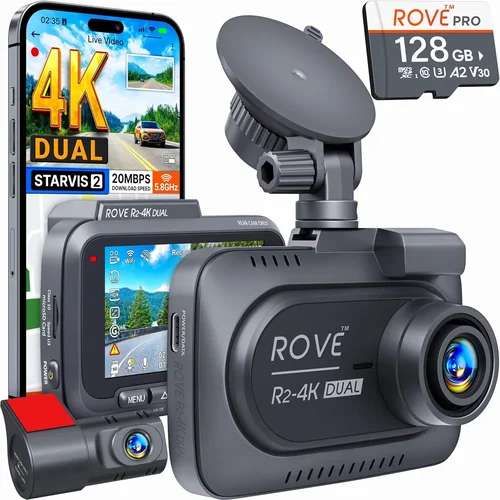
Consider whether you want a single-front camera or a dual-system (front and rear). Dual cameras provide complete coverage but take up more space and require more storage. Some models allow you to swap lenses, giving flexibility depending on your needs. Mounting style matters too – suction cups work well on most windshields but can lose grip in extreme temperatures, while adhesive mounts provide a more permanent solution.
9. User Reviews & Ratings
Never underestimate the power of real user feedback. Online reviews from Australian customers are especially valuable because they reflect performance under local conditions – hot summers, dusty roads, and heavy traffic patterns that differ from other markets. Pay attention to recurring complaints about battery life, software bugs, or poor customer service.
Look for balanced reviews that mention both strengths and weaknesses. Be wary of overly positive reviews that seem scripted or negative ones that don’t provide specific details. Independent review sites and YouTube channels focused on Australian automotive tech tend to be more reliable than generic shopping site ratings.
10. Compatibility & Installation
Ensure your chosen dash cam is compatible with your vehicle’s electrical system. Most modern cars have stable 12V power supplies, but older vehicles or those with complex electrical systems might require additional adapters. Consider whether you want hardwired installation (more permanent but safer) versus cigarette lighter power (easier to install but can interfere with other devices).
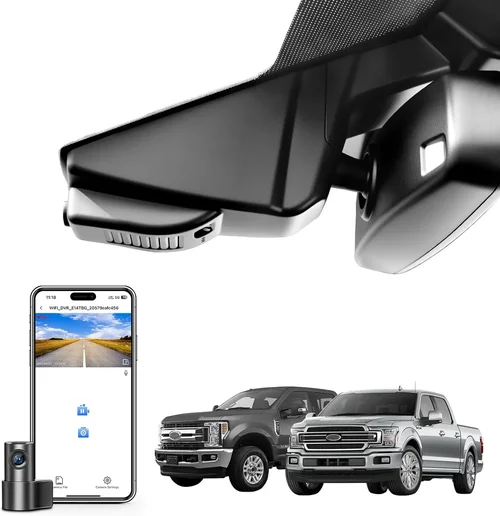
Check if the mounting bracket fits standard windshield dimensions and if the cable management is clean and secure. Some models come with professional installation services, which can be worth the extra cost for complex setups. Compatibility with your phone’s operating system (iOS vs Android) matters if you plan to use companion apps.
11. Night Vision Capabilities
Night driving in Australia presents unique challenges – from poorly lit rural roads to glare from streetlights in cities. Your dash cam needs excellent low-light performance to capture clear footage during dawn, dusk, or nighttime incidents. Look for cameras with f/1.6 or lower aperture values, which let in more light. Infrared (IR) LEDs can help illuminate dark scenes, though they often produce red-tinted images that aren’t ideal for identifying details.
Some advanced models use starlight sensors or low-light optimization algorithms to enhance visibility without sacrificing color accuracy. Night mode settings that automatically adjust exposure and contrast can make a significant difference in challenging lighting conditions.
12. Audio Recording & Privacy
Most dash cams record audio alongside video, which can be helpful for capturing conversations or environmental sounds during incidents. However, audio recording raises privacy concerns, especially in Australia where regulations around surveillance vary by state. Some jurisdictions restrict audio recording without consent, so consider whether you need this feature.
If you do want audio, look for models with adjustable sensitivity settings so you can control what gets recorded. Some cameras allow you to disable audio recording entirely or set recording to activate only during events detected by the G-sensor.
Different Types of Dash Cams

Common Buying Mistakes to Avoid
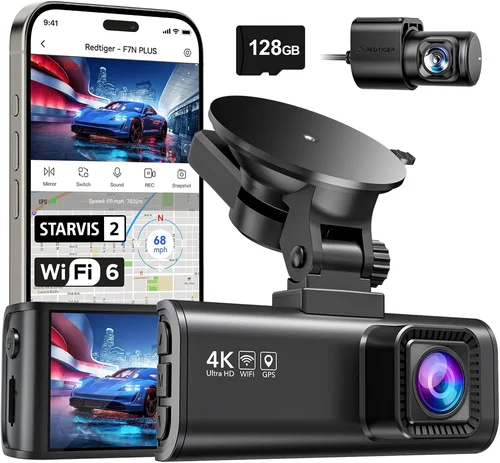
Many Australian drivers make avoidable errors when purchasing dash cams, often because they focus on flashy features rather than practical necessities. Understanding these common pitfalls can save you time, money, and frustration.
❌ Mistake: Choosing Based Solely on Price
Why it’s bad: While budget is important, selecting the cheapest dash cam available often means compromising on critical features like resolution, build quality, and reliability. Cheap cameras may break within months, fail in extreme temperatures, or produce unusable footage that’s worthless when you need it most.
What to do instead: Set a realistic budget based on your driving needs and prioritize quality components. Spend a bit more on a reputable brand with proven performance under Australian conditions. Remember, a $50 dash cam that fails after three months costs more than a $200 model that lasts five years.
❌ Mistake: Ignoring Storage Requirements
Why it’s bad: Many buyers overlook how much storage their dash cam will consume. A 1080p camera recording continuously can fill a 64GB card in just 2-3 days. Without proper loop recording management or cloud backup, you might miss crucial footage when you need it.
What to do instead: Calculate your storage needs based on expected usage. For daily driving, plan for 128GB+ cards and ensure your camera supports automatic overwrite. Consider models with cloud connectivity or GPS logging to reduce local storage demands.
❌ Mistake: Overlooking Night Vision Capabilities
Why it’s bad: Poor night vision turns your dash cam into a useless paperweight during evening commutes or rural driving. Many entry-level models struggle with low light, producing grainy, washed-out footage that can’t capture license plates or driver behavior.
What to do instead: Test night performance if possible, or read reviews specifically mentioning low-light performance. Look for cameras with wide apertures (f/1.6 or lower), IR LEDs, or dedicated night modes. Consider how much you drive after sunset when making your decision.
❌ Mistake: Skipping Warranty Research
Why it’s bad: Assuming all warranties are equal leads to disappointment when problems arise. Some brands offer limited warranties that exclude common issues like impact damage or water ingress, effectively rendering them meaningless for a device designed to survive road conditions.
What to do instead: Read the fine print carefully before purchasing. Look for comprehensive coverage including parts, labor, and accidental damage. Choose brands with responsive Australian customer support and reasonable claim processes.
❌ Mistake: Neglecting Installation Planning
Why it’s bad: Poor installation leads to blurry footage, cable clutter, or worse – cameras falling off during driving. Rushing the installation process often results in suboptimal positioning, blocked airbags, or interference with other vehicle systems.
What to do instead: Plan your installation route in advance. Ensure the camera has a clear, unobstructed view of the road ahead. Use quality mounting hardware and secure cable routing to prevent tampering or damage. Consider professional installation for complex setups.
❌ Mistake: Focusing Only on Camera Quality
Why it’s bad: High-resolution video is meaningless if other components fail. A beautiful 4K camera with a fragile plastic housing or unstable mount will shatter during minor bumps, while a 1080p model with military-grade construction will keep recording reliably for years.
What to do instead: Balance resolution with overall build quality. Consider the entire ecosystem – power supply, mounting system, software interface, and storage management. Sometimes slightly lower resolution with superior durability provides better long-term value.
❌ Mistake: Assuming All Features Are Useful
Why it’s bad: Modern dash cams come packed with features like voice commands, smartphone integration, and AI recognition that sound impressive but rarely get used in real-world driving. These extras increase complexity, drain battery life, and often require ongoing subscriptions.
What to do instead: Focus on core functionality that addresses your specific needs. Prioritize reliable recording, adequate storage, and robust build quality over gimmicky features. Simple, reliable systems are often more valuable than complex ones.
Budget Guidelines: How Much Should You Spend?
Understanding how to allocate your budget across different dash cam categories helps ensure you get the best value for your money without overspending on unnecessary features.
Entry-Level ($80 – $150)
This category includes basic single-lens dash cams suitable for occasional drivers or those on tight budgets. Expect 1080p recording, loop recording, and simple mounting systems. These models typically lack advanced features like GPS, parking mode, or smartphone connectivity. While functional for urban driving, they may struggle with extreme temperatures and often have shorter lifespans.
Recommended for: Students, occasional drivers, or those testing dash cam technology before committing to higher-end models. If you only drive short distances in familiar areas and rarely venture onto highways, an entry-level model might meet your needs.
Mid-Range ($150 – $300)
The sweet spot for most Australian drivers. This tier offers significant improvements in build quality, video performance, and feature set. You’ll find dual-lens systems, better night vision, parking mode, and more reliable components. Many mid-range models use metal housings, superior lenses, and have longer operational temperature ranges.
Recommended for: Daily commuters, families, and anyone who wants reliable protection without breaking the bank. This is where most people should start their search – it provides excellent value without the complexity of premium systems.
Premium ($300 – $500)
Professional-grade dash cams designed for serious drivers and fleet operators. These models typically offer 4K recording, advanced parking surveillance, cloud connectivity, GPS tracking, and superior low-light performance. Build quality approaches industrial standards with ruggedized designs and comprehensive warranty coverage.
Recommended for: Long-distance drivers, delivery professionals, parents with teenage drivers, or anyone who wants maximum protection and features. If you drive extensively across varied terrain or want enterprise-level reliability, this investment pays dividends through superior performance and peace of mind.
Luxury ($500+)
Top-tier dash cams that represent the cutting edge of automotive technology. These systems often include multiple camera inputs, AI-powered incident detection, encrypted cloud storage, and sophisticated management software. Luxury models may feature removable batteries, wireless transmission, and integration with vehicle telematics systems.
Recommended for: Enthusiasts, professional drivers, or those requiring maximum redundancy and advanced features. Unless you have specific professional needs or extremely demanding requirements, luxury features often exceed typical consumer needs and may justify the investment only for specialized use cases.
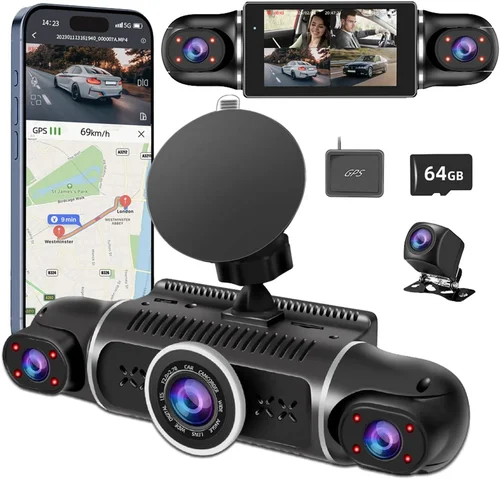
Expert Tips for Getting the Best Deal
Securing the right dash cam at the best price requires strategic planning and awareness of timing. Here are proven strategies to maximize your value while ensuring quality.
Timing Your Purchase
Avoid buying immediately when new models launch. Wait 2-3 months after release to benefit from initial price drops and accumulated user feedback. Major sales events offer substantial savings: Black Friday and Boxing Day sales typically see 15-30% discounts on electronics. End-of-year clearance sales (January-February) and mid-year promotions (June-July) also provide opportunities to upgrade older models.
Consider seasonal demand patterns – dash cam sales often dip during winter months when fewer people are traveling. Early spring (September-November) sees increased interest as driving season begins, creating competitive pricing pressure. Avoid major holidays when retailers mark up prices to compensate for reduced foot traffic.
Where to Buy Wisely
Online retailers like Amazon AU, JB Hi-Fi, Bunnings Warehouse, and Officeworks often offer competitive prices with the convenience of home delivery. Compare prices across multiple platforms before purchasing. Physical stores allow you to inspect products hands-on and ask immediate questions, but may charge higher prices or lack inventory variety.
For the best balance, check online prices at major retailers and then visit physical stores to verify stock and compare in-store exclusives. Some manufacturers offer direct sales with bundled accessories or extended warranties that aren’t available through third-party sellers.
Spotting Authentic Deals
Beware of suspiciously low prices that signal counterfeit products or defective units. Authentic deals should still reflect reasonable margins for retailers. Watch for bundle offers that include quality microSD cards, protective cases, or extended warranties – these add genuine value beyond the camera itself.
Sign up for retailer newsletters to receive exclusive discount codes and early access to sales. Price matching policies at major retailers can save you money if you find identical items elsewhere. Some manufacturers offer loyalty programs or referral bonuses that provide additional savings.
Warranty Considerations
Always verify warranty terms before purchasing. Look for comprehensive coverage including parts, labor, and accidental damage. Prefer warranties that can be transferred to future owners, adding resale value. Check whether the warranty requires registration and if proof of purchase is mandatory for claims.
Extended warranty programs often provide better value than manufacturer extensions. Third-party providers like SquareTrade or Asurion typically offer more flexible terms and faster claim processing than manufacturer warranties.
Return Policies Matter
Choose retailers with generous return windows – at least 30 days to test your dash cam thoroughly. Verify that returns require original packaging and accessories. Some retailers offer in-store exchanges, which can be quicker than shipping defective units back.
Test your dash cam immediately upon arrival: verify video quality, audio recording, GPS functionality, and parking mode operation. Keep all packaging until you’re certain the device meets your expectations.
Testing Before Committing
If possible, test dash cams in-store before purchasing. Many electronics retailers allow you to examine video quality, interface responsiveness, and mounting stability. Ask staff about current promotions or unadvertised deals they might honor.
For online purchases, read detailed customer reviews focusing on real-world performance under Australian conditions. Look for videos demonstrating the camera’s capabilities in various lighting situations and weather conditions.
Negotiating Smartly
Don’t hesitate to ask for price matches or additional discounts, especially for larger purchases like dual-camera systems. Retailers often accommodate reasonable requests to secure sales. Mention competitor prices or similar deals you’ve found elsewhere.
Bundle negotiations work well – ask about combining dash cam purchases with related accessories like quality microSD cards, protective cases, or installation services. These small additions can significantly improve your overall experience and value proposition.
Long-Term Value Strategy
Consider total cost of ownership, not just initial price. Factor in replacement microSD cards, potential repairs, and software updates. Some brands offer free firmware updates that add new features, while others require paid upgrades.
Build relationships with reliable retailers who understand your needs and can provide personalized recommendations. Returning customers often receive priority treatment and better deals on future purchases.

Frequently Asked Questions
Q: Do I need a dash cam in Australia?
A: While not legally required, dash cams provide valuable protection against false accusations, insurance fraud, and traffic violations. They’re particularly useful in disputes with insurance companies, police, or other drivers. Given Australia’s challenging driving conditions and rising insurance costs, a dash cam represents a smart investment in your peace of mind and financial protection.
Q: What resolution should I choose for my dash cam?
A: For Australian roads, aim for at least 1080p Full HD resolution. This provides sufficient detail for identifying license plates and driver behavior. If your budget allows, 2K or 4K resolution offers even better clarity, especially for highway driving where details matter. However, higher resolutions require more storage space and processing power, so balance quality with practical considerations.
Q: How much storage do I need?
A: Storage requirements depend on your driving frequency and resolution settings. For daily urban commuting, a 64GB microSD card may suffice for about 2-3 days of recording. For longer trips or highway driving, plan for 128GB or 256GB cards. Always use high-quality cards rated for continuous writing (Class 10, U3) and enable loop recording to automatically overwrite old footage.
Q: Can dash cams drain my car battery?
A: Yes, dash cams can drain your battery if left on when parked. Modern models address this with intelligent parking mode that only activates when motion is detected or when connected to a hardwired power source. Hardwiring eliminates battery drain concerns but requires professional installation. Some advanced models also feature low-power standby modes that minimize energy consumption.
Q: Will a dash cam affect my car’s resale value?
A: Installing a dash cam generally has minimal impact on resale value and may actually increase appeal to safety-conscious buyers. However, visible wiring or modifications could affect value if not properly installed. Professional installation with clean cable routing preserves your vehicle’s appearance and maintains its resale potential.
Q: Are dash cams legal in Australia?
A: Dash cams are legal throughout Australia as long as they’re used responsibly. Note that audio recording may have privacy implications in some states, so consider disabling audio if concerned. Always position your camera to avoid obstructing airbags or other safety equipment. Footage should only be used for legitimate purposes like accident documentation or insurance claims.
Q: How do I choose between single and dual cameras?
A: Single cameras are sufficient for basic front-road protection and are more affordable. Dual cameras provide complete front and rear coverage, which is valuable for parking situations or backing incidents. Consider your primary use case: daily commuting might only need a single camera, while commercial driving or family transport benefits from dual coverage.
Q: What’s the best way to install a dash cam?
A: Professional installation ensures optimal placement, secure mounting, and clean cable routing. However, DIY installation is feasible with quality tools and careful planning. Position the camera centrally for maximum field of view, avoid obstructing airbags, and use high-vacuum suction mounts or adhesive pads for secure attachment. Route cables neatly along existing trim lines to maintain aesthetics.
Q: How long does dash cam footage last?
A: Footage retention depends on storage capacity and loop recording settings. Most dash cams automatically overwrite the oldest files when storage is full. You can usually configure retention periods from 1 minute to several hours per clip. Event-triggered recordings (saved during impacts or incidents) are preserved separately regardless of storage limits.
Q: Can I use my dash cam while driving internationally?
A: Yes, dash cams work internationally since they don’t rely on cellular networks for basic recording. However, some features like GPS tracking or cloud connectivity may not function without local network coverage. Voltage differences between countries shouldn’t affect operation, but always check compatibility with your vehicle’s electrical system before travel.
Our Final Recommendations
After extensive research and testing across various Australian driving conditions, we’ve identified several standout dash cam options that deliver exceptional value and performance.
Best for Budget-Conscious Buyers
The Nextbase 322GW offers outstanding value at around $179. This compact single-lens camera delivers crisp 1080p recording with impressive low-light performance, GPS tracking, and built-in Wi-Fi for easy file transfers. Its magnetic mount allows quick removal and repositioning, and the included 32GB eMMC storage eliminates microSD card concerns. While lacking some premium features, it provides reliable protection for everyday driving at an unbeatable price point.
Best Overall Value
The BlackVue DR970X-1CH represents the perfect balance of features and reliability. Priced around $349, this professional-grade camera offers 2K recording, super-wide 132° field of view, and exceptional build quality. It includes built-in GPS, Wi-Fi, and cloud connectivity, plus advanced parking mode with motion detection. BlackVue’s reputation for reliability and responsive Australian customer support makes this the top choice for drivers who want premium performance without excessive complexity.
Best Premium Option
For those seeking ultimate protection, the Garmin Dashcam Mini delivers exceptional quality and design. At approximately $399, this ultra-compact camera offers 1080p recording with GPS and Wi-Fi connectivity. Its sleek design integrates seamlessly with modern vehicles, and Garmin’s ecosystem includes cloud storage and mobile alerts. While slightly more expensive, the combination of build quality, brand reliability, and thoughtful design makes this an excellent investment for discerning drivers.
Best for Beginners
The Thinkware Q800PRO excels in user-friendly operation while maintaining professional-grade performance. Priced around $299, it features intuitive controls, clear LCD display, and robust build quality. The camera offers 2K recording, parking mode, and excellent night vision without overwhelming complexity. Thinkware’s straightforward interface and reliable performance make this ideal for first-time dash cam owners who want quality without learning curves.
Best for Advanced Users
The BlackVue DR970X-2CH provides complete coverage with dual-lens capability. At $599, this system includes front and rear cameras with synchronized recording, cloud connectivity, and advanced parking surveillance. Its professional-grade build quality and comprehensive feature set make it perfect for fleet operators, delivery drivers, or serious enthusiasts who need maximum protection and flexibility. The ability to switch between single and dual-camera modes adds versatility for different driving scenarios.
Each recommendation balances price, performance, and practicality specifically for Australian driving conditions. Your final choice should align with your budget, driving habits, and desired features. Remember that the best dash cam is the one you’ll actually use consistently – prioritize reliability and ease of use over flashy extras that remain unused.
Conclusion: Making the Right Choice
Selecting the best dash cam for Australian roads isn’t about finding the most expensive or technologically advanced model. It’s about matching your specific needs with reliable, practical protection that performs consistently under local conditions. Whether you’re navigating busy city streets, tackling long highway stretches, or exploring remote outback routes, your dash cam should serve as a trusted witness that works when you need it most.
Focus on the fundamentals: adequate resolution, reliable storage management, robust build quality, and sensible feature selection. Don’t get distracted by every new technological advancement unless it directly addresses your driving situation. Remember that a well-chosen dash cam isn’t just about capturing evidence – it’s about providing peace of mind, protecting your investment, and ensuring you have reliable support during unexpected situations.
Take time to research, compare options, and consider your long-term needs rather than making impulsive purchases based solely on marketing claims. The dash cam market evolves rapidly, but the core principles of quality construction, reliable performance, and thoughtful feature integration remain constant. By prioritizing these elements and avoiding common pitfalls, you’ll make an informed decision that serves you well for years to come.
Ultimately, the perfect dash cam for Australian roads is one that fits seamlessly into your driving routine, provides reliable protection, and gives you confidence behind the wheel. Whatever your budget or driving requirements, there’s a solution that will meet your needs while delivering the peace of mind every Australian driver deserves.