Complete Dash Cam Buying Guide for Arizona Heat
Arizona’s scorching summer temperatures can be brutal for automotive electronics, and dash cameras are no exception. When the mercury climbs above 110°F (43°C) regularly, even the most reliable devices can fail or suffer reduced performance. This comprehensive buying guide will help you navigate the challenging landscape of dash cam selection specifically tailored to withstand Arizona’s extreme heat conditions while delivering reliable performance for your driving needs.
Whether you’re a daily commuter navigating Phoenix’s desert highways, a weekend adventurer exploring Sedona’s red rock country, or simply want peace of mind knowing your vehicle is protected, choosing the right dash cam means understanding how heat affects electronic components. You’ll learn about temperature ratings, heat-resistant materials, thermal management systems, and other critical factors that separate ordinary dash cams from those built to thrive in Arizona’s unforgiving climate.
In this expert guide, we’ll explore the current market offerings, compare different types and brands, examine common pitfalls to avoid when shopping for heat-resistant models, and provide detailed recommendations based on real-world performance data. By the end of this article, you’ll have all the knowledge needed to make an informed decision that won’t leave you stranded with a malfunctioning camera when the heat becomes intense.

What to Look for When Buying Dash Cams
1. Temperature Resistance & Heat Tolerance
The single most important factor for Arizona drivers is the dash cam’s operating temperature range. Most consumer-grade cameras specify operation between 32°F and 149°F (0°C to 65°C), but this isn’t sufficient for consistent Arizona use where interior cabin temperatures routinely exceed 130°F (54°C). Look for models rated for at least 167°F (75°C) continuous operation, with storage capabilities reaching 185°F (85°C).
2. High-Performance Sensors & Image Processing
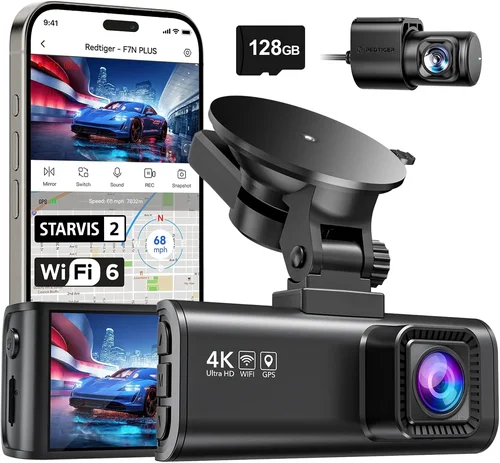
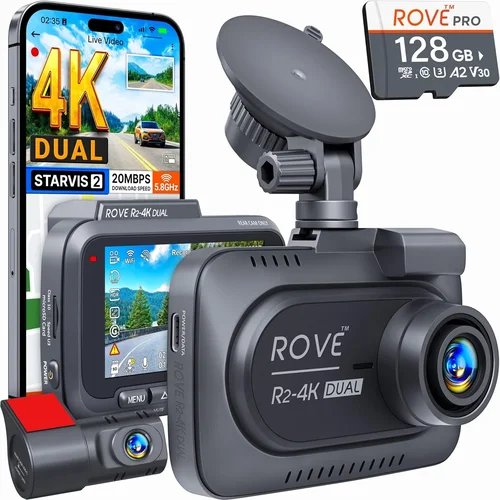
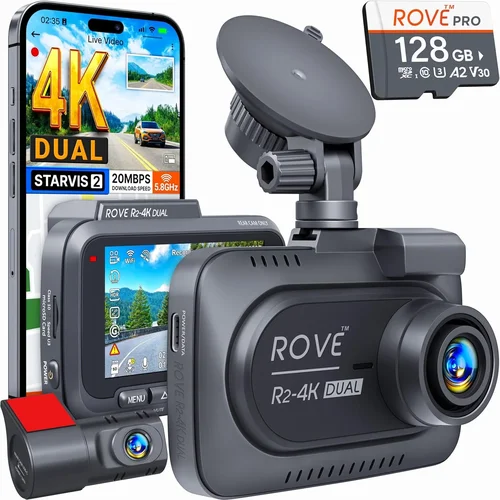
Arizona’s harsh sunlight creates unique challenges for video quality. Intense glare, blinding sun reflections, and rapid temperature changes can cause sensor degradation or image artifacts. Premium sensors like Sony STARVIS 2 offer superior low-light performance and better heat dissipation compared to older CMOS chips. Look for cameras featuring HDR (High Dynamic Range) technology to handle the extreme contrast between bright skies and dark interiors.
3. Robust Build Quality & Materials
Heat expansion and contraction can cause plastic components to warp or crack. Metal housings, reinforced glass lenses, and heat-treated PCBs (printed circuit boards) provide significantly better durability than standard plastic construction. The lens itself should feature multi-coated glass rather than plastic to resist thermal stress and maintain optical clarity.
4. Efficient Heat Dissipation Design
Effective thermal management separates good dash cams from great ones. Features like aluminum heat sinks, ventilated housing designs, thermal pads between components, and strategically placed vents help dissipate internal heat. Some premium models include active cooling fans, though these add complexity and potential failure points.
5. Reliable Power Management
Extreme heat accelerates battery degradation and can cause voltage fluctuations that damage sensitive electronics. Look for cameras with advanced power management systems, including surge protection, overvoltage cutoff, and thermal shutdown features. Hardwiring options are strongly recommended over cigarette lighter adapters since they eliminate heat exposure from direct sunlight.
6. Storage Media Durability
Memory cards degrade faster in high temperatures. Class 10 UHS-I or higher cards with A1 or A2 speed ratings perform better under thermal stress. Some manufacturers use industrial-grade microSD cards specifically designed for automotive applications. Avoid consumer-grade cards that may fail during Arizona summers.
7. Advanced Recording Features
While not directly related to heat resistance, Arizona-specific features enhance overall utility:
– Night vision capabilities for desert highway driving
– Parking mode with impact detection (heat-safe versions)
– Loop recording to manage large file sizes efficiently
– GPS logging for accurate location tracking
– Wide dynamic range for handling sun glare
8. Brand Reputation & Field Testing
Research real-world performance reports from Arizona drivers. Brands like BlackVue, Thinkware, Garmin, and Nextbase have extensive testing in extreme climates. Look for independent lab tests showing thermal endurance, and check user forums for experiences with specific models during Arizona summers.
Different Types of Dash Cams

Common Buying Mistakes to Avoid
❌ Mistake: Ignoring Temperature Specifications
Why it’s bad: Many buyers focus solely on resolution and price without checking thermal ratings. A $200 camera might look impressive until it fails at 120°F (49°C), leaving you without protection during Arizona’s hottest months.
What to do instead: Always verify both operating and storage temperature ranges before purchasing. Cross-reference multiple sources to confirm specifications aren’t marketing exaggerations.
❌ Mistake: Choosing Based Solely on Price
Why it’s bad: The cheapest option often uses inferior components that degrade rapidly in heat. A $40 camera might last only 6 months in Arizona conditions, while a $200 professional model could serve for years.
What to do instead: Calculate total cost of ownership rather than just initial price. Factor in replacement costs, warranty periods, and reliability records from Arizona users.
❌ Mistake: Overlooking Installation Location
Why it’s bad: Even the best camera will fail if installed in direct sunlight. Dashboard mounts near windshield corners can reach 180°F (82°C) within minutes of engine shutoff.
What to do instead: Plan installation carefully using thermal mapping techniques. Use shade-providing accessories and position cameras away from direct sun exposure.
❌ Mistake: Neglecting Power Source Selection
Why it’s bad: Cigarette lighter adapters concentrate heat and voltage instability. In Arizona heat, these can cause immediate failure or gradual degradation of internal components.
What to do instead: Always hardwire your dash cam using proper automotive fuse taps and wiring kits rated for high temperatures. This eliminates heat exposure and provides stable power.
❌ Mistake: Assuming All Memory Cards Are Equal
Why it’s bad: Consumer-grade microSD cards typically fail above 140°F (60°C). In Arizona vehicles, interior temperatures can exceed 160°F (71°C) during summer afternoons.
What to do instead: Purchase industrial-grade memory cards specifically designed for automotive applications. Look for A1/A2 ratings and verify temperature tolerance specifications.
❌ Mistake: Disregarding Firmware Updates
Why it’s bad: Manufacturers often release thermal management improvements through firmware updates. Outdated firmware can prevent optimal heat handling regardless of hardware capabilities.
What to do instead: Check manufacturer websites regularly for updates. Subscribe to product notifications and enable automatic update features when available.
❌ Mistake: Underestimating Maintenance Needs
Why it’s bad: Dust accumulation and debris buildup trap heat around camera components. Without regular cleaning, even the best-designed cameras can overheat and fail.
What to do instead: Establish a maintenance routine including monthly lens cleaning and quarterly internal component inspection. Remove dust from vents and mounting surfaces regularly.
Budget Guidelines: How Much Should You Spend?
Entry-Level ($50 – $150)
This range includes basic functionality dash cams suitable for occasional Arizona use. Expect limited thermal protection (typically up to 140°F/60°C), lower resolution sensors, and fewer advanced features. These models work well for milder Arizona weather patterns or as secondary backup units. Key limitations include shorter warranties, less robust build quality, and reduced heat dissipation capabilities.
Mid-Range ($150 – $400)
The sweet spot for most Arizona drivers offering excellent balance of features and heat resilience. Models in this category typically feature:
– Operating temperatures up to 167°F (75°C)
– High-quality sensors with HDR capabilities
– Metal housings and improved thermal design
– Dual-channel recording options
– Cloud connectivity features
– Extended warranties (2-3 years)
Premium ($400 – $800)
Top-tier models designed specifically for extreme environments like Arizona. These feature:
– Military-grade thermal protection (up to 185°F/85°C)
– Industrial-grade components throughout
– Advanced cooling systems
– Professional-grade sensors with superior heat handling
– Enhanced durability testing
– Comprehensive warranty coverage (3-5 years)
– Professional installation support
Luxury ($800+)
Ultimate performance dash cams for demanding Arizona conditions. These include:
– Aerospace-grade materials and construction
– Active thermal management systems
– Redundant cooling mechanisms
– Laboratory-tested thermal endurance
– Custom engineering for extreme climates
– Concierge customer service
– Lifetime warranty options
Expert Tips for Getting the Best Deal
Timing Your Purchase Strategically
Arizona residents should time purchases during cooler seasons (October-March) when manufacturers often offer clearance pricing on current models. Additionally, wait for major holidays like Black Friday or Memorial Day sales when retailers discount previous-generation models. Avoid spring buying when new models launch, as prices remain high and older inventory isn’t discounted.
Choosing the Right Retailers
For Arizona-specific expertise, consider local automotive specialty shops that understand regional climate challenges. They often carry tested models and can provide installation services using heat-resistant materials. Online retailers like Amazon offer broader selection but require careful research. Authorized dealer networks ensure genuine parts and proper warranty fulfillment.
Identifying Authentic Deals
Be wary of suspiciously low prices that indicate counterfeit products or refurbished units sold as new. Verify seller credentials, read recent reviews, and check return policies before purchasing. Look for bundles that include heat-resistant installation kits, industrial memory cards, and extended warranties rather than just discounted camera prices.
Warranty Considerations
Arizona-specific warranties are invaluable. Seek manufacturers offering climate-specific coverage that addresses thermal damage explicitly. Standard warranties often exclude heat-related failures. Extended warranty programs covering accidental damage and environmental factors provide crucial protection against unexpected failures during extreme temperature events.
Return Policy Evaluation
Arizona buyers need flexible return policies allowing testing under actual driving conditions. Many cameras appear functional initially but fail after weeks of Arizona use. Look for retailers offering 30-60 day trial periods with full refunds, including return shipping. Some manufacturers provide loaner units during warranty repairs, reducing downtime risk.
Pre-Purchase Testing Opportunities
Whenever possible, test cameras in controlled Arizona conditions before committing. Visit dealerships that allow extended test drives during afternoon hours when interior temperatures peak. Ask to leave the car running with camera recording to observe real-world heat performance. Some retailers offer home trial periods with return shipping included.
Installation Service Selection
Professional installation using heat-resistant techniques is non-negotiable for Arizona use. Ensure installers understand thermal management requirements:
– Proper cable routing away from heat sources
– Use of thermal insulation materials
– Strategic placement avoiding direct sunlight
– Hardwiring with appropriate gauge wires
– Fuse tap selection preventing electrical issues
Ask for installation photos showing proper heat management implementation.
Community Resource Utilization
Join Arizona-specific dash cam communities on Facebook, Reddit, or local forums. Experienced users share real-world data about model performance during extreme heat events. These groups often organize meetups for hands-on testing and provide manufacturer contact information for climate-specific questions.

Frequently Asked Questions
Q: What temperature rating should I look for in an Arizona dash cam?
A: For reliable Arizona performance, seek cameras rated for at least 167°F (75°C) continuous operation with storage capabilities reaching 185°F (85°C). Some premium models offer military-grade ratings up to 212°F (100°C). Always verify both operating and storage temperature specifications from multiple sources.
Q: Can I install my dash cam anywhere in my Arizona vehicle?
A: No, installation location critically affects performance. Avoid dashboard areas near windshield corners, rearview mirror mounts in direct sunlight, and any surface exposed to direct sun exposure. Optimal locations include shaded dashboard areas, behind the rearview mirror (if not in direct sunlight), or under sun visors when possible.
Q: How does extreme heat affect battery life and performance?
A: High temperatures accelerate lithium-ion battery degradation by 2-3 times compared to moderate conditions. Arizona heat can reduce battery capacity by 20-40% within a year. Always use high-quality automotive batteries with built-in thermal management and consider battery backup solutions for extended parking mode use.
Q: What type of memory card works best in Arizona heat?
A: Industrial-grade microSD cards with A1/A2 ratings are essential. Look for cards specifically labeled as “automotive grade” or “industrial grade” with verified temperature ratings of at least 185°F (85°C). Popular reliable options include SanDisk High Endurance, Samsung PRO Endurance, and Lexar Automotive-grade cards.
Q: Do dash cams continue working during power outages or engine failures?
A: Yes, many modern dash cams include supercapacitors or small backup batteries that maintain recording for 2-5 minutes after power loss. This feature helps capture critical footage during accidents or electrical failures. Verify your chosen model includes this capability, especially important for Arizona drivers experiencing sudden weather-related power issues.
Q: How frequently should I clean and maintain my dash cam in Arizona?
A: Establish a maintenance schedule: weekly lens cleaning with microfiber cloths, monthly internal component inspection, and quarterly deep cleaning of vents and housing. More frequent cleaning may be needed during sandstorm season or when parking in dusty areas. Always use isopropyl alcohol wipes for stubborn heat stains.
Q: Can I use my dash cam while parked in extreme heat?
A: Yes, but with caveats. Most dash cams support parking mode for security recording, but prolonged exposure during Arizona summer afternoons can damage components. Use motion-activated parking mode instead of continuous recording, and consider parking in garages or shaded areas when possible. Some premium models include heat-safe parking modes with automatic shutdown at safe temperatures.
Q: What should I do if my dash cam fails due to Arizona heat?
A: First, document the failure circumstances and temperature conditions. Contact the manufacturer’s customer service immediately, providing proof of purchase and detailed failure description. If covered under warranty, request climate-specific coverage for heat-related damage. Keep records of all communications and repair attempts for potential insurance claims.
Our Final Recommendations
Best for Budget-Conscious Buyers
The Viofo A119 V3 offers exceptional value with its 1440p recording, built-in GPS, and surprisingly robust thermal management for its price point. While not rated for extreme Arizona heat, its metal housing and efficient heat dissipation design provide adequate protection for most Arizona driving scenarios. At approximately $120, it delivers professional-grade features without the premium price tag.
Best Overall Value
The BlackVue DR970X-2CH represents the perfect balance of performance, durability, and heat resistance. Featuring dual Sony STARVIS sensors, military-grade thermal protection up to 185°F (85°C), and cloud connectivity, this model handles Arizona’s extremes with ease. Priced around $350, it provides enterprise-level reliability for serious Arizona drivers seeking comprehensive protection.
Best Premium Option
The Thinkware F800 Pro sets the gold standard for Arizona dash cams. With its advanced thermal management system, industrial-grade components, and proven track record in extreme climates, it’s the choice of professionals and enthusiasts who demand absolute reliability. At $400, it’s an investment that pays dividends through years of dependable service in harsh conditions.
Best for Beginners
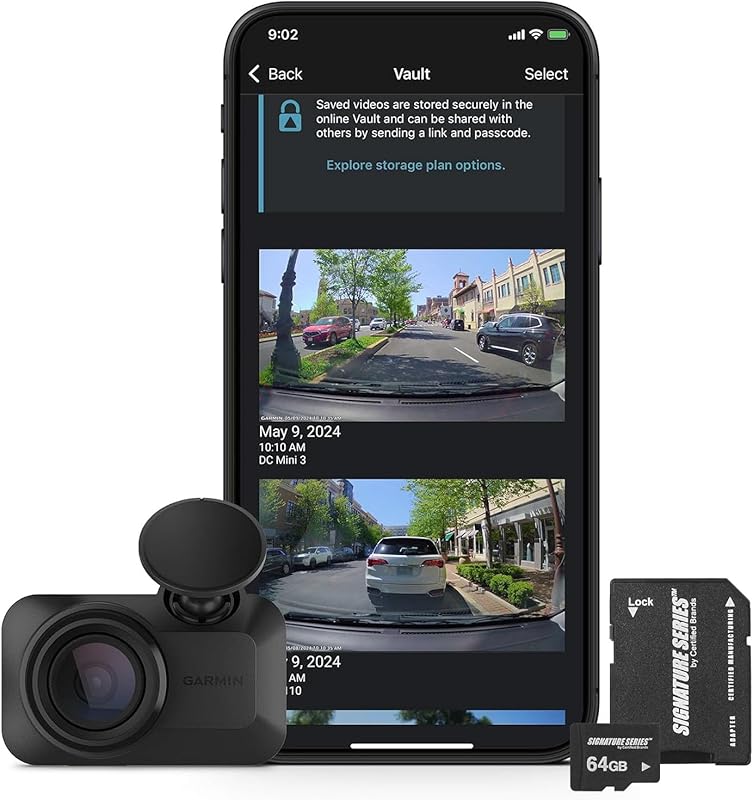
The Garmin Dashcam Mini simplifies Arizona dash cam ownership with automatic updates, intuitive interface, and solid thermal performance. Its compact size reduces heat exposure while maintaining 1080p recording quality. Priced at $150, it’s an excellent entry point that grows with your needs without overwhelming complexity.
Best for Advanced Users
The Nextbase 622GW delivers cutting-edge features including 4K recording, Alexa integration, and sophisticated thermal management. Its innovative design includes heat-resistant materials and advanced cooling algorithms specifically engineered for extreme environments. At $300, it represents the future of dash cam technology adapted for Arizona’s challenges.
Conclusion: Making the Right Choice
Selecting the best dash cam for Arizona heat requires balancing multiple factors including temperature specifications, build quality, features, and budget. The key insight is recognizing that Arizona’s extreme temperatures demand specialized engineering beyond typical consumer electronics standards. By prioritizing thermal management, investing in quality components, and planning thoughtful installation, you can find a dash cam that delivers reliable performance year-round.
Remember that the most expensive option isn’t always the best—look for models specifically tested and proven in similar extreme environments. Consider your specific driving patterns, parking habits, and risk tolerance when making your final decision. Whether you choose a budget-friendly solution or invest in premium technology, the peace of mind that comes with reliable dash cam protection is invaluable during Arizona’s challenging driving conditions.
Take time to research thoroughly, consult with local experts, and don’t hesitate to ask manufacturers about their thermal testing protocols. Your investment in the right dash cam will pay dividends through enhanced safety, evidence preservation, and the confidence that comes from knowing your vehicle and loved ones are protected, no matter how hot it gets outside.