Best Jeep Dash Cam Buyer’s Guide
Why choosing the right dash cam for your Jeep isn’t just about recording the road—it’s about peace of mind, protection, and capturing every adventure. Whether you’re navigating city streets or exploring rugged trails, a reliable dash cam can be your most valuable co-pilot. This comprehensive buyer’s guide will walk you through everything you need to know to make an informed decision that fits both your vehicle and your lifestyle.
You’ll learn how to evaluate performance specs like resolution and field of view, understand the unique challenges of mounting in Jeeps, and discover which features truly matter for off-road use versus daily commuting. We’ll break down budget considerations, highlight common pitfalls to avoid, and provide expert recommendations tailored specifically to Jeep owners. By the end of this guide, you’ll have all the knowledge needed to select a dash cam that delivers crystal-clear footage, withstands extreme conditions, and integrates seamlessly with your vehicle’s layout.
The market is flooded with options ranging from basic 1080p cameras to advanced dual-channel systems with GPS and parking mode. While it might seem overwhelming at first glance, understanding the key differences between types and features will help you cut through the noise. From compact designs that won’t obstruct your view to heavy-duty models built for extreme temperature fluctuations, there’s a perfect match waiting for every type of Jeep owner—from weekend warriors to daily commuters who want extra security.

What to Look for When Buying Dash Cams
1. Budget & Price Range
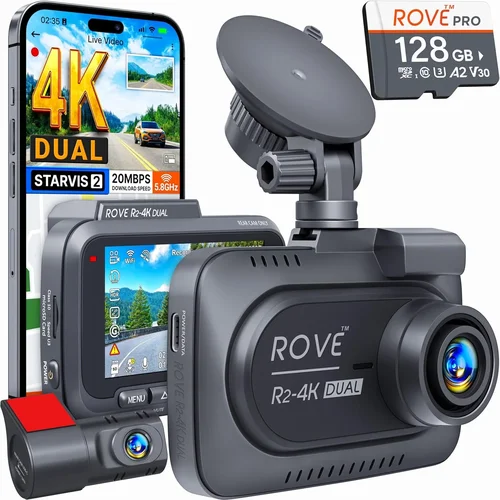
Before diving into specifications or brand names, establish your budget early. Dash cams vary dramatically in price based on capabilities, build quality, and additional features. Entry-level models start around $50-$75 and offer basic 1080p recording with limited storage options. Mid-range cameras ($80-$150) typically include better sensors, wider fields of view, and more robust mounting solutions. Premium systems ($150-$300+) deliver 4K recording, superior low-light performance, dual-channel capability, and advanced safety features like collision detection and emergency locking.
For Jeep owners, consider that some models may require additional accessories like hardwiring kits or extended memory cards—these hidden costs add up quickly. A $90 camera might actually cost $120 when you factor in a 256GB microSD card and professional installation. Always check if the manufacturer includes essential accessories in the package before finalizing your purchase.
2. Performance Specifications
Resolution matters significantly when evaluating dash cam performance. Most reputable models now offer at least 1080p Full HD recording, but higher resolutions like 1440p or even 4K provide crisper details, especially when reviewing footage later. However, keep in mind that higher resolutions require larger file sizes and faster write speeds from your memory card. A 4K camera demands Class 10 or U3 rated cards to prevent dropped frames during recording.
Frame rate is another crucial specification—most dash cams operate at 30fps standard, but some premium models support 60fps for smoother motion capture during fast-paced driving scenarios. The bitrate (measured in Mbps) determines how much data gets recorded per second; higher bitrates mean better video quality but shorter recording times between card changes. Look for cameras with adjustable bitrates if you plan to record long stretches without frequent stops.
3. Build Quality & Durability
Jeeps are known for their ruggedness, but that doesn’t automatically translate to durability in electronic components. Extreme temperatures, vibrations from off-roading, and exposure to dust and moisture demand robust construction. Seek dash cams with metal housings rather than plastic enclosures, as they better withstand impacts and heat buildup. IPX rating indicates water resistance—look for at least IP54 for basic splash protection or IP67 for full immersion tolerance.
Temperature range specifications are equally important. Many dash cams list operating ranges between -4°F to 140°F (-20°C to 60°C), but real-world performance often falls short of these claims. If you frequently drive in desert climates or high-altitude regions, verify the actual tested temperature limits through customer reviews or professional testing reports. Vibration resistance ensures stable footage even on bumpy trails—this becomes critical when mounting near exhaust pipes or engine compartments.
4. Features & Functionality
Modern dash cams offer far beyond simple video recording. G-sensor technology automatically locks footage during sudden movements or collisions, preserving evidence when it matters most. Loop recording allows seamless overwrite of older clips once storage fills up, ensuring continuous coverage without manual intervention. Parking mode monitors your vehicle while unattended, using impact detection to trigger recording during potential break-ins or damage.
GPS tracking adds valuable context to your recordings by embedding location, speed, and direction data directly onto video files. This feature proves especially useful when disputing traffic citations or documenting scenic routes during adventures. Wi-Fi connectivity enables wireless transfer of clips to smartphones via companion apps, eliminating cable transfers and making file management easier. Some advanced models even include voice commands, lane departure warnings, or forward collision alerts for enhanced safety.
5. Brand Reputation
Choosing established brands reduces the risk of purchasing unreliable or discontinued products. Companies like BlackVue, Garmin, Nextbase, and Thinkware have built strong reputations through consistent product quality and responsive customer service. These manufacturers invest heavily in research and development, resulting in fewer firmware bugs and longer software support cycles. Newer entrants may offer tempting prices, but they often lack the infrastructure for timely updates or warranty fulfillment.
When researching brands, pay attention to their update policies—regular firmware improvements can fix critical issues like overheating or compatibility problems. Check forums and review sites for user experiences regarding long-term reliability rather than just initial impressions. A slightly pricier model from a trusted brand might save you headaches down the road compared to cutting corners on cheaper alternatives.
6. Warranty & Support
A solid warranty reflects confidence in product quality and provides recourse if defects arise. Most reputable dash cam manufacturers offer one-year warranties covering manufacturing flaws, but some extend coverage to two years or include accidental damage protection. Read the fine print carefully—some warranties exclude certain conditions like extreme temperatures or unauthorized repairs.
Customer support responsiveness varies widely between brands. Email response times, phone availability, and multilingual assistance all contribute to a positive ownership experience. Before buying, test the support channels yourself by asking technical questions unrelated to immediate needs. Reliable companies usually respond promptly with detailed answers, while struggling brands may take days or ignore inquiries altogether.
7. Size & Portability
Compact designs minimize visual obstruction inside your Jeep’s cabin while maximizing interior space utilization. Ultra-thin profiles fit snugly against windshields without interfering with rearview visibility or airbag deployment zones. Some models measure under an inch thick, making them nearly invisible when mounted properly. Portability benefits those who switch vehicles frequently or want backup units for different cars.
However, smaller size sometimes comes at the expense of cooling capacity or button placement accessibility. Ensure critical controls remain easily reachable during operation, particularly if using gloves in cold weather or operating while wearing bulky clothing. Weight distribution also affects mounting stability—lighter cameras may vibrate excessively on rough terrain unless secured with reinforced brackets.
8. User Reviews & Ratings
Real-world feedback from fellow Jeep owners offers invaluable insights beyond manufacturer claims. Focus on recent reviews (within the last 6-12 months) to gauge current performance and firmware status. Pay attention to recurring complaints about overheating, poor night vision, or unreliable loop recording. Positive reviews highlighting specific features relevant to your usage patterns carry more weight than generic praise.
Cross-reference multiple review sources to identify consistent themes. Sites like Amazon, Best Buy, CNET, and dedicated automotive forums provide diverse perspectives. Be wary of suspiciously glowing reviews lacking detail or those appearing too frequently—they could indicate paid promotions rather than genuine opinions. Look for reviewers who share similar driving habits or environmental conditions to ensure relevance to your situation.
Different Types of Dash Cams

Common Buying Mistakes to Avoid
❌ Mistake: Ignoring Memory Card Requirements
Why it’s bad: Assuming any microSD card will work often leads to recording failures, lost footage, and corrupted files. Many budget dash cams ship with low-quality or incompatible cards that wear out quickly or fail to maintain consistent write speeds during continuous recording.
What to do instead: Always pair your dash cam with a high-endurance Class 10 or U3 rated microSD card from reputable brands like SanDisk Extreme, Samsung EVO Select, or Lexar Professional. Calculate required capacity based on your typical commute length and recording settings—larger cards reduce frequency of file changes but increase upfront cost.
❌ Mistake: Overlooking Mounting Location Challenges
Why it’s bad: Jeep interiors present unique mounting obstacles including sloped dashboards, protruding airbags, and limited flat surfaces. Poor placement can obstruct driver visibility, trigger false g-sensor activations, or expose the camera to excessive heat from sun exposure or engine proximity.
What to do instead: Test multiple positions before finalizing installation. Use thermal imaging apps or feel surface temperatures after prolonged driving to identify hotspots. Consider angled mounts or adhesive pads designed specifically for curved dashboards. Always verify clearances around side pillars and windshield headers.
❌ Mistake: Neglecting Firmware Updates
Why it’s bad: Manufacturers frequently release firmware updates to fix bugs, improve performance, and add new features. Ignoring these updates leaves your dash cam vulnerable to known issues like overheating, poor night vision, or compatibility problems with newer memory cards.
What to do instead: Enable automatic update notifications through companion apps whenever possible. Manually check manufacturer websites monthly for new releases. Subscribe to community forums where users report successful update procedures and troubleshooting tips specific to your model.
❌ Mistake: Choosing Based Solely on Price
Why it’s bad: The cheapest option rarely delivers the best value long-term. Low-cost cameras often compromise on critical components like image sensors, capacitors, or housing materials, resulting in shorter lifespans, inferior video quality, or frequent malfunctions that negate initial savings.
What to do instead: Evaluate total cost of ownership including expected lifespan, repair/replacement frequency, and accessory requirements. Compare three or four contenders within your budget range before deciding. Sometimes spending 20% more yields dramatically improved reliability and features.
❌ Mistake: Underestimating Power Supply Needs
Why it’s bad: Insufficient power delivery causes shutdowns during drives, prevents parking mode functionality, or damages internal circuitry over time. Factory cigarette lighters may not provide stable voltage, especially when charging phones simultaneously or running other electronics.
What to do instead:: Invest in a dedicated hardwiring kit compatible with your Jeep’s fuse box configuration. This eliminates dependency on external power sources and enables true 24/7 monitoring. Professional installation ensures proper fuse selection and secure connections that meet electrical safety standards.
❌ Mistake: Disregarding Legal Considerations
Why it’s bad: Laws governing dash cam usage vary by state and country regarding audio recording, privacy rights, and evidence admissibility. Installing a camera without understanding local regulations could lead to legal complications if footage gets subpoenaed or used in disputes.
What to do instead:: Research your jurisdiction’s specific rules before purchasing. In many areas, only video recording is permitted; adding audio requires consent from all parties. Keep records showing compliance with disclosure requirements if applicable. Consult legal resources or local law enforcement guidelines for clarification.
Budget Guidelines: How Much Should You Spend?
Entry-Level ($50 – $80)
These affordable dash cams deliver basic functionality ideal for occasional drivers or those testing the waters before committing to advanced features. Expect 1080p recording, loop playback, and simple mounting hardware. Brands like Viofo A119 v3 or Rexing V1P fall into this category while offering respectable image quality for the price point. While lacking extras like GPS or parking mode, they provide reliable evidence capture for minor incidents or insurance purposes. Just remember to supplement with a quality memory card and consider upgrading sooner rather than later if you develop more demanding needs.
Mid-Range ($80 – $150)
This sweet spot represents the majority of serious buyers seeking balanced performance and affordability. Models such as the Nextbase 522GW or Garmin Dash Cam 67W include essential upgrades like 1440p resolution, built-in GPS, Wi-Fi connectivity, and emergency collision detection. The added features justify the higher investment for daily commuters or families prioritizing safety and convenience. Many mid-tier options also offer extended warranties and responsive customer support, reducing long-term ownership stress. For most Jeep owners, this range delivers optimal value without sacrificing core capabilities.
Premium ($150 – $300)
High-end dash cams target enthusiasts and professionals requiring top-tier performance across extreme conditions. Systems like BlackVue DR970-2CH or Thinkware F800 Pro feature 4K recording, dual-channel operation, cloud connectivity, and military-grade durability certifications. These cameras excel in challenging environments where reliability outweighs cost concerns. Advanced algorithms optimize low-light sensitivity, while specialized mounts handle intense vibrations common in off-road scenarios. Though pricier, premium units often include lifetime software licenses and priority technical assistance, making them worthwhile investments for serious adventurers.
Luxury ($300+)
Ultra-premium dash cams represent the pinnacle of automotive recording technology, incorporating AI-powered analytics, satellite connectivity, and enterprise-grade security protocols. Examples include the Owlstone X3 or proprietary fleet management platforms designed for commercial vehicles. While exceeding typical consumer budgets, luxury options appeal to extreme off-roaders, content creators, or those requiring courtroom-ready evidence with tamper-proof encryption. Most personal Jeep owners won’t need these capabilities, but understanding the upper tier helps contextualize available choices and future-proof purchases.
Expert Tips for Getting the Best Deal
Timing Your Purchase Strategically
Major holidays and industry trade shows often trigger aggressive discounting from manufacturers and retailers. Q4 (October through December) sees the highest concentration of deals due to holiday shopping pressures. New model launches typically prompt clearance sales on previous generations, offering substantial savings while retaining proven reliability. Monitor release cycles by following official social media accounts or subscribing to press mailing lists.
Comparing Retail Channels
Online marketplaces like Amazon and eBay provide competitive pricing but require careful verification of seller ratings and return policies. Physical stores like Best Buy or AutoZone allow hands-on testing but may carry inflated MSRP prices. Independent automotive specialty shops often bundle installation services with purchases, adding value beyond pure hardware costs. Consider combining channels—buy online for best price then schedule professional installation locally.
Identifying Hidden Discounts
Manufacturer rebates and bundled packages frequently appear without obvious advertising. Check company websites for “special offers” sections listing current promotions. Educational institutions, military personnel, and first responders sometimes qualify for exclusive discounts requiring proof of affiliation. Credit card rewards programs may offer additional cashback or points redeemable toward future purchases.
Evaluating Extended Warranties Carefully
While tempting, extended warranties rarely justify their cost for electronics with predictable failure rates. Most dash cams fail within the original warranty period anyway, making additional coverage redundant. If opting for extended protection, choose providers with transparent terms and no-obligation cancellation policies. Calculate potential repair costs versus replacement value before committing.
Understanding Return Policies Thoroughly
Electronics return windows vary widely—some online retailers impose strict 15-day limits while others offer 30+ days. Restocking fees (typically 10-20%) apply to opened items, so test thoroughly before returning. In-store returns usually involve no penalties but may require original packaging. Keep all documentation and packaging materials until fully satisfied with performance.
Testing Before Committing
Whenever feasible, request loaner units or visit demonstration centers to evaluate real-world performance. Assess image clarity in various lighting conditions, control responsiveness, and software usability during simulated drives. Ask staff about common issues reported by customers and how they’ve been resolved through updates or replacements.
Building Long-Term Relationships
Loyalty programs and referral incentives reward repeat customers with discounts or free accessories. Share honest reviews on multiple platforms to earn affiliate credits or gift cards. Participate in beta testing programs for upcoming models, gaining early access and influencing final design decisions—an excellent way to shape future products while receiving complimentary devices.

Frequently Asked Questions
Q: Can I install a dash cam myself in my Jeep?
A: Yes, most modern dash cams come with detailed installation guides and universal mounting hardware suitable for DIY projects. Basic models simply adhere to the windshield using suction cups or adhesive pads, requiring no tools or wiring knowledge. More complex systems with hardwiring or dual-channel operation benefit from professional installation to ensure proper fuse selection and secure connections. Jeep-specific challenges like sloped dashboards or limited flat surfaces may require creative mounting solutions regardless of complexity level.
Q: What resolution should I aim for in a dash cam?
A: At minimum, choose Full HD (1920×1080) recording for clear license plate identification and incident documentation. Higher resolutions like 1440p or 4K offer marginally better detail but demand faster memory cards and larger storage capacity. Consider your primary use case—daily commuters may prioritize reliability over ultra-high resolution, while adventure seekers benefit from enhanced clarity during trail navigation or accident reconstruction. Balance resolution with practical factors like battery life, file sizes, and review efficiency.
Q: How often should I replace my memory card?
A: High-endurance cards from reputable brands typically last 3-5 years under normal usage conditions. Signs of wear include slow write speeds, corrupted files, or inability to format properly. Replace immediately if experiencing frequent recording interruptions or error messages during playback. Always purchase replacement cards matching your camera’s recommended specifications—mixing incompatible types can cause system instability or permanent damage.
Q: Do dash cams drain my Jeep’s battery?
A: Modern dash cams consume minimal power—typically 1-3 watts during recording and less than 1 watt in standby mode. Continuous parking monitoring uses even less energy thanks to intelligent power management. However, leaving the device powered continuously without a hardwiring kit risks gradual battery depletion during extended periods away from charging. Professional installation ensures safe connection to your vehicle’s fuse box, preventing battery drain while enabling true 24/7 surveillance.
Q: Are dash cam recordings admissible in court?
A: Video evidence from dash cams generally holds greater credibility than witness testimony due to objective recording capabilities. Admissibility depends on chain-of-custody preservation, timestamp accuracy, and compliance with local privacy laws regarding audio recording. In many jurisdictions, only video recordings are permitted; adding audio requires consent from all involved parties. Maintain original files securely and avoid editing timestamps or content unless absolutely necessary for evidentiary purposes.
Q: Can I use the same dash cam in multiple Jeeps?
A: Portable models with magnetic or suction mounts easily transfer between vehicles, making them ideal for households with multiple cars or Jeep owners who frequently swap models. Fixed installations with hardwiring require complete removal and reinstallation, which professionals can perform efficiently. Cloud-connected systems simplify multi-vehicle management by centralizing footage storage and playback through single accounts, streamlining organization and retrieval across fleets.
Q: What happens if my dash cam runs out of storage?
A: Loop recording automatically overwrites oldest footage once storage capacity reaches its limit, ensuring uninterrupted coverage without manual intervention. Critical events triggered by g-sensors or collision detection remain protected from deletion until manually reviewed or exported. Some advanced models pause recording briefly during card formatting operations to prevent data loss, maintaining seamless continuity even during intensive usage scenarios. Always monitor available space regularly through companion apps or indicator lights.
Q: How do I protect my dash cam from theft?
A: Visible cameras deter opportunistic thieves, but determined individuals may still target them for resale or parts harvesting. Conceal mounting locations behind mirrors or dashboard trim pieces reduces visibility while maintaining recording effectiveness. Choose models with anti-theft cables or locking mechanisms integrated into power supplies. Register your device with manufacturers for easier recovery if stolen, providing serial numbers and purchase receipts to support insurance claims or police investigations.
Q: Should I record audio along with video?
A: Audio recording enhances situational awareness but raises significant privacy concerns depending on your location. Many states prohibit recording conversations without participant consent, potentially exposing you to civil liability if captured without permission. Unless legally permitted and ethically justified, disable audio features or remove microphone components entirely. Focus on visual evidence for most incident documentation, reserving audio for exceptional circumstances where verbal exchanges directly relate to accidents or threats.
Q: How long does dash cam battery last during recording?
A: Built-in batteries typically sustain 30-90 minutes of continuous recording depending on resolution settings, ambient temperature, and usage intensity. Higher bitrates and extended fields of view accelerate power consumption. Most users rely on constant power through cigarette lighters or hardwiring kits rather than internal batteries, ensuring indefinite operation during drives. Car chargers plugged into separate outlets provide additional redundancy during long trips or emergency situations.
Our Final Recommendations
Best for Budget-Conscious Buyers
The Viofo A119 v3 delivers impressive 1440p recording at an accessible price point while maintaining reliable performance across diverse conditions. Its compact size minimizes visual obstruction inside Jeep cabins, and the included suction mount handles curved windshields effectively. While lacking advanced features like GPS or Wi-Fi, this model excels at capturing clear evidence for everyday incidents without breaking the bank. Pair it with a high-endurance SanDisk Extreme V30 card for optimal results, and you’ll enjoy peace of mind without excessive spending.
Best Overall Value
The Nextbase 522GW strikes the perfect balance between capability and affordability, offering 1440p recording, built-in GPS, Wi-Fi connectivity, and Alexa voice control—all for under $150. Its intuitive interface simplifies setup and playback, while robust construction withstands typical driving vibrations. The innovative “Picture in Picture” mode displays cabin footage alongside road scenes, providing valuable context during incidents. Combined with excellent customer support and regular firmware updates, this model represents outstanding value for Jeep owners seeking comprehensive protection without premium pricing.
Best Premium Option
For serious adventurers demanding uncompromising performance, the BlackVue DR970-2CH sets the gold standard in dual-channel recording. Featuring 4K front and 2K rear cameras, cloud connectivity, and military-grade durability certification, it handles extreme temperatures and vibrations with ease. The built-in super capacitor eliminates battery dependency during power interruptions, while sophisticated parking monitoring detects potential threats around your Jeep. Though priced above $300, this professional-grade system justifies its cost through unmatched reliability and forensic-level evidence quality.
Best for Beginners
New to dash cams? The Garmin Dash Cam 67W offers plug-and-play simplicity with automatic updates, voice prompts, and seamless smartphone pairing. Its sleek design blends naturally with Jeep interiors, while the wide-angle lens captures expansive scenes without distortion. The included protective case shields against scratches during storage, and the intuitive app makes managing clips effortless. With 2-year warranty coverage and responsive customer service, beginners can confidently start their recording journey without technical overwhelm.
Best for Advanced Users
Power users craving maximum customization will appreciate the Thinkware F800 Pro‘s granular control over every recording parameter. Adjustable bitrates, multiple exposure modes, and customizable event triggers let you fine-tune performance for specific environments. The ruggedized housing resists water splashes and dust ingress, while the dual-lens setup provides simultaneous front and cabin views. Advanced users gain access to developer APIs and extensive documentation, enabling integration with third-party systems or custom firmware modifications for ultimate flexibility.
Conclusion: Making the Right Choice
Selecting the best dash cam for your Jeep ultimately depends on aligning features with your unique driving habits, environmental exposures, and budget constraints. Rather than chasing the latest specifications or brand prestige, focus on finding a model that integrates seamlessly into your lifestyle while delivering dependable performance when needed most. Whether you’re protecting against insurance fraud, documenting scenic trails, or simply enjoying added security during daily commutes, the ideal dash cam enhances your Jeep experience without complicating ownership.
Remember that no single device suits every scenario—prioritize capabilities that address your specific pain points, whether that’s superior low-light performance for nighttime driving or robust construction for bumpy trails. Regular maintenance like firmware updates, memory card replacements, and mounting inspections ensures continued reliability throughout ownership. Stay informed about evolving technologies and legal requirements, adapting your setup as circumstances change.
By investing time upfront to research thoroughly and test potential candidates, you’ll avoid costly mistakes and maximize return on investment. The dash cam market evolves rapidly, but foundational principles like build quality, resolution adequacy, and feature relevance remain constant across generations. Trust your instincts while remaining open to expert guidance from trusted sources, and you’ll soon enjoy the confidence that comes with knowing every mile of your Jeep journey gets captured clearly and securely.