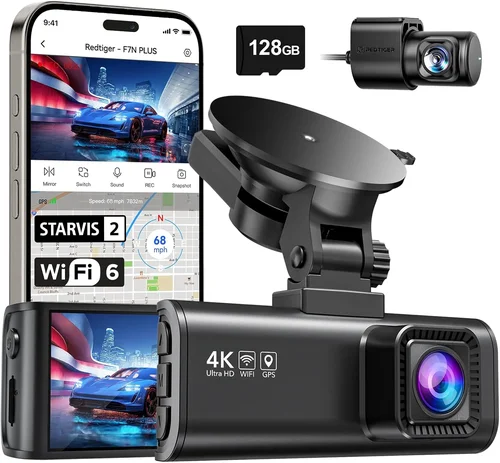
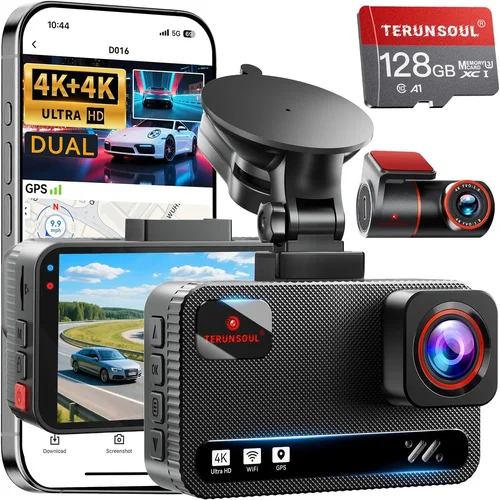
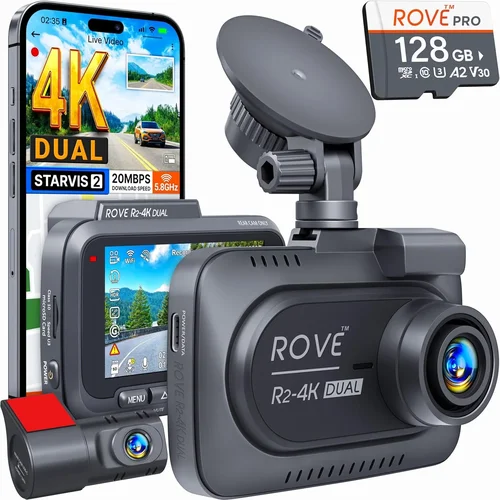
Best Dash Cam Buying Guide for 2026 Tundra
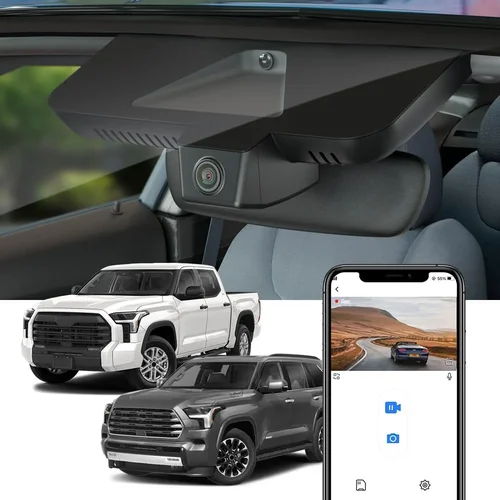
When shopping for a dash cam to equip your 2026 Tundra, you’re not just looking for any camera—you’re investing in safety, security, and peace of mind. The Toyota Tundra is a powerful, full-size truck known for its durability and spacious cabin, but it also demands reliable technology that can handle tough conditions and demanding driving environments. A quality dash cam can record high-resolution footage of everything happening on the road, provide evidence in case of accidents, and even offer parking surveillance to protect against hit-and-runs. With so many models on the market—from basic single-camera units to advanced dual-channel systems with GPS and cloud connectivity—making the right choice can feel overwhelming. This comprehensive guide cuts through the noise to help you find the best dash cam specifically suited for the 2026 Tundra’s unique features and your personal needs.
In this article, we’ll walk you through everything you need to know before purchasing a dash cam for your 2026 Tundra. You’ll learn about critical performance specifications like resolution, field of view, and night vision capabilities; understand how to evaluate build quality and mounting options that work seamlessly with your truck’s interior; explore advanced features such as loop recording, G-sensor alerts, Wi-Fi connectivity, and parking mode; and discover which brands offer the best support and warranty coverage. We’ll also break down common pitfalls buyers fall into—like choosing too low a resolution or ignoring storage requirements—and provide expert tips on where and when to buy for the best value. Whether you’re a daily commuter, an off-road enthusiast, or someone who simply wants extra protection while parked at the mall, this guide will empower you to make a confident, informed decision.
The market for dash cams has evolved rapidly over the past decade, offering more features than ever before at increasingly competitive prices. From compact single-lens models under $100 to professional-grade dual cameras with 4K recording and real-time streaming, there’s something for every budget and use case. However, not all dash cams are created equal—especially when it comes to compatibility with vehicles like the 2026 Tundra, which features large side mirrors, complex dashboard layouts, and high ambient temperatures under the hood. Some models may interfere with rearview visibility or fail to stay powered during long drives. Others might lack sufficient heat resistance or struggle with glare from the Tundra’s expansive windshield. Understanding these nuances is essential to selecting a dash cam that enhances rather than hinders your driving experience.

What to Look for When Buying Dash Cams
1. Budget & Price Range
Before diving into specs, determine your budget range. Dash cams span from affordable entry-level models around $50 to premium systems exceeding $300. While cheaper options often deliver decent 1080p video and basic loop recording, they may skimp on build quality, night performance, or reliability. Mid-range models ($100–$200) typically offer the best balance of features, durability, and value—ideal for most Tundra owners. Premium units go beyond recording with added intelligence like AI-powered collision detection, voice commands, and seamless smartphone integration. Consider not only the upfront cost but also ongoing expenses: microSD card replacements (typically every 1–2 years), potential subscription fees for cloud services, and possible installation labor if opting for hardwiring.
2. Performance Specifications
The heart of any dash cam lies in its ability to capture clear, stable footage under varying conditions. Key performance metrics include resolution, frame rate, bitrate, and sensor size. For the 2026 Tundra—a vehicle frequently used for highway commutes, city driving, and occasional off-road excursions—opt for at least 1080p Full HD recording. However, 2K (1440p) or even 4K resolution provides noticeably sharper details, especially useful for identifying license plates or reading road signs. Frame rates above 30fps ensure smooth motion capture during rapid maneuvers or sudden stops. Additionally, look for high bitrates (measured in Mbps), which directly impact video clarity and compression artifacts. A higher bitrate means better quality but larger file sizes, requiring faster write speeds from your microSD card.
3. Build Quality & Durability
Your dash cam will be exposed to extreme temperatures—both hot under the Texas sun and cold during winter nights—as well as vibrations from rough terrain or potholes. The 2026 Tundra’s robust suspension system means it can encounter unexpected bumps, particularly if you frequently tow heavy loads or drive on gravel roads. Therefore, choose a model made from heat-resistant materials like polycarbonate or aluminum alloy housing. Sealed ports and shockproof designs help prevent moisture ingress and internal damage. Also consider the lens quality: sapphire glass resists scratches far better than standard acrylic lenses, maintaining optical clarity over time. Units with wide operating temperature ranges (e.g., -4°F to 140°F / -20°C to 60°C) are ideal for year-round use across diverse climates.
4. Features & Functionality
Modern dash cams come packed with intelligent features that enhance usability and security. Essential functions include:
- Loop Recording: Automatically overwrites old footage when storage fills up, ensuring continuous operation without manual cleanup.
- G-Sensor (Impact Detection): Triggers automatic saving of clips when sudden deceleration or collision occurs, preserving critical evidence.
- Parking Mode: Uses motion or impact detection to record incidents while the vehicle is unattended—crucial for protecting your Tundra overnight or at job sites.
- Wi-Fi & Mobile App Integration: Allows wireless transfer of videos to your phone via apps like Garmin Drive or Blackvue View, enabling quick sharing or review.
- GPS Tracking: Logs location, speed, and direction data onto video overlays, adding context to recordings.
- Night Vision Enhancement: Uses starvis or Sony STARVIS sensors for superior low-light performance, reducing graininess in dark scenes.
Advanced systems may also offer voice control, driver fatigue warnings, or even ADAS (Advanced Driver Assistance Systems) alerts—though these are more common in automotive-grade solutions than consumer dash cams.
5. Brand Reputation
Stick with established brands that have proven track records in reliability and customer service. Companies like Garmin, Nextbase, Thinkware, Blackvue, and Rexing dominate the market due to consistent firmware updates, responsive support teams, and transparent return policies. Avoid obscure private-label brands sold exclusively through discount retailers unless thoroughly vetted through independent reviews. Check forums like Reddit’s r/dashcam or TruckDrivers.com for real-world feedback from fellow Tundra owners. Brands with dedicated U.S. customer service lines and local repair centers offer significant advantages if issues arise post-purchase.
6. Warranty & Support
A solid warranty reflects manufacturer confidence in their product. Most reputable dash cams come with 1–3 year limited warranties covering defects in materials and workmanship. Extended warranties (2–5 years) add value but rarely justify the cost unless bundled with roadside assistance or replacement guarantees. Ensure technical support is accessible via phone, email, or live chat during business hours. Read the fine print: some warranties void if the device is installed improperly or uses third-party accessories. For the 2026 Tundra, where installation complexity varies depending on whether you’re using adhesive mounts, suction cups, or hardwiring kits, professional guidance may be worth the investment.
7. Size & Portability
While portability matters for travelers switching between vehicles, the Tundra’s fixed cabin layout makes size less critical than fitment. That said, ultra-compact models (under 3 inches wide) minimize visual obstruction and reduce wind noise. Avoid overly large units that protrude awkwardly near the windshield wipers or interfere with airbag deployment zones. Slim-profile designs also improve aerodynamics slightly, though this is negligible for most drivers. If considering a dual-camera setup (front + interior), verify that both units fit comfortably within your chosen mounting locations without blocking critical sightlines.
8. User Reviews & Ratings
Real user experiences reveal hidden flaws that spec sheets ignore. Prioritize verified purchase reviews on Amazon, Best Buy, or brand websites. Pay attention to recurring complaints—such as poor night vision, frequent freezing, or unreliable parking mode—even if overall ratings appear high. Cross-reference multiple sources, including tech blogs like PCMag or Wirecutter, which conduct hands-on testing. Look for reviewers who mention specific use cases relevant to Tundra owners: long-haul trucking, family road trips, or urban commuting. Consistency in positive feedback across platforms signals a trustworthy product.
Different Types of Dash Cams

Common Buying Mistakes to Avoid
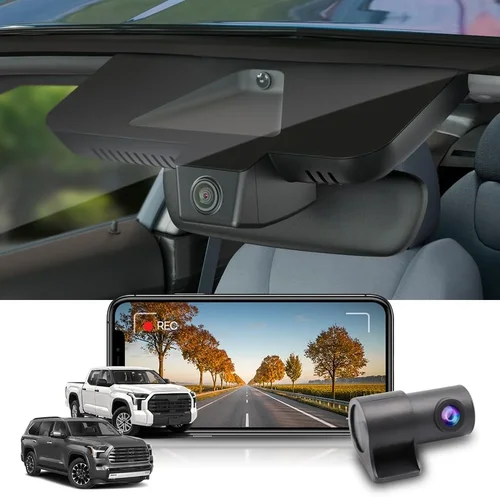
❌ Mistake: Skipping Storage Requirements
Why it’s bad: Many buyers overlook the importance of compatible microSD cards. Using a slow or low-capacity card (under 64GB Class 10) leads to buffering, dropped frames, and failed recordings—especially at higher resolutions like 4K. Inconsistent write speeds cause corruption during emergency saves triggered by the G-sensor.
What to do instead: Always pair your dash cam with a high-endurance microSD card rated for dash cams (e.g., SanDisk High Endurance, Samsung PRO Endurance). For 1080p recording, 32–64GB suffices; for 4K, aim for 128GB+. Test the card beforehand if possible.
❌ Mistake: Ignoring Heat Resistance
Why it’s bad: The 2026 Tundra’s engine bay reaches scorching temperatures, and dash cams mounted near the windshield can bake in direct sunlight. Cheap plastic housings warp or crack, causing lens misalignment or complete failure. This is especially problematic in states like Arizona or Nevada.
What to do instead: Choose models explicitly rated for high-temperature operation (-20°C to +60°C / -4°F to 140°F). Opt for metal-clad designs or those with active cooling fans (if included). Avoid placing the unit behind the rearview mirror where solar gain is highest.
❌ Mistake: Overlooking Mounting Flexibility
Why it’s bad: The Tundra’s tall cabin and thick pillars create blind spots. A poorly positioned dash cam blocks critical visibility or vibrates excessively, producing shaky footage. Suction cup mounts fail on textured dashboards; adhesive pads peel off in humidity.
What to do instead: Select a kit with multiple mounting options—adhesive, magnetic, or screw-based brackets. Test placement before finalizing. Consider a slim-profile design that clears the wiper base and doesn’t obstruct the instrument cluster.
❌ Mistake: Assuming All “4K” Is Equal
Why it’s bad: Marketing hype often inflates resolution claims. Many “4K” dash cams actually record at 1080p internally but upscale via software, resulting in blurry, artifact-heavy video. Real 4K requires powerful processors and large sensors—features absent in budget models.
What to do instead: Verify actual recording resolution through independent tests or user reports. Prioritize bitrate and sensor type (e.g., Sony STARVIS) over raw megapixel counts. Sometimes 2K offers better practical quality than fake 4K.
❌ Mistake: Neglecting Power Management
Why it’s bad: Plugging into the cigarette lighter draws constant power, draining your Tundra’s battery overnight—especially risky in cold weather when alternator output drops. Without proper fuse taps or capacitors, the system shuts down unpredictably during parking mode.
What to do instead: Install a hardwiring kit that connects to your OBD-II port or fuse box. This enables true parking mode without battery drain and adds surge protection. Professional installation ensures compliance with electrical codes.
❌ Mistake: Focusing Only on Resolution
Why it’s bad: High resolution alone doesn’t guarantee usable footage. Poor optics, narrow field of view (FOV), or weak low-light performance ruin recordings regardless of pixel count. A 1080p camera with a 170° FOV captures more context than a 4K unit with only 120°.
What to do instead: Balance resolution with FOV and sensor quality. Aim for at least 140–170° horizontal FOV to minimize “black corner” blind spots. Check sample videos from the same model under identical lighting conditions.
Budget Guidelines: How Much Should You Spend?
Entry-Level ($50 – $100)
This tier suits occasional drivers seeking basic accident documentation. Expect 1080p recording, modest FOV (~120°), and limited smart features. Brands like Viofo A119 Mini or Campark ACT79 offer decent performance within budget. Ideal for city dwellers with short commutes who prioritize affordability over longevity. Note: These models rarely include GPS, parking mode, or robust warranties.
Mid-Range ($100 – $250)
The sweet spot for most 2026 Tundra owners. Models here deliver 2K/4K recording, wider FOVs (150°+), built-in GPS, and reliable parking surveillance. Thinkware U1000, Garmin Dash Cam 67W, and Blackvue DR970X-2CH shine in this range. They balance cost with durability, making them perfect for mixed-use scenarios—daily driving plus weekend adventures. Most include 1-year warranties and responsive customer service.
Premium ($250 – $500)
For enthusiasts and professionals needing top-tier performance. These rigs boast advanced sensors, dual-channel recording, cloud connectivity, and AI-enhanced alerts. Blackvue DR-V1200X and Nextbase 522GW offer 4K front/rear setups with Alexa integration. Hardwired installations, superior heat dissipation, and extended warranties justify the price. Recommended for long-haul truckers, rideshare operators, or anyone wanting maximum peace of mind.
Luxury ($500+)
Rarely necessary for personal use but dominant in commercial fleets. Ultra-premium units feature military-grade construction, real-time streaming, encrypted storage, and predictive analytics. Examples include Samsara Dash Cam and Lytx DriveCam. Unless you operate a business requiring regulatory compliance or insurance discounts, these exceed typical consumer needs.
Expert Tips for Getting the Best Deal
Timing Your Purchase: Wait for seasonal sales events like Black Friday, Prime Day, or back-to-school promotions. Retailers often slash dash cam prices by 20–30% during these periods. Tech-focused outlets like B&H Photo or Micro Center occasionally run flash deals on refurbished or open-box units with full warranties.
Where to Buy: Online marketplaces (Amazon, Best Buy) offer convenience and customer reviews but may lack hands-on testing. Local auto electronics shops allow physical inspection and immediate troubleshooting. For hardwiring, certified installers provide peace of mind—though add $50–$100 to the total cost.
Spotting Deals: Subscribe to brand newsletters for exclusive coupons. Bundle purchases (e.g., dash cam + SD card + mount) sometimes yield bigger savings than buying separately. Watch for “buy one, get one free” promotions on accessories.
Warranty Considerations: Extend coverage if offered at checkout—most brands charge $20–$40 for an additional year. Confirm what’s covered: accidental damage, water exposure, or manufacturing defects? Avoid warranties with restrictive clauses like “user-installed voids coverage.”
Return Policies: Choose retailers with generous return windows (30+ days). Test the dash cam immediately upon delivery: record a sample clip, verify Wi-Fi pairing, and check parking mode functionality. Keep original packaging for easy returns.
Testing Before Buying: Visit Best Buy or Costco demo stations if available. Ask staff to show you live footage playback, menu navigation, and mobile app integration. Compare button layouts—some users prefer touchscreens, others physical controls for gloved hands.
Future-Proofing: Invest in a model supporting firmware updates. Manufacturers occasionally add features post-release (e.g., new language packs or improved algorithms). Avoid obsolete protocols like Micro USB in favor of USB-C for easier connectivity.

Frequently Asked Questions
Q: Can I install a dash cam myself in my 2026 Tundra?
A: Yes, most dash cams are DIY-friendly with adhesive mounts or suction cups. However, hardwiring for parking mode requires basic automotive knowledge or professional help. Follow the manual carefully and disconnect the battery before starting. Avoid routing wires near moving parts or hot surfaces.
Q: What microSD card should I use for my dash cam?
A: Use high-endurance cards from reputable brands (SanDisk, Samsung, Lexar) with Class 10/U3/V30 ratings. Capacity depends on usage: 32GB for light use (1080p), 64–128GB for heavy recording (2K/4K). Format the card in the dash cam itself before first use to prevent compatibility issues.
Q: Will a dash cam drain my Tundra’s battery?
A: Only if left in parking mode without a proper hardwire kit. True parking mode draws minimal current (<50mA) when connected to the ignition circuit. Cheap cigarette lighter adapters cause constant drain. Always use a fuse tap or OBD-II power source for overnight surveillance.
Q: How much storage space do I really need?
A: At 1080p/30fps, expect 1GB per minute. A 32GB card stores ~6 hours; 64GB holds ~12 hours. For 4K/30fps, allocate 3GB/minute—halving storage capacity. Set loop recording intervals (e.g., 1-minute clips) to maximize space. Delete non-critical files weekly or enable cloud backup if supported.
Q: Do dash cams work well at night?
A: It depends on the sensor. Models with Sony STARVIS or Starimagers excel in darkness, producing bright headlights without blooming. Avoid CMOS-only sensors—they struggle with contrast and produce noisy footage after sunset. Enable HDR or night mode settings if available.
Q: Should I get a single or dual-camera system?
A: Dual cameras (front + cabin) benefit rideshare drivers, teachers, or parents recording children. For general use, a single front-facing unit suffices. The Tundra’s spacious interior makes interior recording feasible, but weigh privacy concerns against utility.
Q: Are dash cams legal in all states?
A: Yes, recording public roads is legal in the U.S. However, laws vary on recording private property or conversations. Never disable audio if your state prohibits it (e.g., California). Check local regulations before installing.
Q: How do I choose the right field of view (FOV)?
A: Wider FOV (150°–170°) captures more peripheral context but distorts straight lines. Narrower FOV (120°–140°) reduces distortion but leaves blind spots. For highways, 150° balances coverage and realism. Test different angles before finalizing placement.
Q: Can I use my dash cam while driving off-road?
A: Most consumer dash cams aren’t designed for extreme vibration or dust exposure. Ruggedized models like Blackvue DR970X-2CH or VIOFO A129 Pro Duo offer better shock resistance. Avoid submerging or cleaning with high-pressure water.
Q: What if my dash cam freezes or corrupts files?
A: This often stems from incompatible firmware, faulty SD cards, or overheating. Update firmware via the manufacturer’s website. Replace the SD card with a tested one. Ensure adequate ventilation—never block vents or place near heat sources.
Our Final Recommendations
Best for Budget-Conscious Buyers
Viofo A119 Mini (2K)
At under $100, this compact unit delivers crisp 2K recording, a 140° FOV, and reliable loop recording. Its small footprint fits perfectly in the Tundra’s cabin without obstruction. Includes GPS and a 32GB microSD card. Ideal for drivers prioritizing value without sacrificing core functionality.
Best Overall Value
Garmin Dash Cam 67W
Combining sleek design with robust performance, this 1080p cam offers Alexa voice control, incident detection, and seamless smartphone pairing. Garmin’s reputation for durability shines through its magnesium casing and wide temperature tolerance. The 130° FOV strikes a great balance between coverage and clarity.
Best Premium Option
Blackvue DR970X-2CH
For serious users, this dual-channel beast records 1080p front and rear footage simultaneously with 4K capability. Equipped with LTE connectivity, cloud backup, and advanced parking mode, it’s a fortress of data security. Professional-grade build ensures it survives the Tundra’s toughest hauls.
Best for Beginners
Campark T129
User-friendly menus, intuitive app integration, and 1080p recording make this a stress-free starter. The 150° FOV minimizes blind spots, while the built-in G-sensor protects against file corruption. Affordable price point removes pressure for perfection.
Best for Advanced Users
Thinkware U1000
With 4K recording, HDR, and super night vision, this German-engineered marvel outperforms competitors in low light. The dual-band Wi-Fi and cloud sync let you manage footage remotely. Robust aluminum body withstands years of abuse—perfect for seasoned truckers.
Conclusion: Making the Right Choice
Selecting the best dash cam for your 2026 Tundra isn’t about chasing the latest specs—it’s about aligning technology with your lifestyle. Whether you’re a weekend warrior, a daily commuter, or a professional driver, prioritize reliability over flashy extras. Focus on resolution, heat resistance, and ease of installation, and don’t forget to factor in ongoing costs like storage upgrades. Remember, the best dash cam is the one you’ll actually use consistently. Take time to read reviews, compare models, and test placements before committing. Once installed, it becomes more than a gadget—it’s your silent witness on the road, safeguarding you, your cargo, and your peace of mind.