Complete Budget Dash Cams for Hot Climates Buying Guide
In today’s world, where vehicle accidents and disputes can happen in an instant, having a reliable dash cam has become essential for drivers. However, not all dash cams are created equal, especially when it comes to handling the unique challenges of hot climates. High temperatures can significantly impact electronic components, potentially leading to reduced performance, shortened lifespan, or even complete failure of your device. This comprehensive guide will help you navigate the market and find the best budget dash cams specifically designed to withstand extreme heat conditions.
Whether you’re commuting through scorching desert highways, navigating sun-baked city streets, or traveling through regions with consistently high temperatures, choosing the right dash cam is crucial. You’ll learn how to identify temperature-resistant models, understand the technical specifications that matter most in hot environments, and discover which brands have proven themselves in challenging thermal conditions. We’ll also explore real-world testing scenarios, examine user experiences from drivers in hot climate zones, and provide expert insights on maintaining optimal performance during heat waves.
The market for budget-friendly dash cams continues to expand rapidly, offering consumers more choices than ever before. From basic single-lens systems to advanced multi-camera setups with sophisticated recording capabilities, manufacturers are competing to deliver value while addressing the specific needs of drivers in warm climates. However, this abundance of options can be overwhelming, particularly when trying to distinguish between features that genuinely enhance performance versus those that are merely marketing gimmicks. This guide cuts through the noise to present you with practical, evidence-based recommendations that prioritize both affordability and reliability under intense heat exposure.
## What to Look for When Buying Dash Cams
### Temperature Resistance Ratings
When selecting a dash cam for hot climates, the most critical specification to examine is the operating temperature range. Unlike standard consumer electronics, dash cams must maintain functionality in extreme conditions where most phones and tablets would fail immediately. Look for devices rated for operation at 140°F (60°C) or higher – this is the industry benchmark for true automotive-grade durability. Some premium models can handle up to 176°F (80°C), providing an additional safety margin during prolonged exposure to direct sunlight.
Manufacturers typically display these ratings in the product specifications, but it’s important to verify whether they represent continuous operation capability or just short-term tolerance. Continuous operation means the camera can function safely throughout entire drive cycles without overheating, whereas short-term tolerance only indicates brief exposure resistance. Always choose models with continuous operation ratings, as intermittent shutdowns during critical incidents defeat the purpose of having a dash cam.
Additionally, pay attention to the storage temperature rating, which determines how well the device handles being parked in extreme heat for extended periods. A good dash cam should survive storage temperatures up to 185°F (85°C) without permanent damage. This ensures your footage remains accessible even if the device temporarily shuts down due to extreme heat conditions while parked.
### Build Quality & Heat Dissipation Design
The physical construction of your dash cam plays a vital role in its ability to withstand high temperatures. Premium models feature specialized housing materials like aluminum alloy or high-temperature polycarbonate that resist deformation and maintain structural integrity under heat stress. These materials not only protect internal components but also help dissipate heat away from sensitive circuitry.
Look for designs incorporating heat-dissipating features such as ventilation channels, thermal pads between components, and strategic placement of heat-generating elements away from critical sensors. Some advanced models include passive cooling systems using phase-change materials that absorb excess heat during peak loads and release it gradually when temperatures drop.
Another important aspect is the quality of internal components. Capacitors are particularly vulnerable to heat damage, so opt for models using automotive-grade capacitors rated for high-temperature environments rather than standard consumer-grade components. Similarly, the image sensor should be specified for extended operation in hot conditions, as many budget cameras use sensors designed primarily for cooler operating temperatures.
### Performance Specifications Under Load
High temperatures directly affect several key performance metrics, including recording resolution, frame rate, and compression efficiency. When evaluating potential candidates, check their specifications under thermal stress conditions. Many manufacturers publish lab test results showing how their devices perform when subjected to controlled heating scenarios.
For optimal performance in hot climates, aim for dash cams capable of maintaining at least 1080p recording resolution at 30 frames per second even when operating at elevated temperatures. Lower resolutions or reduced frame rates indicate that the device may struggle to capture clear, usable footage during critical events when quick reaction times are necessary.
Compression technology also becomes crucial under heat stress. Modern H.265 encoding provides better efficiency than older H.264 standards, resulting in smaller file sizes without sacrificing quality. This efficiency translates to longer recording times and reduced processor load, which helps prevent overheating during extended drives through hot regions.
Battery life considerations are equally important when assessing performance under thermal conditions. While most dash cams use built-in rechargeable batteries, some models incorporate supercapacitors instead of traditional lithium-ion cells. Supercapacitors typically offer superior performance in high-temperature environments compared to batteries, which can degrade or fail prematurely when exposed to extreme heat.
### Features & Functionality
While core recording capabilities remain paramount, certain advanced features can enhance reliability and usability in hot climates. Loop recording with automatic overwrite protects against memory card full situations, ensuring continuous coverage regardless of available storage space. This prevents missed incidents due to accidentally filled memory cards, a common issue during long trips through remote areas with limited charging opportunities.
G-sensor technology automatically detects collision forces and locks relevant footage, preventing accidental deletion during routine loop recording cycles. This feature is invaluable for preserving evidence of accidents or impacts that might otherwise be overwritten during normal operation cycles.
GPS tracking provides valuable context for any incidents captured by your dash cam, including location data, speed information, and direction of travel. In hot climates where weather conditions can change rapidly and driving conditions become challenging, having precise location data can significantly aid insurance claims or legal proceedings.
Wi-Fi connectivity allows for convenient file transfer and live viewing without removing the memory card or physically accessing the device. However, be aware that wireless functionality often generates additional heat, so consider whether constant Wi-Fi operation is essential for your needs or if manual file transfers would suffice.
Parking mode functionality represents perhaps the most significant advantage for hot climate applications. When equipped with proper power management systems, parking mode continuously monitors for incidents even when the vehicle is turned off. This capability is particularly valuable in hot climates where unattended vehicles are vulnerable to theft, vandalism, or environmental damage.
### Brand Reputation & Reliability
Established brands with proven track records in automotive electronics tend to offer more reliable products for demanding environments. Companies specializing in automotive security and surveillance solutions typically invest more heavily in rigorous testing protocols that simulate real-world conditions, including prolonged exposure to high temperatures.
Research manufacturer reputation by examining independent review sites, professional testing organizations, and user forums focused on automotive electronics. Pay particular attention to customer service responsiveness and warranty claim success rates, as these indicators reflect how seriously companies treat product quality and customer satisfaction.
Avoid overly optimistic marketing claims without supporting technical documentation. Legitimate manufacturers provide detailed specifications, compliance certifications, and third-party test results to substantiate their performance claims. Be wary of products promising exceptional performance without verifiable evidence or transparent about their testing methodologies.
### Warranty & Support
Comprehensive warranty coverage serves as your safety net against manufacturing defects and premature failures. Look for warranties covering at least one year for hardware components and 90 days for accessories. Extended warranty options can provide additional peace of mind, especially for expensive purchases.
Examine the terms and conditions carefully to understand what’s covered and what isn’t. Some warranties exclude damage caused by environmental factors like excessive heat, so ensure your selected model includes appropriate coverage for thermal-related issues. Also consider the ease of filing claims and the typical response time from customer support teams.
Technical support availability varies significantly between manufacturers. Choose companies offering multiple contact methods including phone, email, and live chat, preferably with local representatives in your region. Quick resolution times and knowledgeable technicians can make a substantial difference when troubleshooting complex issues or processing warranty claims.
### Size & Portability Considerations
Compact designs offer advantages beyond mere aesthetics; smaller form factors typically generate less internal heat and occupy less dashboard space, reducing interference with other vehicle controls. Ultra-compact models can also serve dual purposes as backup cameras or interior monitoring devices when needed.
However, size limitations sometimes come at the expense of functionality. Very small dash cams may lack sufficient cooling capacity or adequate space for advanced features like GPS modules or larger memory buffers. Strike a balance between portability and capability based on your specific requirements and typical usage patterns.
Mounting flexibility represents another consideration when selecting dimensions. Adjustable mounting systems allow you to position the camera optimally for clear visibility while avoiding direct sunlight exposure. Some models incorporate anti-glare coatings or polarized lenses that reduce reflection from windshields, improving visibility during bright daylight hours common in hot climates.
### User Reviews & Ratings Analysis
Real-world user experiences provide invaluable insights beyond manufacturer specifications and laboratory tests. Focus on reviews from users located in similar geographic regions experiencing comparable temperature ranges. These firsthand accounts reveal how devices perform under actual field conditions rather than controlled testing environments.
Pay attention to recurring complaints about overheating issues, battery degradation, or unexpected shutdowns during summer months. Conversely, consistently positive feedback regarding thermal performance and reliability should reinforce your confidence in the product choice. Be cautious of overly generic positive reviews that lack specific details about usage scenarios or environmental conditions.
Consider the recency and quantity of reviews when evaluating product performance. Older models may no longer receive firmware updates or technical support, making them riskier choices for long-term use. Newer products benefit from accumulated user feedback and manufacturer refinements based on previous generation shortcomings.
## Different Types of Dash Cams
Each category offers distinct advantages depending on your specific needs and budget constraints. Single-lens entry-level models represent the most economical option, providing fundamental recording capabilities at an affordable price point. These devices typically deliver 720p or 1080p video quality with basic features like loop recording and G-sensor functionality. While they may lack advanced capabilities found in higher-end models, they still offer valuable protection against insurance fraud and accident disputes.
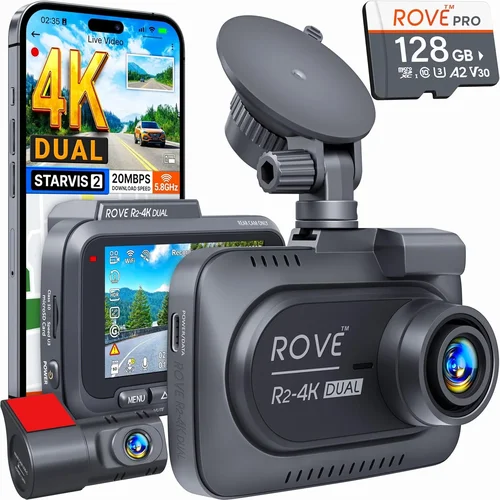
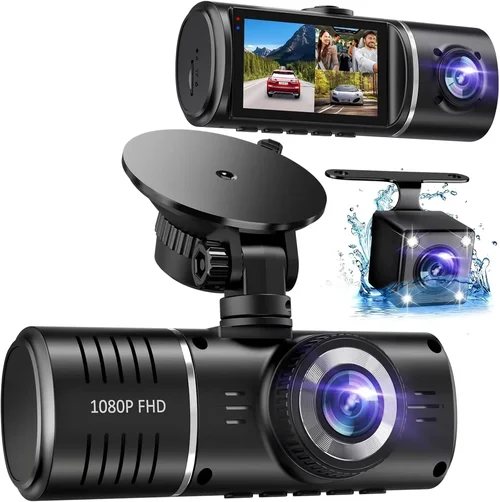
Dual-lens mid-range dash cams strike an excellent balance between comprehensive coverage and reasonable pricing. Front-facing primary lenses capture detailed road conditions ahead, while rear-facing secondary lenses monitor what’s happening behind your vehicle. This configuration provides complete situational awareness without requiring additional cameras or complex wiring setups. Many models in this category also include enhanced features like parking mode monitoring and improved low-light performance.
Advanced multi-camera systems cater to professionals operating commercial vehicles or individuals seeking maximum protection for high-value assets. These setups often include three or more cameras positioned around the vehicle perimeter, offering 360-degree coverage of all angles. Additional benefits include synchronized recording across all cameras, enhanced night vision capabilities, and specialized firmware optimized for demanding operational environments.
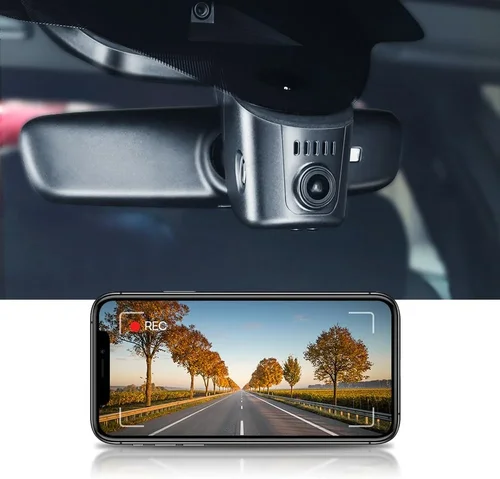
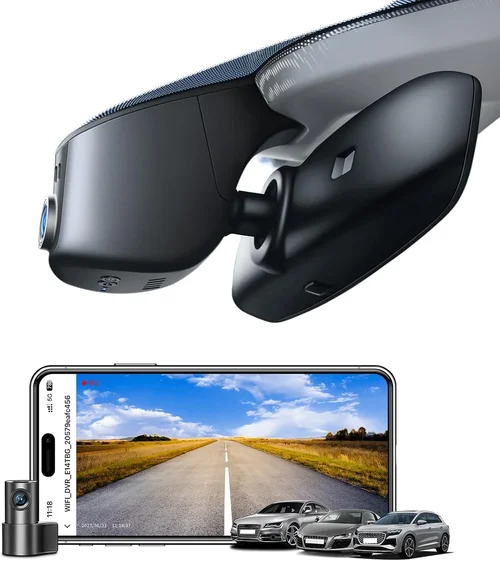
Smart connectivity models appeal to tech enthusiasts who want seamless integration with their mobile devices and existing smart home ecosystems. These dash cams feature built-in Wi-Fi, Bluetooth connectivity, and companion smartphone apps enabling real-time monitoring, instant incident sharing, and cloud backup services. Advanced versions may include artificial intelligence features like driver assistance alerts, lane departure warnings, and automatic emergency notification systems.
Ultra-compact specialty cameras offer flexible deployment options for users with specific requirements. Their small form factor makes them ideal as backup cameras for reversing maneuvers, interior monitoring devices for pet observation, or secondary cameras for fleet management applications. Despite their compact size, modern ultra-compact models maintain respectable video quality and include essential features like motion detection and scheduled recording capabilities.
## Common Buying Mistakes to Avoid
### ❌ Mistake: Ignoring Thermal Performance Specifications
Many buyers focus exclusively on video resolution and feature lists while overlooking critical thermal performance data. This oversight can lead to purchasing dash cams that appear impressive on paper but fail dramatically under real-world heat conditions. Manufacturers often emphasize flashy features like 4K recording or night vision capabilities without adequately addressing how their devices perform when exposed to sustained high temperatures.
The consequences of ignoring thermal specifications can be severe. Your dash cam may suddenly shut down during a critical incident, leaving you without any recorded evidence. Alternatively, it could experience permanent hardware damage after repeated exposure to extreme heat, rendering the investment worthless. Always verify operating temperature ratings before making a purchase decision, prioritizing continuous operation capabilities over short-term tolerance figures.
### ❌ Mistake: Overlooking Memory Card Compatibility Issues
Memory cards play a crucial role in dash cam performance, particularly in hot climates where write speeds can be affected by elevated temperatures. Using incompatible or low-quality memory cards may result in recording interruptions, corrupted files, or complete system failures during important events. Unfortunately, many budget dash cams ship with proprietary or poorly specified memory card requirements that limit your replacement options.
To avoid compatibility problems, research your chosen model’s recommended memory card specifications thoroughly. Look for devices supporting UHS-I or UHS-II SD cards with Class 10 speed ratings or higher. These faster cards maintain consistent write speeds even when heated, ensuring reliable recording throughout extended drives through hot regions. Additionally, consider investing in industrial-grade memory cards specifically designed for harsh environments rather than consumer-grade alternatives.
### ❌ Mistake: Neglecting Power Management Systems
Proper power management is essential for reliable dash cam operation in hot climates, yet many buyers overlook this critical aspect. Insufficient power conditioning can cause erratic behavior, random shutdowns, or premature component failure when electrical demands exceed supply capabilities. Hot engine compartments generate significant electromagnetic interference that can disrupt delicate electronics unless properly shielded.
When evaluating potential candidates, examine their power input specifications and filtering capabilities. Look for models featuring surge protection, voltage regulation, and noise filtering circuits designed to handle automotive electrical environments. Parking mode functionality requires particularly robust power management since the device must remain operational without engine-generated electricity. Ensure your selected model includes appropriate power-saving features like automatic shutdown after periods of inactivity to conserve battery life during extended parking sessions.
### ❌ Mistake: Focusing Solely on Price Without Considering Total Cost
Budget-focused shoppers often make the mistake of selecting the cheapest available option without considering long-term ownership costs. Low initial prices frequently come with hidden expenses including proprietary accessories, limited warranty coverage, poor customer support, and frequent replacement requirements due to premature failure. The true cost of ownership extends far beyond the original purchase price when factoring in maintenance, repairs, and potential lost evidence due to equipment malfunction.
Calculate the total cost of ownership by researching ongoing expenses such as memory card replacements, mounting hardware upgrades, firmware update requirements, and warranty claim processing fees. Compare these figures against more expensive but higher-quality alternatives that offer better durability, longer lifespans, and comprehensive support services. Remember that a slightly higher upfront investment in a reliable dash cam can save significant money over time by avoiding repeated replacements and ensuring consistent performance when you need it most.
### ❌ Mistake: Underestimating Installation Complexity
Complex installations require specialized knowledge and tools that many DIY enthusiasts underestimate. Attempting to install sophisticated dash cam systems without proper expertise can result in improper mounting, inadequate wiring, or suboptimal positioning that compromises recording quality and device longevity. Improper installations expose your dash cam to increased vibration stress, dust accumulation, and thermal cycling effects that accelerate wear and tear.
Before purchasing any dash cam system, assess your technical capabilities honestly. Simple single-camera setups with adhesive mounts and basic power connections represent manageable projects for most users, while multi-camera configurations with hardwired power supplies demand professional installation skills or substantial research beforehand. Consider hiring certified automotive electronics installers for complex setups to ensure proper mounting techniques, secure wiring practices, and optimal camera positioning relative to your vehicle’s architecture.
### ❌ Mistake: Overlooking Software and Firmware Updates
Firmware updates represent a critical maintenance requirement that many users neglect, particularly when dealing with temperature-sensitive electronics. Manufacturers regularly release software improvements addressing bugs, enhancing performance, and adding new features that improve reliability under extreme conditions. Ignoring these updates leaves your dash cam vulnerable to known vulnerabilities, compatibility issues, and suboptimal performance characteristics that could compromise evidence quality during important incidents.
Always enable automatic firmware updates when available and check for new releases periodically even if notifications aren’t provided. Download and install updates promptly following manufacturer instructions to ensure your device receives all available enhancements. Keep detailed records of update dates and version numbers for troubleshooting purposes and warranty claim documentation if hardware failures occur despite proper software maintenance.
### ❌ Mistake: Assuming All Dash Cams Handle Heat Equally
Not all dash cams share identical thermal characteristics despite similar appearance or price points. Manufacturing variations, component sourcing differences, and design philosophies create significant performance disparities between supposedly equivalent models. Two dash cams listed at identical price points may exhibit dramatically different reliability profiles when subjected to identical heat stress conditions due to underlying hardware choices or engineering priorities.
Conduct thorough comparative testing whenever possible before committing to a purchase decision. Review independent laboratory results, professional testing reports, and user-submitted thermal performance data from sources specializing in automotive electronics evaluation. Pay particular attention to third-party analyses that subject devices to controlled heating scenarios simulating real-world conditions rather than relying solely on manufacturer-provided specifications or marketing materials.
## Budget Guidelines: How Much Should You Spend?
### Entry-Level ($50 – $100): What to Expect
The entry-level dash cam segment offers affordable access to essential recording capabilities without breaking the bank. Devices in this price range typically deliver 720p or 1080p video quality with basic features like loop recording, G-sensor collision detection, and simple mounting systems. While they may lack advanced functionalities found in higher-priced models, these budget-friendly options still provide valuable protection against insurance fraud and accident disputes.
When shopping within this range, prioritize thermal performance specifications over flashy features. Look for models rated for continuous operation at 140°F (60°C) or higher, ensuring reliable functionality during hot climate drives. Accept some compromises regarding build quality and accessory inclusion, but verify that core recording capabilities remain unaffected by elevated temperatures. Entry-level dash cams serve adequately for occasional use or secondary vehicles where comprehensive protection isn’t absolutely necessary.
### Mid-Range ($100 – $200): Sweet Spot for Most Buyers
This price tier represents the optimal balance between affordability and capability, offering substantial improvements over entry-level models without reaching premium pricing thresholds. Mid-range dash cams typically feature enhanced video quality (often 1080p or 4K), improved low-light performance, and additional features like GPS tracking, Wi-Fi connectivity, and parking mode monitoring. Build quality generally exceeds budget options with better materials and more robust construction suitable for demanding environments.
Within this sweet spot, you’ll find numerous models specifically engineered for hot climate operation. These devices incorporate advanced thermal management systems, high-temperature-rated components, and optimized firmware designed to maintain performance under sustained heat exposure. Dual-lens configurations become increasingly common at this level, providing front and rear coverage without requiring expensive multi-camera setups. Mid-range options represent the best value proposition for most drivers seeking reliable dash cam protection in warm climates.
### Premium ($200 – $400): For Enthusiasts and Professionals
Premium dash cam systems target discerning buyers who demand maximum performance and reliability regardless of cost considerations. These high-end devices feature cutting-edge imaging technologies, military-grade construction materials, and sophisticated thermal management systems capable of handling extreme environmental conditions. Video quality reaches professional broadcast standards with advanced stabilization, HDR capabilities, and specialized lens coatings minimizing glare and reflections during bright daylight hours.
Professional-grade dash cams often include redundant recording systems, industrial-grade memory cards, and hardened enclosures designed for continuous operation in harsh environments. Additional features like AI-powered object recognition, real-time traffic alerts, and cloud backup services provide unparalleled situational awareness and evidence preservation capabilities. While the price point reflects their exceptional capabilities, premium models justify their cost through unmatched reliability, comprehensive feature sets, and superior build quality suitable for demanding operational requirements.
### Luxury ($400+): Top-Tier Features
Luxury dash cam offerings represent the pinnacle of automotive surveillance technology, combining unprecedented performance with exclusive features unavailable in mainstream products. These ultra-premium systems integrate seamlessly with luxury vehicle interiors, offering discreet installation options and matching aesthetic qualities alongside exceptional functional capabilities. Advanced materials like carbon fiber composites, aerospace alloys, and specialized polymers provide superior strength-to-weight ratios while maintaining optimal thermal dissipation properties.
Top-tier dash cams often include experimental technologies like quantum dot imaging sensors, adaptive optical stabilization, and predictive analytics algorithms anticipating potential hazards before they develop into serious incidents. Customizable firmware allows enthusiasts to tailor recording parameters precisely to their driving styles and environmental conditions, while specialized calibration procedures ensure pixel-perfect accuracy across diverse lighting scenarios. Although representing the highest possible investment, luxury dash cams offer uncompromising protection for valuable assets and peace of mind during extended journeys through challenging climates.
## Expert Tips for Getting the Best Deal
### Timing Your Purchase Strategically
Understanding seasonal sales patterns can yield significant savings when purchasing dash cams for hot climate applications. Major shopping events like Black Friday, Cyber Monday, and Memorial Day weekend typically feature substantial discounts across automotive electronics categories. Retailers often clear out older inventory models to make room for newer releases during these periods, offering excellent opportunities to acquire last-generation devices at current-generation prices.
Consider timing your purchase around new model announcements as well. When manufacturers unveil updated dash cam lines, retailers frequently discount remaining stock of discontinued models to accelerate inventory turnover. These clearance sales can provide exceptional value for budget-conscious buyers willing to accept slightly older technology in exchange for immediate cost savings. Monitor industry news outlets and retailer newsletters to stay informed about upcoming product launches and corresponding discount opportunities.
### Choosing the Right Retail Channels
Selecting appropriate retail channels significantly impacts both pricing and product availability when purchasing dash cams for hot climate use. Online marketplaces like Amazon, eBay, and specialized automotive electronics retailers often offer competitive pricing through bulk purchasing agreements and efficient distribution networks. Physical stores provide immediate product access and hands-on testing opportunities but typically carry narrower selection ranges with higher markup percentages.
Evaluate each channel based on your specific priorities. Online shopping suits buyers seeking comprehensive comparison options and lower base prices, while brick-and-mortar stores appeal to those valuing immediate availability and face-to-face assistance. Hybrid approaches combining online research with in-store testing represent the optimal strategy for balancing cost savings with quality assurance. Always verify seller ratings and return policies regardless of purchase method to minimize post-purchase complications.
### Identifying Authentic Deals vs. Hidden Costs
Distinguishing genuine value from deceptive pricing requires careful analysis of promotional offers and package contents. Watch for red flags indicating inflated list prices used solely to justify artificially low sale prices. Legitimate discounts should reflect actual market value reductions rather than manipulated reference points. Compare current prices against historical averages using price tracking tools to validate claimed savings authenticity.
Beware of bundled deals promising “free” accessories or extended warranties that actually increase total cost through mandatory service contracts or restrictive terms. Read fine print thoroughly before committing to any promotional offer, paying particular attention to automatic renewal clauses, cancellation penalties, and eligibility restrictions. True value emerges from transparent pricing structures and straightforward transaction terms rather than convoluted sales tactics designed to obscure actual costs.
### Maximizing Warranty Benefits
Comprehensive warranty coverage represents an essential safeguard against premature failures, especially for temperature-sensitive electronics. Prioritize manufacturers offering generous hardware warranties (minimum one year) with clear definitions of covered defects and reasonable claim processing timelines. Extended warranty options provide additional protection but require careful evaluation against potential return on investment calculations.
Understand your warranty rights completely before purchasing any dash cam system. Know exactly what constitutes covered repairs versus excluded damages, how to initiate claims efficiently, and what documentation requirements apply. Keep detailed records of purchase dates, serial numbers, and maintenance activities to streamline warranty claim processes if hardware failures occur despite proper usage and care.
### Leveraging Return Policies Effectively
Flexible return policies offer crucial protection against buyer’s remorse and product performance disappointments. Choose retailers with liberal return windows (minimum 30 days) and hassle-free exchange procedures allowing easy returns without excessive paperwork or restocking fees. Test your dash cam thoroughly during the return period to verify thermal performance under actual operating conditions rather than relying solely on manufacturer specifications.
Document your testing process meticulously by recording sample footage, noting temperature readings, and capturing any performance anomalies encountered during extended use. This documentation proves valuable if returning defective units or negotiating exchanges for improved models. Maintain original packaging and accessories to preserve resale value and simplify future transactions regardless of outcome.
### Testing Before Committing Long-Term
Whenever possible, conduct hands-on testing before finalizing your dash cam purchase decision. Visit authorized dealers offering demonstration units or participate in local automotive enthusiast groups hosting equipment trials. Real-world testing reveals performance characteristics impossible to discern from marketing materials alone, particularly regarding thermal management effectiveness and usability under actual driving conditions.
Focus testing efforts on scenarios most relevant to your hot climate usage patterns. Evaluate recording quality during peak sunlight hours, assess startup reliability after extended parking in direct sun exposure, and verify parking mode functionality under simulated overnight temperature extremes. Note any performance inconsistencies or comfort issues that could impact daily usability and long-term satisfaction.
### Building Relationships with Technical Support
Establishing positive relationships with manufacturer technical support teams pays dividends throughout your ownership experience. Contact customer service proactively during the pre-purchase phase to evaluate response times, knowledge levels, and problem-solving capabilities. Friendly interactions and efficient issue resolution during initial inquiries suggest similar performance during post-purchase emergencies.
Share your specific usage requirements during support conversations to receive tailored recommendations matching your hot climate application needs. Document support interactions including case numbers, representative names, and solution summaries to facilitate future communications and warranty claim processing. Positive support experiences encourage manufacturers to prioritize your account during hardware failures or software updates.
## Frequently Asked Questions
Q: What temperature rating should I look for in a dash cam for hot climates?
A: Aim for dash cams rated for continuous operation at 140°F (60°C) or higher. This ensures reliable functionality throughout entire drive cycles without overheating concerns. Some premium models can handle up to 176°F (80°C), providing additional safety margins during prolonged exposure to direct sunlight. Verify whether ratings represent continuous operation capability rather than just short-term tolerance, as only continuous ratings guarantee uninterrupted recording during critical incidents.
Q: How do I know if my dash cam will work reliably in extreme heat?
A: Research independent testing results from reputable automotive electronics reviewers who subject devices to controlled heating scenarios simulating real-world conditions. Look for laboratory reports demonstrating maintained performance under sustained thermal stress rather than relying solely on manufacturer specifications. Check user forums populated by drivers in similar geographic regions experiencing comparable temperature ranges for firsthand accounts of field performance under actual usage conditions.
Q: Can I use my existing smartphone as a dash cam in hot climates?
A: While smartphones offer convenience through familiar interfaces and large screens, they generally lack the thermal resilience required for reliable dash cam operation in hot climates. Consumer-grade smartphone components typically fail prematurely when exposed to sustained temperatures above 113°F (45°C), resulting in sudden shutdowns during important incidents. Dedicated dash cams incorporate automotive-grade components specifically engineered for extended operation in challenging environmental conditions.
Q: Do memory cards affect dash cam performance in hot climates?
A: Yes, memory card quality significantly impacts dash cam reliability in hot climates. High-quality cards with Class 10 speed ratings or higher maintain consistent write speeds even when heated, preventing recording interruptions or file corruption during extended drives through hot regions. Industrial-grade memory cards specifically designed for harsh environments outperform consumer alternatives in thermal endurance and data integrity under elevated temperature conditions.
Q: How often should I replace my dash cam in hot climates?
A: Replacement frequency depends on usage intensity and environmental exposure rather than fixed timeframes. Monitor performance indicators including unexpected shutdowns, degraded video quality, and declining battery life as signals for impending hardware failure. Proactive replacement before complete failure ensures uninterrupted protection during critical incidents. Establish regular inspection routines checking for physical damage, loose connections, and software update availability to optimize device lifespan.
Q: Are parking mode dash cams safe for extremely hot parking conditions?
A: Parking mode functionality requires careful consideration in hot climates due to battery drain risks during extended unattended operation. Modern dash cams incorporate intelligent power management systems that automatically enter low-power standby modes during prolonged inactivity, conserving energy while maintaining incident detection capabilities. Select models featuring supercapacitor-based power systems instead of traditional lithium-ion batteries for superior thermal resilience during parking mode operation.
Q: What’s the best way to mount my dash cam to minimize heat exposure?
A: Position your dash cam as close to the windshield’s upper edge as possible while maintaining optimal viewing angles. This placement leverages natural airflow patterns reducing direct solar radiation exposure while preserving clear visibility of the road ahead. Use anti-reflective coatings or polarized lenses on camera lenses to minimize glare from bright sunlight, improving visibility during intense daylight hours common in hot climates. Avoid mounting near air conditioning vents directing hot air onto the device.
Q: Can dash cam batteries survive extremely hot temperatures?
A: Traditional lithium-ion batteries degrade rapidly when exposed to sustained temperatures above 113°F (45°C), compromising both performance and safety. Many modern dash cams utilize supercapacitor-based power systems instead of conventional batteries, offering superior thermal resilience and longer lifespans in hot climate applications. Supercapacitors maintain consistent performance characteristics across broader temperature ranges while eliminating fire risks associated with overheated lithium-ion cells.
Q: How important is firmware updating for dash cam reliability in hot climates?
A: Regular firmware updates represent a critical maintenance requirement ensuring optimal performance under thermal stress conditions. Manufacturers release software improvements addressing bugs, enhancing stability, and adding new features specifically designed to improve reliability during extended heat exposure. Enable automatic updates whenever available and install new releases promptly following manufacturer instructions to maintain peak performance characteristics throughout device lifespan.
Q: Should I choose a single-lens or dual-lens dash cam for hot climate driving?
A: Dual-lens dash cams provide comprehensive coverage without requiring expensive multi-camera setups, making them ideal for most hot climate driving scenarios. Front-facing primary lenses capture detailed road conditions ahead while rear-facing secondary lenses monitor what’s happening behind your vehicle. This configuration offers complete situational awareness during challenging weather conditions common in hot regions while maintaining reasonable pricing and manageable installation complexity.
## Our Final Recommendations
### Best for Budget-Conscious Buyers
For drivers seeking affordable dash cam protection without compromising essential functionality, we recommend the Viofo A119 V3 as our top budget pick. This single-lens model delivers reliable 1440p video quality with advanced thermal management systems capable of continuous operation at 140°F (60°C). Its compact design minimizes heat generation while maximizing dashboard visibility, and the included parking mode functionality provides peace of mind during extended unattended periods. The A119 V3’s proven track record in hot climate conditions and affordable price point make it an exceptional value proposition for cost-sensitive buyers prioritizing reliability over premium features.
### Best Overall Value
Representing the optimal balance between capability and affordability, the Thinkware U1000 emerges as our top overall recommendation. This dual-lens dash cam combines front and rear coverage with exceptional 4K recording quality while incorporating sophisticated thermal management systems ensuring reliable performance during prolonged heat exposure. Advanced features like HDR imaging, GPS tracking, and Wi-Fi connectivity enhance usability without complicating operation. The U1000’s robust build quality, comprehensive feature set, and demonstrated reliability in extreme conditions justify its premium positioning within the mid-range price bracket.
### Best Premium Option
For discerning buyers demanding uncompromising performance regardless of cost considerations, the BlackVue DR970X-2CH stands as our top premium choice. This professional-grade dash cam integrates cutting-edge imaging technologies with military-grade construction materials and advanced thermal management systems capable of handling extreme environmental conditions. Dual Full HD cameras provide crystal-clear footage from all angles, while cloud connectivity enables real-time monitoring and instant incident sharing. The DR970X-2CH’s comprehensive feature set, unmatched reliability, and customizable firmware options represent the pinnacle of automotive surveillance technology for demanding operational requirements.
### Best for Beginners
New dash cam users seeking straightforward operation without sacrificing essential protection will appreciate the Rexing V1 as our recommended beginner model. This single-lens device offers intuitive interface design with minimal learning curve while delivering reliable 1080p recording quality and basic features like loop recording and G-sensor collision detection. The V1’s compact size fits conveniently within most vehicle dashboards, and its affordable price point eliminates financial barriers to entry. While lacking advanced capabilities found in premium models, the Rexing V1 provides sufficient protection for casual drivers establishing their first dash cam system.
### Best for Advanced Users
Enthusiasts and professionals requiring maximum control over recording parameters will find the Garmin Dash Cam Mini Pro ideal for their needs. This ultra-compact dash cam packs professional-grade performance into a surprisingly small footprint while offering extensive customization options through dedicated mobile app integration. Advanced users benefit from adjustable recording settings, scheduled captures, and seamless cloud synchronization capabilities. The Mini Pro’s innovative design minimizes heat generation while maintaining excellent video quality, making it particularly suitable for demanding hot climate applications where discreet installation and reliable performance represent equally important priorities.