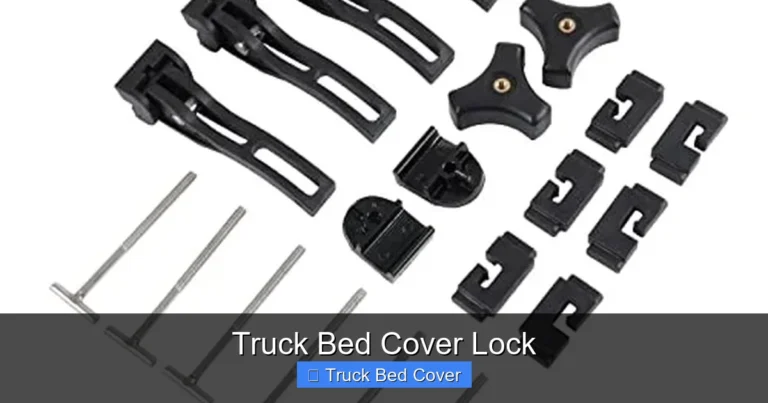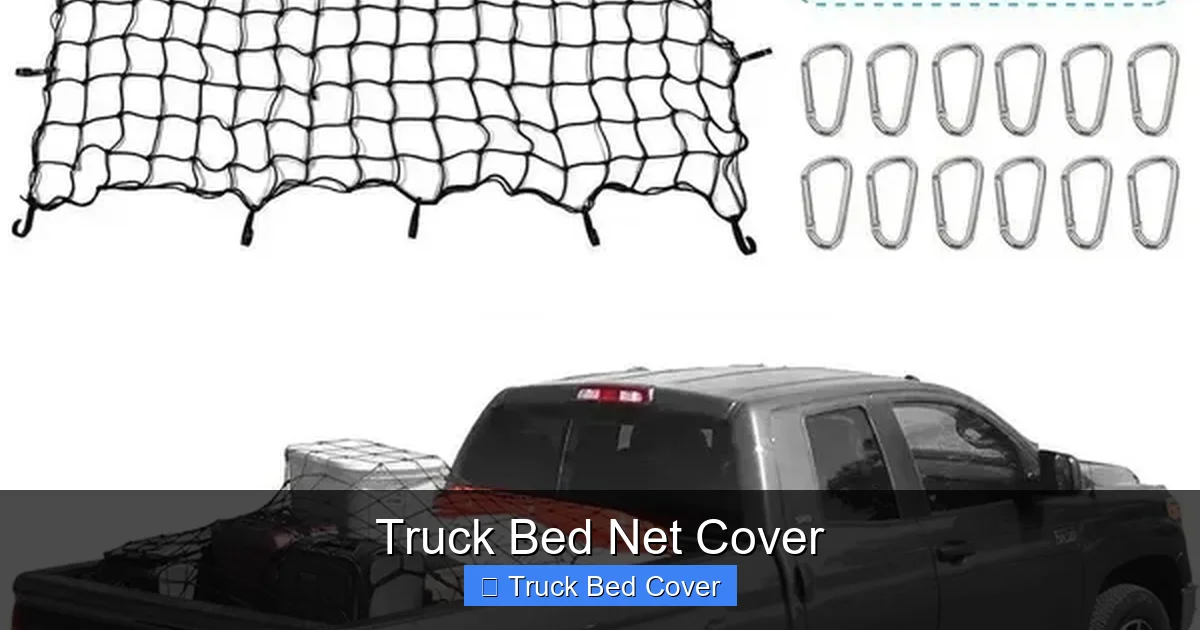
Truck Bed Net Cover
A truck bed net cover is a flexible, mesh fabric system that secures loose cargo in pickup trucks without blocking visibility or damaging surfaces. It’s ideal for hauling tools, groceries, or equipment while keeping items safe from wind, rain, and theft. Whether you’re a contractor, weekend warrior, or everyday driver, this simple accessory boosts safety and convenience on every trip.
Have you ever loaded up your truck with lumber, lawn furniture, or camping gear, only to watch it fly out during a sudden gust of wind? Or maybe you’ve worried about someone grabbing your tools from the bed while parked at a job site? If so, you’re not alone. Truck owners across the country face these same challenges every day—especially when hauling lightweight but bulky items that aren’t fully enclosed by a tonneau cover or hardtop.
Enter the humble yet powerful truck bed net cover. Think of it as your invisible co-pilot: lightweight, stretchy, and surprisingly strong. Unlike rigid covers that limit access or require permanent installation, a quality bed net gives you full visibility, easy loading, and instant deployment. Best of all, it fits virtually any pickup truck—no custom work needed.
In this complete guide, we’ll walk you through everything you need to know about choosing, installing, and maintaining the perfect truck bed net cover. From understanding different types to comparing top brands, you’ll be hauling with confidence in no time.
Key Takeaways
- Easy Installation: Most truck bed nets use quick-release buckles or ratchet systems that attach in minutes without tools.
- Vented Mesh Design: Breathable fabric prevents condensation and allows airflow while holding cargo tight.
- Universal Fit: Adjustable straps make most bed nets work with standard 5-ft, 6-ft, and even short-bed trucks.
- Weather Resistant: UV-treated polyester resists sun damage, mildew, and water without fading or tearing.
- Cost-Effective Protection: A net costs far less than a hardtop cover but offers similar security for lighter loads.
- No Scratch Guarantee: Soft webbing protects truck beds from dings and scratches during loading/unloading.
- Compliance Ready: Meets DOT regulations when used correctly—ideal for commercial drivers and fleet managers.
Quick Answers to Common Questions
Can a truck bed net cover really keep everything in place during storms?
Yes—if installed correctly. High-quality nets with tight tension and secure anchors can withstand 40+ mph winds. Just avoid overloading and double-check connections before bad weather.
Will a bed net scratch my truck’s paint?
Not if it’s properly tensioned and free of sharp edges. Always lift the net instead of dragging it, and avoid rubbing against metal surfaces during loading.
Do I need special tools to install a bed net?
Nope. Most use hand-operated buckles or ratchets that attach directly to your truck’s existing tie-down points. No drilling or welding required.
Can I drive with the net partially unzipped?
It’s not recommended. Even a small gap compromises security and creates wind noise. Either fully deploy or don’t use it at all.
Are bed nets legal for commercial use?
Generally yes—as long as the load is secured per DOT guidelines. Always verify local regulations, especially for oversized or hazardous materials.
📑 Table of Contents
What Exactly Is a Truck Bed Net Cover?
At its core, a truck bed net cover is a large sheet of tightly woven, stretch-resistant mesh fabric stretched taut over your truck bed. It’s anchored at each corner using heavy-duty buckles, hooks, or ratchets that clip onto existing tie-down points or bed rails. The result? A snug, secure barrier that keeps loose cargo contained without trapping moisture or restricting airflow.
Most models are made from high-grade polyester or nylon mesh treated with UV inhibitors and mildew resistance. This means they stand up to years of sun exposure, rainstorms, and rough handling—without cracking, fading, or losing elasticity.
Unlike hard covers (like fiberglass lids or roll-up tarps), a bed net doesn’t block your view of what’s inside. That makes it perfect for last-minute additions, frequent loading/unloading, or situations where you need to quickly access items mid-trip.
And because it’s lightweight (usually under 10 pounds), it won’t strain your truck’s suspension or void warranties—unlike some bulky hardtops.
Types of Truck Bed Net Covers
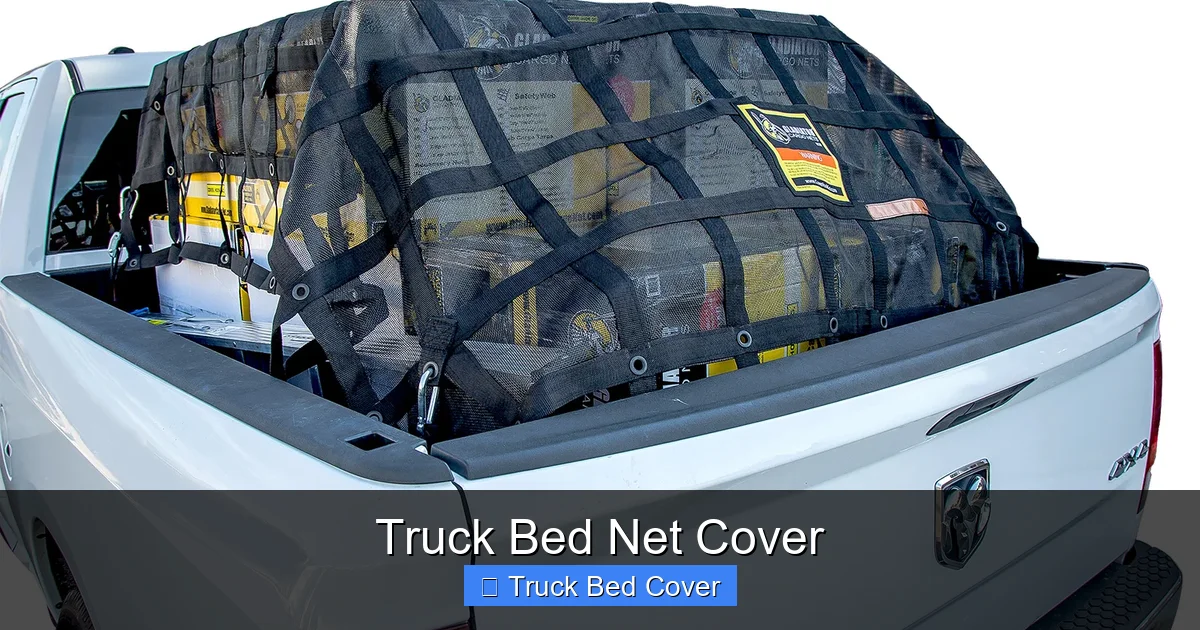
Visual guide about Truck Bed Net Cover
Image source: autoaccessoriesgarage.com
Not all bed nets are created equal. Depending on your needs, you might choose one style over another. Here’s a breakdown of the most common varieties:
1. Full-Bed Nets
These are the workhorses of the bunch—large enough to cover the entire truck bed from bumper to tailgate. They typically come with four anchor points (two front, two rear) plus side tensioners to keep the mesh taut. Ideal for contractors, landscapers, or anyone hauling irregularly shaped items like pipes, drywall, or furniture.
2. Tailgate-Only Nets
Smaller and more affordable, these nets just cover the open area behind the cab. They’re great if you mostly carry smaller loads or already have a partial cover installed. However, they leave the sides exposed—so they’re less effective in windy conditions.
3. Roll-Up or Pop-Up Nets
Some premium models feature collapsible frames or roll-up mechanisms for compact storage. These are pricier but offer added convenience if space is tight in your garage or truck.
4. Custom-Fit vs. Universal
You’ll find both options on the market. Universal nets adjust to fit most standard beds (5.5’, 6.5’, 8’), while custom-fit versions are laser-measured for specific truck models. Custom fits offer better security and cleaner looks but cost more.
Benefits of Using a Truck Bed Net Cover
Why go to the trouble of installing a bed net? Let’s count the ways.
Prevents Cargo Loss
Wind, potholes, and sudden stops can send lightweight items flying. A secure net keeps everything in place—even at highway speeds. No more chasing down your patio set after exiting the interstate!
Protects Against Weather
While not waterproof, breathable mesh blocks light rain and reduces condensation buildup. Combined with proper anchoring, it shields your cargo from snow, sleet, and blowing debris.
Saves Money
Compared to hard covers ($300–$1,000+), bed nets start as low as $25. Even mid-range models ($70–$150) deliver excellent value for casual and professional users alike.
Enhances Safety
Loose cargo in the bed creates dangerous shifting weight that can affect braking and handling. A secured load improves overall vehicle stability—especially important for towing or mountainous terrain.
Easy to Install & Remove
Most setups take under five minutes. Just hook the corners onto your D-rings or bed rails, pull the mesh tight, and lock it down. When you’re done, it folds into a compact bundle that fits neatly in your cab.
Works With Other Accessories
Pair your net with tie-downs, cargo dividers, or a soft tonneau cover for layered protection. Many drivers layer a net over a roll-up cover for maximum versatility.
How to Choose the Right Truck Bed Net Cover
Shopping for a bed net can feel overwhelming with so many options online. Use these practical tips to narrow it down:
Measure Your Bed
Standard lengths are 5.5 ft (short bed), 6.5 ft (most mid-size trucks), and 8 ft (long beds). Measure from bumper to tailgate to confirm compatibility.
Check Anchor Points
Look for models with sturdy D-ring anchors or bolt-on brackets. Avoid flimsy plastic clips that break easily under tension.
Assess Mesh Density
Thicker weave (measured in microns) resists tears better. Aim for 12–20 micron mesh—thinner nets may sag or fail over time.
Consider Climate
If you live in a hot, sunny region, choose UV-stabilized fabric. For rainy areas, look for water-repellent coatings.
Read Reviews
Real-world feedback reveals durability issues, sizing quirks, and installation hacks you won’t find in ads.
Verify Weight Capacity
Even though nets are meant for light-to-medium loads, check the stated max weight (usually 100–200 lbs). Overloading defeats the purpose.
Look for Warranties
Reputable brands offer 1–3 year warranties against defects—a sign they stand behind their product.
Installation Tips for Maximum Security
A poorly installed net does more harm than good—it can flap dangerously or tear loose. Follow these steps for a rock-solid setup:
Step 1: Clear the Bed
Remove any loose items, debris, or sharp edges that could snag the mesh during loading.
Step 2: Position the Net
Lay the net flat over the bed so it drapes evenly over the sides. Ensure the tailgate end aligns properly.
Step 3: Attach Front Corners First
Clip or hook the front two anchors onto your bed rails or D-rings. Don’t tighten yet—just secure them loosely.
Step 4: Stretch the Sides
Pull the left and right sides upward and outward until taut. Use side straps if available.
Step 5: Secure Rear End
Attach the back corners to the tailgate or rear D-rings. Again, don’t over-tighten yet.
Step 6: Final Tensioning
Use ratchets or buckles to pull the net tight across the center. You should see no sagging—but avoid stretching beyond manufacturer limits.
Pro Tip:
After installation, give the net a gentle tug to test stability. If it moves freely, re-tighten the anchors.
Maintenance & Care Guide
With minimal effort, your truck bed net cover will last years. Here’s how to keep it in tip-top shape:
Wash Regularly
Use mild soap and water to remove dirt, grime, or salt residue. Rinse thoroughly and air-dry completely before storing.
Avoid Harsh Chemicals
Bleach or strong solvents degrade synthetic fibers. Stick to gentle cleaners.
Store Properly
When not in use, fold the net loosely (don’t crease sharply) and store in a cool, dry place away from direct sunlight.
Inspect Before Each Trip
Check for frayed edges, broken buckles, or loose anchors. Replace damaged parts immediately.
Lubricate Moving Parts
Apply silicone spray to ratchets or hinges once a season to prevent sticking.
Don’t Drag It on Concrete
Always lift the net off the ground when moving it—never drag it across pavement.
Top Brands & Recommendations
While there are dozens of options, a few brands consistently earn praise for quality and reliability:
- OxGord: Affordable, durable, and comes with a lifetime warranty. Great for beginners.
- Bully: Known for rugged construction and easy installation. Popular among contractors.
- Kryptonite: Mid-range pricing with reinforced stitching and weatherproof coating.
- Rough Country: Heavy-duty option for extreme conditions; pairs well with off-road setups.
- Master Lock: Trusted name with secure locking mechanisms and universal fit.
For most drivers, the OxGord or Bully models strike the perfect balance between price and performance.
Frequently Asked Questions
How tight should a truck bed net cover be?
It should be taut enough to eliminate sagging but not stretched beyond its elastic limit. You shouldn’t be able to pinch more than an inch of material between your fingers.
Can I wash my truck bed net in a washing machine?
Only if the manufacturer explicitly allows it. Otherwise, hand-washing with mild soap and air-drying is safer to preserve mesh integrity.
What’s the difference between a net and a tarp?
A net is breathable and flexible, designed to secure loose cargo. A tarp is usually solid and waterproof but traps moisture and restricts access.
Will a bed net work with a tonneau cover?
Yes! In fact, many drivers layer a net over a soft or roll-up cover for extra security—especially useful for open-side loads.
How do I remove rust from metal buckles?
Use a vinegar-soaked cloth or commercial rust remover, then wipe dry and apply light oil to prevent future corrosion.
Is it worth buying a premium-priced bed net?
If you haul frequently or in harsh conditions, yes—premium nets offer better durability, weather resistance, and customer support. But budget models work fine for occasional use.