Truck Bed Netting Cover
A truck bed netting cover is a lightweight, flexible solution that secures loose items in your truck bed without blocking access. Unlike rigid covers, it allows quick loading and unloading while keeping your gear safe from wind, rain, and theft. Ideal for contractors, campers, and everyday drivers, these nets offer a cost-effective alternative to hard or soft tonneau covers.
Key Takeaways
- Easy Installation: Most truck bed netting covers attach quickly using hooks, bungee cords, or ratchet systems—no tools required.
- Lightweight & Portable: Weighing just a few pounds, these nets are easy to store and carry when not in use.
- Weather Protection: Keeps cargo dry and secure during rain, snow, or high winds, reducing exposure to the elements.
- Versatile Use: Great for moving furniture, camping gear, construction materials, and more—any load that needs containment.
- Cost-Effective: Significantly cheaper than hard or soft covers, offering similar functionality at a fraction of the price.
- Improved Safety: Prevents shifting loads and potential hazards on the road by keeping items contained.
- Custom Fit Options: Available in various sizes and tension-adjustable designs to fit most truck beds.
Quick Answers to Common Questions
Can a truck bed netting cover hold heavy items?
Yes, most high-quality netting covers are rated for loads up to 1,000 pounds. Just ensure the net is properly secured and the material is strong enough for your specific cargo.
Will a net keep my cargo dry in the rain?
It provides moderate protection by blocking wind and splashing water, but it’s not fully waterproof. For heavy rain, use a waterproof tarp over the net for complete coverage.
Do I need special tools to install a truck bed netting cover?
No, most covers install with hooks, straps, or bungee cords—no tools required. Simply drape the net over the bed and secure the corners.
Can I drive with a netting cover installed?
Absolutely. As long as the net is taut and doesn’t flap excessively, it’s safe to drive. Flapping nets can catch on mirrors or doors, so ensure everything is secure.
How do I clean my truck bed netting cover?
Shake off dirt, rinse with water, and use mild soap if needed. Avoid harsh chemicals and always let it dry completely before storing.
📑 Table of Contents
- What Is a Truck Bed Netting Cover?
- Why Choose a Truck Bed Netting Cover Over Other Covers?
- How to Install a Truck Bed Netting Cover
- Best Uses for a Truck Bed Netting Cover
- Choosing the Right Truck Bed Netting Cover
- Maintenance Tips for Longevity
- Top Brands and Models to Consider
- Common Mistakes to Avoid
- Environmental and Safety Benefits
What Is a Truck Bed Netting Cover?
A truck bed netting cover is a flexible, mesh fabric barrier designed to secure cargo in the bed of a pickup truck. Made from high-strength polyethylene or polyester, these covers stretch across the truck bed and anchor at the corners or sides using hooks, buckles, or elastic cords. Unlike traditional tonneau covers, which sit flush over the bed, a netting cover hangs loosely above the load, allowing full access from all sides.
The primary purpose of a truck bed netting cover is to prevent items from falling out during transport. Whether you’re hauling lumber, lawn equipment, camping supplies, or groceries, loose cargo can shift, spill, or become dangerous on the road. A quality net keeps everything in place while remaining breathable and unobtrusive. This makes it especially popular among contractors, outdoor enthusiasts, and fleet operators who need frequent access to their gear.
Why Choose a Truck Bed Netting Cover Over Other Covers?
If you’re deciding between a truck bed netting cover, a soft roll-up tonneau, or a hard tri-fold cover, understanding the differences can help you pick the right one. Each option has pros and cons depending on your needs.
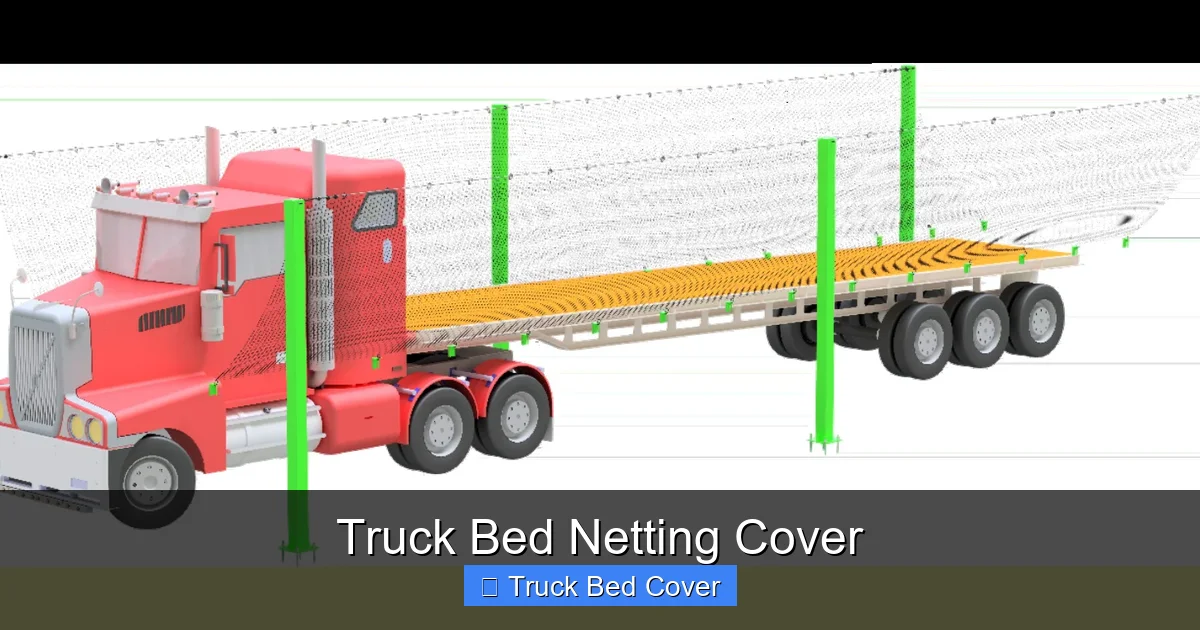
Visual guide about Truck Bed Netting Cover
Image source: fallsafetysolutions.com
Comparison Table: Cover Types
| Type | Security | Access | Price | Weather Resistance |
|---|---|---|---|---|
| Netting Cover | Moderate | Full Side Access | Low | Good (blocks wind/rain) |
| Soft Tonneau | High | Rear Only | Medium | Excellent |
| Hard Cover | Very High | Limited | High | Excellent |
A truck bed netting cover stands out because it offers a balance of affordability and accessibility. You won’t find yourself wrestling with rolling up a vinyl sheet or lifting a heavy panel every time you need to grab something. Instead, you simply unhook the corners and lift the net off—like removing a blanket.
Another advantage is ventilation. Many soft and hard covers trap heat and moisture inside the bed, which can damage sensitive cargo like electronics or paint supplies. The open design of a netting cover allows airflow, reducing condensation and extending the life of your goods.
How to Install a Truck Bed Netting Cover
One of the best things about a truck bed netting cover is how simple it is to install. Most models come with everything you need—hooks, straps, and a carrying case. Here’s a step-by-step guide to get yours up and running in under five minutes.
Step 1: Unpack and Inspect
Remove the net from its bag and check for any tears or loose threads. Make sure all attachment points—like D-rings or snap hooks—are intact. It’s also a good idea to clean the truck bed surface to remove dirt or debris that could interfere with the net’s grip.
Step 2: Position the Net
Drape the net over the truck bed so it hangs evenly. Ensure it covers the entire load area but doesn’t drag on the ground. Some nets have adjustable side straps that let you tighten the fit around the tailgate and cab.
Step 3: Secure the Corners
Attach the corner hooks to the bed rails or tie-down loops. Pull the net taut so it hugs the load snugly. If your net uses bungee cords, loop them through the eyelets and fasten them securely. For ratchet-style systems, crank until the net is tight but not stretched to the point of tearing.
Step 4: Test the Fit
Give the net a gentle tug to make sure it stays in place. Try opening and closing the tailgate to ensure it doesn’t interfere. If the net sags in the center, add a support strap from the center of the net to the truck frame for extra stability.
Pro Tip: Always store the net flat when not in use to prevent creases and prolong its lifespan. Avoid leaving it exposed to direct sunlight for long periods, as UV rays can weaken the fibers over time.
Best Uses for a Truck Bed Netting Cover
A truck bed netting cover isn’t just for moving boxes. Its versatility makes it useful in many real-world scenarios. Let’s explore some common situations where a net shines.
Construction and Landscaping Jobs
Contractors often haul tools, bags of mulch, pipes, and ladders. A netting cover prevents these items from blowing out during windy conditions. Since they need constant access, the ability to lift the net quickly is a huge plus. Plus, the lightweight nature means it won’t overload the truck’s payload capacity.
Camping and Outdoor Adventures
When you’re heading to a campsite with tents, coolers, and bikes, you want protection from rain and animals—but not from yourself. A net keeps your gear dry without trapping moisture. It also deters raccoons or birds from rummaging through your supplies overnight.
Grocery and Personal Hauling
Even everyday drivers benefit. Have you ever had a plastic bag burst open in the back of your truck? With a net, grocery bags, pet food, or even kids’ toys stay put. It’s a small change that makes a big difference in convenience and peace of mind.
Emergency Response and Delivery Services
For plumbers, electricians, or delivery drivers, speed matters. Being able to toss items into the bed and immediately secure them with a net saves time. Fleet managers appreciate the low maintenance and durability, especially in harsh weather.
Choosing the Right Truck Bed Netting Cover
Not all truck bed netting covers are created equal. With so many options online, picking the right one can feel overwhelming. Here’s what to look for.
Material Quality
High-grade polyethylene mesh is tear-resistant and UV-treated to resist fading and degradation. Cheaper nets may use thin nylon or lack UV protection, leading to premature wear. Look for reinforced edges and double-stitched seams for added durability.
Size and Fit
Measure your truck bed carefully—length, width, and height from the cab to the tailgate. Some nets are universal, while others are made for specific truck models (e.g., Ford F-150, Toyota Tacoma). An ill-fitting net will slip or sag, defeating its purpose.
Attachment System
The method of securing the net matters. Popular options include:
- Hook-and-loop straps: Easy to use but may loosen over time.
- Bungee cords: Flexible and forgiving, great for irregular loads.
- Ratchet systems: Provide maximum tension but require more effort to adjust.
- Snap hooks: Quick-release, ideal for frequent access.
Weight Capacity
Most nets are rated for loads up to 500–1,000 pounds. Check the manufacturer’s specs to ensure it can handle your typical haul. Heavier-duty models use thicker mesh and reinforced anchors.
Portability and Storage
Since you’ll be taking the net on and off regularly, choose one that folds compactly and comes with a carrying bag. Some models even double as tarps or ground covers when detached.
Maintenance Tips for Longevity
Like any tool, a truck bed netting cover needs care to last. With proper maintenance, it can serve you for years. Follow these simple steps to keep it in top shape.
Clean After Each Use
Dirt, mud, and salt from winter roads can degrade the material. Shake off debris regularly and hose it down. For tougher stains, use mild soap and water. Avoid bleach or harsh chemicals—they can break down the fibers.
Inspect for Damage
Before each trip, check for cuts, frayed edges, or loose stitching. Replace damaged nets immediately—a weak spot can fail at the worst moment. Keep a spare on hand if you frequently work in rough environments.
Store Properly
Never leave the net rolled up in a hot trunk. Heat expands plastics and weakens fibers. Instead, lay it flat in a cool, dry place. If your net came with a bag, use it—it protects against dust and sun.
Reinforce Weak Areas
If certain corners wear out faster, consider adding patches or duct tape temporarily. For long-term fixes, contact the manufacturer about replacement parts.
Avoid Sharp Objects
Even though the mesh is tough, sharp tools or metal edges can puncture it. Use a tarp or cardboard underneath fragile loads to create a buffer.
Top Brands and Models to Consider
While there are countless truck bed netting covers on the market, a few brands stand out for quality and reliability. These options are trusted by professionals and DIYers alike.
Tonno Pro Net System
This system uses a ratchet mechanism for maximum tension and includes a built-in center support strap. It’s compatible with most standard truck beds and comes with a lifetime warranty. Users praise its ease of use and resistance to stretching.
Rough Country Heavy-Duty Mesh Cover
Made from 16-ounce vinyl-coated polyester, this net is built for extreme conditions. It features heavy-duty buckles and is rated for up to 1,200 pounds. Ideal for off-road use and heavy construction loads.
Truck Hero Cargo Net
A budget-friendly option with excellent reviews. It uses spring-loaded hooks for quick attachment and includes a carrying case. Great for light-duty hauling and occasional use.
Ox Tools Tarpaulin Net
Combines the strength of a tarp with the flexibility of a net. Waterproof and UV-resistant, it’s perfect for wet climates. Includes multiple tie-down points and a compact fold.
When choosing, read customer reviews and check return policies. A higher price doesn’t always mean better performance—sometimes a mid-range model does the job just as well.
Common Mistakes to Avoid
Even experienced truck owners can misuse their bed netting covers. Avoid these pitfalls to get the most out of your investment.
Overstretching the Net
Pulling too tight can cause the mesh to rip or the hooks to pop off. Follow the manufacturer’s tension guidelines. A slightly looser fit is safer than risking a tear.
Using It Without a Load
Leaving the net draped empty wastes space and adds unnecessary weight. Only deploy it when you have cargo to secure.
Neglecting the Tailgate
Failing to secure the bottom edge near the tailgate allows wind to lift the net. Always tuck or clip the net down to prevent flapping.
Ignoring Weather Conditions
In heavy rain, a loose net can channel water into the cab. Use a waterproof tarp over the net for extra protection during storms.
Storing Wet Nets
Mold and mildew thrive in damp conditions. Always let the net dry completely before folding or storing.
Environmental and Safety Benefits
Beyond practicality, a truck bed netting cover offers broader advantages. It promotes responsible driving and environmental awareness.
By keeping cargo secure, you reduce litter and pollution from blown-out trash. It also improves road safety—loose items in truck beds are a known hazard for other drivers. According to the NHTSA, unsecured loads contribute to thousands of accidents annually.
Additionally, the lightweight design lowers fuel consumption compared to heavier hard covers. Every pound saved in payload translates to better gas mileage over time.
From an ethical standpoint, protecting your cargo means respecting shared public spaces. Whether you’re a landscaper, delivery driver, or weekend warrior, using a net shows consideration for the community and environment.
Frequently Asked Questions
What size truck bed netting cover do I need?
Measure your truck bed from the cab to the tailgate, including width and height. Match these dimensions to the product specifications. Some brands offer adjustable nets for universal fit.
Are truck bed netting covers easy to remove?
Yes, most are designed for quick removal. Simply unhook the corners or release the straps and lift the net off. They’re much easier to take on and off than tonneau covers.
Can I use a netting cover for motorcycles or ATVs?
Yes, many people secure motorcycles or small vehicles with a netting cover. Use additional straps or bungees to wrap around the tires and frame for extra stability.
How do I prevent my net from flapping while driving?
Ensure the net is pulled taut and the bottom edge is tucked under the tailgate or secured with clips. Adding a center support strap can also reduce movement.
Is a netting cover worth the investment?
For frequent haulers who need quick access and value affordability, yes. It’s a cost-effective alternative to hard covers and offers excellent utility for light to medium loads.
Can I wash my net in a washing machine?
Generally no—machine washing can damage the mesh and warp the hooks. Hand washing with mild soap and air drying is recommended to preserve longevity.