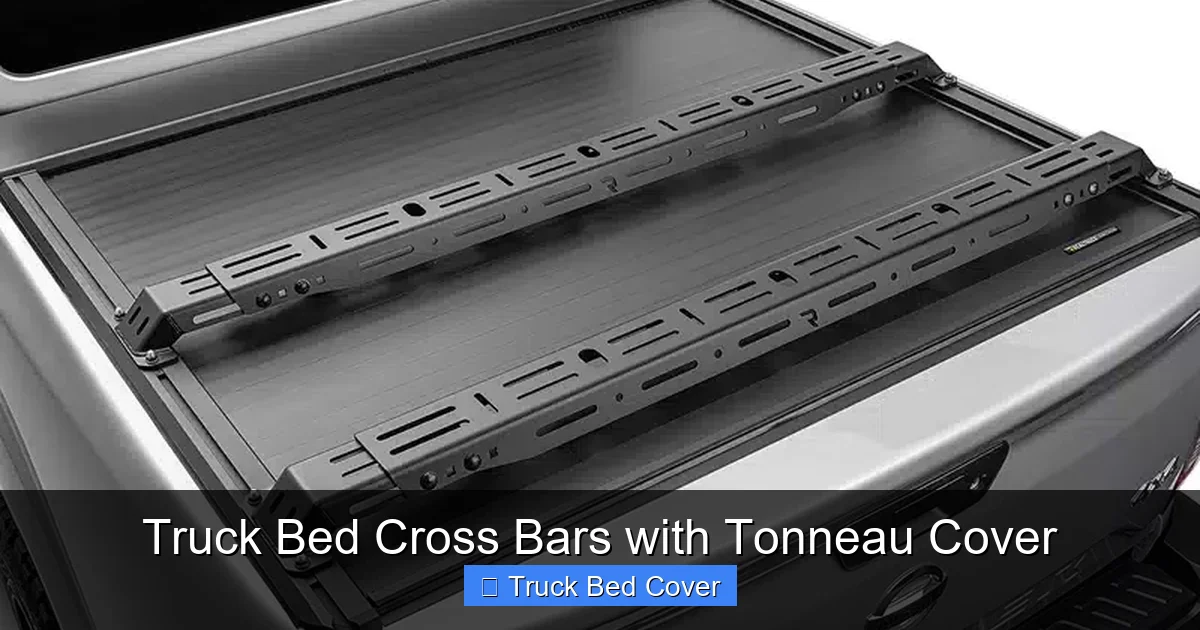
Truck Bed Cross Bars with Tonneau Cover
Truck bed cross bars paired with a tonneau cover offer the perfect balance of protection, functionality, and style for pickup truck owners. These setups keep your cargo safe from weather, reduce wind resistance, and expand what you can carry—whether it’s gear, tools, or outdoor equipment. With proper installation and maintenance, this combination enhances both security and fuel efficiency without sacrificing access or aesthetics.
If you’re serious about maximizing your truck’s potential, pairing truck bed cross bars with a tonneau cover is one of the smartest upgrades you can make. This dynamic duo doesn’t just look great—it transforms your everyday hauling experience. From protecting sensitive equipment in all seasons to enabling rooftop storage for bikes and kayaks, this combo delivers practicality without compromise. In this guide, we’ll walk through everything you need to know: how they work together, which models suit your needs best, installation tips, and why so many truck enthusiasts swear by this setup.
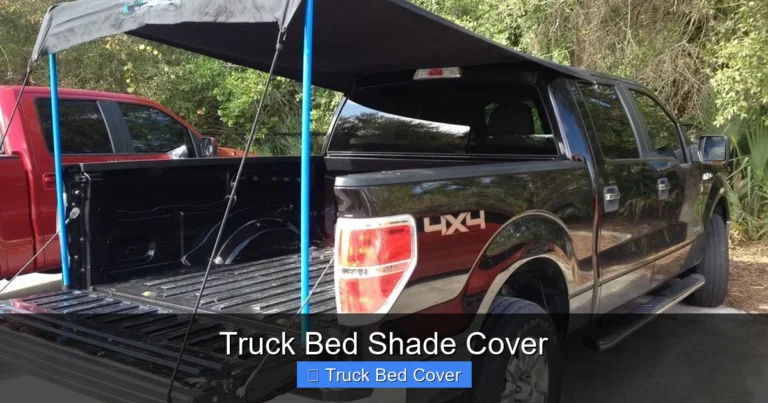
Think of your truck bed as a blank canvas. Without any cover, it’s exposed to rain, dust, wind, and prying eyes. Add a tonneau cover—a sleek, low-profile lid that snaps shut over the bed rails—and suddenly, your cargo becomes invisible but protected. But here’s where things get really interesting: when you add cross bars (also called rack systems or roof rails) above the cover, you unlock a whole new level of utility. The cover keeps things dry and hidden, while the bars let you strap down skis, cargo boxes, or even a portable generator securely on top. It’s like adding a second floor to your truck—one for concealed storage, another for open-air transport.
But before we dive into specifics, let’s clarify one common confusion: truck bed cross bars aren’t the same as roof racks. While roof racks mount on the vehicle’s roof rails and extend outward, bed cross bars sit directly inside the truck bed—usually along the sides or front-to-back. They’re designed to support weight (within limits!) and anchor tie-downs, all while staying tucked away until needed. Paired with a tonneau cover, they create a hybrid system that blends security, aerodynamics, and adaptability.
Key Takeaways
- Enhanced Security: Cross bars and tonneau covers work together to lock down your truck bed, deterring theft and protecting valuables from rain, snow, and sun.
- Improved Aerodynamics: A sleek tonneau cover reduces drag, while cross bars help streamline airflow—boosting fuel economy by up to 10% on highway drives.
- Versatile Storage Options: Use the open space under the cover for small items, then slide larger loads onto the cross bars when needed.
- Easy Installation & Maintenance: Most systems are clamp-on and tool-free, requiring minimal upkeep—just wipe down surfaces and check clamps annually.
- Custom Fit for Popular Trucks: Whether you drive a Ford F-150, Toyota Tacoma, or Chevy Silverado, there are cross bar and tonneau cover combos designed specifically for your model.
- Weather Protection: High-quality vinyl or aluminum tonneau covers shield contents from moisture, while cross bars prevent shifting during transit.
- DIY-Friendly Setup: With clear instructions and included hardware, most truck owners can install these systems in under an hour.
Quick Answers to Common Questions
Can I install cross bars and a tonneau cover myself?
Yes! Most systems are designed for DIY installation using clamps and no drilling. Follow the manual closely, and watch a tutorial video for your specific truck model.
Will cross bars damage my truck bed?
No—if installed correctly with protective pads. Avoid overtightening clamps, and never hammer the bars into place.
Do tonneau covers reduce gas mileage?
Actually, yes—but only if left open or poorly sealed. A tight, low-profile cover improves aerodynamics and can increase fuel efficiency by up to 10%.
Can I still use a tonneau cover if I don’t have cross bars?
Absolutely. The cover alone provides weather protection and security. Cross bars simply add extra utility—you don’t need both unless you plan to carry oversized items.
Are cross bars legal everywhere?
Generally yes, but always check local regulations. Most states allow cross bars as long as they don’t obstruct license plates or headlights.
📑 Table of Contents
How Truck Bed Cross Bars Work with Tonneau Covers
At first glance, cross bars and tonneau covers might seem like separate pieces of gear. But their synergy is what makes them a game-changer. A typical setup involves installing cross bars inside the truck bed—either across the width near the cab or lengthwise near the tailgate. These bars have built-in attachment points or loops that allow you to use ratchet straps, bungee cords, or specialized cargo nets to secure items directly onto the bed.
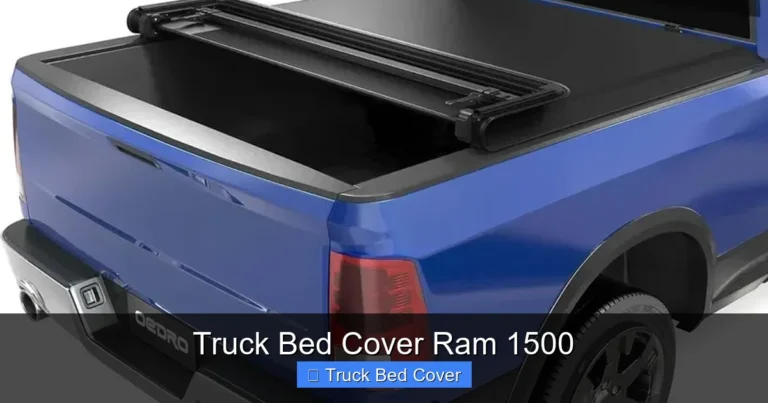
Now, add a tonneau cover on top. It sits flush over the bed rails and usually clips into place around the perimeter. When closed, it creates a watertight seal, preventing water from pooling inside the bed even during heavy rain. But here’s the magic: many modern tonneau covers feature a removable or roll-up design that lets you lift the front section to access the cross bars underneath. That means you can keep your bed locked and covered most of the time—for security and weather protection—but quickly uncover just enough space to load or unload gear without removing the entire cover.
For example, imagine you’re heading to the beach. You pack towels, coolers, and surfboards into your truck bed. With the tonneau cover down, everything stays dry and out of sight. Once parked at the shore, you roll up the front third of the cover and use the cross bars to strap down the surfboards securely. No extra racks needed—just clever engineering.
The Anatomy of a Cross Bar System
Most truck bed cross bar kits include three main components:
– Mounting brackets: Clamp onto the bed rails without drilling. Look for ones with rubber padding to avoid scratching your paint.
– Cross bars themselves: Usually made of lightweight aluminum or steel. They come in different lengths depending on your truck bed size.
– Tie-down anchors: Integrated D-rings or eyelets that let you loop straps through.
Some premium systems also include sliding T-track channels, which allow you to reposition the bars as needed. Others come with integrated LED lights or anti-theft locks. Always check compatibility with your specific truck model—even small differences between 2020 and 2023 Ford F-150s can affect fitment.
Types of Tonneau Covers Compatible with Cross Bars
Not every tonneau cover plays nicely with cross bars. You want a cover that either:
– Has a removable panel (like tri-fold or retractable designs)
– Rolls forward completely (common in soft roll-up models)
– Is low-profile enough not to interfere with bar placement
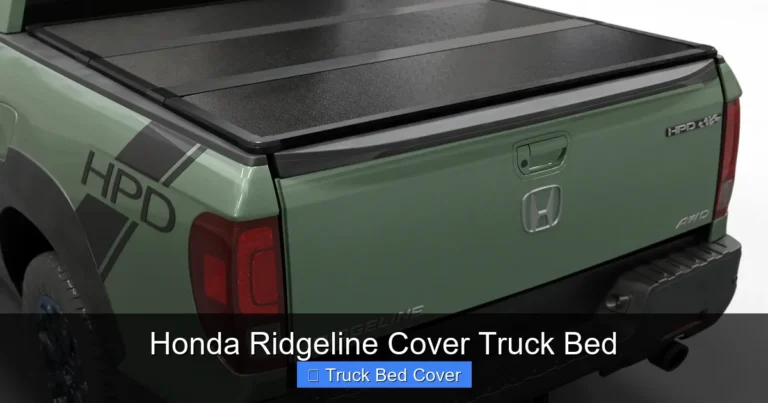
Hard folding covers often work best because they lie flat and don’t sag. Soft roll-ups are cheaper but may flap in the wind if not secured properly. Retractable covers offer smooth operation and full visibility when open, though they’re pricier.
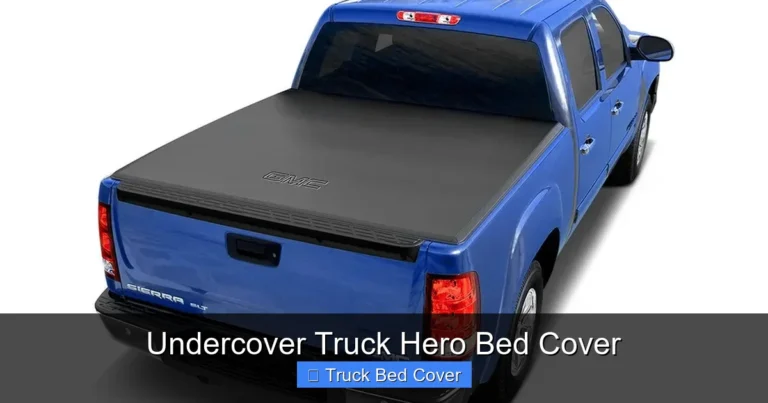
Pro tip: Buy your cross bar kit and tonneau cover as a matched set from the same brand whenever possible. Companies like BakBox, UnderCover, and Tonno Pro specialize in compatible bundles that save you headaches during installation.
Benefits Beyond Just Storage
Sure, cross bars and tonneau covers are great for hauling stuff—but they do way more than that. Let’s break down the real-world advantages.
Fuel Efficiency Gains
Ever notice how your truck feels sluggish on long highway trips? That’s wind resistance. A poorly sealed truck bed acts like a sail. Studies show that uncovered beds can reduce fuel economy by 2–5%. Now, throw a tight-fitting tonneau cover on top—especially one with a low profile—and you cut that drag significantly. Add cross bars positioned to channel airflow smoothly, and you might see up to a 10% improvement in mpg. That’s money back in your pocket every month.
Security That Actually Works
Thieves target trucks because they’re easy to break into. A simple tarp won’t stop someone determined. But a hard tonneau cover with a locking mechanism? That’s a real deterrent. Combine it with cross bars that block access from above, and your cargo becomes nearly invisible. Plus, using ratchet straps anchored to those bars makes it impossible to slide items out sideways.
Year-Round Protection
In winter, salt and snow pile up in your bed and eat away at paint and metal. In summer, UV rays fade upholstery and warp plastic parts. A quality tonneau cover blocks both extremes. Meanwhile, cross bars prevent loose items from bouncing around and causing dents or scratches during bumpy rides.
Expandable Utility
This is where the combo truly shines. Want to carry a rooftop tent? Some cross bar kits include adapters for mounting racks above the tonneau cover. Need to tow a small trailer? The bars give you extra tie-down points. Planning a camping trip? Load sleeping bags under the cover and stow your cooler on top of the bars.
Choosing the Right Setup for Your Truck
With dozens of options available, narrowing down your choices can feel overwhelming. Here’s how to pick wisely.
Step 1: Know Your Truck Model
Measure your bed length (short, standard, or long), whether it has factory bed rails, and if you prefer a cap-style or louvered design. Brands like Extang, DiamondBack, and Leer offer model-specific kits. Enter your VIN on their websites—they’ll instantly recommend compatible products.
Step 2: Decide Between Soft vs. Hard Covers
– Soft roll-up covers ($100–$300): Lightweight, affordable, easy to remove. Best for occasional use.
– Hard tri-fold/retractable covers ($400–$900): More durable, better security, improved aerodynamics. Ideal for daily drivers.
Step 3: Match Cross Bar Weight Capacity
Check your truck’s owner manual for max payload specs. Most cross bar kits list a static load rating (e.g., 600 lbs evenly distributed). Don’t exceed half that for dynamic loads (moving items). Remember: adding a tonneau cover adds ~50–100 lbs—factor that in!
Step 4: Consider Ease of Access
Ask yourself: How often will I need to open the cover? If it’s daily, go for roll-up or retractable. If it’s weekly or monthly, tri-fold works fine.
Installation Made Simple
Good news: You don’t need a mechanic. Most systems take under an hour.
Tools You’ll Need
- Screwdriver or wrench (if bolts are included)
- Measuring tape
- Ruler or straightedge (to ensure alignment)
Basic Steps
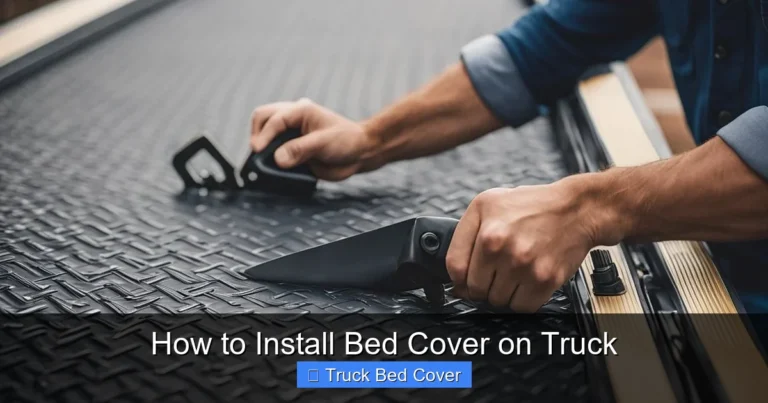
- Clean the bed rails thoroughly.
- Attach mounting brackets snugly but not overtightened.
- Slide cross bars into place and secure with provided clamps.
- Install the tonneau cover according to its manual—most snap on with no tools.
- Test by closing/opening the cover several times to check for binding.
Common mistakes include skipping the rubber pads (causing scratches) or leaving the cover slightly loose (allowing water ingress). Watch a few YouTube tutorials for your exact model—visual guides make all the difference.
Maintenance Tips for Longevity
Like any gear, your cross bar and tonneau cover system needs care.
Monthly Checks
- Wipe down the cover with mild soap and water.
- Lubricate moving parts (rollers, hinges) with silicone spray.
- Inspect straps and anchors for wear.
Seasonal Care
- In winter: Remove snow buildup gently—don’t scrape with metal tools.
- In spring: Check for mold or mildew under the cover.
- Annually: Re-tighten all clamps and bolts.
Avoid using harsh chemicals or abrasive cleaners—they degrade vinyl or paint finishes.
Real-World Scenarios: What Can You Really Carry?
Let’s get practical. Here’s what you can actually haul with this setup:
– Bicycles: Use bungee cords or bike-specific carriers attached to cross bars.
– Camping gear: Coolers, tents, and chairs go on top; clothes and food stay hidden below.
– Construction materials: Plywood sheets or lumber can be strapped securely without blocking visibility.
– Sports equipment: Kayaks, paddleboards, or golf bags fit perfectly on extended bars.
– Emergency supplies: Keep shovels, jacks, and flares accessible yet protected.
Just remember: Always distribute weight evenly and never overload beyond recommended limits. Safety first!
Frequently Asked Questions
What’s the difference between truck bed cross bars and roof racks?
Truck bed cross bars sit inside the bed rails and support cargo tied down within the bed. Roof racks attach to the vehicle’s roof and extend outward for external loads like bikes or luggage boxes.
Can I use regular tie-down straps with cross bar systems?
Yes, but use only high-quality ratchet straps rated for your expected load. Never use bungee cords for heavy items—they stretch and lose tension over time.
How much weight can cross bars hold?
It varies by kit, but most hold 400–600 lbs static weight evenly distributed. Dynamic (moving) loads should be limited to half that. Always check your truck’s payload capacity too.
Will a tonneau cover fit any truck bed size?
Nope—tonneau covers come in short, standard, and long versions. Measure your bed and choose accordingly. Some universal-fit models exist but may require trimming.
Do I need to remove the tonneau cover to use cross bars?
Not necessarily. Many modern covers have removable panels or roll forward completely, allowing access to the cross bars underneath without full removal.
Are soft or hard tonneau covers better for cold climates?
Hard covers perform better in extreme cold—they resist cracking and retain shape. Soft covers can stiffen and tear in sub-zero temperatures if not stored properly.