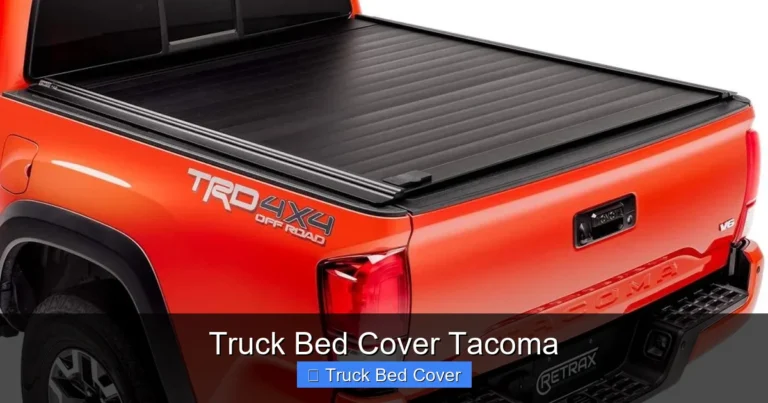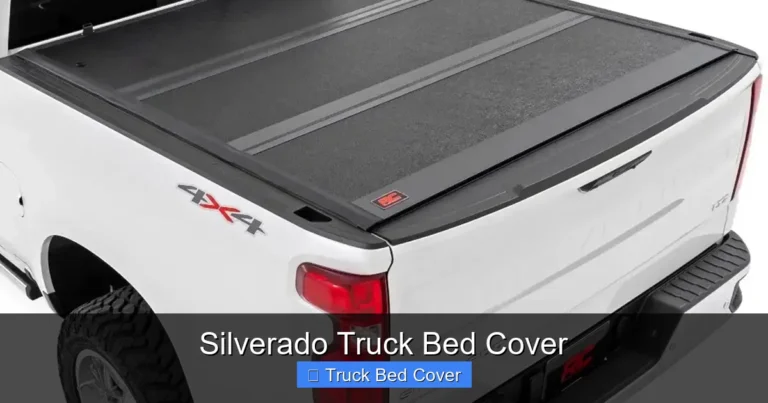
Truck Bed Cover Shell
A truck bed cover shell is more than just a lid—it’s your truck’s first line of defense against rain, theft, and wear. These custom-fit covers transform your open bed into a secure, weatherproof compartment while boosting resale value and fuel efficiency. Whether you’re hauling tools, groceries, or weekend gear, a quality cover keeps everything safe and organized.
Have you ever unloaded your truck after a long drive only to find your gear soaked from unexpected rain? Or maybe you’ve noticed tools going missing because your truck bed was wide open during stops? If so, you’re not alone. Everyday drivers and professionals alike face these challenges when their trucks lack proper cargo protection. Enter the truck bed cover shell—a sleek, functional upgrade that turns your open utility space into a sealed, secure compartment.
A truck bed cover shell isn’t just a cap; it’s a complete transformation. Think of it as a second skin for your truck’s cargo area. Whether you drive a Ford F-150, a Chevy Silverado, or a Toyota Tacoma, installing a high-quality cover can mean the difference between messy, vulnerable loads and clean, protected ones. Beyond practicality, these shells also add a polished look to your ride, making it stand out in work zones or parking lots.
In this article, we’ll explore everything you need to know about truck bed cover shells—from types and materials to installation tips and maintenance advice. By the end, you’ll understand why so many truck owners consider this one upgrade the ultimate game-changer for both daily use and long-term ownership.
Key Takeaways
- Enhanced Security: A truck bed cover shell prevents unauthorized access to your cargo, reducing the risk of theft.
- Weather Protection: It shields your belongings from rain, snow, UV rays, and dust, keeping them dry and undamaged.
- Aerodynamic Design: Many models improve airflow, boosting fuel economy by up to 10% compared to an open bed.
- Custom Fit Options: Covers are available in universal or vehicle-specific designs, ensuring a perfect fit for your make and model.
- Increased Resale Value: Trucks with installed bed covers often sell faster and at higher prices due to added protection and aesthetics.
- Easy Installation: Most truck bed cover shells come with simple clamp-on or bolt-on systems requiring no professional tools.
- Material Variety: Options include vinyl, fiberglass, aluminum, and hard composite materials, each offering different levels of durability and style.
Quick Answers to Common Questions
How much does a truck bed cover shell cost?
Prices range from $300 for basic soft models to over $2,500 for premium retractable shells. Hard covers typically fall between $800–$1,800 depending on material and features.
Can I install it myself?
Yes, most kits include step-by-step instructions and require only basic tools. Installation takes 1–3 hours. Complex models may benefit from professional help.
Will it fit my truck?
Covers are made for specific truck models and years. Always verify compatibility using the manufacturer’s website or retailer’s fit guide.
Do they really improve gas mileage?
Studies show up to 10% improvement in fuel efficiency due to reduced drag. Savings vary by vehicle size and driving habits but add up over time.
Are they worth the investment?
Absolutely—if you carry valuable or sensitive cargo regularly. They protect your stuff, boost resale value, and enhance daily usability.
📑 Table of Contents
- What Is a Truck Bed Cover Shell?
- Types of Truck Bed Cover Shells
- Materials Used in Truck Bed Cover Shells
- Benefits of Installing a Truck Bed Cover Shell
- Installation Tips and Best Practices
- Maintenance and Care Guide
- Top Brands and Models to Consider
- Common Misconceptions About Truck Bed Cover Shells
What Is a Truck Bed Cover Shell?
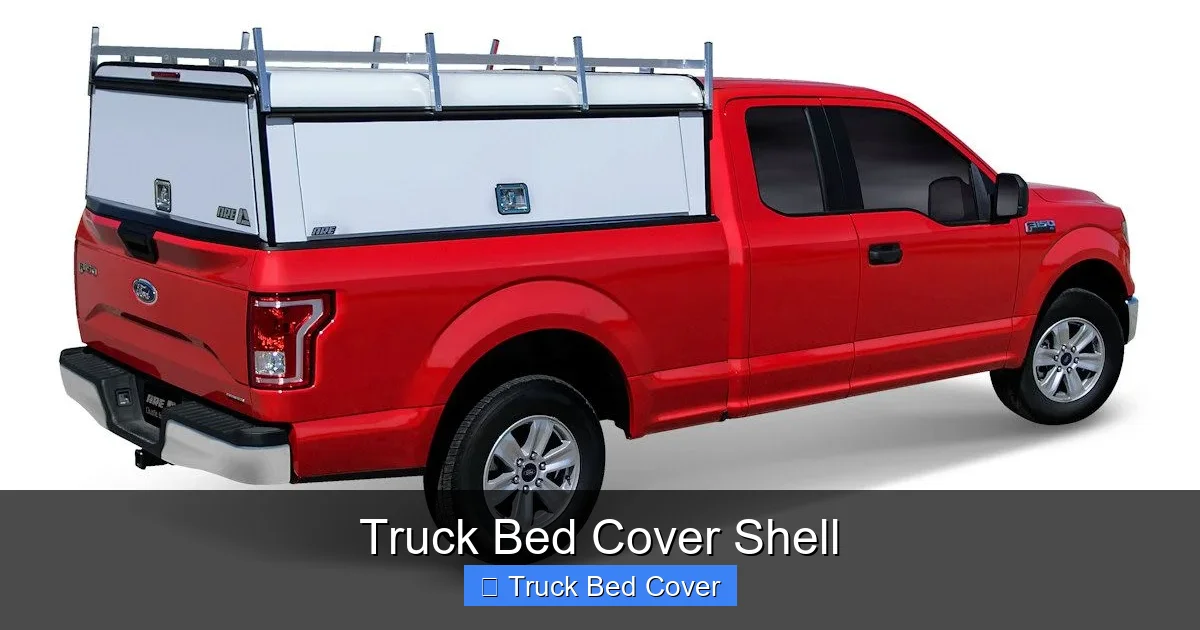
At its core, a truck bed cover shell is a protective lid designed to fit snugly over the open cargo area of a pickup truck. Unlike simple tonneau covers that sit flush on the bed rails, a full-shell cover replaces the entire tailgate and extends slightly beyond it, creating a fully enclosed space. This design offers superior protection compared to partial covers.
Imagine your truck bed as a box without a lid. A standard tonneau might close like a book, but it still leaves gaps at the sides and front. A truck bed cover shell, however, acts like a full box—completely sealing off your cargo from the elements. The shell typically includes integrated side panels and sometimes even a front panel, forming a watertight barrier.
These covers are engineered to withstand harsh conditions. They resist impacts, UV degradation, and extreme temperatures. Some even support weight—up to 600 pounds or more—allowing you to place heavy items on top without worry. That means you can safely store a cooler, ladder, or generator directly on the cover instead of inside the bed.
The Evolution From Simple Caps to Full Enclosures
Early truck bed covers were little more than tarp-like fabrics stretched across the bed. While useful, they offered minimal protection and required constant readjustment. Over time, advancements in materials and engineering led to rigid panels, locking mechanisms, and aerodynamic shaping.
Today’s truck bed cover shells represent the pinnacle of this evolution. Modern shells integrate seamlessly with your truck’s lines, offering both form and function. High-end models feature smart locks, remote access, and even solar charging capabilities. The goal? To give you peace of mind every time you load up.
Why Choose a Shell Over Other Covers?
You might wonder: if tonneaus and roll-up covers work well, why go all-in on a shell? The answer lies in total coverage. Consider this scenario: You’re driving through a thunderstorm. With a standard cover, rain can still seep under the edges during sharp turns or strong gusts. But with a full truck bed cover shell, the entire cargo area remains dry—even in heavy downpours.
Additionally, shells provide better theft deterrence. Thieves can’t easily pry open a sealed compartment. And because the cover sits lower than the cab roof, it improves your truck’s aerodynamics, which translates to better gas mileage.
Types of Truck Bed Cover Shells
Visual guide about Truck Bed Cover Shell
Image source: m.media-amazon.com
Not all truck bed cover shells are created equal. Manufacturers offer several styles, each suited to different needs, budgets, and driving habits. Understanding the options helps you pick the best fit for your lifestyle.
Hard Tri-Fold Shells
Tri-fold shells fold forward in three sections, allowing easy access to the bed without removing the entire cover. They’re popular among contractors and DIYers who need quick access to tools mid-project. Made from reinforced polymer or aluminum, these shells balance strength with convenience.
For example, if you’re unloading lumber at a job site, you can simply fold back one-third of the cover, slide out the planks, then refold it—all in under 30 seconds. Tri-folds are lightweight yet sturdy, making them ideal for everyday use.
Full-Size Hard Covers (One-Piece)
As the name suggests, one-piece hard covers are solid panels that span the entire bed. They lock securely and offer maximum protection. Because there are no moving parts, they tend to be quieter and more durable than folding models.
If you frequently transport fragile electronics or sensitive equipment, a full-size hard cover is your best bet. Its seamless design eliminates weak points where water could enter. Plus, the flat surface makes it easy to install racks or tie-downs later.
Retractable Hard Shells
Retractables slide open along rails, revealing the entire bed when needed. They’re sleek, modern, and offer full-bed access without folding. Brands like Yakima and Extang lead the market with smooth-gliding mechanisms and weather-resistant seals.
These are perfect for urban drivers who park in tight garages but need occasional full-bed access. Since the cover retracts completely, you don’t lose any bed space—unlike folding models that leave gaps when partially opened.
Soft Shell Alternatives
While less common, some manufacturers produce soft-shell variants using heavy-duty canvas or marine-grade vinyl. These are lighter and cheaper but sacrifice rigidity and long-term durability. They’re best for temporary use or light-duty applications.
Materials Used in Truck Bed Cover Shells
The material determines how your cover performs under stress, weather, and daily wear. Choosing the right one depends on your priorities—durability, weight, cost, or appearance.
Aluminum
Aluminum shells are lightweight yet incredibly strong. They resist rust and corrosion, making them ideal for coastal or humid environments. Brands like Leer and ARE use aerospace-grade aluminum for their frames, offering years of reliable service.
One downside? Aluminum can dent under heavy impact—though most manufacturers reinforce key areas to prevent this. Still, it’s a great middle ground between steel and plastic.
Fiberglass
Fiberglass shells mimic the look of OEM caps but are lighter than metal. They’re molded to match factory contours and often come pre-painted. However, they’re prone to cracking in cold weather and may fade over time due to UV exposure.
If you want a factory-matched finish without the weight penalty, fiberglass is worth considering—but avoid extreme temperature swings.
Hard Plastic (Polypropylene/ABS)
Modern thermoplastics have revolutionized truck bed covers. Materials like ABS (acrylonitrile butadiene styrene) are impact-resistant, UV-stable, and recyclable. They’re used in many high-end models because they won’t warp, crack, or yellow like older plastics.
These covers handle hail, rock chips, and even moderate falls without damage. Plus, they’re easier to repair than metal or fiberglass.
Carbon Fiber
For those who want premium performance and style, carbon fiber shells deliver. Ultra-lightweight and incredibly stiff, they reduce vehicle weight slightly—boosting fuel economy. But be prepared: carbon fiber covers cost significantly more than other options.
They’re mostly seen on luxury trucks or custom builds where aesthetics meet engineering excellence.
Benefits of Installing a Truck Bed Cover Shell
Beyond basic protection, a quality truck bed cover shell delivers multiple advantages that enhance your driving experience and protect your investment.
Improved Fuel Efficiency
Did you know that an open truck bed creates drag, reducing fuel economy? Studies show that adding a full enclosure can improve aerodynamics by up to 10%. That’s roughly 1–2 miles per gallon savings over time—worth hundreds of dollars annually.
The streamlined shape of modern shells minimizes turbulence behind the cab, helping air flow smoothly over the bed. This is especially noticeable at highway speeds.
Enhanced Security and Theft Prevention
Cargo theft is a real problem. In fact, over 300,000 trucks are broken into each year in the U.S. alone. An open bed invites opportunistic thieves, but a locked shell deters them instantly.
Most shells come with dual-locking systems—one at the tailgate and another near the cab. Keys or codes are required to open, and some models alert you via smartphone if someone tries to tamper with it.
Protection from Weather Elements
Rain, snow, sleet, and dust don’t stand a chance. A sealed shell keeps moisture out completely. Even in freezing temps, your gear stays dry—no more soaked camping tents or ruined documents.
UV rays can fade paint and damage fabrics. Many shells include UV inhibitors that block harmful rays, extending the life of both your cover and its contents.
Increased Resale Value
Trusted resale platforms like Kelley Blue Book report that trucks with installed bed covers sell 10–15% faster and at higher prices. Potential buyers see the cover as a sign of care and added functionality.
When listing your truck, mention the cover’s brand, age, and condition. Photos showing it installed can attract serious buyers who value convenience.
Privacy and Noise Reduction
Curious neighbors or coworkers won’t peek into your bed. Plus, solid shells absorb road noise, making cabin conversations clearer during drives.
This is a subtle but appreciated benefit—especially for long-haul drivers or families who share rides.
Installation Tips and Best Practices
Installing a truck bed cover shell is usually straightforward, but doing it right ensures longevity and performance.
Gather the Right Tools
Most installations require only a socket wrench, screwdriver, and measuring tape. Some kits include everything you need—including hardware and instructions. Double-check compatibility with your truck model before purchasing.
Clean the Bed Thoroughly
Any dirt, debris, or moisture compromises the seal. Wash the bed rails and floor with soap and water, then dry completely. Use rubbing alcohol to remove oils or residues that could interfere with adhesion (for adhesive-backed models).
Follow Manufacturer Instructions
Even small details matter. Tighten bolts evenly to avoid warping the shell. Don’t overtighten—this can strip threads or crack plastic panels. Torque specs are usually listed in the manual.
Test the Seal After Installation
Spray water around the edges while running the truck. Look for leaks. Adjust clamps or reseal as needed. A few minutes of testing saves hours of headaches later.
Consider Professional Help
If you’re unsure about alignment or sealing, consult a local installer. Many auto shops offer this service for $50–$150. It’s a small price for peace of mind.
Maintenance and Care Guide
Like any automotive accessory, your truck bed cover shell needs regular upkeep to stay effective.
Wash Weekly
Use mild soap and water to remove grime. Avoid harsh chemicals that degrade rubber seals or scratch surfaces. Rinse thoroughly and dry with a microfiber cloth.
Inspect Seals Annually
Check weather stripping for cracks or brittleness. Replace if damaged—even tiny gaps let water in. Silicone lubricant helps maintain flexibility.
Lubricate Moving Parts
If your shell has hinges or sliding rails, apply white lithium grease once a year. This prevents sticking and extends mechanism life.
Store Indoors When Possible
Park in a garage or covered spot to shield the cover from UV rays and bird droppings. Prolonged sun exposure fades colors and weakens materials.
Address Dents Promptly
Small dents can trap moisture and worsen over time. For aluminum or plastic shells, gentle heating (with a hair dryer) may restore shape. Avoid DIY repairs on fiberglass unless trained.
Top Brands and Models to Consider
With dozens of options flooding the market, choosing a reputable brand saves time and money.
Leer
Leer leads the industry with customizable fiberglass shells. Their Xtreme series offers OEM-style fits and lifetime warranties. Known for rugged durability, they’re favorites among fleet operators.
Thule
Thule combines Scandinavian design with German engineering. Their Ridgeback and Gateway models feature low-profile aesthetics and secure latching systems. Great for daily commuters who value style.
UnderCover
UnderCover specializes in retractable hard shells. Their MasterTorque system ensures smooth operation even in cold weather. Widely praised for reliability and ease of use.
BAK
BAK’s Revolver and FX models offer tri-fold convenience with military-grade durability. Their patented rolling mechanism keeps the cover taut and dust-free.
Extang
Extang’s Solid Fold and Tonno Pro series blend affordability with performance. Ideal for budget-conscious buyers who don’t want to compromise on quality.
Common Misconceptions About Truck Bed Cover Shells
Let’s clear up some myths before you decide.
Myth: All Covers Are the Same
False. Just because two covers look similar doesn’t mean they perform alike. Quality varies wildly based on materials, sealing tech, and build precision. Always read reviews and check warranty terms.
Myth: Soft Covers Are Good Enough
While affordable, soft covers lack rigidity and longevity. They sag over time, trap moisture, and offer little theft resistance. Save up for a hard shell if you use your truck regularly.
Myth: Installation Requires Special Skills
Most kits are designed for DIYers. Clear instructions, numbered parts, and video tutorials make it accessible. Only complex models (like hybrid systems) may need pros.
Myth: Covers Reduce Bed Space
Actually, shells maximize usable area by eliminating gaps. Full-bed access is possible with retractables or careful folding—unlike older tarp systems.
Myth: You Can’t Add Accessories Later
Many shells support racks, lights, and toolboxes. Check compatibility before buying. Brands like Leer and Thule offer modular add-ons.
Frequently Asked Questions
What’s the difference between a tonneau cover and a bed cover shell?
A tonneau cover sits on top of the bed rails and usually folds or rolls back. A truck bed cover shell replaces the tailgate and extends beyond it, creating a fully enclosed space for superior protection.
Can I drive with the cover closed in the rain?
Yes, a properly installed shell is watertight. Water won’t seep in during normal driving, including moderate rain or highway speeds.
Will a cover damage my truck’s bed?
No—when installed correctly, covers don’t harm the bed. In fact, they protect the painted surface from scratches and UV damage.
Do I need special insurance for the cover?
Most comprehensive auto policies cover accessories like bed covers. Check with your insurer—some require documentation of purchase and installation.
How do I remove the cover when not needed?
Retractable models slide open completely. Hard shells may require unbolting or unscrewing clamps. Store components in a dry place to prevent loss.
Can I add a shell to an older truck?
Yes, as long as your truck model is supported. Universal kits exist for discontinued models, though fit may vary slightly.