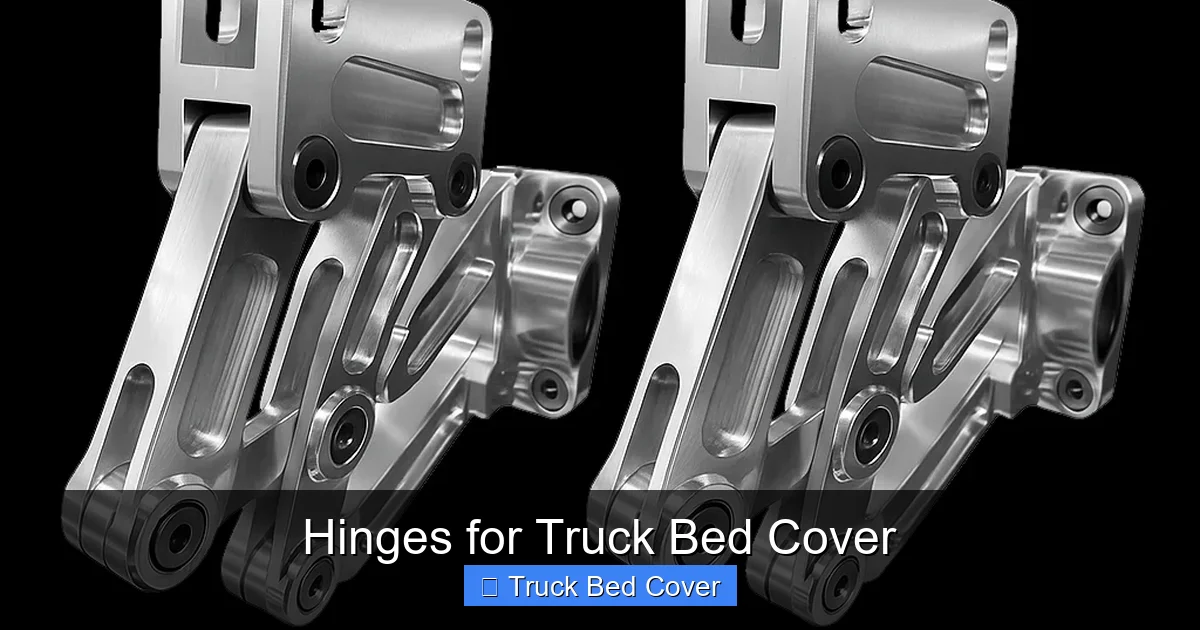
Hinges for Truck Bed Cover
Hinges for truck bed cover are essential components that ensure smooth operation, long-lasting performance, and added security. Whether you’re hauling gear or protecting cargo, the right hinge system can make all the difference in functionality and convenience. In this guide, we’ll walk you through everything you need to know about selecting, installing, and maintaining the best hinges for your truck bed cover.
Key Takeaways
- Durability is key: Choose hinges made from rust-resistant materials like stainless steel or powder-coated aluminum to withstand harsh weather conditions.
- Ease of installation matters: Look for hinges with pre-drilled holes and clear instructions to simplify the setup process.
- Security features enhance safety: Consider locking hinges or those with anti-theft designs to prevent unauthorized access.
- Smooth operation improves usability: Quality hinges reduce friction and noise, making opening and closing your truck bed cover effortless.
- Compatibility ensures a perfect fit: Always check your truck model and cover type before purchasing to avoid mismatches.
- Maintenance extends lifespan: Regular cleaning and lubrication keep hinges functioning smoothly and prevent corrosion.
- Upgrade options include soft-close: Some modern hinges offer soft-close mechanisms for added convenience and reduced wear over time.
Quick Answers to Common Questions
What type of hinge is best for a hard tri-fold truck bed cover?
For a hard tri-fold cover, piano hinges or ball-bearing hinges are ideal because they provide strong support and smooth operation. These types distribute weight evenly and reduce strain during repeated use.
Can I replace old hinges on my existing truck bed cover?
Yes, many aftermarket hinge kits are designed to replace OEM parts. Just make sure the new hinges match your cover’s dimensions and mounting pattern for a proper fit.
Do hinges affect the security of my truck bed cover?
Absolutely. Lockable or reinforced hinges add an extra layer of security by preventing unauthorized access. Some models integrate with latches or alarms for enhanced protection.
How often should I lubricate my truck bed cover hinges?
Lubricate your hinges every 3 to 6 months, depending on climate and usage. More frequent use or exposure to moisture may require shorter intervals.
Are soft-close hinges worth the extra cost?
Yes, especially if you frequently open and close your cover. Soft-close mechanisms prevent slamming, protect your tailgate, and extend the life of both the hinge and cover.
📑 Table of Contents
- Introduction: Why Hinges Matter for Your Truck Bed Cover
- Understanding Truck Bed Cover Hinges
- Materials That Stand Up to the Elements
- Installation Tips for Flawless Function
- Maintaining Your Hinges for Long-Lasting Performance
- Upgrading to Smart Hinge Systems
- Top Brands and Products to Consider
- Conclusion: Invest in Smarter, Stronger Hinges
Introduction: Why Hinges Matter for Your Truck Bed Cover
If you’re a truck owner who values convenience, security, and protection for your cargo, then you’ve probably invested in a high-quality truck bed cover. But have you ever stopped to think about what makes it actually work? The answer lies in something small but mighty—hinges for truck bed cover. These unassuming metal components are the backbone of your cover’s functionality. They determine how easily you can open and close the cover, how well it seals against the elements, and even how securely your belongings stay inside.
Whether you drive a Ford F-150, a Chevy Silverado, or a Toyota Tacoma, the type of hinge you choose will directly impact the performance and longevity of your truck bed cover. From heavy-duty models designed for off-road adventures to sleek, low-profile versions built for urban commuters, hinges play a crucial role in every design. In this article, we’ll explore everything you need to know about hinges for truck bed cover systems—from types and materials to installation tips and maintenance tricks. By the end, you’ll be equipped to make an informed decision that enhances both the utility and value of your truck.
Understanding Truck Bed Cover Hinges
At their core, truck bed cover hinges are mechanical joints that allow the cover to pivot open and closed while remaining securely attached to the truck bed. Unlike simple door hinges on a house, these are engineered to handle constant use, exposure to sun, rain, snow, and dust—all while supporting the weight of the cover itself.
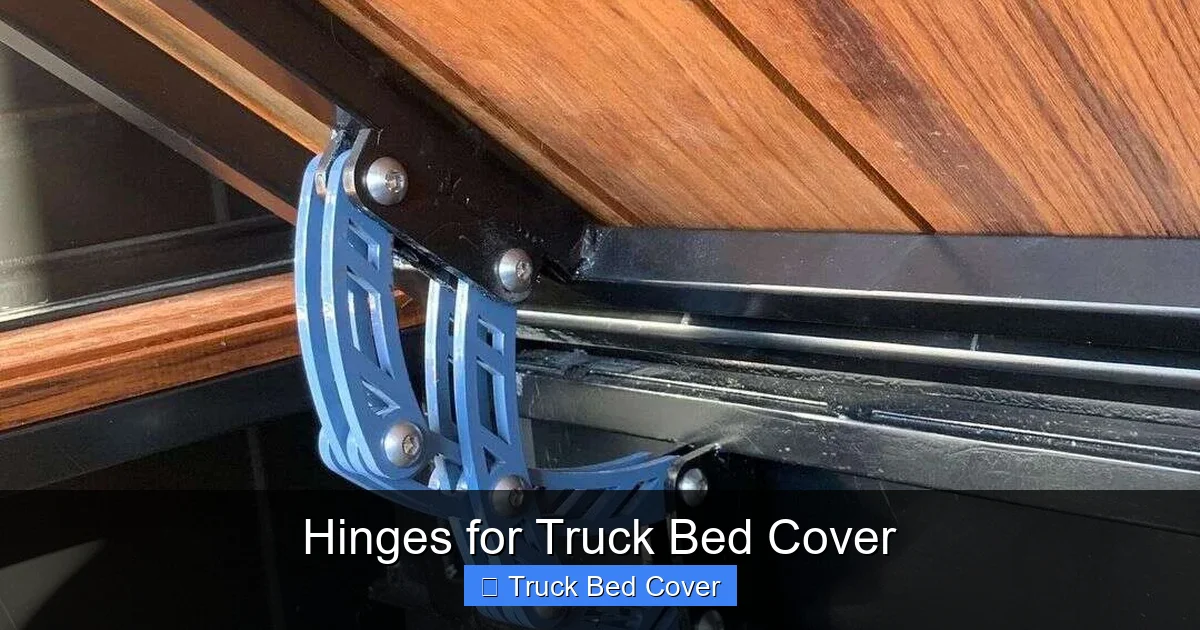
Visual guide about Hinges for Truck Bed Cover
Image source: ls-fab.com
How Do They Work?
A typical hinge system consists of two main parts: the mounting bracket (attached to the truck bed) and the hinge arm (connected to the cover). When the cover is lifted, the hinge allows it to rotate upward without detaching. High-quality hinges often feature internal bearings or bushings that reduce friction and ensure smooth movement over thousands of cycles.
Some advanced systems also integrate gas struts or dampening mechanisms that help control the speed at which the cover opens and closes. This not only improves user experience but also reduces stress on the hinge assembly over time.
Common Types of Hinges
Not all hinges are created equal. Depending on your cover style and usage needs, you might encounter several hinge types:
- Standard T-Hinges: Simple and widely used, these consist of a straight arm with a T-shaped base. They’re affordable and easy to install but may lack durability for heavy-duty applications.
- Piano Hinges: Long, continuous hinges that run along the full edge of the cover. They provide excellent support and distribute weight evenly, ideal for full-size truck beds.
- Ball-Bearing Hinges: Feature precision ball bearings that reduce friction and wear. These are common in premium covers and offer smoother operation.
- Soft-Close Hinges: Incorporate hydraulic or spring-loaded mechanisms to gently lower the cover without slamming. Great for added convenience and protection against damage.
Choosing the right type depends largely on your truck’s size, cover material, and how frequently you plan to use it. For example, a hard tri-fold cover on a mid-sized pickup might benefit from piano hinges, while a roll-up cover could work well with standard T-hinges paired with gas shocks.
Materials That Stand Up to the Elements
The material of your hinges determines how well they’ll hold up in different climates and under various loads. Since truck bed covers are exposed to moisture, temperature swings, road salt, and UV rays, choosing the right hinge material is non-negotiable.
Stainless Steel: The Gold Standard
When it comes to corrosion resistance and strength, stainless steel hinges are hard to beat. Made from alloys like 304 or 316, they resist rust even in coastal or winter environments where salt is present. They’re also strong enough to support heavy covers without bending or warping.
However, stainless steel can be more expensive than alternatives. Still, many truck owners consider it a worthwhile investment due to its longevity and reliability. Plus, polished finishes add a clean, professional look to your truck bed.
Aluminum Alloys: Lightweight & Resistant
For those seeking a lighter option without sacrificing durability, powder-coated aluminum hinges are an excellent choice. Aluminum naturally resists corrosion, and when combined with a tough powder coating, it becomes even more resilient against scratches and fading from sun exposure.
This makes aluminum ideal for dry climates or trucks that aren’t regularly exposed to salt or moisture. Just be cautious—aluminum isn’t as strong as steel, so it’s best suited for lighter covers or moderate-duty use.
Plastic or Composite Hinges: Budget-Friendly Options
Less expensive than metal, plastic or composite hinges are sometimes found on economy-level truck bed covers. While they’re lightweight and won’t rust, they tend to degrade faster under prolonged sun exposure and may become brittle over time. These are generally not recommended for serious off-roading or frequent heavy use.
Galvanized Steel: A Middle Ground
Galvanized steel hinges are coated with zinc to prevent rust. They’re stronger than plastic and more affordable than stainless steel, making them a popular middle-ground option. However, over time, the zinc layer can wear off in harsh conditions, exposing the underlying steel to corrosion.
If you live in a humid or salty environment, consider upgrading to stainless steel instead.
Installation Tips for Flawless Function
Even the best hinges won’t perform well if they’re poorly installed. Proper alignment and secure mounting are critical for smooth operation and long-term durability. Here’s how to get it right:
Measure Twice, Drill Once
Before removing any hardware, double-check the position of your hinges using the manufacturer’s template or a test-fit method. Misaligned holes can cause binding or uneven gaps between the cover and truck bed.
Use the Right Tools
Invest in a quality drill, level, and socket set. Using improper tools can strip screws or crack the truck bed rails. If your truck has composite or painted surfaces, consider using self-tapping screws designed for your specific material.
Lubricate Before First Use
Once installed, apply a thin layer of silicone-based lubricant to the moving parts of the hinges. This reduces initial friction and ensures smooth operation from day one. Avoid oil-based lubes—they attract dirt and dust, leading to faster wear.
Check for Play
After installation, manually open and close the cover several times. If it feels loose or wobbles, tighten the mounting bolts gradually until there’s no side-to-side movement. Over-tightening can damage threads or warp the hinge plate.
Test Under Load
Finally, load some weight onto the cover and repeat the open/close cycle. This simulates real-world use and helps identify any weak points before they become problems.
Maintaining Your Hinges for Long-Lasting Performance
Like any mechanical part, hinges require regular care to stay functional. Neglecting maintenance can lead to squeaking, sticking, or even complete failure. Here’s a simple maintenance routine:
Clean Monthly
Dust, mud, and debris can accumulate in hinge joints, increasing friction and wear. Use a soft brush or compressed air to remove grime from crevices. For stubborn buildup, wipe with a damp cloth and mild soap.
Lubricate Every 3–6 Months
Apply a few drops of silicone spray or light machine oil to pivot points. Wipe away excess to prevent attracting dirt. Never use WD-40 as a lubricant—it’s designed for rust prevention, not ongoing lubrication.
Inspect for Corrosion
Look for signs of rust, pitting, or discoloration. On stainless steel hinges, minor surface oxidation is normal, but deep rust indicates a problem. Replace damaged hinges promptly to avoid spreading corrosion to adjacent components.
Check Hardware Regularly
Screws and bolts can loosen over time due to vibration. Periodically inspect and retighten all mounting hardware. Use thread-locking compound on critical fasteners for added security.
Store Properly When Not in Use
If you remove your truck bed cover seasonally (e.g., during winter), store it in a cool, dry place. Keep hinges clean and lightly lubricated to prevent drying out or freezing in cold weather.
Upgrading to Smart Hinge Systems
Modern advancements have introduced smart hinge systems that go beyond basic pivoting. These upgrades focus on improving convenience, security, and overall user experience.
Soft-Close Technology
These hinges use hydraulic dampers to slow the descent of the cover as it nears the closed position. This prevents slamming, protects the tailgate, and reduces wear on the cover itself. Ideal for users who frequently load and unload heavy items.
Lockable Hinges
Some aftermarket hinges come with integrated locks that secure the cover in place without needing a separate latch. This adds an extra layer of theft deterrence and peace of mind when parking in public areas.
Remote-Assisted Opening
While still emerging, certain high-end systems allow partial or full opening via remote control—perfect for tight garages or when carrying bulky equipment.
Weather-Sealed Designs
Advanced hinges may feature rubber gaskets or O-rings to prevent water ingress. This keeps internal mechanisms dry and extends service life in rainy or snowy climates.
When considering an upgrade, always verify compatibility with your existing cover and truck model. Consult with manufacturers or trusted dealers to ensure seamless integration.
Top Brands and Products to Consider
With so many options on the market, choosing the right brand can feel overwhelming. Here are some of the most reputable manufacturers known for reliable hinges:
- UnderCover: Offers durable stainless steel hinges with easy installation and a lifetime warranty on select models.
- Bak: Known for high-quality aluminum and steel hinges, especially popular among DIY enthusiasts.
- TruXedo: Provides smooth-operating ball-bearing hinges ideal for roll-up covers.
- Leer: Specializes in premium liftgate and hinge systems for truck caps and tonneau covers.
- Extang: Combines affordability with solid performance, offering T-hinges and soft-close options across multiple product lines.
Always read customer reviews and check for warranties when purchasing. A higher upfront cost often translates to fewer headaches down the road.
Conclusion: Invest in Smarter, Stronger Hinges
Your truck bed cover is more than just a lid—it’s a vital part of your vehicle’s functionality and security. And at the heart of that system are hinges for truck bed cover that must endure daily use, environmental extremes, and constant wear. Choosing the right hinges isn’t just about convenience; it’s about protecting your investment and ensuring your gear stays safe and dry.
By understanding the different types, materials, and maintenance practices discussed here, you’re now empowered to make a smart choice tailored to your truck and lifestyle. Whether you prioritize durability, ease of use, or cutting-edge features, there’s a hinge solution out there that fits your needs perfectly.
So next time you’re shopping for a new cover or replacing worn-out hardware, remember: great performance starts with great hinges. Don’t overlook this small but essential component—it could be the difference between a frustrating experience and a flawlessly functioning truck bed system.
Frequently Asked Questions
What materials are best for truck bed cover hinges?
Stainless steel and powder-coated aluminum are the top choices due to their corrosion resistance and durability. Stainless steel offers the highest strength, while aluminum is lighter and still highly resistant.
Can I install hinges myself?
Yes, most truck bed cover hinges come with detailed instructions and require basic tools like a drill and screwdriver. Ensure proper alignment and use the correct hardware for your truck bed material.
How do I know if my hinges need replacing?
Signs include excessive squeaking, difficulty opening/closing, visible rust, or loose movement. If the cover no longer stays in place securely, it’s likely time for a replacement.
Do all truck bed covers use the same type of hinge?
No. Roll-up, tri-fold, folding, and retractable covers each use different hinge styles. Always match the hinge type to your specific cover model for optimal performance.
Are plastic hinges acceptable for long-term use?
Plastic hinges are budget-friendly but typically less durable. They may crack or deform under heat or heavy use, so they’re better suited for temporary or light-duty applications.
Should I buy original equipment manufacturer (OEM) hinges?
OEM hinges guarantee perfect compatibility with your truck and cover. Aftermarket options can be more affordable or offer upgraded features, but ensure they meet quality standards before purchasing.