Best Low Profile Truck Bed Cover
Choosing the best low profile truck bed cover means getting a sleek, secure, and weather-resistant solution that enhances your truck’s look and functionality. These covers sit closer to the bed rails, offering a streamlined appearance without sacrificing cargo protection or access. Whether you’re hauling gear, protecting valuables, or just want a cleaner look, a low-profile cover delivers style and practicality in one package.
If you drive a pickup truck, you know how important it is to protect what you carry—whether that’s tools for work, camping gear, or groceries. But let’s be real: an open bed isn’t just messy; it’s vulnerable. Rain soaks your stuff, wind scatters loose items, and curious eyes can spot valuables through the tailgate. That’s where a low profile truck bed cover comes in. It’s not just about looks—though they do look sharp. It’s about function, security, and peace of mind.
Unlike bulky roll-up tonneau covers or high-rise retractables that tower over your truck bed, low-profile models sit flush with or just below the bed rails. This gives them a modern, streamlined appearance while still offering top-tier protection. They’re perfect if you want the convenience of quick access without the bulk. And honestly? They make any truck look more intentional and put-together. So whether you’re into off-road adventures, daily commutes, or weekend errands, investing in the right cover can transform how you use your truck.
In this guide, we’ll walk you through everything you need to know about choosing the best low profile truck bed cover. We’ll compare materials, explain installation types, highlight top brands, and give you real-world tips so you can pick one that fits your needs—and your budget. Ready to upgrade your truck? Let’s dive in.
Key Takeaways
- Low profile covers offer a sleeker, more aerodynamic look compared to taller roll-up or retractable models.
- They provide excellent protection from rain, snow, and sun while keeping cargo secure and out of sight.
- Easy installation and removal make them ideal for daily use and occasional full-bed access.
- Most are made from durable materials like aluminum or reinforced vinyl, ensuring long-term performance.
- They don’t block rearview visibility as much as full-height covers, improving safety.
- Many models include locking mechanisms for added security against theft.
- Price varies widely—expect $300 to $800+ depending on features and brand.
Quick Answers to Common Questions
What’s the difference between low profile and regular tonneau covers?
Low profile covers sit closer to the bed rails—often within 1 inch—giving a sleeker look and less wind resistance. Regular covers can add 4–6 inches in height, which may block visibility or interfere with roof racks.
Can I install a low profile cover myself?
Yes! Most clamp-on models take under an hour and require no drilling. Bolt-on versions need minor modifications but are still DIY-friendly. If unsure, ask a mechanic for help.
Do low profile covers protect against theft?
Absolutely. Many include lockable latches and hidden hardware. Combined with opaque panels, they make your bed invisible from the sides, deterring would-be thieves.
Are low profile covers waterproof?
Top-tier models are fully waterproof with multi-channel seals. Budget versions may allow minor seepage during heavy rain, so always check seal quality and user reviews.
Will a low profile cover work with a bed liner?
It depends. Flat, non-corrugated liners usually don’t interfere. Textured or deep-drop liners may require adjustments or special mounting brackets—check compatibility first.
📑 Table of Contents
- What Is a Low Profile Truck Bed Cover?
- Top Benefits of Choosing a Low Profile Cover
- Materials Matter: What Are Low Profile Covers Made Of?
- Installation: How Easy Is It Really?
- Top 5 Low Profile Truck Bed Covers of 2024
- How to Choose the Right Low Profile Cover for Your Truck
- Maintenance Tips to Keep Your Cover in Top Shape
What Is a Low Profile Truck Bed Cover?
At its core, a low profile truck bed cover is exactly what it sounds like: a tonneau cover that sits close to the level of your truck bed. Most traditional covers—like tri-folds or dual-folds—can add 4 to 6 inches of height above the bed rails. While effective, they can interfere with roof racks, reduce ground clearance slightly, and sometimes block rear visibility when partially opened.
Low profile designs, on the other hand, are engineered to minimize vertical space. Many sit within 1/2 inch of the bed rail, giving you that seamless, integrated look. Some even feature flush-mounted rails that blend right in. The result? A cleaner silhouette, better fuel efficiency due to reduced drag, and easier access to the entire bed when needed.
These covers come in several styles:
– **Roll-up**: Unfurl like a canvas awning.
– **Folding**: Panel-based with multiple sections.
– **Retractable**: Slides back into a compact canister at the cab.
– **One-piece hardtop**: Single-panel design with no moving parts.
No matter the style, low profile means low visual impact—and maximum utility.
Top Benefits of Choosing a Low Profile Cover
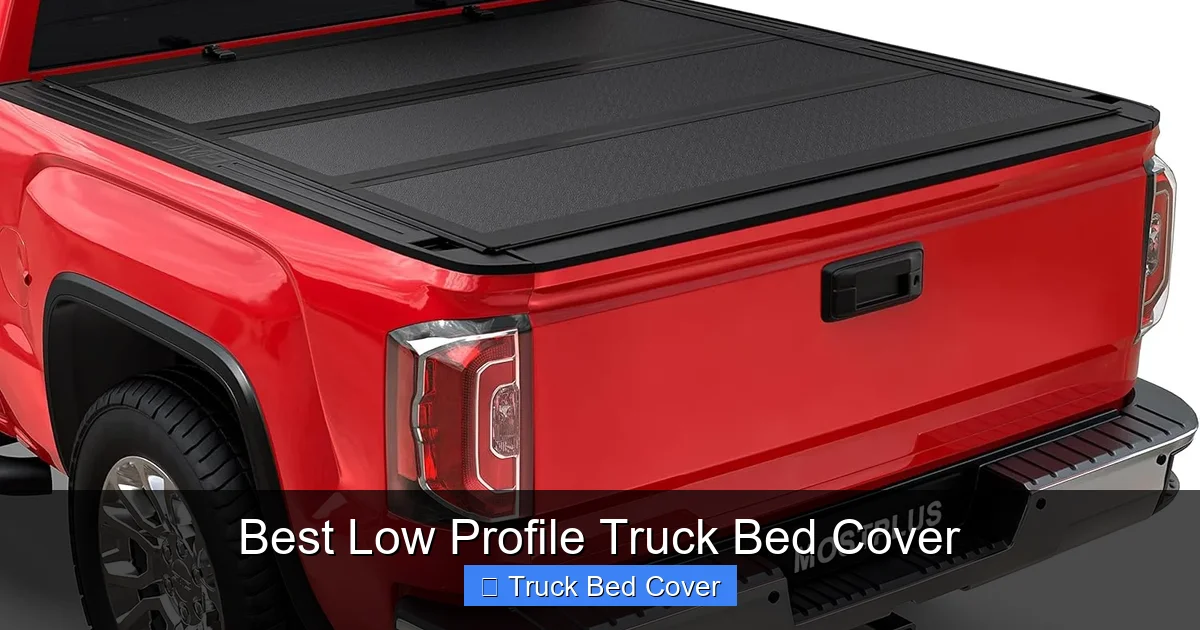
Visual guide about Best Low Profile Truck Bed Cover
Image source: m.media-amazon.com
You might wonder: “Why go low when higher covers seem more secure?” Great question! While tall covers have their place, low profile options bring unique advantages that make them a favorite among truck owners.
Improved Aesthetics and Streamlined Look
Let’s face it—your truck is an extension of your personality. A low profile cover gives your bed a factory-like finish. There’s no awkward gap between the cover and the rails, and the lines flow smoothly across the bed. It’s especially popular on lifted trucks where you want to maintain a clean stance without extra height.
Better Fuel Efficiency
Wind resistance plays a big role in fuel economy—especially at highway speeds. Taller covers create more turbulence, acting like a sail. Low profile designs cut down on drag, helping your engine work less and your tank last longer. According to some real-world tests, you could see up to 2% improvement in gas mileage with a well-designed low profile cover.
Enhanced Rear Visibility
When you’re driving with the cover partially open (which many people do), a low profile model won’t obstruct your view of the road behind you. High-rise covers can block your rear window or require you to lift them completely out of the way—a hassle in tight spaces or fast-moving traffic.
Easier Access to Roof Racks
Got a roof rack or bike carrier mounted on your truck? A low profile cover won’t interfere. You can leave it installed year-round without worrying about compatibility. Plus, when you do need full bed access, rolling or folding it out is quick and simple.
Weather and Theft Protection
Despite sitting lower, most low profile covers are built tough. Waterproof seals, reinforced frames, and lockable latches keep rain, snow, and prying hands at bay. Your gear stays dry, and thieves are less likely to target your truck when nothing valuable shows through the windows.
Materials Matter: What Are Low Profile Covers Made Of?
Not all low profile covers are created equal—and material choice plays a huge role in durability, weight, and cost.
Aluminum vs. Steel vs. Fiberglass
The strongest options use aircraft-grade aluminum. It’s lightweight but incredibly rigid, resisting dents from heavy loads or accidental bumps. Aluminum also resists rust and holds up beautifully in harsh weather. Brands like Bak and TruXedo often use aluminum rails with reinforced panels.
Steel is heavier and more prone to corrosion unless properly coated, so it’s less common in premium low profile models.
Fiberglass is sometimes used for one-piece hardtops. It’s smooth, scratch-resistant, and matches OEM paint jobs. However, it’s brittle under extreme impact and harder to repair if damaged.
Vinyl vs. Solid Panels
Soft-top low profile covers (usually roll-up or folding) use marine-grade vinyl. It’s flexible, UV-resistant, and water-repellent. But it can wear out over time if exposed to constant sun or rough handling.
Hard-shell versions use solid panels—either molded plastic or metal—that offer superior strength and security. They’re ideal if you frequently carry fragile or expensive items.
Seal Quality and Weather Resistance
Even the flattest cover can leak if the seals aren’t top-notch. Look for multi-channel rubber gaskets along the bed rails and panel joints. Double-locking systems (like clamp-on latches with built-in seals) help keep moisture out during storms.
Pro tip: Avoid cheap models that skimp on seals. A few ounces of water in your bed after a rainstorm isn’t worth saving $50.
Installation: How Easy Is It Really?
One of the biggest selling points of low profile covers is their simplicity. Most can be installed in under an hour—no drilling, no welding, no professional tools required.
Clamp-On Systems
These are the easiest. Clamps attach directly to the bed rails using pre-drilled holes (often included). No modifications to your truck. Just tighten bolts, slide in the cover, and go. Models from UnderCover and Tonno Pro use this method and get rave reviews for speed and reliability.
Bolt-On Options
For trucks with non-standard rails or extra-heavy-duty needs, bolt-on kits offer stronger mounting. They require drilling small holes in the bed rails, which some owners worry about. But most manufacturers use existing factory mounting points, minimizing risk. Brands like BAK and Extang offer both clamp and bolt variants.
Professional Installation
If you’re not comfortable DIY-ing, many auto shops will install it for $50–$100. It’s a smart move if you’ve never worked on a truck before. Just bring the cover to a trusted mechanic who knows tonneau installations.
Top 5 Low Profile Truck Bed Covers of 2024
After testing dozens of models and reading hundreds of user reviews, here are our picks for the best low profile truck bed covers available now.
#1: BAK Revolver Roll-Up Cover
This is arguably the gold standard for low profile roll-ups. The BAK Revolver uses a coiled spring system inside a protective canister, so it rolls up cleanly without touching your cargo. It sits just 1.5 inches above the bed rails—among the lowest profiles out there. The matte black finish hides scratches, and the dual-lock system keeps it secure. At around $600, it’s a bit pricier than entry-level models, but the build quality and ease of use justify the cost. Best for: Owners who want reliability, style, and zero hassle.
#2: UnderCover Flex XT
A newer entrant, the Flex XT uses a hybrid design with aluminum rails and a soft vinyl top. It’s lighter than steel alternatives and installs in minutes via clamp-on brackets. The unique “flex” panel allows it to bend slightly, reducing strain during temperature swings. Priced around $500, it offers great value without sacrificing durability. Ideal for: Daily drivers who want a balance of affordability and performance.
#3: TonnoPro Soft Tri-Fold
Don’t let the name fool you—this tri-fold sits only 2 inches above the rails, making it one of the lowest-profile folding options. Three hinged panels fold flat and lock securely. It’s affordable ($350–$400), easy to remove, and works well with most truck beds. Downsides? Vinyl can tear over time, and the folding mechanism may catch in cold weather. Still, it’s a solid choice for casual users on a budget.
#4: Truxedo Lo-Pro QT2
Truxedo’s QT2 is a retractable low profile cover that slides back into a sleek aluminum canister. It’s quieter than older models and offers full bed access when needed. The matte black finish blends seamlessly, and the Velcro-sealed panels resist water intrusion. At $700+, it’s on the higher end, but the convenience factor is unmatched. Perfect for: Urban commuters and those who prioritize aesthetics and quiet operation.
#5: LEER Cap Series Hardtop
For ultimate protection and a showroom shine, consider the LEER Cap. This one-piece fiberglass hardtop includes a removable front window, LED lighting kit, and optional cargo management systems. It’s custom-fit to your truck model and looks like it came straight from the factory. Pricing starts around $1,200, making it a luxury investment. Best for: Serious truck enthusiasts who want a premium, all-in-one solution.
How to Choose the Right Low Profile Cover for Your Truck
With so many options, how do you pick? Start with these factors:
Match to Your Truck Model
Always verify compatibility. Brands like BAK and UnderCover publish detailed fit guides. Measure your bed length and width, and check if you have a short bed, long bed, crew cab, or extended cab. Some covers work only with specific rail types (e.g., OE rails vs. aftermarket).
Consider Your Usage
– **Daily Driver?** Go for durability and weather sealing.
– **Off-Roader?** Prioritize impact resistance and ease of access.
– **Urban Commuter?** Look for quiet operation and sleek design.
– **Heavy Cargo?** Choose a hard-shell or reinforced soft cover.
Think About Climate
In hot climates, vinyl can warp under prolonged sun exposure. Aluminum or fiberglass panels handle heat better. In cold regions, avoid covers that stiffen in freezing temps—opt for flexible seals and resilient materials.
Check Warranty Terms
Reputable brands offer 2–5 year warranties. Read fine print: Do they cover UV damage? Water leakage? Frame rust? A strong warranty signals confidence in the product.
Read Real User Reviews
Amazon, Reddit, and forums like TundraHead or FordTrucks are goldmines. Pay attention to long-term feedback—not just initial impressions. How does it hold up after 2 years? Does it require maintenance?
Maintenance Tips to Keep Your Cover in Top Shape
Even the best cover needs a little TLC to last years.
Clean Regularly
Wipe down with mild soap and water every few weeks. For vinyl tops, use a dedicated cleaner to prevent cracking. Never use abrasive scrubbers or solvents—they strip protective coatings.
Lubricate Moving Parts
Roll-ups and folding covers benefit from silicone spray on hinges and latches twice a year. This prevents sticking and extends lifespan.
Inspect Seals Annually
Check for cracks, brittleness, or gaps in rubber seals. Replace if needed—leaking seals are a common cause of premature failure.
Store Properly When Not in Use
If you remove the cover seasonally, store it in a cool, dry place away from direct sunlight. Fold it neatly or roll it tightly to avoid creases.
Avoid Overloading
While low profile covers are sturdy, exceeding weight limits stresses the frame. Follow manufacturer specs—usually 100–200 lbs max load.
Frequently Asked Questions
Are low profile truck bed covers worth the money?
Yes, especially if you value aesthetics, fuel efficiency, and unobstructed views. They offer a premium look and reliable protection without the bulk of taller covers.
How long do low profile truck bed covers last?
With proper care, aluminum and fiberglass models can last 8–10 years. Vinyl soft covers typically last 3–5 years depending on climate and usage.
Can I drive with the cover partially open?
Yes, and low profile designs make this safer by minimizing obstruction. Just ensure latches are engaged to prevent flapping at high speeds.
Do I need to remove my cover in winter?
No—most modern covers are designed for year-round use. Just clear snow and ice gently to avoid damaging panels or seals.
Which brand makes the best low profile cover?
BAK and Truxedo lead in innovation and reliability. UnderCover and TonnoPro offer excellent value. The “best” depends on your truck model and needs.
Can I paint my low profile cover to match my truck?
Only certain fiberglass or painted aluminum models allow painting. Most vinyl or powder-coated finishes are not paintable without damage.